
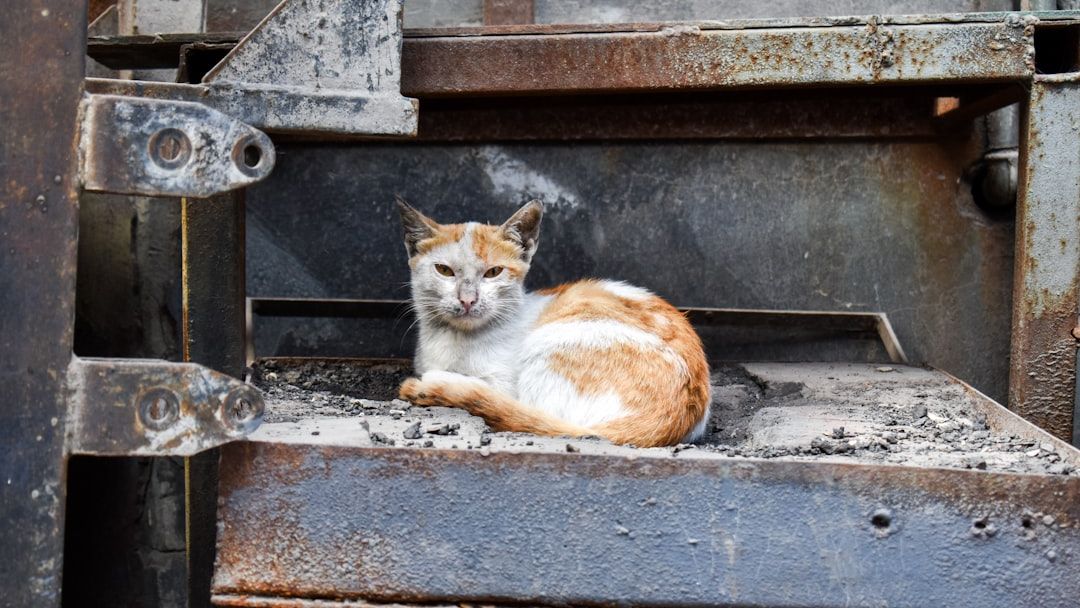
Most people think of wildlife as something that exists far away, out past the last highway exit, deep in some forest you need a map to navigate. The idea that animals are quietly thriving in the gaps of our daily lives, within the same zip codes where we shop, commute, and take out the recycling, still catches people off guard.
Urban wildlife refers to animal species that live in or frequently use urban and suburban areas dominated by human structures and activities. Many of these species have adapted not just to survive but to genuinely flourish in these settings. The real surprise isn’t that wildlife is moving closer to us. It’s how well some of them are doing once they get there.
Vacant Lots and Abandoned Urban Land
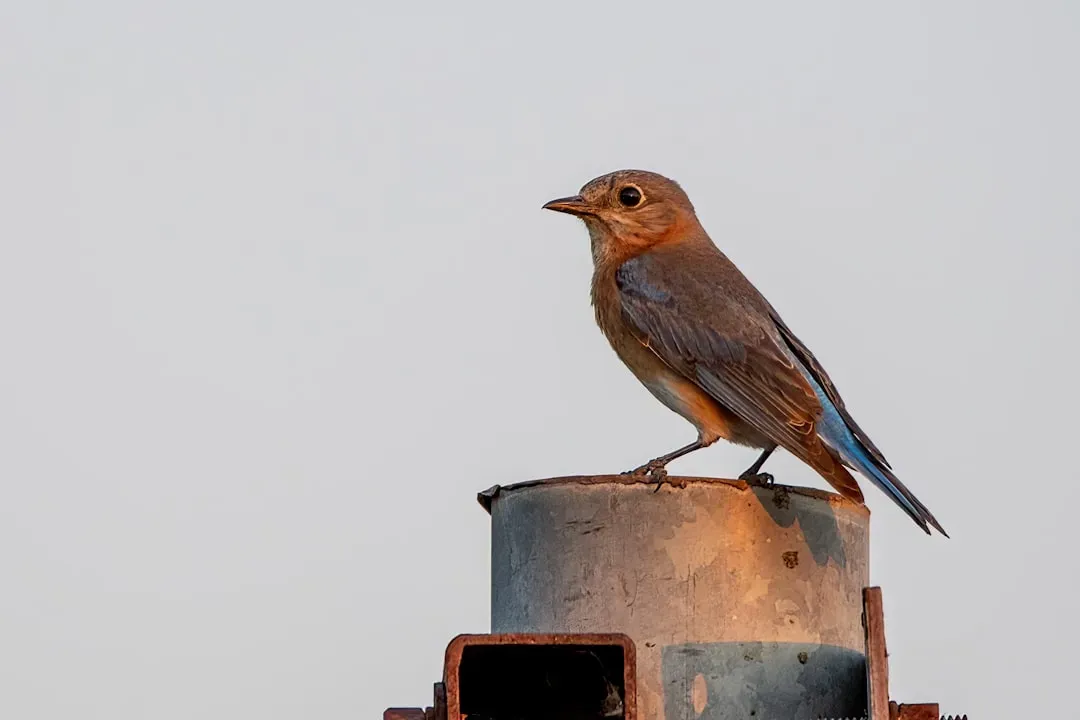
If you’ve ever walked past a weedy lot between two buildings and thought “nothing useful here,” think again. As cities evolve, contract, or face economic hardship, certain urban spaces fall silent of human footsteps. Abandoned factories, vacant lots, foreclosed neighborhoods, and even entire ghost towns are becoming theaters for an extraordinary ecological performance: the return of wildlife to urban spaces.
Cities and suburbs are home to nearly two-thirds of all wildlife species in North America. Research suggests that urban land that is now vacant has the potential to provide habitat for a wide range of plants, birds, and insects, even endangered species. In fact, studies have found that cities are refuges for insect pollinators and harbor a surprisingly high diversity of bees, in some cases higher than in rural or natural areas.
Vacant lots can act as wildlife corridors – stepping-stones for animals to move between parks and other, larger green spaces, amplifying their habitat benefits. Research from urban ecologists at Michigan State University demonstrates that connected networks of abandoned properties support significantly higher mammal diversity than isolated habitat patches of equivalent total area.
Philadelphia’s vacant lot remediation program represents a hybrid model, converting selected abandoned properties into “managed meadows” with minimal intervention beyond twice-yearly mowing and invasive species removal. These sites provide urban wildlife habitat while addressing community concerns about completely unmanaged spaces.
Green Rooftops High Above the Street
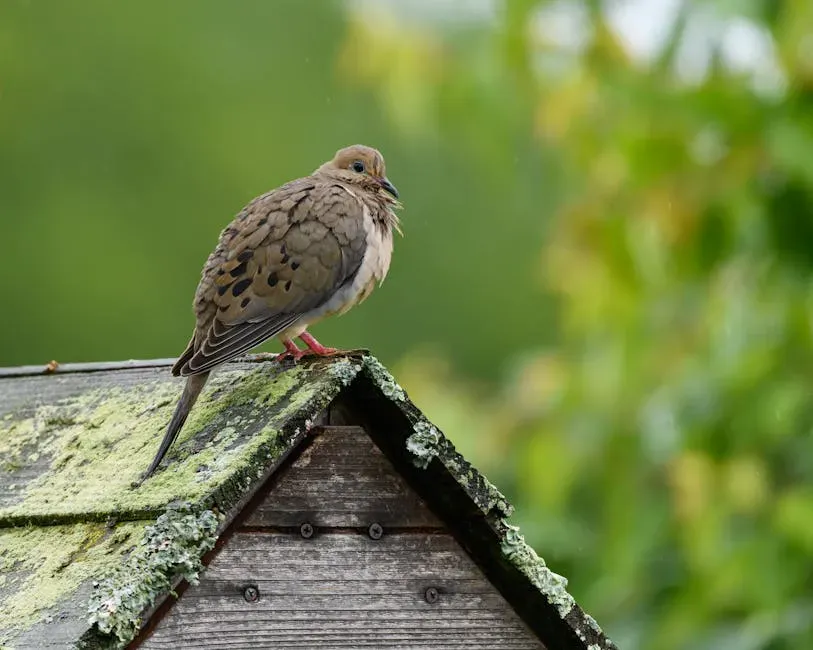
It sounds implausible, but some of the most productive wildlife habitat in a city is directly above your head. Chicago’s green roof initiative has established over 500 green roofs to provide wildlife habitats and manage stormwater, successfully bolstering urban biodiversity and ecological services. These roofs support wildlife such as birds and insects, enhancing urban ecological resilience while mitigating urban flooding risks.
A 2024 ecological survey of one well-documented green roof documented 157 unique taxa, including plants, insects, birds, mammals, fungi, lichen, and protozoa. Both intentional and spontaneous vegetation contributed to the rooftop’s plant diversity. That’s a remarkable range of life for a surface that sits above city traffic.
In Brooklyn, rooftop projects in polluted industrial areas soak up stormwater, clean and cool the air, save energy costs, and provide much-needed habitat for birds, bats, and insects. The rooftop, once treated purely as wasted square footage, is quietly becoming one of the more creative conservation tools available to dense cities.
Peregrine falcons nest atop skyscrapers, foxes patrol suburban lawns, and pollinators like bees and butterflies increasingly call city gardens home. From high perches, raptors gain the same clear sightlines over territory they once found on natural cliffs, which is why city skylines suit them so well.
Highway Corridors and Stormwater Retention Ponds
The edges of major roads are not exactly what most of us picture when we think of flourishing ecosystems. Yet those grassy medians, drainage channels, and engineered ponds running along state highways turn out to be genuinely useful to a wide range of species. Railroad corridors create natural highways allowing coyotes to move through cities unseen. Many urban coyotes have learned to be completely nocturnal, avoiding human contact while benefiting from the resources cities unintentionally provide.
In human-dominated areas where wildlife habitats are critical for the conservation of biological diversity, highway stormwater ponds may play a crucial role because they form large networks, often connected by ditches running along highways. Their presence can enhance regional diversity by creating refuges and connectivity among aquatic ecosystems.
Retention ponds integrate into green infrastructure by creating essential habitats for diverse wildlife. Cities design these ponds to support aquatic species, birds, and insects while managing water flow. Herons, turtles, dragonflies, and waterfowl are common visitors to these engineered basins, even in the middle of dense suburban development.
Fence lines, storm drains, and utility easements serve as pathways connecting fragmented habitats. Wildlife learns to navigate these man-made corridors just as they once followed natural trails. In areas where development continues year after year, animals pass this knowledge down through generations, making neighborhoods part of their established routes.
Suburban Backyards and Neighborhood Green Corridors
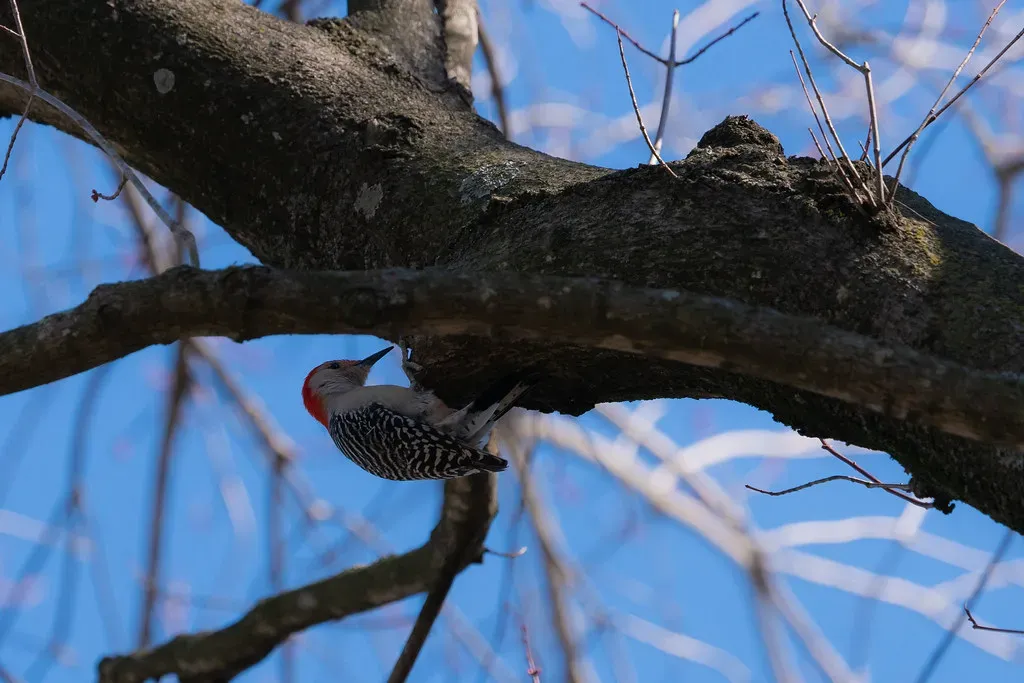
The ordinary backyard, with its bird feeders, overgrown fence corners, and patch of clover the mower missed, matters more than most homeowners realize. Researchers using remotely triggered wildlife cameras in Washington, D.C. and Raleigh, North Carolina found little difference in the number of species and habitat use of wild mammals between suburban areas and more natural settings. Most of the animals that lived in the wider region were also found in suburban areas.
Cities with bigger, better-connected green areas support significantly more wildlife species compared to cities with less greenery. These green spaces offer food, safe nesting sites, and corridors for movement, all of which help maintain biodiversity. Even a modest garden with native plants can feed pollinators, shelter small mammals, and provide a resting stop for migratory birds.
Apps like iNaturalist and eBird have empowered ordinary people to become wildlife observers, submitting valuable data that city planners can use to identify important habitats or new species in urban contexts. Citizen science has revealed just how much is living quietly in backyards that residents walk past every day without noticing.
Transformed urban areas typically feature native plant gardens, pollinator corridors, bird-friendly landscaping, and natural water features that create miniature ecosystems within developed areas. When neighbors coordinate even loosely, these small patches can connect into something far larger and more valuable than any single yard alone.
Abandoned and Overlooked Industrial Sites
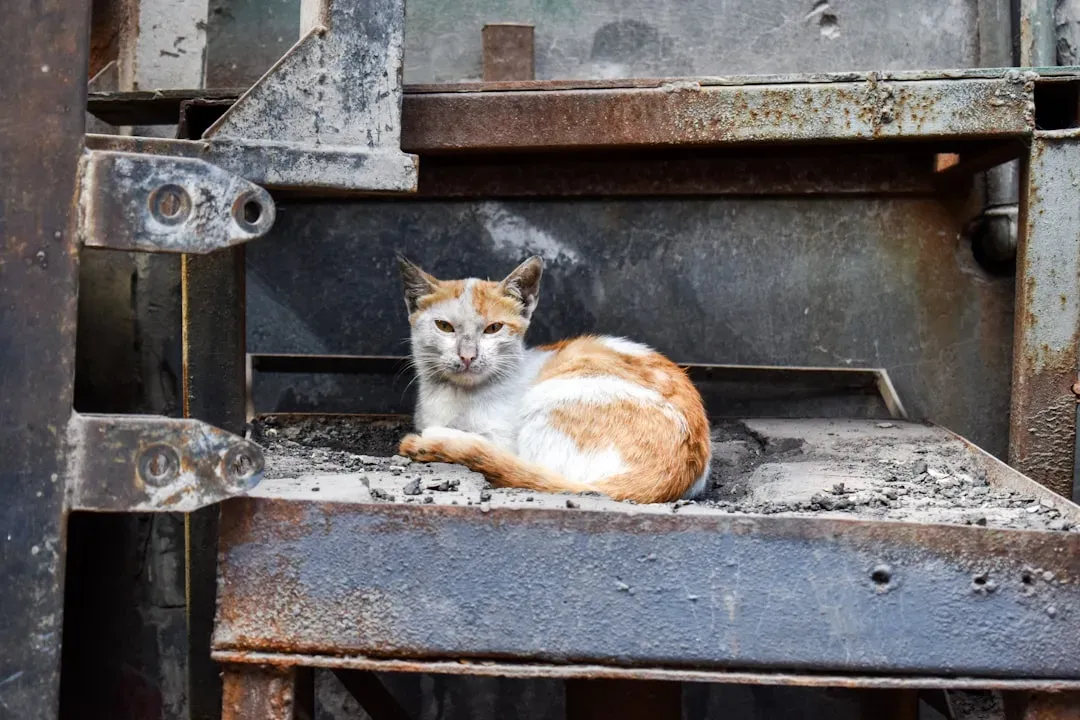
Post-industrial land carries a reputation for toxicity and neglect, and in some cases that reputation is earned. Still, nature tends to move in wherever it can. Abandoned urban areas, from old factories to vacant lots, become unexpected sanctuaries for wildlife seeking homes in our concrete jungles. As buildings crumble and vegetation pushes through cracks, animals find new opportunities in these accidental wilderness zones.
Fish-hunting osprey find perfect nesting spots atop abandoned construction equipment near urban waterways. The tall, stable structures of idle cranes mimic the dead trees these birds prefer in natural settings. From these high perches, they can spot fish swimming in nearby harbors and canals. Some cities now install platforms on purpose-built poles to encourage these magnificent birds, whose presence indicates improving water quality in once-polluted urban rivers.
Various bat species discover perfect roosting spots in forgotten underground infrastructure. Closed subway sections and abandoned service tunnels offer consistent temperatures and protection from predators and weather extremes. For bats, which need stable microclimates to roost and raise young, a decommissioned tunnel beats an open forest hollow in many respects.
Corridor networks of abandoned properties prove especially critical for predator species like coyotes and foxes that require larger territories than individual sites can provide. The strategic preservation of these wildlife highways represents a shift in urban planning, with some spaces now intentionally preserved as permanent ecological infrastructure within the urban fabric.
A Closing Thought
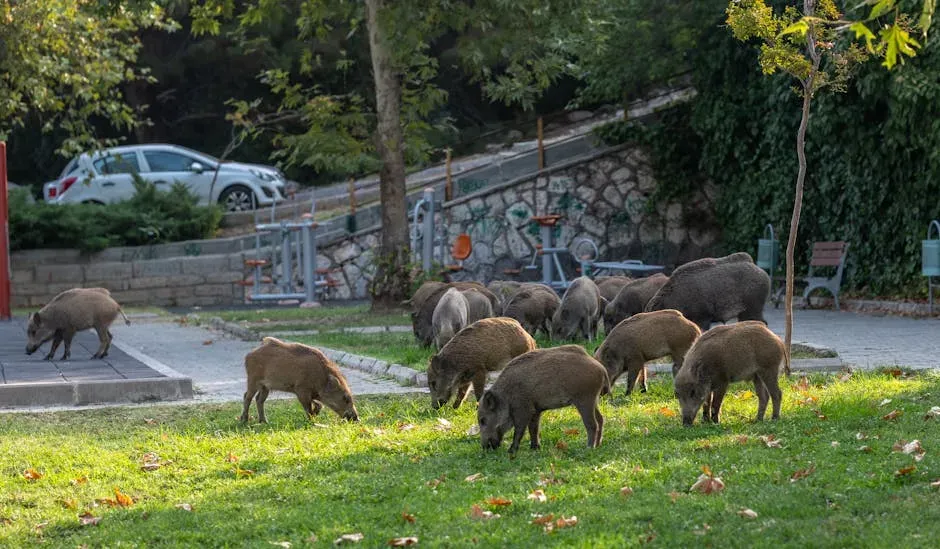
The story of wildlife in unexpected places isn’t really about animals invading human territory. It’s closer to a quiet renegotiation, with species filling in the gaps that development inadvertently leaves behind. Urban areas have become thriving habitats for diverse wildlife, each showing incredible adaptability and resilience. These animals have perfected survival strategies in human-dominated environments, securing food, shelter, and safety in places others may find inhospitable.
Studies show that neighborhoods with rich biodiversity have lower levels of stress and higher rates of physical activity. The presence of nature nearby, even in the most unassuming form, has a measurable effect on the people who live alongside it.
What’s worth sitting with is the idea that conservation doesn’t always require a wilderness preserve or a national park boundary. Sometimes it requires nothing more than paying closer attention to the lot across the street, the pond behind the shopping center, or the roof you’ve never once looked up at. Wildlife has been making the most of those spaces for a long time already.

- Why Veterinarians Say If Your Cat Sleeps With Their Back to You, It's the Highest Form of Trust in Feline Behavior - July 20, 2026
- Animal Science Says Ravens Remember Human Faces for Years and Warn Other Ravens About Dangerous People - July 20, 2026
- Marine Biology Says When Dolphins Suddenly Go Silent in Open Water It's Not Rest – They've Detected a Predator You Cannot See and Their Survival Strategy Reveals How They Read Danger - July 20, 2026