
Worried about unexpected vet bills?
Pet insurance can cover thousands in unexpected vet costs. Get a free quote from Lemonade in under 2 minutes.
Get My Free Quote →Sponsored · Opens Lemonade.com
Worried about unexpected vet bills?
Pet insurance can cover thousands in unexpected vet costs. Get a free quote from Lemonade in under 2 minutes.
Get My Free Quote →Sponsored · Opens Lemonade.com
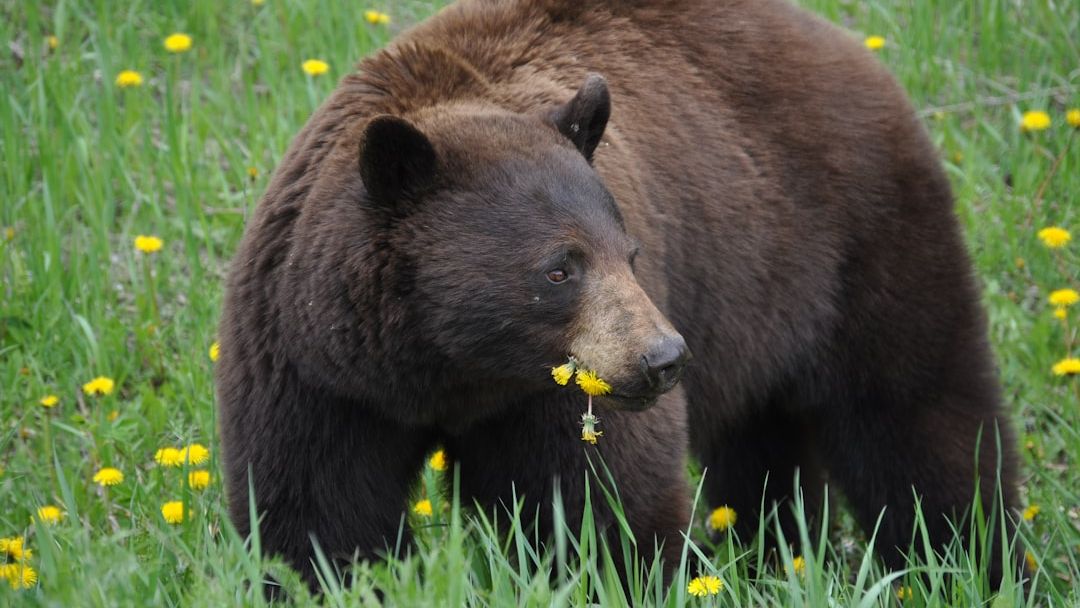
There’s something both terrifying and majestic about grizzly bears. These massive animals once roamed across most of the western United States, from Canada down to Mexico. Nowadays, their range has shrunk dramatically. In fact, you’d be surprised to know that grizzlies currently live in only four states outside of Alaska, and their numbers tell a story of both recovery and ongoing challenges.
If you’ve ever wondered where these iconic predators call home today, or which states host the largest populations, you’re in for some fascinating revelations. The distribution of grizzly bears across America is far from even, and some states play a much more critical role in their survival than others. Let’s dive in and see where these powerful creatures are thriving.
Alaska: The Undisputed Grizzly Bear Capital
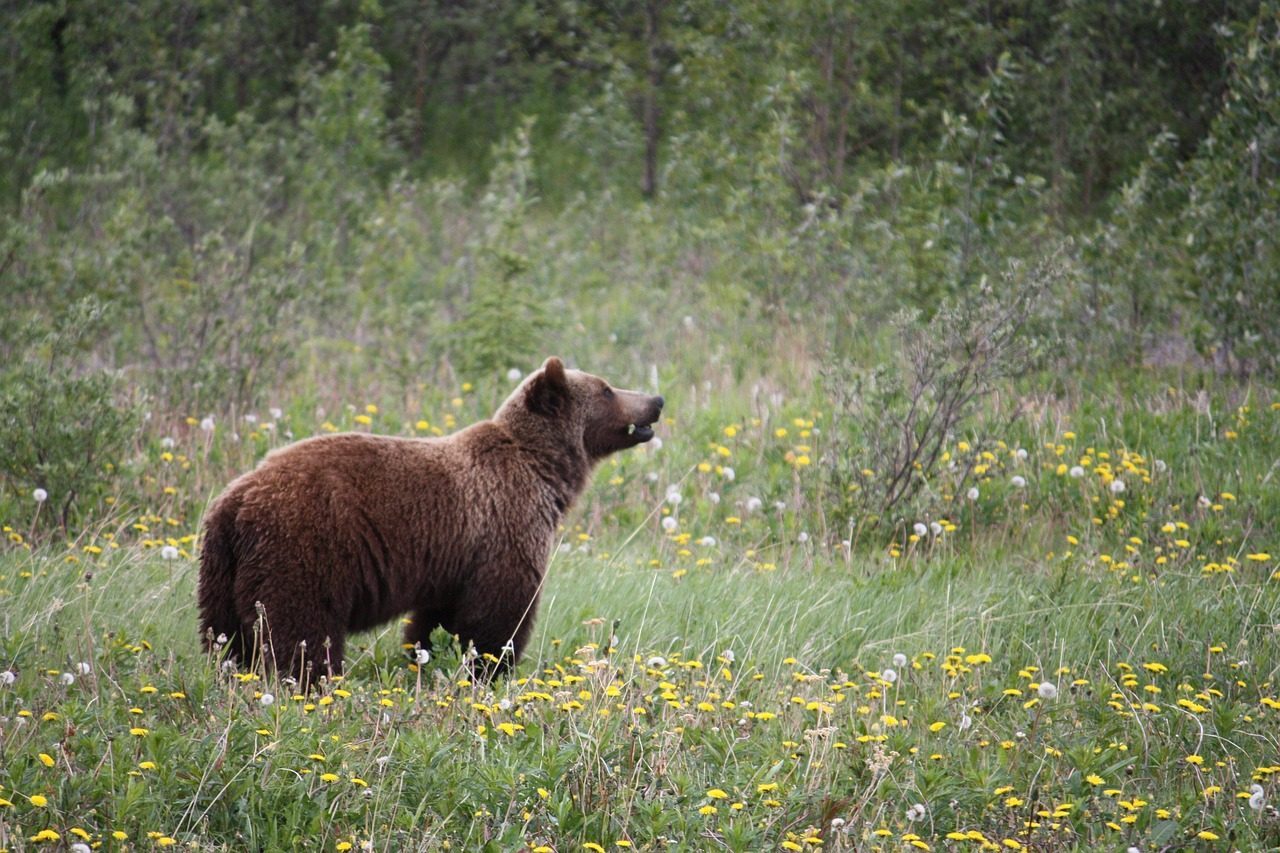
Alaska is home to the majority of the U.S.’s grizzly population, with about 30,000 grizzly bears within the state. That’s more than half of all grizzlies in North America. It’s hard to even comprehend that number when you consider the lower 48 states combined have only around 2,000 bears total.
Populations in Alaska are densest along the coast, where food supplies such as salmon are more abundant. The Admiralty Island National Monument protects the densest population: 1,600 bears on a 1,600 square-mile island. Think about that for a moment: one bear per square mile in certain areas. Alaska’s vast wilderness and abundant food sources create the perfect environment for these bears to not just survive but truly flourish.
Montana: The Lower 48’s Grizzly Stronghold
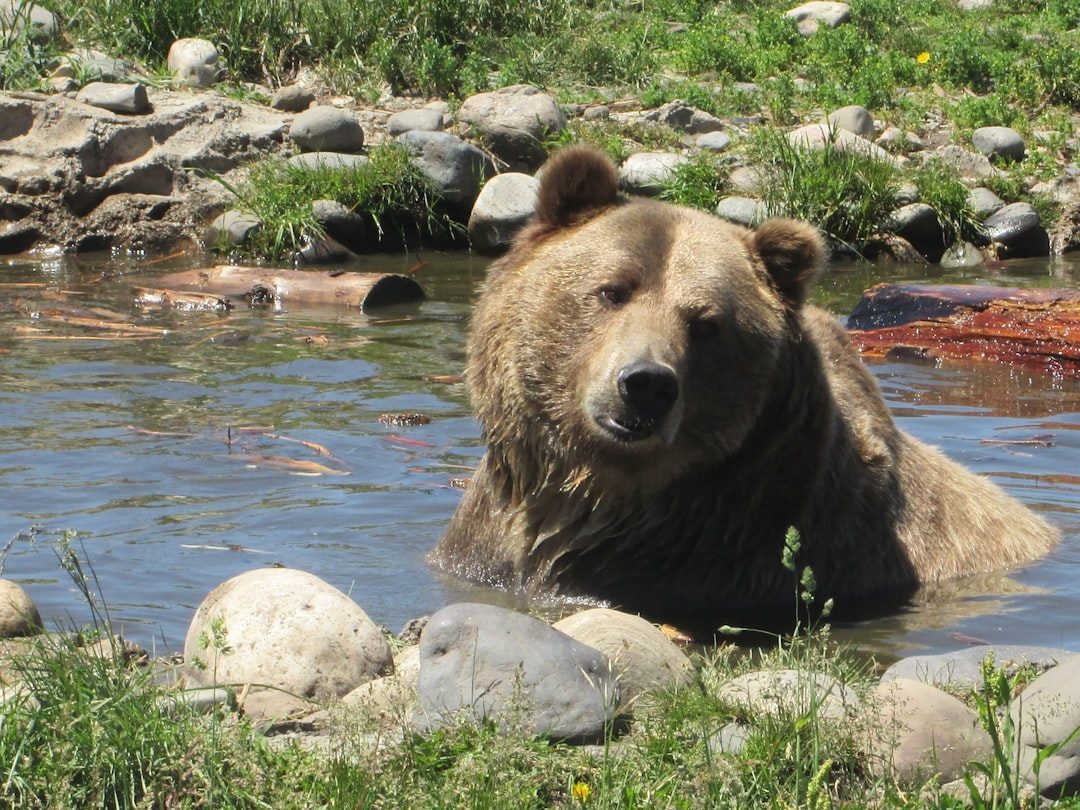
Montana has the largest remaining grizzly bear population in the United States, with the exception of Alaska. Montana has an estimated 1,000 to 1,200 grizzly bears, making it the clear leader among the continental states. Most of these bears live in the Northern Continental Divide Ecosystem in the northern and western parts of the state.
What’s remarkable is Montana’s long history of conservation leadership. Montana abolished baiting and the use of dogs to hunt bears in 1921, listed bears as a managed hunting species in 1923, and outlawed the killing of cubs or females with cubs in 1947. The state recognized the importance of protecting these animals decades before the federal government stepped in. Montana’s grizzlies are actually expanding their range, moving into areas they haven’t occupied in nearly a century.
Wyoming: Yellowstone’s Iconic Bear Population
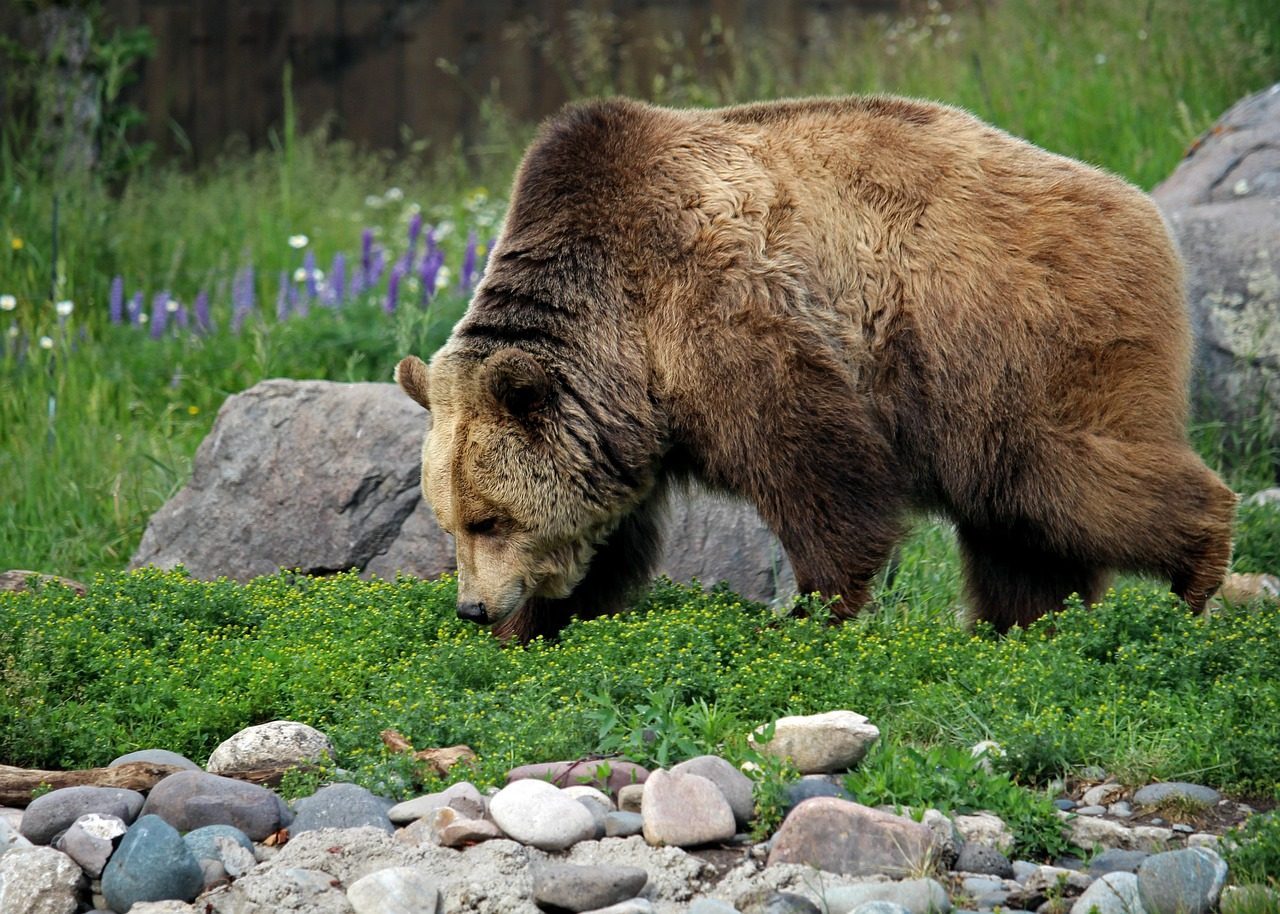
Wyoming hosts a significant portion of the Greater Yellowstone Ecosystem’s grizzly population. About 1,000 more live in the Greater Yellowstone Ecosystem in the tri-state area of Wyoming, Idaho and Montana. The recovery of grizzlies in this region is actually one of conservation’s great success stories.
The grizzly population of the Greater Yellowstone Ecosystem has gone from 136 bears in 1975 to an estimated 1,000 bears today. That’s a remarkable turnaround from the brink of regional extinction. Wyoming’s wilderness areas provide critical habitat, though the state’s bears share their range with Idaho and Montana, making management a collaborative effort across state lines.
Washington: Small But Significant Populations
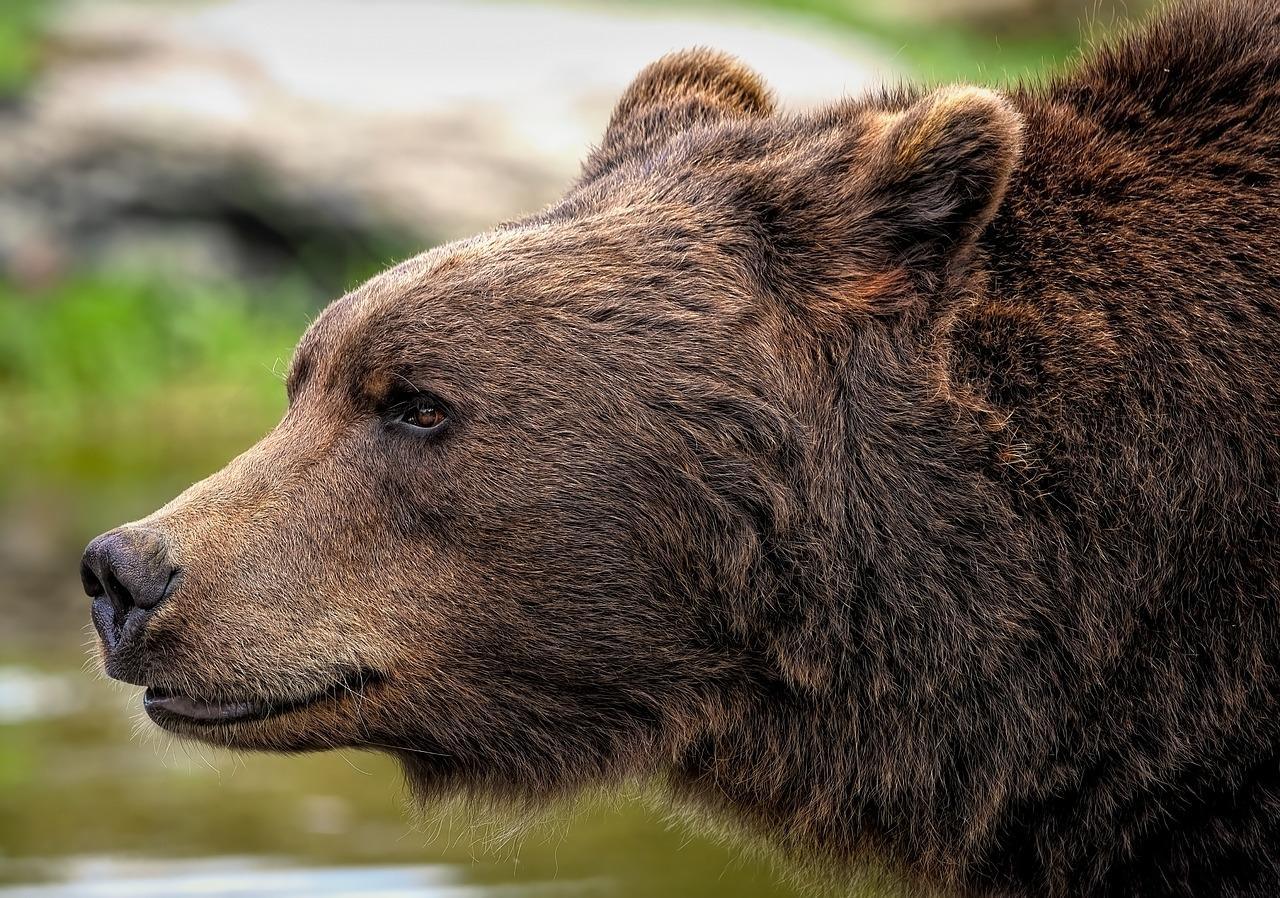
Washington has approximately 50 grizzly bears. These bears primarily live in the North Cascades and Selkirk Mountains near the Canadian border. The population here is much smaller and more fragile compared to Montana or Wyoming.
Grizzly bears are an endangered species in Washington, but two populations remain in the Selkirk Mountains and areas near the Canadian border. Conservation efforts in Washington focus heavily on protecting these remaining bears and potentially reintroducing more to bolster numbers. It’s a delicate balance between human recreation, development, and wildlife needs in a state with growing population pressures.
Idaho: The Borderland Bear Country
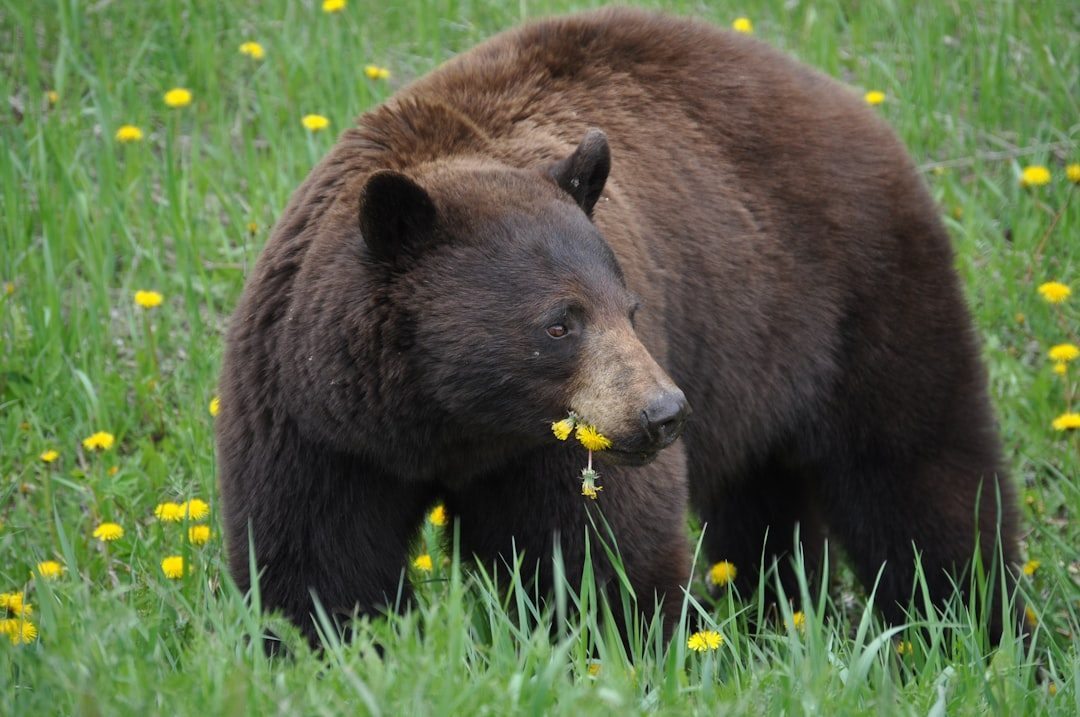
Idaho used to be home to many more grizzly bears, there are now around 80 to 100 in the state. Idaho’s grizzly populations are split between the Greater Yellowstone Ecosystem and smaller recovery zones like the Cabinet-Yaak and Selkirk ecosystems. These bears often move between Idaho and neighboring states or Canada.
Yellowstone National Park, partially located in the state, has a special grizzly conservation area set up to help protect this population. They are also listed as a threatened species which makes hunting them illegal. Idaho faces unique challenges because its bear populations are so fragmented. Connectivity between these isolated groups is essential for genetic diversity and long-term survival.
Conclusion
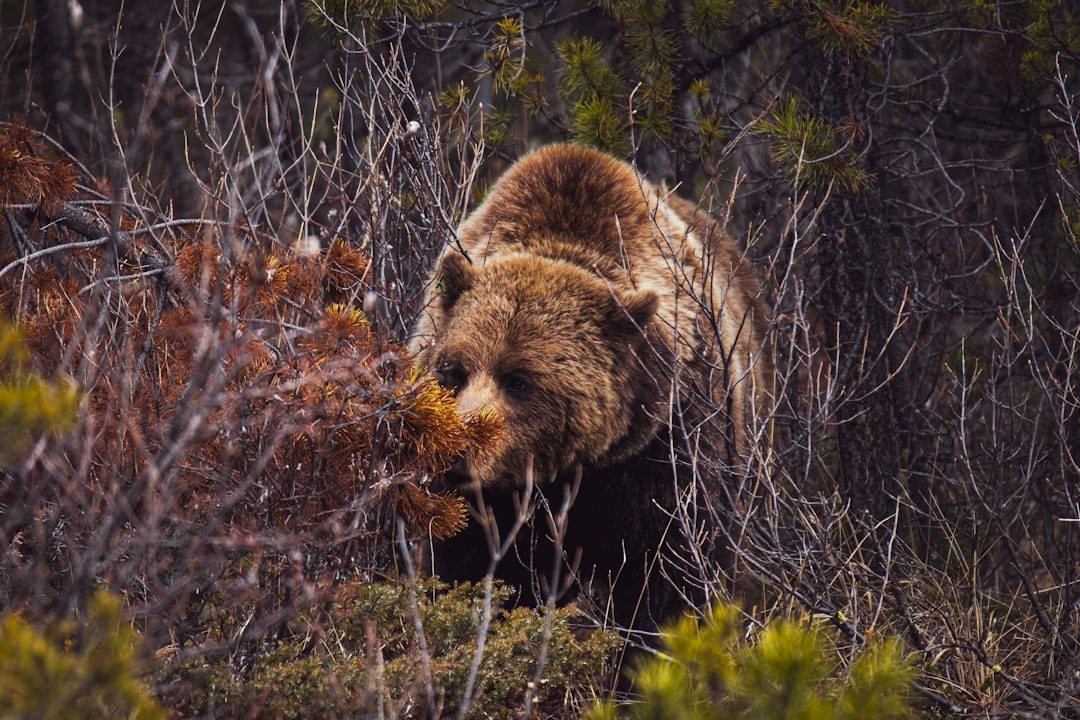
The story of grizzly bears in America is one of dramatic decline followed by slow, hard-won recovery. From an estimated 50,000 bears across the West before European settlement, their numbers plummeted to fewer than 1,000 by 1975. Today’s populations, while still fragile in many areas, represent decades of conservation work and changing attitudes toward these magnificent predators.
Alaska remains the undisputed stronghold, but Montana, Wyoming, Washington, and Idaho each play crucial roles in maintaining genetically diverse populations across different ecosystems. The bears are expanding their range in some areas, yet still face threats from habitat loss, human conflicts, and isolated populations. What’s clear is that their future depends on continued protection efforts and our willingness to share the landscape with one of North America’s most powerful symbols of wilderness.
What surprises you most about where grizzlies live today? Did you expect the numbers to be this low outside Alaska?
Worried about unexpected vet bills?
Pet insurance can cover thousands in unexpected vet costs. Get a free quote from Lemonade in under 2 minutes.
Get My Free Quote →Sponsored · Opens Lemonade.com
