
You walk into a pet store, lock eyes with a wrinkly, squishy-faced puppy, and your heart makes the decision before your brain gets a vote. It happens to thousands of families every year – and most of them have no idea what’s coming. Not because they didn’t love that dog enough, but because nobody told them the truth before the sale was made.
Vets across the country see the aftermath every single week: the bills, the surgeries, the heartbreak of a dog suffering from problems that were baked in long before the first owner ever held them. These aren’t rare bad-luck cases. These are breed-wide patterns that veterinary records document consistently – patterns pet stores have little financial incentive to advertise. The 14 breeds below are the ones vets talk about quietly among themselves. Now you get to hear it too.
#1 – The French Bulldog’s Breathing Crisis No One Advertises
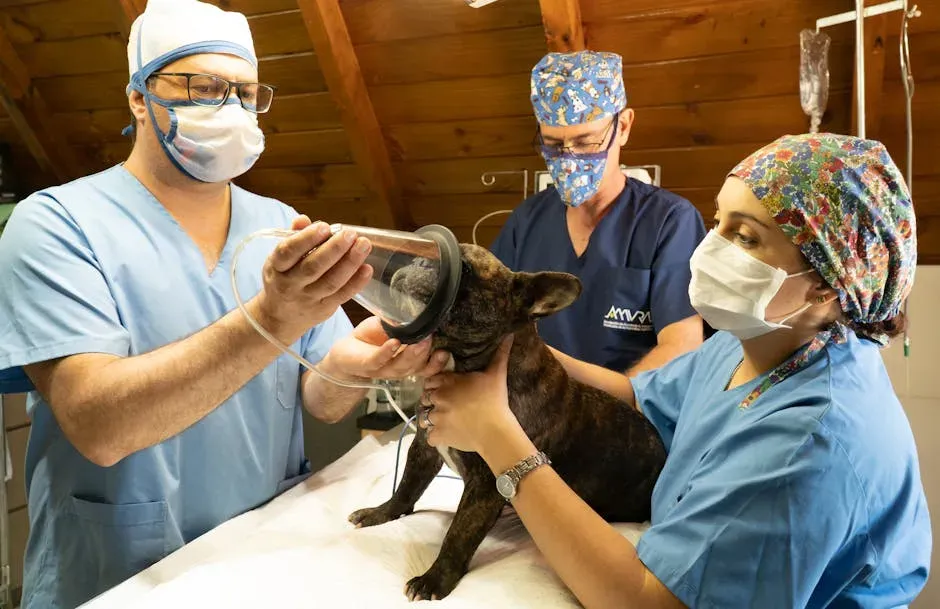
Pet stores push French Bulldogs as the ultimate low-maintenance apartment dog – compact, quiet, endlessly photogenic. What they don’t put on the price tag is brachycephalic obstructive airway syndrome, a structural condition where the airways are so compressed that even a short walk in warm weather can become a medical emergency. Many Frenchies require surgery just to breathe at a level most dogs achieve effortlessly from birth.
The flat face that makes them irresistible also comes loaded with skin fold infections, chronic eye ulcers, spinal disorders, and digestive sensitivities that demand special diets for life. Vets quietly note that French Bulldogs have a dramatically higher rate of spinal problems compared to longer-nosed breeds – a fact buried under the Instagram aesthetics. Owners who go in expecting a chill companion often come out the other side spending thousands annually just to keep their dog comfortable.
Fast Facts: French Bulldog BOAS Reality Check
- Full corrective BOAS surgery costs $1,500 to $5,000 on average – specialist hospitals in major cities can run significantly higher
- Brachycephalic dogs are twice as likely to suffer heat-related illness compared to non-flat-faced breeds
- Post-surgery recovery requires strict rest for 14 to 21 days, with soft food only to protect throat stitches
- Pet insurance may cover 70–90% of costs – but only if enrolled before any breathing symptoms appear in medical records
- Surgery is most effective when performed between 10 months and 2 years of age, before secondary airway collapse sets in
#2 – English Bulldogs and Their Overlooked Structural Failures
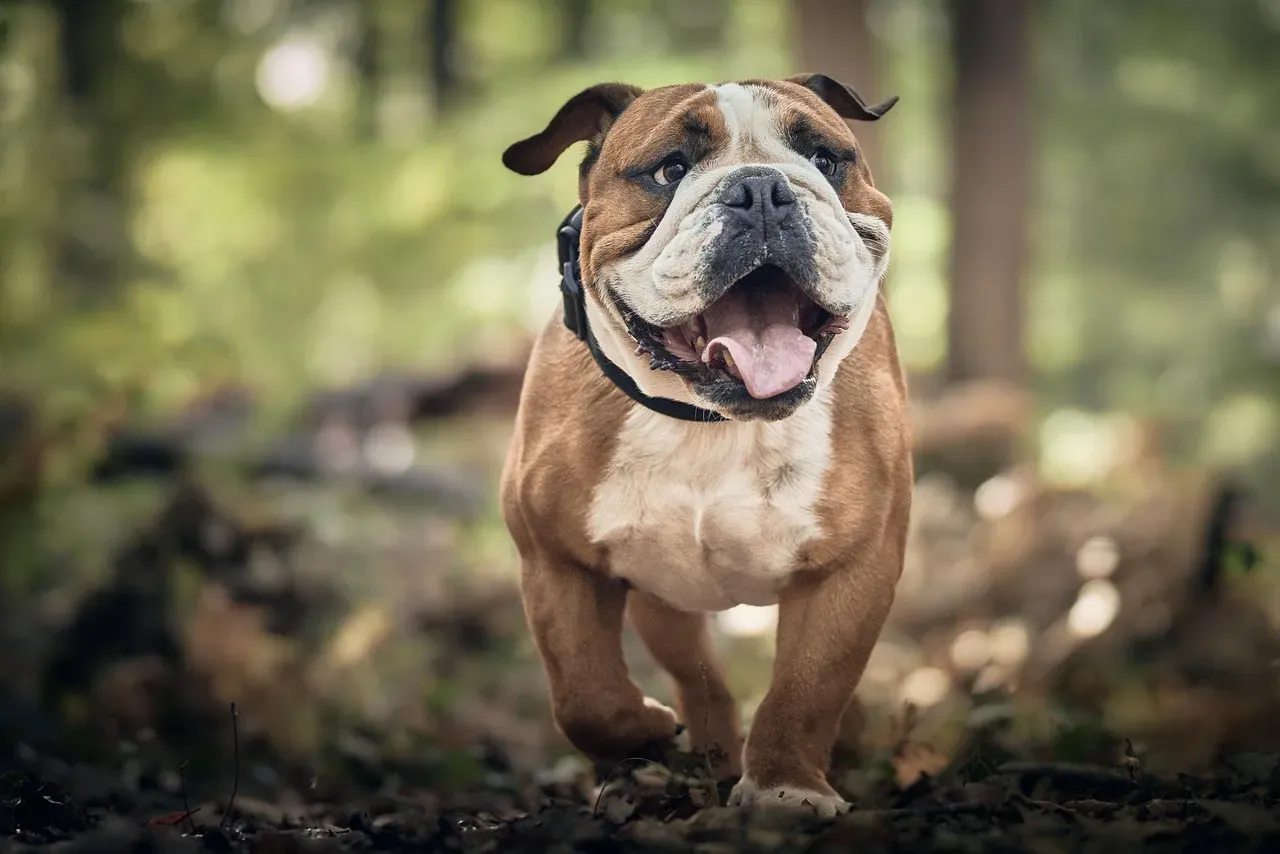
English Bulldogs look like they were built to take a hit, but the truth is their bodies are fighting against themselves from day one. Decades of extreme selective breeding have produced a dog with chronic breathing difficulties, misaligned joints, and skin infections that need daily management – not occasionally, but every single day of their lives. Cherry eye, dental crowding, and hip dysplasia tend to appear early and compound steadily as the dog ages.
The breed’s average lifespan sits well below most other dogs for exactly these reasons, and summer heat turns ordinary afternoon walks into genuine health risks. New owners frequently describe the same gut-punch moment: realizing that keeping their Bulldog comfortable through a normal season costs more than they ever imagined. The dog isn’t unlucky. This is just what the breed is, and pet stores have little incentive to say so plainly.
#3 – Pugs and the Hidden Spinal and Eye Nightmares
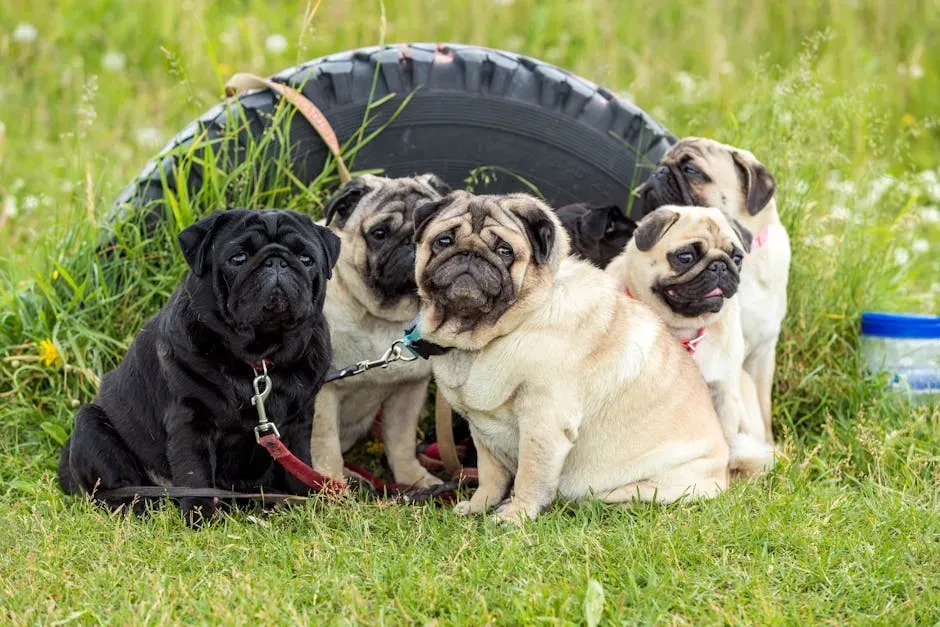
Pugs have built an entire cultural identity around being adorably impractical – the snoring, the waddling, the bulging eyes that follow you around a room. But those compressed skulls and shallow eye sockets create real medical consequences: breathing obstructions, eye ulcers that can appear from minor contact, and spinal deformities that can cause sudden pain or even paralysis. What looks like quirky charm is often a dog managing low-level discomfort constantly.
Obesity amplifies every single one of these problems, yet Pugs love food and cannot safely exercise enough to offset it. Many develop neurological conditions similar to syringomyelia, where fluid pressure builds abnormally and causes pain that’s easy to miss until it becomes severe. Vets stress continuous monitoring of temperature and activity – a level of daily vigilance most pet store conversations never come close to mentioning.
[article_quiz]#4 – Cavalier King Charles Spaniels and Their Heartbreaking Heart Disease

Few breeds are as genuinely sweet-natured as the Cavalier King Charles Spaniel, which makes what follows particularly hard to read. Mitral valve disease – a progressive deterioration of a key heart valve – is so prevalent in the breed that many vets consider it almost inevitable by middle age. It’s not a worst-case scenario. For a significant portion of these dogs, it’s just the timeline.
Syringomyelia, a painful neurological condition caused by a mismatch between skull size and brain volume, affects a large share of the breed and produces symptoms that are easy to misread as behavioral quirks at first. Ear infections and eye issues add routine vet trips on top of the serious underlying concerns. Families fall hard for these dogs – and then face genuinely tough decisions about medication, quality of life, and how long is long enough, sometimes while the dog is still young and otherwise full of energy.
The most ethical thing a breeder can do is health-test every single dog before breeding. With Cavaliers, skipping that step isn’t just lazy – it’s cruel.
Dr. Clare Rusbridge, veterinary neurologist and Cavalier health researcher
At a Glance: Cavalier MVD by the Numbers
- Mitral valve disease is 20 times more prevalent in Cavaliers than in the average dog breed
- Over 50% of Cavaliers are affected by age 5; nearly 100% by age 10
- MVD is the leading cause of death for the breed worldwide
- There is currently no genetic test available to screen out the disease before breeding
- Annual cardiac checkups – including echocardiograms – are considered essential, not optional for this breed
#5 – Dachshunds and the Back Problems That Strike Without Warning

The Dachshund’s long spine and short legs are the whole aesthetic – and also the source of one of the highest rates of intervertebral disc disease among all dog breeds. Vets see these dogs come in paralyzed from nothing more dramatic than jumping off a couch or twisting to grab a toy, moves that other breeds absorb without a second thought. The disc doesn’t warn you. One moment the dog is fine; the next, it can’t use its back legs.
Surgery can restore function if performed quickly, but it costs between $5,000 and $12,000 when diagnostic imaging, anesthesia, hospitalization, and post-operative care are factored in – and it is not always fully successful. Lifelong crate rest, ramps instead of stairs, and strict no-jumping rules aren’t optional lifestyle choices for Dachshund owners – they’re medical necessities. Obesity and age accelerate the damage considerably. New owners who treat these dogs like any other small breed often find themselves in an emergency vet at 2 a.m. wishing someone had told them this upfront.
#6 – German Shepherds and the Hip and Nerve Issues That Lurk
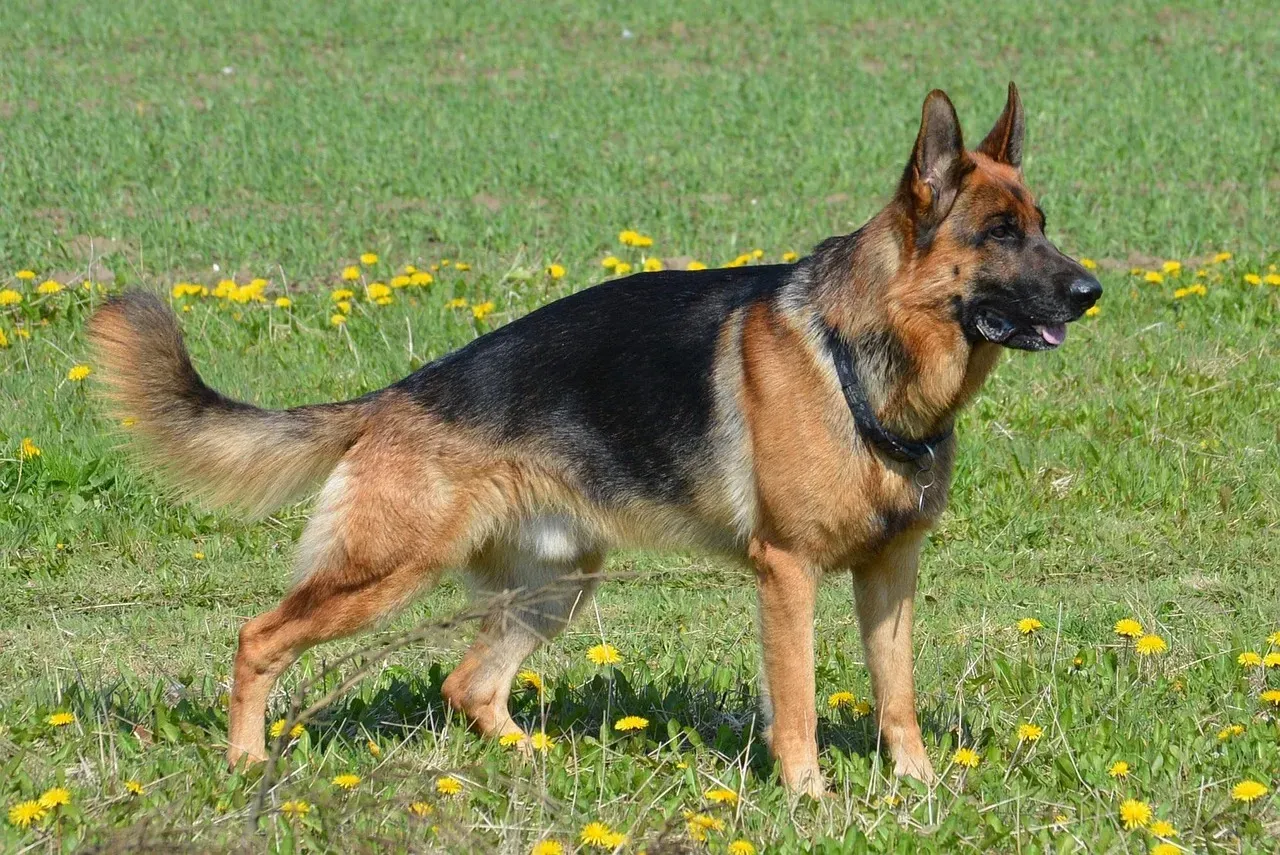
German Shepherds carry an image of power and durability that’s hard to square with the reality vets document regularly. The breed’s dramatically sloped hindquarters – an exaggeration that’s intensified through show breeding – contribute to severe hip and elbow dysplasia that can appear in dogs that are still young and outwardly vigorous. Many owners first notice a subtle change in gait and learn at the vet that significant joint damage is already present.
Degenerative myelopathy, a progressive neurological disease that gradually robs the dog of its ability to walk, haunts the breed with painful regularity. Bloat – where the stomach twists and cuts off blood supply – can kill a Shepherd in hours without emergency intervention. Vets emphasize the need for genetic screening and careful selection of breeding lines, steps that get glossed over entirely when a puppy is selling for top dollar in a store window.
#7 – Golden Retrievers and the Cancer Risk That Surprises Everyone

Golden Retrievers are the family dog America built its pet-ownership identity around – gentle, patient, endlessly loving. Which is exactly why the cancer statistics hit so hard when new owners finally encounter them. Veterinary data consistently shows Goldens facing one of the highest lifetime cancer rates of any breed, with tumors claiming many of them well before what should be old age. Hip dysplasia and heart conditions run alongside the oncology concerns.
Vets recommend genetic testing, careful diet management, and regular checkups starting in puppyhood – not because it eliminates the risk, but because early detection matters enormously with this breed. Families who picture fifteen years of fetch and road trips often find themselves navigating chemotherapy decisions at year eight or nine. The love is real. So is the grief that comes earlier than anyone expected.
#8 – Labrador Retrievers and the Obesity Trap That Shortens Lives
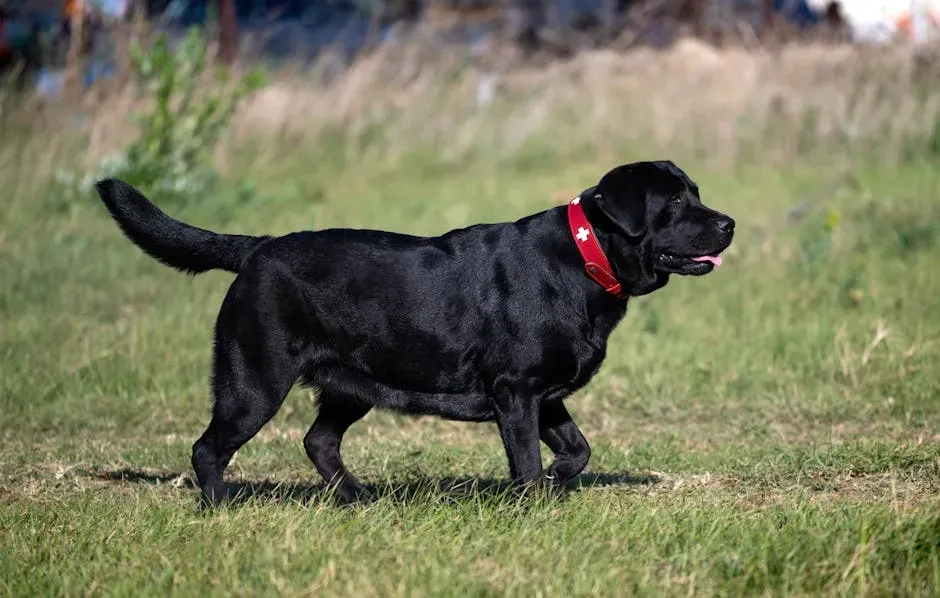
Labs are famously enthusiastic about food – to a degree that goes beyond personality into actual genetics. Researchers identified a specific mutation in the POMC gene in approximately 25% of Labradors that disrupts the normal signal telling the brain the body has eaten enough. These dogs aren’t being greedy. They are genuinely, biologically driven to keep eating, which makes weight management a constant, active battle for their owners.
Excess weight accelerates hip and elbow dysplasia, strains already-vulnerable joints, and opens the door to metabolic problems that arrive far ahead of schedule. The cheerful, bounding Lab puppy can become a mobility-limited adult by middle age if portion control and structured exercise aren’t treated as non-negotiable from the start. Vets stress this repeatedly. Pet stores, understandably, tend to let the puppy’s enthusiasm do the selling instead.
Worth Knowing: The Lab Obesity Gene
- Around 1 in 4 Labrador Retrievers carry the POMC gene mutation that drives constant hunger and higher body fat
- The mutation disrupts both hunger-signaling peptides in the brain – affected Labs feel less full, faster
- Labs have the highest demonstrated obesity incidence of any dog breed, according to researchers
- The mutation was found in 38 other breeds tested – and was absent in every single one
- Structured daily exercise and strict portion feeding from puppyhood onward are the only proven management tools
#9 – Boxers and the Cancer Predisposition That Demands Attention
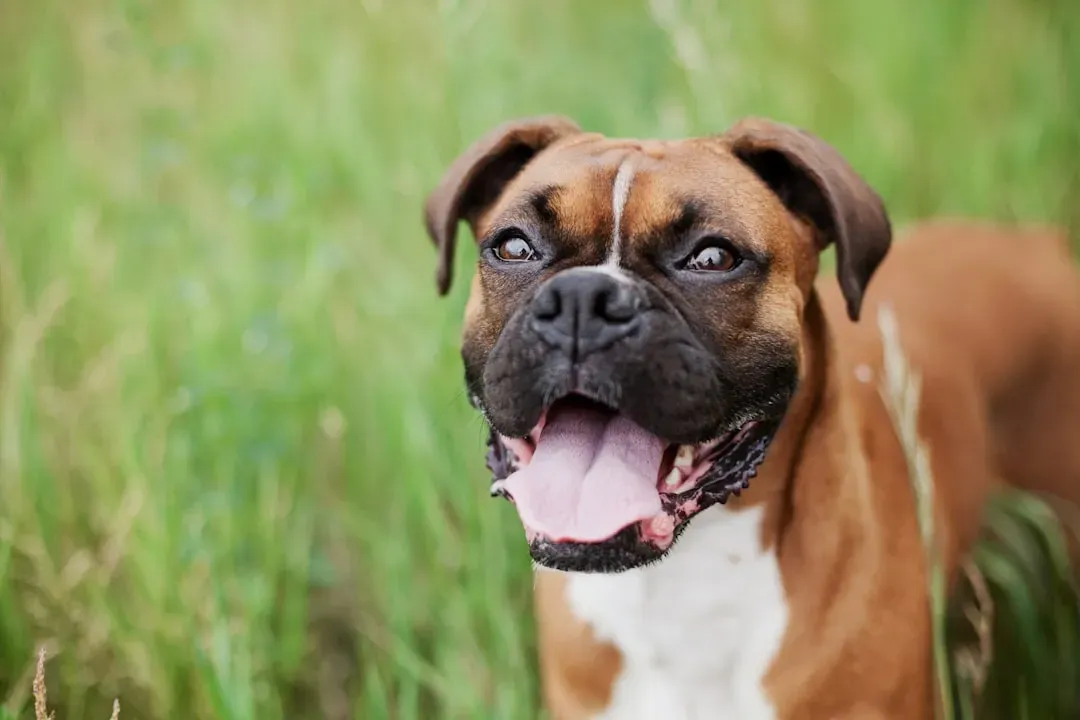
Boxers look bulletproof – muscular, athletic, bursting with a goofy energy that makes them instantly likable. But their cancer incidence is among the highest recorded in veterinary and insurance data, covering brain tumors, mast cell tumors, bone cancer, and skin growths that appear with unsettling frequency. Heart conditions, particularly cardiomyopathy, add a second layer of serious concern that requires ongoing monitoring.
Some analyses of Boxer mortality have found that roughly 44 percent of deaths in the breed were cancer-related – a figure that reframes the entire experience of owning one. Vets emphasize regular physical exams and learning to recognize early warning signs, because with Boxers, catching something early can be the difference between a manageable treatment and a devastating prognosis. The breed’s outward vitality makes the statistics feel impossible until they aren’t.
#10 – Great Danes and the Bloat Emergency That Can Kill in Hours
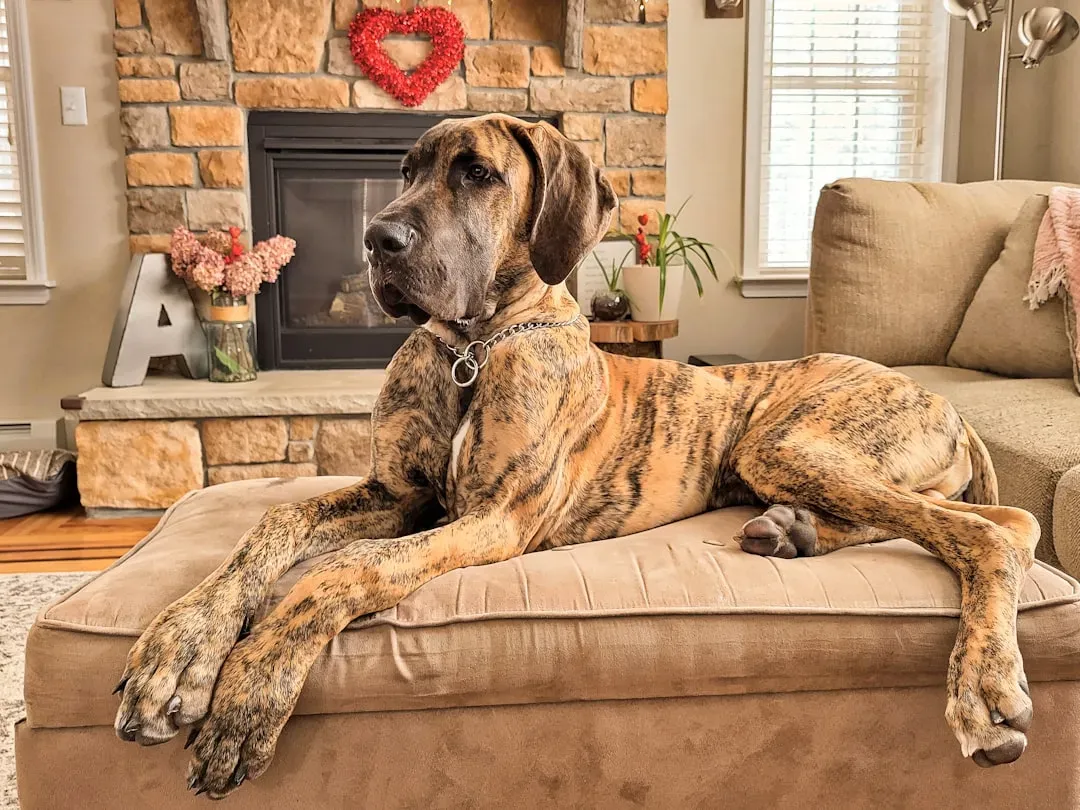
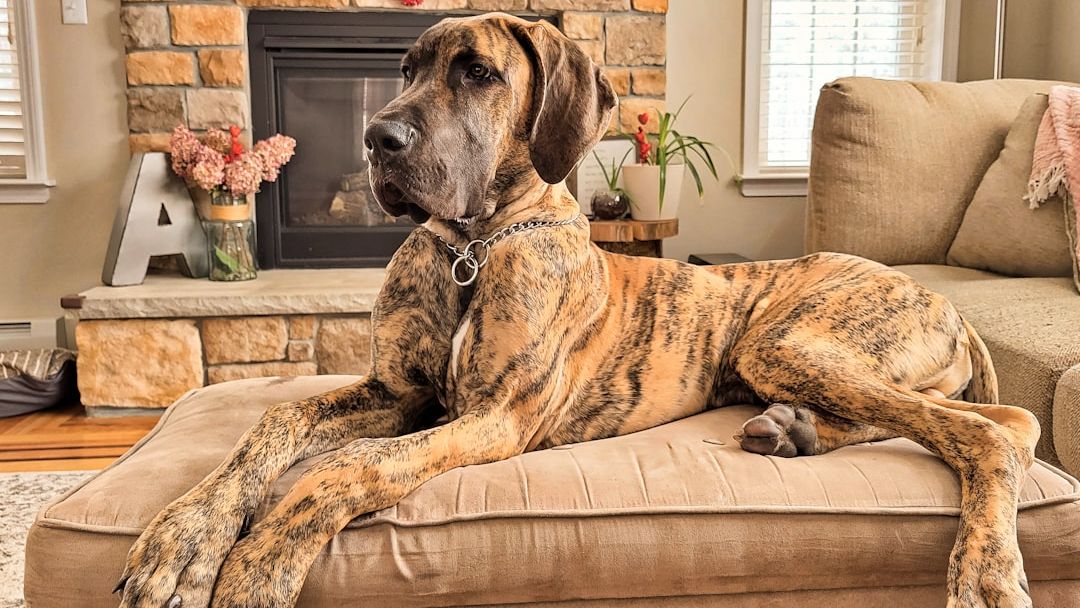
Great Danes earn their “gentle giant” reputation every day – calm, affectionate, surprisingly self-aware about their own size indoors. But their massive, deep-chested bodies carry a structural vulnerability that can turn fatal without any warning: gastric dilatation-volvulus, commonly called bloat, where the stomach fills with gas and twists on itself, cutting off blood supply to surrounding organs. A Dane can go from appearing slightly uncomfortable to dying within a matter of hours.
Hip dysplasia and dilated cardiomyopathy add serious long-term concerns on top of the bloat risk. Vets frequently recommend a preventive surgery called gastropexy – where the stomach is tacked to the abdominal wall to prevent twisting – either as a standalone procedure or during a spay or neuter. Owners who don’t know this option exists often learn about it only after a crisis. With Great Danes, the time to talk to your vet about prevention is before anything goes wrong, not during an emergency at midnight.
#11 – Shar-Peis and the Skin and Eye Complications From Excessive Wrinkles
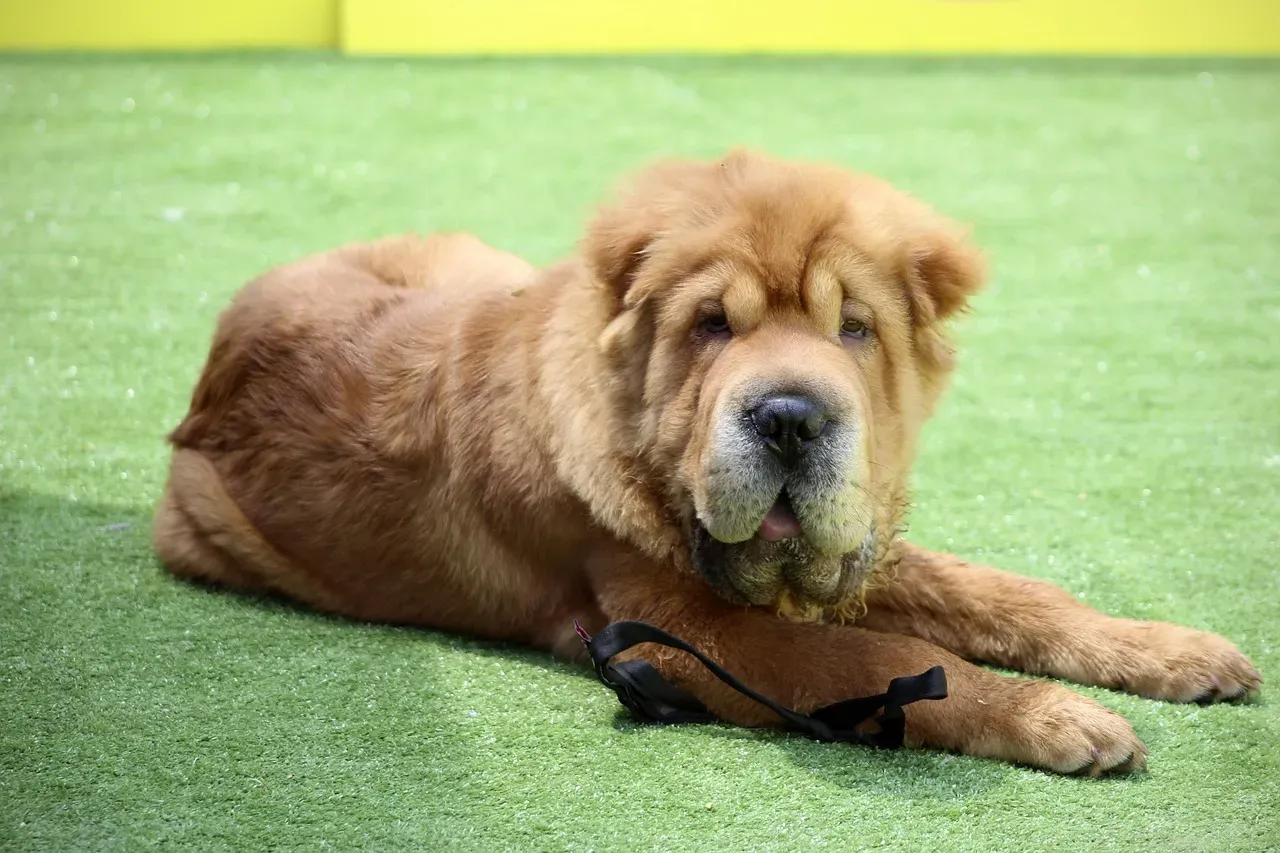
The Shar-Pei’s dense, rolling folds of skin are the entire visual identity of the breed – and the source of almost relentless maintenance demands that owners often aren’t prepared for. Those folds trap moisture, heat, and bacteria, creating skin fold infections that require daily cleaning to prevent becoming painful and chronic. Without consistent attention, what starts as a minor irritation can escalate into a serious dermatological problem.
Entropion – where the eyelids roll inward and the lashes scrape directly against the eye – is common enough in the breed that many Shar-Peis require corrective surgery before they’re even fully grown. Hip problems and a kidney-damaging condition called amyloidosis further complicate the long-term picture. Pet stores display the wrinkles as the selling point. What they don’t display is the daily commitment required just to keep that skin from becoming a source of ongoing pain.
#12 – Chow Chows and the Temperament Plus Health Double Challenge

Chow Chows carry themselves with a lion-like dignity that makes them genuinely striking, and for the right owner with the right experience, they can be deeply loyal companions. But their independent, aloof temperament requires intensive, consistent socialization from the earliest weeks – skip that window and the aloofness can shift into territorial aggression that becomes difficult to manage in a home environment. Vets and trainers both flag early intervention as critical and often overlooked.
Underneath the beautiful coat, Chows carry genetic predispositions to skin conditions, hip dysplasia, and eye problems that need proactive management. The combination of a challenging behavioral profile and genuine physical health demands makes this breed a significant commitment that many pet store conversations reduce to “they’re independent, so they’re easy.” They are not easy. They are magnificent, complicated dogs that thrive with experienced owners and struggle without them.
#13 – Rottweilers and the Joint and Heart Concerns That Build Over Time

Rottweilers are powerful, devoted dogs that bond deeply with their families – and they come with an orthopedic profile that demands attention well before the dog shows any obvious signs of discomfort. Hip and elbow dysplasia appear in many lines early, sometimes before the dog is two years old, and the breed’s substantial size means that any joint issue carries more physical consequence than it would in a smaller animal. What causes mild stiffness in a 20-pound dog causes real mobility limitations in an 110-pound Rottweiler.
Heart disease and certain cancers, including osteosarcoma, add dimensions to the breed’s health picture that require regular veterinary screening rather than a “wait and see” approach. Responsible breeders do genetic testing that reduces these risks meaningfully, but pet store puppies rarely come with that documentation or that history. Families often discover the true scope of what they’re managing only once the dog reaches maturity – by which point the conditions are already established.
Quick Compare: Pet Store Puppy vs. Health-Tested Breeder
| Factor | Pet Store Puppy | Health-Tested Breeder |
|---|---|---|
| Hip/elbow screening | Rarely provided | OFA or PennHIP certified |
| Cardiac history | Usually unknown | Documented & screened |
| Genetic disease testing | Typically none | Breed-specific panel run |
| Breeder follow-up support | Sale ends contact | Lifetime guidance offered |
| Return/rehome policy | Rare or contract-buried | Usually written guarantee |
#14 – Doberman Pinschers and the Heart Muscle Disease That Strikes Suddenly

Dobermans are sleek, intelligent, intensely loyal – a breed that looks and acts like the picture of health right up until they don’t. Dilated cardiomyopathy, a disease where the heart muscle weakens and enlarges over time, is so prevalent in the breed that many cardiologists consider it the defining health issue of Dobermans globally. The dangerous part is how quietly it progresses: a dog can carry the condition for years with no outward symptoms before collapsing from sudden cardiac arrest.
A genetic test now exists for the primary mutation linked to DCM in Dobermans, and vets strongly recommend annual echocardiograms for the breed starting in middle age. Pet store puppies routinely skip this screening entirely, meaning families bring home dogs with no cardiac history and no baseline to monitor against. Von Willebrand’s disease, a bleeding disorder, and hip issues round out the health profile. The Doberman’s elegant exterior is real – but so is what’s quietly happening underneath it, and every new owner deserves to know that before they fall in love.
What all 14 of these breeds share isn’t bad luck – it’s a pattern of genetic bottlenecks, exaggerated physical features, and structural compromises that accumulate into lifetimes of medical management. Vets aren’t telling you to avoid these dogs. Many of them own these breeds themselves and love them fiercely. What they’re telling you is to go in with your eyes open: find a responsible breeder who health-tests, ask hard questions, budget honestly, and understand that the puppy in the store window represents a choice with real consequences attached. The dogs are worth it. The surprises don’t have to be.
