

Most of us know exactly what to do when the temperature climbs. We reach for a cold drink, pull the blinds, turn on a fan. It’s intuitive. What’s easy to forget, though, is that the birds on your fence, the toads under your garden pots, and the hedgehogs nosing through your lawn don’t have those options.
Heat waves and drought lead to limited water availability, increasing the risk of dehydration and heat-related health issues for wildlife. When animals are dehydrated, they lose fluids and electrolytes, which can lead to a number of health problems, including heat stroke, organ failure, and death. The effects ripple further than most people realize. Extreme weather conditions can result in the loss of natural habitats and food sources for wildlife, and this disruption can have long-lasting effects on their populations. The good news? Some of the most effective interventions are genuinely simple, and they start right outside your door.
1. Set Up Accessible Water Stations for Drinking and Bathing
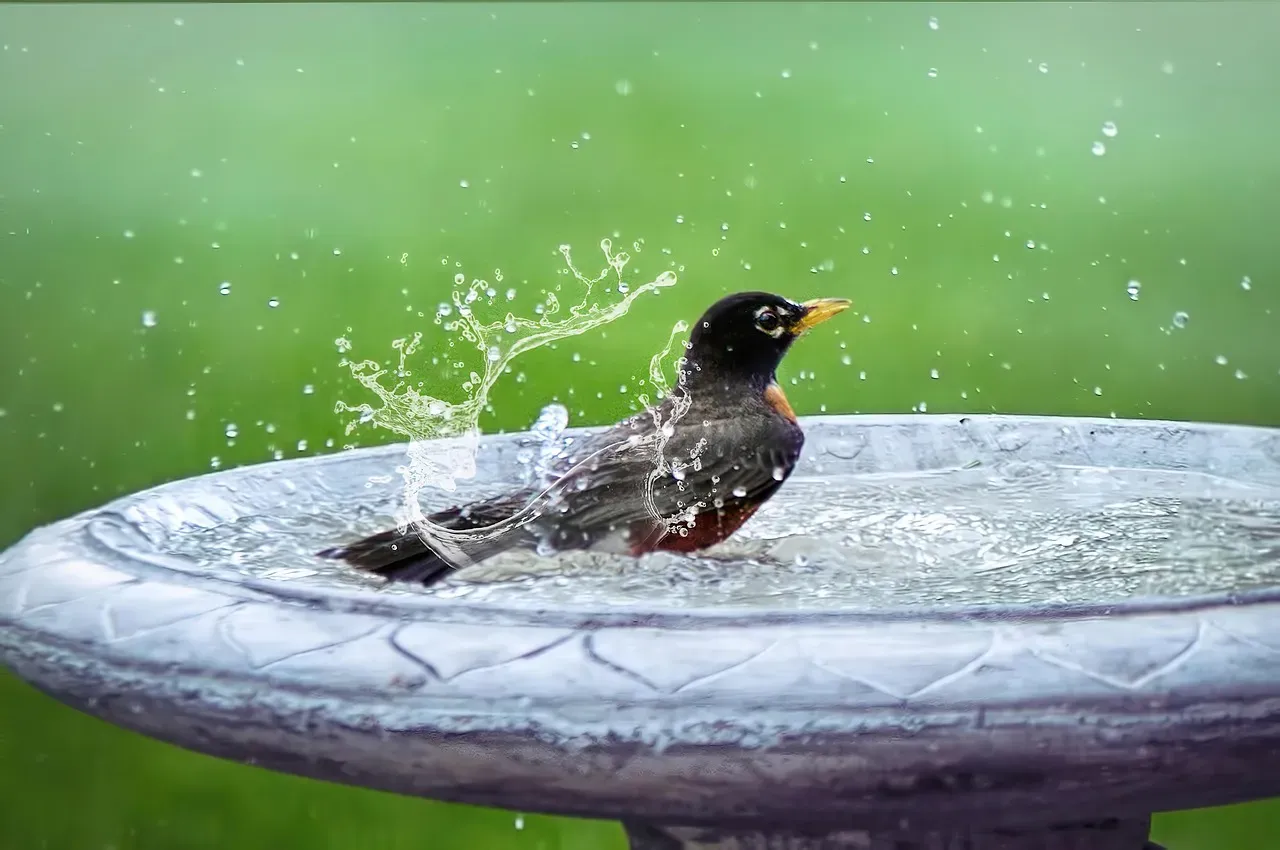
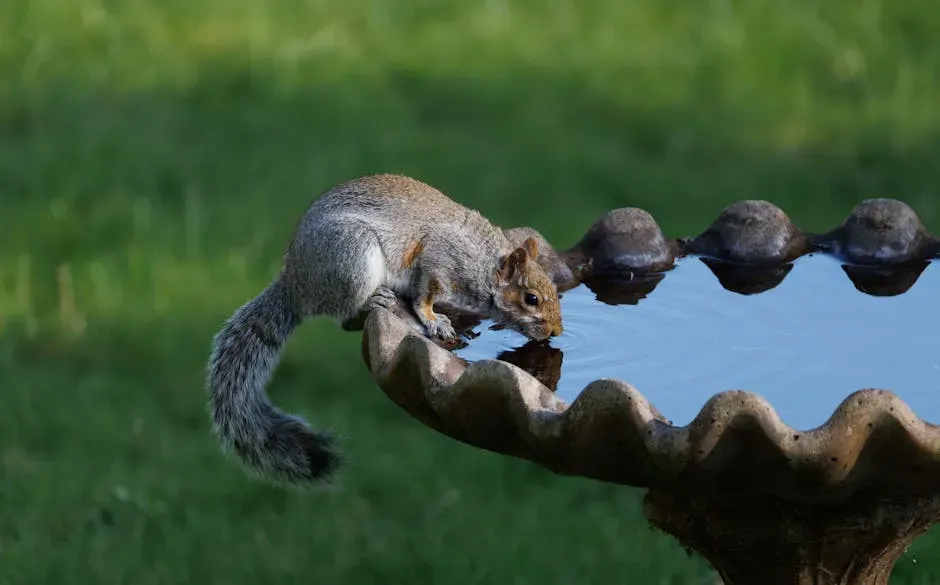
Water is the most urgent need during a heatwave or drought, and it’s also the easiest thing to provide. Not only do animals need water for drinking, but many also need it for bathing and cooling down. By providing easily accessible water sources, you can offer a lifeline to birds, butterflies, mammals, and other wildlife in your garden.
One of the simplest and most effective ways to provide water is by setting up a birdbath. Place it in a shaded area to keep the water cool and prevent rapid evaporation. Adding a few stones for perching and taking time to clean and refill the birdbath every few days will ensure fresh water and prevent the spread of diseases.
Ground-level water matters just as much as elevated baths. Water dishes placed on the ground are another way to help smaller wildlife species survive extreme heat. A small, shallow, and wide dish with low edges is best. Correctly situated, smaller species have access to clean water without the risk of falling in and becoming trapped. Consider placing a large rock or stick in the dish as an exit ramp, just in case.
Drippers and misters can also be a fantastic addition to your garden. Hanging a drip jug over your birdbath can attract birds with the sound of dripping water. You can easily make one using a plastic milk jug with a tiny hole in the bottom and filling it with water. Water will slowly drip out, and the sound will draw birds looking for a cool bath and a refreshing drink. It costs almost nothing, and the results are immediate.
2. Plant Native Vegetation to Sustain Food Webs Under Stress
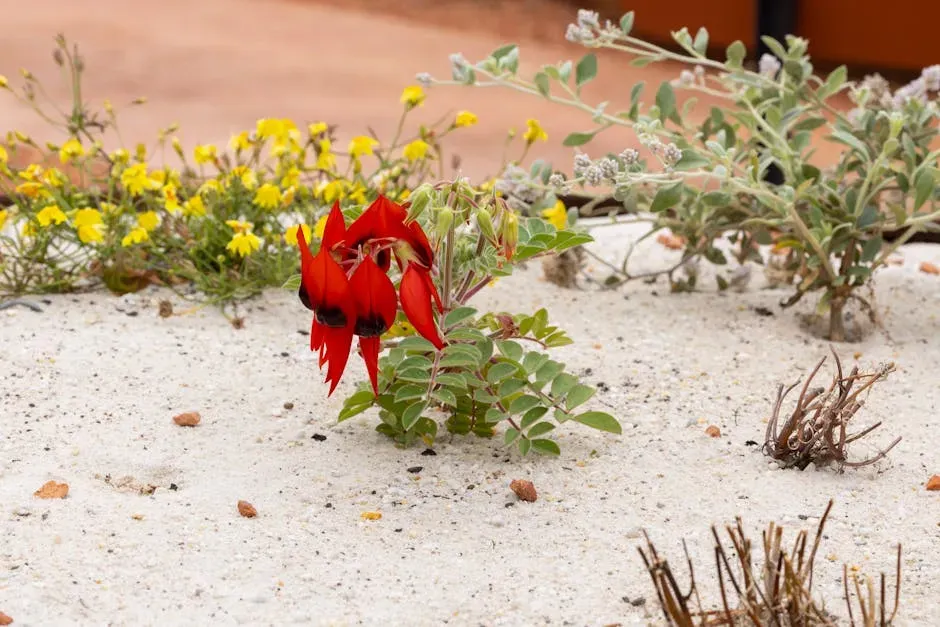
When drought hits, the food chain starts to fracture quietly. When it is extremely dry, plants often bear less fruit and fewer berries and seeds. Studies have found, for example, that drought can affect the size of the acorn crop many native oaks produce. For the animals that depend on those seeds, berries, and fruits, the consequences are direct and serious.
Native plants are the key to creating drought-tolerant wildlife gardens. Native plants are adapted to the specific climate and conditions of their native region and have evolved to be water-efficient and to thrive in harsh conditions. They’re better positioned to keep producing during a dry spell than ornamental exotics, which means they keep feeding wildlife even when conditions are difficult.
Native plants are more resilient to drought conditions and provide food and shelter to help wildlife in heat waves. When planted with care, they can be a beautiful addition to a home garden but require far less in the way of care and water. They attract native pollinators, and their seeds to fruit will attract more wild birds.
Keystone plants are natives that support ninety percent of butterflies and moths, and up to sixty percent of native bees in a specific ecoregion. Planting keystone species maximizes your positive impact on the local ecosystem and helps wildlife populations thrive. That’s a meaningful return on a single planting decision.
3. Create Shade and Shelter Throughout Your Outdoor Space
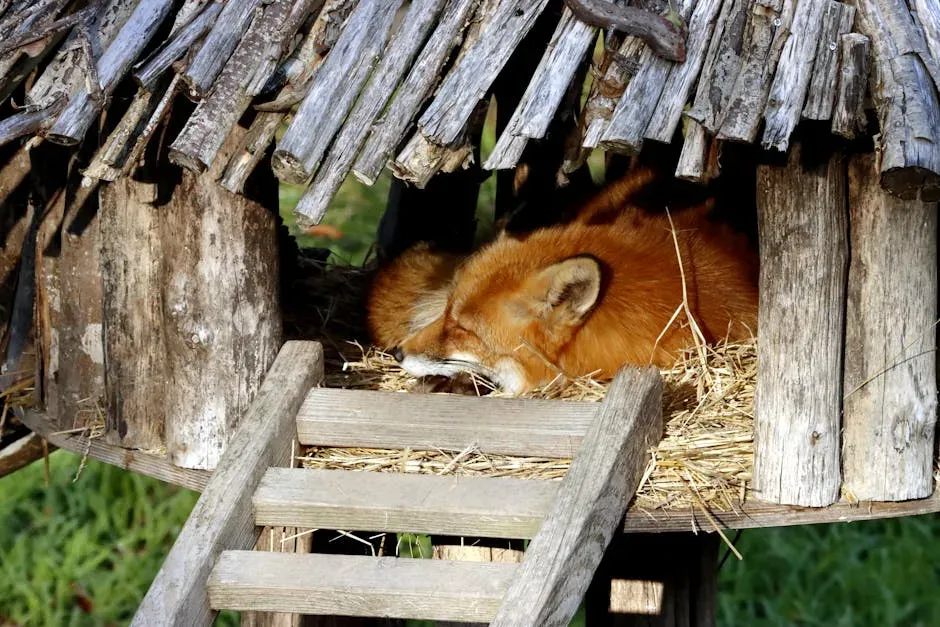
Heat stress is a serious problem for wild creatures. It occurs when animals are unable to regulate their body temperature, which can happen when the ambient temperature is too high or when the animal is unable to find shade or water to cool down. This makes shelter just as critical as hydration during extreme heat events.
Including shade and shelter throughout your yard, including leafy plants, rock piles, and partially buried garden pots, provides good sources of protection from both intense sunlight and predators. These features don’t require much effort to put together, and they serve a surprisingly wide range of species. Toads, lizards, small mammals, and birds all benefit from having somewhere cool and safe to retreat.
Planting trees and creating shaded areas in your yard can provide relief from the scorching heat and help wildlife in heat waves. This will attract wildlife seeking shelter and protection. Ideally, plant these areas close to a pond to provide safe shelter from predators, so they can stay close to the water source.
Leaving wildflower and meadow grasses uncut, increasing log piles, and leaving plants that have gone to seed in place can help. They are relished as a shelter and as nesting supplies, while the seeds are highly prized by goldfinches. Sometimes, doing less in the garden is genuinely the more helpful choice.
4. Use Mulch and Compost to Protect Soil-Dwelling Animals
Underground life tends to be invisible until it disappears. Toads, salamanders, earthworms, beetles, and countless invertebrates live in or near the soil, and when that soil bakes dry, their entire habitat collapses. Using mulch in your garden and other outdoor spaces helps retain moisture in the soil for the animals that live there, including toads, frogs, salamanders, and burrowing mammals.
Mulch acts as a natural insulator, helping regulate soil temperatures and moisture levels. Adding mulch helps protect the soil, and thus, plant roots, from extremes. The benefit extends well beyond plants. Moist, insulated soil stays hospitable for the small creatures that form the base of many food chains.
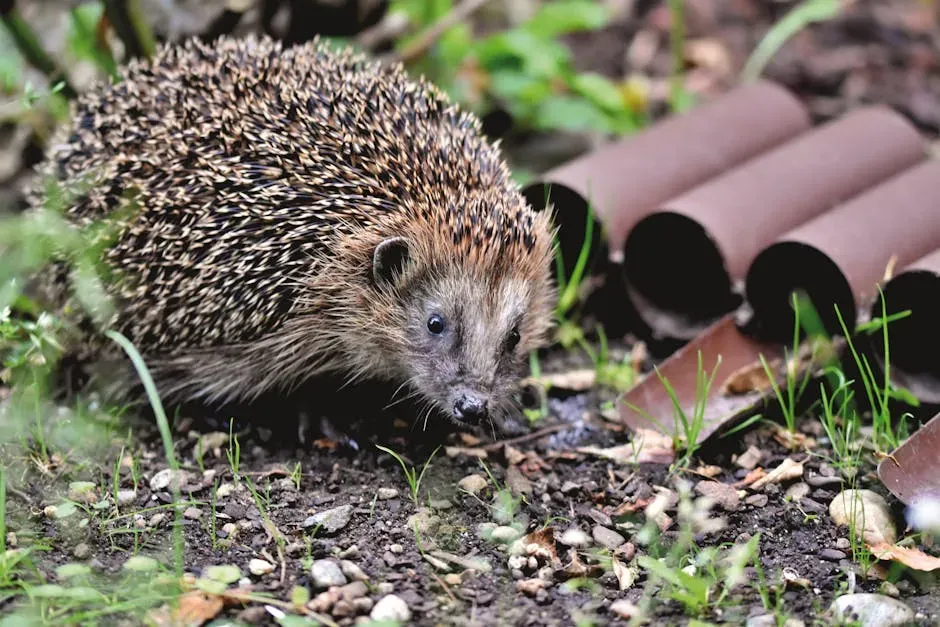
Composting garden wastes, especially in shady areas, is very helpful to wildlife. The insects, slugs, and worms associated with rotting vegetation can feed other wildlife including amphibians and hedgehogs. Moisten the compost if it’s dry. A damp compost heap tucked into a shaded corner of the garden is genuinely one of the most wildlife-friendly features you can have.
Supplementing the diet of hungry hedgehogs by leaving hedgehog food in shady spots is also worthwhile. These garden favourites need moist soil to easily reach earthworms and other invertebrates that make up much of their diet. During prolonged dry spells, that food becomes much harder for them to find on their own.
5. Reduce Your Own Water Consumption to Protect Natural Waterways
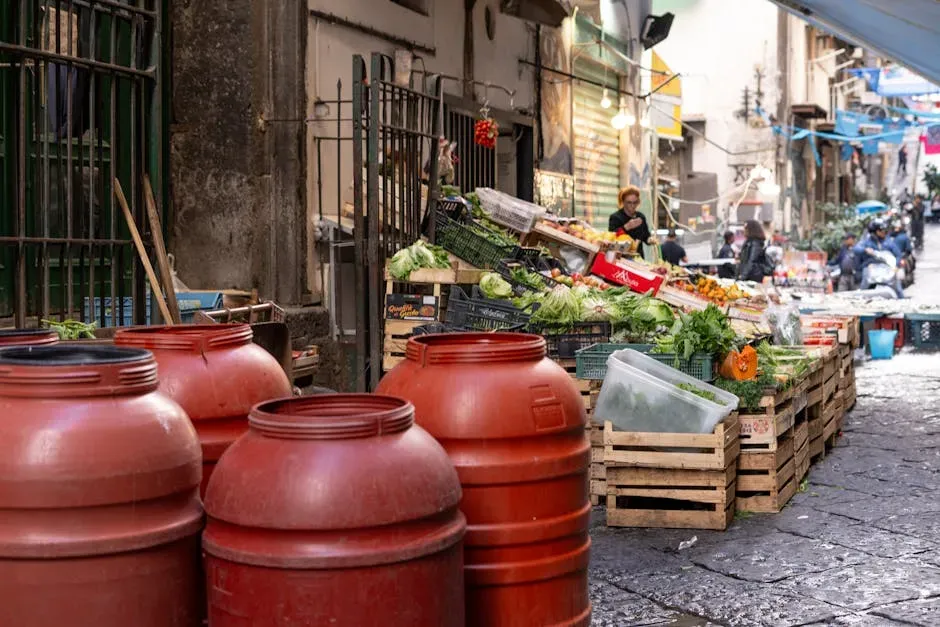
This one’s less obvious, but the connection is real. The more water used by households and businesses, the lower water levels in streams and reservoirs fall. The slower rivers flow, the less oxygen there is in the water, and the warmer the water temperature. Algal blooms can appear, choking off other freshwater life.
Wildlife such as hedgehogs, field mice, weasels, and stoats struggle to find enough water to quench their thirst. Water voles are more likely to be picked off by birds of prey, because the water they usually use to take cover in has disappeared. Lower household water use during dry periods directly relieves that pressure on shared water resources.
One practical option many people use is to put a bucket in their shower. While you bathe, the bucket fills with clean water for wildlife that would otherwise go down the drain. Many communities also encourage residents to install backyard rain barrels that gather rainfall from the roof and store it for drier times. These are small habits that compound quickly when adopted across a neighborhood.
Refraining from using pesticides and herbicides is equally important, as these can contaminate water sources and harm wildlife. During drought conditions, when animals are already moving into unfamiliar territory in search of water, the risk of exposure to garden chemicals increases significantly. Keeping your outdoor space chemical-free protects both the creatures passing through and the water sources they depend on.
What to Do When You Find a Distressed Animal
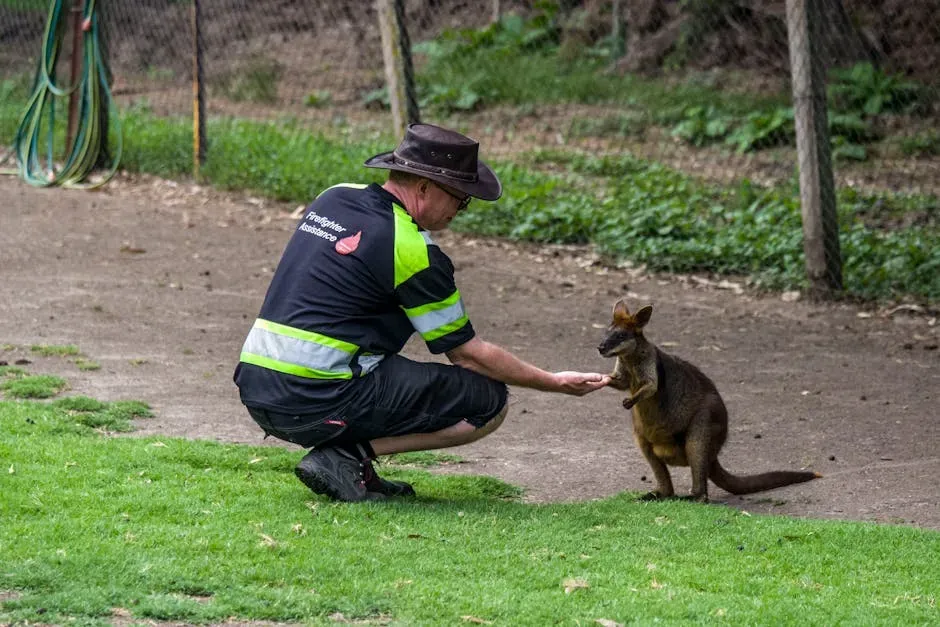
Even with every precaution in place, distressed animals sometimes turn up in unexpected places. Drought conditions send wildlife in search of food, water, and cover, which means some animals travel farther than usual and into more developed areas. Knowing what to do in those moments matters.
If you encounter injured or distressed wildlife, do not touch the animal unless it is in immediate danger. Instead, contact local wildlife rescue organizations or authorities. They can provide the necessary care and rehabilitation, or advise you on how best to deal with the situation, such as providing water or moving the animal into a cool shaded spot.
For larger wildlife that wanders into residential areas during a drought, restraint is the wisest approach. It is important that you not try to feed animals such as deer, moose, or bear yourself, as you may cause more harm than good. The animals could become habituated and lose their natural fear of people, or they could attract predators. Calling your local wildlife agency is always the right first step.
A Final Thought Worth Sitting With
The scale of what wildlife faces during extreme heat and drought can feel overwhelming. But the scale of what each of us can do within a single backyard or balcony garden is more significant than it might seem. By taking simple steps, you can create a haven for wildlife in your garden, helping them survive the heat while enhancing the beauty and biodiversity of your outdoor space.
Collectively, neighbors doing the same thing create something much larger: a network of small refuges that help entire local populations bridge the gap between natural water sources and seasonal relief. That’s not an abstract conservation goal. It’s a water dish, a handful of mulch, and a slightly shorter shower.
The truth is, wildlife doesn’t need a grand gesture. It needs consistency. Refill the dish. Lay down the mulch. Leave the compost moist. Those quiet, repeated actions are, in the end, the ones that keep your local ecosystem alive through the hard months. There’s real satisfaction in that, if you choose to look for it.
