


For decades, declawing cats was considered a routine procedure to prevent furniture damage and scratches. However, as our understanding of feline behavior and welfare has evolved, this once-common practice is now recognized as harmful and unnecessary. This article explores the compelling reasons why cat declawing should be permanently abandoned, offering humane alternatives that respect both your home and your feline companion’s physical and psychological wellbeing.
What Cat Declawing Really Entails
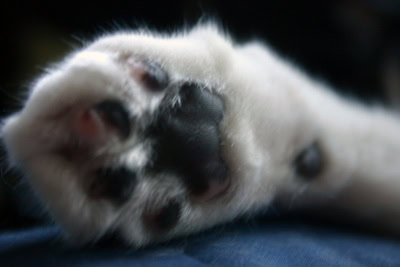
Despite its misleading name, declawing is not simply the removal of a cat’s claws. It’s an amputation of the last bone of each toe—equivalent to cutting off a human’s fingers at the last knuckle. The technical term, onychectomy, involves removing the entire third phalanx (toe bone) along with the claw that grows from it. This invasive procedure severs tendons, nerves, and ligaments. Imagine having ten separate bone amputations performed simultaneously—this is the reality for cats undergoing this procedure. It permanently alters how they walk, balance, and interact with their environment, causing immediate surgical pain and potentially lifelong complications.
Physical Pain and Complications
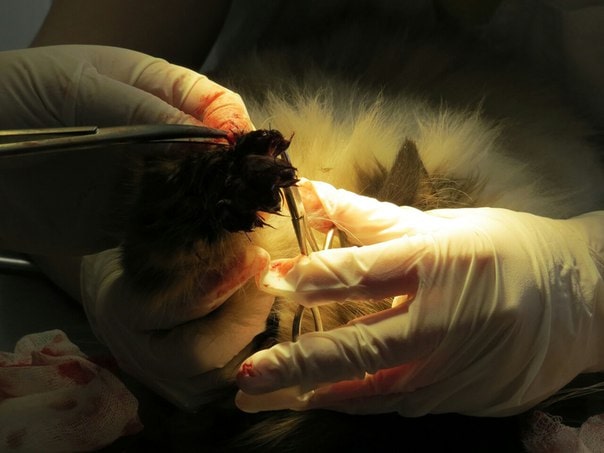
The immediate aftermath of declawing involves significant pain that can persist long after the surgical wounds have healed. Studies show that approximately 20-50% of declawed cats develop complications, both short and long-term. These can include infection, tissue necrosis, lameness, and chronic pain. Many cats experience phantom pain similar to what humans feel after limb amputations. Bone fragments can regrow abnormally, causing painful spurs that dig into soft tissue with every step. Without their natural ability to stretch and exercise through scratching, declawed cats often develop weakened muscle tone, decreased flexibility, and early-onset arthritis as they age.
Behavioral Changes and Psychological Impact

The psychological impact of declawing extends far beyond physical pain. Research published in the Journal of Feline Medicine and Surgery found that declawed cats are more likely to exhibit increased aggression, house-soiling behaviors, and excessive biting. This makes sense from a feline psychology perspective—having lost their primary defense mechanism, cats often resort to biting as an alternative. Many develop litter box aversion because the pressure of standing on sensitive declawed paws in litter becomes uncomfortable. This leads to a tragic cycle where “problem behaviors” resulting from the declaw procedure may lead to cats being surrendered to shelters. The procedure fundamentally changes how cats experience and navigate their world, creating stress and anxiety that manifests in various problematic behaviors.
The Natural Importance of Claws for Cats

Claws are integral to a cat’s physical and emotional wellbeing, not merely tools for destruction as they’re sometimes mischaracterized. They serve numerous essential functions in daily feline life. Cats use their claws for balance and proprioception (awareness of body position), which explains their remarkable agility. When stretching, climbing, or running, claws provide crucial traction and stability. They’re vital for self-defense against potential threats. Scratching also maintains claw health by removing dead outer husks and exercises shoulder and back muscles. Perhaps less obvious but equally important is the role of scratching in scent marking—cats have scent glands in their paws that release pheromones during scratching, creating territorial markers that provide psychological security. Removing claws disrupts all these natural behaviors and bodily functions.
Growing Global Recognition and Legal Status

The tide has turned dramatically against declawing worldwide, reflecting growing scientific consensus about its harmful effects. More than 42 countries have explicitly banned the procedure, including the United Kingdom, Australia, New Zealand, and most of the European Union. In the United States, progress is happening state by state, with New York becoming the first state to ban declawing in 2019, followed by Maryland, Massachusetts, and several individual cities. The American Association of Feline Practitioners (AAFP) has taken a strong stance against declawing, noting it provides “no benefit to the cat” and poses “welfare risks.” Even the American Veterinary Medical Association (AVMA) has revised its position to discourage the procedure as an elective surgery. This global shift reflects overwhelming evidence that declawing causes unnecessary harm and suffering.
Medical Myths About Declawing
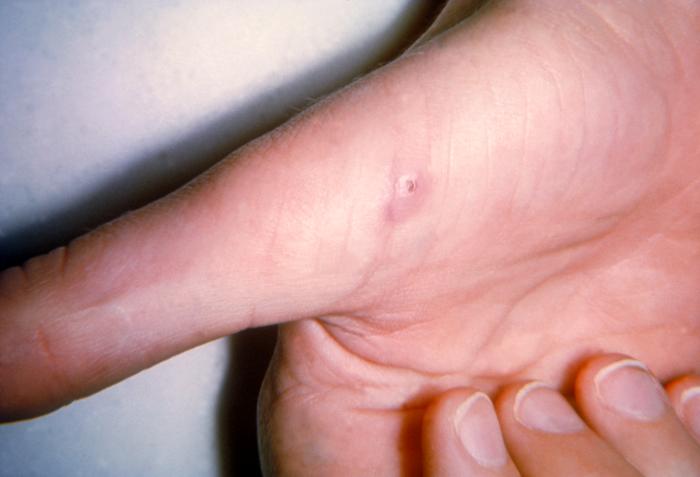
Several persistent myths have helped sustain declawing practices despite mounting evidence against them. One common misconception is that declawing benefits human health by preventing scratches, particularly for immunocompromised individuals. However, infectious disease specialists, including those at the Centers for Disease Control and Prevention (CDC), do not recommend declawing for this reason. Cat scratches rarely cause serious infections in humans, and basic hygiene practices after any scratch are typically sufficient. Another myth suggests that older cats recover easily from declawing—research shows the opposite, with older cats often suffering more severe and prolonged pain. Perhaps most disturbing is the claim that declawed cats “don’t know any different.” Studies of feline behavior and pain response clearly demonstrate that cats experience both immediate surgical trauma and long-term physical and psychological effects from the procedure.
Humane Alternatives to Declawing
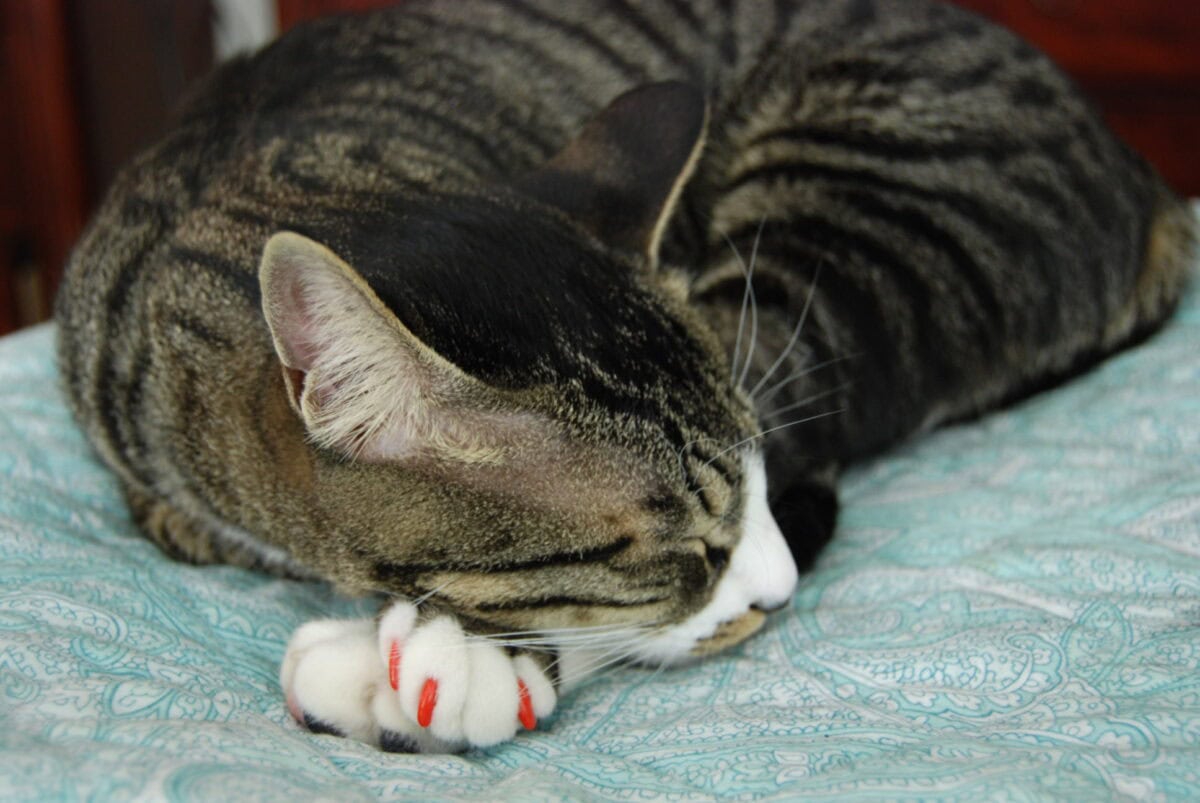
Fortunately, numerous effective alternatives exist that protect both your furniture and your cat’s wellbeing. Regular nail trimming (every 1-2 weeks) dramatically reduces scratch damage while maintaining your cat’s natural behaviors. Nail caps or soft paws—small vinyl coverings that glue onto claws—provide another solution, lasting 4-6 weeks before requiring replacement. Perhaps most important is providing appropriate scratching surfaces that match your cat’s preferences for texture and orientation. Some cats prefer vertical scratching posts, while others choose horizontal scratch pads. Materials matter too—sisal, cardboard, and carpet offer different sensory experiences. Strategic placement of scratching surfaces near sleeping areas and entranceways where territorial marking is important can redirect natural scratching behaviors. Positive reinforcement when your cat uses appropriate scratching surfaces, combined with deterrents like double-sided tape on furniture, creates a humane management system that works with, rather than against, natural feline behavior.
Training Your Cat’s Scratching Behavior
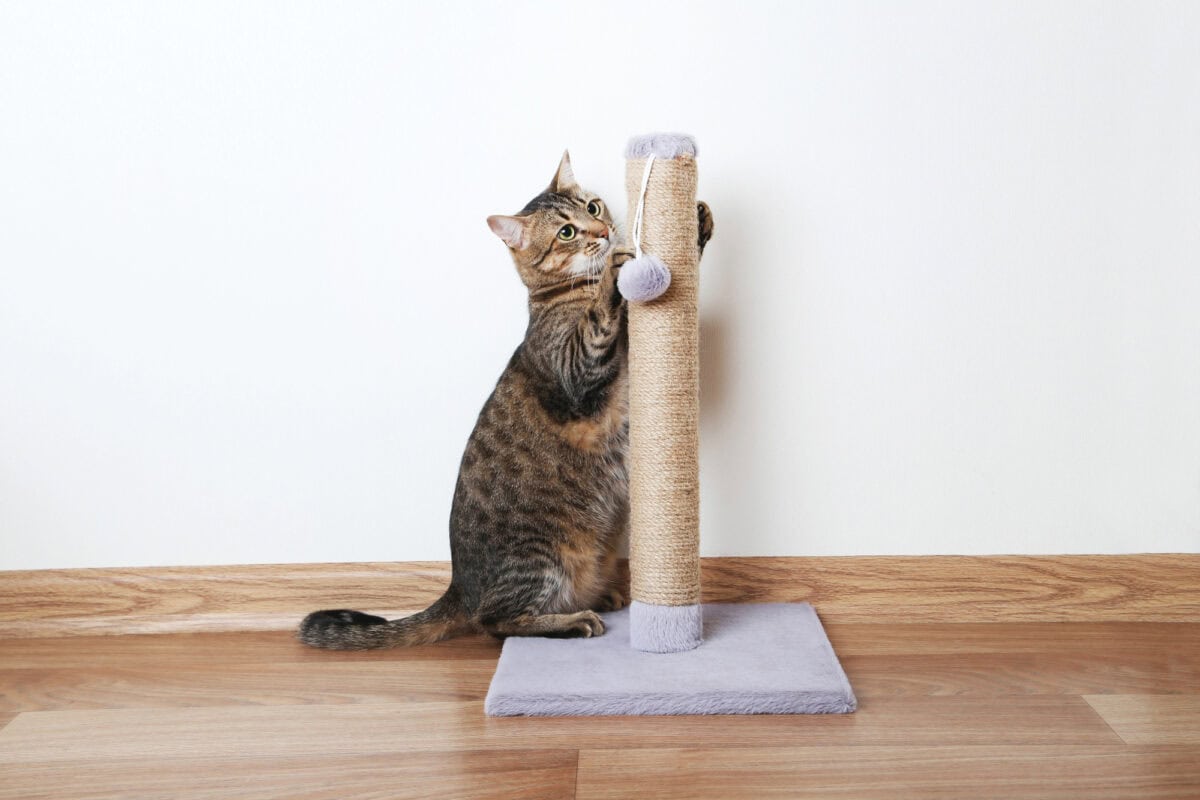
Understanding scratching as a normal, necessary feline behavior is the foundation for successful training. Cats can be effectively taught to use appropriate scratching surfaces through consistent, positive reinforcement. When introducing a new scratching post or pad, make it appealing by sprinkling with catnip or using interactive toys around it to create positive associations. When your cat uses the appropriate surface, immediately reward with treats, praise, or petting. Never punish scratching—instead, redirect it to appropriate surfaces. For furniture protection during training, consider temporary solutions like aluminum foil, plastic coverings, or commercially available deterrent sprays on off-limit areas. Pheromone products like Feliway can reduce stress-related scratching in some cats. With patience and consistency, most cats can learn household scratching rules within a few weeks, eliminating the perceived “need” for declawing entirely.
The Veterinary Perspective
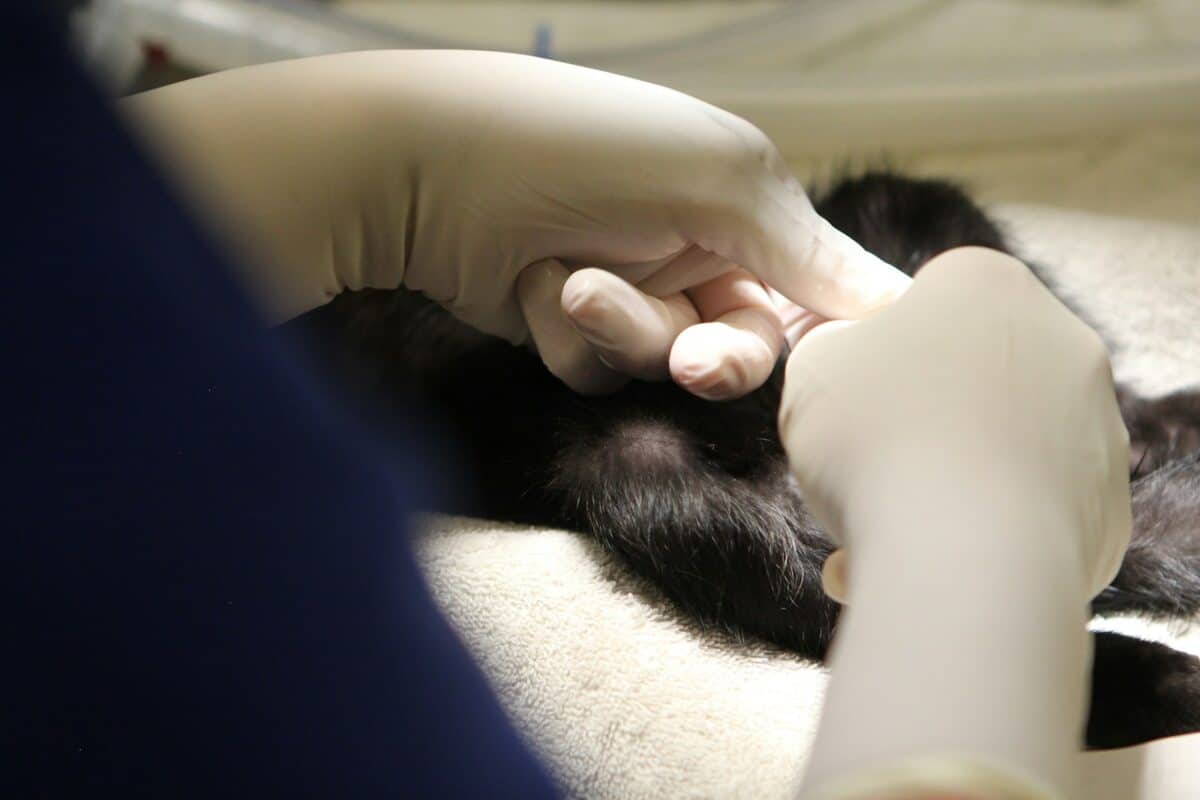
The veterinary community’s stance on declawing has undergone a significant evolution in recent decades. Dr. Jennifer Conrad, a wildlife veterinarian and founder of The Paw Project, has been instrumental in documenting the harmful effects of declawing through before-and-after X-rays and gait analyses. Many veterinarians who previously performed the procedure now refuse to do so on ethical grounds. In a 2019 survey of practicing veterinarians, 61% expressed moral concerns about declawing, even among those who still performed it. Declawing is increasingly viewed as a conflict with the veterinary oath to “first, do no harm.” Dr. Karen Overall, veterinary behaviorist and former editor of the Journal of Veterinary Behavior, emphasizes that “there is no medical reason to declaw a cat to protect human health.” The American Association of Feline Practitioners now explicitly states that scratching is a “normal feline behavior” and that declawing should not be considered a routine procedure or first-line solution for scratching issues.
Impact on Shelter Populations

Contrary to arguments that declawing keeps cats in homes, evidence suggests it may contribute to shelter surrenders and euthanasia rates. A study published in the Journal of the American Veterinary Medical Association found that declawed cats were more likely to be surrendered to shelters for behavioral issues than non-declawed cats. The behavioral problems that frequently develop after declawing—including aggression, biting, and inappropriate elimination—are among the top reasons cats are relinquished to shelters. Importantly, in regions where declawing has been banned, there has been no corresponding increase in shelter admissions. For example, after the province of British Columbia banned declawing in 2018, shelter statistics showed no spike in cat surrenders. This contradicts the argument that declawing preserves the human-animal bond and suggests that educating owners about normal feline behavior and providing humane alternatives is more effective for keeping cats in permanent homes.
The Ethics of Elective Surgery
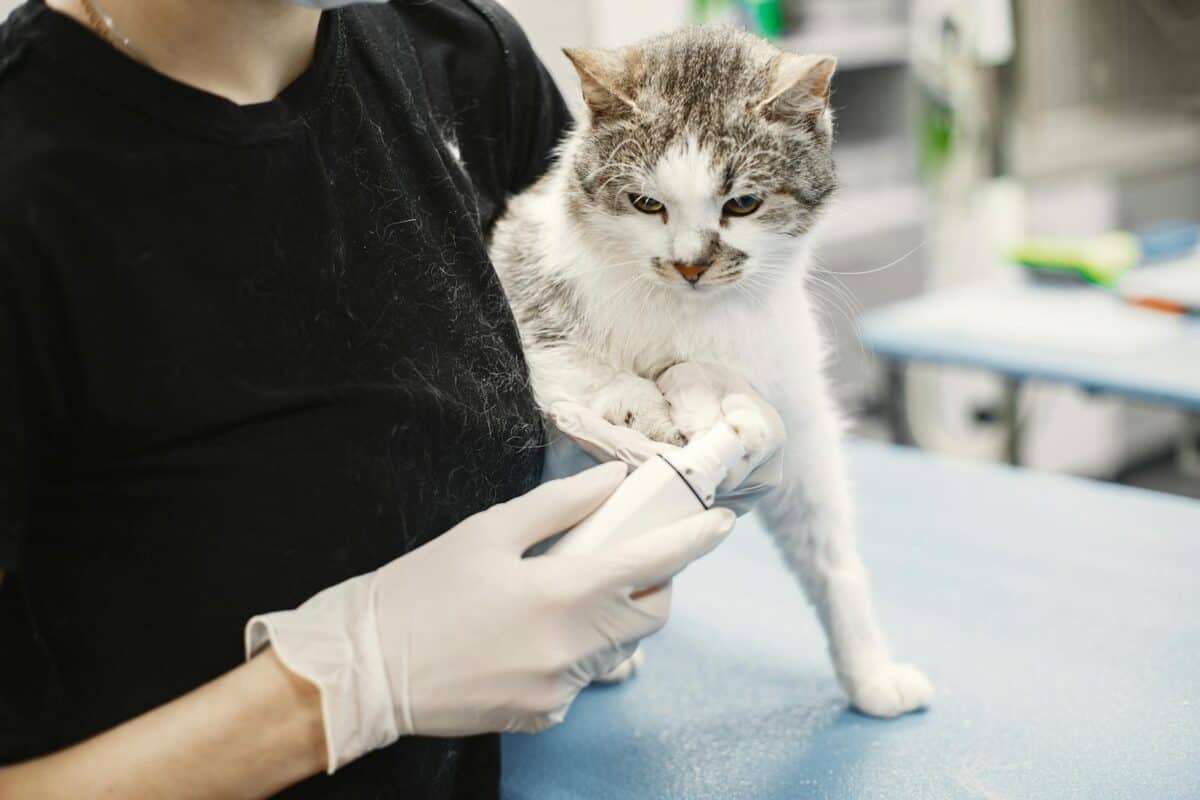
At its core, declawing raises profound ethical questions about performing permanent, painful alterations to animals for human convenience. Unlike spaying and neutering, which provide health benefits and address population concerns, declawing serves no medical purpose for the cat. It fundamentally alters a cat’s physiology and behavior to accommodate human preferences about furniture and household goods. This represents a significant ethical departure from other veterinary procedures. As society’s understanding of animal sentience and capacity for pain has advanced, the ethical framework around such procedures has evolved. Many ethicists and animal welfare specialists now apply the principle of “necessary suffering”—interventions that cause pain are justified only when they prevent greater suffering or provide direct benefit to the animal itself. Under this framework, declawing fails the ethical test, as the suffering it causes is disproportionate to any benefit and serves primarily human interests rather than feline welfare.
Responding to Common Arguments for Declawing

Despite overwhelming evidence against the procedure, some arguments for declawing persist. One common claim is that declawing is preferable to euthanasia or surrender if scratching becomes problematic. However, this presents a false choice that ignores the many effective alternatives available. Another argument suggests that indoor-only cats don’t “need” their claws for protection. This misunderstands the multiple functions claws serve beyond defense—from exercise to emotional wellbeing. Some point to laser declawing as a “humane” option, but while this technique may reduce surgical complications, it still involves amputation and all associated long-term effects. Perhaps most concerning is the argument that declawing should remain a “personal choice” between pet owners and veterinarians. This perspective fails to recognize that veterinary procedures, like all medical interventions, must be guided by evidence, ethics, and the patient’s best interests—not merely by client preference. As our understanding of animal welfare advances, certain procedures once considered acceptable become recognized as harmful and unnecessary.
The scientific evidence, veterinary consensus, and ethical considerations all point toward the same conclusion: declawing cats should become a practice of the past. The procedure causes significant pain and potential lifelong complications while robbing cats of natural behaviors essential to their physical and psychological wellbeing. With numerous humane alternatives available—from regular nail trimming to behavioral training and appropriate scratching surfaces—there’s simply no justification for continuing this invasive amputation. As more regions legally ban the practice and more veterinarians refuse to perform it, society is moving toward more compassionate care for our feline companions. By choosing humane alternatives to declawing, we honor the trust our cats place in us and ensure their wellbeing remains at the center of the decisions we make about their care.

- How Crickets Chirp Using Their Wings - July 20, 2026
- The Largest Sea Turtle Ever Rescued Off North Carolina - July 20, 2026
- The Ocean’s Escape Artist: Why Octopuses Outsmart Us All - July 20, 2026