

Ever wondered what keeps nature running like a well-oiled machine? It’s not magic or pure chance. Behind the vibrant forests, flowing rivers, and thriving landscapes we admire lies an intricate web of animal life working tirelessly to maintain balance. Wildlife isn’t just pretty to look at or fascinating to study; these creatures are the backbone of our planet’s health.
The truth is, without them, things would fall apart faster than you might imagine. From the tiniest insect to the largest mammal, each species plays a part so crucial that its absence would send ripples through entire ecosystems. Let’s dive in and explore the remarkable ways these creatures keep our world functioning.
Pollinators Power Plant Reproduction and Food Security
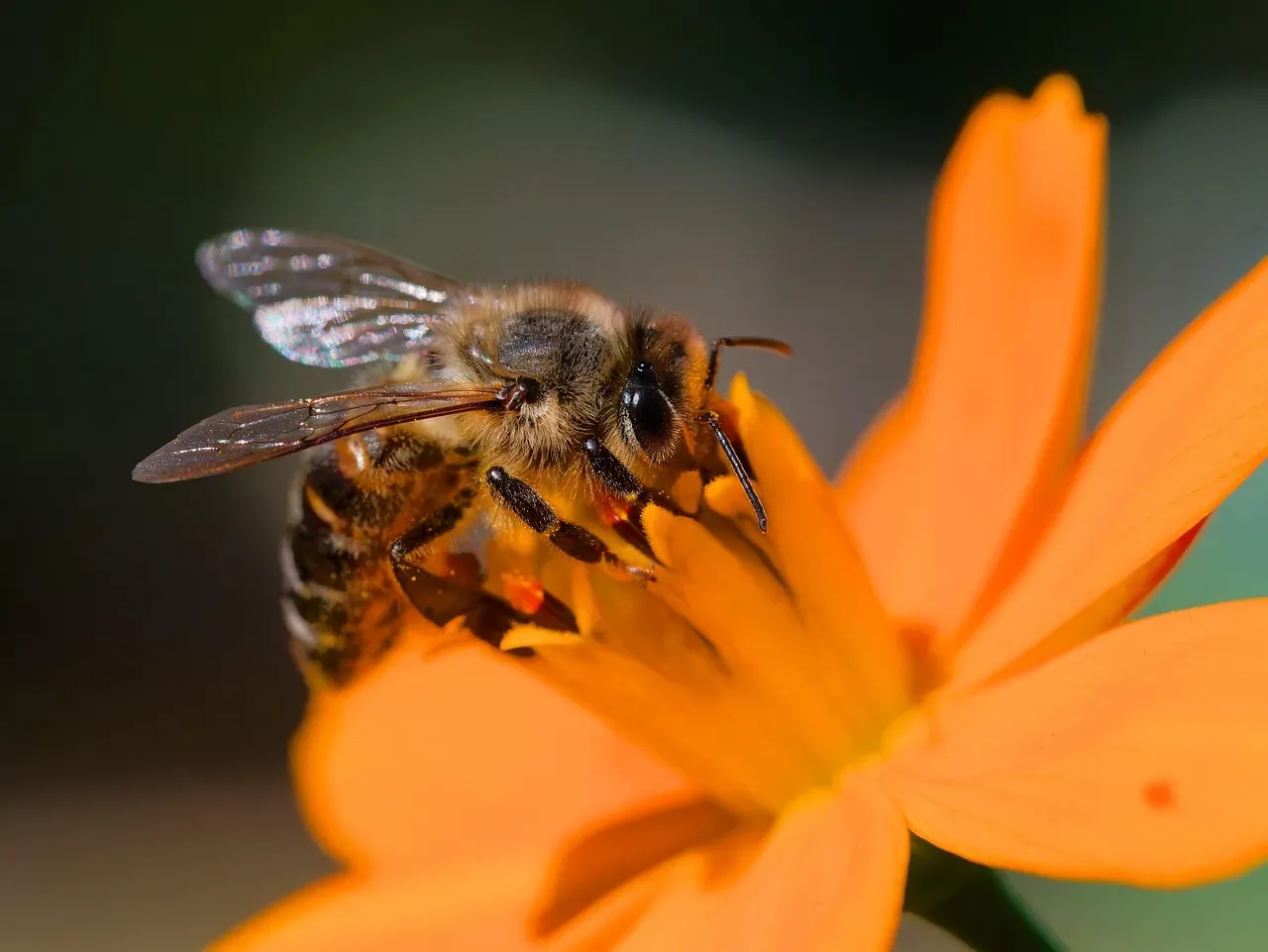
Roughly three quarters of the world’s flowering plants and about 35 percent of the world’s food crops depend on animal pollinators to reproduce. That’s one out of every three bites of food we eat. Think about that for a moment the next time you bite into an apple or enjoy a handful of almonds.
Pollinators are essential or beneficial for the production of many crop species and they are also important for the reproduction of more than 65% of the world’s wild plants. Bees, butterflies, birds, bats, and even beetles move pollen between flowers as they search for nectar, unknowingly facilitating plant reproduction. In agricultural ecosystems, pollinator diversity increases the quality and quantity of crop yield.
Pollinators contribute $34 billion annually to the U.S. economy alone. The economic value is staggering, yet the true worth of these creatures extends far beyond dollars. In natural ecosystems, pollinator diversity enhances pollination during environmental and climatic perturbations, thus alleviating pollen limitation. Honestly, it’s hard to overstate how much we depend on these small, often overlooked animals for our very survival.
Predators Control Pest Populations and Disease Spread
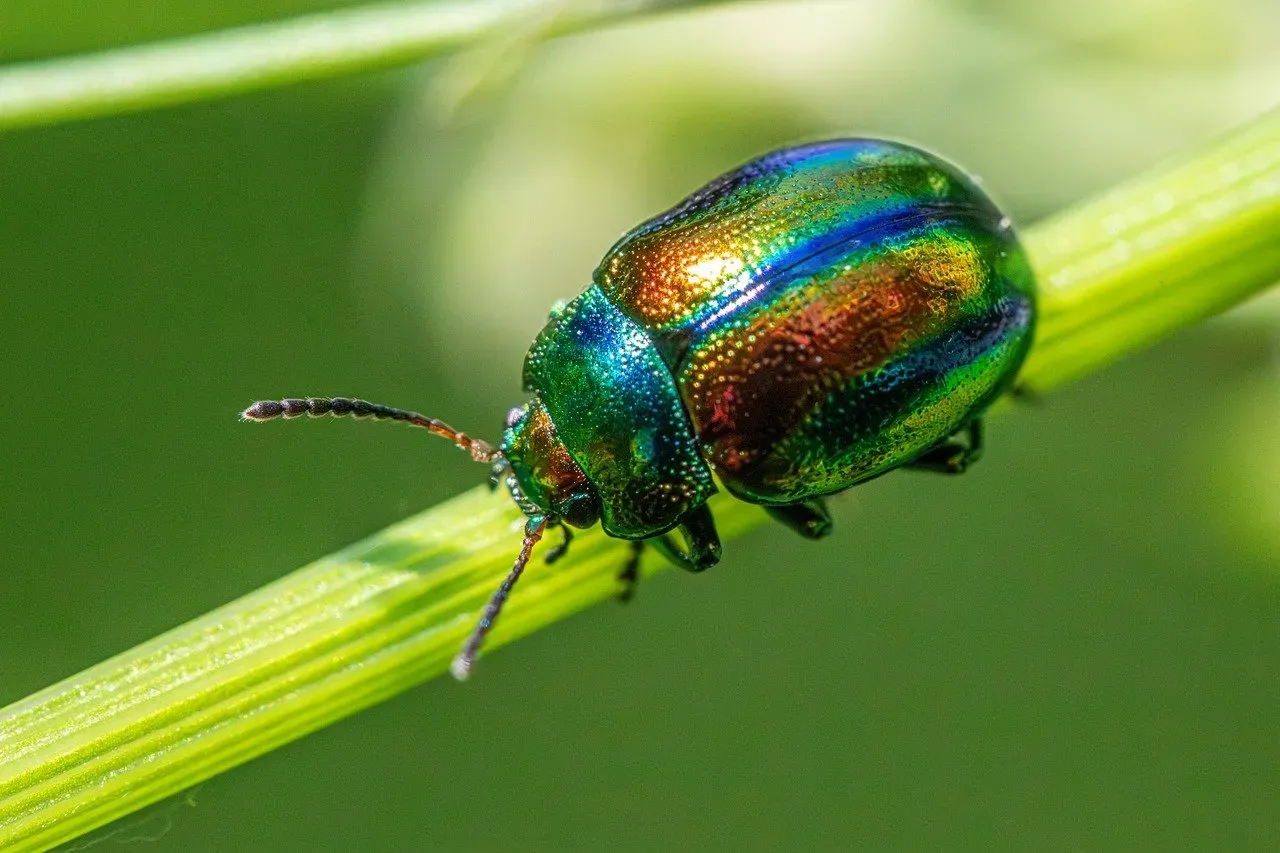
Here’s something that might surprise you. Predators reduced pest populations by 73% on average, and increased crop yield by 25% on average. Natural predators are nature’s pest control service, and they work around the clock for free.
Predators are also responsible for controlling pest numbers, playing a critical role in maintaining ecological balance, contributing to sustainable agriculture and our health. Birds, bats, spiders, beetles, and countless other predatory species hunt insects and rodents that would otherwise devastate crops and spread diseases. Top-down effects of resident predators on populations of pests cascade down to enhance crop yield, and a single species of resident predator can provide pest control at least as strongly as multiple species.
Biodiversity plays a crucial role in disease regulation by maintaining balanced ecosystems where no single species dominates. When predator populations are healthy, they keep prey numbers in check, preventing outbreaks that could spiral into ecological disasters. Predators may increase the biodiversity of communities by preventing a single species from becoming dominant, and such predators are known as keystone species and may have a profound influence on the balance of organisms in a particular ecosystem.
Seed Dispersers Drive Forest Regeneration and Plant Diversity
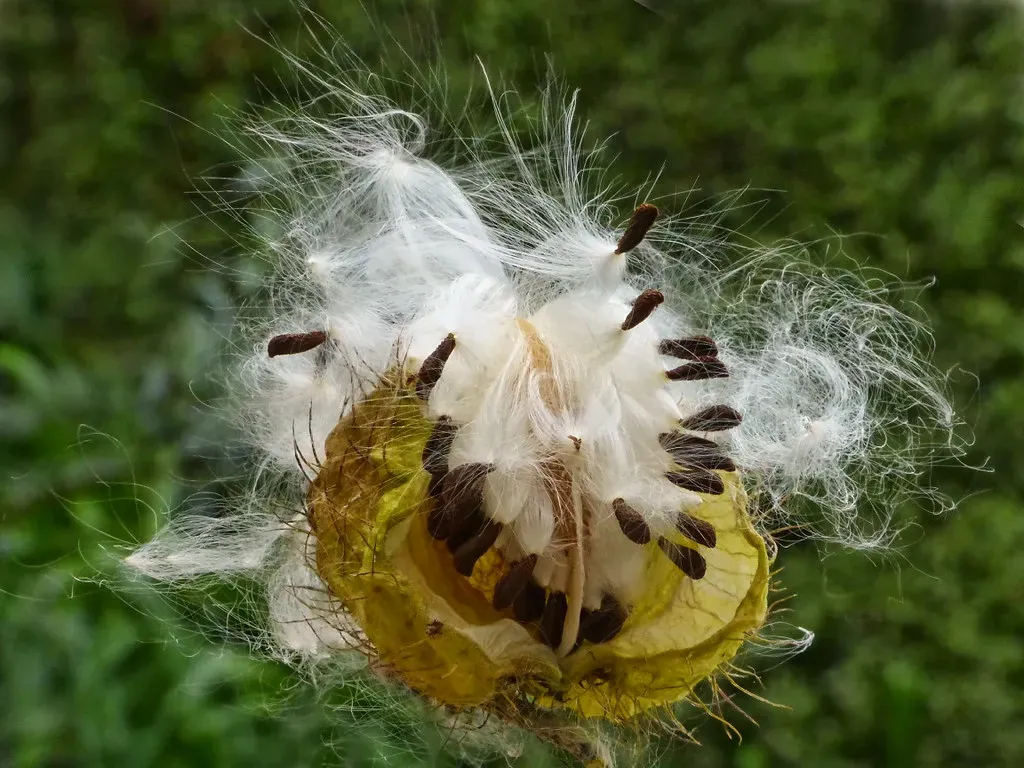
Seed dispersal by animals is key for restoration of tropical forests because it maintains plant diversity and accelerates community turnover. Birds, mammals, and even fish carry seeds far from parent plants, helping forests regenerate and expand into new territories.
In many plant communities, seed dispersal by animals is often an important form of dissemination of propagules and in some sites over half the tree species have seeds dispersed by animals rather than wind, water, or other forms of dispersal. In some neotropical forests more than 66% of the canopy tree species have seeds which are dispersed by animals. Think of animals as nature’s gardeners, planting seeds across vast landscapes as they move and feed.
By influencing the spatial distribution and demography of the plants they feed on, seed dispersers may shape the vegetal landscapes and contribute to the resilience and natural regeneration of ecosystems. Larger animals like monkeys, bears, and elephants can disperse bigger seeds that smaller creatures cannot. The free movement of seed-dispersing birds through landscapes can increase the carbon storage of regenerating tropical forests by up to 38%. This isn’t just about trees; it’s about climate stability, biodiversity, and the long-term health of our planet.
Decomposers Recycle Nutrients and Enrich Soil
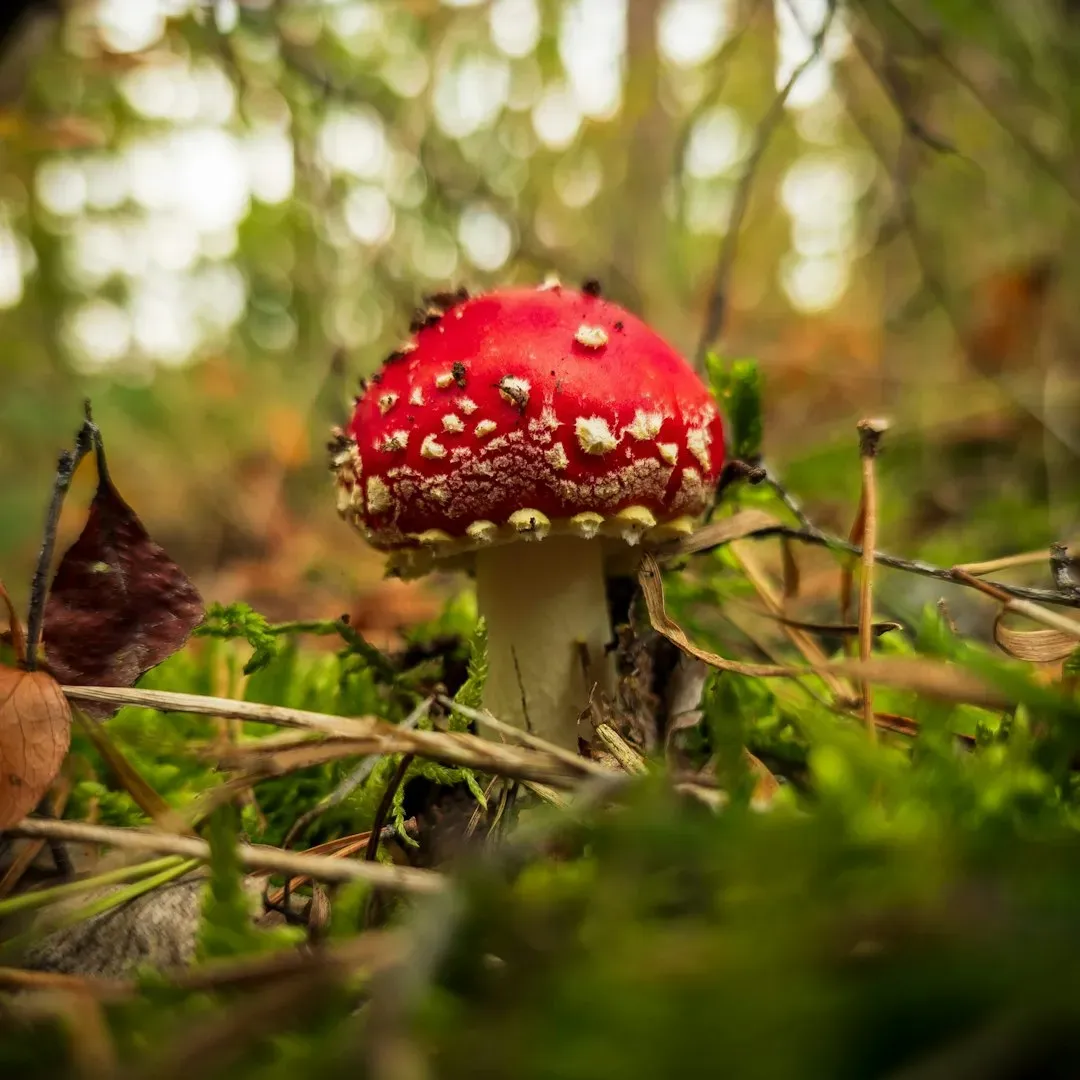
Let’s be real: decomposers don’t get nearly enough credit. Decomposers play a critical role in the flow of energy through an ecosystem by breaking apart dead organisms into simpler inorganic materials, making nutrients available to primary producers. Without them, dead matter would pile up, and essential nutrients would remain locked away, unusable by living plants.
Decomposers play a central role in nutrient cycling, transforming dead material into essential nutrients like nitrogen, phosphorus, and potassium, which are then absorbed by plants. Bacteria, fungi, earthworms, beetles, and countless other organisms work tirelessly breaking down everything from fallen leaves to animal carcasses. As decomposers break down organic material, they enrich the soil with humus, a dark, organic component that improves soil structure, water retention, and fertility. Soil enriched by decomposers supports a greater diversity of plants and microorganisms, creating healthier ecosystems.
Fungi are the main decomposers in many ecosystems, particularly in forests, and one of their main functions is to help release nitrogen and phosphorous from dead decaying matter. Decomposers help prevent the spread of disease by breaking down dead organisms that could harbor pathogens. By cleaning up carcasses, plant debris, and other organic waste, they reduce the risk of disease outbreaks in ecosystems. It’s not glamorous work, but it’s absolutely essential.
Ecosystem Engineers Shape Habitats for Other Species
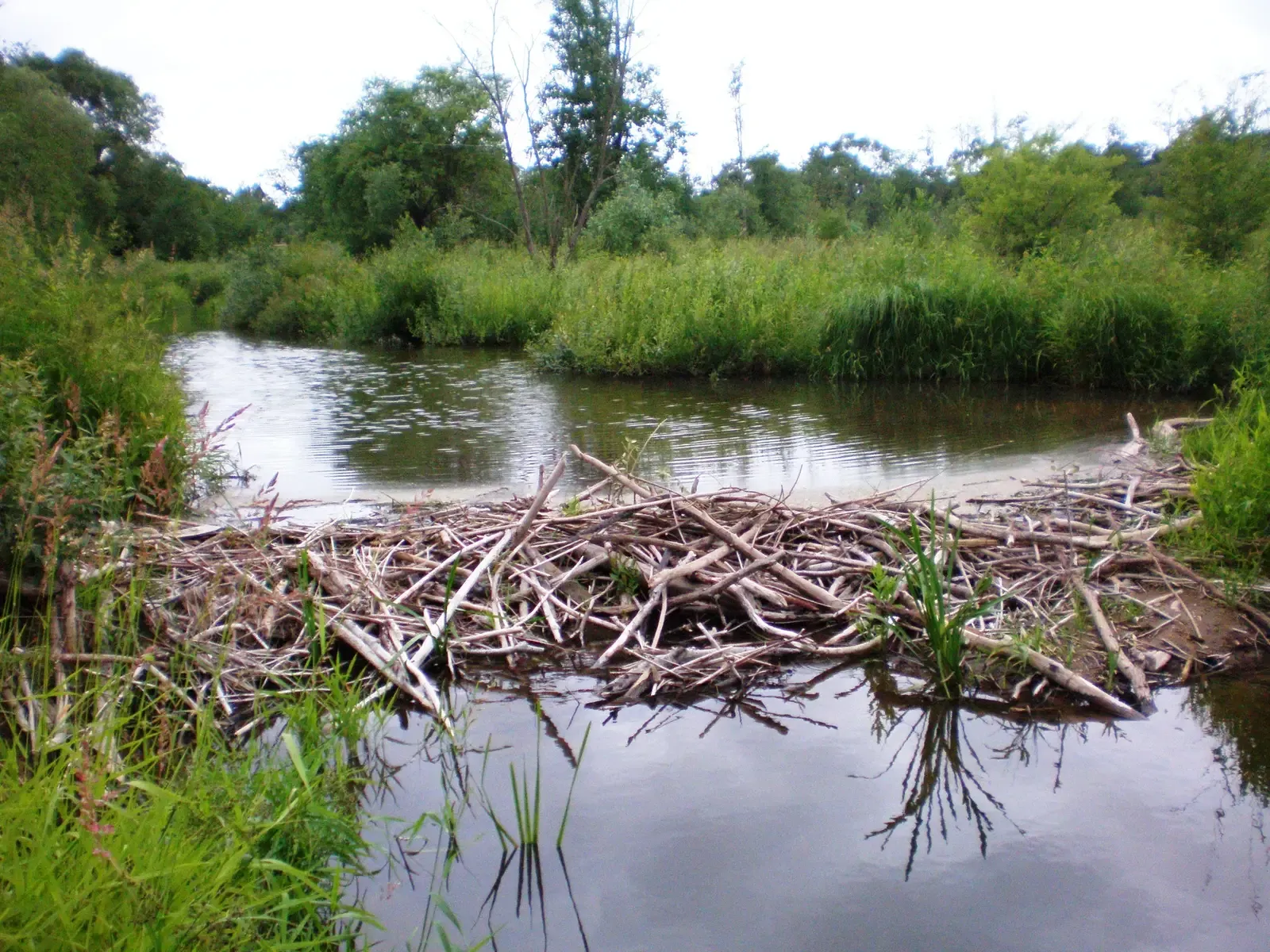
Some animals don’t just live in ecosystems; they actively build and modify them. Beavers create wetlands by damming streams. Elephants knock down trees, creating open spaces that benefit grassland species. Prairie dogs dig burrows that shelter hundreds of other animals.
These so-called ecosystem engineers fundamentally alter their environments in ways that benefit countless other species. When wolves were removed from Yellowstone National Park, the effects rippled throughout the entire ecosystem. Without predation, herbivores began to over-graze many woody browse species, affecting the area’s plant populations. In addition, wolves often kept animals from grazing near streams, protecting the beavers’ food sources.
The reintroduction of wolves changed everything. Elk stopped overgrazing riverbanks, willows and aspens grew back, beavers returned, and even the courses of rivers changed as vegetation stabilized stream banks. One species, through its behavior and hunting patterns, reshaped an entire landscape. This demonstrates how profoundly wildlife can influence not just individual organisms but entire physical environments.
Biodiversity Creates Ecosystem Resilience and Stability
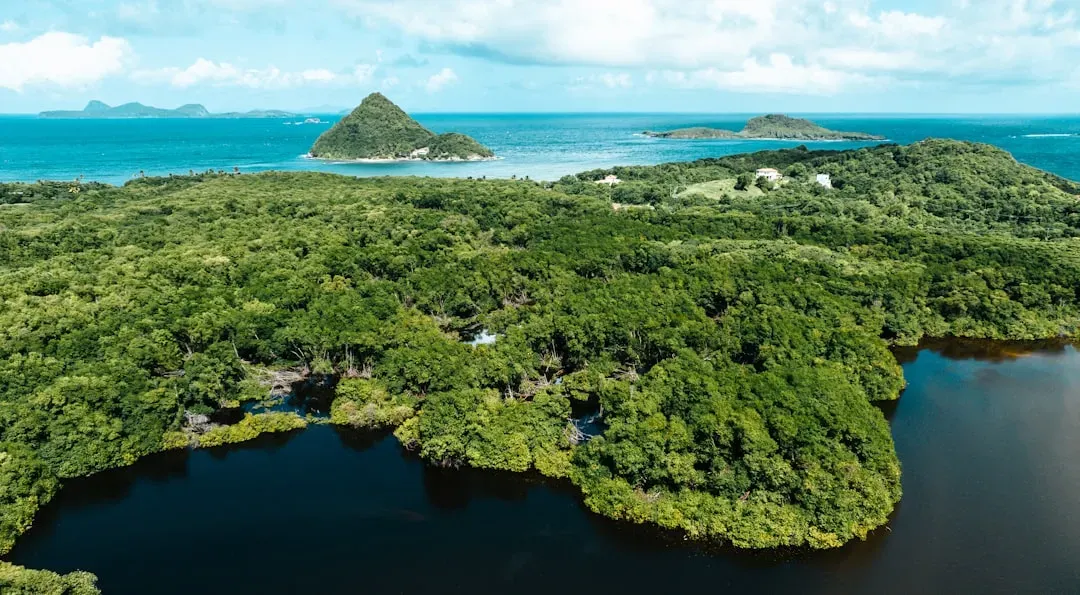
Scientists generally agree that as the number of species in any particular type of ecological system declines, that system can potentially lose its resilience (i.e., its ability to rebound after it has been stressed). Diverse ecosystems are stable ecosystems. When many species fill similar roles, the loss of one doesn’t cause total collapse.
Healthy communities are sustained by well-functioning ecosystems, which provide critical services such as clean air, fresh water, natural medicines and food security. These ecosystems also regulate diseases and help stabilize the climate. Forests store 80% of terrestrial biodiversity, absorbing approximately 2.6 billion tonnes of carbon dioxide annually, helping mitigate climate change.
Approximately 1 million species are at risk of extinction, threatening these vital services and exacerbating public health risks globally. The stakes couldn’t be higher. Every species lost is like removing another rivet from an airplane wing; you might not notice the first few, but eventually, catastrophic failure becomes inevitable. Maintaining wildlife populations isn’t sentimental; it’s pragmatic survival strategy for humanity itself.
Conclusion
Wildlife isn’t just decoration on our planet. These creatures are essential workers maintaining systems we depend on every single day. From pollinating our food to controlling pests, dispersing seeds to recycling nutrients, shaping landscapes to stabilizing entire ecosystems, wildlife performs services worth trillions of dollars that we could never replicate artificially.
The interconnectedness of these systems means that protecting wildlife isn’t just about saving cute animals. It’s about preserving the very mechanisms that keep Earth habitable. Every species matters, every population counts, and the choices we make today will determine whether future generations inherit a thriving planet or a broken one.
What role do you think we should play in protecting these incredible ecosystem services? The answer might be more important than we realize.
