

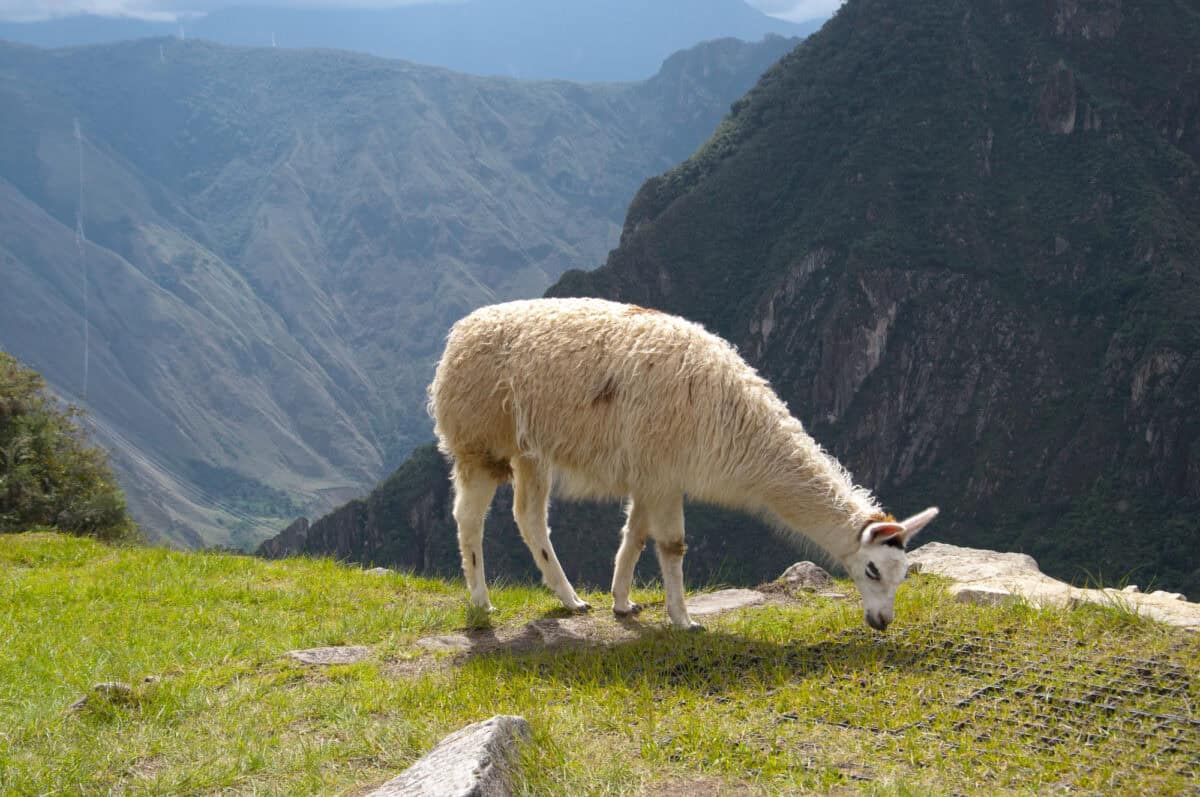
The Andes Mountains stretch over 7,000 kilometres along the western coast of South America, cradling a remarkable diversity of ecosystems. From the steamy rainforests of Colombia to the arid expanses of Chile, the Andes are home to a rich tapestry of wildlife. This article takes you on a journey through the top 10 animals and wildlife that inhabit these majestic mountains, showcasing the unique adaptations and roles each species plays in this diverse environment.
1. Andean Condor
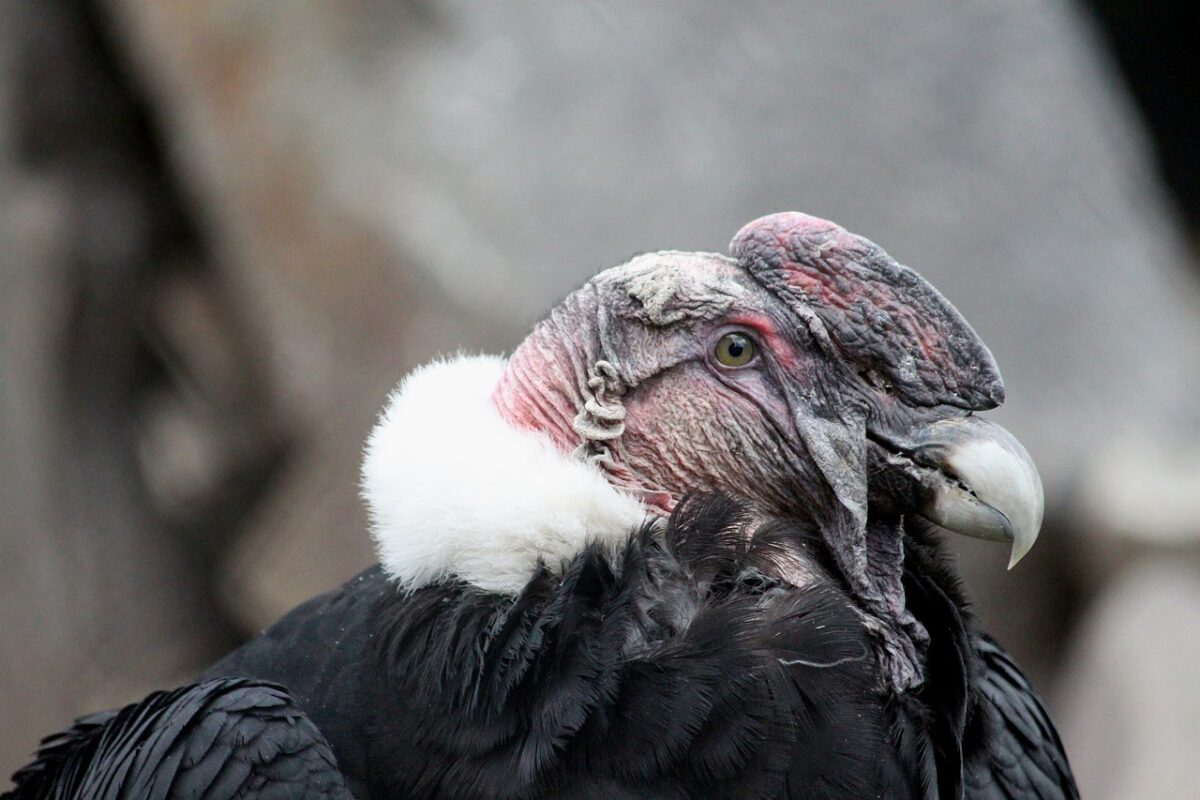
The Andean Condor, with its impressive wingspan stretching up to 3.3 meters, is one of the largest flying birds in the world. As a cultural icon and symbol of power, it soars gracefully above the Andes, primarily feeding on carrion. This scavenger’s presence is crucial for controlling disease and maintaining ecosystem health. However, due to habitat loss and human activities, the Andean Condor is considered a near-threatened species.
2. Spectacled Bear
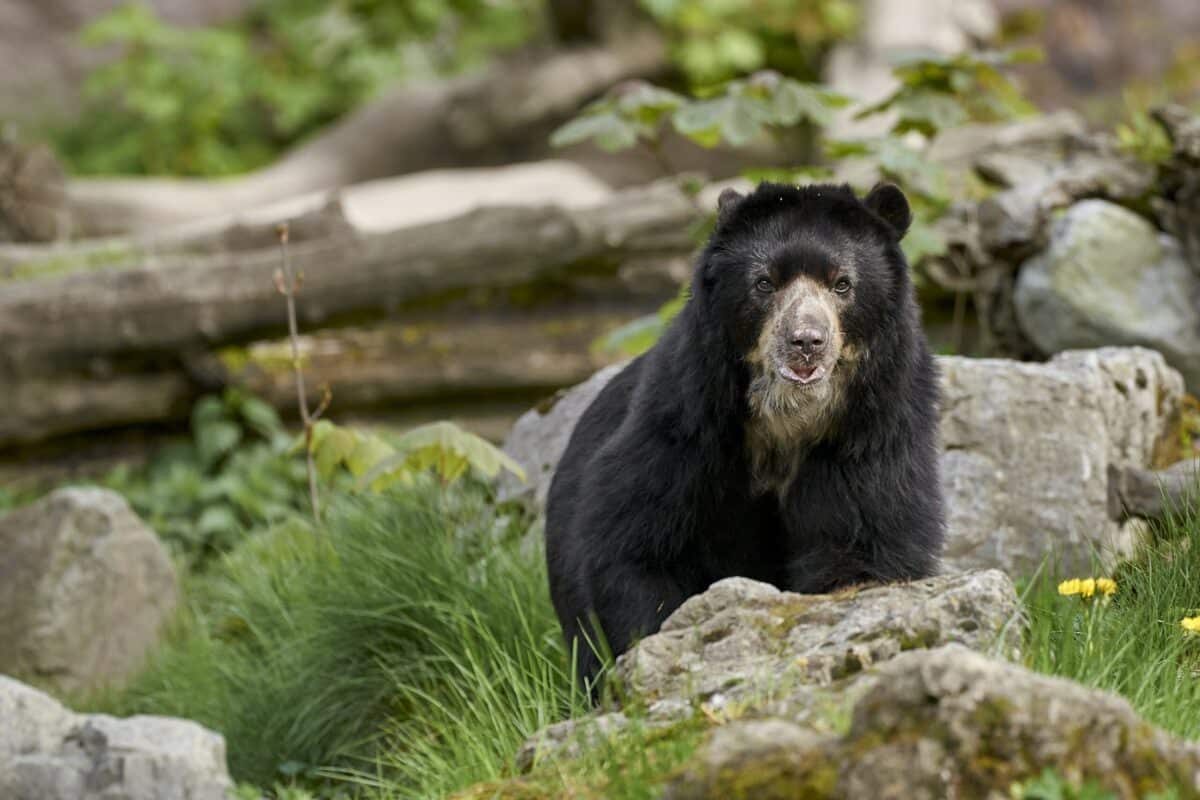
Rainforests and cloud forests across the Andes are home to the Spectacled Bear, the only bear species native to South America. Named for the distinctive rings around its eyes, this bear is agile and arboreal, often retreating to trees for food and safety. As an omnivore, the Spectacled Bear plays a critical role in seed dispersal, contributing to the health and diversity of its habitat.
3. Vicuña
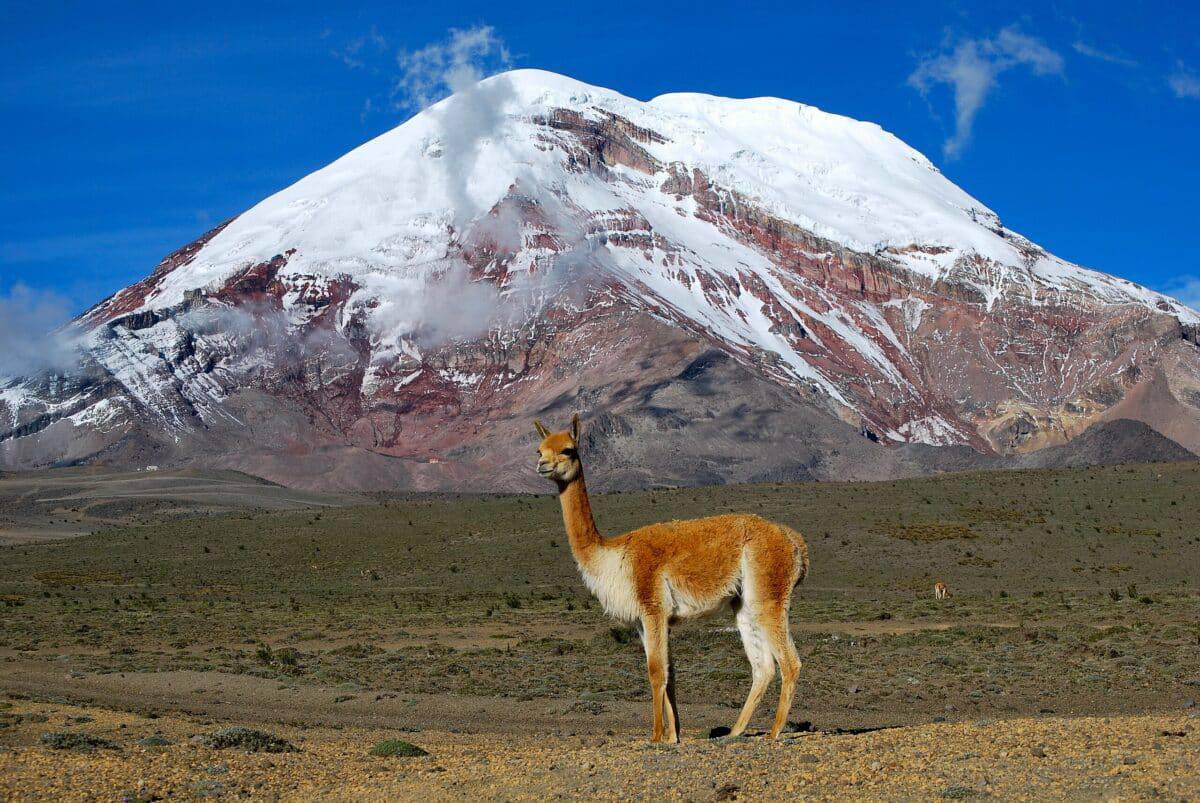
The elegant Vicuña, a relative of the llama and alpaca, roams the high-altitude plateaus of the Andes. Revered for its incredibly soft wool, Vicuñas have adapted to the harsh mountain environment with their lightweight coats and efficient thermoregulation. These creatures graze on grasses and are vital for the indigenous people, who have traditionally relied on their wool as a luxury commodity.
4. Mountain Tapir
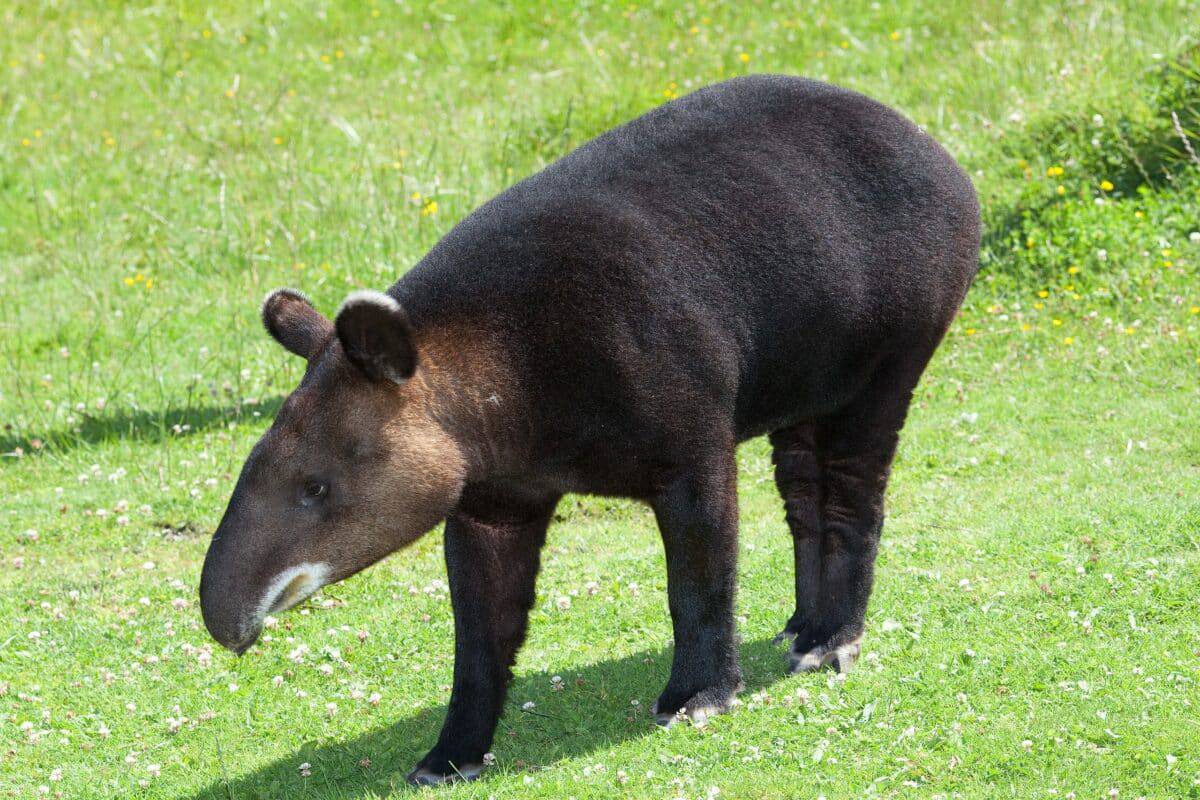
As one of the most endangered large mammals in the Andes, the Mountain Tapir inhabits cloud forests and páramo, a type of high-altitude tundra. With a short, prehensile snout, they forage for leaves, fruit, and bark. Tapirs are ancient creatures, playing a pivotal role in seed dispersal and forest dynamics, but they face threats from deforestation and hunting.
5. Andean Cat
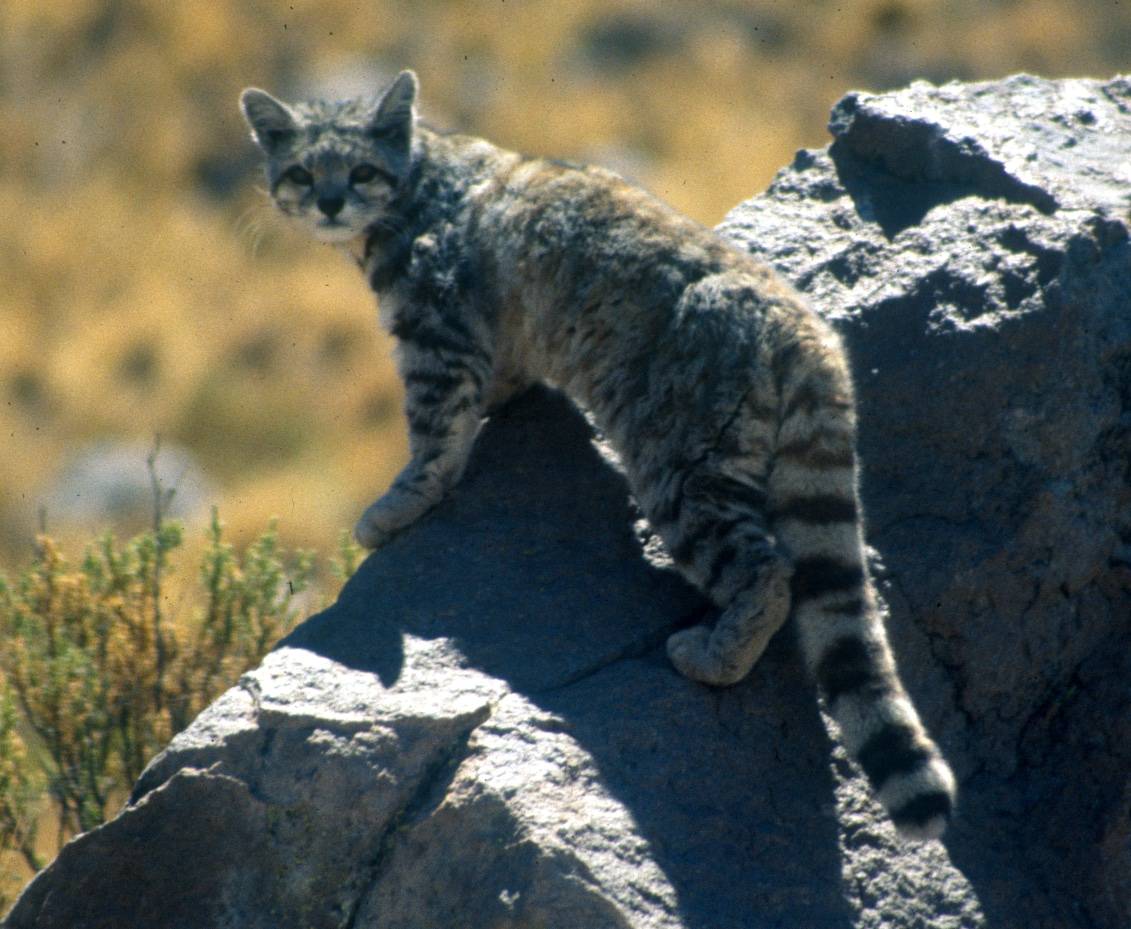
Elusive and rarely seen, the Andean Cat is a small wild cat found in the rocky regions of the Andes. It primarily preys on rodents and is a specialist hunter of the viscacha. The Andean Cat’s unique adaptations, such as a bushy tail for balance and dense fur for warmth, have evolved to help it survive over 3,000 meters above sea level.
6. Giant Hummingbird

The Giant Hummingbird is the largest hummingbird species on the planet, residing in the high altitudes of the Andes. Despite its size, it exhibits the characteristic rapid wing beats and remarkable aerial stability. Feeding on nectar, this bird plays a significant role as a pollinator, facilitating the reproduction of numerous Andean plant species.
7. Puma

The Puma, or mountain lion, is a highly adaptable big cat that prowls diverse habitats throughout the Andes. As an apex predator, it occupies a vital niche in the ecosystem, controlling prey populations and maintaining balance. Pumas demonstrate remarkable adaptability, able to hunt anything from deer and guanacos to smaller mammals, depending on availability.
8. Andean Flamingo

The Andean Flamingo, with its distinctive pink hue and elegant form, graces the high-altitude lakes of the Andes. These birds filter-feed on algae and small crustaceans using their specialized bills. The flamingo’s presence is indicative of the health of saline wetlands, as these ecosystems provide critical breeding and feeding grounds.
9. Chinchilla

Once abundant throughout the Andes, wild Chinchillas are now critically endangered due to hunting for their luxurious fur. Adapted to rocky environments, chinchillas are nocturnal and feed on plant materials. Conservation efforts are essential to preserve remaining populations and ensure the survival of these unique rodents.
10. Andean Cock-of-the-rock
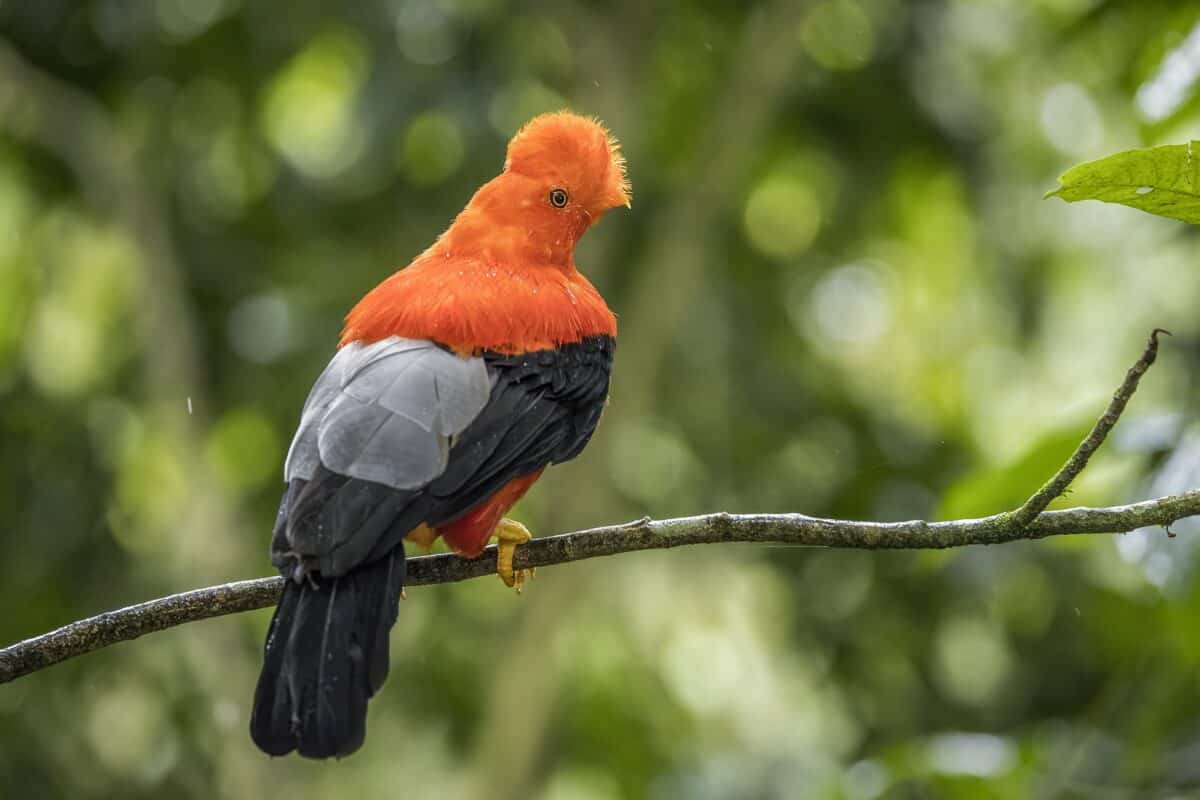
Renowned for its vivid orange plumage and unique courtship displays, the Andean Cock-of-the-rock inhabits forests throughout the Andes. As a frugivore, it contributes to seed dispersal, impacting forest composition and structure. The striking appearance and behaviour of this bird make it a favourite among wildlife enthusiasts and researchers alike.
Conclusion

The Andes Mountains, with their vast and varied landscapes, are a vital reservoir of biodiversity. The animals and wildlife that inhabit these highlands are testaments to nature’s adaptability and resilience. Conservation of these species is crucial, as their presence supports the intricate balances within their ecosystems. By understanding and protecting the unique wildlife of the Andes, we ensure the preservation of this magnificent natural treasure for future generations.

As a little kid, I fell in love with nature, wildlife, and animals. Living in the USA, South Africa, Italy, China and Germany gave me the opportunity to discover the world's Wildlife. My favorite animals are Mountain Gorillas, Siberian Tigers, and Great White Sharks.
I'm a certified PADI Open Water Diver, went to Everest Base Camp and Trekked Gorillas in Uganda. I hold a Master of Science in Economics and Finance.
Please send any feedback to feedback@animalsaroundtheglobe.com
- 14 Stunning Animals You Can See in India - July 18, 2026
- The Most Enormous Lobster Ever Pulled From Maine Waters - July 18, 2026
- The Most Dangerous Waters for Sharks in North America - July 18, 2026