

There’s something primal about the gray wolf that makes your pulse quicken when you catch a glimpse of one in the wild. These magnificent creatures have prowled America’s wilderness for thousands of years, shaping ecosystems in ways we’re only beginning to understand. From the frozen tundra of Alaska to the rocky peaks of the Northern Rockies, gray wolves have fought their way back from near extinction to reclaim portions of their ancestral home.
Yet for all our fascination with these animals, most people only scratch the surface when it comes to understanding them. Let’s be real, these aren’t just bigger versions of your neighbor’s husky. They’re complex, intelligent predators with social structures that would put many corporations to shame. So let’s dive in and uncover some truly remarkable facts about gray wolves that’ll change how you see these icons of the American wilderness.
They Once Ruled Two Thirds of America
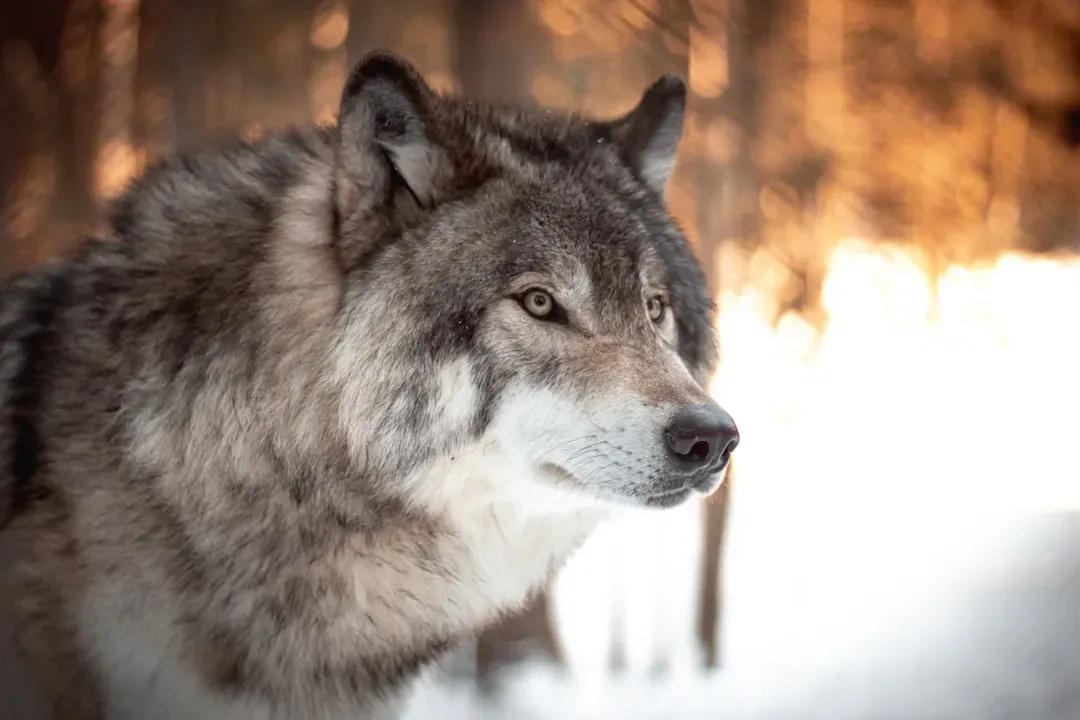
Picture this: a time when gray wolves roamed freely across nearly every corner of what we now call the United States. The species once roamed across more than two-thirds of the United States, occupying a vast array of ecosystems from the forests of the New England to the deserts of the Southwest. Think about that for a second. These adaptable predators thrived everywhere from scorching desert landscapes to dense northeastern woodlands.
Still, wolves only occupy about 10% of the land they did historically. The dramatic reduction in their range tells a sobering story of conflict between human expansion and wildlife. During the early 1900s, aggressive predator control programs nearly wiped them out completely. It’s hard to say for sure, but the near total eradication of wolves from the lower 48 states represents one of the most dramatic wildlife collapses in American history.
Today’s wolf populations exist in scattered pockets. In the contiguous United States, significant populations exist in the Northern Rockies – particularly in Montana, Idaho, and Wyoming – as well as in the Western Great Lakes states of Minnesota, Wisconsin, and Michigan.
Their Howl Travels Farther Than You’d Ever Imagine
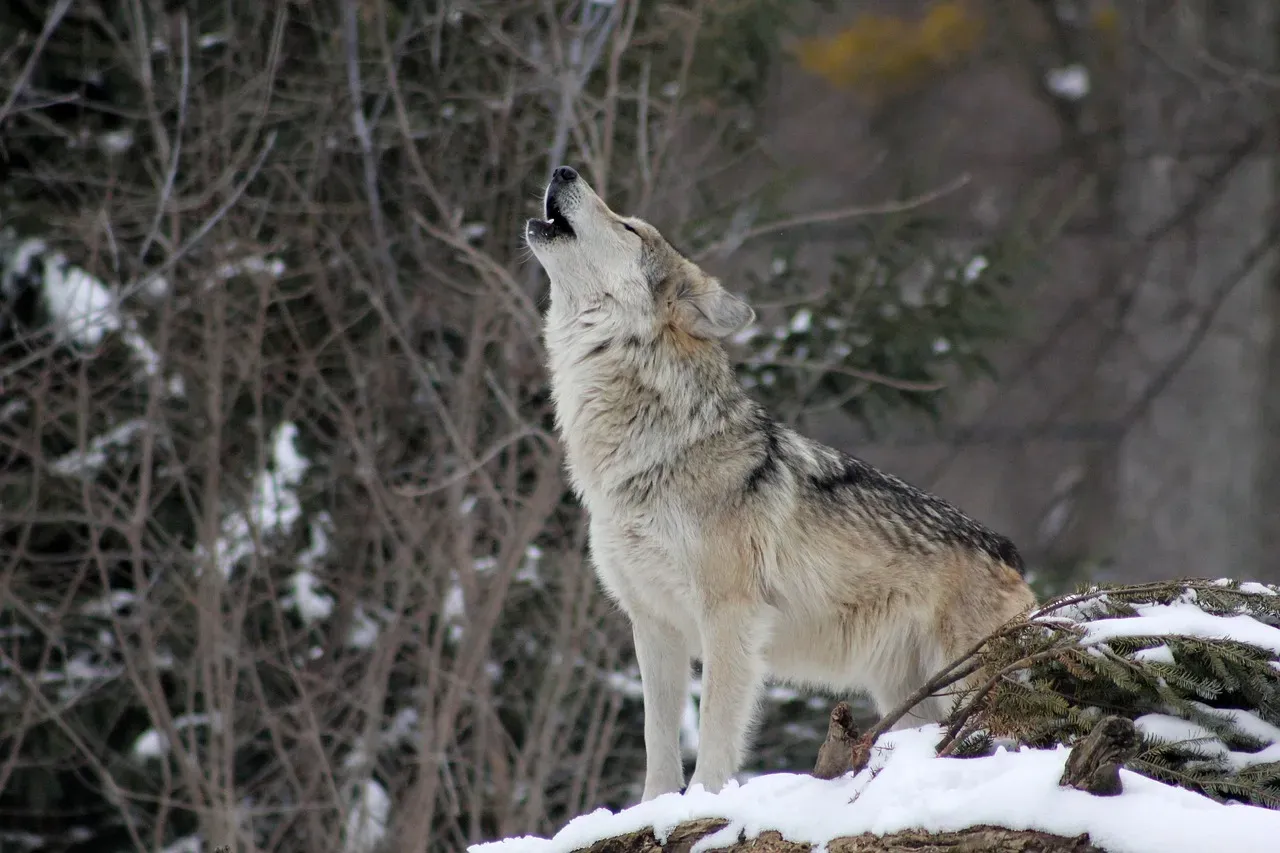
That spine-tingling howl echoing through the night isn’t just atmospheric. It’s sophisticated long distance communication. Wolf howls can under certain conditions be heard over areas of up to 130 km2 (50 sq mi). Imagine being able to call your friends from that kind of distance without a cell phone.
Here’s the thing: wolves aren’t howling at the moon like folklore suggests. Gray wolves howl to assemble the pack, usually before and after hunts, to pass on an alarm particularly at a den site, to locate each other during a storm or while crossing unfamiliar territory, and to communicate across great distances. Each wolf actually has its own distinctive howl, kind of like a vocal fingerprint. Did you know that individuals have different howls that can be heard by other wolves 6-7 mile away?
What’s really fascinating is how wolves harmonize when howling together. When howling together, wolves harmonize rather than chorus on the same note, thus creating the illusion of there being more wolves than there actually are. It’s nature’s equivalent of a psychological warfare tactic, making rival packs think twice before encroaching on occupied territory.
Pack Life Operates Like a Tight Knit Family
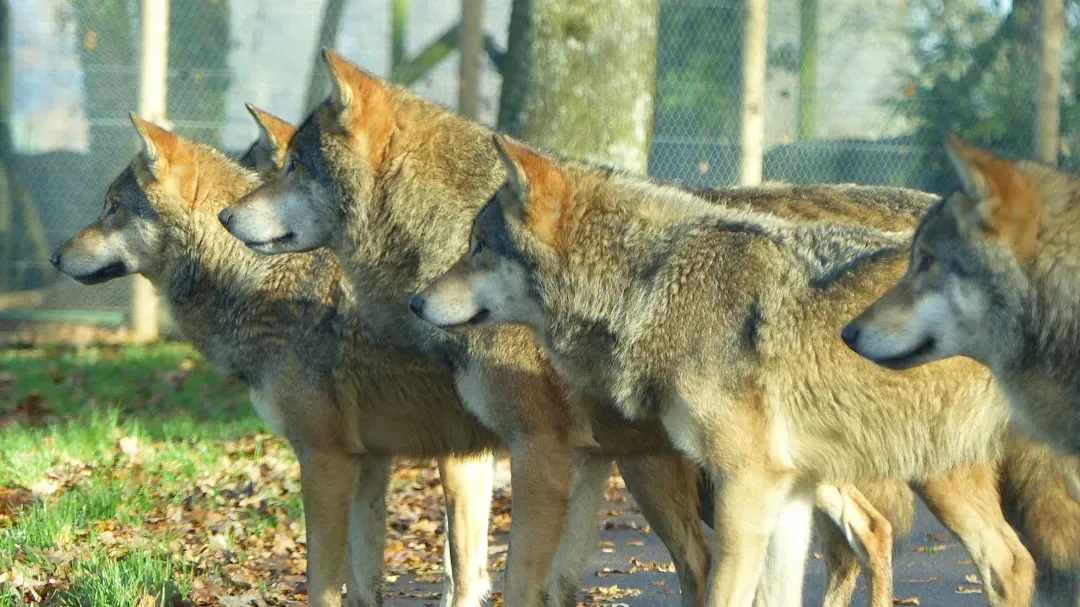
Forget what you’ve heard about ruthless alpha wolves dominating through brute force. The pack is essentially a family group consisting of an adult pair, called the dominant pair, and their offspring. Most wolf packs are basically just mom, dad, and the kids working together to survive.
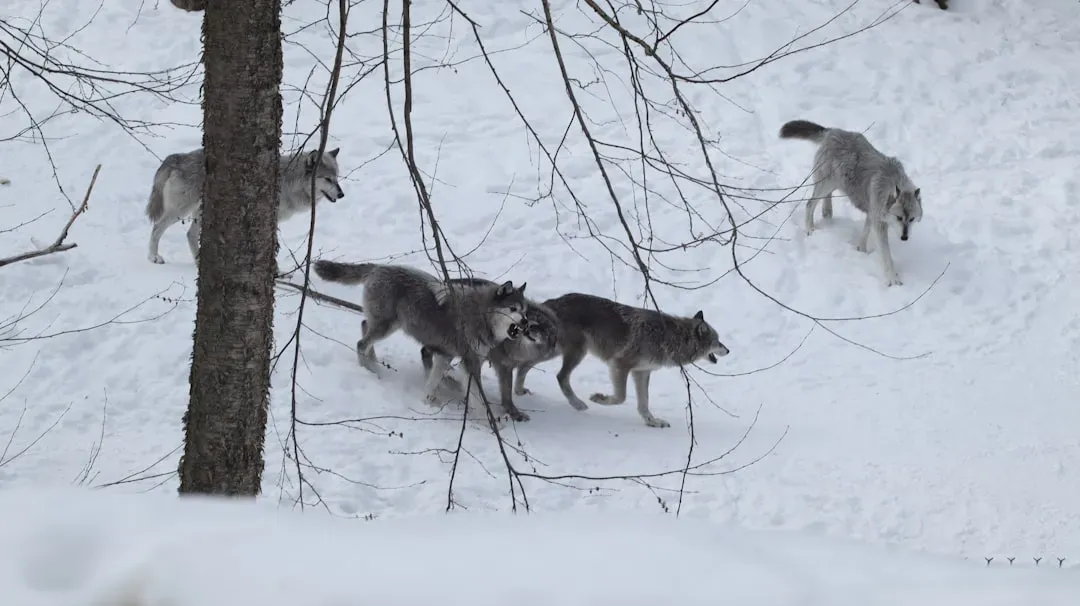
Most packs have four to nine members, but the size can range from as few as two wolves to as many as 15. The breeding pair typically leads the group, making critical decisions about when to hunt and where to travel. They’re essentially teaching their offspring the skills needed to survive and eventually start their own families.
The social dynamics are surprisingly sophisticated. Wolves use elaborate body language to communicate rank and intentions. A dominant wolf might display raised hackles and erect ears, while a submissive pack member lowers its body, tucks its tail, and exposes its throat. These interactions maintain order without constant physical confrontation. Honestly, it’s more nuanced than many human workplaces.
They’re Capable of Taking Down Prey Ten Times Their Size
A single gray wolf might weigh anywhere from 60 to 145 pounds, depending on whether it’s male or female and where it lives. Yet working as a coordinated team, wolf packs regularly bring down massive prey. In North America, wolves are primarily predators of medium and large hooved mammals, such as moose, elk, white-tailed deer, mule deer, caribou, muskox and bison.
Think about a moose for a moment. An adult bull can weigh up to 1,500 pounds, with massive antlers and powerful hooves that can crush a wolf’s skull with a single kick. Yet wolf packs have developed hunting strategies refined over millennia to tackle these giants. They work together, testing the herd for weakness, targeting the old, young, or injured individuals.
An adult wolf can consume up to 20 pounds of meat in a single meal after a successful hunt. However, they might go days without eating between kills. This feast or famine lifestyle has shaped everything about wolf biology, from their digestive systems to their social cooperation. When the pack succeeds, everyone benefits from the shared effort.
Their Comeback Story is Both Inspiring and Controversial
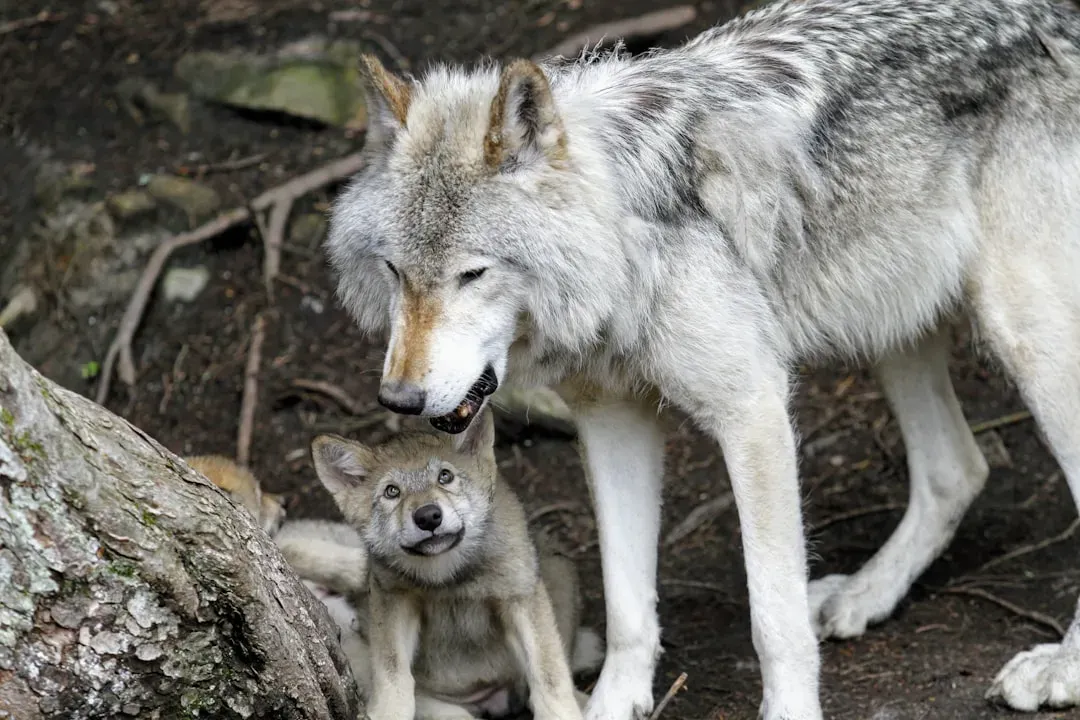
However, U.S. gray wolves are no longer considered endangered because of conservation efforts. After being placed on the endangered species list in the 1970s, wolves have made a remarkable recovery in certain regions. In 1995, gray wolves were reintroduced to Yellowstone National Park and have established a stable Northern Rockies population that has dispersed into the Pacific Northwest and northern California.
The reintroduction wasn’t just about saving a species. It triggered what scientists call a trophic cascade, fundamentally changing entire ecosystems. With wolves back on the landscape, elk populations became more mobile, vegetation recovered along riverbanks, and countless other species benefited from the ripple effects.
The wolves in all of these states total somewhere between 14,000 and 18,000. Still, their recovery remains hotly debated. Ranchers worry about livestock predation, while conservationists argue wolves need continued protection to truly recover across their historic range. Montana and Idaho have 1,096 and 1,550 gray wolves respectively, while Wyoming has an estimated 352 wolves, roughly half of which reside in Yellowstone National Park and are protected when inside park boundaries.
They Possess Senses Sharp Enough to Track You From Miles Away
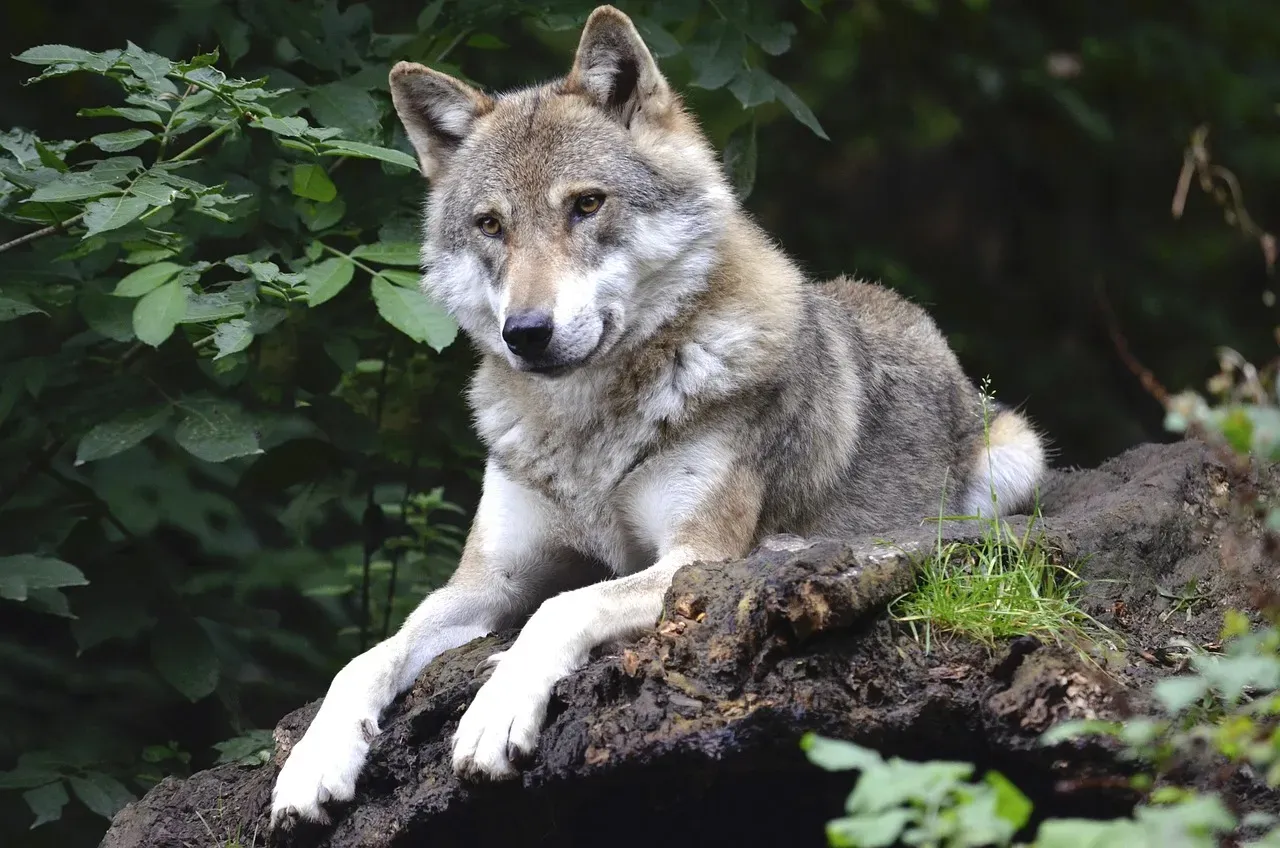
Wolves are living, breathing sensory machines fine tuned for survival in harsh environments. Wolves also have keen senses of smell, hearing and vision, which they use to detect prey and one another. Their sense of smell is reportedly about 100 times more sensitive than humans, allowing them to detect prey from incredible distances.
Those long legs aren’t just for show either. Gray wolves have long legs that are well adapted to running, allowing them to move fast and travel far in search of food, and large skulls and jaws that are well suited to catching and feeding on large mammals. Wolves can maintain a loping pace for hours, covering vast distances in their territories.
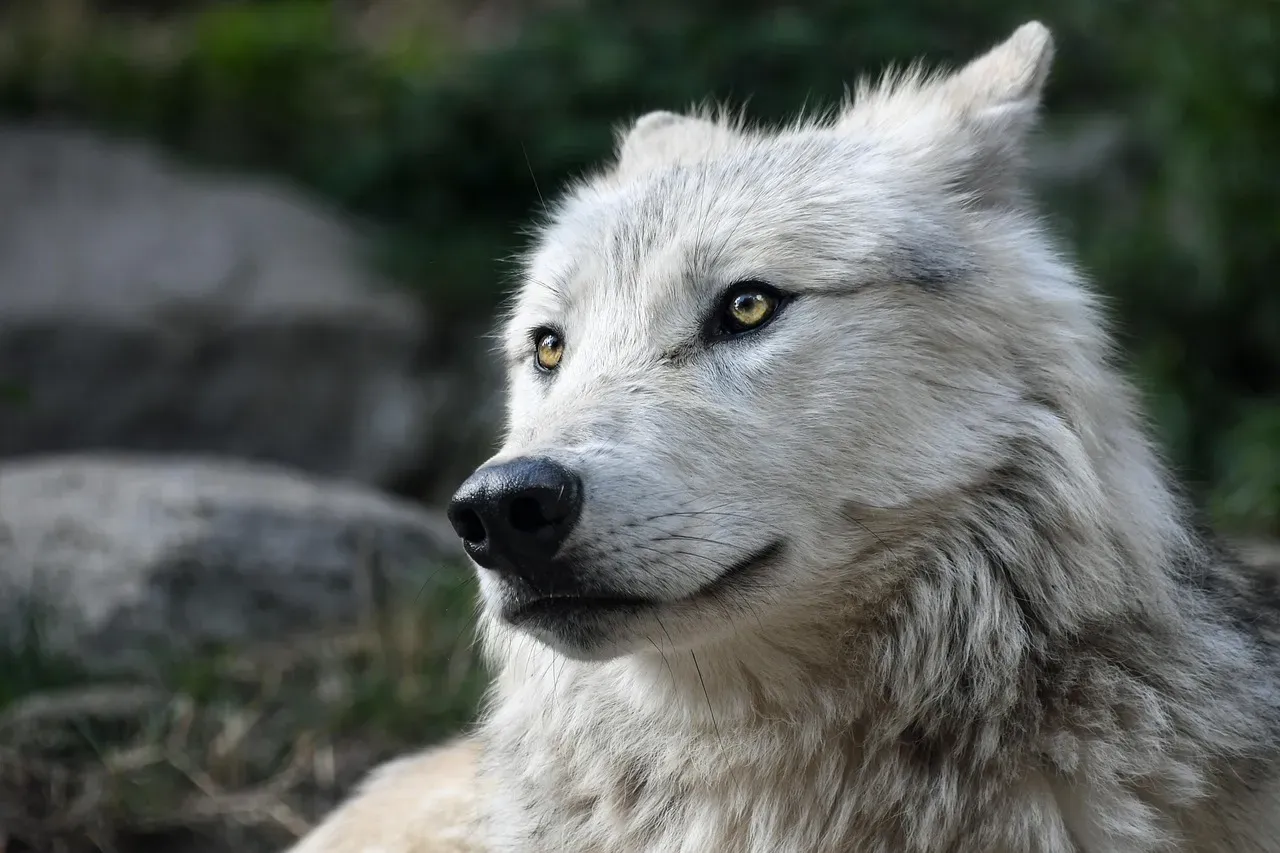
Their physical adaptations extend to their coat as well. With a dense underfur and coarse outer coat, wolves can endure brutal winter temperatures that would kill most animals. Their coloration varies dramatically depending on location, from pure white Arctic wolves to nearly black individuals in forested regions. This variation helps them blend into their specific environments, giving them an edge when stalking prey across open tundra or through dense timber.
Conclusion
Gray wolves represent something essential that we almost lost forever. Their journey from near extinction to cautious recovery reminds us that nature is remarkably resilient when given half a chance. These intelligent, social predators continue to shape the wild places they inhabit, proving that ecosystems need their apex predators to function properly.
The story of America’s gray wolves isn’t finished yet. Their future depends on our willingness to share the landscape with creatures that challenge us, frighten us, and ultimately make our wild places truly wild. What would our forests, mountains, and plains be without that haunting howl echoing through the darkness? Did you expect wolves to be such complex, fascinating creatures?

- 7 Plants That Groundhogs Usually Leave Until Everything Else Is Gone - August 15, 2026
- Bird Science Says Chickadees Change Their Alarm Calls Depending on How Dangerous a Predator Is - August 15, 2026
- Animal Science Says Dolphins Use Signature Whistles That Function Remarkably Like Individual Names - August 15, 2026