
Ever thought you knew what it takes to survive? Think about being frozen solid for months, your heart stopped, your lungs idle, and somehow waking up when spring arrives as if nothing happened. Or imagine shooting blood from your eyes to scare off a hungry predator.
Nature has spent millions of years perfecting the art of survival, and some creatures have developed skills so bizarre they almost seem like science fiction. These adaptations go far beyond simple camouflage or speed. They challenge everything we thought we knew about what it takes to endure harsh environments and deadly threats. Let’s dive into six of the most mind-bending survival strategies the animal kingdom has to offer.
Wood Frogs Literally Freeze Themselves and Come Back to Life
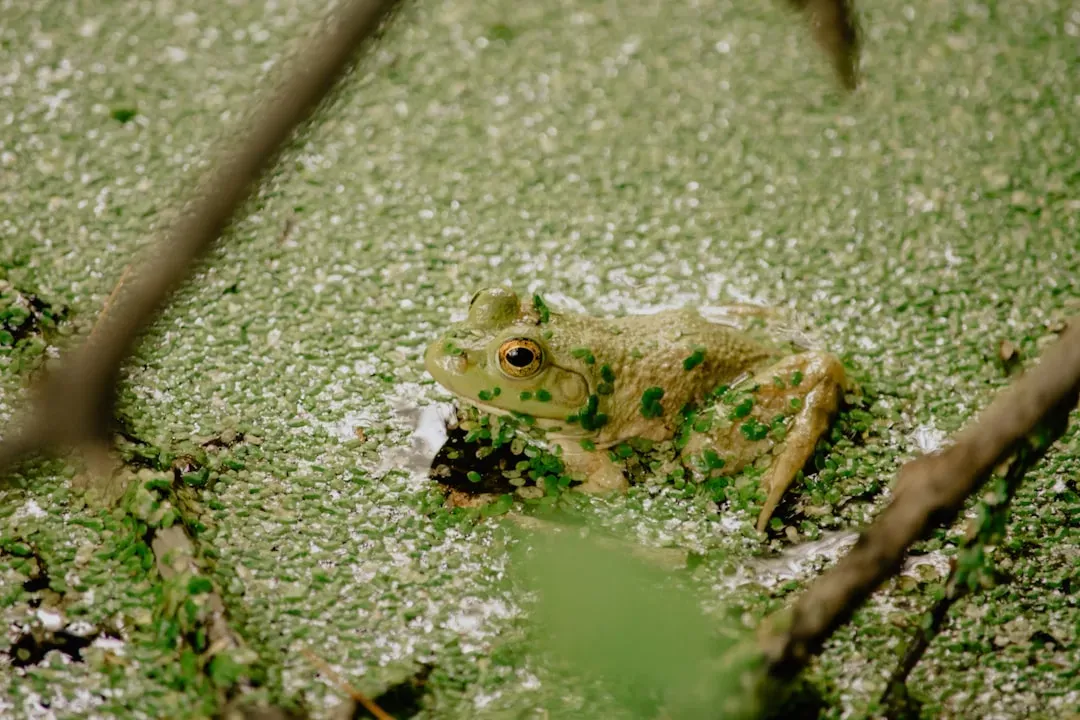
Wood frogs can remain frozen for up to eight months of the year, surviving in some of the coldest climates on Earth. These amphibians live as far north as Alaska and the Yukon, regularly experiencing temperatures as low as -45 degrees Celsius.
Here’s where it gets wild. The frog’s liver produces large amounts of glucose, which prevents their cells from freezing and binds water molecules to prevent dehydration. Ice forms around their organs, but the cells themselves stay protected. When hibernating, wood frogs have no heartbeat and do not breathe, but in spring, once they thaw, their hearts start beating again.
This isn’t just hibernation. It’s a full biological shutdown and reboot. Think about that for a second. Most animals would die instantly if ice formed in their bodies, yet wood frogs turn it into a survival superpower.
Horned Lizards Shoot Blood From Their Eyes as a Defense Weapon
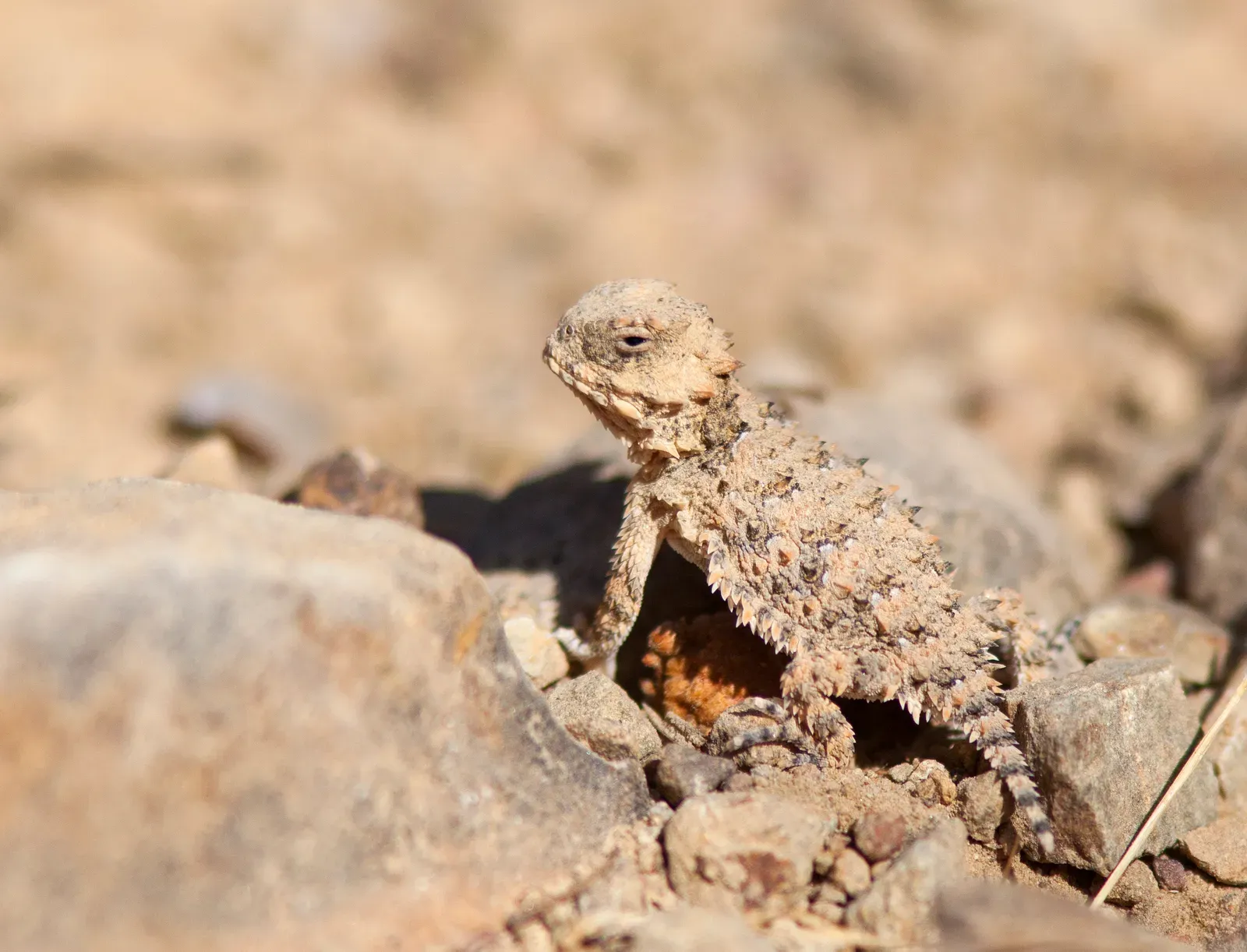
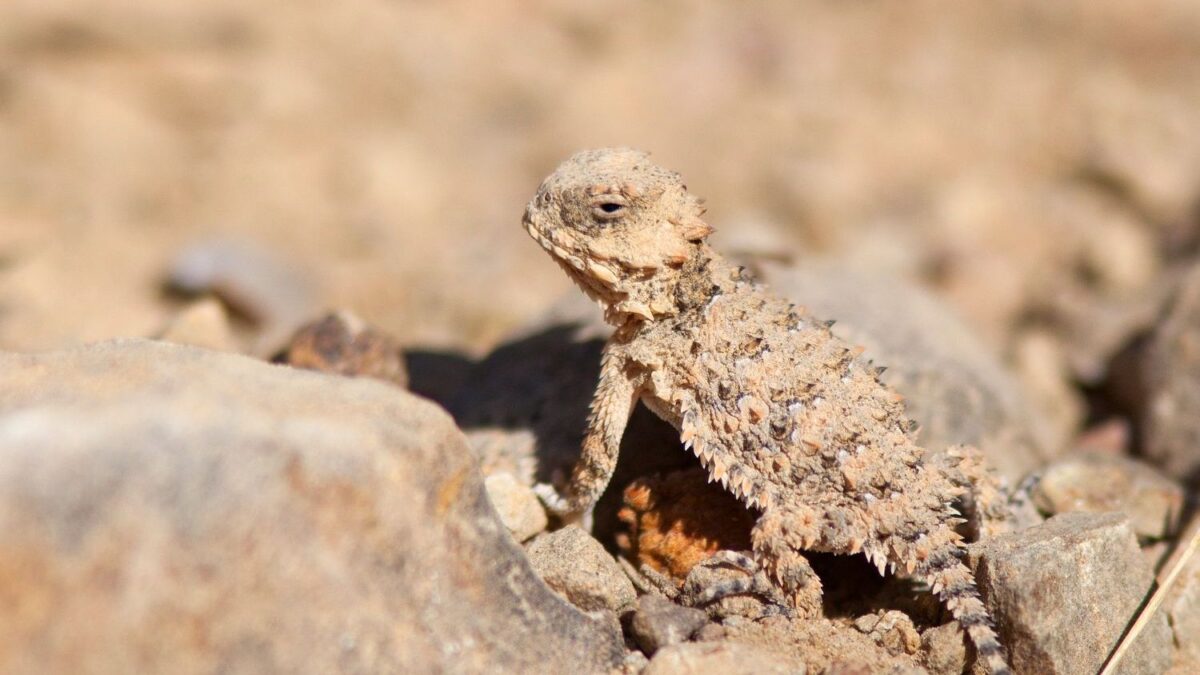
Let’s be real, this one sounds like something from a monster movie. Horned lizards, found in Central America and the western US, have incredible ways of defending themselves against predators like coyotes, hawks, and snakes. When camouflage and spikes don’t do the trick, they resort to something truly shocking.
A sinus under their eyes fills with blood and pressurizes enough to shoot it out, with streams reaching over one meter away. This blood contains chemicals that are particularly foul-tasting to canine predators, making the horned lizard an unappetizing meal.
Imagine being a coyote hunting for dinner and suddenly getting a face full of toxic blood. You’d probably think twice about that snack. It’s hard to say for sure, but this might be one of the most off-putting defense mechanisms in nature.
Axolotls Can Regenerate Nearly Any Body Part
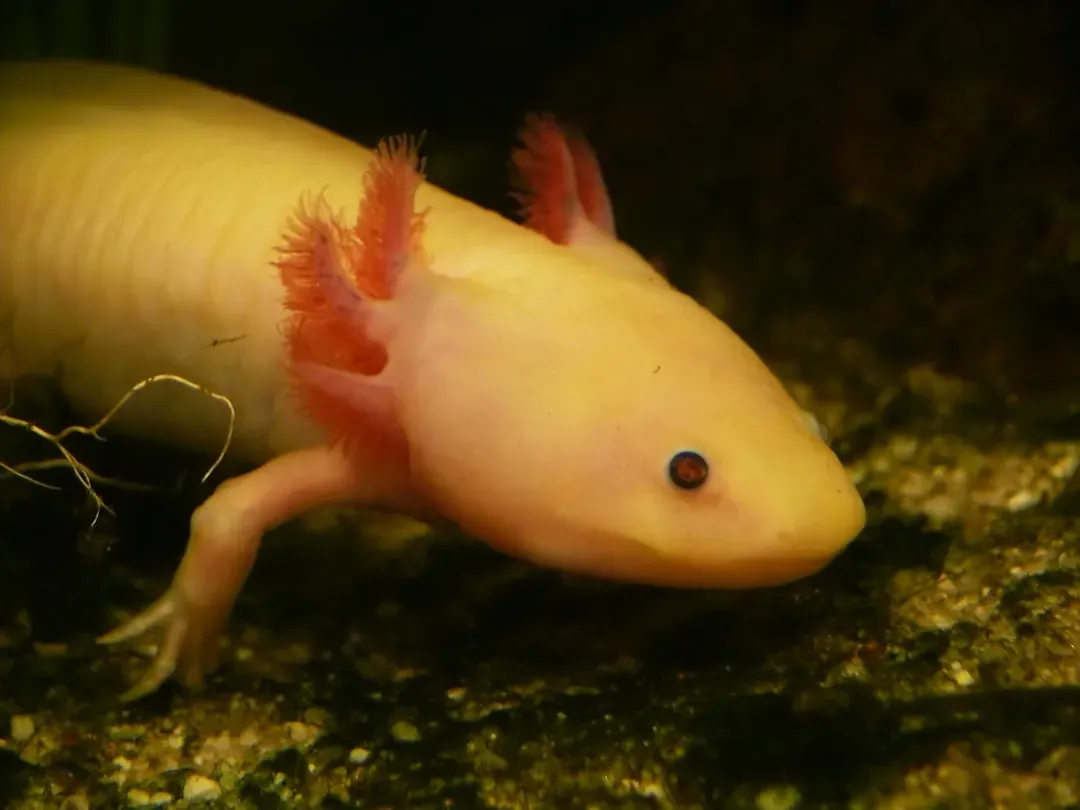
The axolotl, often called the “Mexican walking fish,” is renowned for its extraordinary ability to regenerate limbs, spinal cords, and even parts of vital organs like the heart and brain. This isn’t just healing a wound. We’re talking about regrowing entire complex structures without scarring.
Axolotls can regrow entire limbs, tails, jaws, spinal cords, and even parts of their brain and heart with remarkable precision and without scarring. This incredible adaptation has made the axolotl a focal point for medical research, with scientists studying its potential applications for human tissue regeneration.
Most animals, humans included, can’t even dream of this kind of recovery. Lose a finger, and it’s gone forever. Axolotls lose a leg and just grow it back like it’s no big deal. Honestly, if humans had this ability, the entire medical field would look completely different.
Deep-Sea Tubeworms Survive by Converting Toxic Chemicals Into Food
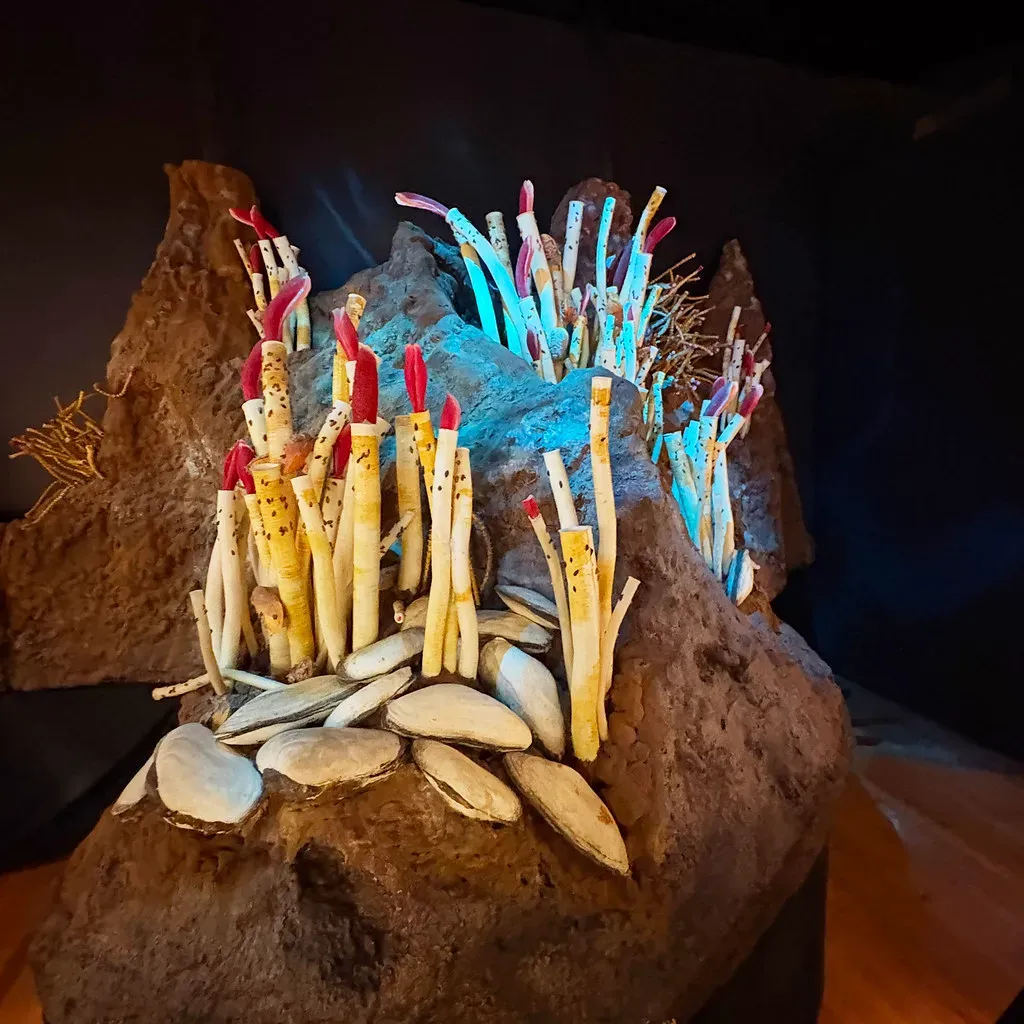
Living in the extreme conditions of deep-sea hydrothermal vents, tubeworms have evolved to thrive where few other organisms can, and these remarkable creatures lack a digestive system, instead relying on chemosynthetic bacteria housed within their bodies to convert toxic chemicals into energy.
Think about that environment for a moment. We’re talking about areas with scalding temperatures, crushing pressure, and water filled with chemicals that would kill most life forms instantly. Yet tubeworms not only survive but thrive there. This unique physical adaptation allows tubeworms to survive in environments with high levels of toxic chemicals and low oxygen levels, and their ability to endure extreme temperatures and pressures showcases the incredible resilience of some animal species.
It’s almost alien when you think about it. No mouth, no stomach, just bacteria doing all the heavy lifting while the tubeworm sits there in toxic soup. Nature truly has a solution for everything, even living in what we’d consider hell on Earth.
Cuttlefish Master Instant Camouflage Through Specialized Skin Cells
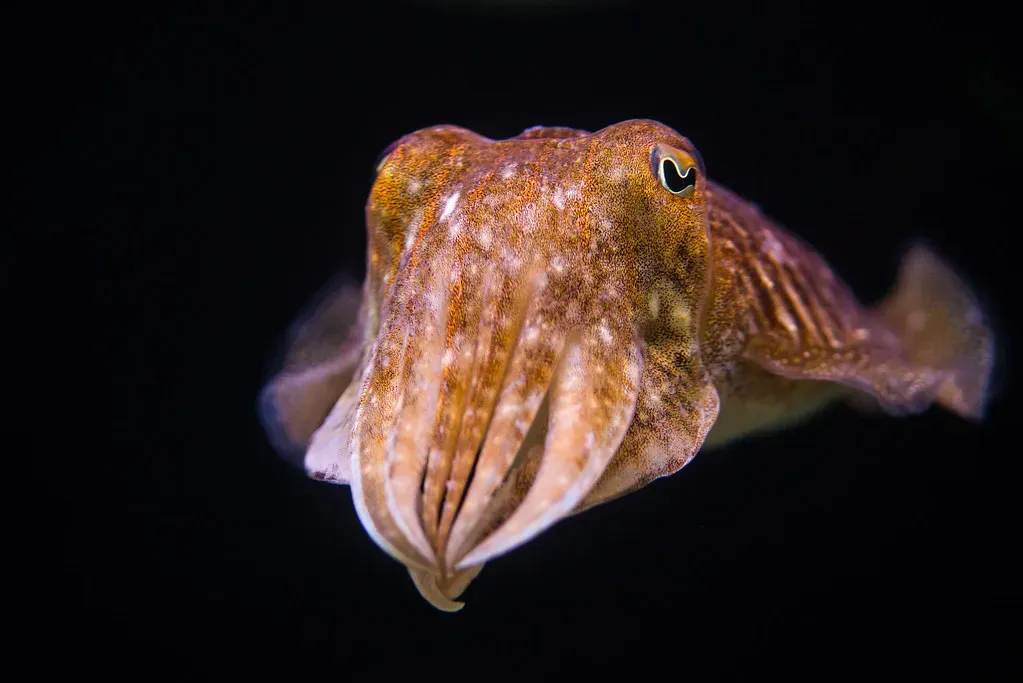
Cuttlefish use specialized skin cells called chromatophores to change color and texture, allowing them to disappear into their surroundings in milliseconds. Cuttlefish can also release clouds of ink when threatened, further confusing predators and providing a swift escape, and this combination of physical and behavioral adaptations makes the cuttlefish one of the most elusive creatures in the animal kingdom.
Here’s the thing that really gets me. Octopuses and cuttlefish are colorblind, so how do they know what color to adopt? The truth is, we don’t know for sure. One theory suggests they might sense color through light-detecting chemicals in their skin.
The ability to blend instantly with coral, sand, or rock is impressive enough. Doing it while being colorblind? That’s next-level survival engineering. These creatures essentially become invisible underwater, making them nearly impossible for predators to track.
Kangaroo Rats Never Need to Drink Water Their Entire Lives
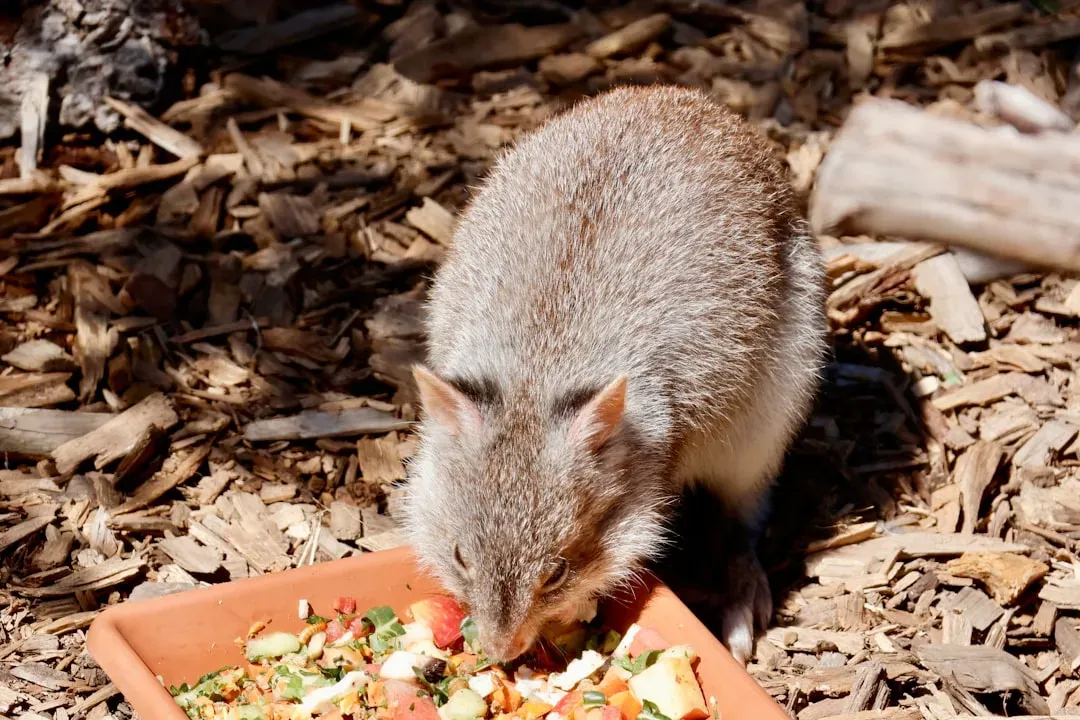
The Kangaroo Rat’s diet consists predominantly of dry seeds harvested from grasses and shrubs, and what’s truly remarkable is its ability to meet almost all of its hydration needs through metabolic water – the water created internally when their bodies process the dry seeds.
No water. Not a single drop. Ever. Just think about how often humans need to drink water daily to function. Now imagine surviving your entire life in a scorching desert without touching a water source. Laboratory studies have shown that some species of jerboa can live for up to three years solely on dry seeds, demonstrating near-perfect water conservation.
Living in arid regions, similar adaptations allow animals to extract moisture from their diet of seeds and insects, and their bodies have adaptations to minimize water loss, such as producing concentrated urine and reducing evaporative water loss through skin. It’s efficiency at its absolute peak. These tiny desert dwellers have turned the tables on one of nature’s harshest challenges.
Conclusion
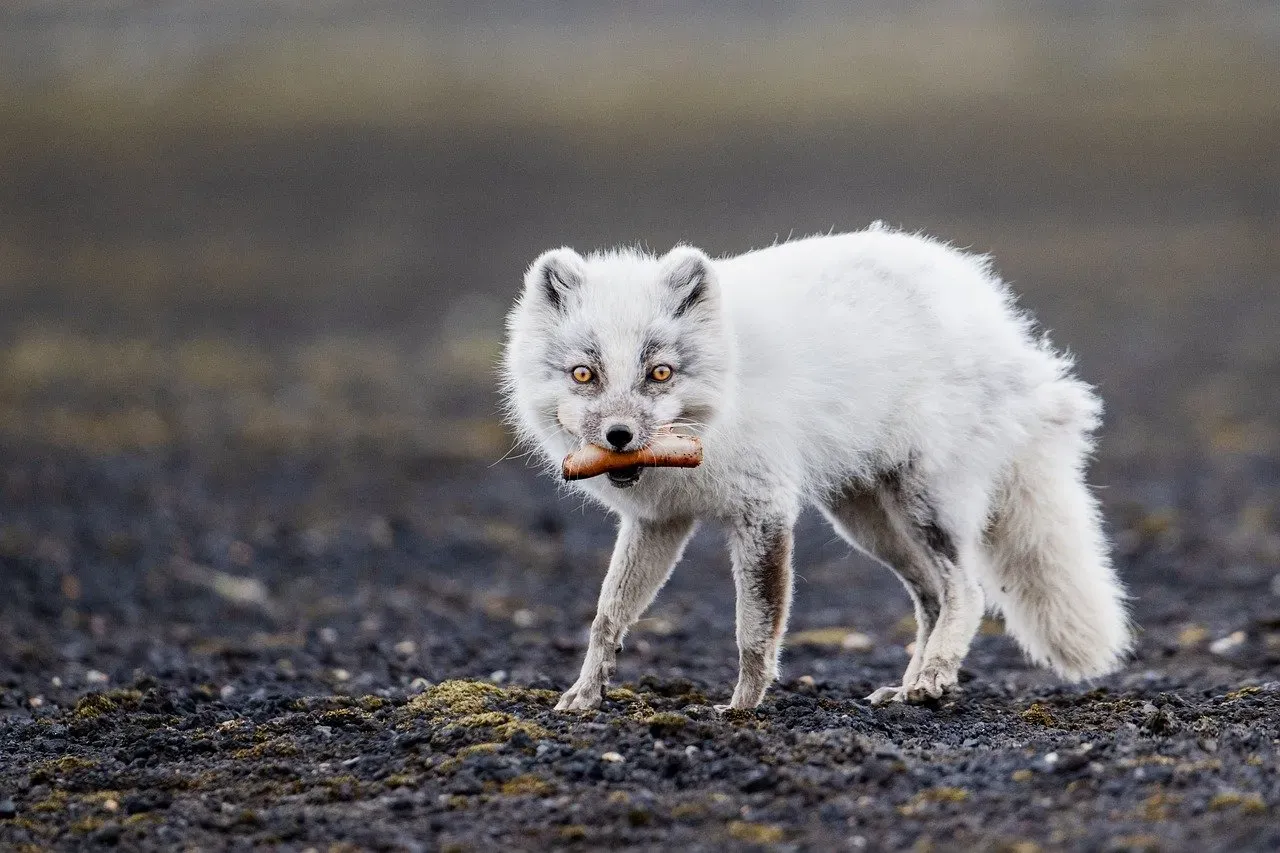
Survival isn’t just about being the biggest, fastest, or strongest. These six animals prove that innovation, adaptation, and downright weirdness can be just as effective. From freezing solid and thawing back to life to shooting blood as a weapon, nature has developed solutions we never would have imagined.
Each of these creatures has spent millions of years perfecting strategies that let them conquer environments and threats that would wipe out most other species. They remind us that life finds a way, no matter how impossible the odds seem. Next time you face a challenge, remember the wood frog chilling in suspended animation or the kangaroo rat that never needs a drink.
Which adaptation surprised you the most? Did any of these make you rethink what survival really means?

- 13 Dog Breeds Experienced Groomers Quietly Stopped Recommending to First-Time Owners After Seeing Too Many Heartbroken Families - June 18, 2026
- 15 Silent Signs Your Old Dog Is Getting Ready to Cross the Rainbow Bridge – Most Owners Never Catch Them - June 18, 2026
- 12 National Parks Where Bison Still Rule the Plains - June 18, 2026