
It’s hard to imagine a world without the iconic silhouette of a bald eagle soaring overhead or the thunderous presence of bison roaming open prairies. Yet not long ago, these magnificent creatures were on the verge of vanishing forever. The stories of species coming back from near obliteration might sound like dramatic Hollywood scripts, but they’re real, hard-won victories in conservation history.
Let’s be real. Saving animals from extinction isn’t just about feel-good moments or cute photos. It’s about restoring the balance of our ecosystems, protecting biodiversity, and honestly, fixing the mess humans created in the first place. These comeback stories prove that when we get serious about conservation, incredible things can happen. So let’s dive in.
The Bald Eagle: From Poisoned Skies to Symbol of Resilience
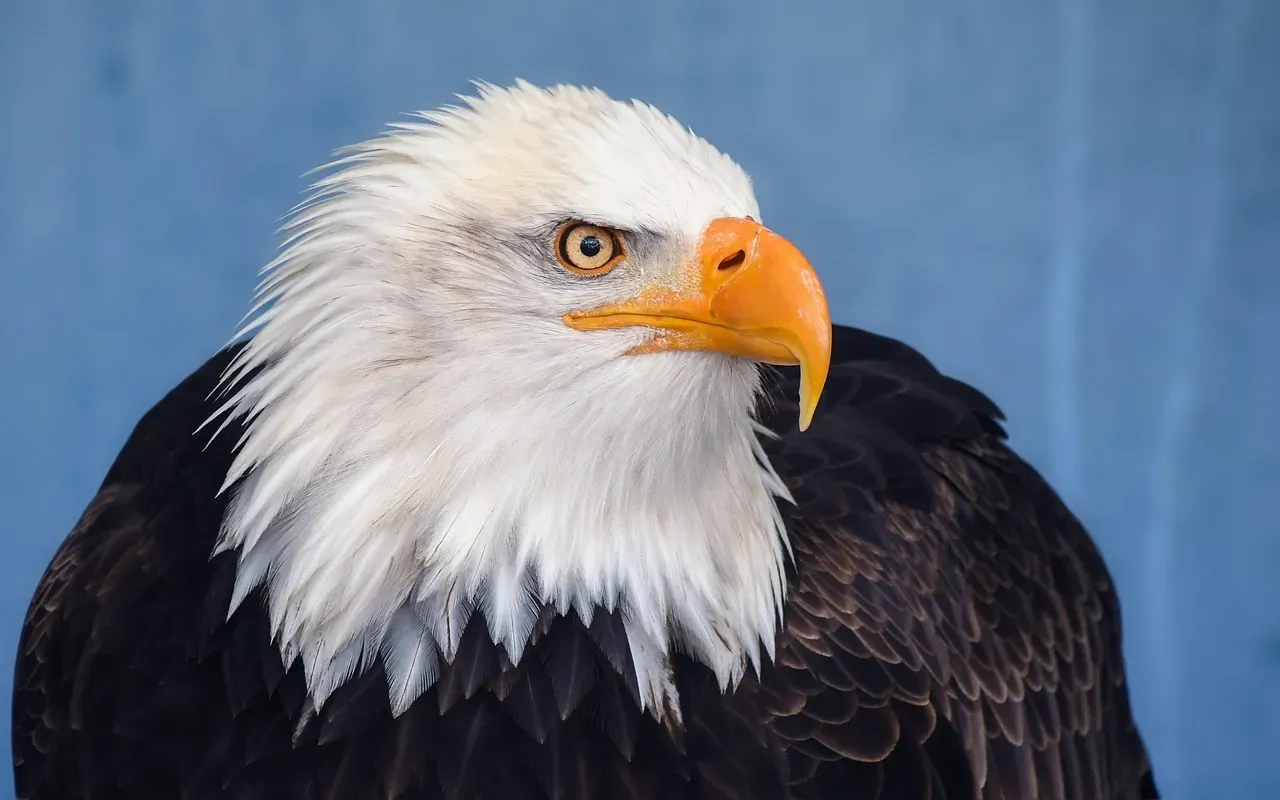
In 1963, there were less than 500 breeding pairs of bald eagles remaining in the lower 48 states, driven to the brink by habitat loss and the widespread use of the pesticide DDT. Picture that for a moment. America’s national symbol was nearly wiped out by a chemical designed to kill bugs.
The bald eagle recovered significantly following the ban on domestic use of DDT in 1972. Thanks to protections afforded by the Endangered Species Act, bald eagle numbers rebounded to more than 14,000 breeding pairs, aided by captive breeding programs, habitat protection, and the DDT ban.
The species recovered sufficiently to be delisted entirely on June 28th, 2007. Today, these powerful raptors grace skies across the nation. The recovery of the bald eagle stands as one of the most celebrated conservation achievements. It’s hard to say for sure, but their comeback seems like a turning point in how Americans viewed wildlife protection.
California Condor: North America’s Largest Bird Defies Extinction
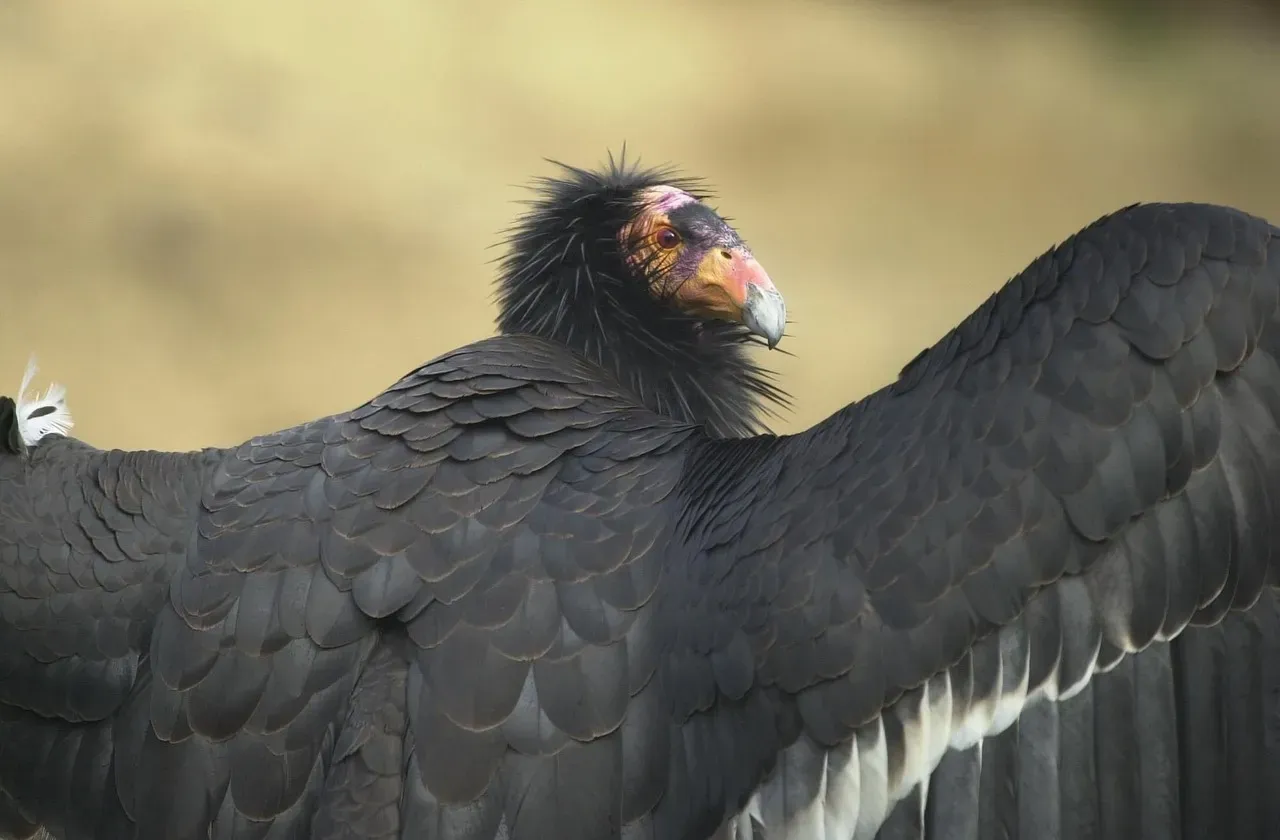
By 1982, only 22 condors survived in the wild, and in an effort to avoid extinction of the species, all remaining wild condors were captured by 1987 for a captive breeding program. Imagine being the person who captured that last wild condor. The weight of an entire species’ survival resting on your shoulders.
This wasn’t just desperate conservation. It was controversial, risky, and absolutely necessary. The captive condor population increased dramatically from 27 birds in 1987 to around 177 currently being held. Numbers rose through captive breeding, and beginning in 1991, condors were reintroduced into the wild, with the world population reported as 569 in 2024, though the California condor remains one of the world’s rarest bird species.
With only about 560 California condors remaining worldwide, the species is listed as critically endangered, though more than 140 chicks have hatched at the Oregon Zoo’s Jonsson Center since 2003, a remarkable turnaround from just 22 remaining in the wild in 1982. Lead poisoning from ammunition fragments in carrion remains their biggest threat, but hunters are increasingly switching to non-lead alternatives. Progress is slow but steady.
Gray Wolf: The Return of Yellowstone’s Apex Predator
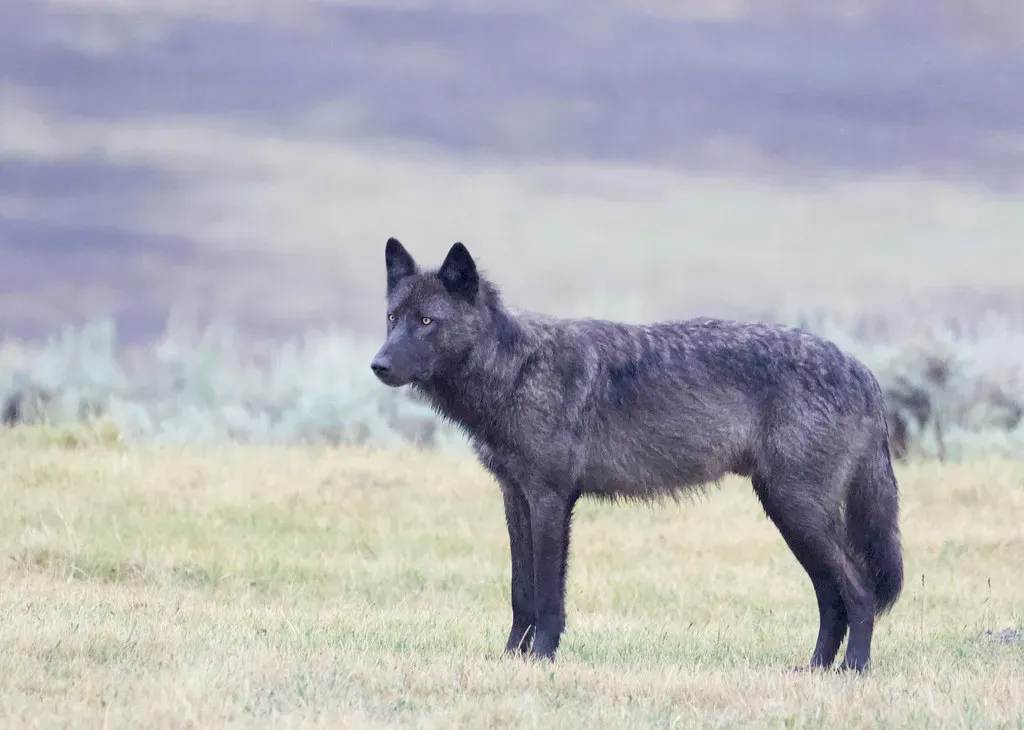
The last wolves were killed in Yellowstone in 1926, and scientists confirmed in the mid-1900s that sustainable gray wolf populations had been extirpated and were absent from Yellowstone as well as 48 states. For seven decades, the ecosystem struggled without its apex predator.
In 1995, fourteen gray wolves were captured in Canada and relocated to Yellowstone’s Lamar Valley, followed by seventeen more Canadian wolves in 1996 and ten wolves from northwestern Montana in 1997, with the wolf population growing quickly as pack territories and breeding pairs were established.
Since the reintroduction, the wolves have established themselves back in the ecosystem, with the population currently hovering around a stable 90 to 110 wolves within the park. Thanks to Endangered Species Act protections, more than 6,000 gray wolves now reside across the lower 48 states. The wolf recovery triggered what scientists call a trophic cascade. Elk populations balanced out, vegetation recovered, and even rivers changed course as willows stabilized banks.
American Bison: From Near Extinction to Prairie Icon
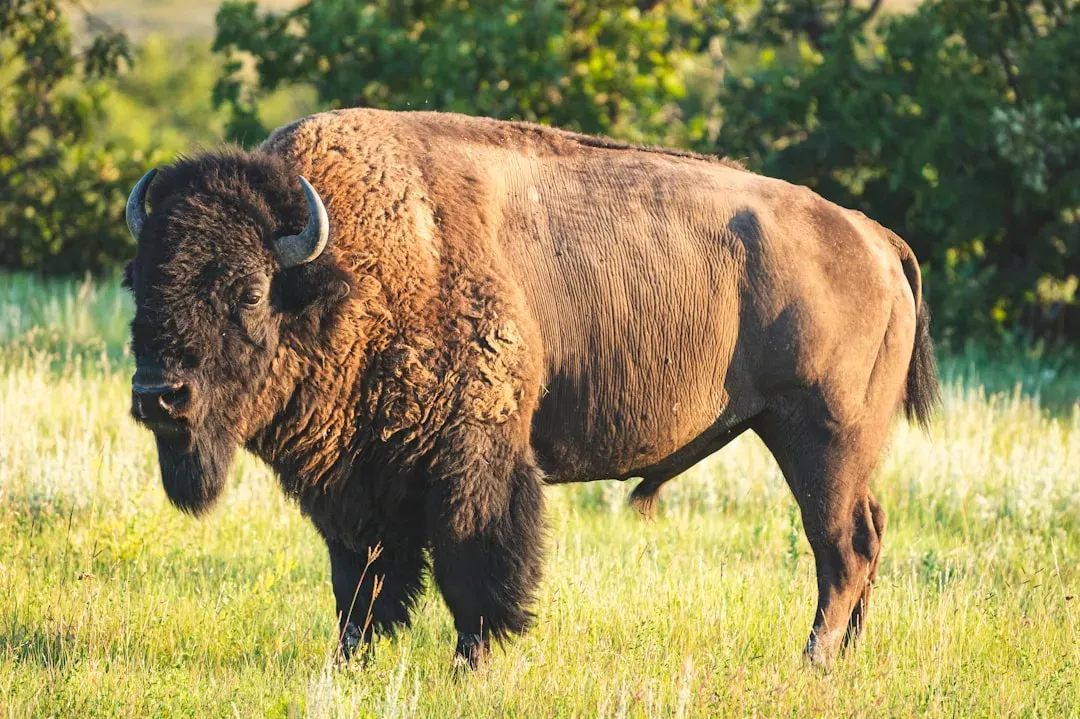
Here’s the thing about bison. American bison once numbered 60 million in North America, with the population anchored in what is now the central United States. In the 19th century, bison were nearly driven to extinction through uncontrolled hunting and a U.S. policy of eradication tied to intentional harm against Tribes, with only a few hundred wild bison remaining by 1889.
The deliberate slaughter was staggering, and honestly, heartbreaking when you consider the cultural devastation it caused Indigenous peoples. Beginning in the early 20th century with the support of President Theodore Roosevelt, conservationists and scientists made a collective effort to restore the American bison, increasing the number of wild bison in the United States from fewer than 500 to more than 15,000.
Today, the Department of the Interior supports 19 bison herds in 12 states, for a total of approximately 11,000 bison over 4.6 million acres. Recovery continues, though most bison still live as livestock rather than wild herds. Still, seeing these massive creatures back on the landscape feels like witnessing history correcting itself.
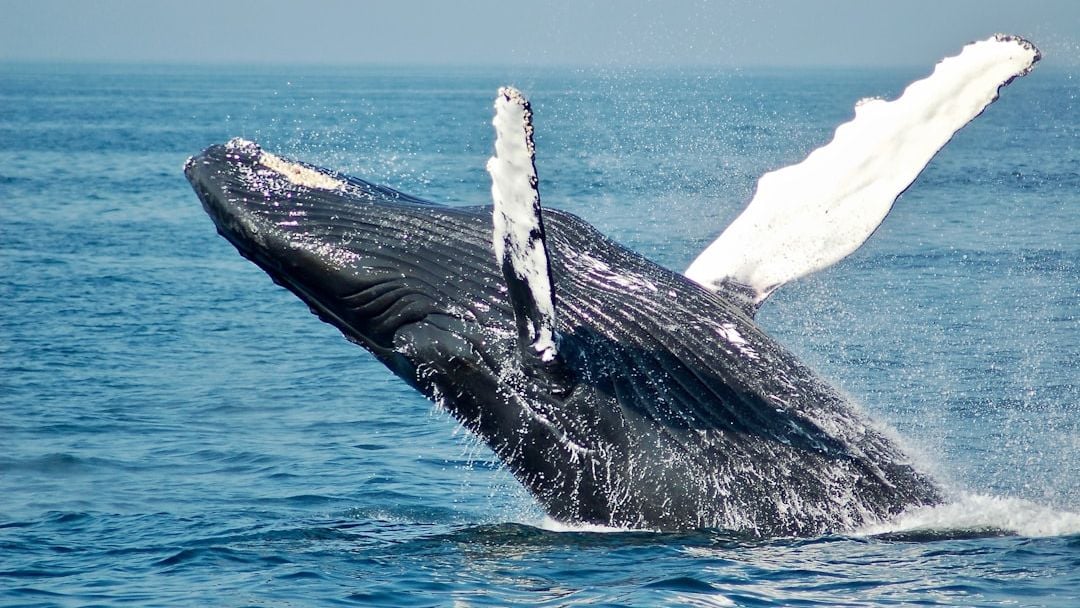
Humpback Whale: Ocean Giants Make a Comeback
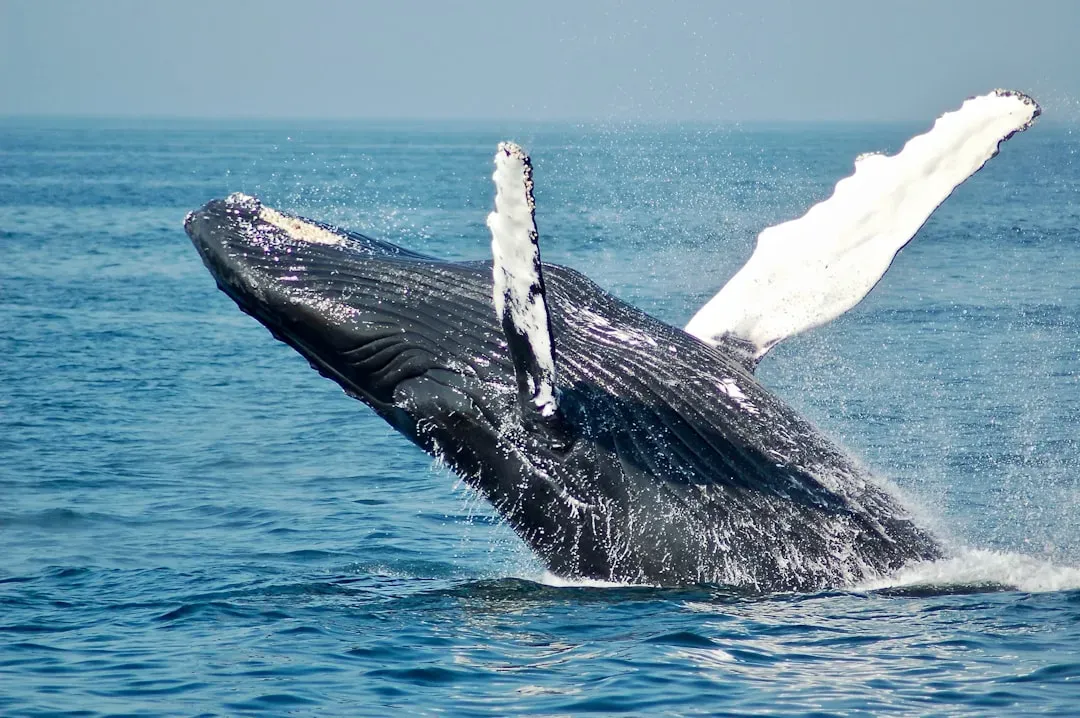
Commercial whaling severely reduced humpback whale numbers from historical levels, and the United States listed all humpback whales as endangered under the Endangered Species Conservation Act in 1970 and then under the Endangered Species Act in 1973. Populations in the North Pacific were roughly estimated at 15,000 animals prior to commercial harvest, but by the time the species received global protection in 1966, North Pacific populations were severely depleted, with estimates of only 1,200 to 1,400 individuals remaining.
The International Whaling Commission’s final whaling moratorium on commercial harvest, in effect since 1985, played a major role in the recovery of humpback whales. Since that time, these populations have rebounded to an estimated 16,000 to 21,000 animals, although some stocks have recovered more successfully than others.
In 2016, the ESA listing for humpback whales was revised to identify 14 distinct population segments, with nine populations having recovered enough that they do not warrant listing, while four populations are still protected as endangered. Some populations are thriving while others still struggle. Conservation continues, but the overall recovery represents a monumental achievement in marine conservation.
American Alligator: Ancient Reptile’s Modern Revival
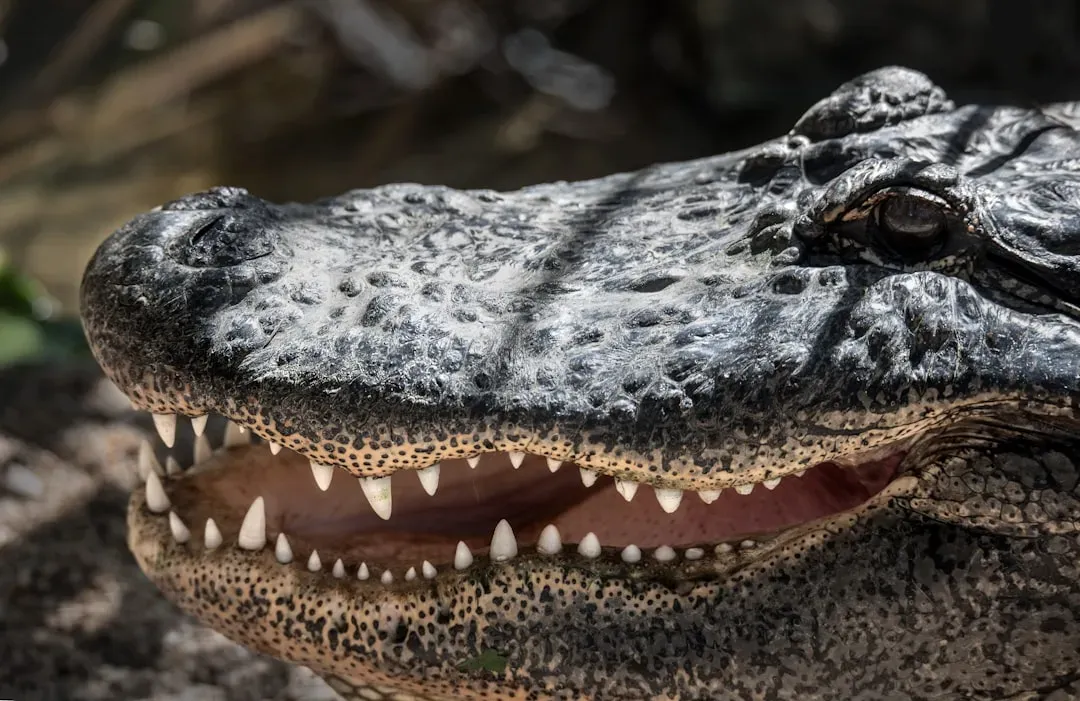
The American alligator’s recovery represents one of the Endangered Species Act’s earliest and most dramatic successes, with these ancient reptiles hunted nearly to extinction for their valuable hides, and by the 1960s, alligator populations had plummeted across their southeastern U.S. range, with fewer than 100,000 remaining.
Protection began in 1967, with full ESA protection following in 1973, and strict habitat protection, hunting bans, and captive breeding programs allowed populations to rebound remarkably quickly, with the alligator declared fully recovered and removed from the endangered species list by 1987, and today, an estimated 5 million alligators inhabit the southeastern United States.
This recovery happened faster than almost anyone expected. The alligator went from threatened to thriving in roughly two decades. Regulated hunting even resumed in many areas, demonstrating how sustainable use can coexist with conservation. They’re now so common in Florida that they’re almost a nuisance, though honestly, that’s a problem most conservationists would happily embrace.
Conclusion
The Endangered Species Act celebrated its 50th birthday in 2024 and, in those 50 years, has helped save 99% of listed species from extinction. Think about that number for a moment. Nearly every species protected under the Act has survived. These six incredible animals prove that extinction doesn’t have to be inevitable.
Their recoveries weren’t accidental. They required decades of dedicated work, controversial decisions, public support, and substantial funding. From banning harmful pesticides to establishing captive breeding programs, from reintroducing predators to enforcing hunting bans, each species needed tailored solutions.
Yet challenges remain. Climate change, habitat loss, and human wildlife conflict continue to threaten even recovered populations. The work of conservation never truly ends. What do you think about these comeback stories? Are we doing enough to protect the species still on the edge?
