
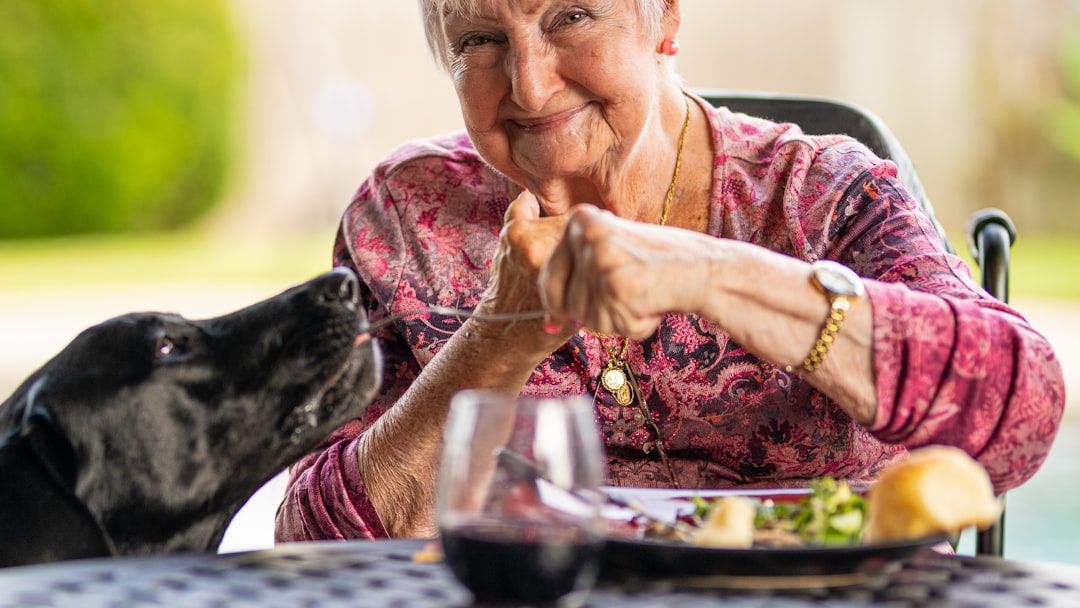
Walk into almost any animal shelter and you’ll notice something quietly heartbreaking. While puppies and kittens tumble over each other near the entrance, drawing gasps and smiles, older animals often sit patiently further back, calm and unhurried, as if they already know how this usually goes. Most visitors walk right past them.
What those visitors don’t realize is that they may be walking past one of the most rewarding connections of their lives. Senior pets carry something that younger animals simply haven’t had the time to develop yet: a depth of character, a settled temperament, and a kind of gratitude that’s hard to put into words. The six reasons below might just change how you see that quiet dog in the back corner.
#1. They Come With a Known, Settled Personality

One of the most underappreciated advantages of adopting an older animal is that what you see is genuinely what you get. Senior dogs are already full-grown, which means pet parents know exactly what to expect, including the dog’s temperament at the time of adoption. There’s no guessing whether a shy kitten will become an anxious adult or whether a boisterous puppy will settle down in a small apartment.
These experienced companions come with established personalities, skip the demanding puppy phase, and are often eager to settle into loving homes where they can spend their golden years. For families or individuals who want a companion that fits their life rather than one they need to shape from scratch, this matters enormously.
The advantage of adopting a senior dog is that they have known temperaments and are fully grown. That kind of transparency makes the adoption decision far less of a gamble, and far more of a genuine match between two personalities.
#2. They’re Calmer, Easier to Live With, and Surprisingly Low-Maintenance
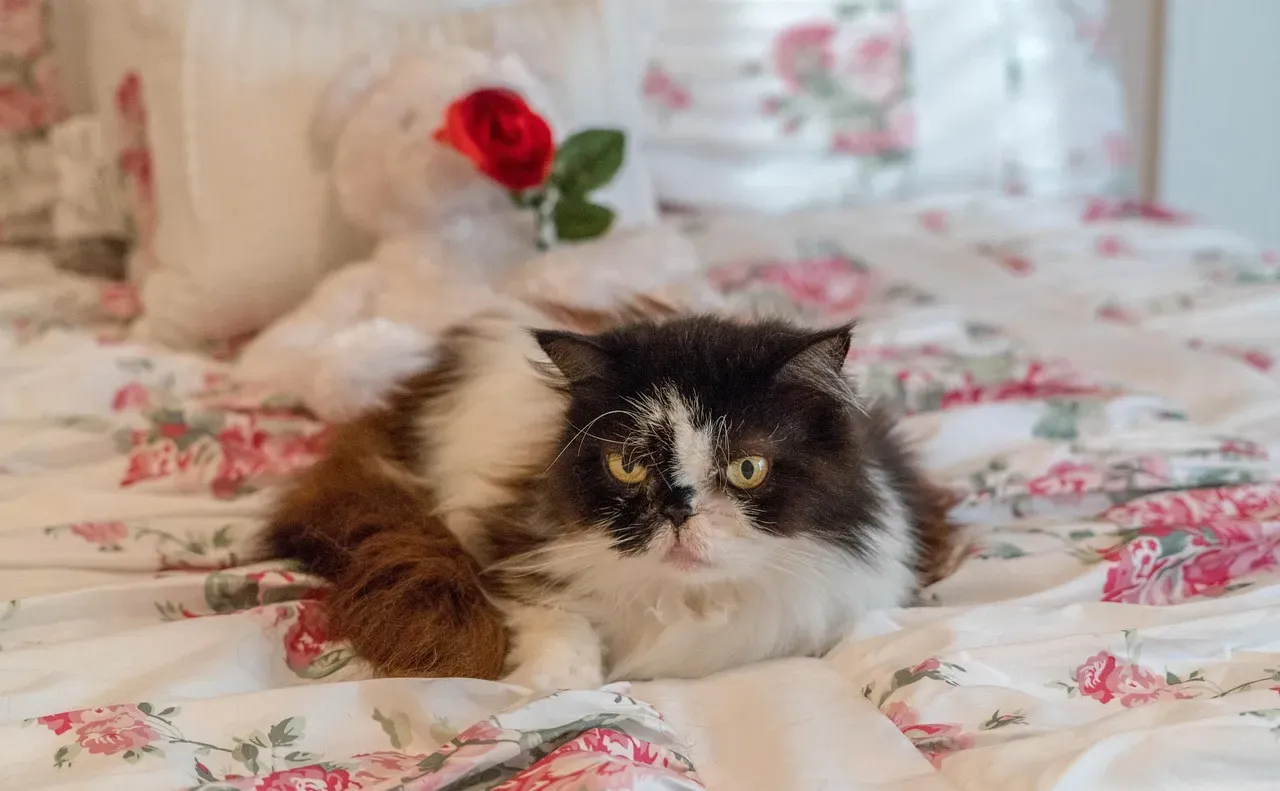
Senior animals generally require less constant oversight, as they are beyond the high-energy phase where curious exploration often leads to mishaps. Though some older pets need monitoring for age-related health concerns, they typically adapt to established routines with ease. That’s a meaningful difference when your life is already full.
They show fewer destructive habits, benefit from gentle exercise, and enjoy peaceful resting spots. They also tend to cause less household damage than younger, more rambunctious companions. If you’ve ever come home to a chewed-up sofa courtesy of a teething puppy, you already understand the appeal here.
Senior cats are not as likely to climb your curtains and destroy your plants. Your furniture and carpet will thank you. It’s a small thing, perhaps, but it speaks to a larger truth: life with a senior pet tends to be peacefully uncomplicated in the best possible way.
#3. The Emotional Bond They Form Is Genuinely Profound
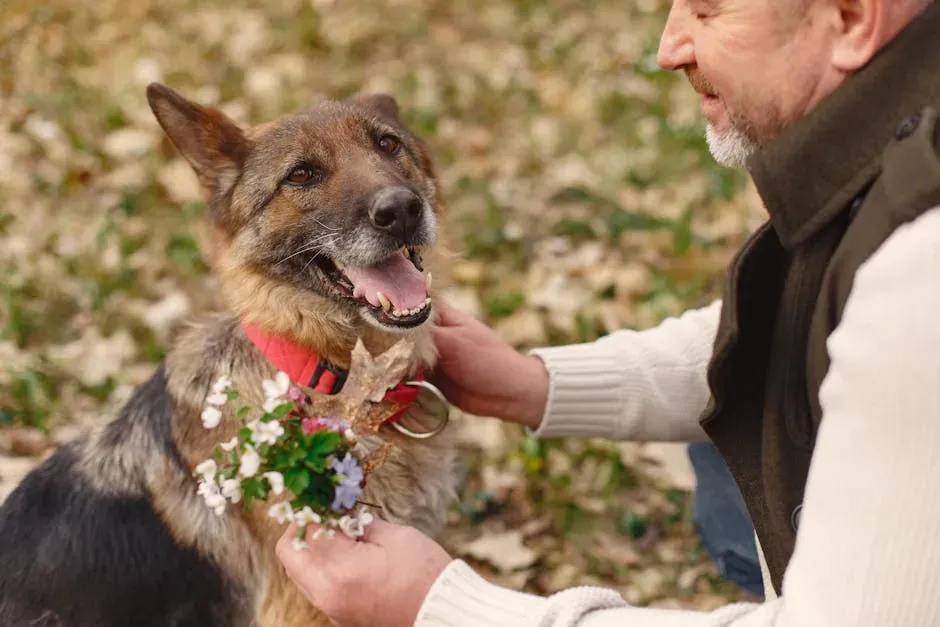
There’s something that many senior pet adopters describe that’s difficult to explain until you’ve experienced it yourself. It’s a bond that forms quickly, runs deep, and carries an almost palpable sense of mutual understanding. This compassionate decision is not only beneficial for the pet community but also offers immediate emotional rewards, as senior dogs typically bond closely with their adopters. While puppies may be cute, older dogs often form deeper, more meaningful connections with their humans.
All senior companion animals offer unconditional love and quickly bond once they feel safe and cared for. Providing a cozy bed and affection helps these grateful companions thrive in their new homes. That process of earning trust, and watching an older animal finally exhale and feel at home, is something adopters frequently describe as one of the most moving experiences they’ve had.
The companionship and comfort senior pets provide can be invaluable. Their calm demeanor, established temperaments, and ability to foster routine make senior pets ideal companions for those navigating emotional landscapes. Whether you’re going through a life transition or simply craving steadier company, that bond lands differently than you might expect.
#4. They Offer Real, Measurable Mental and Physical Health Benefits
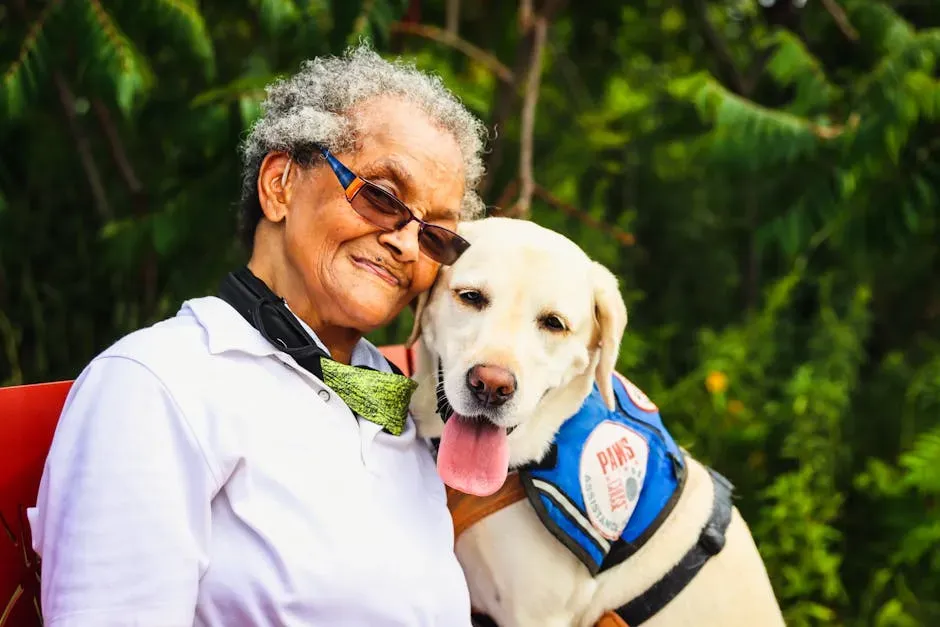
The wellness benefits of pet ownership are no longer just anecdotal. Research has shown that the bond between people and their pets can enhance fitness, reduce stress, and bring happiness to their owners. Health benefits include decreased blood pressure, lower cholesterol and triglyceride levels, and reduced feelings of loneliness, as well as increased opportunities for socialization.
A growing body of research links pet ownership to better mental health outcomes, with surveys indicating that nearly three out of four pet owners report improved mental well-being. For people dealing with anxiety or depression, the steady, non-judgmental presence of a senior pet can provide a kind of emotional anchor that’s hard to replicate.
Pet ownership can have significant mental benefits, including improved cognitive function, reduced stress levels, and enhanced emotional well-being. Interacting with a pet has been shown to lower cortisol levels, which in turn helps in reducing feelings of anxiety and promoting a sense of calm. The gentler pace of life that comes with a senior pet seems to amplify these effects rather than diminish them.
#5. You’re Giving a Life That Genuinely Needs You

According to a 2025 mid-year analysis by Shelter Animals Count, there has been a noticeable decrease in adoptions of senior cats and dogs compared to their juvenile counterparts. The dropping adoption rate is a problem for many senior pets. Due to concerns about potential health risks or ingrained behaviors, many of these lovable pets are being overlooked. The reality is that most of those concerns are either overstated or manageable.
Choosing to bring an older animal home is an act with real, immediate consequences for that animal. Adopting senior pets gives them peace and better health in their final years. That’s not a small thing. You’re not just adding a pet to your household; you’re fundamentally changing the trajectory of another living creature’s life.
When you adopt a senior dog, they may not have as many years left as a puppy, but the benefits of adopting a senior dog can be profound. While your commitment might not be as long-term, many find comfort in giving an older dog a loving home for their final years. That particular kind of purpose, knowing your choice genuinely mattered, tends to stay with people long after the pet is gone.
#6. They Can Give Your Daily Life Structure, Purpose, and Routine
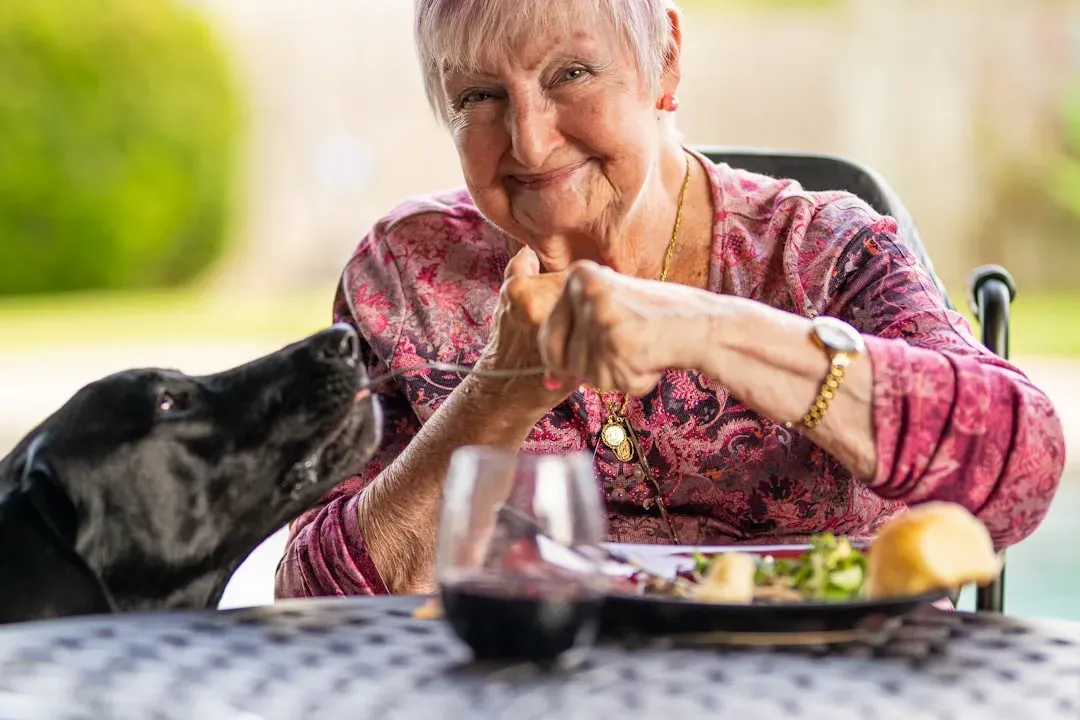
It’s easy to underestimate how much a pet shapes the rhythm of a day. Senior pets, with their steady needs and unhurried pace, are particularly good at anchoring a daily routine without overwhelming it. Pets such as dogs and cats are known to provide a sense of purpose and routine for seniors, as they require regular feeding, grooming, and exercise. That structured rhythm can be genuinely grounding.
Research shows that nearly three-quarters of pet owners say that it gives them a sense of purpose. For people at transitional points in life, whether after retirement, a loss, or simply a period of feeling untethered, that sense of being needed can be surprisingly restorative. A senior pet doesn’t demand much, but it does depend on you, and that quiet dependency has a way of pulling you forward.
Having a pet creates a sense of responsibility and purpose, as older adults follow a consistent schedule for feeding, grooming, and walking their furry companions. This routine can contribute to lower stress levels, boosted mental well-being, and improved overall quality of life. There’s something worth noting in the simplicity of that: a feeding schedule, a morning walk, an evening settled on the couch together. Small things, reliably repeated, tend to add up to something that feels a lot like contentment.
Final Thoughts: The Best-Kept Secret in Pet Adoption

Senior pets remain one of the most overlooked choices in animal adoption, and that gap between their reality and their reputation is genuinely worth closing. They’re not consolation prizes. They’re not “projects.” They’re fully formed companions with patience, warmth, and a capacity for connection that has nothing to do with their age.
The evidence, both scientific and plainly human, points in the same direction. Pets can be a lifeline for those battling loneliness, depression, and cognitive decline. Beyond their adorable faces and playful antics, animals provide structure, physical engagement, emotional comfort, and social opportunities. Senior pets offer all of that, often more quietly and more consistently than their younger counterparts.
If you’re considering adding an animal to your life, do yourself a favor and spend a little time with the older ones at your local shelter. Look at the dog who’s been there the longest. Sit with the cat who watches the room from the corner. You may find that the right companion wasn’t waiting for you at the front of the shelter at all. They were simply waiting, patiently, a little further back.

- Your Dog Doesn't Love You for the Food – 14 Signs You're Its Whole World - July 21, 2026
- 10 Myths About Horses That Owners Keep Falling For - July 21, 2026
- 13 Ways a Shelter Dog Shows It Has Decided to Trust You for Good - July 21, 2026