

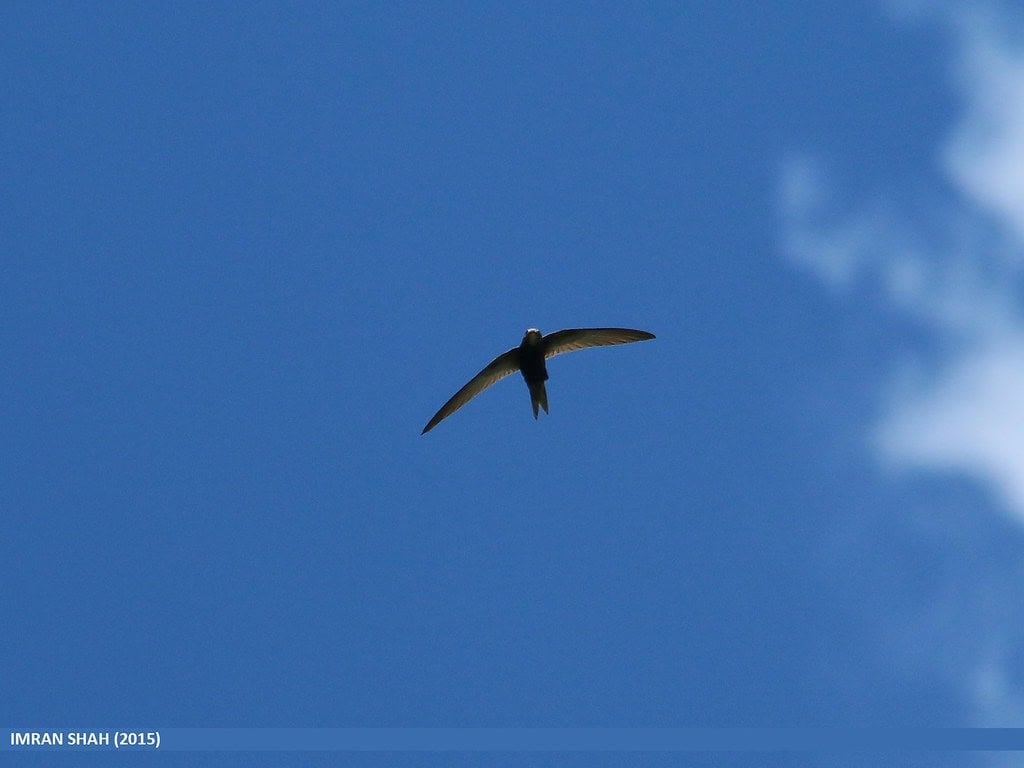
The vast, open skies serve as both highway and bedroom for certain remarkable bird species. While humans require a comfortable mattress and a dark room to achieve restful sleep, some birds have evolved the extraordinary ability to sleep during flight. This adaptation allows them to remain airborne for days, weeks, or even months without touching down. From frigatebirds crossing oceans to common swifts spending nearly their entire lives aloft, the phenomenon of aerial sleep represents one of nature’s most fascinating adaptations. This article explores the science behind how birds can sleep while flying, which species possess this remarkable ability, and why this adaptation evolved in the first place.
The Science of Bird Sleep

Unlike mammals, birds experience two distinct types of sleep: slow-wave sleep (SWS) and rapid eye movement (REM) sleep. Slow-wave sleep is characterized by reduced brain activity and is considered the deeper, more restorative form of sleep. REM sleep, associated with dreaming in humans, involves more active brain patterns. What makes birds unique is their ability to engage in unihemispheric slow-wave sleep (USWS), where one half of the brain sleeps while the other half remains alert. This adaptation allows birds to maintain essential functions like flight while still getting needed rest. The cerebral hemisphere that controls the eye facing potential threats stays awake, while the other hemisphere—controlling the eye away from danger—can enter sleep mode, effectively allowing birds to sleep with one eye open.
Unihemispheric Sleep: Flying with One Eye Open

Unihemispheric slow-wave sleep represents an evolutionary marvel that allows birds to balance the competing demands of rest and vigilance. During USWS, electroencephalogram (EEG) recordings show that one brain hemisphere exhibits the slow-wave patterns characteristic of deep sleep, while the opposite hemisphere maintains patterns similar to wakefulness. The awake hemisphere continues to process visual information and control flight muscles, while the sleeping hemisphere gets much-needed rest. Birds can alternate which hemisphere sleeps, ensuring both sides of the brain receive adequate restoration over time. This remarkable adaptation isn’t exclusive to flying birds—many aquatic birds also use USWS to remain alert for predators while resting at the water’s surface.
Which Birds Sleep While Flying?
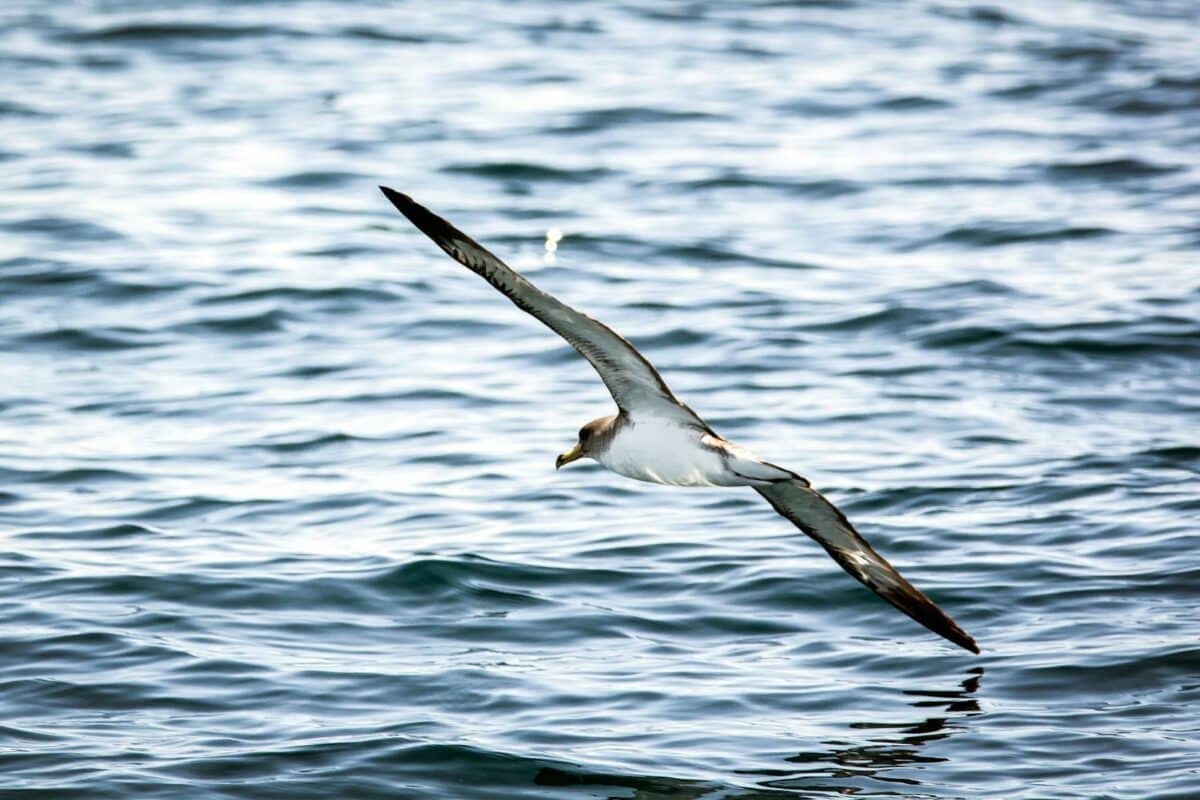
Not all birds possess the ability to sleep during flight. This adaptation is primarily observed in species that spend extended periods airborne, particularly pelagic (ocean-dwelling) birds and some migratory species. The common swift (Apus apus) holds the record for aerial endurance, spending up to 10 months aloft without landing. Frigatebirds (Fregata species) can stay airborne for up to two months during oceanic foraging trips. Other species known to sleep while flying include albatrosses, which can circumnavigate the Southern Ocean without landing, and certain sandpipers that make non-stop flights spanning thousands of miles during migration. Great frigatebirds have been specifically studied with EEG monitors that confirmed they sleep during flight, typically when rising on warm air currents rather than during active flapping.
The Common Swift: Life in the Air

The common swift represents perhaps the most extreme example of aerial living among birds. These remarkable creatures spend over 99% of their lives airborne, only landing to breed. Using geolocators and accelerometers, researchers have documented swifts staying continuously airborne for up to 10 months—from the time they leave their nesting sites until they return the following year. During this period, they feed, drink, mate, and sleep entirely on the wing. Their bodies have evolved specialized adaptations for this lifestyle, including aerodynamically efficient wings and the ability to enter short periods of sleep while gliding. Common swifts can even ascend to high altitudes in the evening where they can glide for extended periods, potentially allowing for longer sleep sessions while slowly descending through stable air.
Frigatebirds: Masters of Oceanic Flight

Frigatebirds have provided scientists with some of the most compelling evidence of sleep during flight. In a groundbreaking 2016 study published in Nature Communications, researchers attached EEG devices to great frigatebirds (Fregata minor) to record their brain activity during long oceanic flights. The results confirmed that these birds engage in both unihemispheric and bihemispheric sleep while airborne. Interestingly, frigatebirds were observed sleeping most often while riding thermal currents upward, when flight requires less active control. During these periods, they could sleep for up to 12 minutes at a time, accumulating about 42 minutes of sleep per day—far less than the 12 hours they typically sleep on land. Despite this sleep reduction, frigatebirds can maintain flights lasting up to two months over open ocean, demonstrating their remarkable adaptation to aerial life.
The Evolutionary Advantage of Aerial Sleep

The ability to sleep while flying confers significant evolutionary advantages to the species that possess it. For oceanic birds like frigatebirds and albatrosses, it allows them to traverse vast stretches of open water where no resting places exist. For migratory species, it enables non-stop flights that save crucial energy by avoiding multiple takeoffs and landings. This adaptation also provides protection from land-based predators, as birds remain safely airborne during vulnerable sleep periods. Additionally, for species like swifts that feed exclusively on aerial insects, maximizing time in flight directly correlates with increased feeding opportunities. The capacity for aerial sleep represents a perfect example of how evolutionary pressures shape unique physiological adaptations to fill specific ecological niches.
Sleep Deprivation and Birds
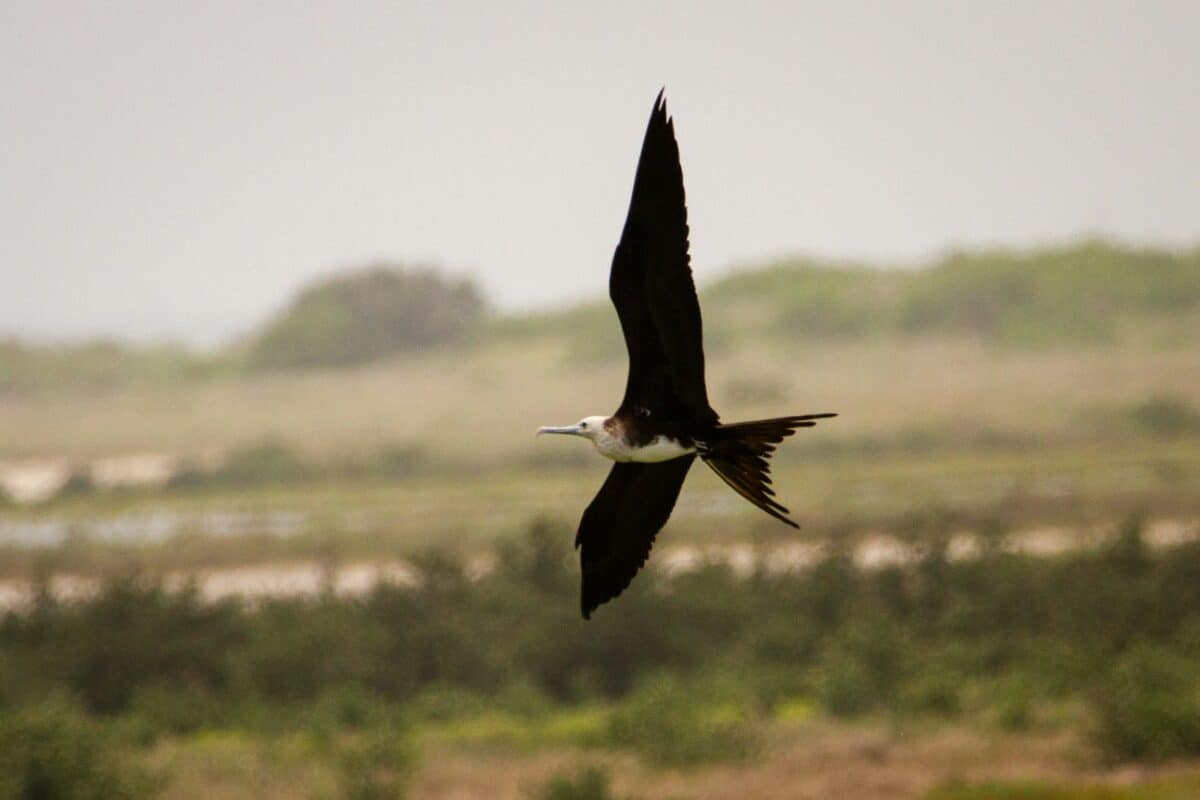
Despite their ability to sleep while flying, many birds that practice aerial sleep experience significant sleep reduction compared to their time on land. Research indicates that frigatebirds get only about 42 minutes of sleep per day during long flights, compared to approximately 12 hours when on land. This raises important questions about how these birds cope with chronic sleep restriction. Scientists theorize that birds may compensate through more efficient sleep, where shorter periods provide greater restorative benefits than would be possible in mammals. They may also experience “recovery sleep” when they eventually land, sleeping more deeply and for longer periods to make up for sleep debt accumulated during flight. Understanding how birds manage sleep deprivation could have implications for human sleep research, potentially offering insights into treating sleep disorders.
The Role of Autopilot in Avian Flight

Birds possess sophisticated neural mechanisms that allow for what might be considered a form of autopilot during flight. The avian nervous system includes specialized neural circuits that can maintain wing movements and flight stability with minimal conscious input. These circuits, located primarily in the cerebellum and brainstem, control the rhythmic muscle contractions needed for wing beats and can make minor adjustments to maintain stability. This neurological autopilot helps explain how birds can continue flying even while portions of their brain are asleep. During stable gliding flight, when birds ride thermal currents or air streams, even less active control is required, creating ideal conditions for brief sleep episodes. Research suggests that different flight modes—flapping, gliding, and soaring—require varying levels of conscious control, with birds strategically timing their sleep periods during less demanding flight phases.
Sleep Patterns During Migration

Migratory birds face unique challenges when it comes to sleep. Species like the bar-tailed godwit can fly non-stop for over 11,000 kilometers during migration, a journey lasting up to nine days without rest. During these marathon flights, birds must carefully balance their need for sleep with the demands of navigation and flight. Research indicates that many migratory species alter their sleep patterns dramatically during migration periods. Some birds appear to reduce their total sleep time by up to two-thirds during migration, while others may increase their use of unihemispheric sleep. Certain species also employ a strategy called “power napping,” taking very brief sleep periods more frequently. Fascinatingly, some migratory birds have shown the ability to anticipate sleep deprivation by sleeping more before long migratory journeys—a form of “sleep banking” that helps compensate for reduced sleep during migration.
Comparing Bird Sleep to Marine Mammals

Birds aren’t the only animals to evolve unihemispheric sleep—certain marine mammals, including dolphins, whales, and seals, utilize similar sleep strategies. Like flying birds, these animals face the challenge of needing to remain partially alert while sleeping to continue breathing at the surface. EEG studies show striking similarities in how the brain waves of sleeping dolphins and flying birds are organized during unihemispheric sleep. However, there are important differences as well. Marine mammals typically alternate which brain hemisphere sleeps more frequently than birds, and they generally achieve more total sleep time. This convergent evolution—where similar traits evolved independently in different animal groups facing similar environmental pressures—demonstrates how critical problems like balancing sleep and vigilance can lead to comparable solutions across distantly related species.
Technological Insights into Aerial Sleep

Our understanding of how birds sleep during flight has been revolutionized by recent technological advances. Miniaturized EEG devices, some weighing less than a gram, can now be temporarily attached to wild birds to record brain activity during natural flight. Similarly, tiny accelerometers and GPS loggers provide detailed data on flight patterns, wing beats, and altitude changes that can be correlated with sleep states. High-speed cameras mounted on drones have allowed researchers to observe eye closure patterns in flying birds, offering visual confirmation of unihemispheric sleep. These technological tools have transformed what was once speculation into scientific fact, confirming that birds do indeed sleep while flying and revealing the precise patterns of this remarkable behavior. Future research using even more sophisticated neural recording devices promises to further unveil the mysteries of aerial sleep, potentially revealing how birds’ brains transition between sleep states while maintaining flight.
Implications for Human Sleep Science

The study of avian sleep during flight offers intriguing possibilities for human sleep research and applications. Understanding how birds function with significantly reduced sleep without apparent cognitive impairment could provide insights into managing human sleep disorders or developing strategies for people who must function with limited sleep, such as emergency responders or military personnel. The neural mechanisms that allow birds to maintain partial consciousness during sleep might inform new approaches to treating conditions like sleep apnea, where breathing awareness during sleep is compromised. Additionally, research into how birds’ brains recover from prolonged sleep restriction could offer clues for addressing human sleep debt. Some sleep researchers are even exploring whether modified versions of unihemispheric sleep could be induced in humans for specific applications, though the structural differences between avian and mammalian brains present significant challenges to such approaches.
The ability of certain birds to sleep while flying represents one of nature’s most remarkable adaptations, elegantly solving the competing demands of rest and aerial living. Through unihemispheric slow-wave sleep, species like frigatebirds, swifts, and albatrosses can maintain flight for weeks or months at a time, navigating vast distances while still obtaining essential rest. This capacity reveals the extraordinary plasticity of sleep across different animal groups and demonstrates how evolutionary pressures can shape fundamental biological processes to fit specific ecological niches. As we continue to develop more sophisticated monitoring technologies and research methodologies, our understanding of aerial sleep will undoubtedly deepen, potentially offering insights that extend beyond ornithology into human sleep science and neurology. The sleeping bird in flight stands as a powerful reminder of the endless innovations of natural selection and the many marvels of animal adaptation that remain to be fully understood.

- How Barnacles Attach to Whales and Boats - July 11, 2026
- The Reptile That Shoots Ink - July 11, 2026
- Best Wildlife Safaris for a Summer Adventure - July 11, 2026