
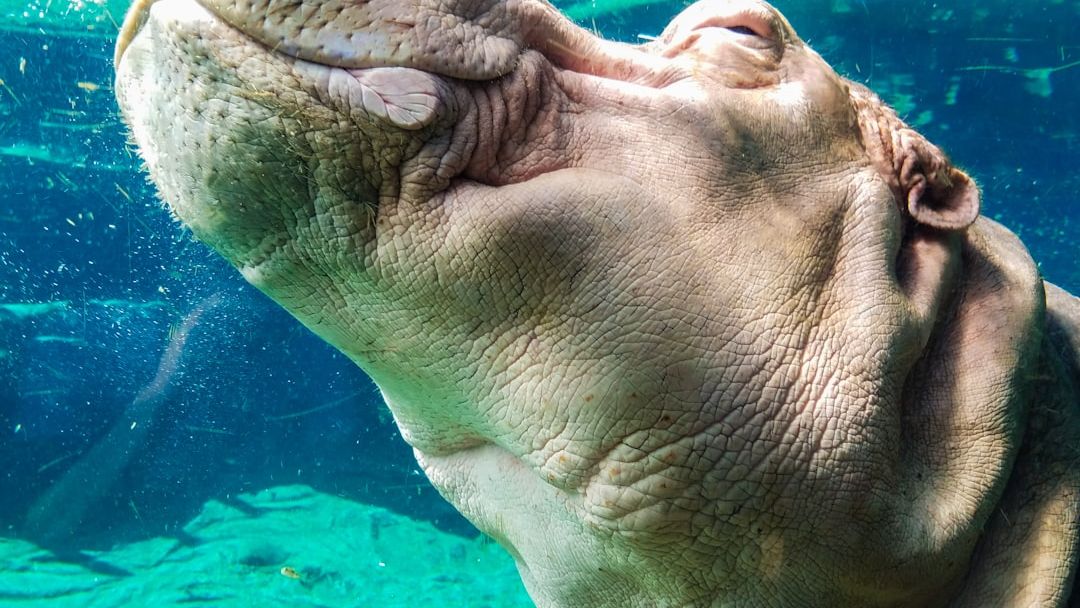
You probably know that marine mammals like whales and dolphins are breath-holding champions. That makes sense, right? They live in the ocean. Yet what you might find absolutely fascinating is that several land-dwelling creatures possess this same extraordinary ability. Some of them spend most of their time in trees or wandering across solid ground, and yet they can outperform even certain aquatic specialists when it comes to staying underwater without air.
Why would a tree-dweller need such a skill? The answers might surprise you. So let’s dive in and explore these unexpected masters of breath control.
The Sloth: A Sluggish Surprise Beneath the Surface
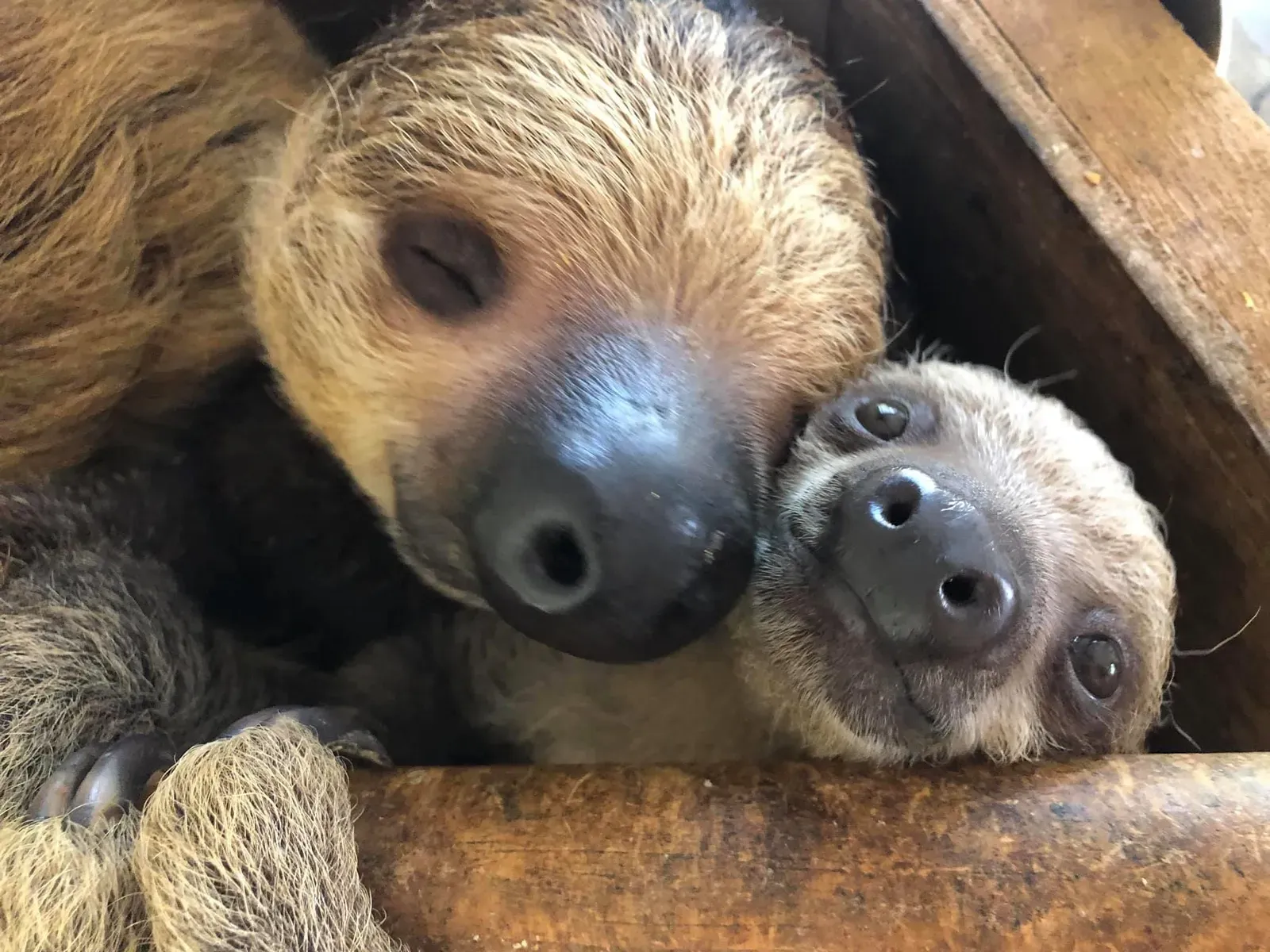
Sloths can hold their breath for an incredible 40 minutes, which honestly sounds like something out of a fantasy novel. Here’s the thing, though. These slow-moving mammals are actually excellent swimmers, moving through water roughly three times faster than they crawl on land. By dampening their already slow metabolism even further, they can reduce their heart rate by more than two thirds and extend the amount of time they can remain underwater without breathing.
This incredibly impressive amount of time is assisted by the sloth’s ability to slow its heart rate to only one-third of its average speed. Think about that for a moment. Their entire system just shifts into ultra-low-power mode. Sloths have loosely-attached lungs that allow them to compress the lungs more easily, especially when submerged in water, giving them a structural advantage that most mammals simply don’t possess.
This ability serves a dual purpose beyond just swimming. When predators are near, sloths can remain perfectly still underwater, essentially becoming invisible. No movement, no sound, not even the telltale rhythm of breathing gives them away.
The Elephant Seal: An Underwater Marathon Champion
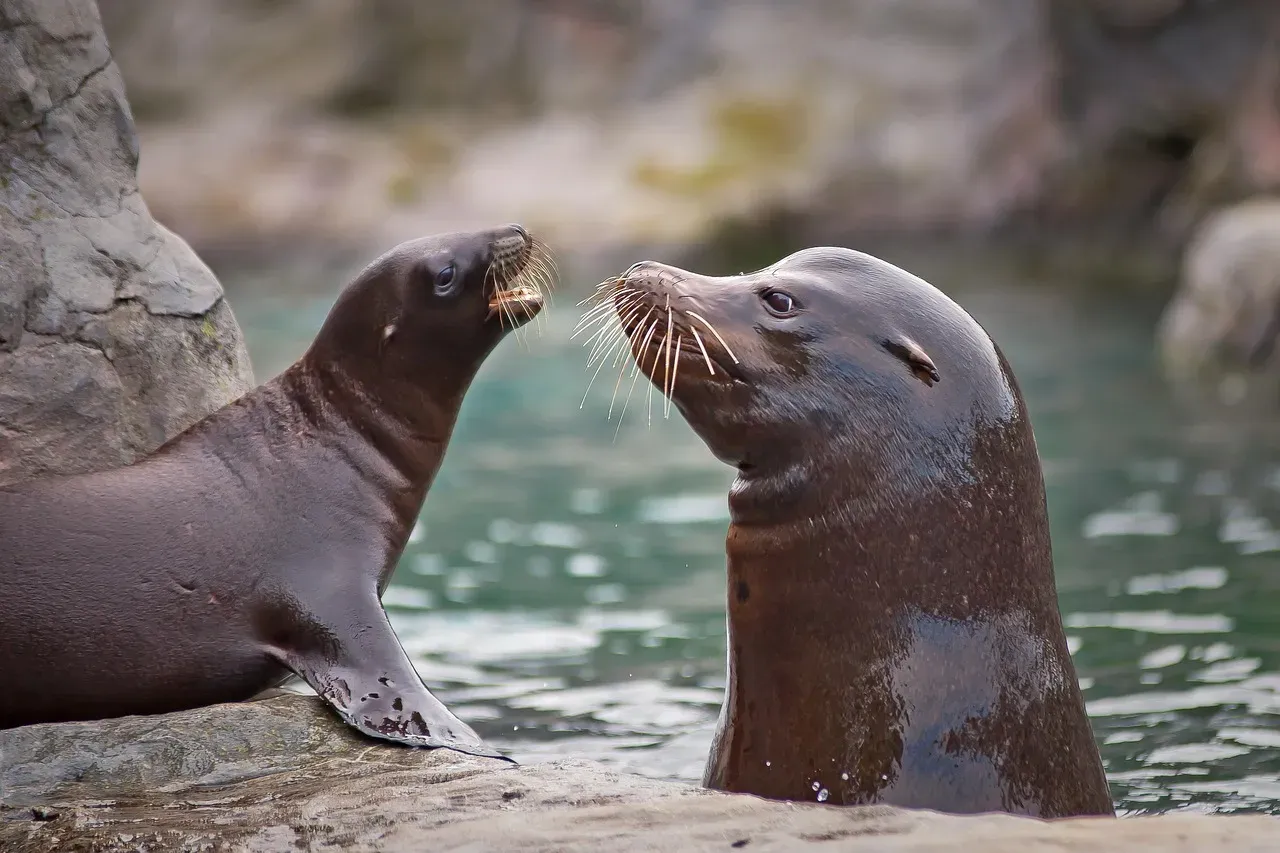
Elephant seals can hold their breath for more than 100 minutes, longer than any other noncetacean mammal. We’re talking about nearly two full hours without a single breath. The longest recorded dive on a single breath made by a northern elephant seal is 119 minutes, though honestly, even their routine dives are nothing short of astonishing.
When diving, the heart rate drops typically to one-third the surface rate and occasionally as low as 3 beats per minute. Imagine your heart beating just three times in sixty seconds. Circulation becomes limited almost completely to the heart and the brain so that oxygen consumption is minimized, which is essentially the body’s way of saying we’re rationing everything for survival.
Elephant seals have a very large volume of blood, allowing them to hold a large amount of oxygen for use when diving, and they have large sinuses in their abdomens to hold blood and can also store oxygen in their muscles with increased myoglobin concentrations. It’s like they’re carrying built-in oxygen tanks distributed throughout their massive bodies. Pretty ingenious if you ask me.
The Hippopotamus: Walking Underwater Giants
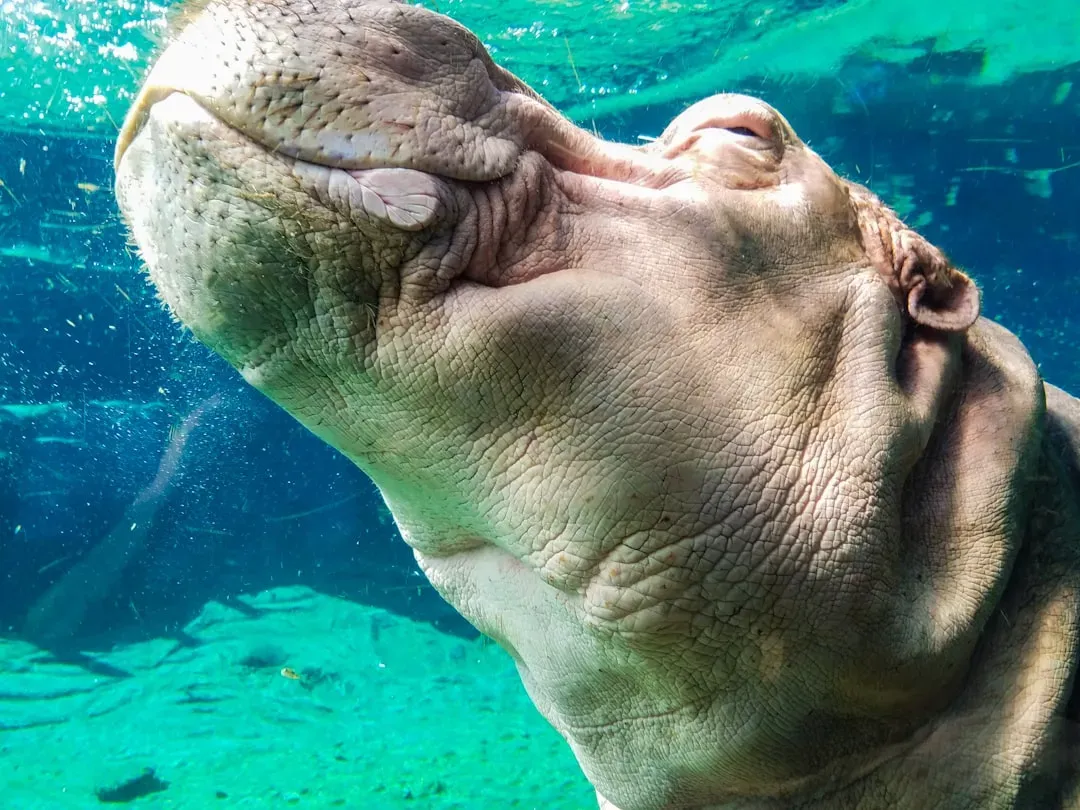
Hippos can hold their breath underwater for as long as five minutes. Sure, that might not sound as impressive as elephant seals, but consider this context. These semi-aquatic mammals spend up to 18 hours a day in the water, constantly cycling between submerged periods and quick surface breaths.
What’s really wild is how hippos actually move underwater. Since they are too dense and heavy for swimming, this large mammal walks, trots, jogs or runs on the floor of the water body, and if the water is deep they’ll sink to the bottom and walk at a speed of around 8km/h underwater. They’re not swimming at all, just galloping along the riverbed like it’s no big deal.
Hippos can sleep underwater without having to wake up or open their eyes to come up for air, as they have a reflex that allows them to sleep underwater, bob up for air when they need to, and then sink back down without waking up. Let’s be real, that’s simultaneously impressive and slightly unsettling.
The Alligator: Cold-Blooded Breath-Holding Specialist
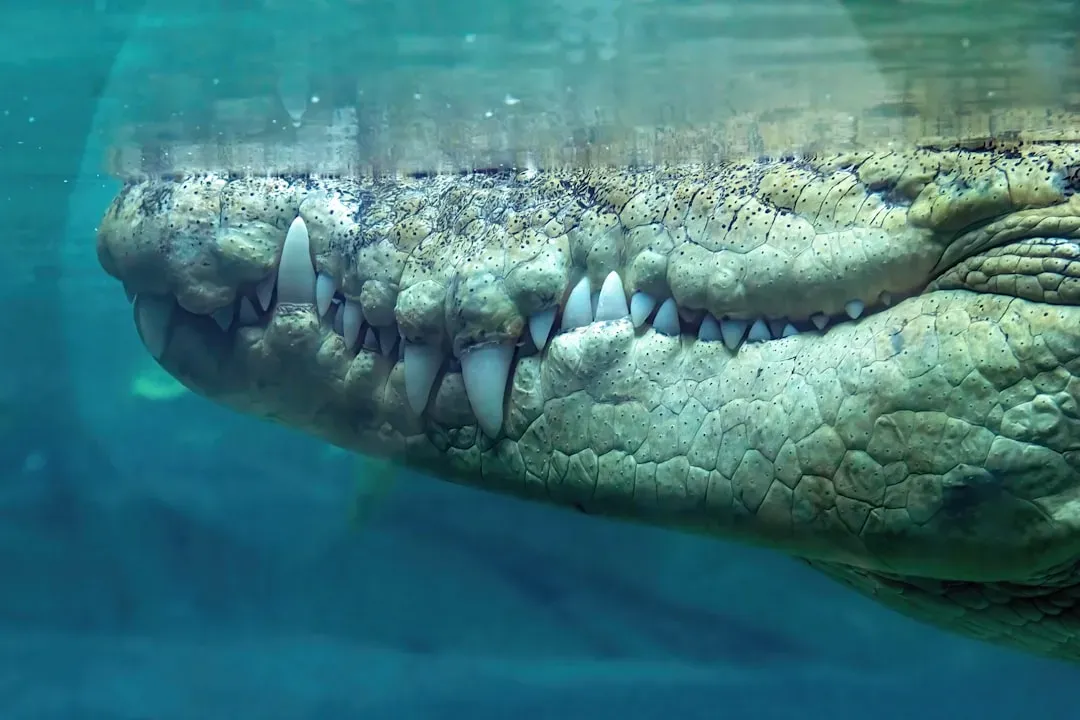
Alligators have a rather complex relationship with breath-holding that depends heavily on their activity level and environment. On average, alligators can hold their breath underwater for about 20 to 30 minutes, but that’s just the beginning of the story.
A stationary alligator, resting at the bottom of a swamp or pond, can remain submerged for up to 2 hours. The secret lies in their ability to essentially shut down non-essential functions. A gator can slow its heart rate to two to three beats a minute, which means they need less oxygen to sustain body functions.
When the water cools down, their metabolism slows even further, making it possible for them to stay underwater for up to a whole day. Temperature makes all the difference here. Being cold-blooded gives alligators flexibility that warm-blooded animals simply can’t match. Alligators switch to anaerobic respiration, a way to produce energy without oxygen, giving them a burst of power when they need it most without surfacing for air.
The Muskrat: Small but Surprisingly Skilled
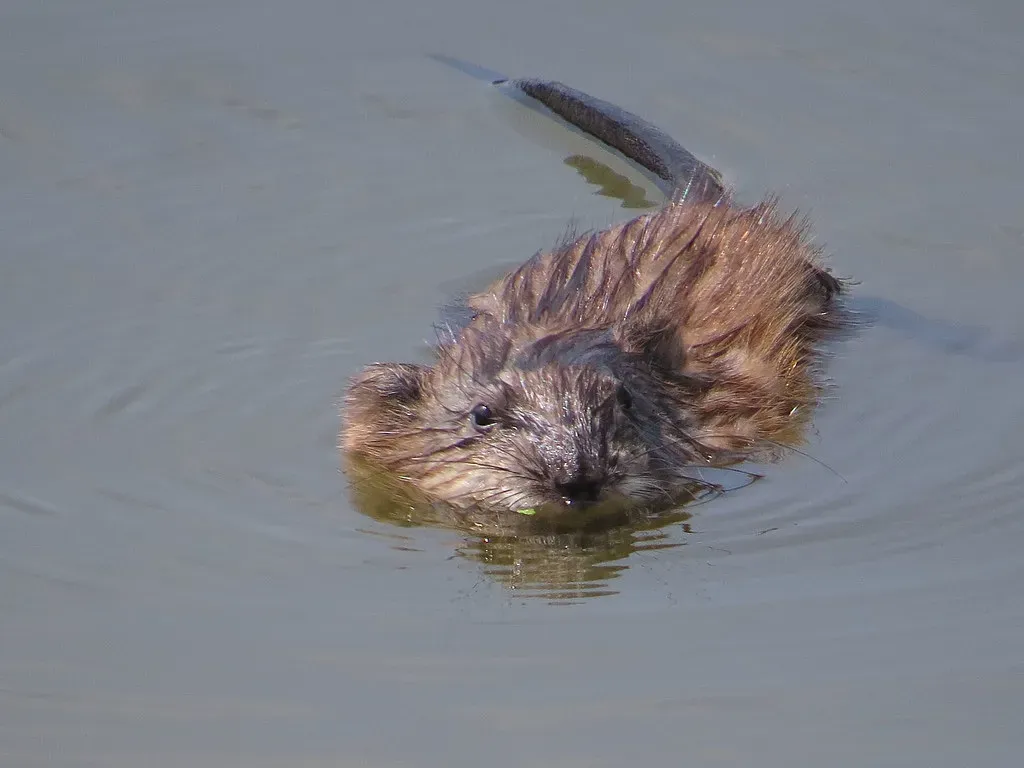
Muskrats might not win any awards for size or glamour, but don’t underestimate these little wetland warriors. Muskrats can hold their breath for up to 15 minutes to find food or escape predators like mink, foxes, great-horned owls or hawks. For an animal that weighs maybe a few pounds, that’s genuinely remarkable.
These rodents spend much of their lives in and around water, building lodges similar to beavers but on a smaller scale. Their ability to stay submerged for extended periods gives them a serious advantage when it comes to foraging for aquatic plants and escaping the many predators that consider them a tasty meal.
They can hold their breath under water for fifteen minutes or longer, which allows them to swim through underwater channels, gather food from the bottom, and transport materials to their lodges all while remaining hidden from threats above the surface. Their partially webbed hind feet propel them efficiently through the water, making them surprisingly graceful swimmers despite their rather ungainly appearance on land.
The Beaver: Nature’s Aquatic Engineer
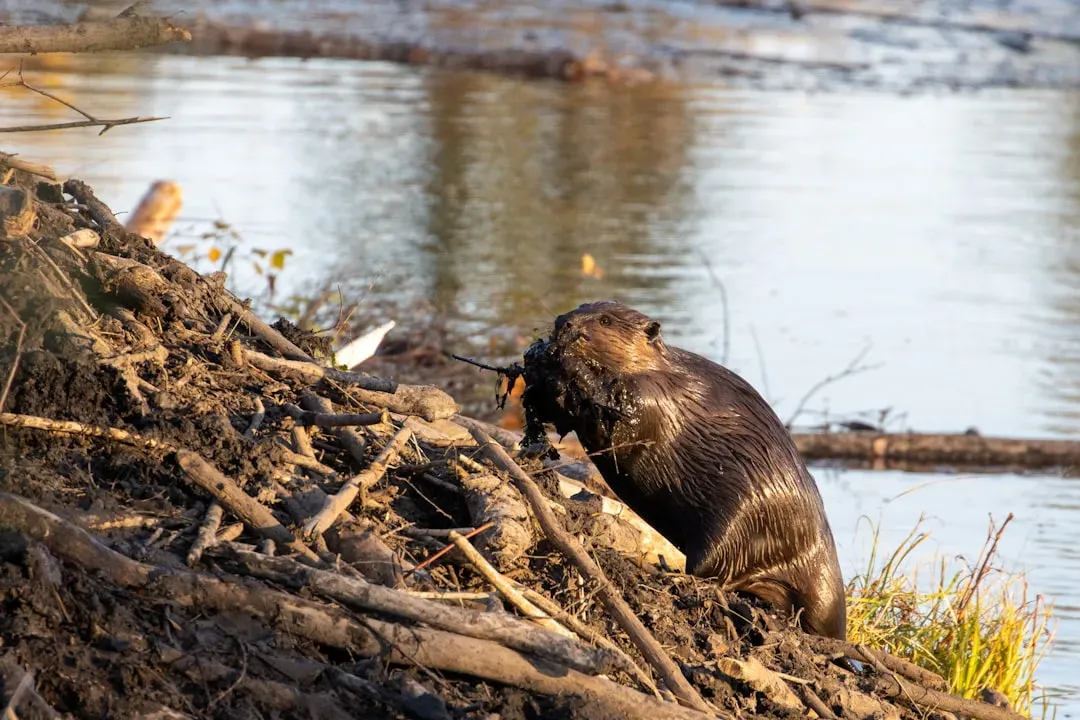
Beavers are famous for building dams, but their underwater capabilities are equally impressive. The average beaver can hold its breath for 15 minutes, which is essential for their lifestyle as semi-aquatic rodents. They need this ability to construct and maintain their elaborate underwater architecture.
Think about what beavers actually do. They gnaw through trees, drag heavy branches underwater, and carefully position them to build dams and lodges. All of this requires extended periods beneath the surface. Their ability to hold their breath allows them to work methodically without constantly interrupting their construction projects to gasp for air.
Beavers have evolved several adaptations that support this lifestyle. Like many diving mammals, they can slow their heart rate and redirect blood flow to essential organs during submersion. This metabolic adjustment, combined with their natural buoyancy control and specialized circulatory system, makes them remarkably efficient underwater workers.
Conclusion
The ability to hold your breath for extended periods isn’t reserved exclusively for dolphins and whales. From the surprisingly aquatic sloth to the engineering genius of the beaver, land animals have developed this skill for hunting, hiding, swimming, and survival. Each species has evolved its own unique physiological tricks, whether that’s slowing the heart to just a few beats per minute, storing extra oxygen in muscles, or simply shutting down non-essential body functions.
What strikes me most is how evolution finds similar solutions across completely different animals. The next time you see a sloth hanging lazily from a branch or spot a hippo lounging in a river, remember there’s more to these creatures than meets the eye. What do you think about these unexpected underwater champions? Did any of these breath-holding abilities surprise you?

- Psychology Says When a Parrot Repeats Words in an Empty Room With No One There to Perform For It’s Not Mimicry – It’s Something Closer to Practice and the Distinction Matters More Than It First Seems - June 12, 2026
- Could Elephants Be More Empathetic Than We Are? Science Thinks So - June 12, 2026
- Why Hummingbirds Keep Returning to the Exact Same Spot Every Year - June 12, 2026