
There’s a version of nature’s story that goes only one way: species decline, habitats shrink, and the list of what’s lost grows longer each year. That narrative is real and it deserves attention. Yet tucked inside it is another story, quieter but no less true, about animals that looked extinction in the eye and, with significant human help, turned around entirely.
These aren’t tales of magic. They’re the result of legal battles, habitat patrols, decades of captive breeding, and the kind of stubborn scientific patience that rarely makes headlines. What makes them worth knowing is not just the survival itself, but what each one reveals about the specific choices that made recovery possible.
#1: The Bald Eagle – America’s National Symbol Pulled Back From the Brink
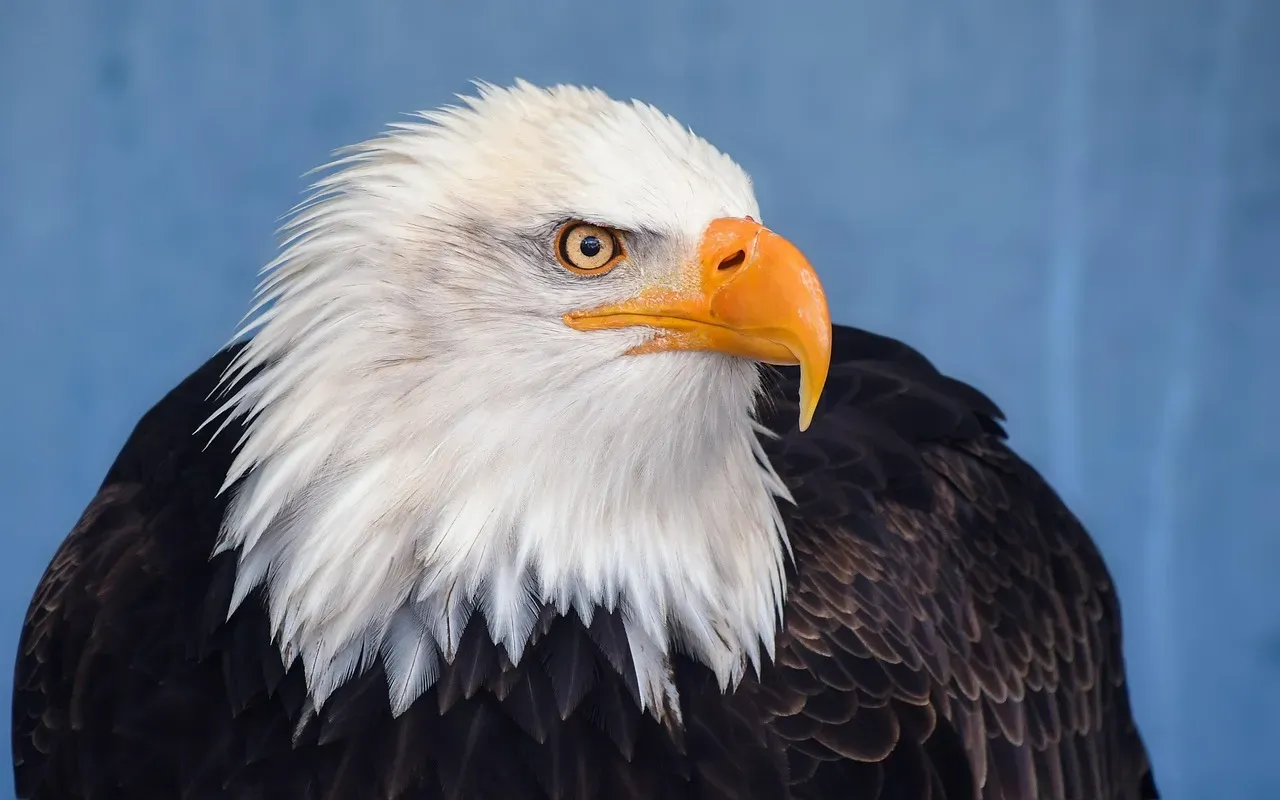
There’s something sobering about the fact that the United States once nearly lost the bird it chose as its national emblem. By 1963, only 417 nesting pairs of bald eagles were found in the lower 48 states. The culprit was not just habitat loss or hunting. Bald eagles were decimated by habitat destruction and degradation, as well as illegal shooting and the contamination of their food source by the insecticide DDT.
After DDT was used extensively from the mid-1940s onward, bald eagle populations declined catastrophically, as the pesticide caused their eggshells to become so thin they would easily break. The recovery truly began when the Environmental Protection Agency took the historic step of banning DDT in 1972, in large part due to Rachel Carson’s book Silent Spring, which had exposed the dangers of indiscriminate pesticide use.
Recovery initiatives included captive breeding programs, the reintroduction of eagles into historic habitats, shielding critical eagle habitat from development and degradation, and protecting eagle nests during breeding season. The results are genuinely hard to argue with. The bald eagle population has now climbed to an estimated 316,700 individual bald eagles, including 71,400 nesting pairs, a figure that indicates the population has quadrupled since the last major data was collected in 2009.
Bald eagles were formally removed from the endangered species list in August 2007 because their populations had recovered sufficiently, and the population has continued to grow in the years since. The story doesn’t end in triumph, though. Threats like lead poisoning from ammunition fragments in prey remain a real concern for wildlife managers, a reminder that recovery is an ongoing commitment rather than a finished chapter.
#2: The Iberian Lynx – The Greatest Cat Recovery Ever Recorded
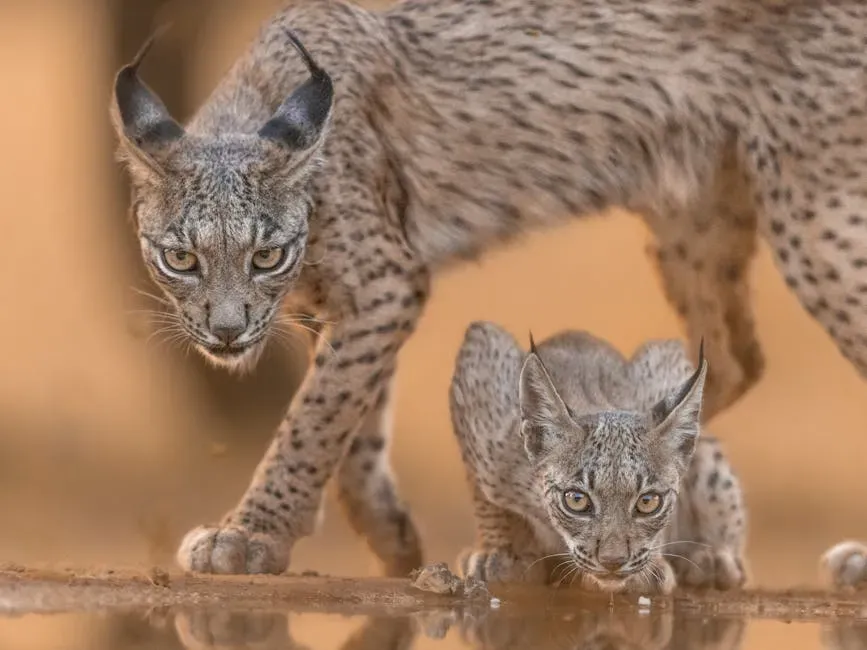
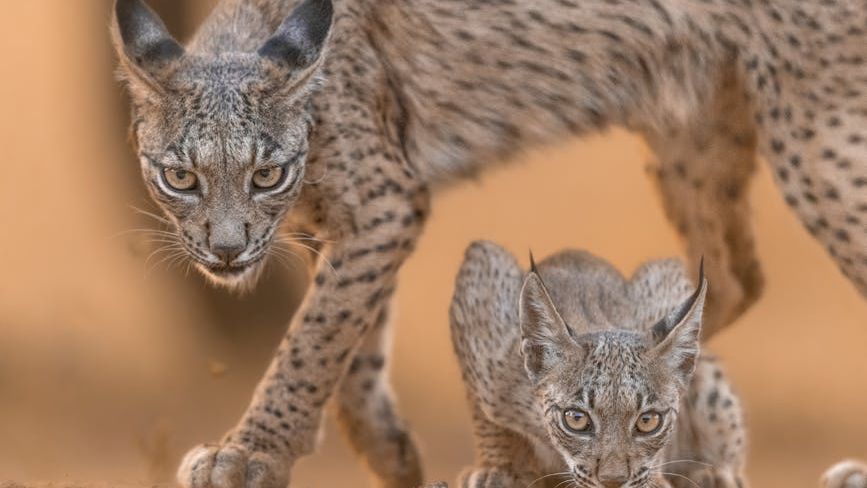
If you needed a single case to make the argument that conservation works, the Iberian lynx might be it. In 2001, WWF declared the Iberian lynx the most endangered cat species and the only endemic large carnivore in Europe, with the IUCN estimating the population had dwindled to just 62 mature individuals. Years of declining wild rabbit populations, habitat destruction, inbreeding, and deaths from hunting and roadkills had left the species teetering on the brink of extinction.
Conservation efforts focused on increasing the availability of the European rabbit, Portugal introduced a National Breeding Centre for Iberian lynxes, and captive breeding programs released hundreds of lynxes back into the wild alongside habitat restoration. Restoration and protection of Mediterranean scrub and forest habitats increased lynx habitat from 19 square miles in 2005 to at least 1,282 square miles in 2024.
The number of lynx in the Iberian Peninsula increased by 19% in 2024 alone, reaching 2,401 animals according to the annual census carried out by Spanish and Portuguese entities. Lynxes are now reproducing in 17 distinct areas, up from only two viable breeding populations in 2000. That’s a transformation so dramatic it has been called, by the IUCN itself, the greatest recovery of a cat species ever achieved through conservation.
In June 2024, the Iberian lynx improved from Endangered to Vulnerable on the IUCN Red List of Threatened Species, continuing its dramatic recovery from near extinction thanks to sustained conservation efforts. Still, the work isn’t finished. Until key threats like road mortality and habitat fragmentation are fully addressed, the lynx’s recovery remains incomplete. It’s a story of real, measurable progress with clear eyes about what still needs to happen.
#3: The Humpback Whale – A Ocean Giant’s Long Road Back
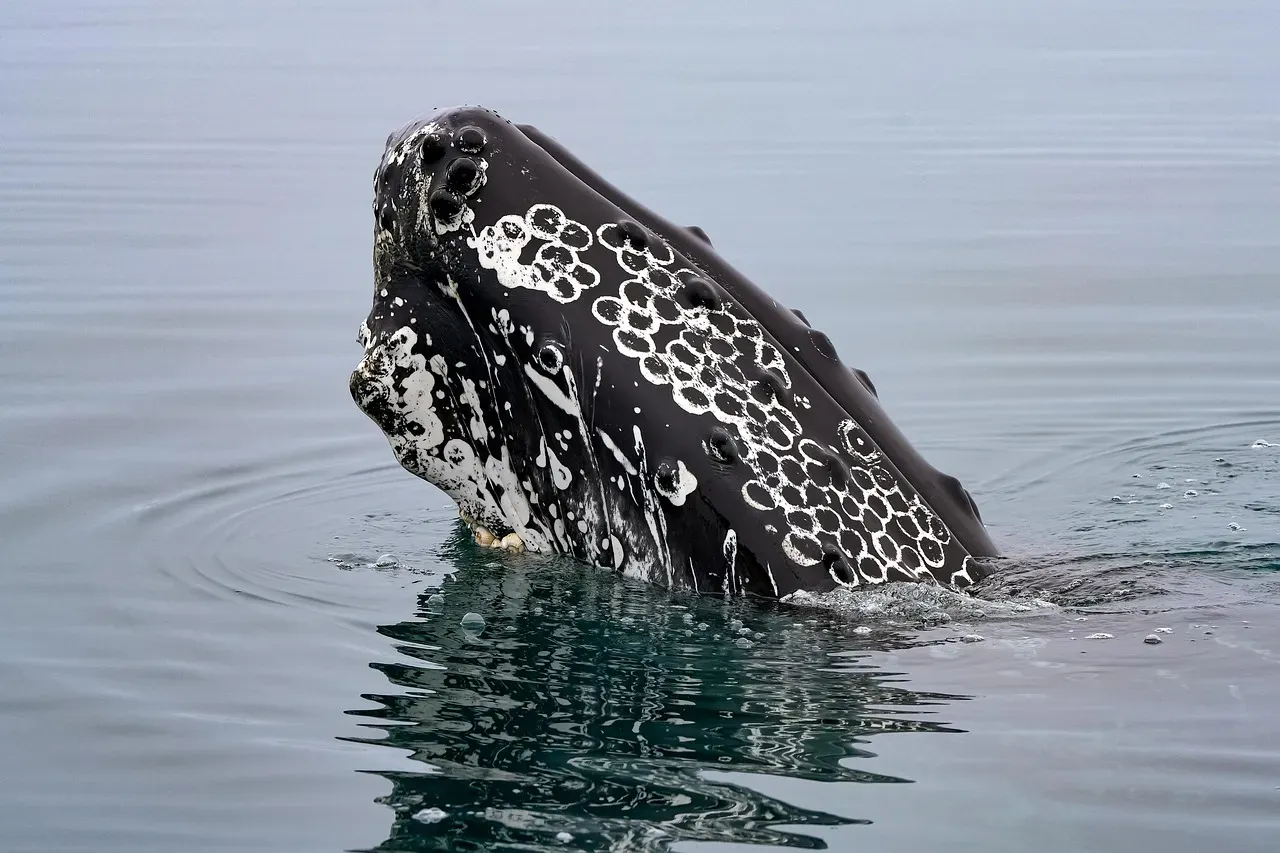
The scale of what happened to humpback whales during the commercial whaling era is difficult to absorb. Before a final moratorium on commercial whaling in 1985, all populations of humpback whales had been greatly reduced, most by more than 95 percent. The introduction of factory ships and advanced whaling techniques in the early 1900s led to an unprecedented slaughter, pushing humpback whales to the brink of extinction.
The turning point for humpback whale conservation came with the establishment of the International Whaling Commission in 1946, which implemented regulations to control whaling activities, and in 1986, a moratorium on commercial whaling was enacted, proving crucial in allowing humpback whale populations to recover. The creation of Marine Protected Areas has also played a vital role, providing safe havens where whales can breed, feed, and migrate without the threat of whaling or other human disturbances, established in key humpback whale habitats including breeding grounds in tropical waters and feeding areas in colder regions.
The current global population has rebounded from a low point of around 10,000 back to nearly 80,000 as of 2022. For instance, the West Indies population is growing at roughly 3 percent a year, while the East Australia population is growing at an average rate of almost 11 percent a year. Those numbers represent one of the most significant marine wildlife recoveries in recorded history.
Nine humpback populations have recovered enough that they no longer warrant listing, while four populations remain protected as endangered, including those in Central America, the Western North Pacific, the Arabian Sea, and Cape Verde Islands. The recovery is real and meaningful, though it is uneven. Some populations still face serious threats from entanglement in fishing gear, vessel strikes, and the compounding effects of climate change on their prey. The humpback’s story is a blueprint with unfinished pages.
#4: The Giant Panda – From the Edge of Extinction to a Conservation Model

The giant panda’s black-and-white face has become almost synonymous with conservation itself, and not without reason. The journey behind that familiar image is one of the most resource-intensive and internationally coordinated recovery efforts the world has ever attempted. China joined the Convention on International Trade in Endangered Species, making trade in panda skins illegal, while also establishing reserves to protect panda habitats and undertaking substantial research and breeding programs.
Official data show the wild giant panda population has grown from around 1,100 in the 1980s to nearly 1,900. The population increase resulted from extensive efforts by the Chinese government to establish protected areas and restore panda habitat, with China creating 67 panda reserves that now protect nearly two-thirds of all wild pandas. What’s notable here is the sheer institutional commitment that was required over multiple generations of policymakers.
Established in 2021, the Giant Panda National Park has significantly improved the habitat of wild pandas and boosted the species’ population, integrating 73 isolated nature reserves and expanding the protected area to 22,000 square kilometers. Recent statistics from the park’s Sichuan section show that the annual number of wild giant panda sightings has increased from 135 to 185, indicating a stable recovery of the population.
As a result of these combined efforts, the giant panda was reclassified as vulnerable by the IUCN in 2016, with an increasing population of between 500 and 1,000 mature individuals. Scientists and conservationists are careful to note that “vulnerable” still means at risk. Habitat connectivity, climate shifts affecting bamboo forests, and the need for continued genetic diversity management all remain active challenges. The panda’s story is progress, not a conclusion.
#5: The Wild Tiger – Doubling Down on a Species That Nearly Vanished
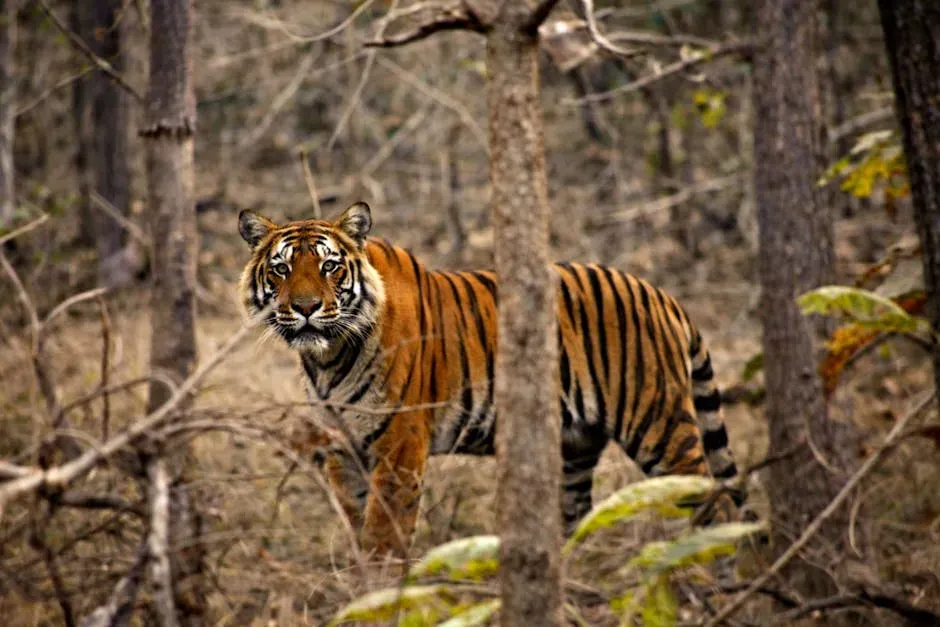
At the start of the 20th century, it’s estimated there were over 100,000 wild tigers across Asia. By the early 21st century, that number had collapsed to one of the lowest points ever recorded. The reasons were straightforward: poaching for illegal wildlife trade, rapid habitat loss, and the depletion of prey species. Something had to change fundamentally, not just on the margins.
Since 2010, thanks to conservation efforts, wild tigers have increased from an all-time low of around 3,200 to roughly 5,500 as of 2024, almost doubling. In India, the country with the most remaining wild tigers, numbers have doubled since 2010, while Nepal’s wild tiger numbers have nearly tripled. These results came from a combination of stronger anti-poaching enforcement, smarter population monitoring, and expanded protected zones.
Some of the actions that led to this progress included counting tigers more systematically, since you cannot protect tigers when you don’t know where they are or how many there are, and this investment in better data then led to the creation of more protected areas in places that were critically important for tigers. That connection between science, data, and on-the-ground policy is something other conservation efforts have tried to replicate.
While challenges remain, particularly in Southeast Asia, the overall trajectory is encouraging, as tigers are proving that even large, wide-ranging predators can recover when we protect their habitats and stop illegal wildlife trade. The tiger’s comeback is probably the most politically complex recovery on this list, spanning sovereign borders, traditional medicine markets, and conflicting land-use pressures. That it’s working at all is genuinely striking.
#6: The Red-Cockaded Woodpecker – A Small Bird’s Giant Recovery
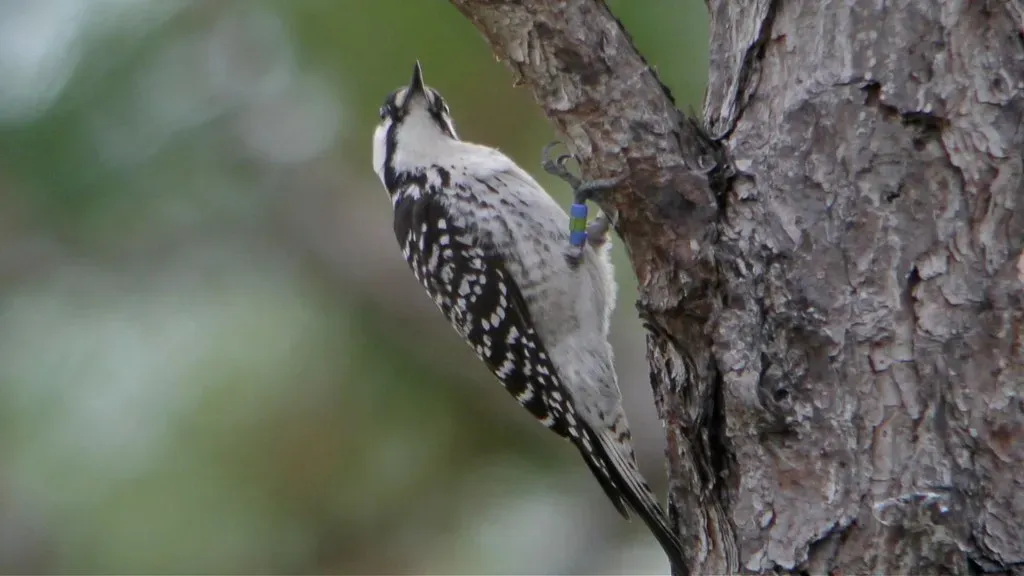
Conservation victories don’t always involve iconic megafauna. Sometimes the most instructive stories involve species most people couldn’t pick out of a lineup. In the 1960s, a study predicted that red-cockaded woodpeckers would become extinct due to logging, deforestation, and fire suppression, with fewer than 15,000 surviving in about one percent of their former range. This was a bird in genuine freefall, and it needed a complex, coordinated intervention to survive.
After dipping as low as 1,470 nest clusters in the 1970s, the red-cockaded woodpecker has rebounded to over 7,800 today, a recovery big enough to justify removing the bird from the U.S. endangered species list. Restrictions on habitat destruction and enrollment of more than 2.5 million acres of private lands in conservation programs drove the woodpecker toward this recovery. The involvement of private landowners in this particular story is a detail worth sitting with.
Red-cockaded woodpeckers, now present from Virginia to Texas, were downlisted from endangered to threatened, while other species like Apache trout have recovered enough territory to graduate from the endangered species list entirely. These dual milestones reflect a broader truth: the Endangered Species Act, for all its political controversy, has produced verifiable, documented results across dozens of species. The Act celebrated its 50th birthday in 2024 and, in those 50 years, helped save 99% of listed species from extinction.
Red-cockaded woodpeckers are now present from Virginia to Texas, and this species’ comeback demonstrates that protecting habitat and engaging private landowners can yield extraordinary results. There’s something almost quietly radical about that lesson: that the people who share land with wildlife are often the most important partners in keeping it alive. The woodpecker didn’t just survive. It showed conservationists a model worth repeating.
Conclusion: What These Recoveries Actually Tell Us

It would be easy to frame each of these stories as proof that nature always finds a way. That reading is too comfortable. Nature didn’t find a way on its own. Humans identified specific threats, passed specific laws, funded specific programs, and maintained those commitments over decades, even when it was expensive and politically inconvenient. That is what these recoveries actually demonstrate.
A landmark study made the message clear: conservation efforts are effective in the majority of cases and are essential to curbing global biodiversity loss. The study analyzed 665 conservation interventions around the world, finding that they either improved biodiversity or slowed declines more than two-thirds of the time. That’s not a trivial success rate for an endeavor this complex.
What these six animals share is not luck. They share the benefit of people who refused to treat their extinction as inevitable. The Iberian lynx, the bald eagle, the humpback whale, the giant panda, the wild tiger, and the red-cockaded woodpecker are all still here because specific humans made specific decisions at the right time.
The honest conclusion, then, is not that these stories should make us feel reassured. They should make us feel responsible. The conditions that allowed these recoveries, political will, sustained funding, international cooperation, and community involvement, are not guaranteed. They have to be rebuilt, repeatedly, for every species still waiting for its own chapter to turn around. These six are the proof that such a chapter is possible. What happens next depends entirely on whether we choose to write it.
