
You still hear a chirp outside your window most mornings, so everything must be fine, right? That’s the assumption almost everyone makes – right up until they actually stop and listen. Ecologists have watched North America lose nearly 3 billion birds since 1970, and the unsettling part isn’t happening in some faraway forest. It’s happening on ordinary streets, on quiet blocks with fenced yards and half-full bird feeders, streets that look exactly like yours.
The signs are small enough to explain away one at a time – a quieter morning here, an untouched feeder there. But once you line them up side by side, the pattern gets hard to unsee. Here’s what long-time birders and researchers actually watch for, starting with the one most people notice first and dismiss fastest.
#1 – Your Morning “Bird Chorus” Is Weirdly Quiet
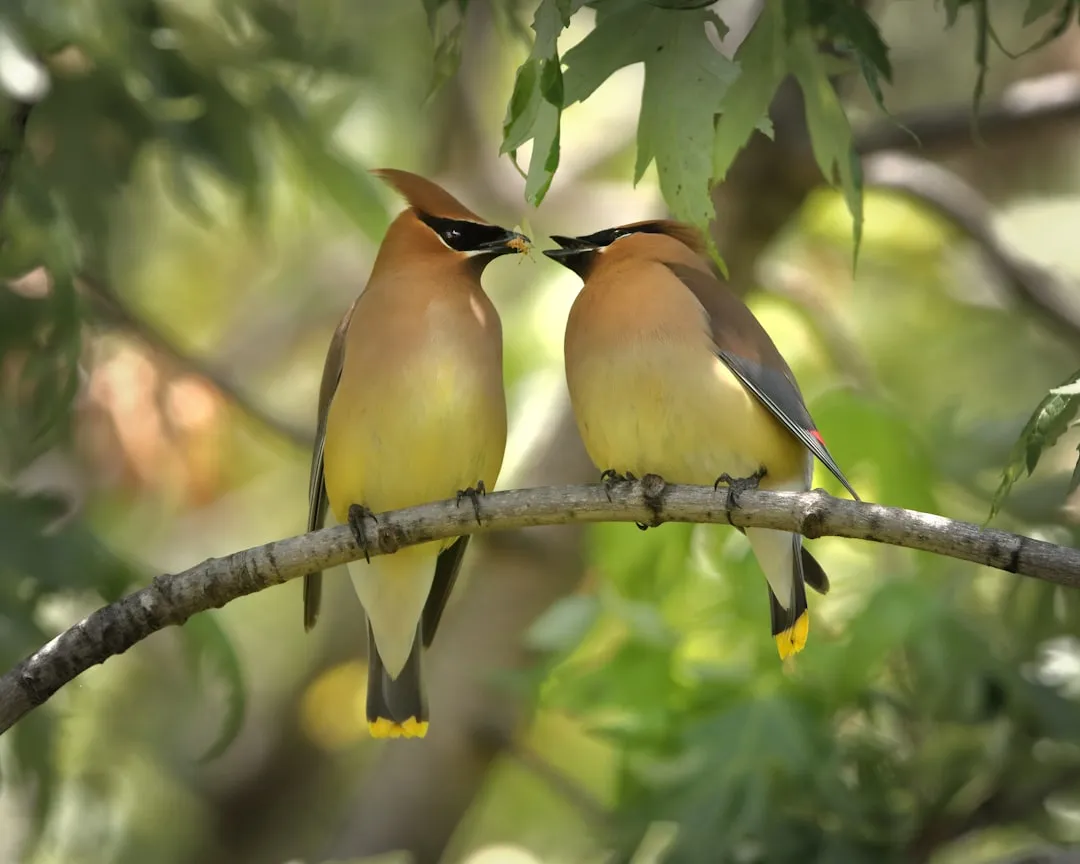
If your street used to sound like a tiny jungle at sunrise and now feels oddly muted, that’s not your imagination. Ecologists call it the “dawn chorus” – the burst of singing at first light. When bird numbers drop, that chorus thins out fast, leaving a couple of robins or sparrows where there used to be a layered wall of sound.
Long-time residents describe it as “it just feels empty now,” even if they can’t name a single missing species. If you can suddenly hear traffic and air conditioners more clearly than birds at 5-7 a.m., that’s an early warning sign – especially if you didn’t move, change windows, or do anything different. Sound disappears long before you visually notice fewer birds. Pay attention tomorrow morning; if the silence feels new, it probably is.
#2 – Feeders That Used To Be Busy Now Stay Strangely Full
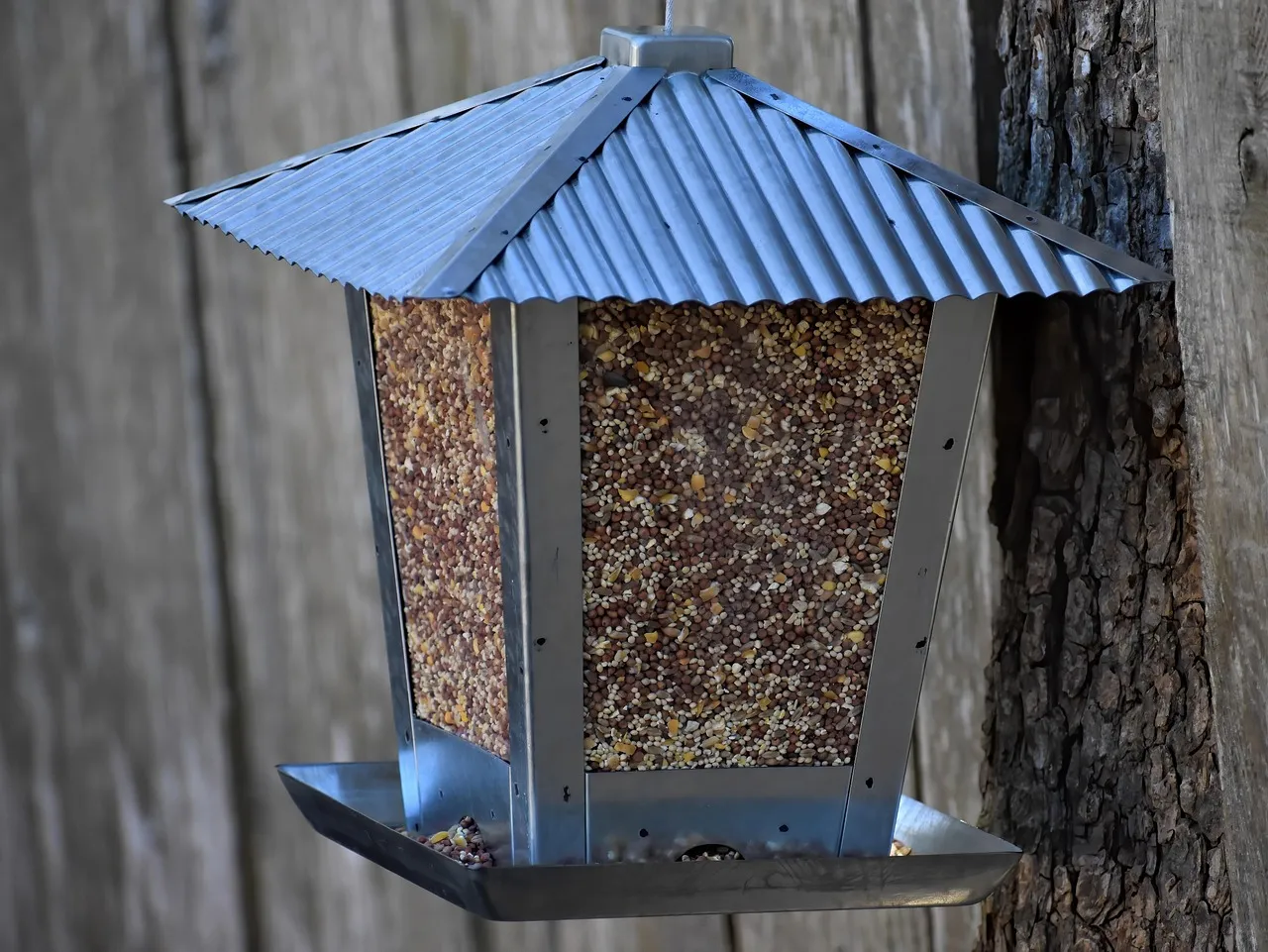
A decade ago, you might have needed to refill a small backyard feeder every day or two. Now it sits there for a week, barely touched. That’s not birds “finding food elsewhere” – in many neighborhoods, there simply aren’t as many birds left to visit.
Long-time birdwatchers notice this first in winter, when chickadees, finches, and sparrows that once mobbed feeders on cold mornings show up in ones and twos, or not at all. Consistently full feeders in peak season almost always mean fewer hungry beaks. It’s like running a busy café that suddenly has empty tables every single day. One slow week proves nothing – but if “slow” has become the new normal for several seasons running, your local songbird population may have quietly taken a hit.
Fast Facts
- Feeder traffic typically peaks in winter, when natural seeds and insects are scarce.
- Common feeder regulars include chickadees, house finches, and dark-eyed juncos.
- A refill cycle that stretches from days to weeks is a reliable red flag, not a coincidence.
#3 – You See Mostly “City Survivors” And Almost No Variety
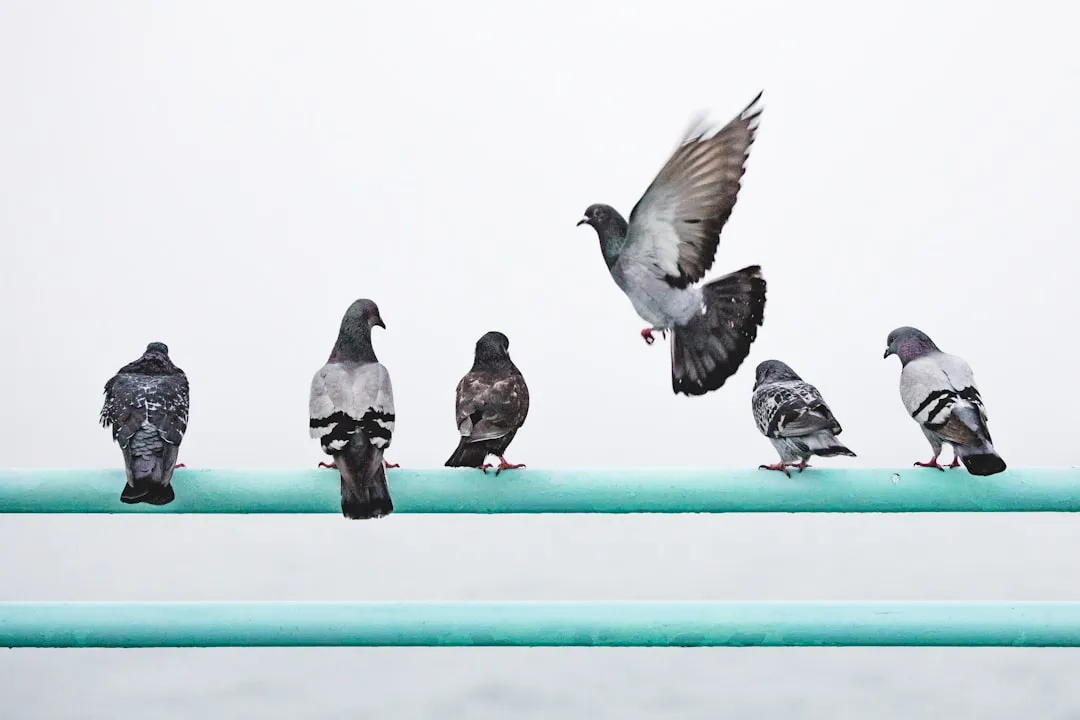
Look carefully at the birds you actually see. Are they almost all pigeons, starlings, and house sparrows? Those are tough, adaptable species that thrive even while more sensitive songbirds are disappearing around them.
In a healthy area, you’ll see a mix – chickadees, finches, robins, warblers passing through on migration, maybe a woodpecker hammering away at a dead branch. When habitat loss, pesticides, and window strikes hammer a community, the specialists and the shy species vanish first, leaving only the hard-core generalists behind. If your street’s birdlife looks like a monoculture – the same three species, every single day – that’s a sign the whole system is stressed. Many people mistake “still seeing birds” for “everything’s fine,” but a narrowed cast of characters is exactly what disappearing diversity looks like.
#4 – Seasonal Visitors Don’t Show Up When (Or If) They Used To
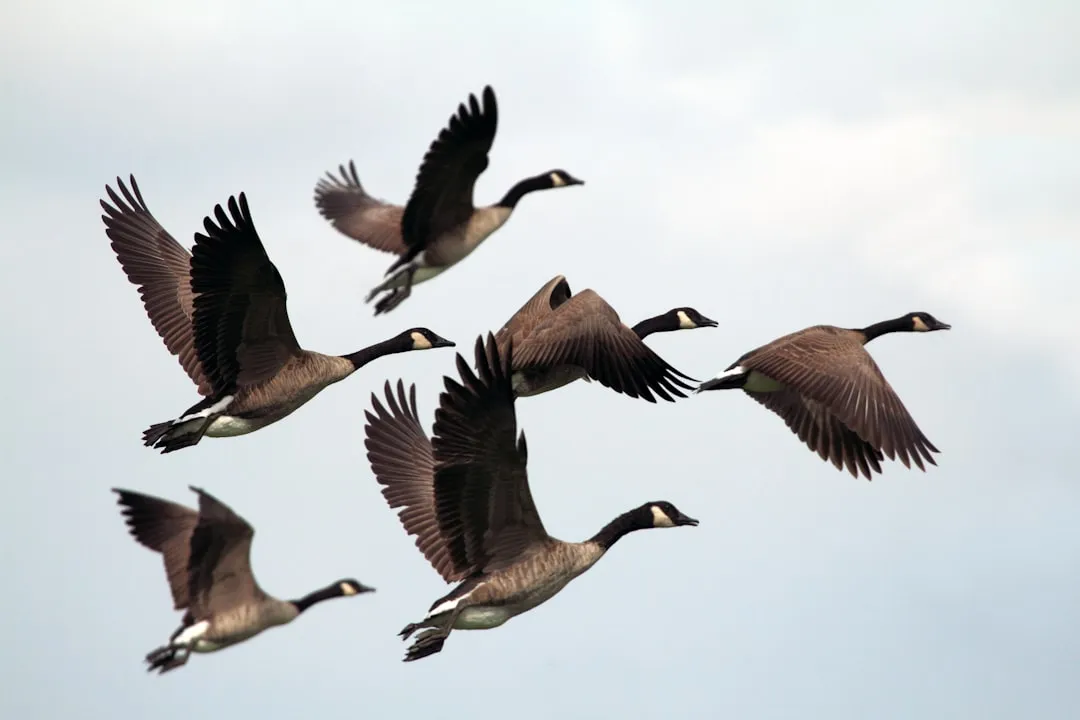
In a lot of neighborhoods, people could once set their calendars by returning migrants: the first hummingbird at the feeder, swallows swooping over the parking lot, that one warbler that always showed up in the same street tree every May. When those regulars stop appearing – or arrive weeks late – something is genuinely off.
Migratory songbirds run on precise timing: insects hatching, flowers blooming, safe stopovers along the route. Climate shifts, habitat loss, and night lighting can throw all of that off at once. Missing migrants are one of the strongest visible signs of a broader decline. Even if a few still trickle through, a drop from dozens down to a lonely pair means trouble is happening somewhere along their journey – and it’s showing up on your street first.
Worth Knowing
- Migratory songbirds depend on tightly synced timing between insect hatches, blooming plants, and stopover sites.
- Even a shift of just a couple weeks in arrival dates can signal disrupted cues along the route.
- Hummingbirds and swallows are especially sensitive to these timing mismatches.
#5 – Nests You Used To Spot Every Year Are Suddenly Gone
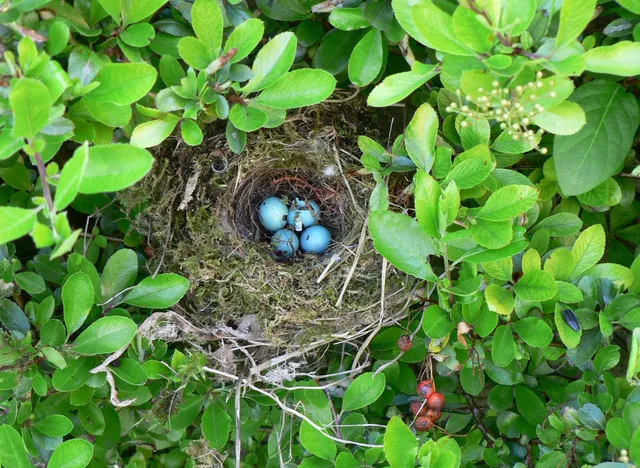
Most people can point to at least one “regular” nesting spot: the robin in the gutter, the finches in the porch fern, the sparrows in the hedge by the mailbox. When those familiar nests don’t return for years running, it may mean birds have simply stopped trying to raise families on your street.
Watch your eaves, bushes, and ledges in spring. Do you still see birds hauling grass and twigs and fluff, or hear chicks begging from some hidden corner? A drop in visible nesting activity means fewer breeding pairs, fewer chicks, and a shrinking local population. Sometimes it’s the homeowners themselves – trimmed shrubs, sealed eaves, tidied gutters – that push birds out. Add free-roaming cats, crows, and harsh weather to the mix, and many songbirds quietly stop choosing your block at all.
#6 – Your Street Sounds Like Machines, Not Nature
Cities are loud, sure – but there’s a real difference between a noisy street and a street where only machines make noise. Busy roads can still carry layers of bird calls over the traffic: twittering from wires, chirps from hedges, squeaky songs from rooflines. When birds decline, those softer sounds get erased first, leaving nothing but engines, leaf blowers, and sirens.
Research shows chronic noise makes many species avoid certain areas entirely, while others try singing louder or at different pitches and simply fail to attract mates. Over time, they abandon the loudest blocks for good. If your block feels sonically dead between buildings, that’s a sign birds have already voted with their wings. People love to say “it’s just the city,” but plenty of urban streets still buzz with birdsong – yours might just not be one of them anymore.
#7 – Insects Have Crashed, And The Birds Crashed Right Behind Them
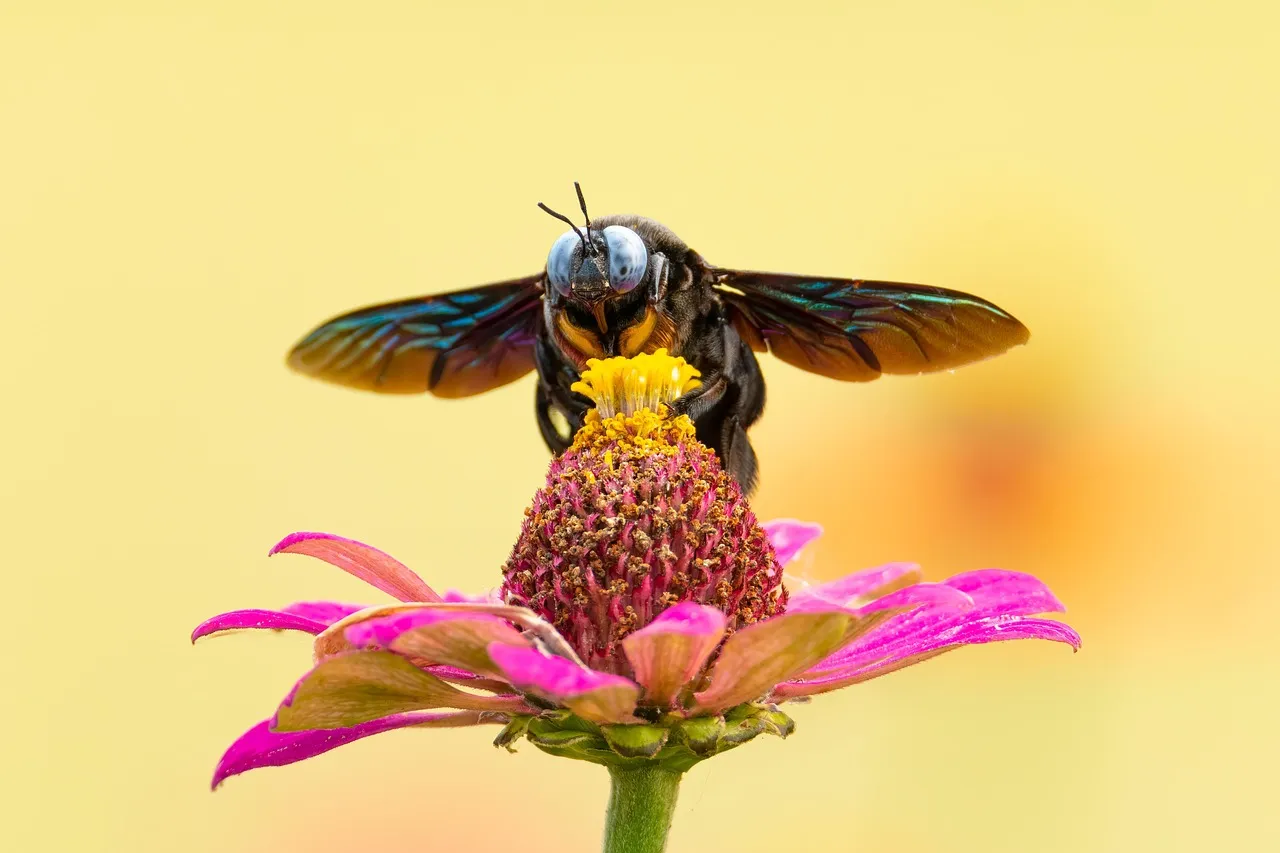
Many songbirds are basically flying insect-control machines. Warblers, swallows, flycatchers, chickadees – all of them rely heavily on bugs, especially when there are hungry chicks in the nest. When the insects vanish, the birds follow close behind.
If your porch light used to be covered in moths and now barely attracts a handful, that’s not “better pest control” – it’s a collapsing food web. A yard with almost no butterflies, moths, beetles, or bees is a yard that can’t support many songbirds. Watch for fewer dragonflies over ditches, fewer spiders in corners, fewer gnat swarms on warm evenings. Annoying as those bugs were, their absence means hungry mouths have nothing left to eat.
When we try to pick out anything by itself, we find it hitching to everything else in the universe.
John Muir
#8 – Night Skies That Used To Be Dark Are Now Blazing With Light
It sounds unrelated, but it isn’t: bright night skies are brutal on migratory songbirds. Many species navigate by the stars and moon, and excessive artificial light – LED billboards, security floods, always-on storefronts – confuses them, pulls them off course, and funnels them straight into buildings and glass.
If your neighborhood has seen a surge in all-night lighting over the last decade, birds are paying for it, even if you never see a body. Window strikes often happen high up and get cleaned up fast. Birds can be dying above your head in large numbers without a single feather ever hitting your sidewalk. Experts increasingly point to “skyglow” as a real driver of disoriented migrations – so if your once-sleepy street now looks like a 24/7 parking lot, don’t be surprised when the spring chorus quietly shrinks.
Quick Compare
- Dark, low-light nights: birds navigate normally by starlight and moonlight, migration stays on schedule.
- Bright, over-lit nights: birds get disoriented and drawn toward glowing buildings and glass.
- The result: heavier skyglow lines up with higher collision rates and stalled migrations.
#9 – Lawns Have Replaced Almost Every Messy, Leafy Corner
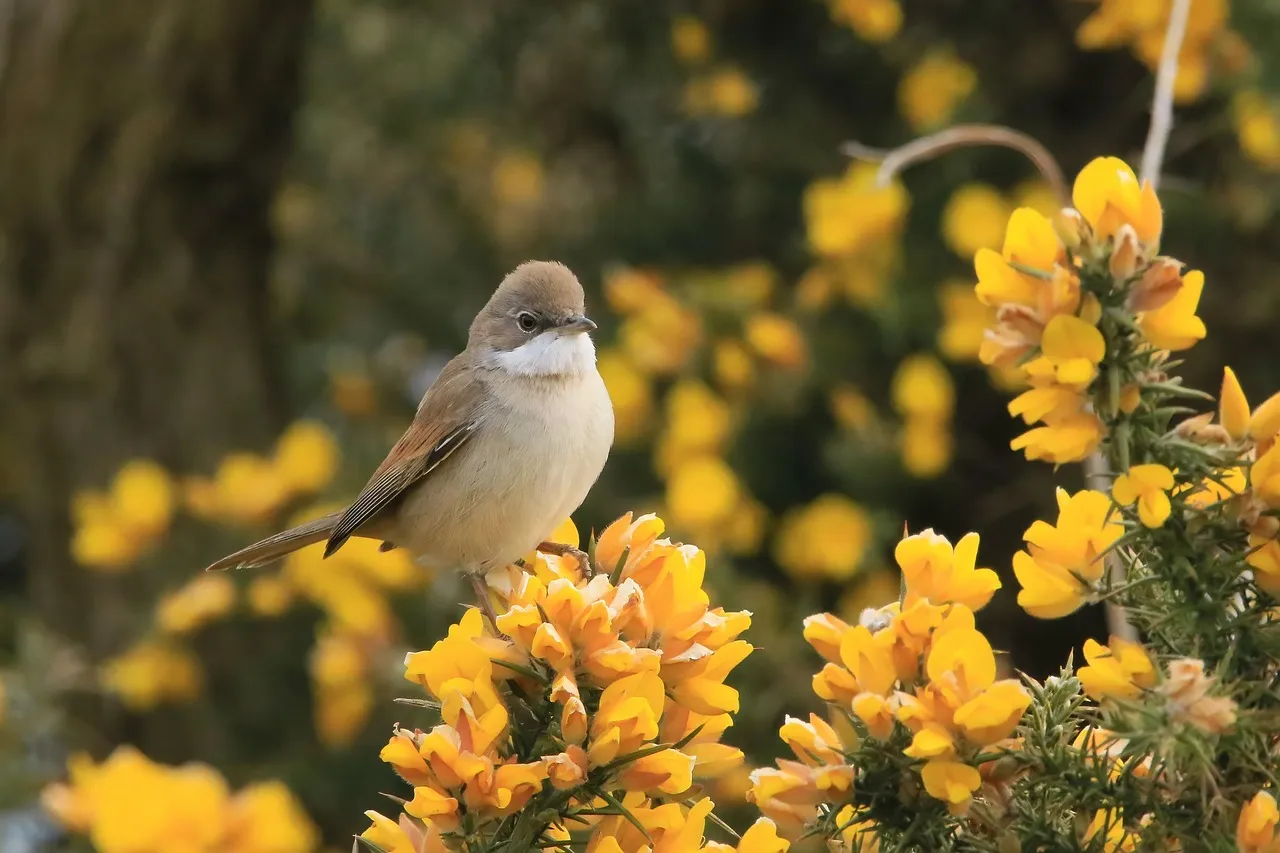
We’re told tidy lawns are a sign of pride. For birds, they’re usually a food desert. A carpet of short, sprayed, uniform grass offers almost no seeds, no insects, and nowhere to hide – and birds need weeds, leaf litter, seed heads, and shrubs, the very things many HOAs and city codes push people to remove.
Walk your block and count how many yards actually have:
- Thick shrubs or hedges
- Native flowers or seed-bearing plants
- Leafy, “messy” corners or brush piles
If the answer is “almost none,” you’ve also answered why your songbirds are waning. People love to blame hawks or cats for the decline, but in plenty of neighborhoods, we’ve simply sterilized the habitat with our obsession for neatness – and a street of perfect lawns is often a street where birds slowly give up trying.
#10 – Windows And Glass Railings Have Become Silent Killers
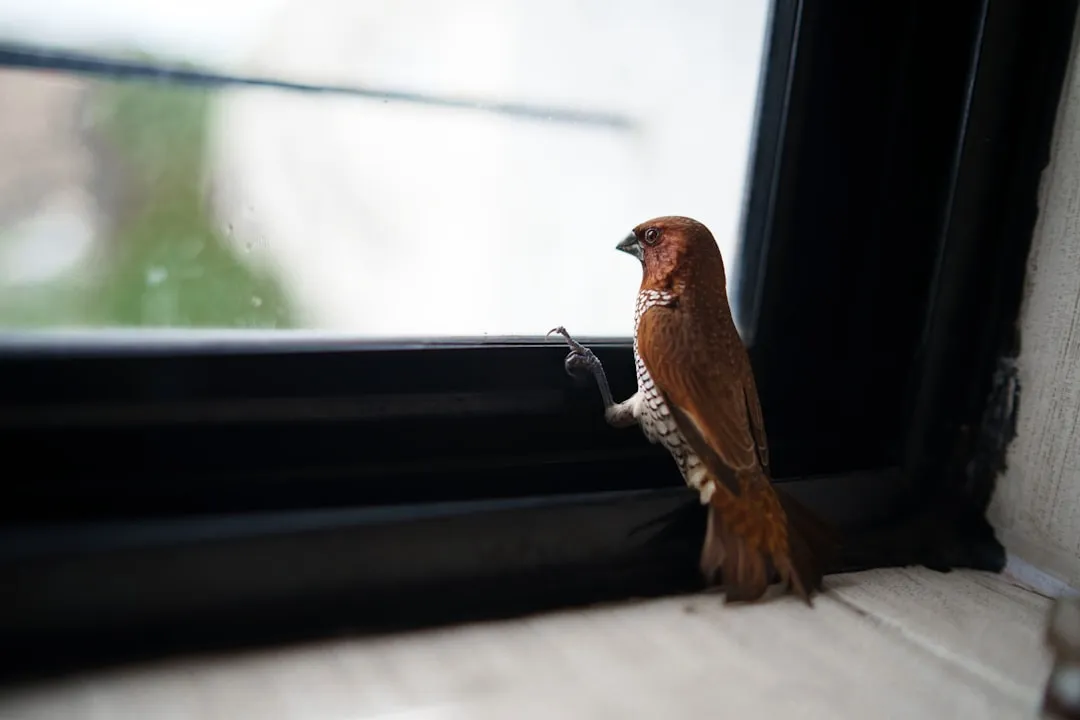
If your block has seen a boom in modern glass – big picture windows, clear balcony railings, mirrored office fronts – songbirds are quietly paying the toll. Birds don’t read reflections the way we do; they see “more trees” or “open sky” and fly straight into it at full speed.
Most people never witness the collisions. Bodies get swept up by maintenance crews, scavenged by cats, or simply fall into the landscaping. If you’re occasionally finding stunned or dead birds below windows, that represents only a fraction of the real damage – now multiply that by every building on your street. Decals, screens, and patterned glass can massively cut collisions, but almost nothing requires developers to use them, so the toll just keeps climbing.
#11 – Cats Roam Freely, And Nobody Thinks Twice About It
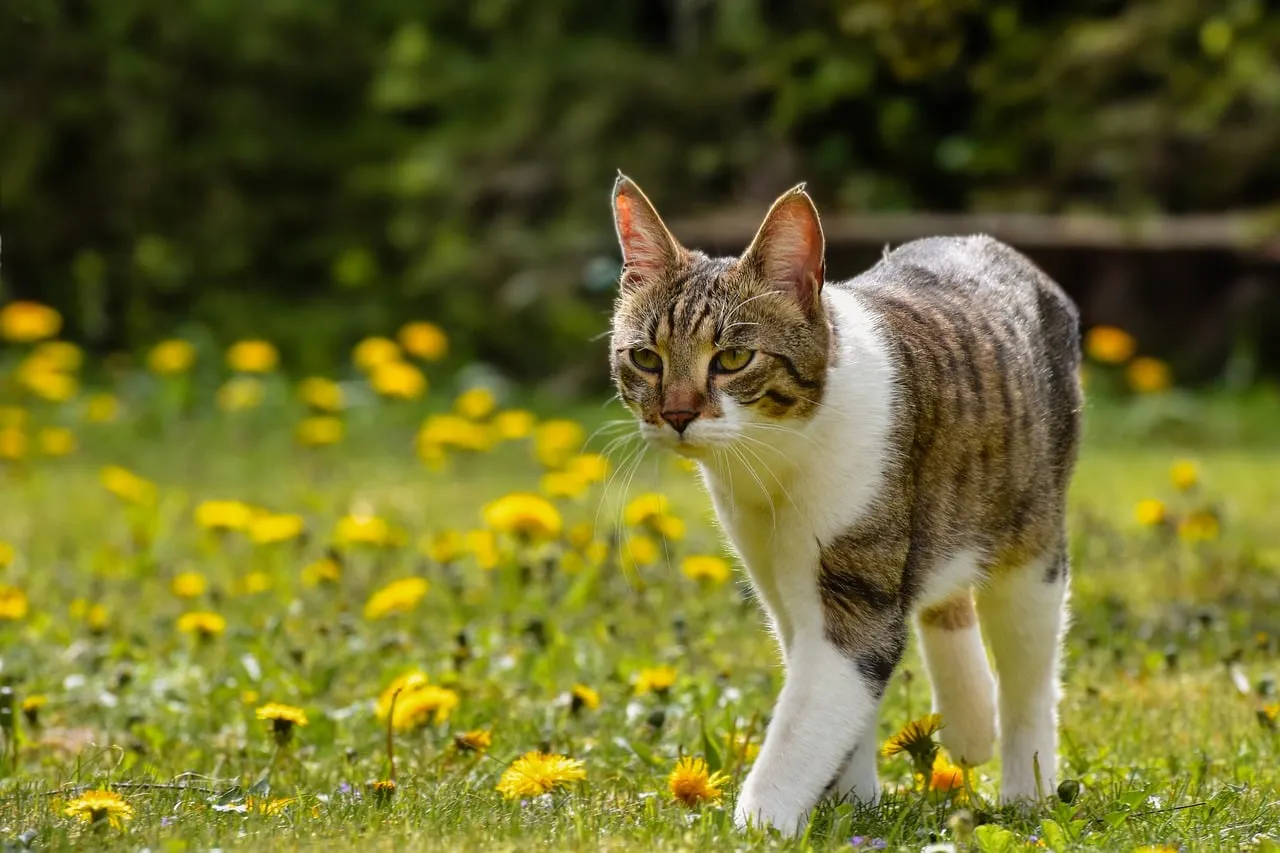
This one always starts arguments, but the numbers are brutal: pet and feral cats kill billions of birds every year across North America. Even well-fed house cats still hunt out of instinct, and for a small population of songbirds on one block, a few dedicated feline killers can be devastating.
Look around your neighborhood – how many cats do you see strolling sidewalks, sitting under feeders, or slinking through bushes at dawn and dusk? You might never see a kill, but repeated near-misses alone can make birds abandon an area entirely. Loving cats and protecting birds aren’t mutually exclusive; keeping cats indoors and managing feral colonies is one of the fastest ways to give songbirds a real fighting chance. If nobody on your street is willing to do that, the declines are almost guaranteed to continue.
Fast Facts
- Free-roaming cats are estimated to kill well over a billion birds in the U.S. every single year.
- Even well-fed house cats hunt on instinct, not hunger.
- Keeping cats indoors remains one of the single most effective ways to protect local songbirds.
#12 – Kids Grow Up Never Learning Bird Names
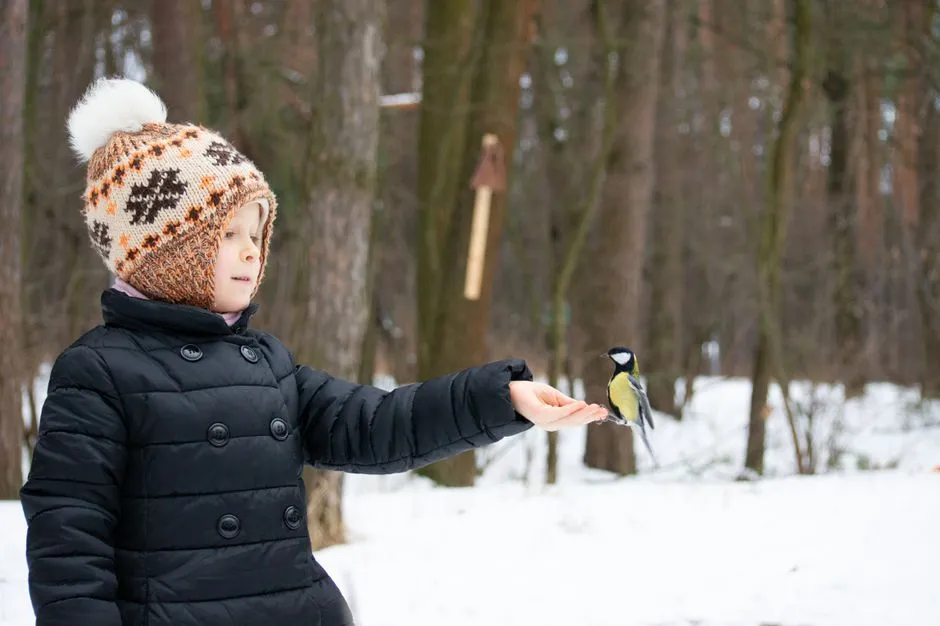
This sign is softer, but surprisingly powerful: cultural memory. Ask a neighbor under 30 how many local birds they can name from memory, then ask an older neighbor the same question. In a lot of places, the gap is startling.
When birds vanish, they don’t just disappear from the sky – they disappear from stories, songs, and casual backyard conversation. Once people stop noticing or naming birds, it becomes much easier for real declines to continue unchecked. Listen to playground chatter or family barbecues – is “look, a cardinal!” still a thing people say? If that language has faded, your street isn’t just losing wildlife; it’s losing the human attention that once protected it.
#13 – Long-Time Neighbors Swear “It Didn’t Used To Be Like This”
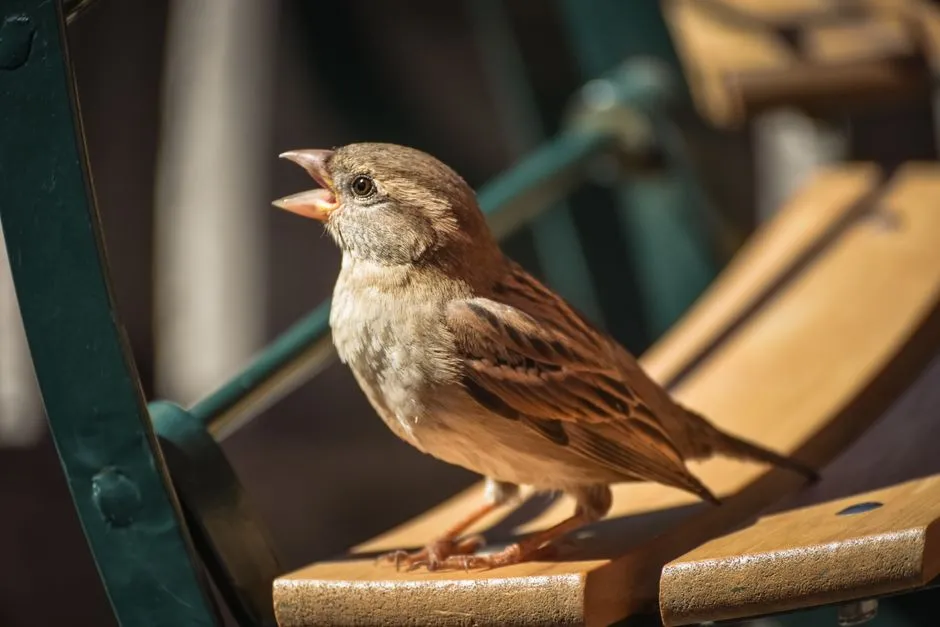
Forget apps and data for a second. Talk to the people who’ve lived on your street for 20, 30, 40 years, and ask what mornings sounded like when they first moved in. Over and over, you’ll hear the same line: “There used to be way more birds.”
That’s not just nostalgia – it’s a documented pattern scientists call “shifting baseline syndrome,” where each generation quietly accepts a more depleted environment as normal. Your grandparents remember skies full of swallows; you remember a handful; your kids might remember none at all. When multiple long-timers independently describe richer birdlife, silent hedges that used to be noisy, and species they haven’t seen in years, and their lived memory lines up with what the science is already warning us about, that’s not sentiment. That’s a diagnosis.
The Bottom Line
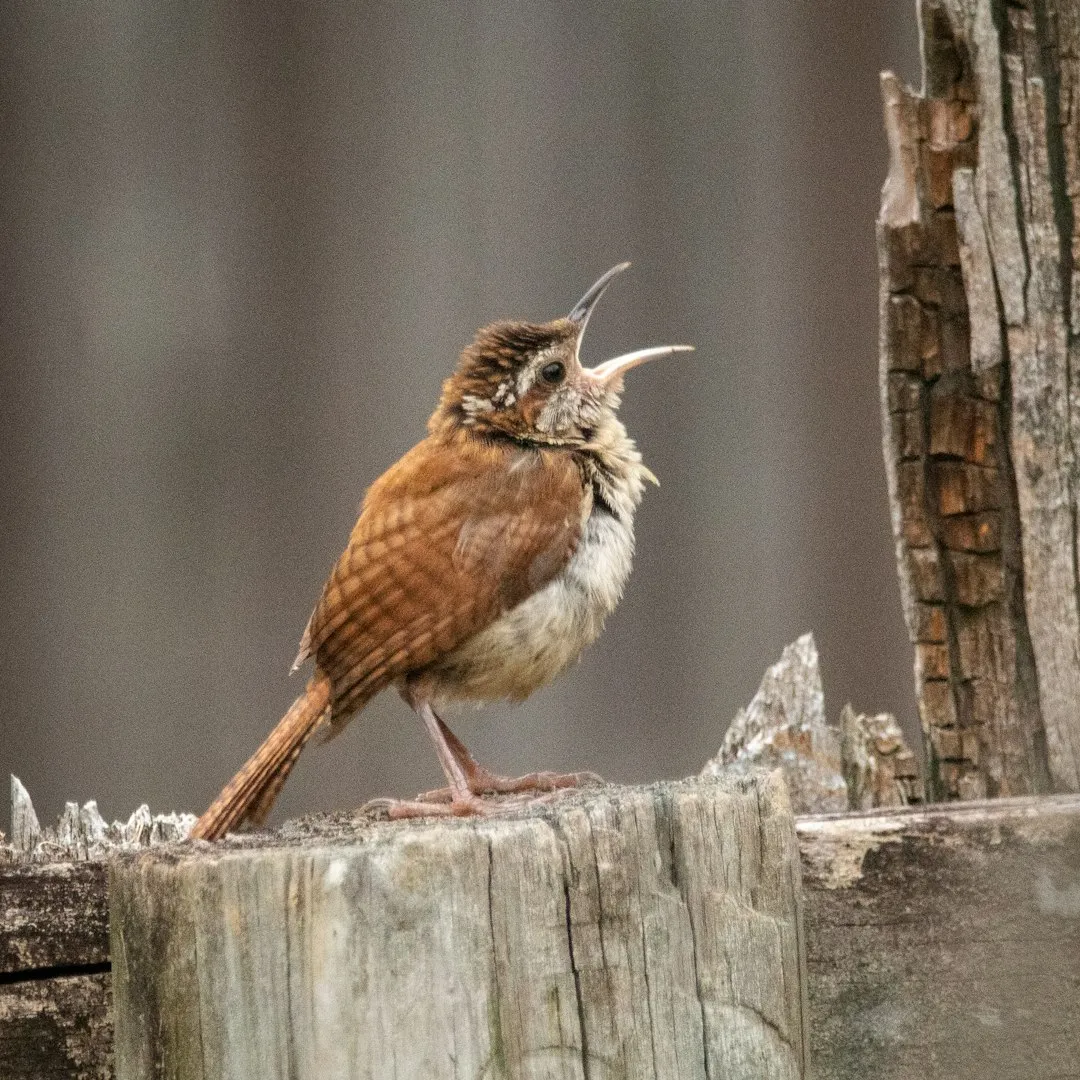
If even a few of these signs ring uncomfortably true on your street – a quieter dawn, feeders nobody’s touching, fewer species, no nests, harsh lighting, cats roaming free – you’re not “getting older” or imagining things. Your local environment is quietly bleeding songbirds, and it’s happening fast enough that a single generation can feel the difference with their own ears.
Here’s my honest take: none of this is inevitable, and that’s exactly what makes it maddening. Perfect lawns, blazing all-night light, walls of unmarked glass, cats left to roam – these are everyday choices that look completely normal to us and quietly lethal to them. Native shrubs, dimmed lights, treated windows, cats kept indoors – these aren’t symbolic gestures, they’re survival basics we’ve simply stopped bothering with. So be honest with yourself next spring morning: are the birds on your street really “fine,” or have they been vanishing in plain sight the whole time?
