
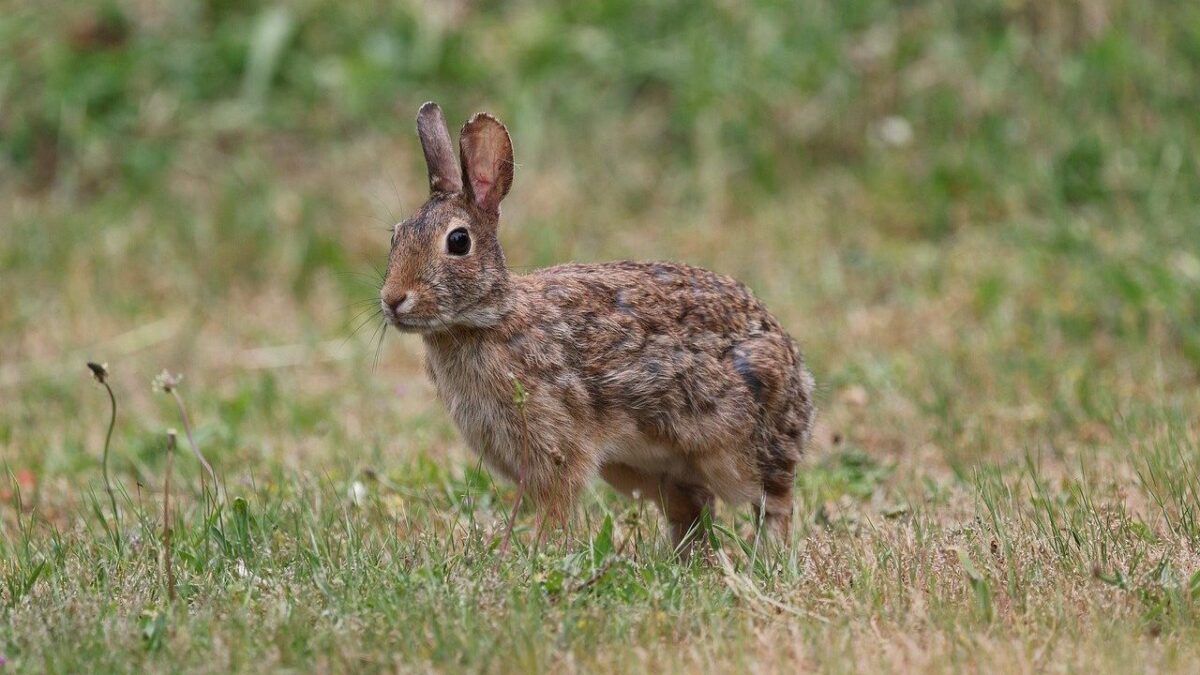
Most of us spend time, money, and real effort making our backyards look beautiful. We trim the hedges, mow the lawn in neat stripes, pull every “undesirable” weed. Honestly, it looks great. For us. For the birds, the bees, the butterflies, and the dozens of other creatures that used to call that patch of land home? Not so much.
Here’s the thing: over two million habitat acres are lost annually to development and agriculture. Every suburban lawn, every paved-over lot, chips away at what local wildlife needs to survive. The good news is that your backyard – however small – can be part of the solution. You don’t need acres of land or a biology degree to make a real difference. Doing so doesn’t even require a big yard. Small spaces, such as patios and balconies, can easily be transformed into havens for wildlife. So let’s dive in.
1. Go Native With Your Plants
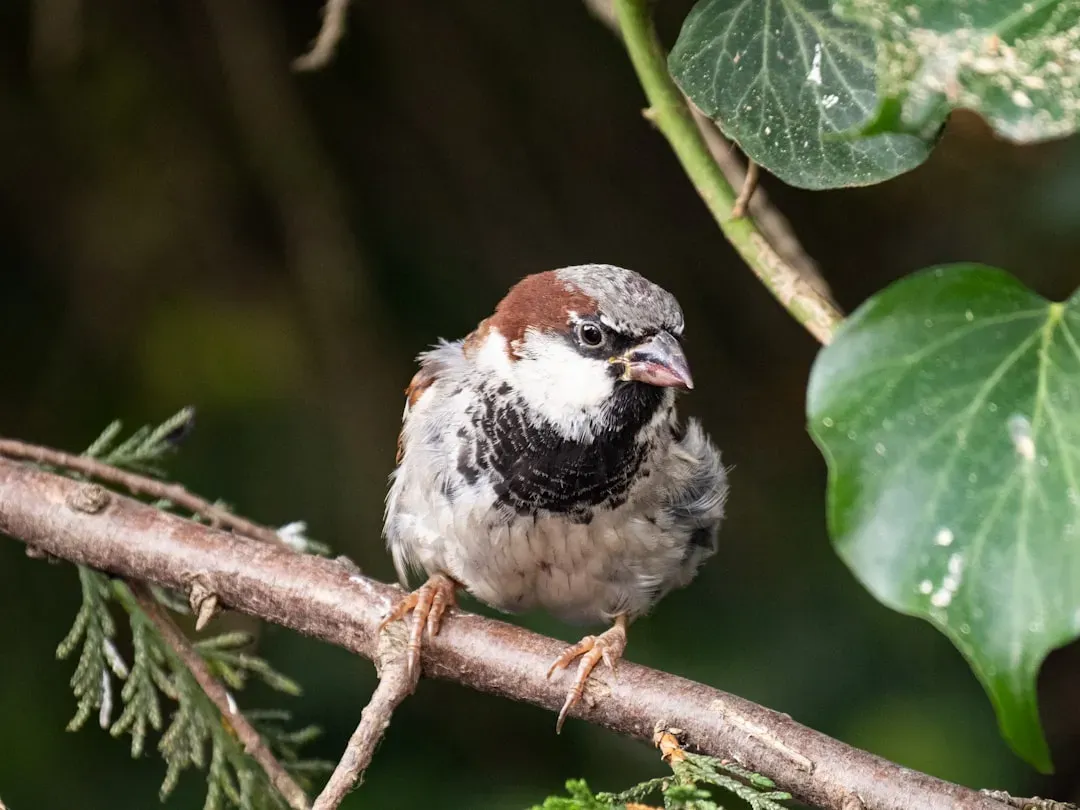
If there is one change that delivers the biggest bang for your effort, it is swapping out ornamental non-native plants for species that are actually from your region. Native plants are useful for supporting local wildlife, as they have evolved alongside native animals and provide the most suitable food and shelter. Think of it like serving your guests food they actually recognize versus something completely foreign to them.
Planting and managing trees, shrubs, and herbaceous plants that are beneficial to wildlife is usually the most important thing you can do to improve habitat around your home landscape. Better yet, native plants are generally easier to maintain, since they’re already adapted to your climate. That means less watering, less fussing, and less money spent. Win-win for you and the local ecosystem.
Native habitat gardens can support two times the amount of wildlife when compared to properties with primarily turf lawn. If you want somewhere to start, aim for a strong majority of native species across your plantings. A keystone plant is one that has a substantial impact on its local biodiversity by providing food and shelter to a large number of species. Depending on your location, this might include oaks, asters, sunflowers, alders, saguaros and others.
2. Add a Water Source – Any Water Source
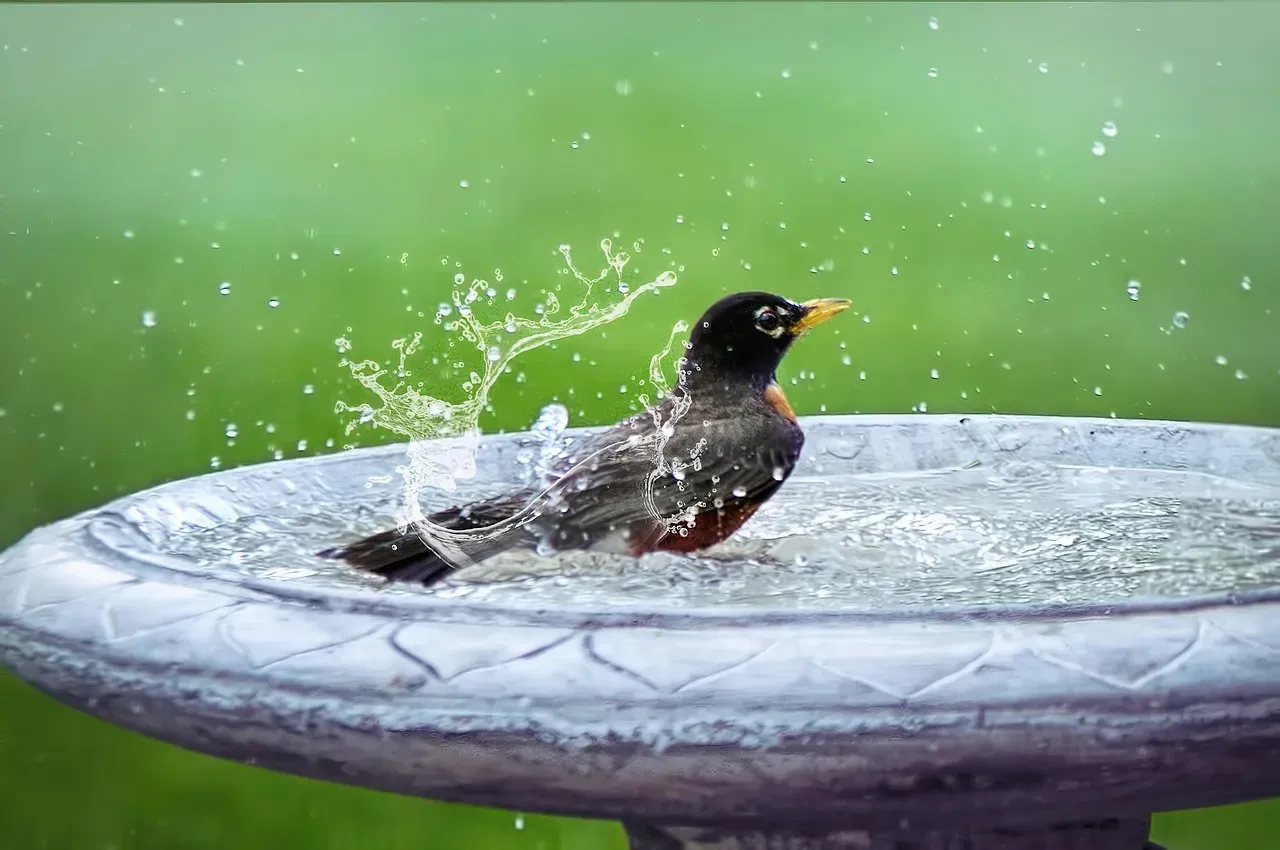
Water is life. It sounds almost too simple, but providing clean, accessible water is one of the fastest ways to attract a surprising variety of creatures to your backyard. Like humans, wildlife needs clean water for drinking and bathing. If you don’t have a natural source of water on your property, you can add a birdbath, puddle, or small pond.
Birds need to bathe to keep their feathers in good working order, while other species including some amphibians, insects, and other wildlife lay their eggs and live in water full time. For those who want to go a step further, pumps, waterfalls, and fountains create a wonderful environment for wildlife. Birds are attracted to moving water. Keep the water circulating to prevent mosquito larvae from hatching.
Provide birdbaths and shallow containers of water on the ground in shade. Birds benefit, as well as toads, frogs, turtles, spiders, and beneficial insects. Stones placed in the bottom of containers provide sure footing and allow insects to drink without drowning. Honestly, even a repurposed dish can do the trick.
3. Ditch the Pesticides and Let Nature Balance Itself
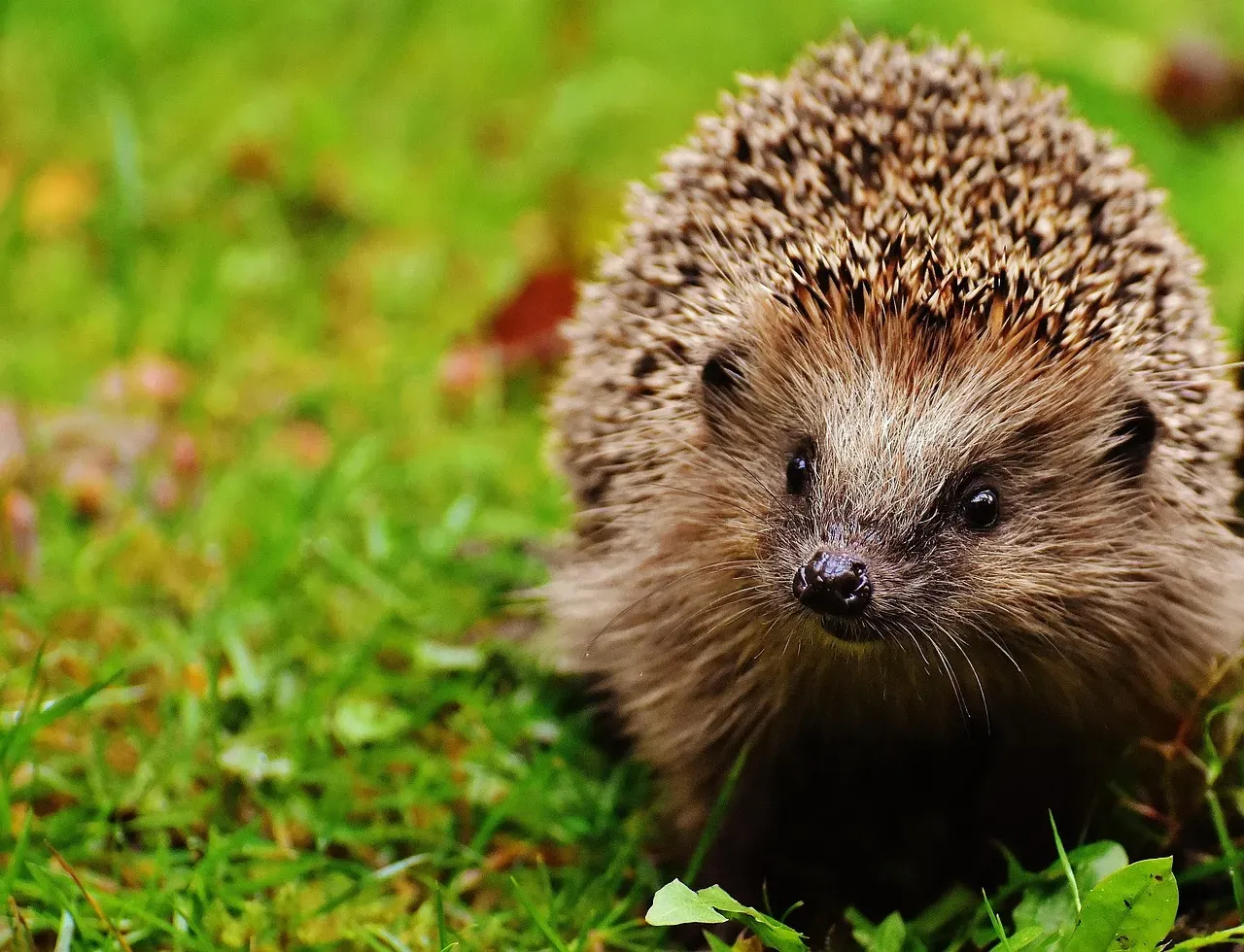
Let’s be real – reaching for a can of pesticide spray feels like the obvious fix when you spot bugs on your plants. It’s fast, it’s easy. However, it is also one of the most damaging things you can do for your local wildlife community. Chemical pesticides can poison wildlife and contaminate soil and pollen, harming pollinators. Use organic methods and physical barriers to manage pests safely.
One of the most vital practices for creating a healthy habitat is avoiding pesticides and herbicides, including neonicotinoids. There’s a beautiful logic at work in a chemical-free garden. Birds and bats eat insects and other pests that can damage your garden or home. Attracting these species and others helps reduce the need for chemical pesticides and other controls that can harm the environment and our health.
Organic gardening is a great way to grow your food without the nasty human-made chemicals. It is also much more wildlife friendly as it does not disrupt the natural balance of the ecosystem. Once you stop interfering with the natural food chain, you will be genuinely surprised at how quickly balance is restored.
4. Create Shelter With What You Already Have
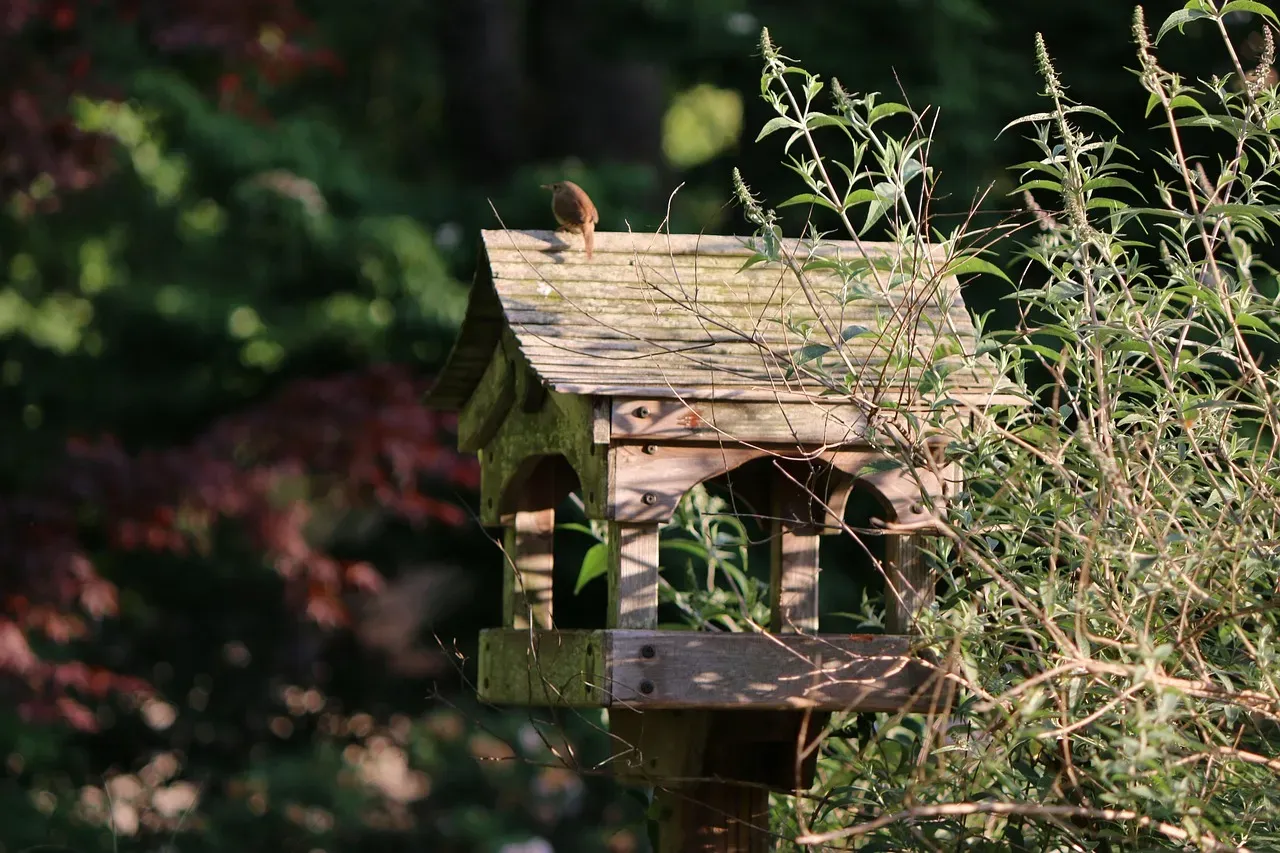
Here is something most people get wrong: they rake everything up, bag every leaf, clear every fallen branch, and end up with a yard that looks immaculate but functions like a desert for wildlife. Don’t get rid of your leaves. They form critical habitat for wildlife including butterflies, reptiles, insects, and worms, as well as mulch on garden beds to retain moisture and reduce watering needs.
Turn leaves, tree limbs, and other yard debris into a simple brush pile to provide extra shelter for wild animals. It costs nothing and takes about ten minutes. Some plants offer extra cover and protection, such as evergreen or thorny plants, but the key is really planting densely. The more plants your landscape has, the more cover it provides.
The vegetation, dead trees, and logs in your yard can provide shelter for many species of wildlife, as well as nesting sites for birds. However, some wildlife have specific shelter or nesting requirements to raise their young. Consider adding a bird nest box, bat house, pollinator nesting box, or brush or rock pile to your backyard habitat. Think of a brush pile less as a mess and more as a five-star hotel for the creatures who need it most.
5. Reduce Your Lawn and Let It Breathe
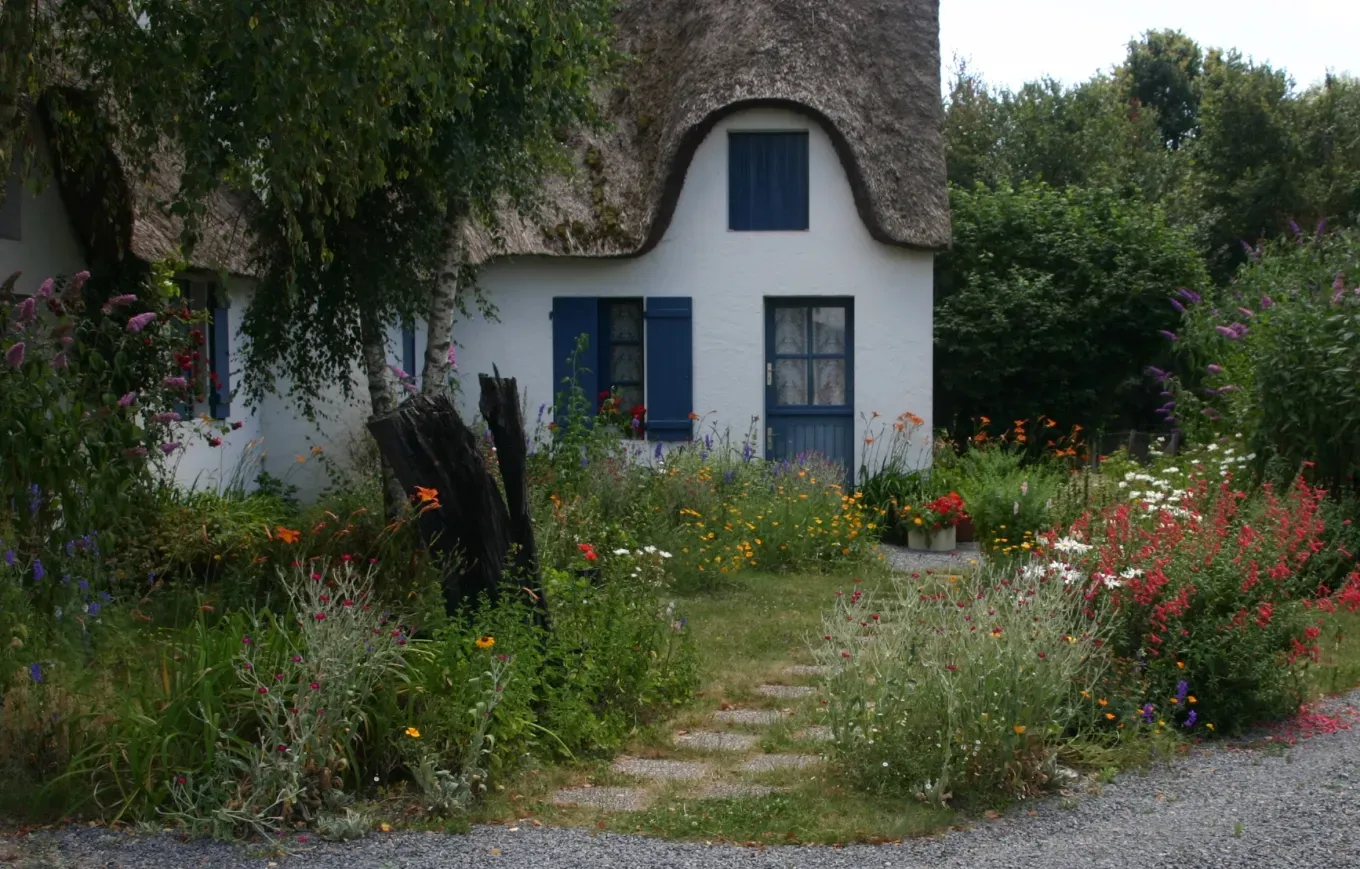
The classic suburban lawn is, I think, one of the most well-meaning ecological mistakes we make as homeowners. It looks orderly and tidy, but it provides almost nothing to the creatures around us. Limit the amount of lawn. Lawn offers very little food or cover to most animals while requiring a lot of maintenance. You may replace lawn grass with ground cover plants or perhaps make a butterfly garden.
If you can, stop mowing part of your lawn. It’s less work for you and a better habitat for wildlife. I know it sounds crazy, but doing less is genuinely more in this case. Consider mowing less, ditching chemical treatments, and planting native plants.
Mimic natural ecosystems by incorporating various plant layers in your garden. Include ground covers, herbaceous plants, shrubs, and trees to create a multi-layered habitat that supports diverse wildlife species. This structure provides different feeding and nesting opportunities for various animals. A layered garden is essentially a miniature forest. Compact, productive, and alive.
6. Install Nesting Boxes and Support Wildlife Reproduction
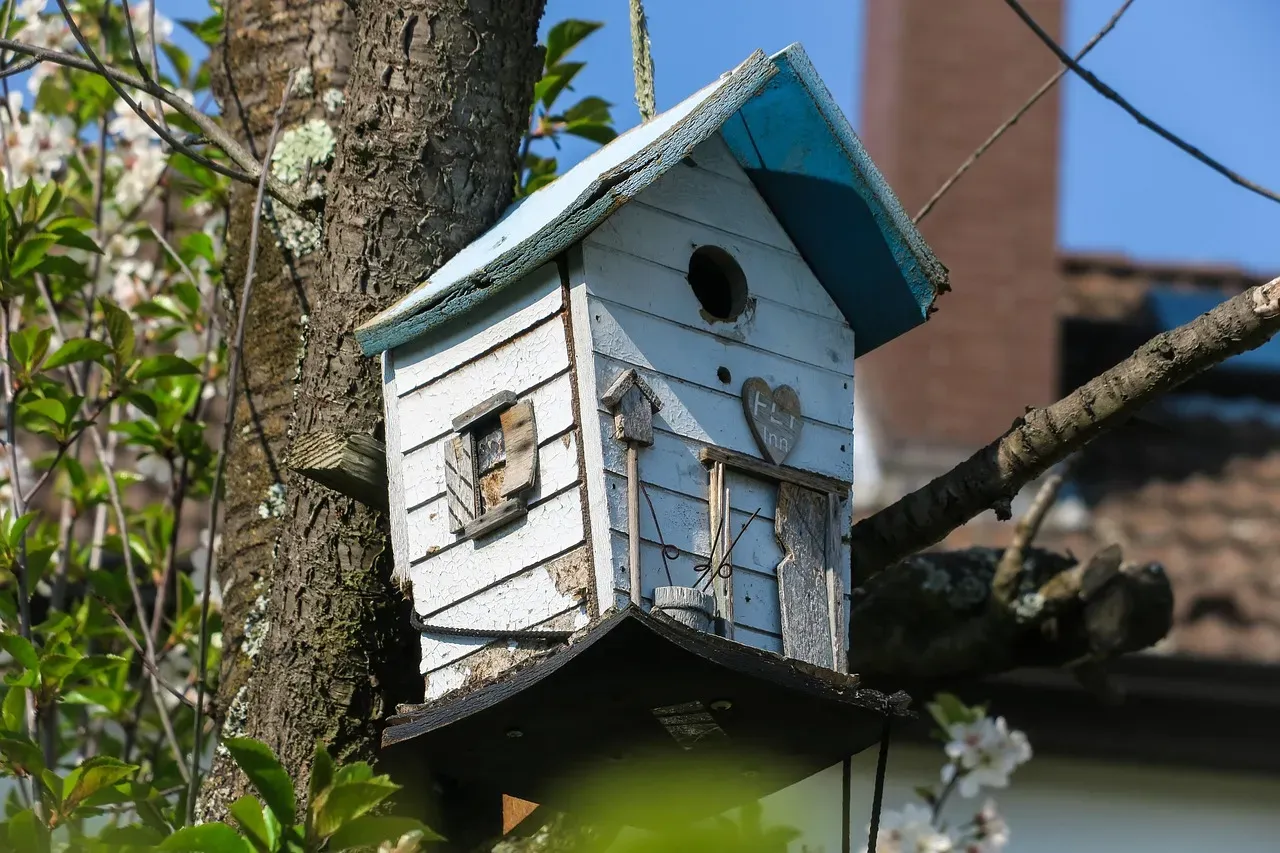
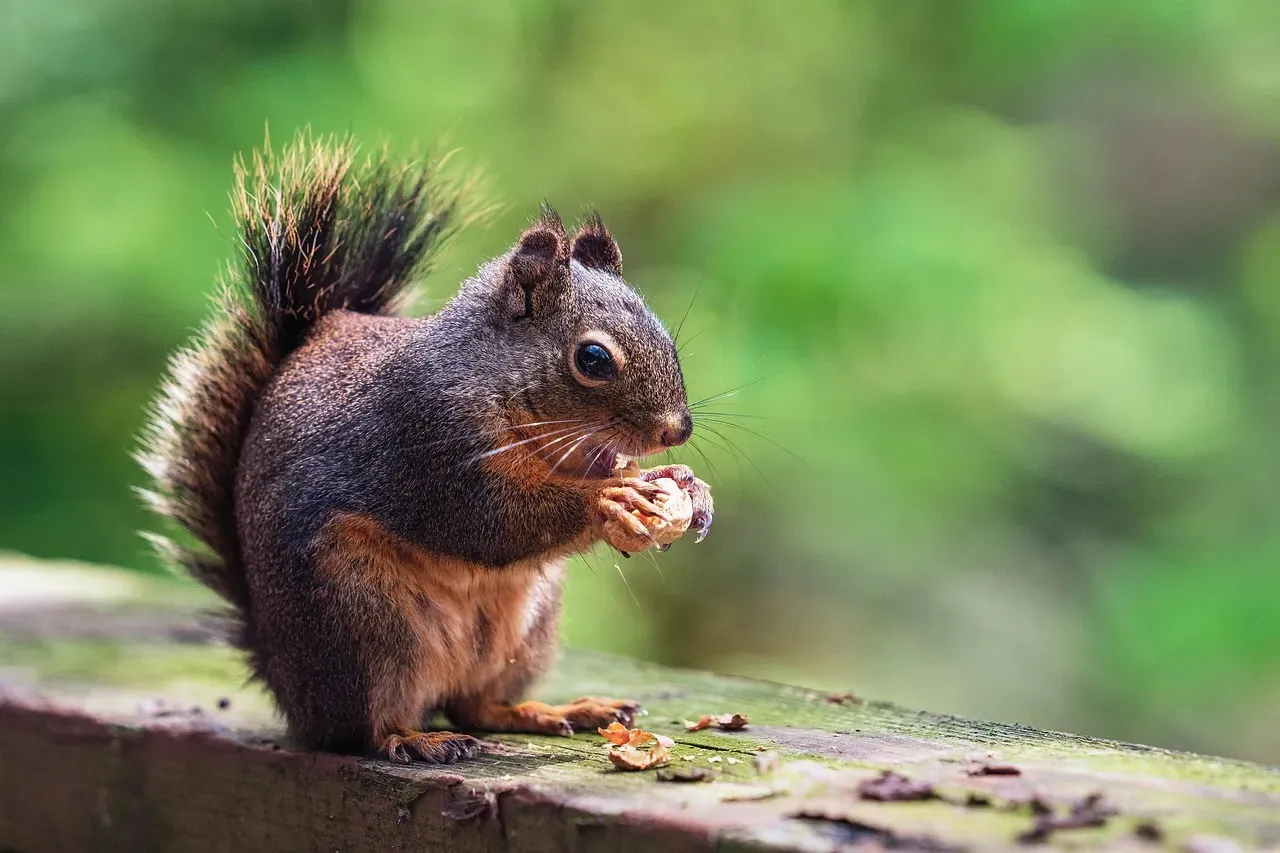
Providing food and water keeps animals visiting. Giving them a safe place to raise their young keeps them coming back year after year. That is the difference between a wildlife-friendly yard and a genuine habitat. Nest boxes can be used to improve wildlife habitat around your home, particularly if your yard lacks mature trees with dens or cavities. Most people associate nest boxes with bluebirds, but they can benefit other wildlife species as well, including mammals such as squirrels, bats, and screech owls.
While food, water, and shelter are essential for supporting individual animals, creating areas where wildlife can reproduce and raise their young is vital for sustaining species. A well-rounded habitat should include at least two spaces dedicated to courtship, mating, and nurturing offspring. These spaces can take many forms, such as nesting boxes, mature trees, dense shrubs, or even meadows and prairies.
Birds need nesting places and insects to feed their babies. Frogs and salamanders need ponds to lay their eggs. Butterflies and moths require specific native host plants for their caterpillars. It is worth it to think of your backyard not just as a garden but as a nursery for the next generation of local species.
Making It Official: Your Backyard as a Certified Wildlife Habitat
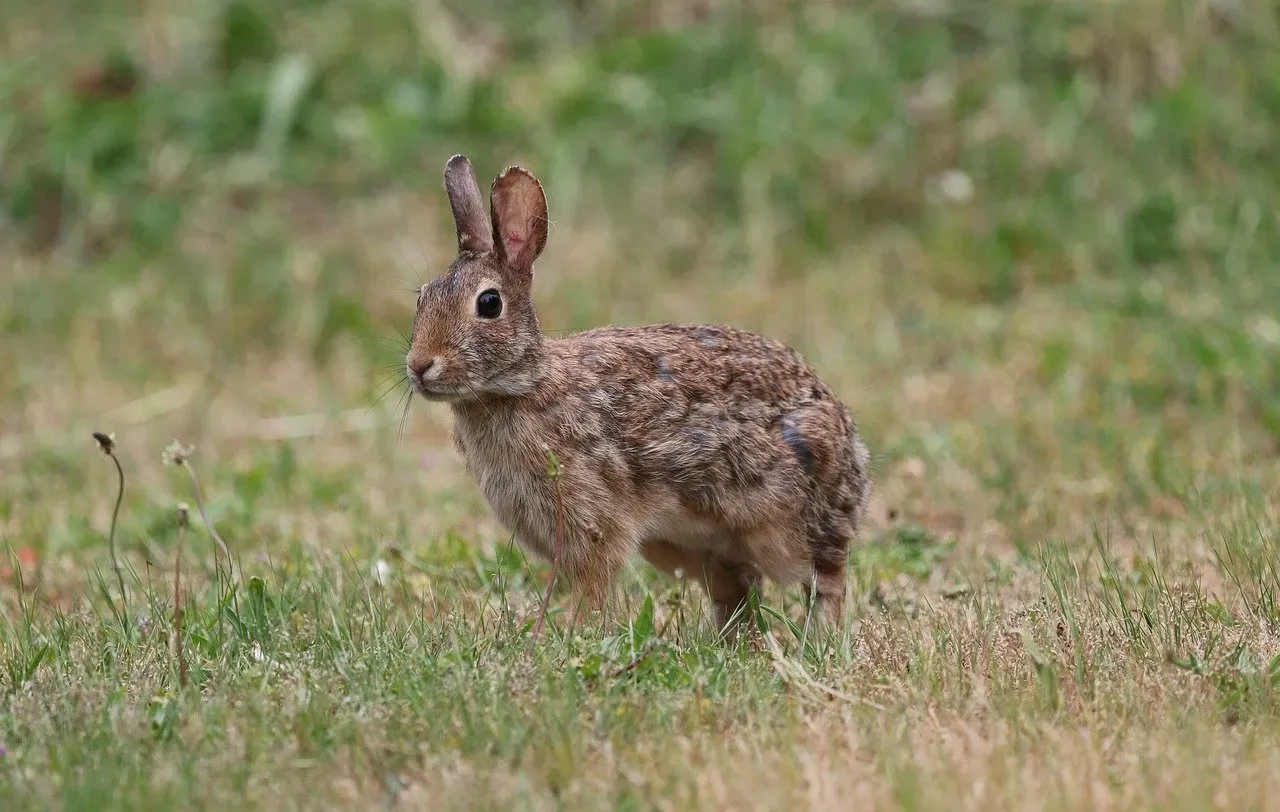
Once you have started implementing these changes, you might be surprised to realize you are closer to something meaningful than you thought. Creating these home habitats is a rising trend, as a growing movement of home gardeners embrace sustainable practices that help birds, amphibians, invertebrates, and many other animals.
The National Wildlife Federation offers a Certified Wildlife Habitat program that recognizes gardens meeting specific criteria for supporting wildlife. This certification not only validates your efforts but also helps raise awareness about the importance of backyard habitats. It is a small but powerful way to inspire your neighbors and community.
Even small habitat improvements can make a big difference for wildlife. When combined with the efforts of your neighbors and others in your community, you can provide all the resources wildlife need to survive. Imagine a whole neighborhood of connected wildlife corridors. That is not a dream – it is entirely possible, one backyard at a time.
Conclusion
Your backyard holds more power than you probably realize. Every native plant you put in the ground, every birdbath you fill, every pile of leaves you leave untouched is a quiet act of restoration in a world where wild spaces are shrinking fast. None of these steps require a massive budget or a total landscaping overhaul. They just require a small shift in perspective – from seeing your yard as purely a space for you, to seeing it as a space for you and the creatures who need it just as much.
The transformation, honestly, is as rewarding as it is simple. Waking up to birdsong, watching a butterfly land on a milkweed plant you grew yourself, spotting a frog in your little backyard pond – these moments are not trivial. They remind us that we are part of something much bigger than ourselves. So here’s the real question: which of these six steps will you start with today?

- 13 Dog Breeds Experienced Groomers Quietly Stopped Recommending to First-Time Owners After Seeing Too Many Heartbroken Families - June 18, 2026
- 15 Silent Signs Your Old Dog Is Getting Ready to Cross the Rainbow Bridge – Most Owners Never Catch Them - June 18, 2026
- 12 National Parks Where Bison Still Rule the Plains - June 18, 2026