

Fossils provide us with valuable insight into the history of life on Earth. They help scientists piece together how life evolved over millions of years. However, some fossils challenge our current understanding of evolution, showing us that the story of life on Earth is more complex than we might have thought. Let’s explore six strange fossils that have made scientists rethink what they know about evolution.
1. The Archaeopteryx
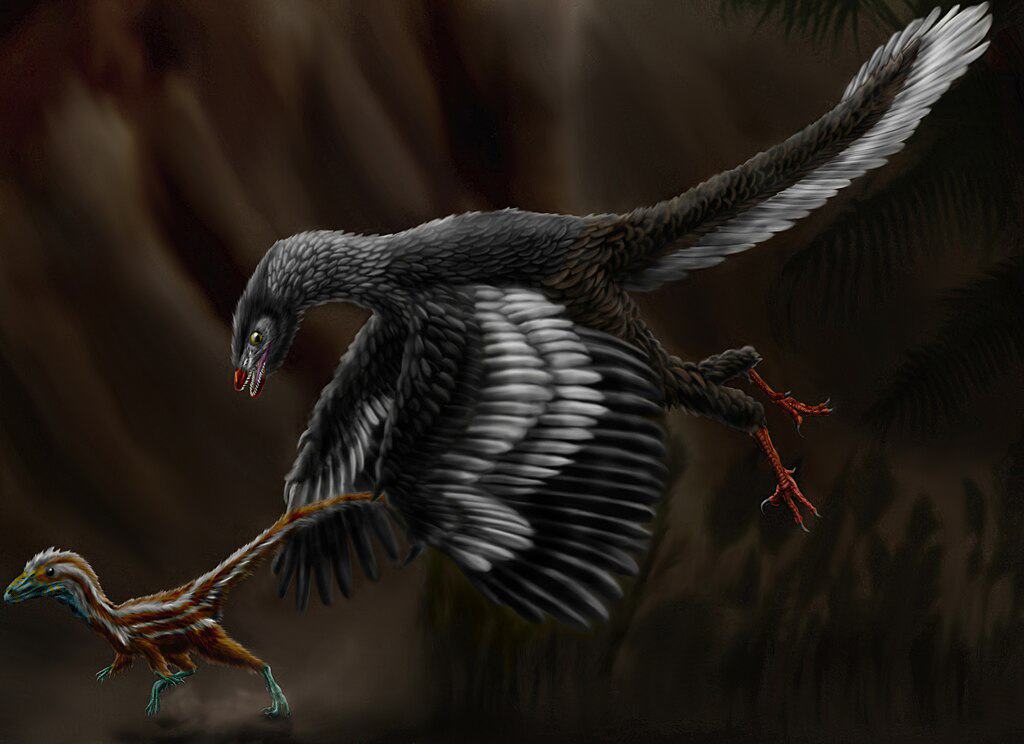
The Archaeopteryx is often considered the “first bird,” but its fossils raise questions about the link between birds and dinosaurs. It had feathers, but its skeletal structure was more similar to that of a small dinosaur. This fossil challenges our understanding of how flight evolved, suggesting that the transition from dinosaurs to birds might have been more complicated than we thought.
2. The Tiktaalik

The discovery of Tiktaalik in 2004 gave scientists a new look at the transition from sea life to land life. This ancient fish had both gills and lungs, along with sturdy, limb-like fins that could support its body on land. While it supports the idea that vertebrates evolved from fish, it also challenges the idea that the transition to land was a smooth and gradual process, highlighting how complex this shift really was.
3. The Hallucigenia
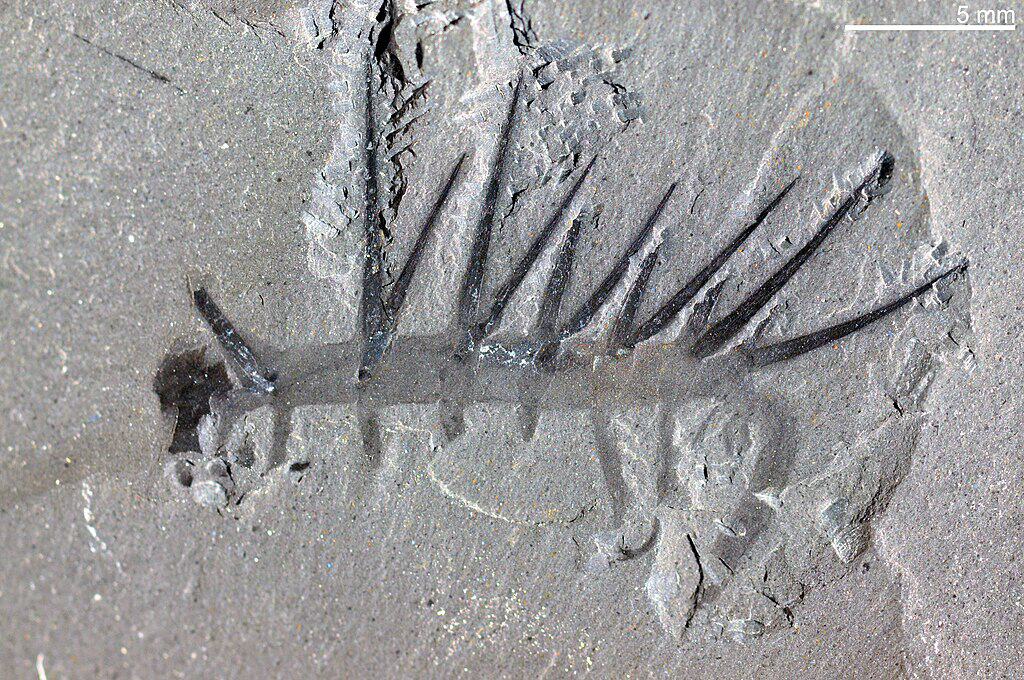
The Hallucigenia is one of the strangest fossils ever discovered. It looks like a creature straight out of a sci-fi movie, with spiny legs and a bizarre body structure. For many years, scientists couldn’t even figure out which way it was supposed to be oriented. Its unusual features challenge our understanding of early life and its evolutionary path, as Hallucigenia doesn’t seem to fit neatly into any group of modern animals.
4. The Opabinia

Opabinia, with its five eyes and backward-facing mouth, has puzzled scientists since it was first discovered. This creature lived around 500 million years ago during the Cambrian period, and its bizarre features challenge the typical view of early animals. Its odd anatomy suggests that early life forms may have evolved in ways that are hard to categorize, showing us that evolution is much more diverse than we can imagine.
5. The Stygobromus hayi

This small, blind crustacean, found in underground lakes in Florida, raises questions about the role of evolution in extreme environments. The Stygobromus hayi has lost its eyesight over time, an adaptation to its dark, subterranean habitat. However, its ability to evolve such a specific trait challenges the conventional idea of natural selection, showing that evolution can lead to unique, specialized features in isolated environments.
6. The Mammoth
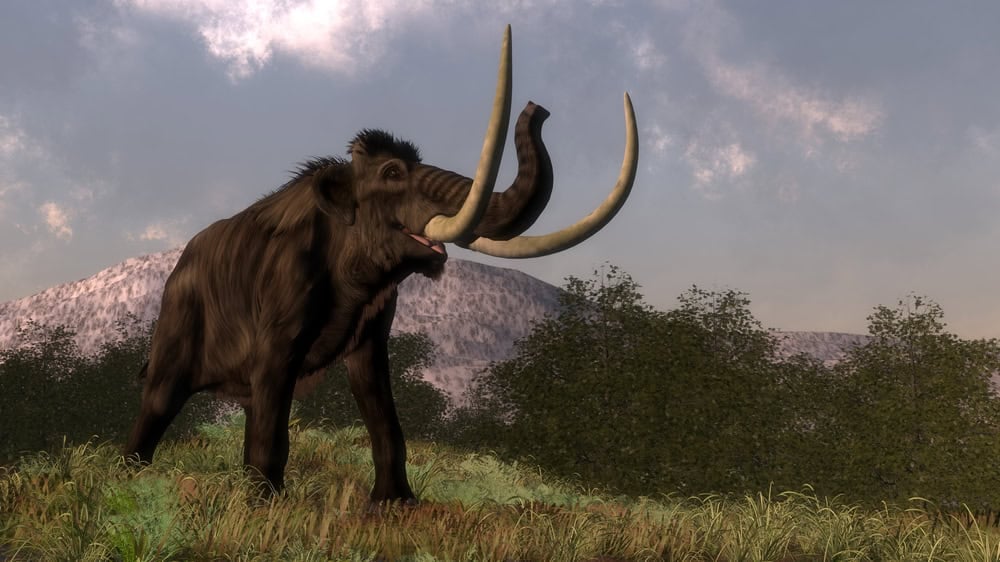
While mammoths are often thought of as ancient relatives of modern elephants, their existence and eventual extinction challenge our understanding of climate change and survival. Fossils of mammoths found on isolated islands show that they survived much longer than expected. These fossils force us to reconsider how species adapt to changing environments and why some species survived while others didn’t.
Conclusion

Fossils don’t always fit neatly into the story of evolution we think we know. The strange fossils we’ve looked at show that evolution is full of surprises. Some creatures have evolved in unexpected ways, and their fossils challenge our understanding of how life on Earth has developed. As new fossils are discovered, they’ll continue to push the boundaries of our knowledge, reminding us that evolution is far more complex than we can imagine.

- How Florida’s Kids Saved the Panther From Extinction - August 16, 2026
- How to Stop Racoons Stealing and Eating Your Halloween Pumpkins - August 13, 2026
- The World’s 7 Most Mysterious Animal Migrations Explained by Science - August 12, 2026