
Worried about unexpected vet bills?
Pet insurance can cover thousands in unexpected vet costs. Get a free quote from Lemonade in under 2 minutes.
Get My Free Quote →Sponsored · Opens Lemonade.com
Ever get the feeling your cat is watching you a little too closely? Not in that creepy, I’m about to pounce on your ankle way, but more like they’re genuinely observing, studying, maybe even impressed?
Well, here’s the thing. Your feline friend might actually be recognizing your intelligence and responding to it in ways most of us miss. Cats are notorious for playing it cool, acting like they couldn’t care less about what we do. Yet research shows they’re paying far more attention than we realize. So let’s get started and explore the subtle, surprising ways your cat might be silently applauding your smarts.
They Mimic Your Routines With Uncanny Precision
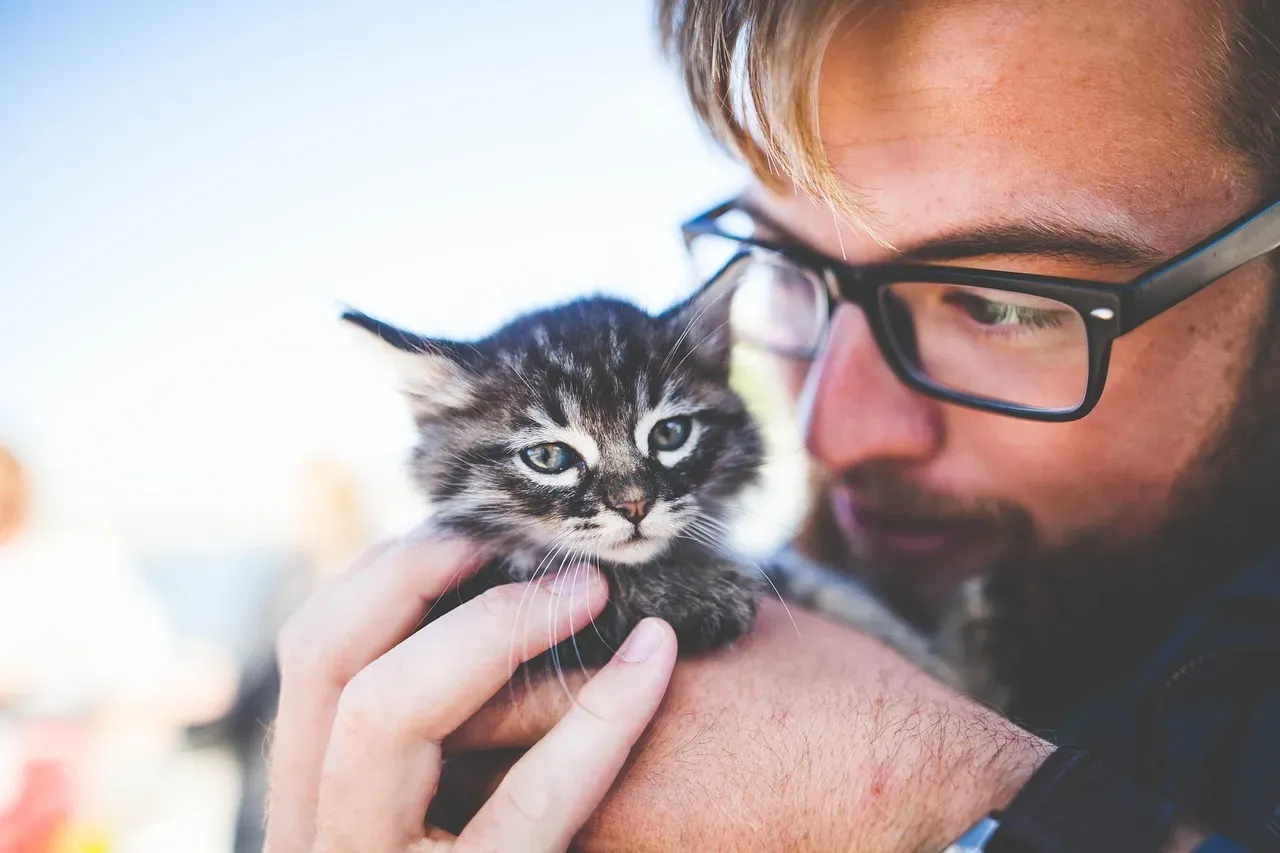
Cats can distinguish between people’s voices and their vocalizations elicit measurable changes in behavior. This means your cat isn’t just hearing noise when you talk. They’re processing information about you, your schedule, and your habits.
If your cat appears at the door right before you come home from work, or materializes in the kitchen the second you reach for the fridge, that’s not psychic ability. Studies suggest cats use temporal learning, recognizing patterns in time and associating them with predictable outcomes. Your cat has studied your routine so thoroughly that they’ve learned to anticipate your next move.
Think about it. They’ve watched you enough to understand that closing your laptop signals dinner time, or that grabbing your keys means you’re leaving. Cats learn by observation, imitation, trial and error just as humans do, with stories describing cats turning doorknobs to open doors, ringing doorbells, opening cupboards, turning off lights, and even using the toilet solely by observing the owner performing these activities.
This kind of associative learning requires genuine cognitive effort. Your cat is essentially reverse engineering your daily schedule, which suggests they view you as a predictable, intelligent creature worth studying.
They Bring You Their Toughest Problems
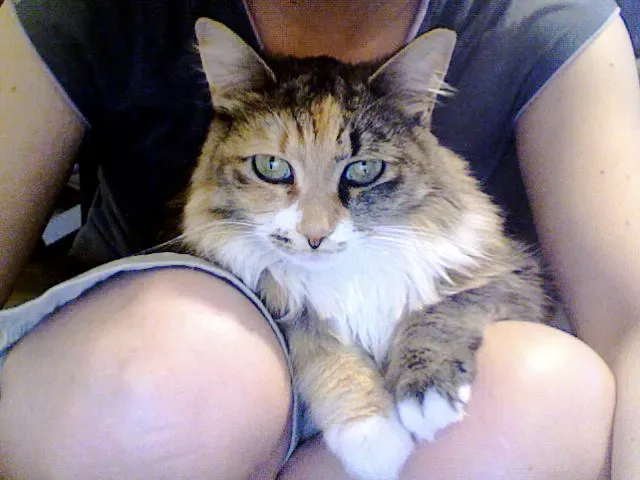
Does your cat ever stare at a closed door and then look back at you expectantly? Or bring you a toy that’s rolled under the couch, meowing until you retrieve it? Honestly, this behavior is more significant than it seems.
Social intelligence in cats includes recognizing human emotions and manipulating humans to get what they want. When your cat comes to you with a problem, they’re demonstrating that they view you as a capable problem solver. They’ve assessed the situation, determined it’s beyond their abilities, and identified you as the intelligent being who can help.
Intelligent felines often display social awareness, adjusting their behavior based on the responses of others. Your cat wouldn’t bother asking for your help if they didn’t think you were smart enough to understand and respond appropriately. It’s actually a compliment wrapped in a demanding meow.
Some cats even develop specific vocalizations just for communicating with their humans. They’ve figured out which sounds get your attention and which ones make you spring into action. That’s strategic thinking at work.
They Test You With Deliberate Experiments
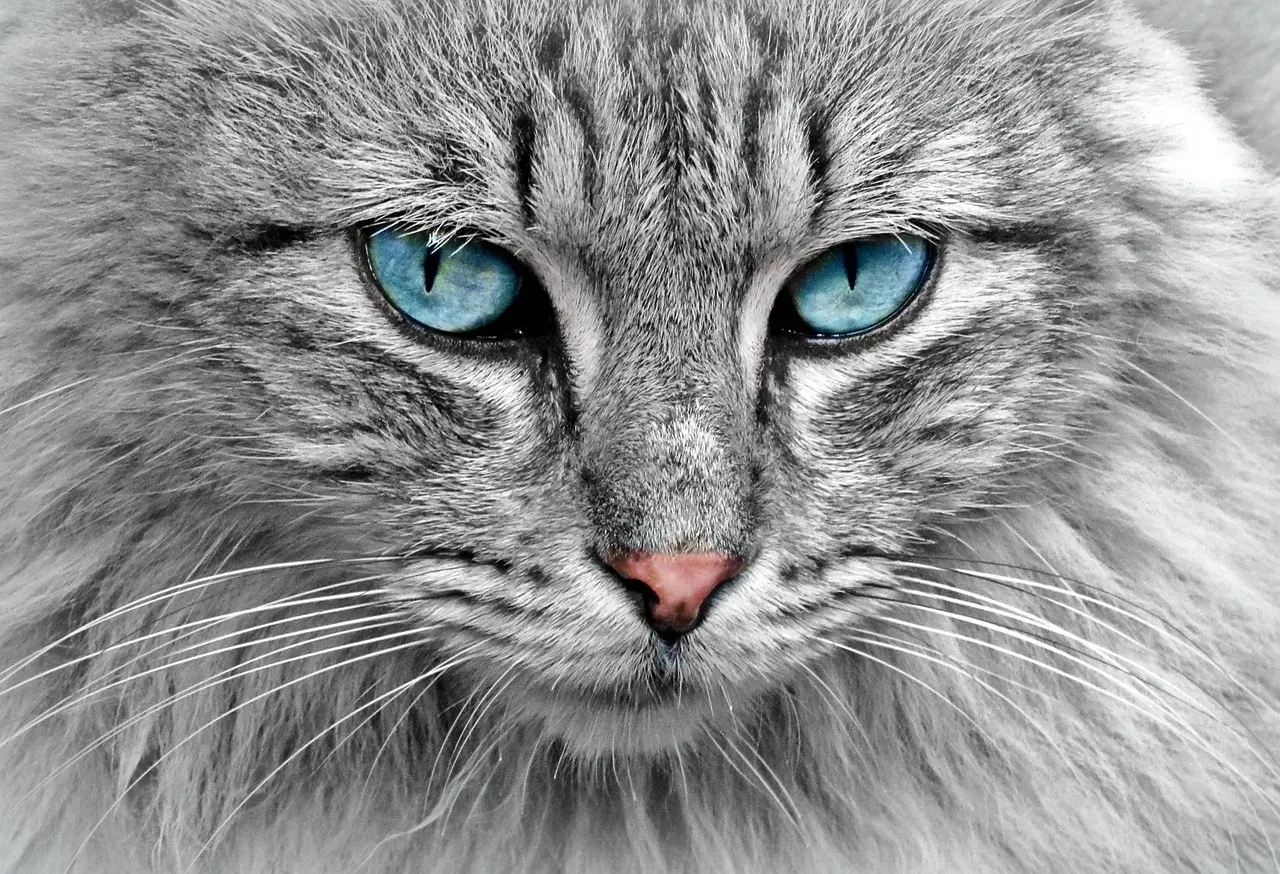
Let’s be real. That moment when your cat slowly pushes a glass toward the edge of the table while maintaining direct eye contact? They’re not being randomly destructive. They’re conducting an experiment.
Cats not only excel at learning new information, but they can also mesh that information with things they’ve learned previously, recall it when needed, and apply it to the current situation. When your cat knocks something off the counter, they’re testing cause and effect. But more importantly, they’re observing your reaction.
Will you get upset? Will you pick it up immediately? Will you ignore it? Your cat is gathering data about your behavior and decision making processes. The cat’s intellectual ability is highlighted by its ability to use the information retained to solve problems, with cats able to form learning sets, a skill once thought to be confined to primates.
This kind of experimental behavior shows they recognize you as an entity capable of varied, intelligent responses. They’re not just testing gravity. They’re testing you.
They Modify Their Communication Based On Your Responses

Have you noticed your cat has different meows for different requests? One for food, another for attention, maybe a special chirp when they want to play? That’s not accidental.
Intelligent cats often have a unique way of communicating with their humans, understanding verbal and non-verbal cues and can even respond to their names. Your cat has learned which sounds and behaviors get the best results from you specifically. They’ve adapted their communication style to match your intelligence and responsiveness.
Research shows cats don’t meow at each other in the wild. They developed this vocalization specifically for communicating with humans. That means every meow directed at you is a deliberate attempt at interspecies communication.
When your cat adjusts their approach based on whether you understood them the first time, they’re demonstrating social intelligence. Cats will look for human cues and gestures and can respond to human moods, recognizing specific human voices and becoming attached to people in their lives. They’ve assessed your ability to understand and are meeting you at your level.
They Watch You Solve Problems Then Apply Your Methods
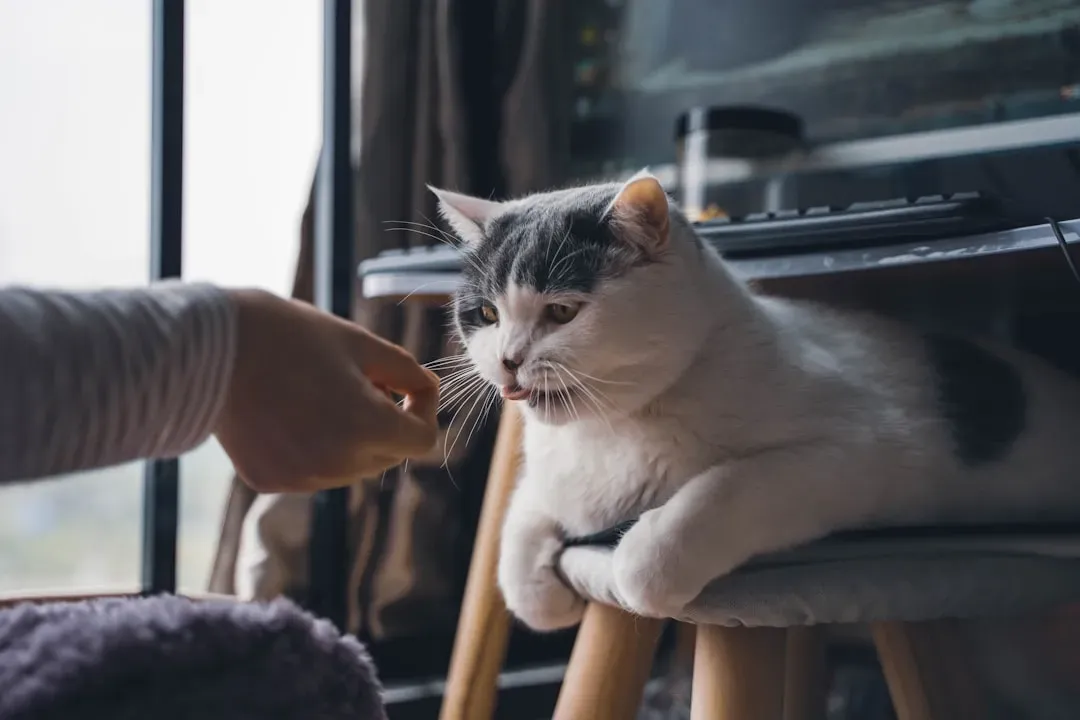
Cats can learn through observation and it’s not uncommon for a cat to learn how to ring a bell, turn on a light switch, or even open a door simply by watching their human companions. If your cat suddenly figures out how to open a cabinet you’ve been accessing for months, they learned it by watching you.
This observational learning is a hallmark of intelligence. Your cat recognized that you possess knowledge they lack, paid attention to your technique, and then replicated it. That takes cognitive processing power and an acknowledgment that you’re doing something worth copying.
I think it’s fascinating that cats will watch us struggle with something, then attempt to use the same approach we used. It shows they’re not just mindlessly imitating. They’re analyzing our problem solving strategies and determining whether those strategies are effective.
Cats returned to the correct box as long as 16 hours later, exhibiting a power of recall superior to that of monkeys and orangutans. That kind of memory means your cat can watch you do something once, file it away, and retrieve that information much later when they need it.
They Respond To Your Emotional Intelligence
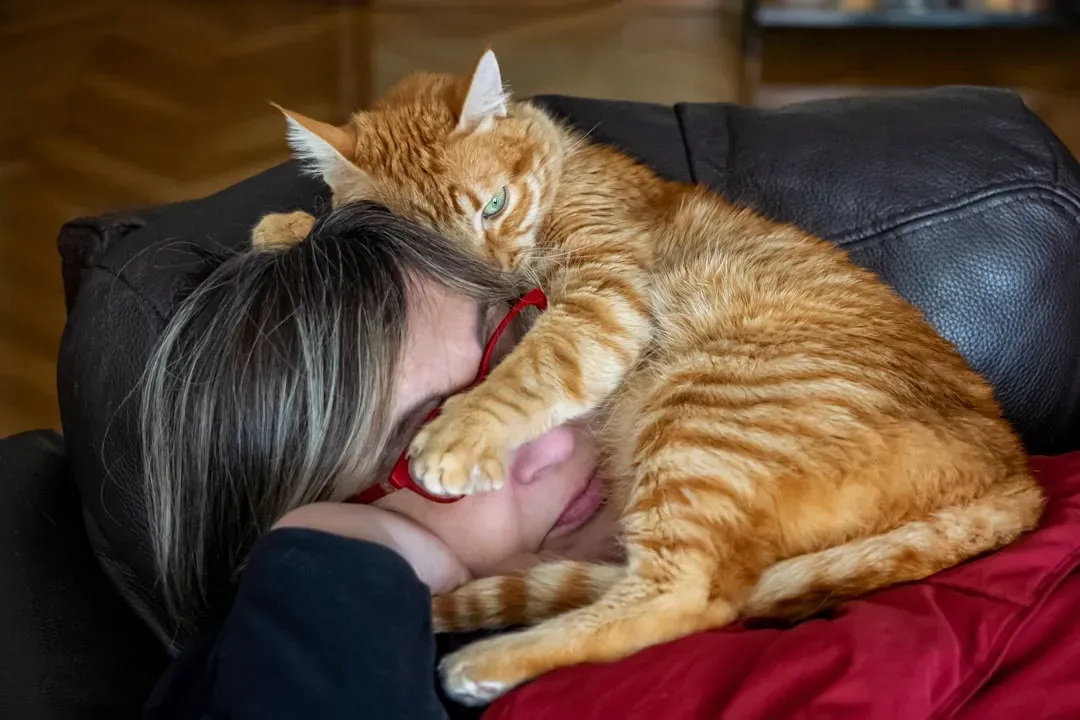
Ever had a rough day and your cat suddenly appears, curling up beside you or gently headbutting your hand? If your feline friend cuddles close during your low moments or brings you toys in an attempt to cheer you up, they are demonstrating emotional intelligence and deep affection.
Cats are quite adept at picking up on our emotions, and whether we’re feeling happy, sad, or stressed, our feline friends seem to know just how to react. This emotional awareness requires your cat to recognize that you’re an intelligent being capable of complex feelings. They’ve studied your behavior enough to detect subtle changes in your mood and body language.
This isn’t just empathy. It’s recognition that you’re emotionally sophisticated enough to have moods worth monitoring. Your cat has essentially profiled your psychological patterns and deemed you interesting enough to care about.
When they adjust their behavior based on your emotional state, they’re showing they view you as a complex, intelligent creature. It’s hard to say for sure, but this kind of social cognition might be one of the highest compliments a cat can give.
Conclusion
The relationship between cats and their humans is far more intellectually sophisticated than most people realize. A cat’s brain shares similarities with the human brain, containing around 250 million neurons in the cerebral cortex, which is responsible for complex processing. When your cat studies your routines, brings you problems, tests your reactions, modifies their communication, copies your methods, and responds to your emotions, they’re not just being cute or quirky.
They’re demonstrating that they recognize you as an intelligent being worth learning from. Every calculated stare, every deliberate experiment, every adjusted meow is your cat’s way of engaging with your mind. So the next time your feline friend watches you with that knowing look, remember they might just be admiring how clever you are.
What do you think? Has your cat ever surprised you with behavior that seemed a little too smart? Tell us in the comments.
Worried about unexpected vet bills?
Pet insurance can cover thousands in unexpected vet costs. Get a free quote from Lemonade in under 2 minutes.
Get My Free Quote →Sponsored · Opens Lemonade.com
