
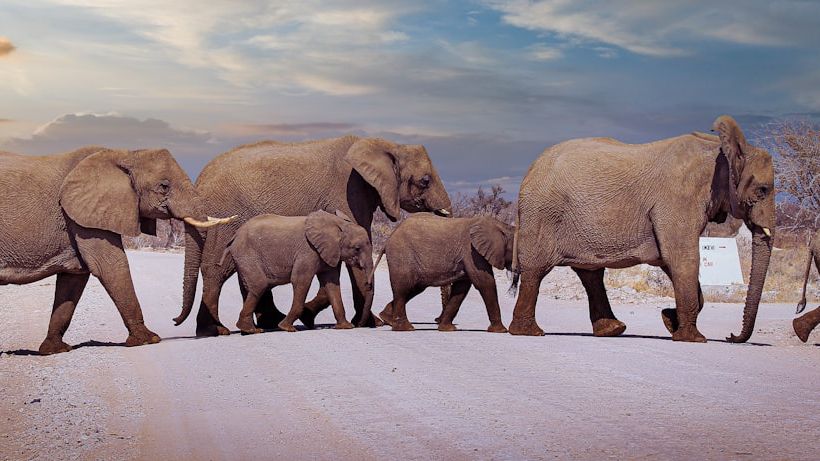
Few phrases in the animal kingdom carry as much weight as “an elephant never forgets.” It’s the kind of saying that gets passed down through generations, repeated so often that it starts to feel more like folklore than fact. The truth, though, turns out to be genuinely fascinating.
While it’s not strictly accurate to say an elephant never forgets, the animals did evolve to remember details that are key to their survival. The science behind this goes well beyond a catchy saying. It points to a creature with a richly structured brain, complex social bonds, and a memory system fine-tuned by millions of years of necessity.
A Brain Built for Remembering
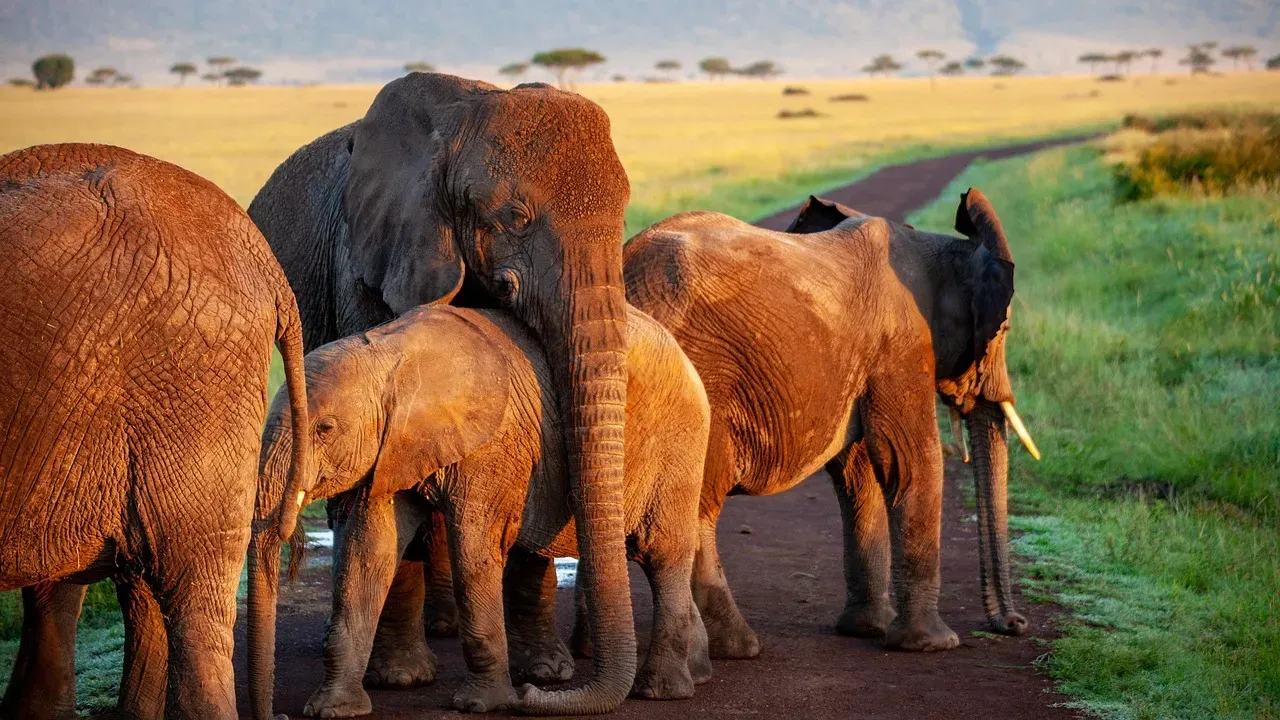
An elephant brain weighs around 5 kg, which is about four times the size of a human brain and the heaviest of any terrestrial animal. Raw size alone doesn’t explain everything, but in this case it’s a meaningful starting point.
Elephants have an incredible memory because their cerebral cortex is so big. This is the brain area that stores long-term memories. The wrinkles in the cortex increase the surface area, which increases the number of nervous pathways that can carry messages from other parts of the brain, including the hippocampus, where memories are first formed before being stored in the cerebral cortex for future recollection.
Elephants also have a very large and highly convoluted hippocampus, a brain structure in the limbic system that is much bigger than that of any human, primate, or cetacean. That’s a remarkable structural distinction, and it helps explain why spatial and emotional memories appear to be so deeply embedded in these animals.
Comparative neuroanatomy studies suggest that elephants exhibit a high degree of cortical folding, or gyrification, in the brain, which increases the surface area and potentially supports advanced cognitive abilities. The elephant’s brain gyrification index is comparable to that of highly intelligent species such as humans and cetaceans.
The Matriarch’s Memory: A Herd’s Most Valuable Asset
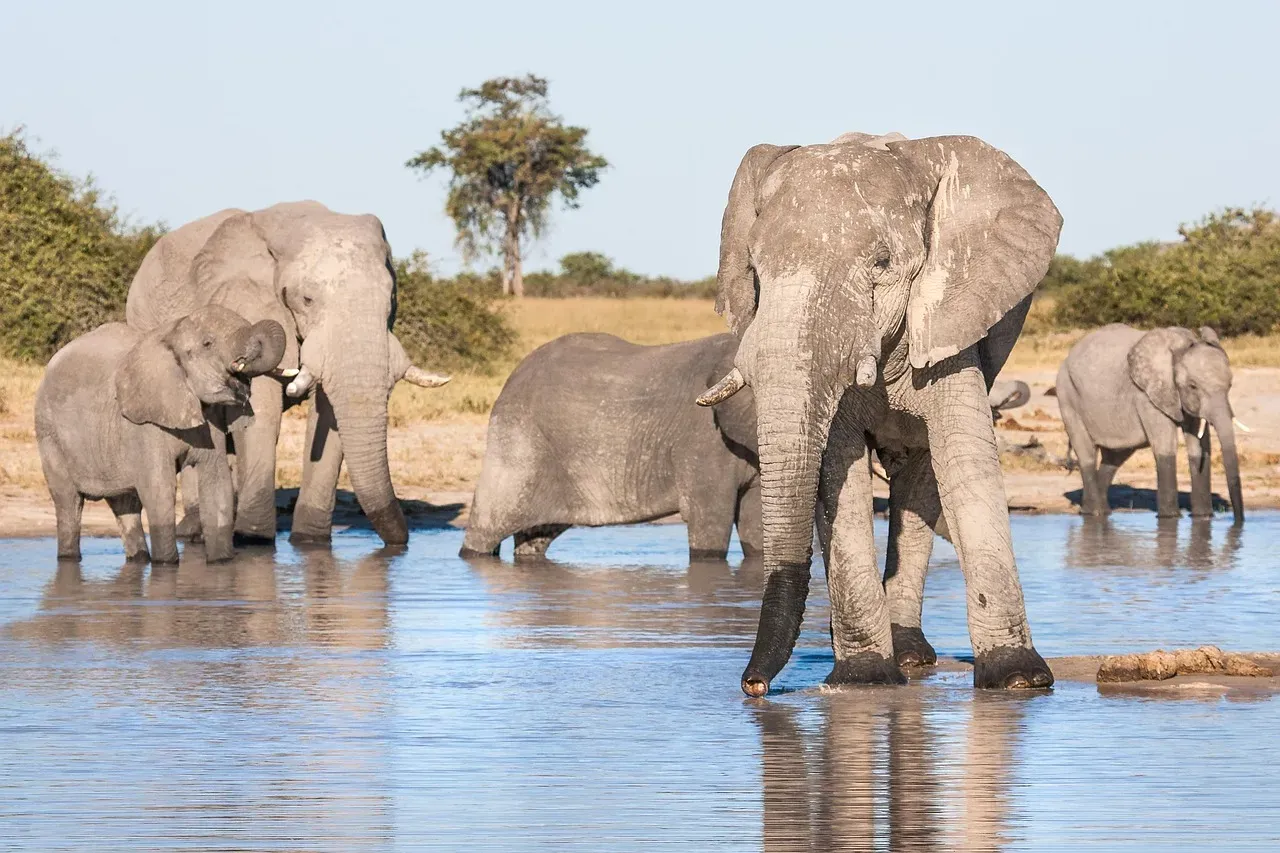
African elephant researchers have discovered that the oldest matriarchal elephants have the best memories. The older the elephant, the more time she’s had to experience life, meet others, and build up a memory bank of faces and places. In elephant society, that accumulated knowledge isn’t just personal. It’s shared.
Elephants live in matriarchal societies, where the oldest female leads the group. The matriarch’s memory is vital for the herd’s survival. She recalls the locations of water sources, safe migration paths, and areas abundant in food, which is crucial during times of drought or scarcity.
Researchers from the University of Sussex discovered that elephant groups with a 55-year-old matriarch were more likely to huddle in a defensive posture than those with a matriarch aged 35 when confronted by an unfamiliar elephant. That difference in response comes directly from remembered experience, not instinct.
Elephants inhabiting the deserts of Namibia and Mali may travel hundreds of kilometers to visit remote water sources shortly after the onset of rainfall, sometimes along routes that have not been used for many years. These remarkable feats suggest exceptional cognitive mapping skills that rely upon the long-term memories of older individuals who may have traveled that same path decades earlier. Family groups headed by older matriarchs are better able to survive periods of drought.
Scent, Sound, and Social Recognition
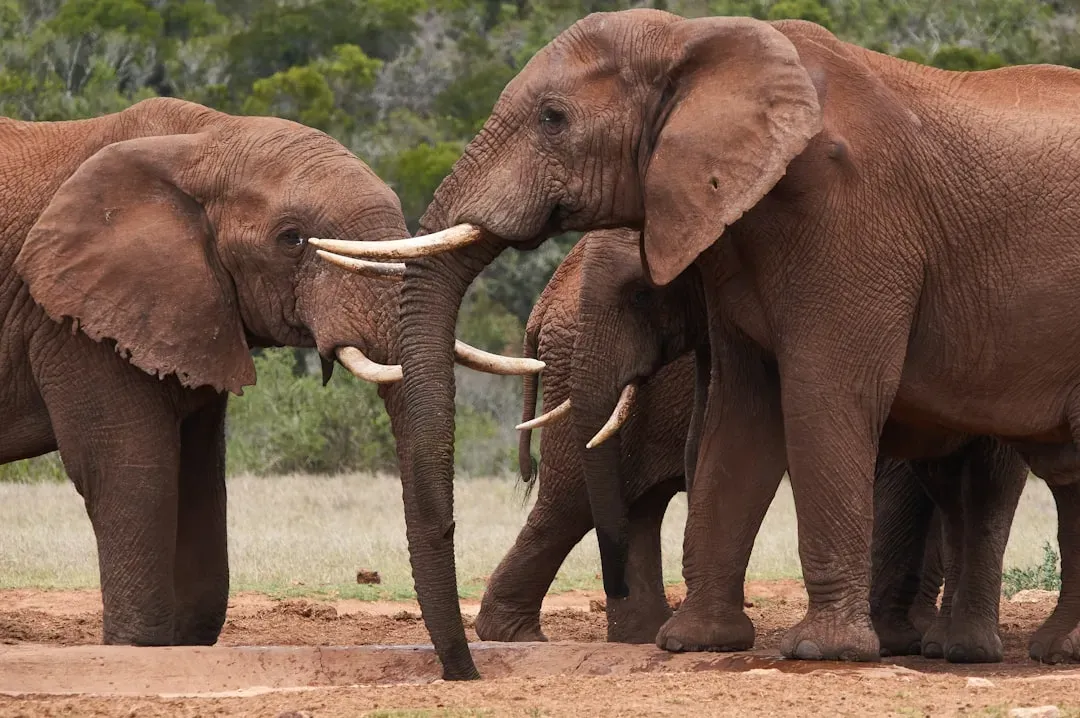
Elder African elephants can recall the unique sounds and smells of predators, even discriminating between different groups of people depending on their odor and clothing color, retrace their steps to find water holes in the arid savanna, and distinguish family members and associates from hundreds of other elephants. That’s not a simple trick. It’s a layered, multi-sensory form of memory.
Research published in the Proceedings of the National Academy of Sciences demonstrated that elephants can identify the voices of humans who pose a threat. They were found to be more likely to take precautions when they heard the recorded voices of semi-nomadic Maasai people, who periodically kill elephants, than the voices of other Kenyan ethnicities. The elephants were also more likely to defend themselves when they heard the recorded voices of Maasai men, as opposed to recordings of Maasai women and children.
Elephants can recognize and remember hundreds of different individuals, both within their herd and from other groups. This social memory helps them maintain complex social bonds and hierarchies. They can recall past interactions with other elephants, which influences their future behavior towards them.
Researchers in Africa have witnessed family reunions after decades of absence. The reunited elephants became animated and excited to see each other again, reaching out with their trunks and loudly bellowing. Whether that reaction reflects conscious recognition or something even more instinctive, it speaks to something deeply ingrained.
When Memory Cuts Both Ways: Trauma and Emotional Recall
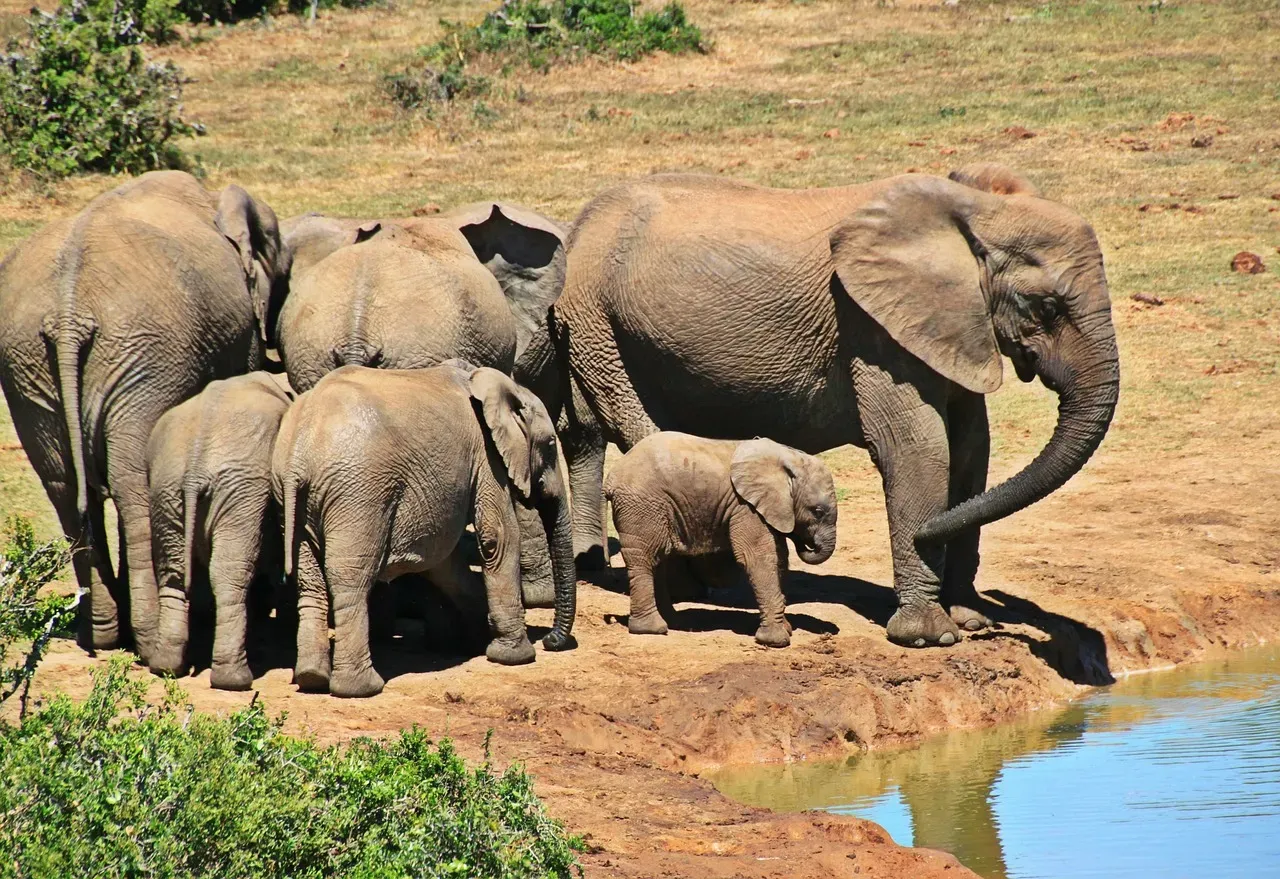
The hippocampus is linked to emotion through the processing of certain types of memory, especially spatial. This is thought to be possibly why elephants suffer from psychological flashbacks and the equivalent of post-traumatic stress disorder. A remarkable capacity for memory, it turns out, also makes elephants vulnerable to its darker side.
Some of the most striking evidence for elephant memory comes from studies of trauma. In South Africa, elephants that survived culling operations decades earlier, where they witnessed family members being killed, showed lasting changes in behavior and cognition. These elephants performed poorly on tests of social knowledge, struggling to distinguish between familiar and unfamiliar callers or to gauge dominance based on age-related cues.
The trauma didn’t just leave a memory. It reshaped how these elephants processed social information for the rest of their lives. In a species that can live 60 to 70 years, that’s a remarkably long shadow for a single event to cast.
Another behavior suggestive of long-term social memory is the grief-like behaviors that elephants engage in following the death of conspecifics. In the wild, all three species of elephants have been observed investigating, touching, and sniffing carcasses, and revisiting them repeatedly over the course of a few minutes to a few months. Memory, for elephants, carries emotional weight in a way that science is only beginning to quantify.
Why Elephant Memory Matters for Conservation
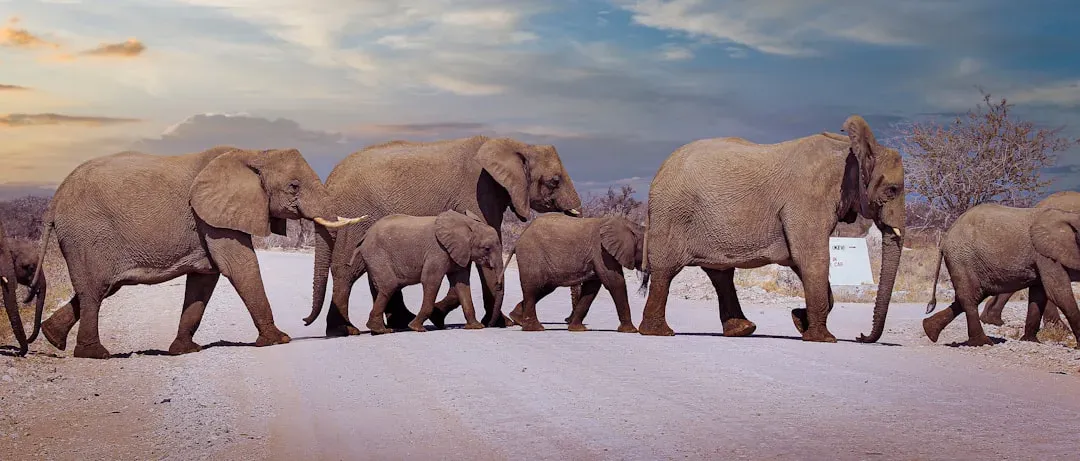
The fact that elephants rely so heavily on their memory makes conservation efforts all the more necessary. When poachers target the largest elephants with the biggest tusks, they are usually placing the oldest elephants in their sights, repositories of the herd’s collective memory, and those losses mean that younger elephants are left in charge of a herd that they do not have the experience to lead to safety during the dry season.
In elephants, the consequences of losing elders ripple outward through the herd because so much depends on knowledge passed down from older, experienced individuals. When those elders are removed, the entire group loses access to decades of accumulated memory about landscapes, social norms, and survival strategies.
Elephants exhibit exceptional memory capabilities, allowing them to adapt to environmental changes and human presence. Their ability to remember the locations of water, food, and safe pathways helps them survive in increasingly fragmented landscapes. That fragmentation, driven largely by human development, is making this memory dependency increasingly precarious.
By aligning conservation efforts with their natural behaviours, such as establishing wildlife corridors, reducing conflicts with farmers, and considering elephant decision-making in habitat planning, humans can foster coexistence while preserving these keystone species.
A Final Thought
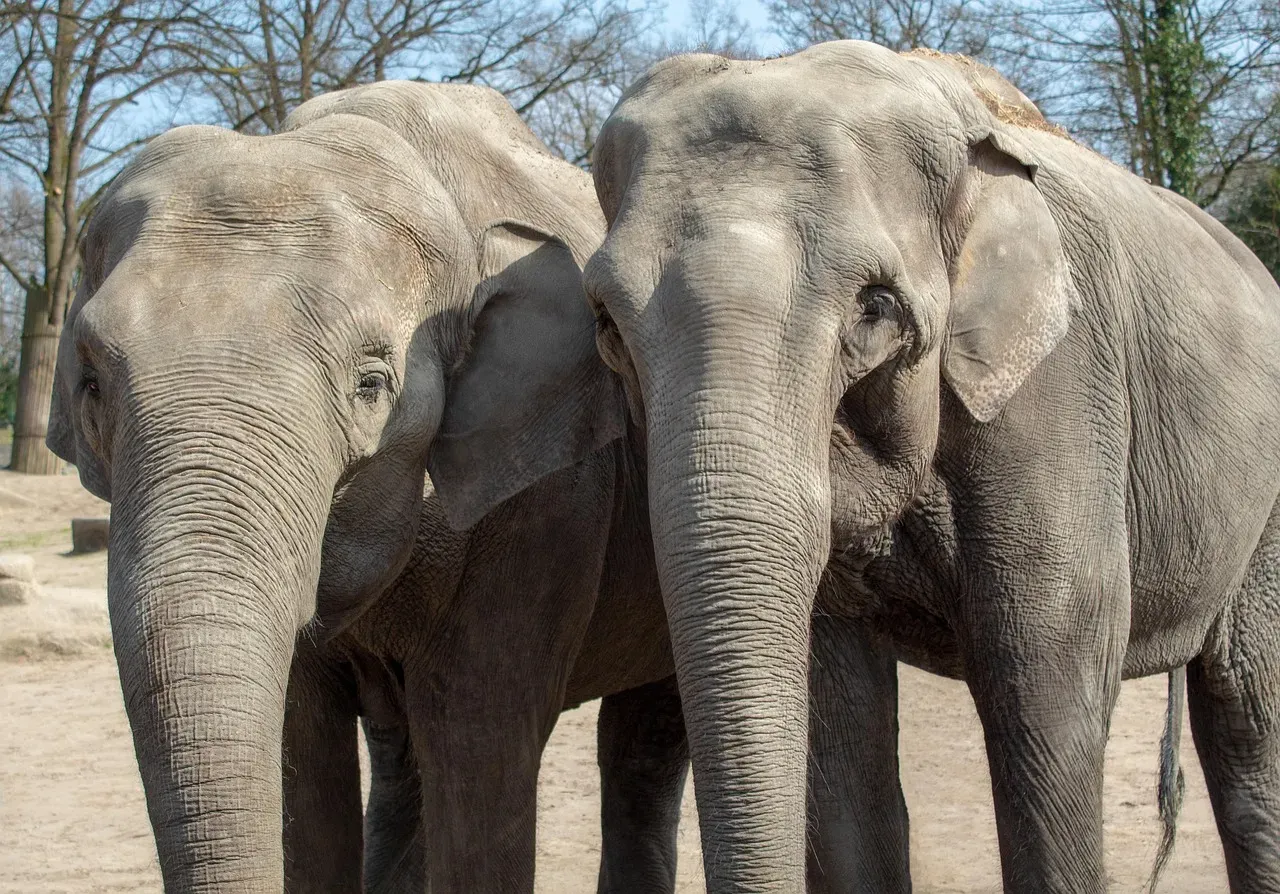
The phrase “an elephant never forgets” is, in a strict scientific sense, an overstatement. Elephant memory, while deep and durable, appears to be more narrowly tuned to the information that matters most for survival: who is friend or foe, where to find food and water, and what dangers to avoid.
Still, within that domain, the depth of what they retain is genuinely striking. Migration routes stored across decades. Faces recognized after years of separation. Threats identified by voice alone. These aren’t trivial feats.
What the science ultimately reveals is less about raw cognitive power and more about evolutionary precision. Elephants remember what they need to remember, and they do it with a level of fidelity that keeps their families alive. That’s not just impressive. It’s a reminder that intelligence, in the natural world, is always shaped by what survival demands.

- 10 Animal Behaviors So Intelligent They Still Baffle Scientists - June 22, 2026
- 10 Most Beautiful and Strangest Caterpillars in The World - June 22, 2026
- Could Animals Predict Earthquakes Better Than Technology? - June 22, 2026