
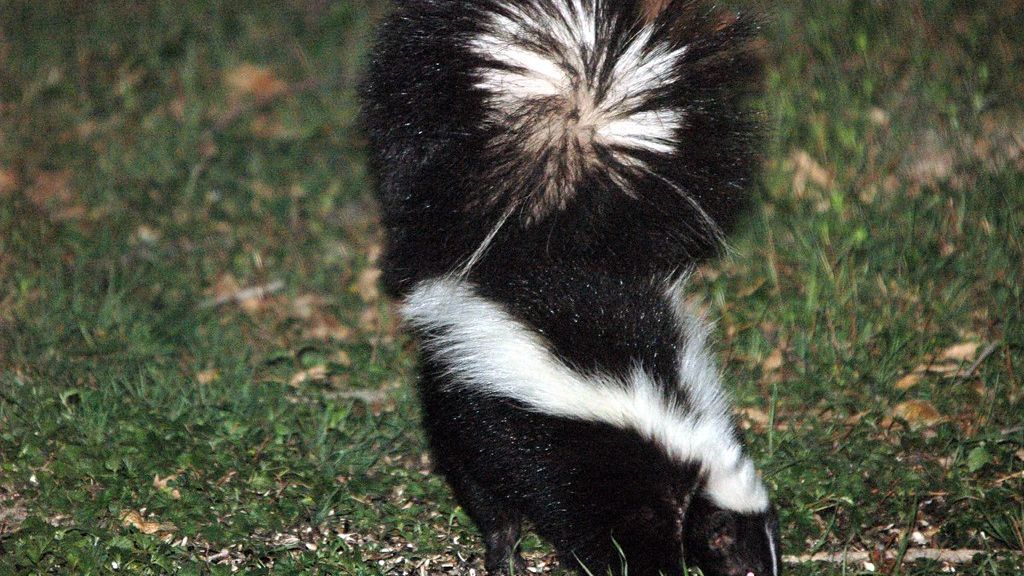
A Grub-Filled Lawn Is Basically an Open Invitation
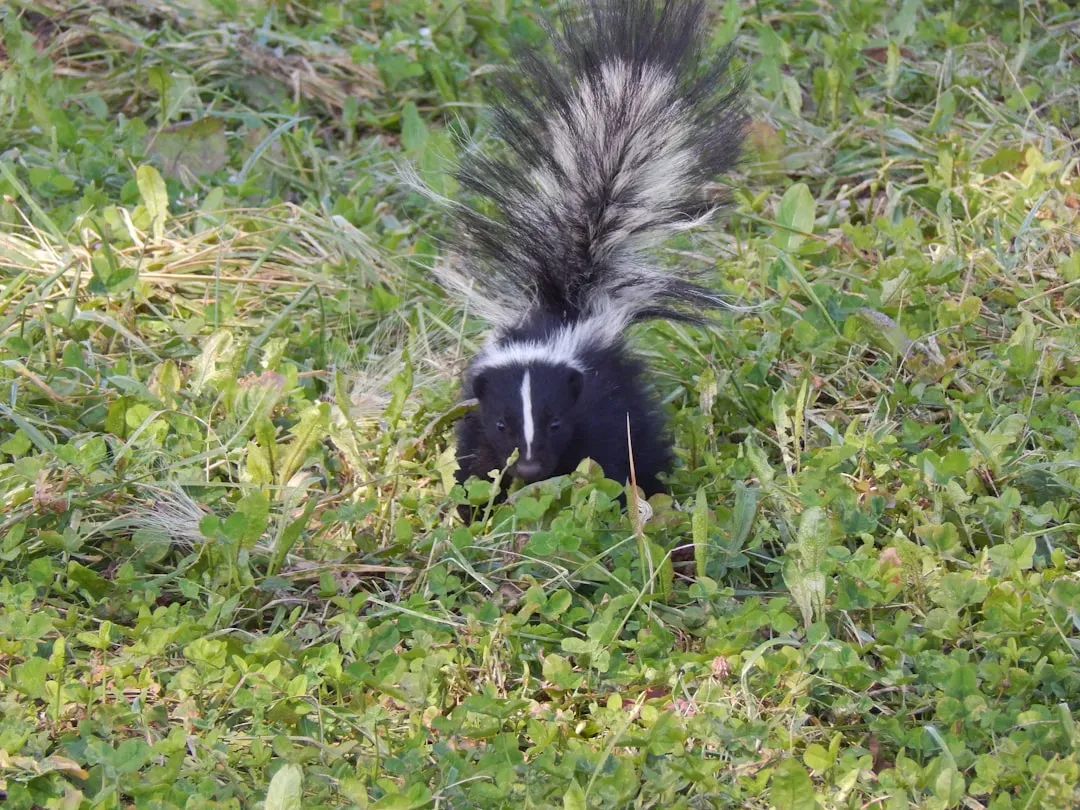
Of all the things that pull skunks toward a property, a lawn full of grubs is probably the most powerful. Skunks dig for grubs as part of their natural foraging behavior, searching for insects, larvae, and worms to thrive. Grubs are particularly appealing due to their high-fat content and accessibility. It’s a nutritional jackpot sitting just beneath your feet.
Skunks have a stronger sense of smell than humans and usually walk on the lawn with their noses close to the ground. Once they smell grubs, they tear up the lawn and pull chunks of turf to search for food. The resulting damage can look startling overnight, especially if more than one skunk has found the spot.
Skunks may also dig for grubs in the yard when wet soil conditions push grubs close to the surface, and their presence may be a sign of an overwatered lawn. So if you’ve been watering heavily and wondering why your grass looks like it went through a tilling machine, the irrigation schedule itself may be part of the problem.
Unsecured Trash and Compost Bins
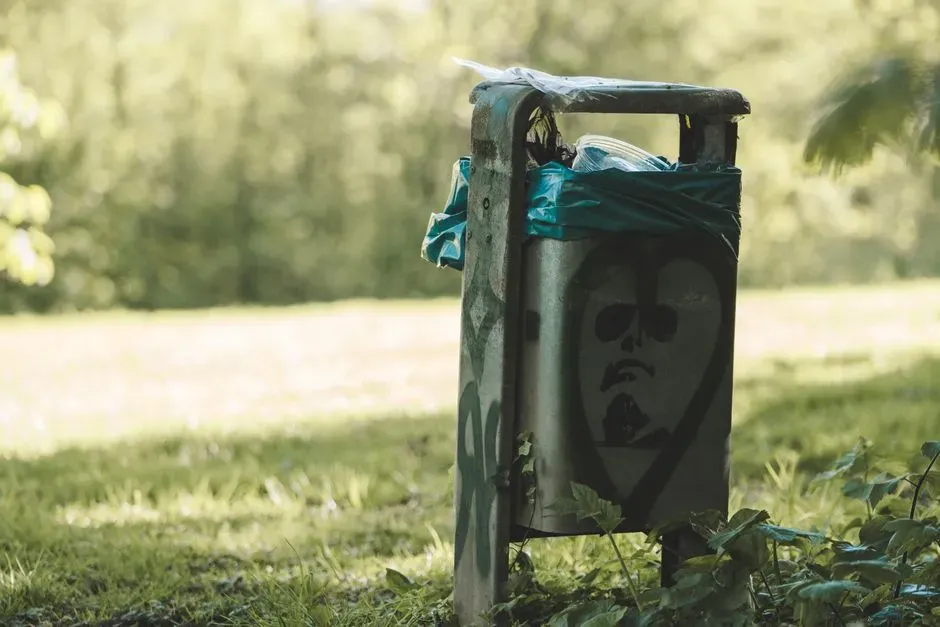
The smell of decaying food is something skunks detect from a surprisingly long distance. Certain smells lure skunks to your property, such as rotting meats from leftovers in your trash. Steak, chicken, hot dogs, lunch meat, and other foods that produce a strong odor when decaying will attract skunks. What you toss out at night can become a skunk’s first course well before morning.
Composting is good for the environment but it can attract skunks and other wild animals. Avoid putting fish, meat, or other tempting sources in the compost bin, and ensure that your garbage bins are properly sealed. Even a loosely fitted lid is often enough of an opening for a determined forager to work with.
Bird Feeders and Fallen Seed
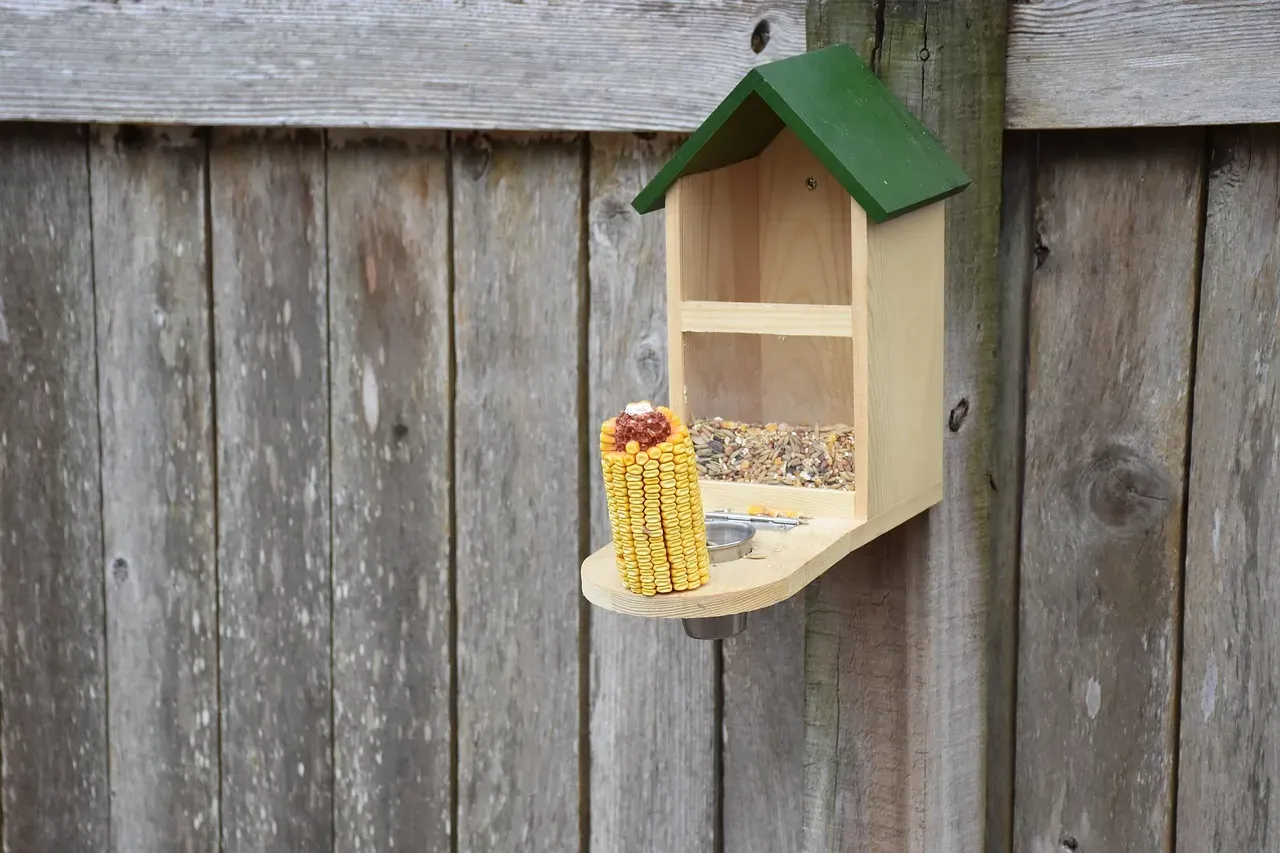
Bird feeders are a beloved backyard fixture, but they have a less welcome side effect that most people overlook entirely. Skunks will eat any birdseed they can find, especially those that fall from a bird feeder in your yard. The seed that spills onto the ground each day doesn’t just feed sparrows. It feeds whoever else happens to wander through after dark.
If you have a bird feeder, skunks may be attracted to the seeds that fall to the ground. The trouble is compounded because bird feeders also attract mice and small rodents, and yard clutter attracts mice and rats, which become a skunk’s prey. So in a roundabout way, a feeder can set off a whole chain of wildlife traffic through your property.
Outdoor Pet Food Left Overnight
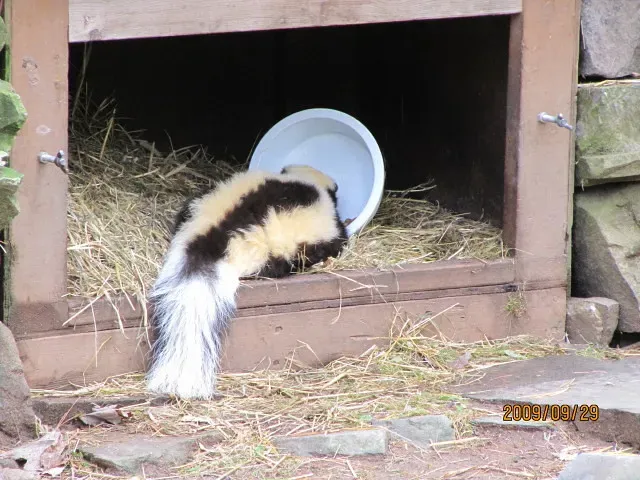
This one catches a lot of pet owners off guard. Leaving a bowl of dog or cat food outside after dinner seems harmless enough, but it’s genuinely one of the most reliable ways to attract skunks. Securing trash, covering window wells, and feeding pets indoors, or if fed outdoors, removing food immediately after pets eat, can help decrease the likelihood of an unpleasant skunk encounter.
Pet food left outside overnight is also likely to attract hungry skunks. The scent lingers even after the bowl is empty, and skunks are thorough enough to investigate every corner of a porch or patio once they’ve been drawn in by the smell. It’s a small habit change, bringing the bowl inside at night, that can make a meaningful difference.
Sheltered Spaces Under Decks, Porches, and Sheds
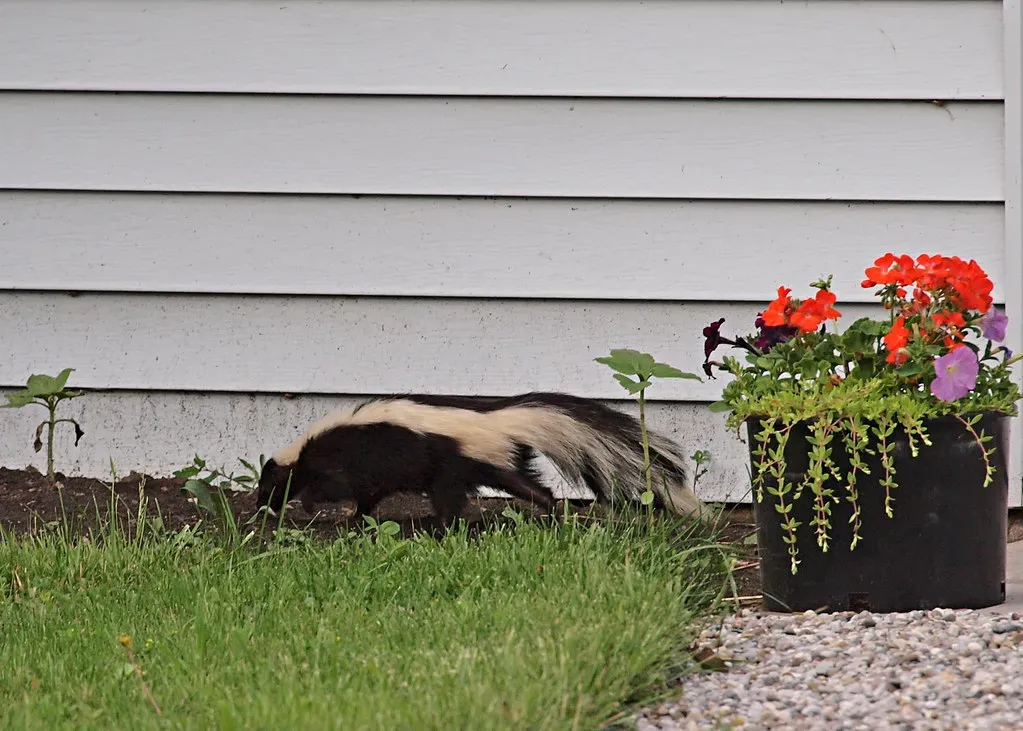
Food is what brings skunks to your yard, but shelter is what makes them stay. Skunks are attracted to lawns and yards as they provide potential shelter. Spaces under porches, decks, or sheds can offer skunks a safe place to nest and rear their young, away from predators. Once a skunk has claimed a spot under your deck, the situation becomes considerably more complicated to resolve.
Skunks find dens for nesting in various places and typically take over abandoned or naturally formed spaces, but will dig burrows if none exist. The main requirement for nesting is to be hidden, as they try to avoid encounters with humans and potential predators. Skunks also nest to stay warm, give birth, and raise their young, and often use multiple denning spots in the spring or summer. A single unblocked gap under a garden shed is genuinely all the real estate they need.
Standing Water Sources on Your Property

Water is less discussed than food when it comes to skunk attraction, but it matters more than most people realize. A water source, such as a birdbath, pond, or even an unattended pet water bowl, can . These aren’t dramatic features. They’re everyday items that quietly signal to nocturnal wildlife that your property is worth a repeat visit.
Skunks strive to live no more than one to two miles from a water source. Stagnant water, livestock manure, compost piles, outdoor lights, and trash cans attract insects, which in turn attract skunks. The connection is almost layered: standing water feeds insect populations, insects draw skunks directly, and the cycle keeps reinforcing itself. Skunks may be attracted to sources of standing water on your property, such as birdbaths or puddles, and changing birdbath water frequently and avoiding leaving standing water out for extended periods can help reduce the likelihood of attracting them.
Final Thoughts
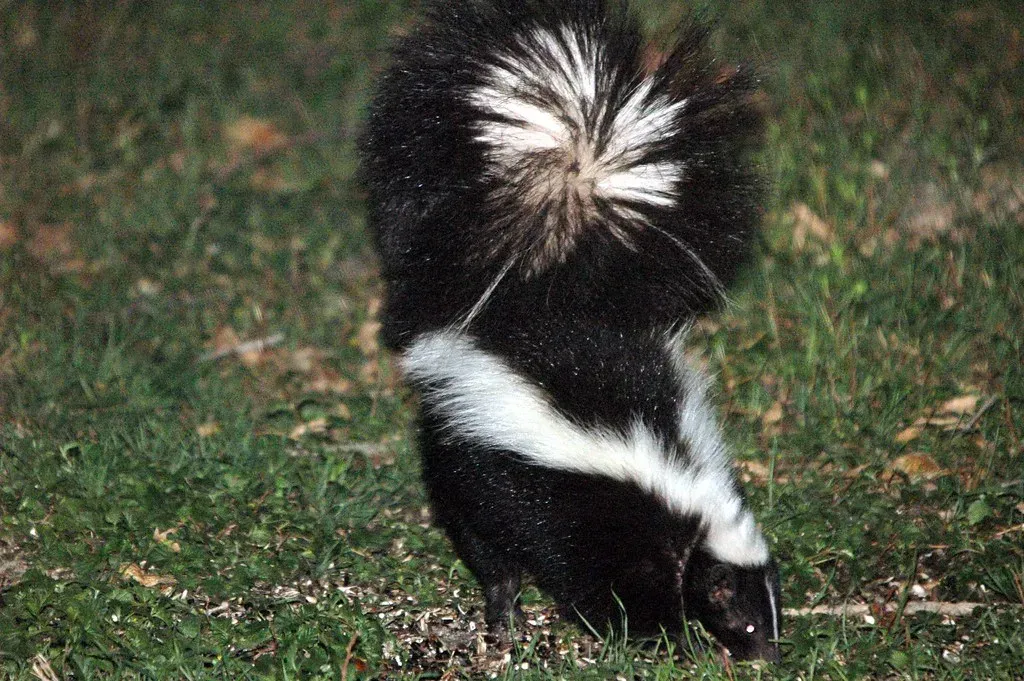
There’s a certain irony in the fact that some of the nicest things you do for your yard, composting, feeding birds, watering the lawn, can quietly become an advertisement for one of the most disruptive backyard visitors around. Skunks aren’t coming in out of spite or randomness. Skunks aren’t hanging around by accident – they’re there because your yard has food, water, and shelter that meets all their needs.
The good news is that most of these attractants are fixable without any major changes. Secure the trash. Bring in the pet bowl. Fix the drainage. Seal the gap under the shed. Preventive measures, such as removing attractants around houses, will decrease the likelihood of an unpleasant skunk encounter.
The honest takeaway is this: a skunk in your yard is almost always a symptom, not a random event. Fix the underlying conditions, and they’ll find somewhere else to be. Ignore them, and you’re not just tolerating a visitor, you’re keeping the door open for the whole family.

- 12 Common Myths About Cats Debunked by Animal Experts - August 11, 2026
- The 15 Most Beautiful Cities in Europe - August 11, 2026
- 10 Fascinating Facts About The Secretary Bird You Never Knew - August 11, 2026