Earth Science Says the Grand Canyon Reveals Nearly Two Billion Years of Earth's History-feature image/Pixabay
The Grand Canyon stands as a colossal testament to Earth’s geological history, its vast chasms and towering cliffs narrating a story that spans nearly two billion years. This natural wonder not only captivates with its breathtaking beauty but also serves as a profound geological archive, offering insights into the dynamic processes that have shaped our planet.
Unveiling the Vishnu Basement Rocks: Earth’s Ancient Foundations
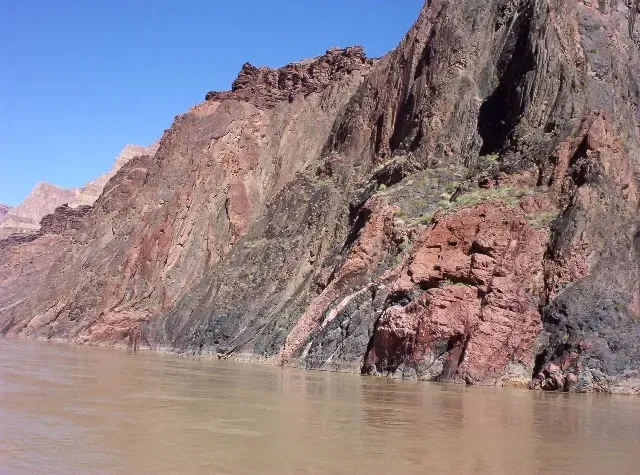
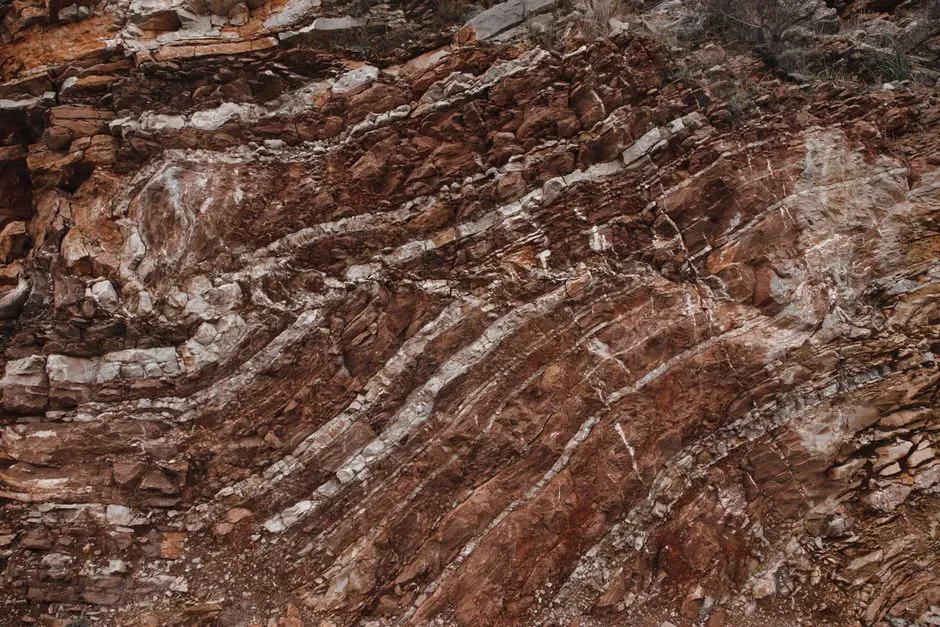
Unveiling the Vishnu Basement Rocks: Earth’s Ancient Foundations (By National Park Service, Public domain)
At the very base of the Grand Canyon lie the Vishnu Basement Rocks, a complex of metamorphic and igneous formations that date back approximately 1.84 billion years. These ancient rocks, primarily composed of schist and granite, represent some of the oldest exposed materials on Earth. Their presence provides a rare glimpse into the early Proterozoic Eon, a time when the planet was undergoing significant tectonic activity and the formation of its first continental crusts.
The Vishnu Basement Rocks are not just remnants of Earth’s primordial past; they are the bedrock upon which the Grand Canyon’s geological narrative is built. Their exposure at the canyon’s depths allows geologists to study the processes of metamorphism and igneous intrusion that occurred deep within the Earth’s crust, offering invaluable insights into the planet’s formative years.
The Grand Canyon Supergroup: Chronicles of Ancient Seas and Mountains
The Grand Canyon Supergroup: Chronicles of Ancient Seas and Mountains (Image Credits: Pixabay)
Above the Vishnu Basement Rocks lies the Grand Canyon Supergroup, a sequence of sedimentary and volcanic rocks that were deposited between 1.25 billion and 729 million years ago. These layers tell a tale of ancient environments, from shallow seas to coastal plains, and even periods of volcanic activity. The Supergroup’s strata are notably tilted, a result of tectonic forces that uplifted and deformed these rocks long after their initial deposition.
The tilting and subsequent erosion of the Grand Canyon Supergroup have created a significant geological feature known as the Great Unconformity. This represents a substantial gap in the geological record, where younger rocks rest directly atop much older formations, indicating a period of extensive erosion that removed the intervening layers. This unconformity is a stark reminder of the dynamic and ever-changing nature of Earth’s surface.
Layered Paleozoic Rocks: A Tapestry of Ancient Life
Layered Paleozoic Rocks: A Tapestry of Ancient Life (Image Credits: Pixabay)
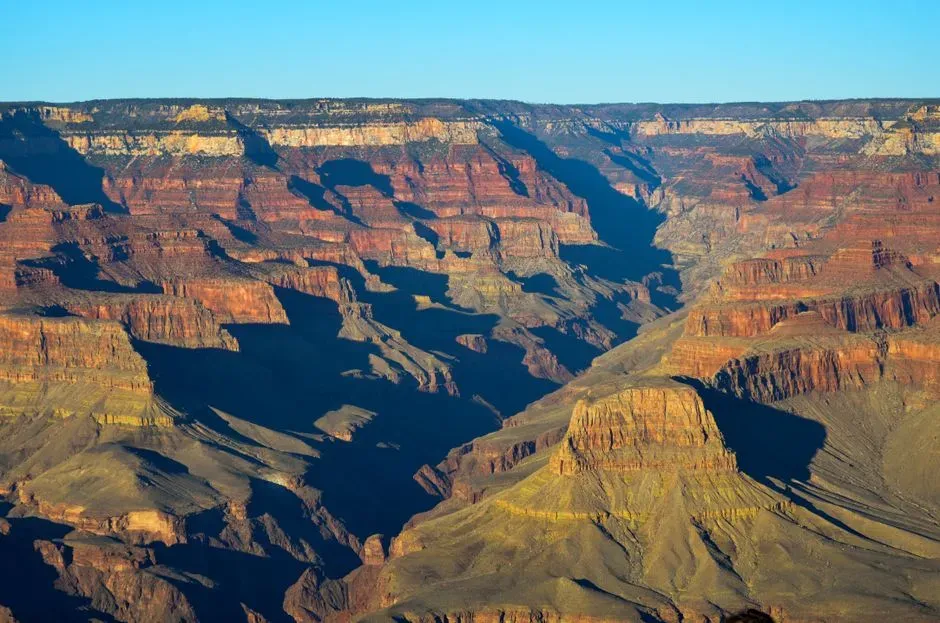
Crowning the canyon are the horizontal layers of Paleozoic sedimentary rocks, deposited between 530 and 270 million years ago. These strata, including formations like the Kaibab Limestone and the Coconino Sandstone, were laid down in environments ranging from shallow marine settings to vast desert dunes. The abundance of marine fossils within these layers, such as brachiopods and trilobites, provides a vivid record of ancient life and the changing conditions of prehistoric seas.
The remarkable preservation and visibility of these layers make the Grand Canyon a natural laboratory for studying sedimentary processes and paleoecology. Each stratum serves as a chapter in Earth’s history, detailing shifts in climate, sea levels, and biological evolution over hundreds of millions of years.
The Carving of the Canyon: The Colorado River’s Masterpiece
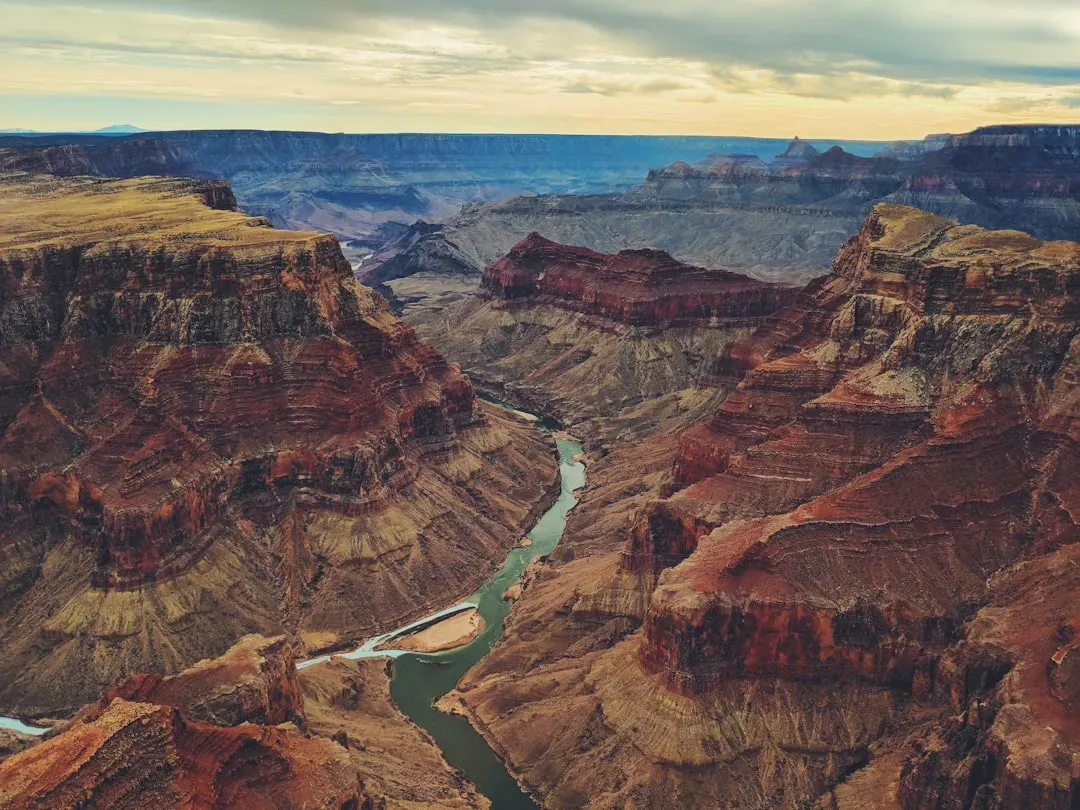
The Carving of the Canyon: The Colorado River’s Masterpiece (Image Credits: Pixabay)
While the rocks of the Grand Canyon span nearly two billion years, the canyon itself is a relatively young geological feature, having been carved over the past 5 to 6 million years. The primary architect of this monumental landscape is the Colorado River, whose persistent flow has cut through the rock layers, exposing the geological history preserved within.
The river’s ability to carve such a deep and extensive canyon is attributed to a combination of factors, including the uplift of the Colorado Plateau, which increased the river’s gradient and erosive power. Additionally, variations in climate over millions of years have influenced the river’s flow and sediment load, further shaping the canyon’s intricate topography.
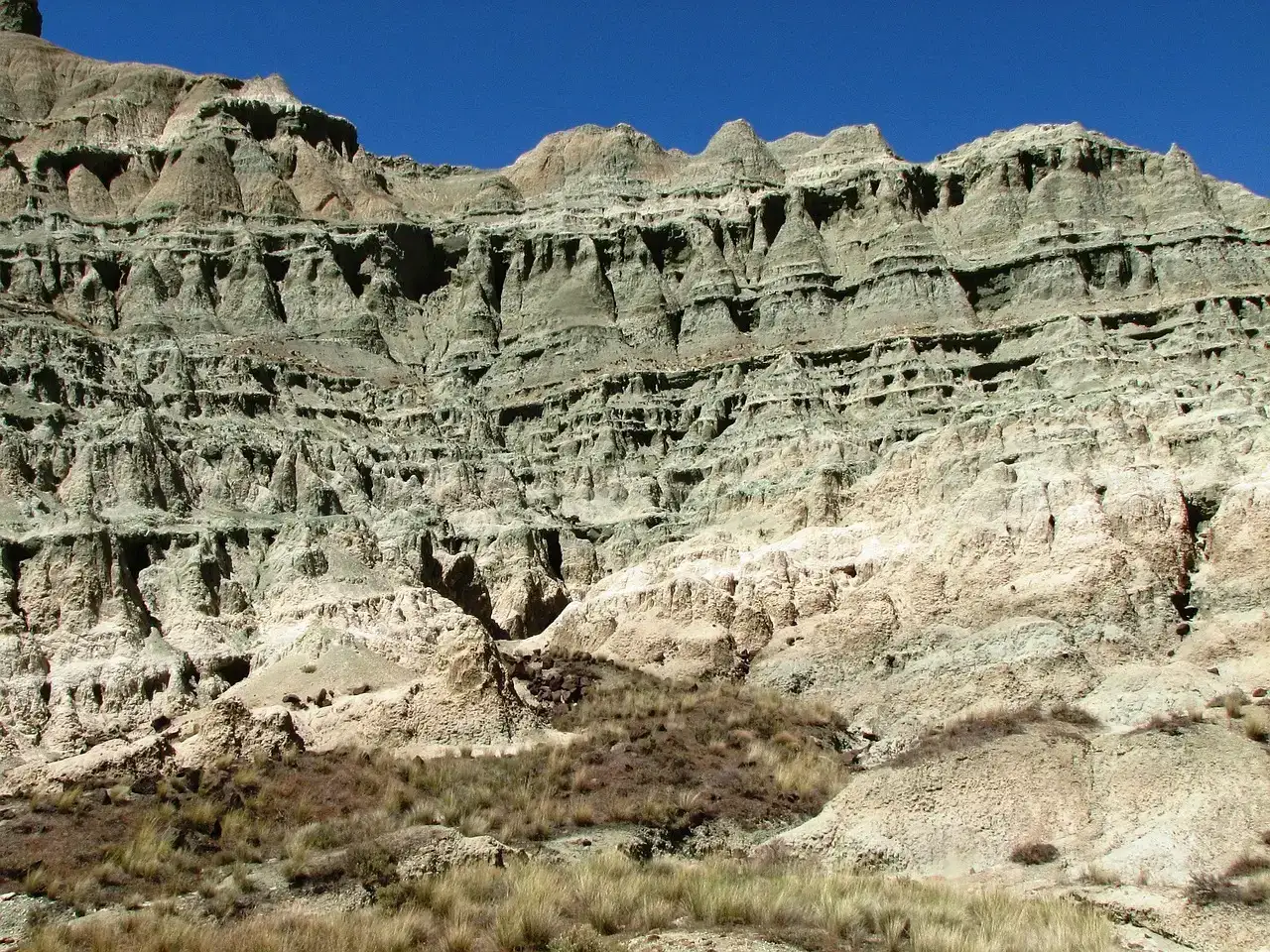
Volcanic Activity: Nature’s Dramatic Interventions (Image Credits: Pexels)
Interspersed within the Grand Canyon’s history are episodes of volcanic activity that have left indelible marks on the landscape. Between 1.8 million and 500,000 years ago, volcanic eruptions in the region deposited lava flows and cinder cones, some of which cascaded into the canyon itself. These volcanic events not only added new materials to the geological record but also temporarily altered the course of the Colorado River, creating natural dams and lakes within the canyon.
The remnants of these volcanic episodes, such as the Uinkaret volcanic field, serve as a testament to the dynamic interplay between tectonic forces and surface processes. They highlight the ever-present potential for sudden and dramatic changes in the landscape, even in regions as seemingly stable as the Grand Canyon.
Unconformities: Missing Pages in Earth’s Geological Record
Unconformities: Missing Pages in Earth’s Geological Record (Image Credits: Pexels)
One of the most intriguing aspects of the Grand Canyon’s geology is the presence of unconformities – gaps in the geological record where rock layers are missing due to periods of erosion or non-deposition. The Great Unconformity, for instance, represents a time gap of over a billion years between the Vishnu Basement Rocks and the overlying sedimentary layers.
These unconformities are like missing chapters in Earth’s history, challenging geologists to piece together the events that led to their formation. They underscore the complex and non-linear nature of geological processes, where periods of deposition are often interrupted by episodes of uplift, erosion, and other transformative events.
Ongoing Research: Unraveling the Canyon’s Mysteries
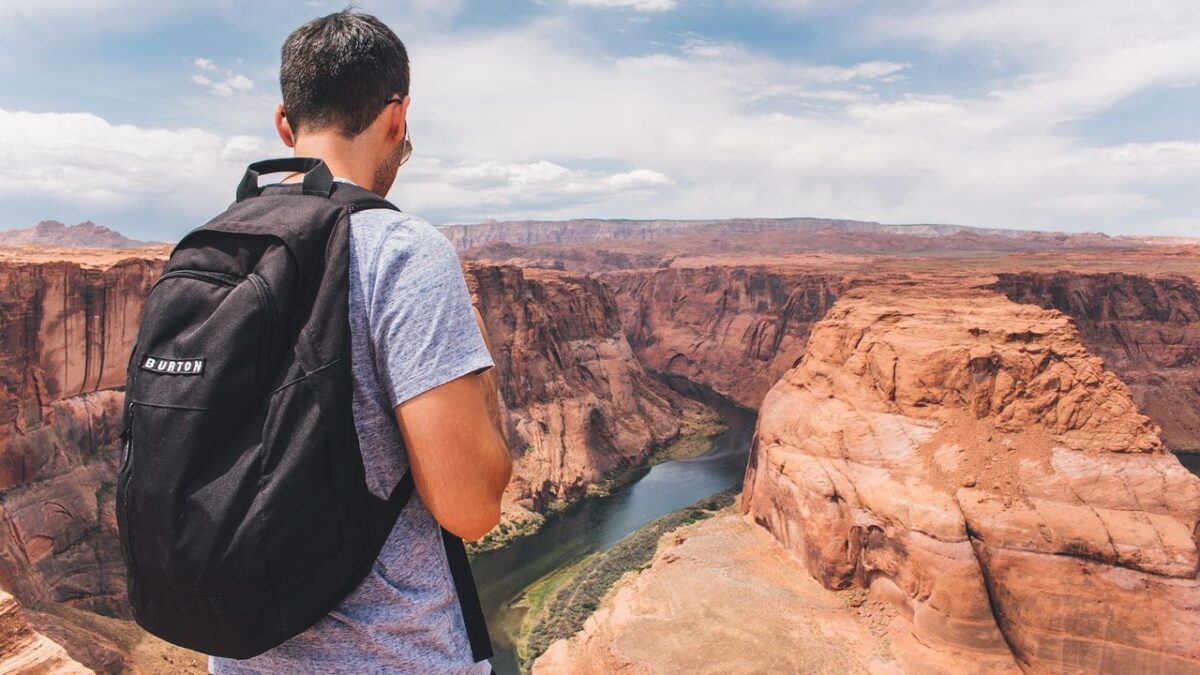
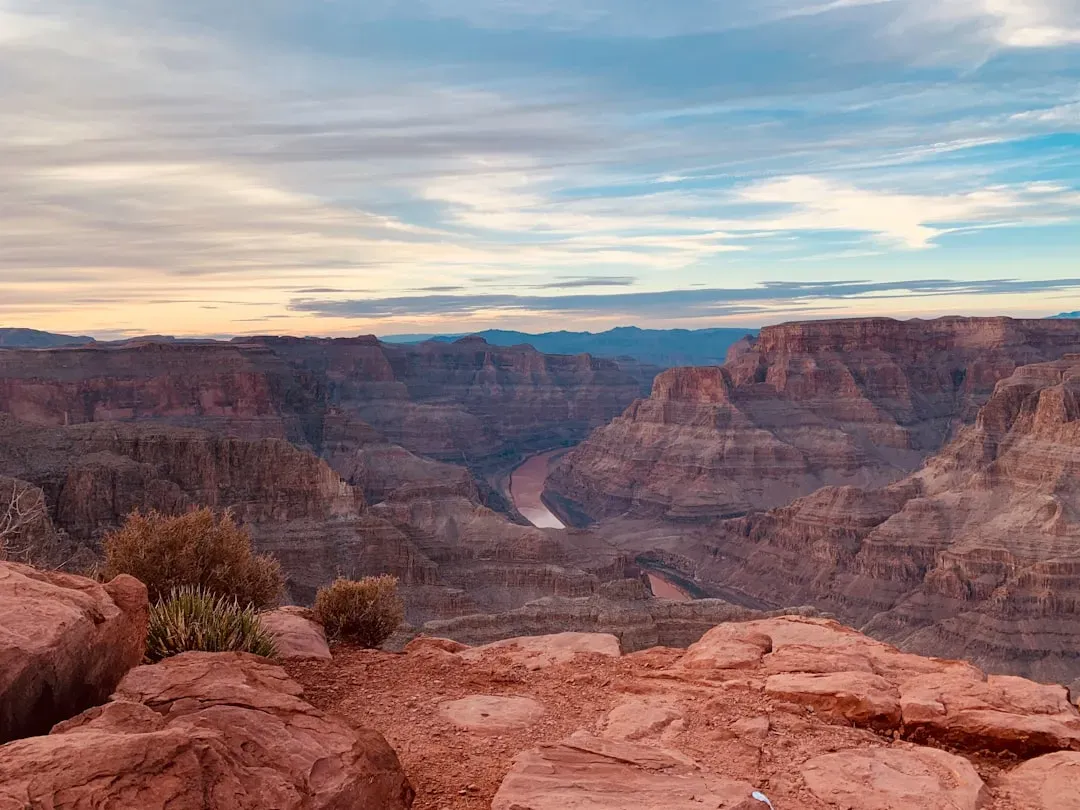
Ongoing Research: Unraveling the Canyon’s Mysteries (Image Credits: Unsplash)
Despite over a century of study, the Grand Canyon continues to be a focal point for geological research. Recent studies have explored various hypotheses regarding the canyon’s formation, including the role of ancient lakes and the timing of the Colorado River’s integration. Advances in dating techniques and sediment analysis are providing new insights into the complex history of this iconic landscape.
The Grand Canyon remains a dynamic natural laboratory, offering endless opportunities for discovery. Each new finding adds depth to our understanding of Earth’s history and the processes that have shaped its surface over billions of years.
Conclusion: A Monument to Earth’s Dynamic History
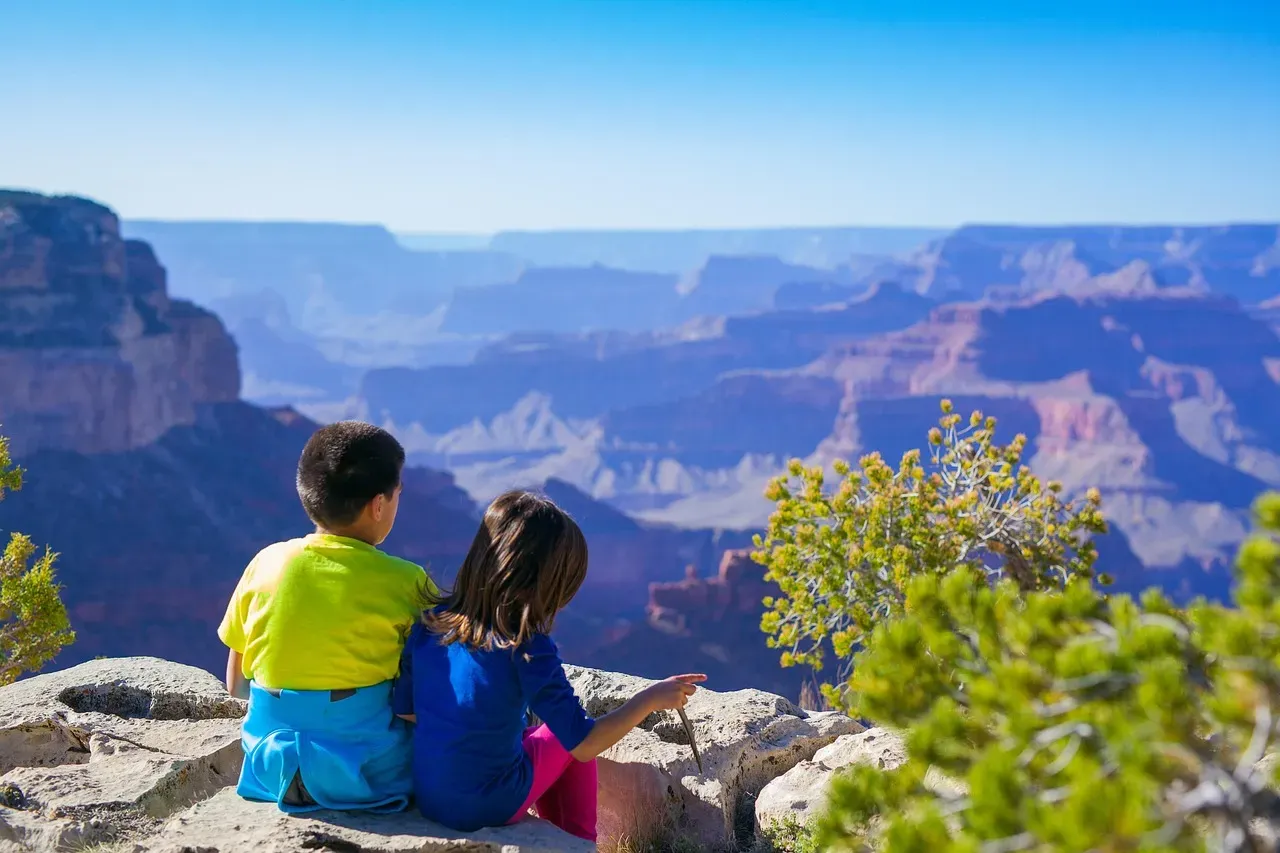
Conclusion: A Monument to Earth’s Dynamic History (Image Credits: Unsplash)
The Grand Canyon is more than just a breathtaking vista; it is a profound geological archive that encapsulates nearly two billion years of Earth’s history. Its layers tell
Did you find this helpful? Share it with a friend who’d love it too!
Gargi is an MA in History and a B.Ed graduate from India, with a deep passion for animals and wildlife awareness. As an article writer and editor at Animals Around The Globe, she combines her love for storytelling with her dedication to educating readers about animals, conservation, and responsible pet care. A devoted dog lover, Gargi enjoys creating engaging and informative content that inspires compassion and awareness toward the natural world.