
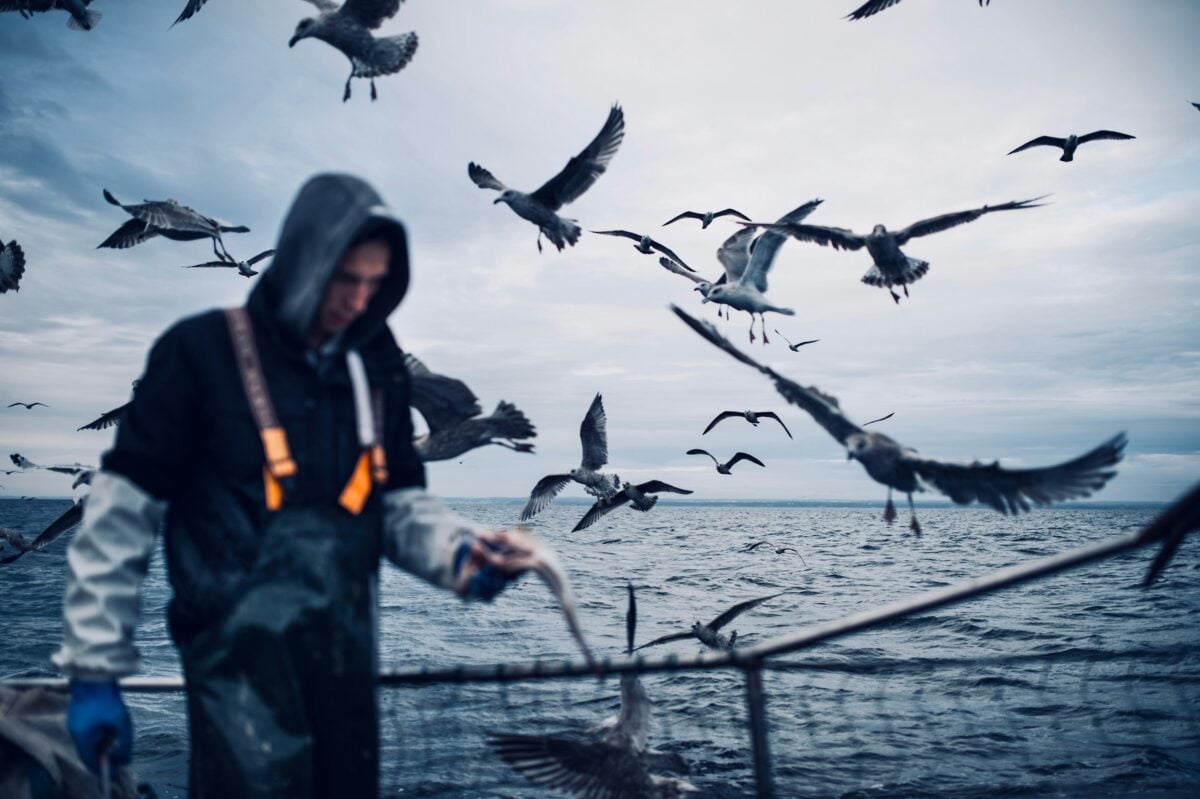
A crab pot slips off a boat in a storm, or a net snags on a rock and gets cut loose. The fisherman moves on, and the gear stays where it is. Nobody is hauling it in, yet it keeps working.
That’s the odd and unsettling part of what scientists call ghost gear. It doesn’t need a person to keep catching animals. Here are six states where the problem shows up in different ways, from remote Pacific islands to busy East Coast bays.
Hawaii: Nets Piling Up in a Protected Wilderness
🔥 Would you like to save this?
We'll email this post to you, so you can come back to it later!
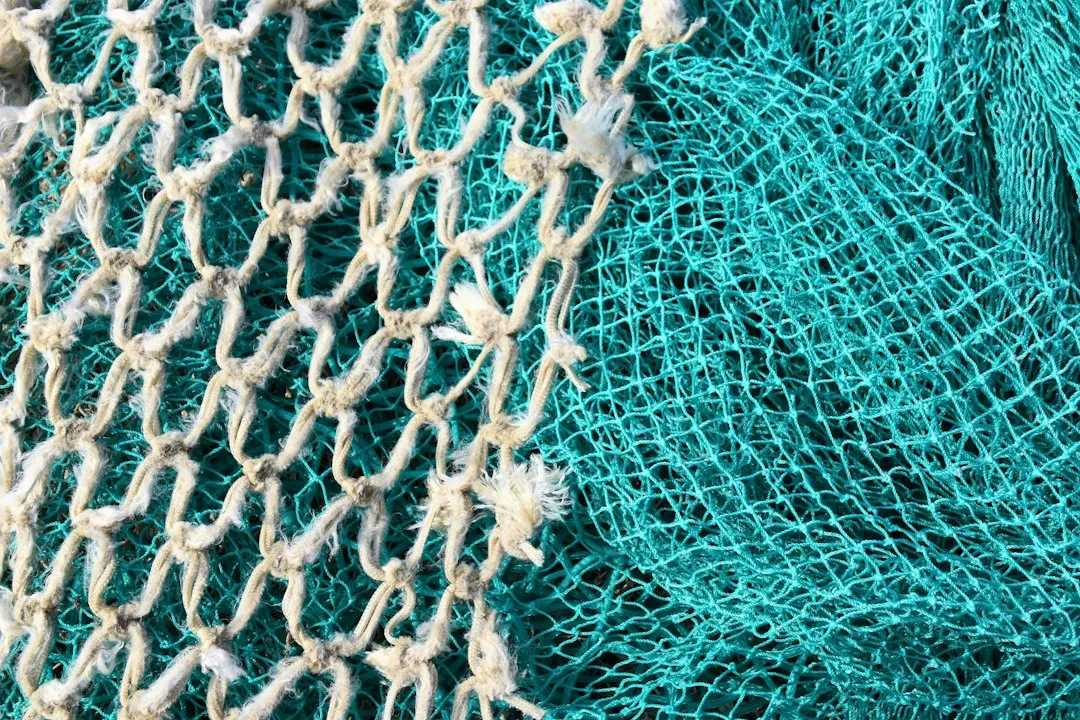
Hawaii’s remote northwestern islands might seem like the last place for fishing trash to gather, but the ocean doesn’t care about borders. The National Fish and Wildlife Foundation has been removing derelict fishing gear and large shoreline debris from the islets and atolls of Papahānaumokuākea Marine National Monument. That work is funded through the Bipartisan Infrastructure Law.
The scale of the cleanup shows how stubborn the issue is. One 19 day mission focused only on the shorelines of Midway Atoll, pulling out derelict gear and consumer plastics. Elsewhere in the state, Hawai‘i Pacific University has run a bounty program for derelict fishing gear. Paying people to bring it in tells you something about how hard it is to get rid of.
Florida: Sea Turtles and Lost Lines
🔥 Would you like to save this?
We'll email this post to you, so you can come back to it later!
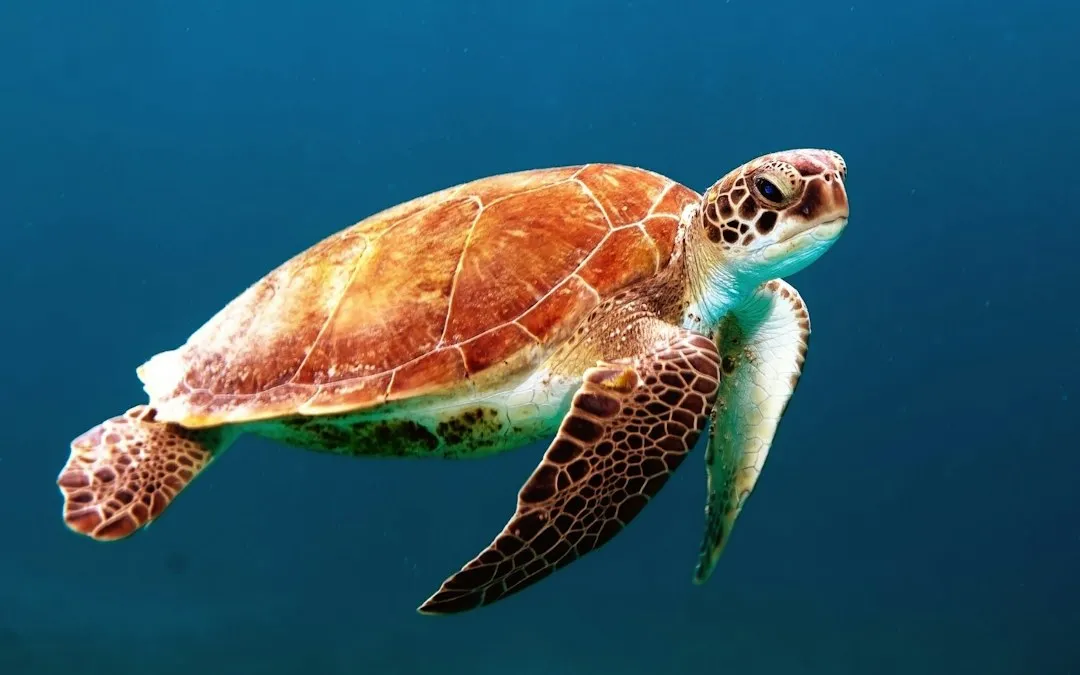
Florida’s warm, shallow waters are prime habitat for sea turtles, and that overlap with heavy fishing pressure has a cost. One 2014 study identified more than a thousand stranded sea turtles in Florida between 1997 and 2009 that involved fishing gear entanglement. Not every case involved abandoned gear, since the figure covers fishing gear in general. Still, it shows how often lines and nets and turtles collide.
There are some hopeful stories too. In summer 2025, efforts to remove lost fishing gear in southern Biscayne Bay led to an unexpected rescue of an endangered green sea turtle. It’s a small example, yet it shows that cleanup work can save animals directly, not just tidy up the seafloor.
New Jersey: Ghost Gear on the Jersey Shore
🔥 Would you like to save this?
We'll email this post to you, so you can come back to it later!
New Jersey’s coast gets a lot of attention for beaches and boardwalks, though its waters carry a quieter problem. A local conservation group says ghost fishing gear has washed ashore at Barnegat Light. That’s the kind of evidence people can actually see and photograph.
Crabbers here have also joined forces with researchers. Commercial crabbers from New Jersey, Maryland, and Virginia are working with scientists from Stockton University and the Virginia Institute of Marine Science to cut down on derelict gear. The partnership treats fishermen as part of the solution, which seems like the only realistic way forward.
Maryland: Crab Pots in the Chesapeake Region

🔥 Would you like to save this?
We'll email this post to you, so you can come back to it later!
Maryland is synonymous with blue crabs, and crab pots are the tool of the trade. When they’re lost, they don’t stop doing their job. Lost crab pots are responsible for unnecessary crab mortality, habitat damage, and entanglement and death of marine mammals and other important species.
That makes the issue an economic one as well as an ecological one. A pot that keeps trapping crabs no one will ever collect is wasted harvest. Maryland’s involvement in the shared crabber and scientist effort suggests the industry sees that too.
Virginia: Tracking Where Gear Goes Missing
🔥 Would you like to save this?
We'll email this post to you, so you can come back to it later!
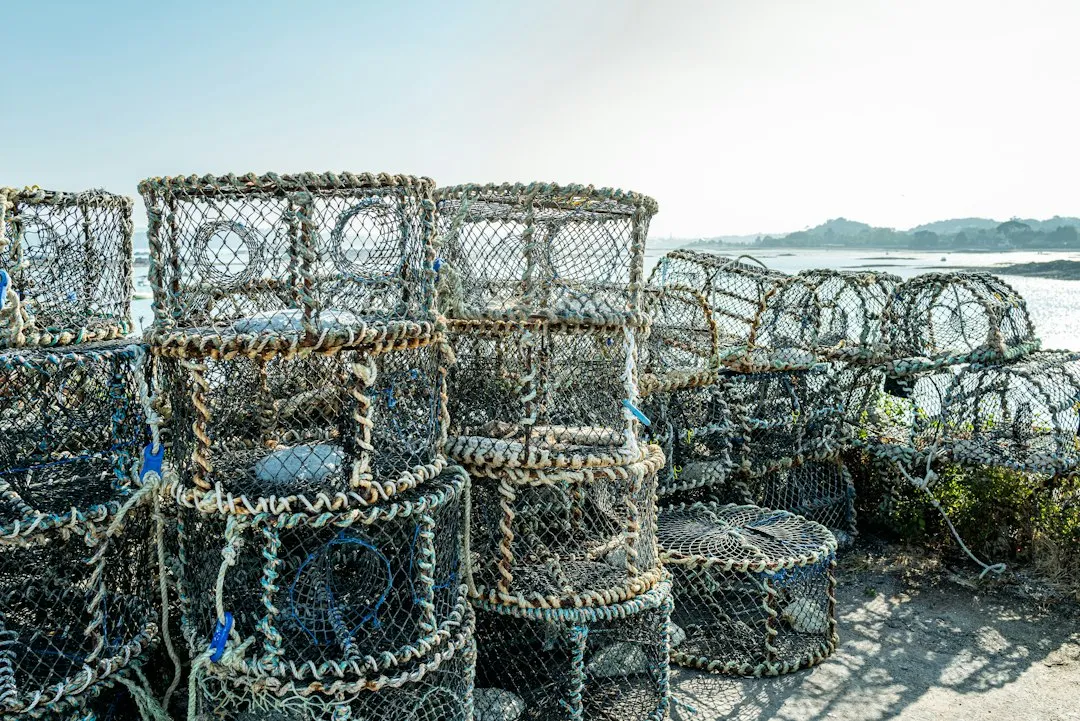
Virginia’s role goes beyond cleanup. The Virginia Institute of Marine Science will award up to 1,475,000 dollars in grants to remove derelict fishing traps from coastal waterways across the United States, while collecting data to prevent future gear loss. Notice the second half of that sentence. Pulling gear out is only useful if you also learn why it got lost.
The reasons are fairly ordinary. Trap gear can be washed away by bad weather, abandoned, dragged under by current, stuck in sediment, or severed by vessel propellers. Most of that isn’t carelessness, which is why prevention is harder than blame.
Mississippi: Paying Fishers to Haul Out Debris
🔥 Would you like to save this?
We'll email this post to you, so you can come back to it later!
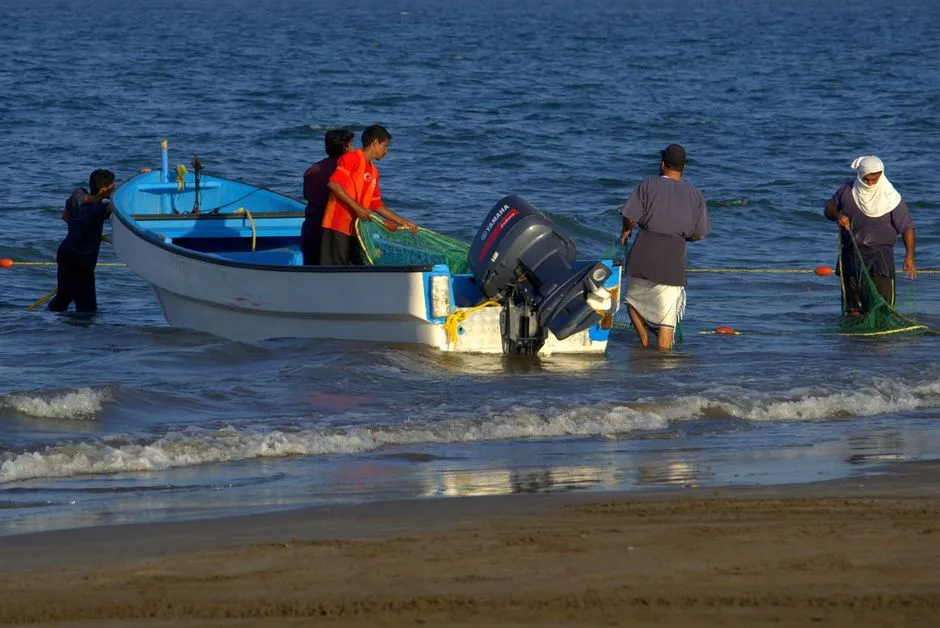
Mississippi represents the Gulf of Mexico in this story. Mississippi Commercial Fisheries United is incentivizing marine debris removal in the Gulf. I’d be careful about reading too much into one program, since the available information doesn’t spell out how much gear has been recovered.
Even so, the approach is telling. Working fishers know where gear tends to get lost and have boats ready to go. Giving them a reason to collect debris turns an ordinary workday into a cleanup effort.
Final Thoughts
🔥 Would you like to save this?
We'll email this post to you, so you can come back to it later!
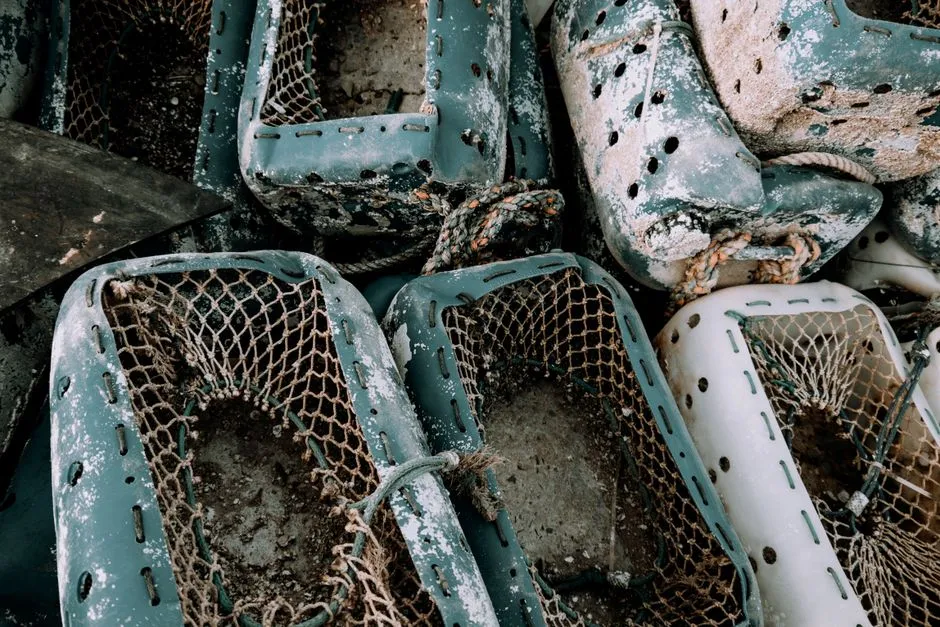
Abandoned gear isn’t a fringe problem. Ocean Conservancy calls lost and abandoned fishing gear the most harmful form of marine debris to wildlife. I think that should change how we talk about it, because this isn’t just litter. It’s a trap that never gets switched off.
My view is that blaming individual fishermen misses the point, since storms and snags happen. The better answer is funding recovery, tracking losses, and paying the people who already work on the water to help. The states above show those ideas are working, but they’re still the exception rather than the rule.

- 7 Everyday Habits That Can Make Your Senior Dog Happier - November 5, 2026
- 10 Enigmatic Structures That Continue to Puzzle Scientists Today - November 5, 2026
- 10 Strange Ruins in the Americas That Challenge What We Know About Early History - November 5, 2026