
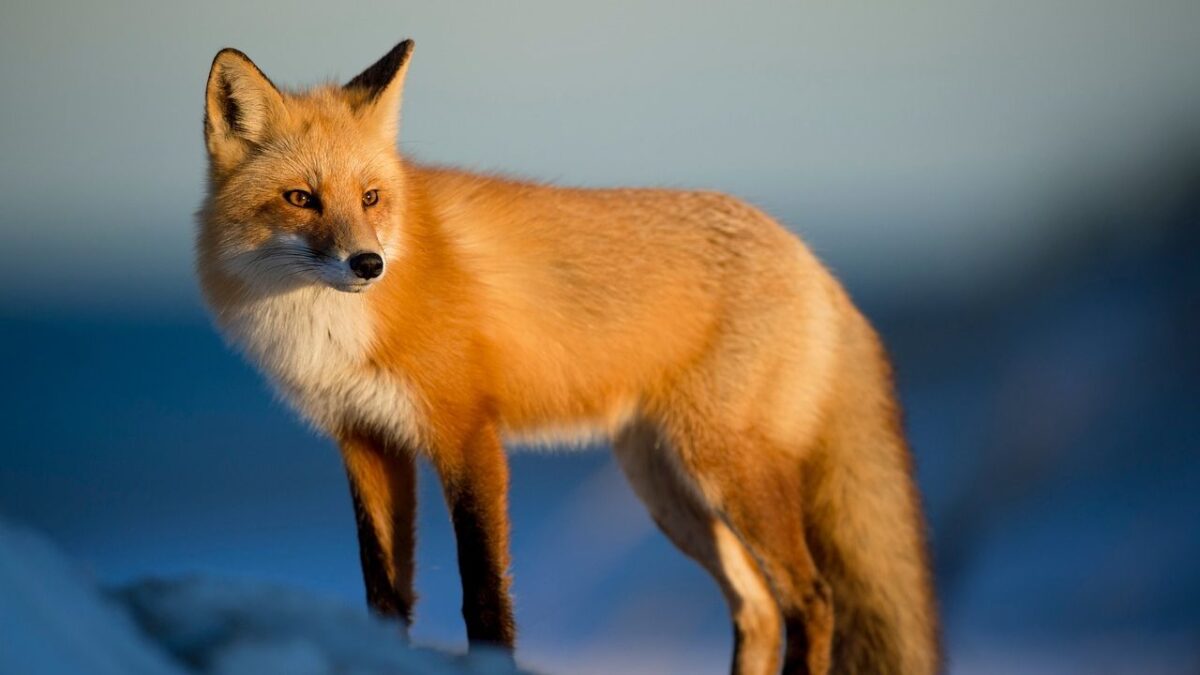
Foxes are everywhere these days. You might spot one darting across a suburban lawn at dusk or disappearing into the woods before you can even snap a photo. These bushy-tailed creatures have adapted to nearly every corner of America, from frozen tundra to humid swamps. Yet despite their widespread presence, some states stand out as absolute fox havens.
What makes certain regions more appealing to these cunning mammals? Sometimes it’s the landscape, other times it’s the food supply, and occasionally it’s just that perfect mix of both. Here’s the thing, not all states offer the same hospitality. Let’s be real, if you’re a fox, you want space to roam, plenty of prey to hunt, and cover from predators. Some states deliver on all fronts. So which ones host ? Let’s dive in.
Wisconsin Leads the Pack
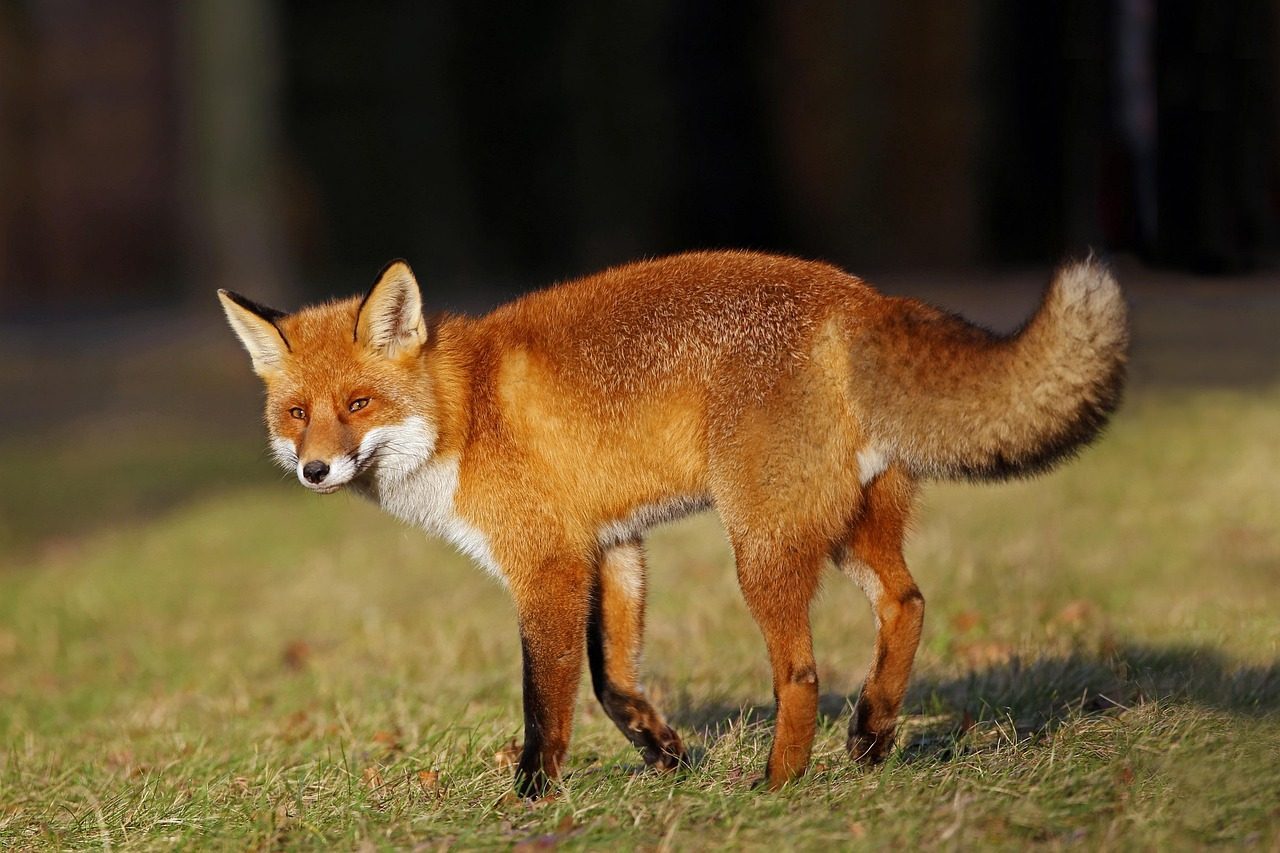
Wisconsin ranks at the top with roughly 200,000 red foxes calling the state home, making it the clear leader in the continental United States for fox populations. That’s a staggering number when you think about it. The state’s mix of woodlands, farmland, and wetlands creates an ideal buffet for these opportunistic hunters.
Gray foxes are also present in Wisconsin, though red foxes far outnumber them. The state’s four-season climate doesn’t deter these adaptable creatures. During harsh winters, red foxes use their thick coats and clever hunting techniques to survive, often pouncing through deep snow to catch rodents scurrying beneath. It’s hard to say for sure, but Wisconsin’s low human density in rural areas probably helps too. Foxes get the space they need without constant human interference. Watching one navigate a snowy field is nothing short of mesmerizing.
Missouri’s Fox-Friendly Territory
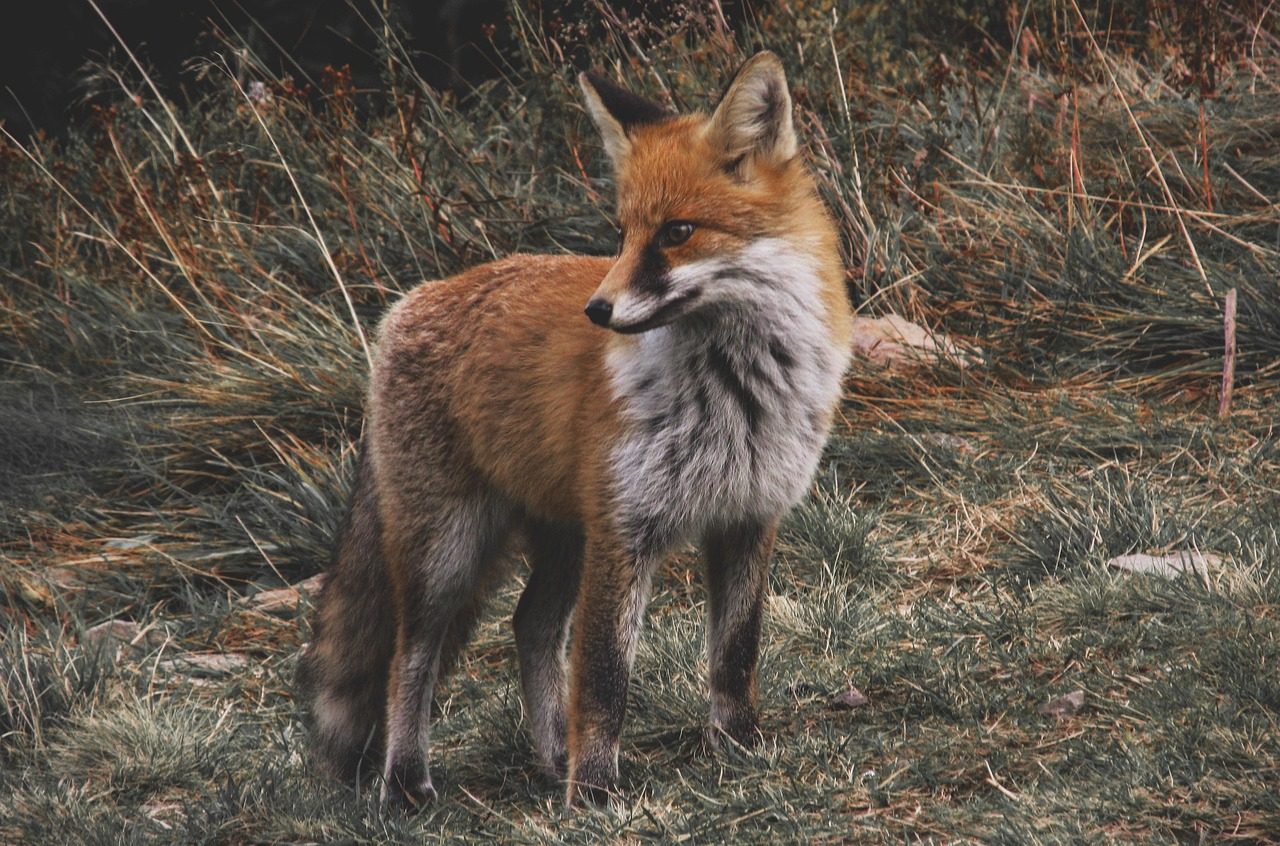
Missouri comes in second with approximately 100,000 red foxes spread across the state. Both gray and red foxes are found here, with gray foxes primarily inhabiting the Ozarks region. The Ozarks provide dense forest cover and rocky terrain, perfect for the tree-climbing gray fox.
Red foxes in Missouri prefer the state’s agricultural lands and mixed habitats where field edges meet woodlands. These transition zones offer excellent hunting grounds for rabbits, mice, and ground-nesting birds. Missouri’s diverse landscape means foxes can thrive whether they’re in the rolling hills of the south or the flatter farmlands of the north. The state’s conservation efforts have also played a role in maintaining healthy fox populations, ensuring these animals continue to flourish alongside human development.
Pennsylvania’s Impressive Numbers
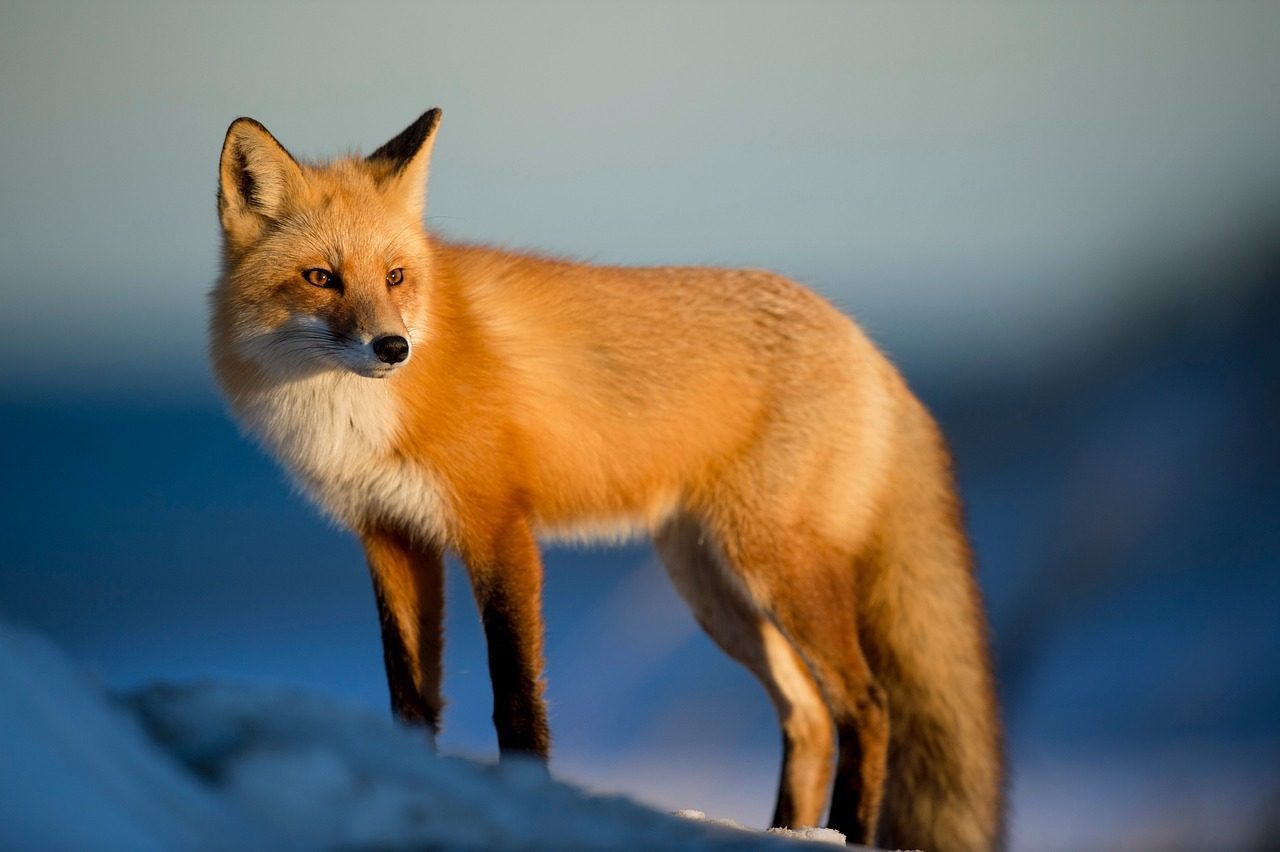
Pennsylvania is home to roughly 50,000 red foxes. Both red and gray foxes inhabit the state, with the red fox population being the more documented of the two. Pennsylvania’s Appalachian Mountains and vast stretches of forest provide ample cover and prey for these cunning carnivores.
The state’s mix of rural farmland and suburban sprawl creates interesting dynamics for foxes. They’ve learned to navigate human-dominated landscapes with surprising ease, sometimes raiding garbage cans or hunting near backyard bird feeders. Pennsylvania’s cold winters test their survival skills, yet they persist. I think there’s something admirable about their resilience. From the Pocono Mountains to the suburbs of Philadelphia, foxes have carved out their niche across nearly every county.
Michigan’s Widespread Fox Presence
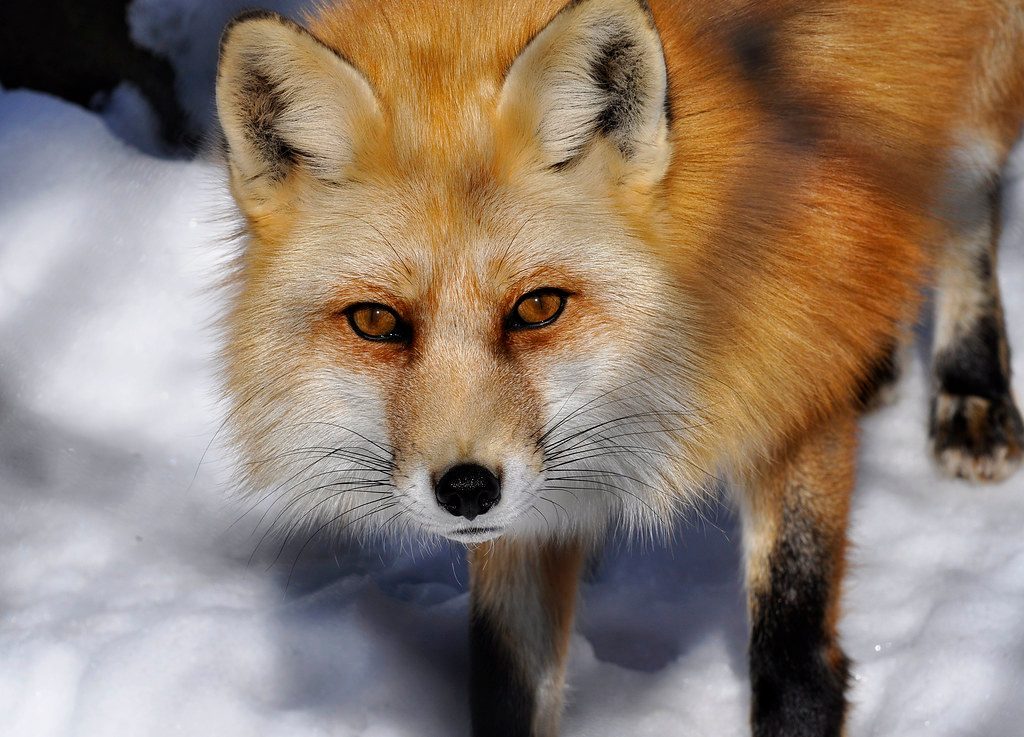
Red and gray foxes are found throughout Michigan, with both species distributed across the entire state, though specific population estimates are not available. Michigan’s geography, with its Great Lakes coastline, dense forests, and agricultural heartland, offers diverse habitats that support robust fox populations.
Red foxes are particularly common in Michigan, thriving in the state’s cold winters and dense forests, with their thick fur providing excellent insulation against harsh conditions. Gray foxes tend to stick to more wooded, secluded areas. Michigan’s Upper Peninsula, with its remote wilderness, serves as a sanctuary for foxes seeking solitude away from human activity. The state’s commitment to wildlife conservation ensures these animals have the resources to thrive year-round, making Michigan a significant fox stronghold in the Great Lakes region.
Minnesota’s Growing Populations
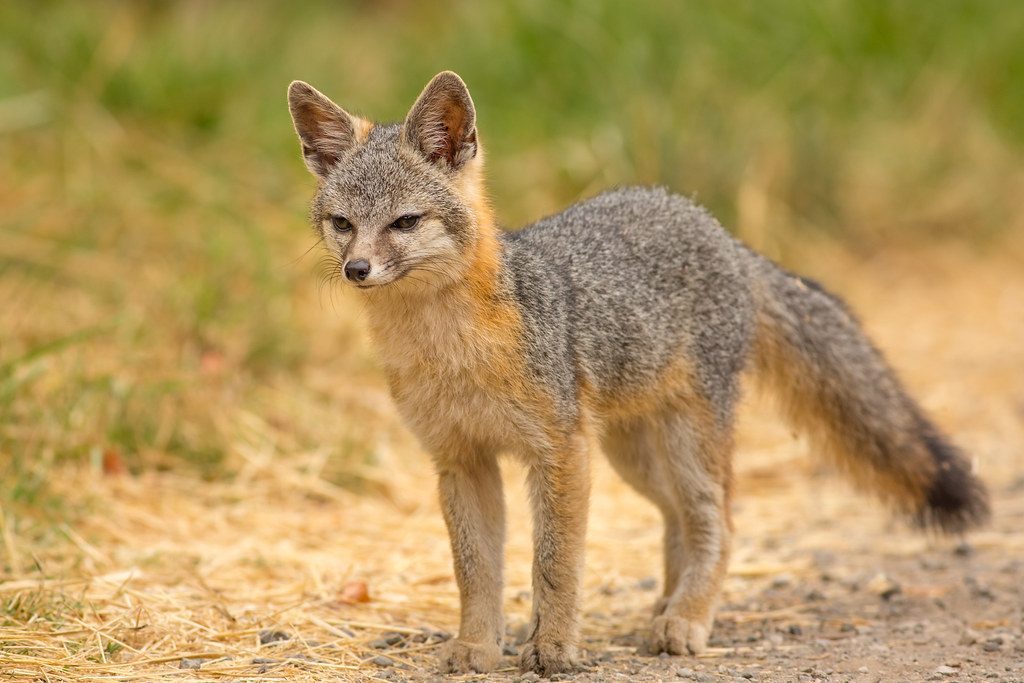
Gray foxes inhabit Minnesota, and while there’s no exact population count, their numbers are growing, with red foxes also being prevalent throughout the state. Gray foxes are more common in Minnesota, Wisconsin, and Michigan than in other Great Lakes states. Minnesota’s northern location might seem harsh, yet foxes have adapted remarkably well.
The state’s vast forests, prairies, and wetlands create a patchwork of habitats that support both species. Red foxes dominate the open farmlands and suburban fringes, while gray foxes prefer the dense cover of hardwood forests. Minnesota’s long, brutal winters force foxes to be resourceful hunters, relying on cached food and acute hearing to locate prey beneath the snow. Honestly, their ability to thrive in such conditions is impressive. Minnesota’s expanding fox populations signal healthy ecosystems and balanced predator-prey relationships.
South Carolina’s Unique Fox Dynamics
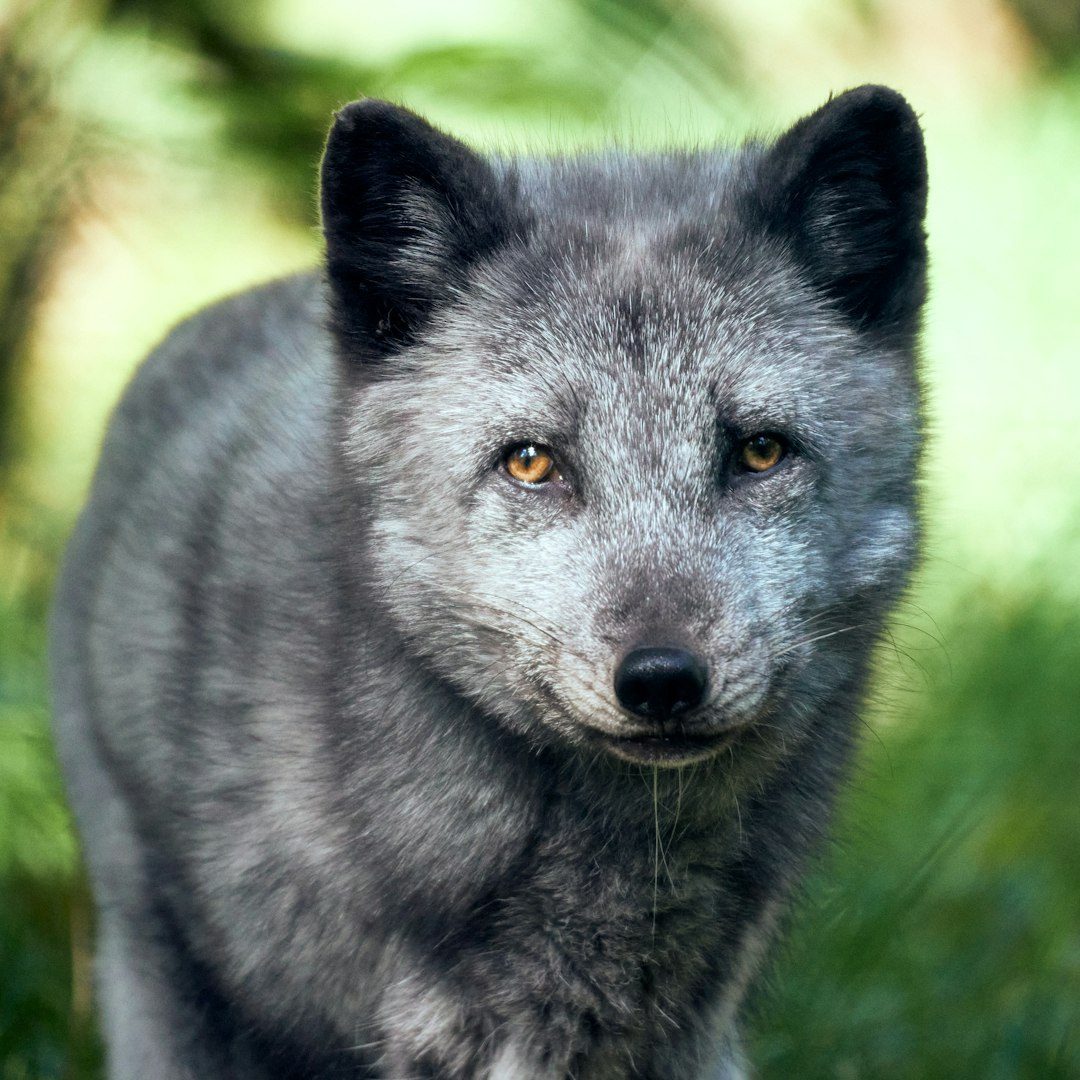
South Carolina doesn’t have specific red fox population estimates, but they are considered very abundant and easy to spot, with gray foxes outnumbering red foxes at roughly a three-to-one ratio. This reversal is fascinating. In most states, red foxes dominate, but South Carolina’s coastal plains, wetlands, and dense forests favor the gray fox.
Gray foxes excel at climbing trees, a skill that helps them escape predators and access food sources like bird nests and fruit. South Carolina’s warm, humid climate and abundant prey make it a paradise for these omnivorous hunters. Red foxes still thrive here, particularly in rural and suburban areas, but they’re definitely playing second fiddle. The state’s conservation programs ensure both species coexist peacefully, maintaining the ecological balance that makes South Carolina such a unique fox hotspot in the southeastern United States.
Conclusion
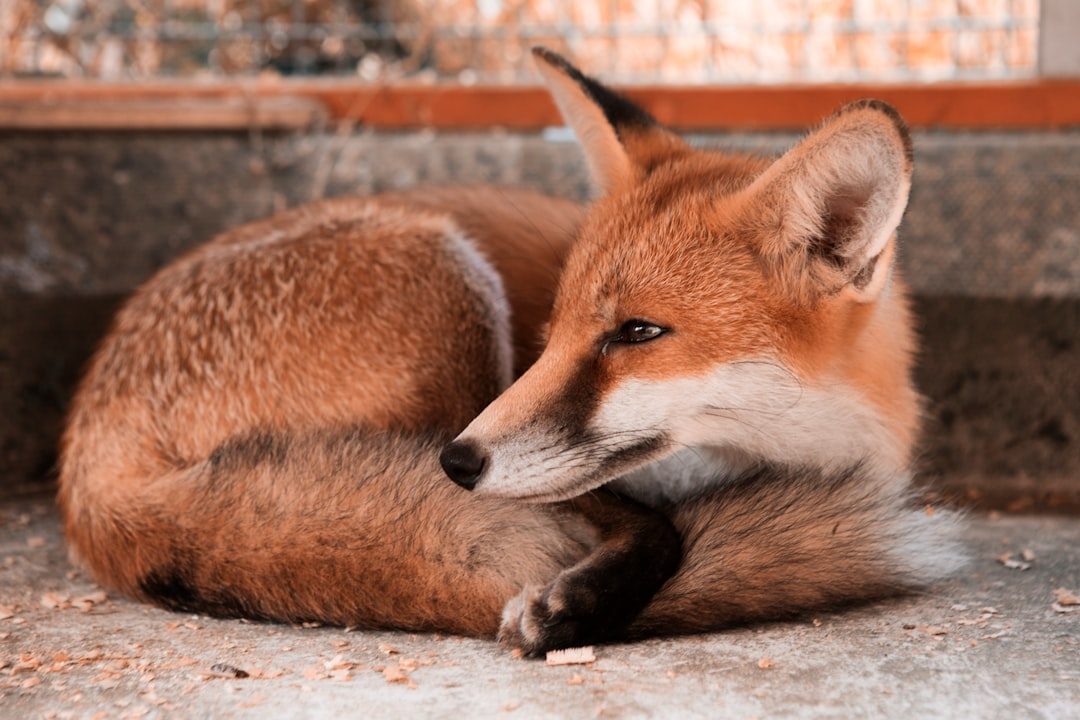
From Wisconsin’s massive red fox population to South Carolina’s gray fox dominance, these six states showcase the incredible adaptability and resilience of foxes across diverse American landscapes. These clever mammals have proven they can thrive in forests, farmlands, suburbs, and even urban edges, adjusting their behavior and diet to whatever environment they encounter. Their success stories remind us that wildlife can coexist with human development when given the chance.
What surprises you most about fox populations in America? Tell us in the comments.
