
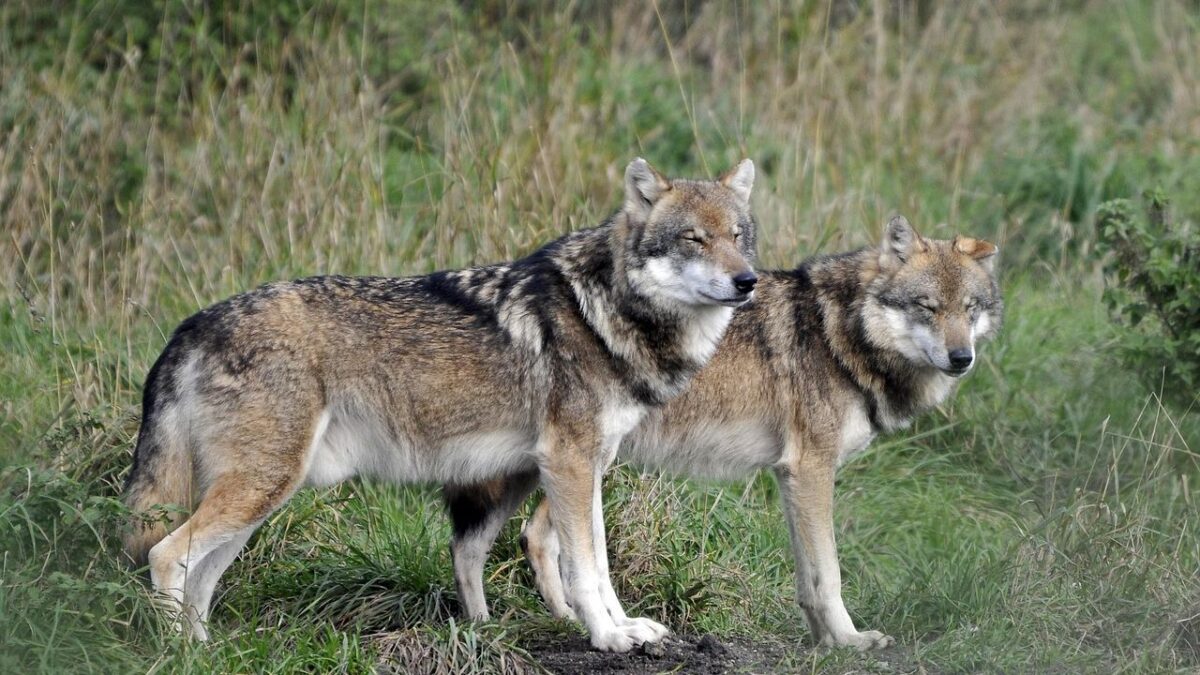
There’s something deeply primal about the howl of a wolf echoing through wilderness. It’s a sound that once reverberated across nearly all of North America, yet today exists in only a fraction of its historic range. Gray wolves have clawed their way back from the brink of extinction in the lower 48 states, yet their recovery remains uneven, controversial, and fiercely debated.
While these apex predators once roamed freely from coast to coast, they now thrive in select pockets where habitat, prey, and human tolerance align. Some states have become unexpected strongholds for these magnificent creatures, harboring populations that would have seemed impossible just decades ago. Let’s be real, the comeback story of gray wolves is nothing short of remarkable. So let’s dive into the six states where these legendary predators have established their strongest presence in 2025.
Alaska: The Undisputed Wolf Capital
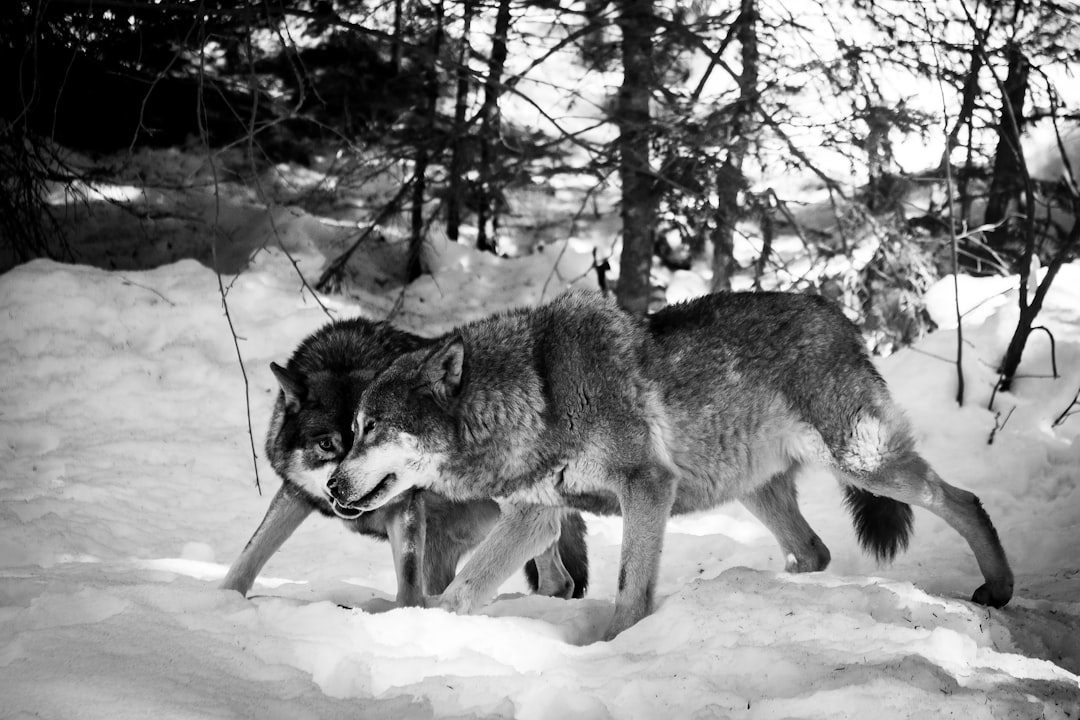
Alaska holds the crown as the state with the highest wolf population, with somewhere between 7,000 and 11,000 wolves roaming its vast wilderness. It’s hard to say for sure the exact number, since tracking animals across such immense terrain presents unique challenges. Unlike their counterparts in the lower states, Alaskan wolves haven’t faced the same threats or endangerment, making it the only state where wolves have never been classified as endangered or threatened.
The sheer size and wildness of Alaska provides wolves with the perfect sanctuary. Mountains, tundra, forests, and an abundance of prey like moose and caribou create ideal conditions for wolf populations to flourish naturally. Honestly, Alaska represents what wolf populations might look like across much of North America if human development hadn’t dramatically altered the landscape. These wolves live largely as they always have, following ancient migration patterns and maintaining the ecological balance that existed long before modern civilization arrived.
Minnesota: The Great Lakes Stronghold
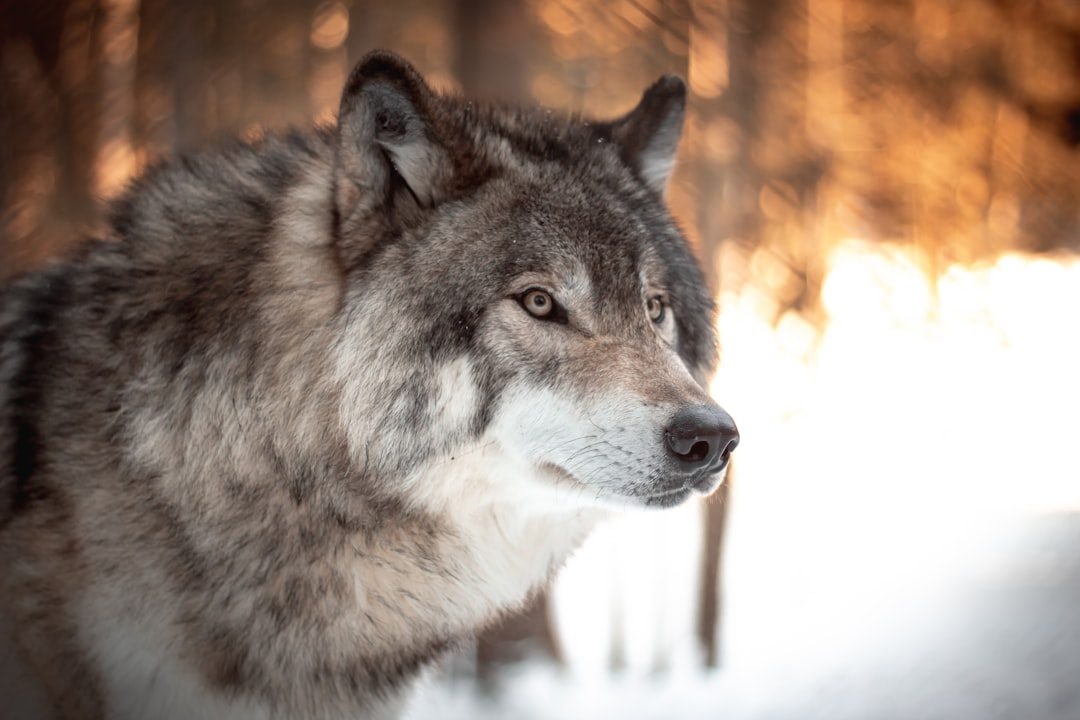
Minnesota boasts roughly 2,919 wolves as of the winter of 2022-2023, making it the state with the largest wolf population in the lower 48. Besides Alaska, Minnesota is the only other state that has consistently maintained a viable gray wolf population, having made wolf protection a priority for many years.
Here’s the thing about Minnesota. While other states watched their wolf populations vanish completely, a small remnant survived in the northern reaches. The state enforced protective measures including the Endangered Species Act provisions starting in 2014, which successfully increased gray wolf numbers to about 2,700 wolves. The forested regions of northern Minnesota provide the perfect habitat, with dense woodlands, abundant deer, and relatively low human population density. Minnesota’s wolves have become the source population for recolonization efforts, with individuals dispersing into neighboring Wisconsin and Michigan to establish new territories.
Wisconsin: A Remarkable Recovery
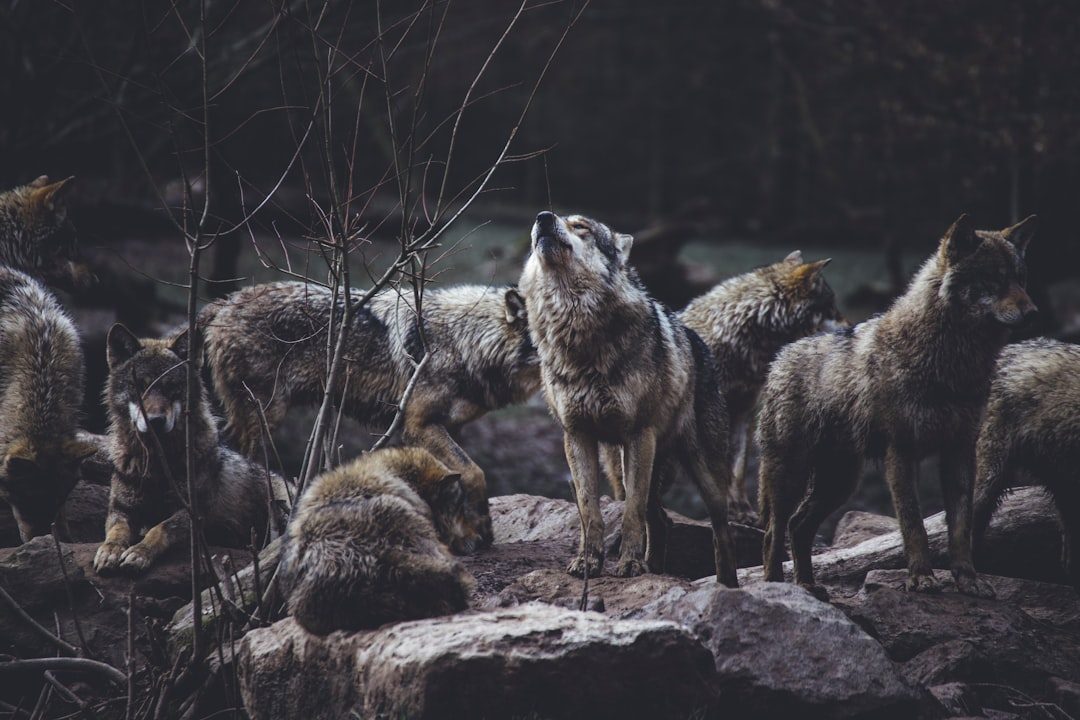
Wisconsin had an estimated 1,226 gray wolves in 336 packs in late winter 2025, representing one of the most dramatic conservation success stories in American wildlife history. The state’s wolf population has fluctuated somewhat in recent years, but remains robust and stable. The 2025 population estimate suggests Wisconsin’s wolf population is reaching an equilibrium around its biological carrying capacity.
Wolves naturally recolonized Wisconsin from Minnesota in the late 1970s after being completely eradicated from the state decades earlier. The recovery wasn’t easy or universally celebrated. Current protections aim to support the growth of approximately 1,000 wolves within the state through both federal and state laws. Wisconsin’s northern forests, abundant deer populations, and extensive public lands have allowed wolves to thrive once again. The controversy surrounding wolf management in Wisconsin remains intense, with passionate advocates on all sides of the debate arguing about hunting seasons, livestock conflicts, and conservation priorities.
Idaho: Rocky Mountain Resurgence
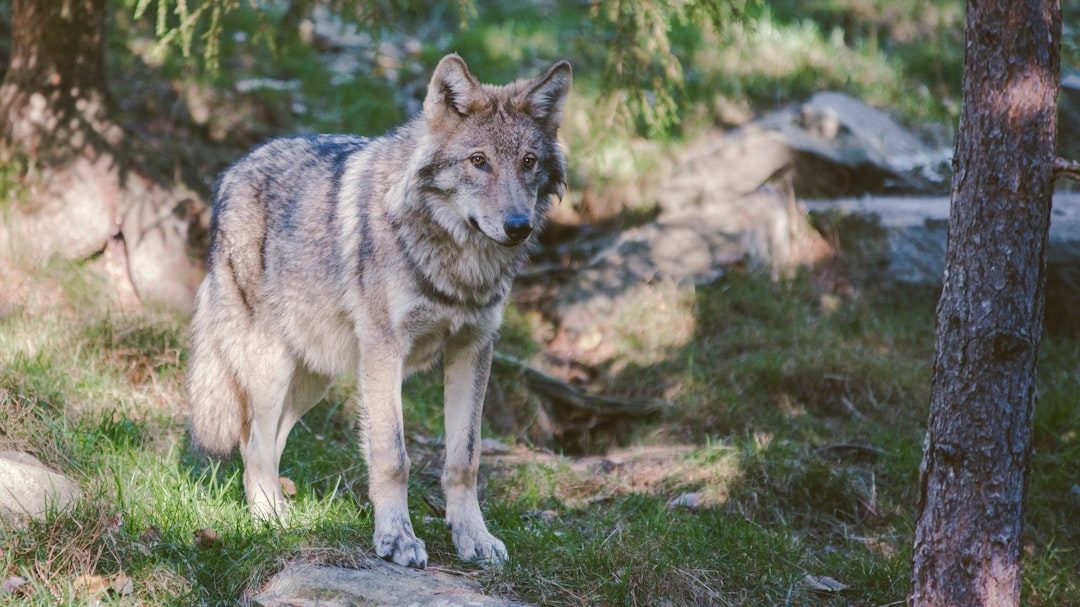
Idaho has approximately 1,253 wolves as of May 2024, though population estimates can vary depending on methodology and timing. Idaho’s wolf story is one of deliberate reintroduction and unexpected success. Wolves were completely eliminated from Idaho by the 1930s, but reintroduction efforts in the mid-1990s brought them back to central Idaho and surrounding areas.
The rugged mountains, vast wilderness areas, and abundant elk and deer populations created perfect conditions for wolf recovery. Idaho’s wolves spread rapidly, exceeded recovery goals, and sparked intense debate about management with state management plans that remain controversial. The state’s approach to wolf management has drawn criticism from conservation groups who argue hunting regulations are too liberal, while ranchers and some rural communities feel wolf populations should be reduced further to protect livestock and game species.
Montana: Northern Rockies Haven
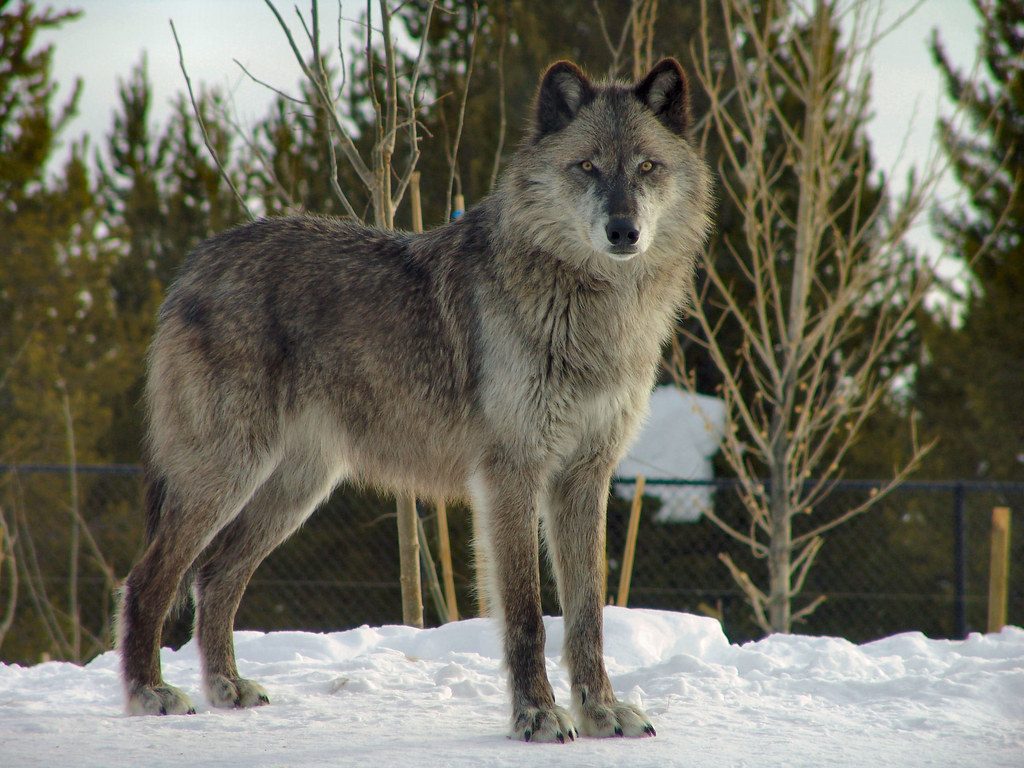
Montana has 1,096 wolves according to 2023 estimates, distributed across the state’s diverse landscapes from the Rocky Mountain Front to Yellowstone’s northern reaches. Montana’s Fish, Wildlife, and Parks Department reports that controlled hunting has helped stabilize the wolf population for over a decade, maintaining about 800 wolves throughout that period.
Montana’s wolves recolonized naturally from Canada and through reintroduction efforts at Yellowstone National Park, which straddles the Montana-Wyoming border. The state’s extensive public lands, including national forests, wilderness areas, and Glacier National Park, provide critical habitat. Montana sits at a crossroads for wolf conservation, with populations connected to Canadian wolves to the north and Wyoming populations to the south, creating vital genetic corridors. Yet management remains contentious, with state policies that conservation groups say threaten long-term population viability.
Michigan: Upper Peninsula Sanctuary
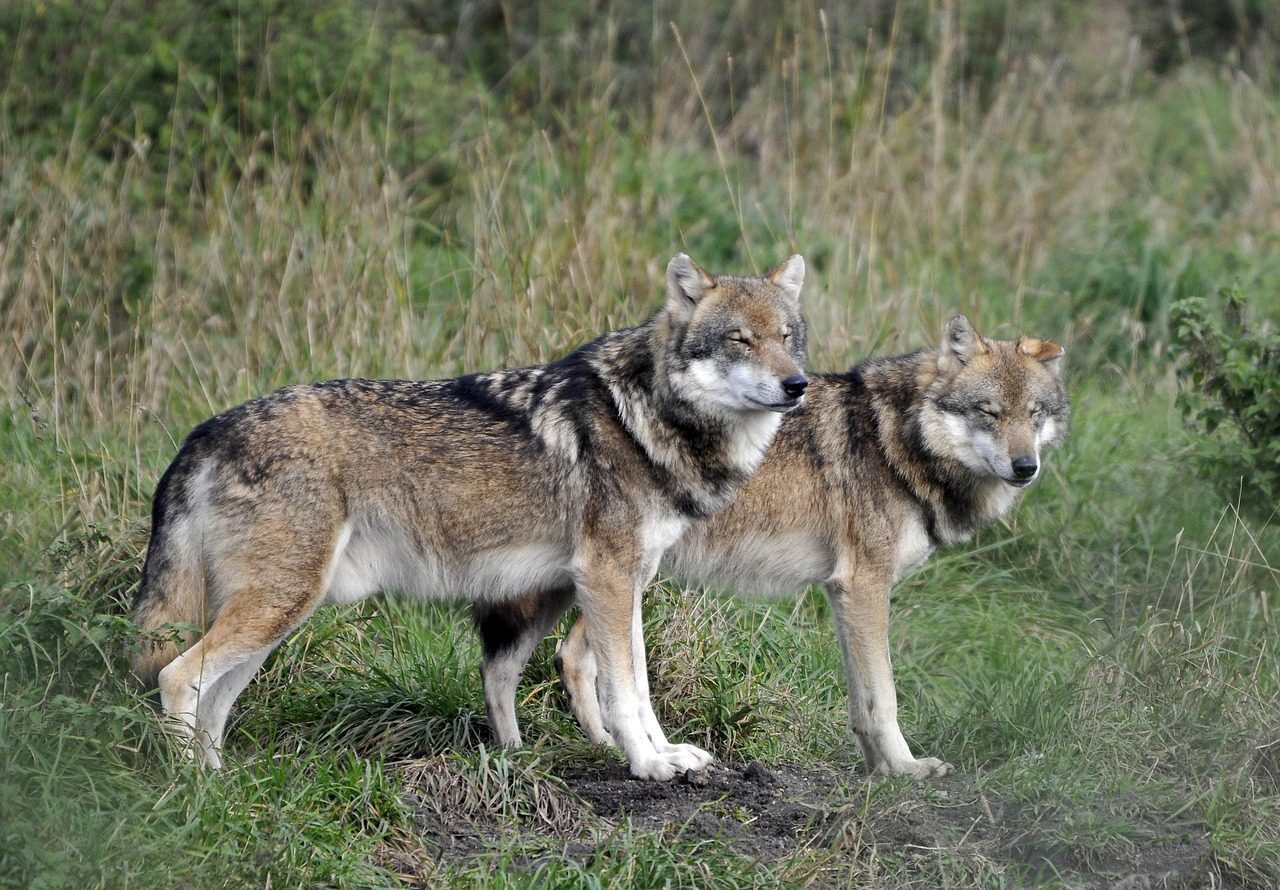
Michigan has 762 wolves as of 2023, concentrated almost entirely in the Upper Peninsula. Wolves are protected under both federal and state law in Michigan, with protections reinstated in 2022 to hopefully support the growth of approximately 700 wolves within the state.
Michigan’s wolves represent another natural recolonization success, with animals dispersing from Wisconsin and Minnesota beginning in the 1980s. The Upper Peninsula’s extensive forests, low human population, and healthy deer herds created suitable habitat for returning wolves. Isle Royale National Park, an island in Lake Superior, maintains its own small, isolated wolf population that has become one of the most studied predator-prey systems in the world. Michigan’s wolf recovery demonstrates how these adaptable predators can reclaim lost territory when given legal protection and suitable habitat.
Looking Ahead
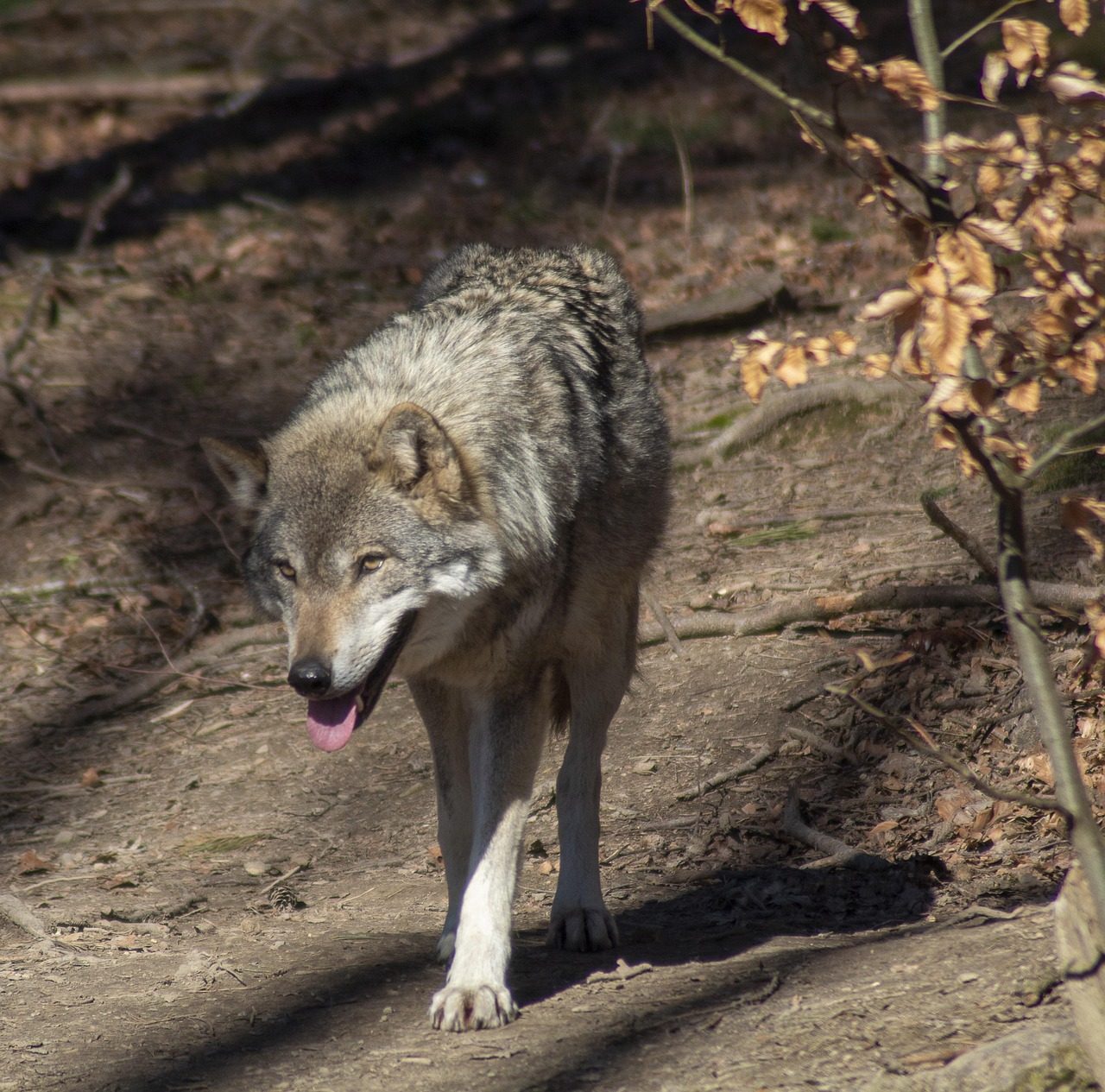
The recovery of gray wolves in these six states represents both triumph and ongoing challenge. From Alaska’s untouched wilderness to the reclaimed forests of the Great Lakes, wolves have proven their resilience and adaptability. Yet their future remains uncertain in many places, dependent on political decisions, public tolerance, and continued habitat protection.
These magnificent predators play irreplaceable roles in their ecosystems, influencing everything from vegetation patterns to river courses through complex ecological relationships. The states that harbor them today carry responsibility not just for their own wolf populations, but for the species’ long-term survival across North America. What strikes me most is how quickly things can change. Populations that took decades to recover can face new threats almost overnight through policy shifts or management changes.
The story of wolves in America is far from finished. What do you think about the future of gray wolves in these states? Should protections be strengthened or is current management working?

- The Ancient River System Hidden Beneath the Sahara of North America - June 22, 2026
- 12 Hippo Facts That Will Blow Your Mind - June 22, 2026
- 10 Animal Behaviors So Intelligent They Still Baffle Scientists - June 22, 2026