
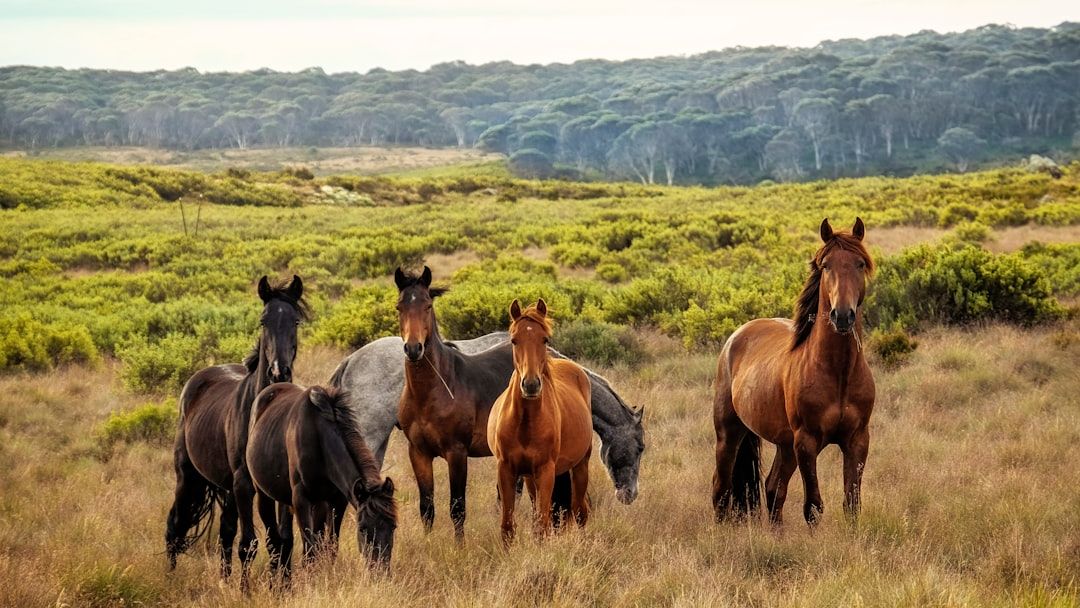
Picture thundering hooves kicking up dust clouds beneath endless skies. That’s the reality in certain corners of America where wild mustangs still claim the land as their own. These aren’t domesticated horses gone astray or weekend ranch escapees. They’re genuine symbols of freedom that have roamed western landscapes for centuries, descendants of Spanish conquistador horses mixed with ranch horses that broke free over generations.
In our modern world of interstates and shopping malls, it’s honestly pretty remarkable these animals still exist at all. Yet they do, scattered across rugged terrain that most people will never set foot on. Let’s explore which states harbor the largest populations of these magnificent creatures and what makes each location so special for mustang survival.
Nevada Reigns Supreme
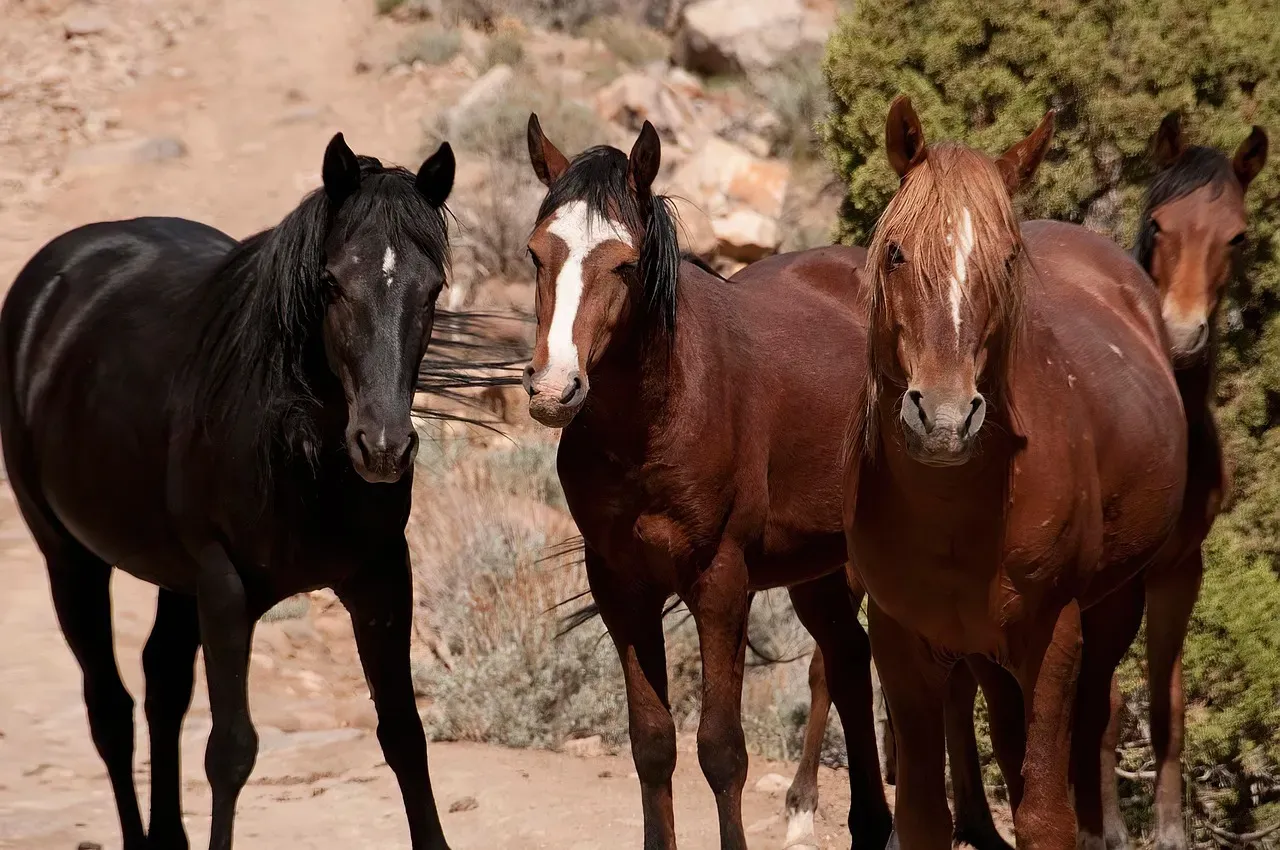
Nevada is the undisputed leader when it comes to wild mustang populations, with over 40,000 roaming its vast landscapes. Think about that number for a second. Nevada is home to nearly half of all wild horses in the United States. The sheer dominance of this one state in the mustang world is staggering.
The Silver State’s geography creates perfect conditions for these horses. The state’s wide-open deserts, mountain ranges, and arid plains provide an ideal habitat for these resilient horses. There’s something almost poetic about watching a mustang herd disappear into the heat shimmer of a Nevada desert valley.
Smithsonian Magazine calls the Virginia Range the number one site in the West to see wild horses, easily accessible from Reno and Carson City to Silver Springs and Fernley, the Virginia Range habitat is home to an estimated 3,000 wild horses. This accessibility makes Nevada not just the mustang capital by numbers, but also by visibility.
The primary reason for Nevada’s large mustang population is the abundance of federal land, allowing these horses to roam freely without much disturbance. When you’ve got that much space and federal protection working together, it’s no wonder the horses thrive here. Nevada truly embodies the wild west spirit these animals represent.
Wyoming’s Rugged Territory
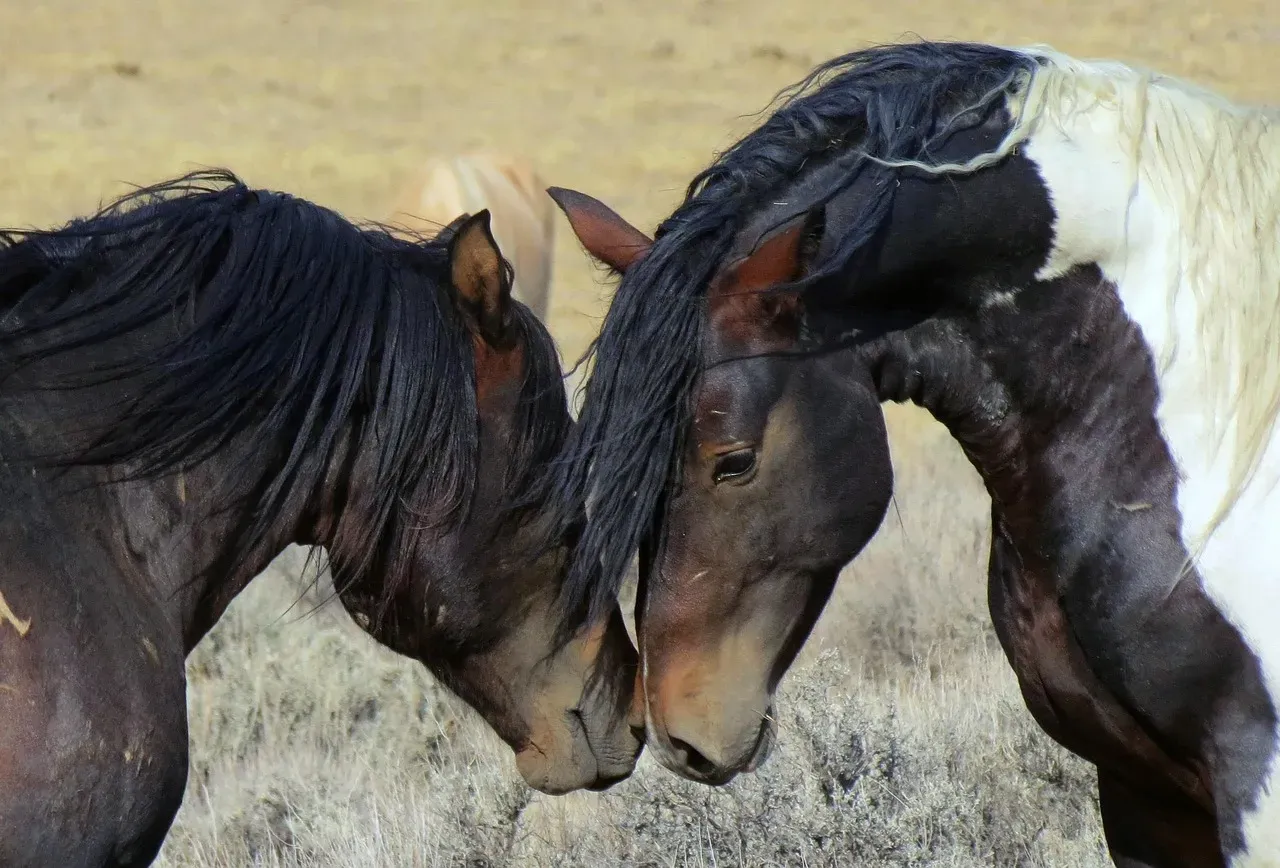
Wyoming’s rugged terrain and sweeping plains make it another haven for wild mustangs. The landscape here feels almost untouched by time in certain areas. Rolling grasslands stretch toward snow-capped peaks, creating vistas that look ripped straight from an old western film.
The state is home to several herds, with notable populations in areas like the Pryor Mountain Wild Horse Range and the Adobe Town Herd Management Area. BLM Wyoming manages 14 wild horse herd management areas on nearly 5 million acres, with the combined appropriate management level for all HMAs in the state at 2,566 animals.
What makes Wyoming’s mustangs particularly fascinating is how they’ve adapted to some seriously challenging conditions. Winters here can be brutal. These horses have developed thick coats and survival instincts that would make their distant domestic cousins look downright pampered.
In Wyoming, the mustangs are part of a delicate ecosystem, coexisting with other wildlife like pronghorn antelope and coyotes, with conservation efforts in the state focused on maintaining a healthy balance. It’s this ecological integration that makes Wyoming’s approach somewhat unique. The mustangs aren’t just tolerated here, they’re recognized as part of the larger wilderness puzzle.
Oregon’s Historic Herds
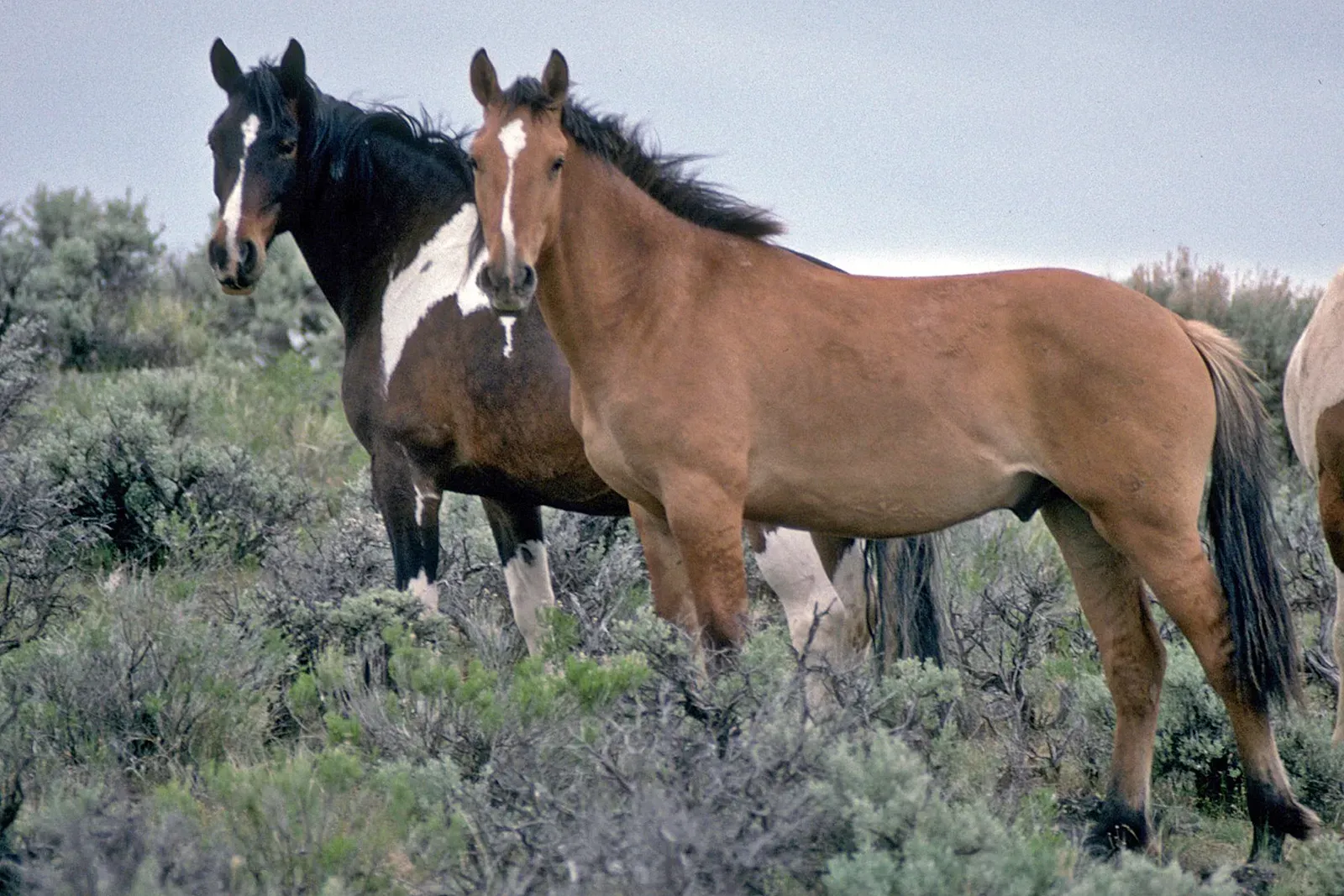
Oregon is known for its nearly 2000 wild Mustangs, many of which inhabit the Kiger Mustang HMA. The Kiger mustangs deserve special mention because they’re basically living history on four legs. These horses are revered for their historical lineage, believed to trace back to Spanish Mustangs brought to the Americas centuries ago.
In 2023, an estimated 4,519 wild horses and 54 wild burros were roaming on Oregon’s HMAs and the Wild Horse Territory. That’s actually quite a bit higher than the management targets, which shows both the horses’ reproductive success and the ongoing challenges of population management.
Some of the most admired horses are the Kiger Mustangs on Steens Mountain, with DNA testing demonstrating that Kiger mustangs are largely descended from the Spanish horses brought to North America. Their distinctive dun coloring and compact, athletic builds make them highly sought after in adoption programs.
In southeastern Oregon, the BLM now manages 18 Herd Management Areas and co-manages one Wild Horse Territory with the U.S. Forest Service. Oregon’s commitment to preserving these bloodlines while managing sustainable populations reflects a more nuanced approach than simple roundups and removals.
Utah’s Accessible Herds
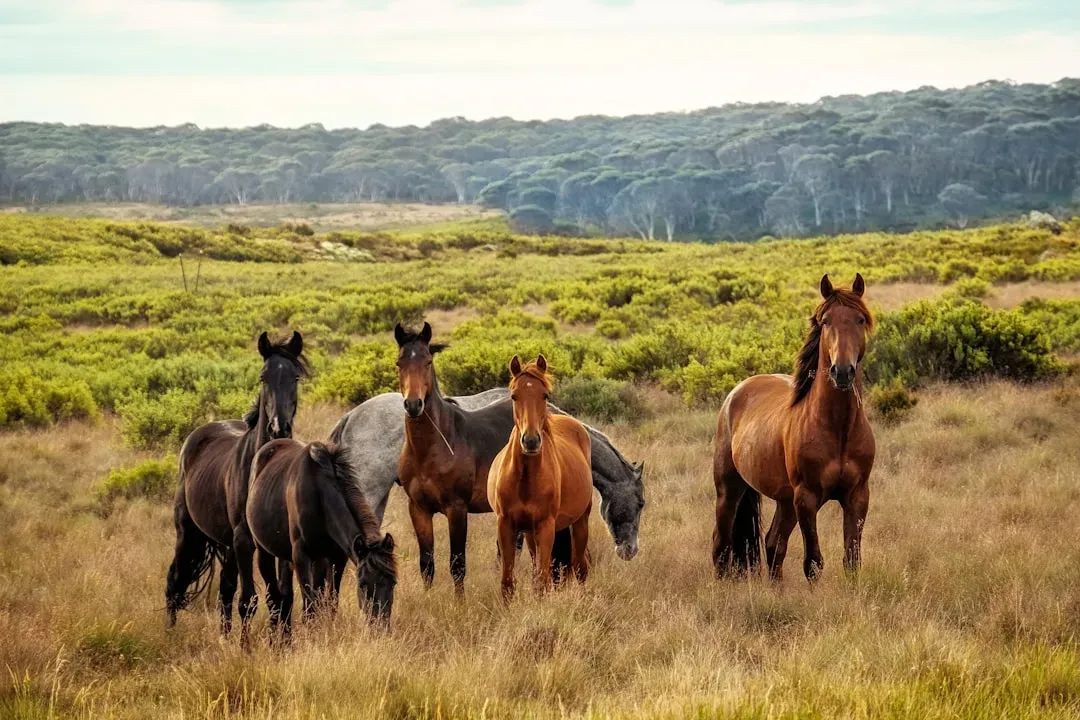
Utah’s wild Mustang population, numbering about 3,500, thrives in its unique and varied terrains, from deserts to alpine forests. The diversity of Utah’s landscapes means these horses experience everything from scorching summer heat to winter snowdrifts. It’s a testament to their adaptability.
The Onaqui herd, one of the most famous in the U.S., is celebrated for its beauty and accessibility, drawing photographers and tourists alike. I think this accessibility factor matters more than people realize. When regular folks can actually see these animals, public support for their protection grows naturally.
Utah’s climate and natural resources make it a fitting home for these Mustangs, which coexist with other wildlife, with local conservation efforts ensuring the preservation of their habitats. The state has struck a decent balance between allowing public access and protecting the horses from excessive human interference.
Utah is another state where wild mustangs thrive, with a population of approximately 4,078, with the state’s rugged terrain and wide-open spaces supporting healthy herds known for their strength and endurance. These aren’t delicate creatures by any means. They’re survivors who’ve earned their place on this challenging landscape through sheer toughness.
California’s Diverse Landscapes
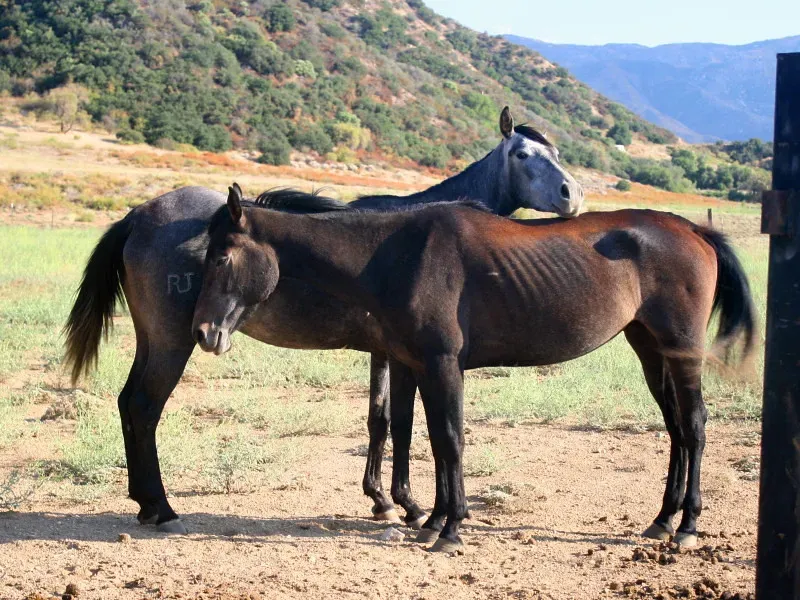
California is home to over 2,500 Mustangs, primarily found in the state’s northern and eastern regions, with areas like the Modoc Plateau and Inyo National Forest offering diverse ecosystems. When most people think California, they picture beaches and Hollywood. The wild mustang country tells a completely different story.
The northern reaches of California feel more like high desert Nevada than coastal paradise. California’s temperate climate and abundant forage make it a suitable environment for these animals. Compared to some of the harsher mustang territories, California’s horses have it relatively good in terms of year-round resources.
The state has a history of Spanish Mustang influence, seen in the distinct physical traits of some herds, with California’s commitment to wildlife protection extending to its Mustangs. There’s genuine pride in these herds among local communities who see them as part of the state’s heritage.
More than half of all free-roaming mustangs in North America are found in Nevada, with other significant populations in California, Oregon, Utah, Montana, and Wyoming. California’s placement in this ranking shows it punches above its weight in mustang conservation despite having far more competing land uses than states like Nevada or Wyoming.
Colorado’s Mountain Mustangs
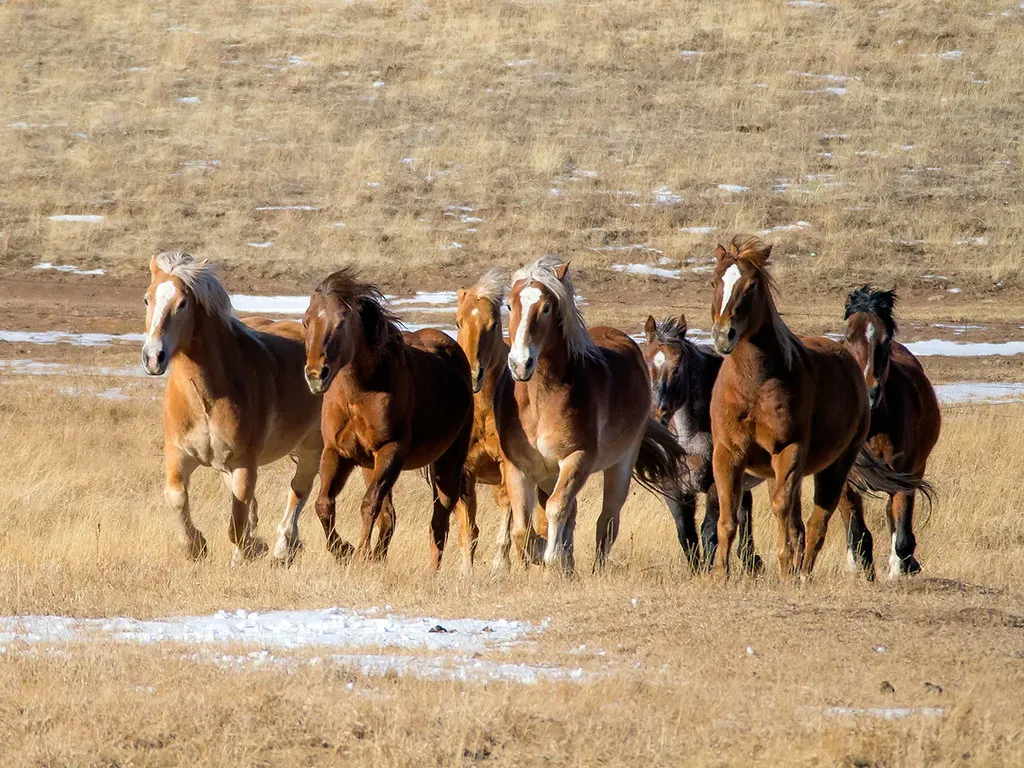
Colorado is home to around 1,322 wild mustangs, and these spirited horses are a breathtaking sight on the state’s open plains and rugged landscapes. Colorado rounds out our list with a smaller but still significant population. These horses inhabit some of the most visually stunning territory you’ll find anywhere.
Colorado boasts a population of around 1,800 Mustangs, predominantly in areas like the Piceance-East Douglas HMA, with the state’s mountainous terrain and fertile grazing lands providing an ideal home. The elevation changes in Colorado create unique challenges and opportunities for these herds.
Colorado’s herds are actively managed and supported by local advocacy groups dedicated to preserving their rights and habitats, with the state’s rich Western legacy mirrored in its wild horse populations. Coloradans seem particularly passionate about their mustangs, perhaps because they represent the frontier spirit that originally drew settlers to this challenging terrain.
The sight of wild horses against a backdrop of fourteen-thousand-foot peaks is something that sticks with you. These aren’t the largest herds numerically, but they may well represent some of the most dramatic mustang viewing anywhere in America. Colorado’s commitment to maintaining these populations despite competing interests from ranchers, developers, and recreationalists shows genuine dedication to preservation.
Conclusion
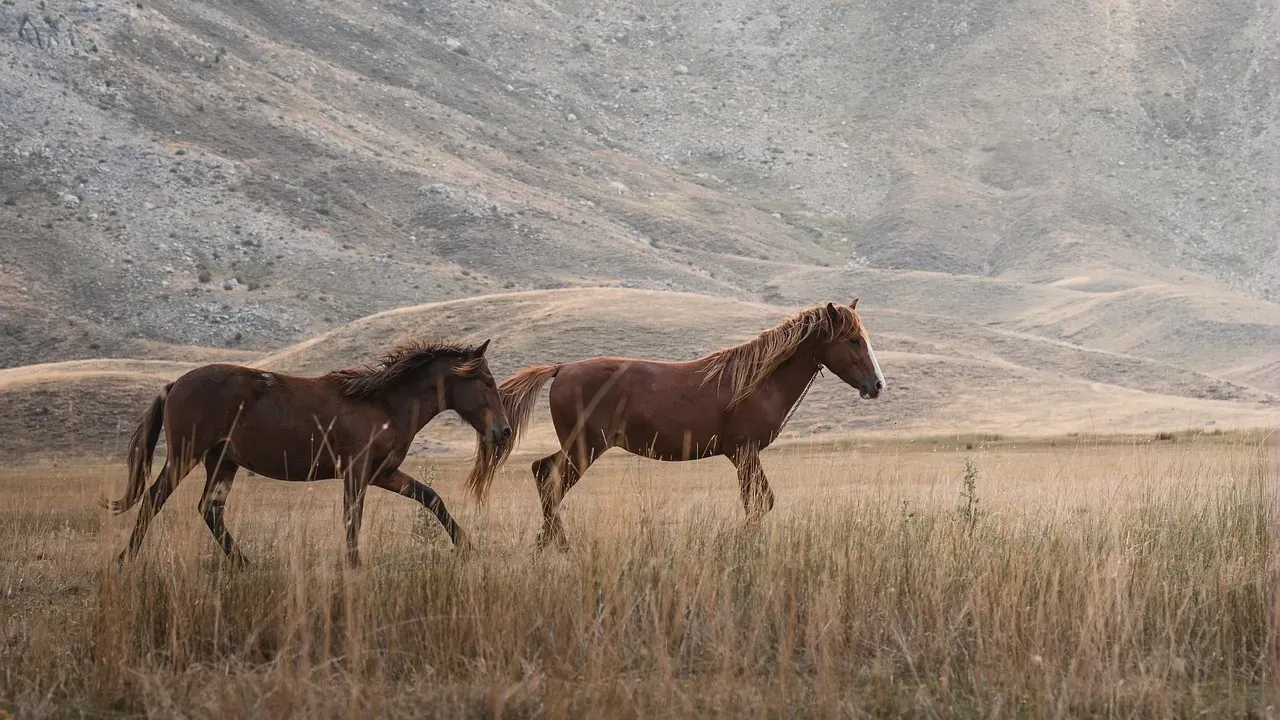
These six states represent the last strongholds for America’s wild mustangs. From Nevada’s overwhelming numbers to Colorado’s mountain herds, each population tells a unique story of adaptation and survival. The roughly 73,000 wild horses currently roaming western public lands are all that remain of herds that once numbered in the millions.
Managing these populations remains controversial. Ranchers worry about competition for grazing land. Conservationists debate whether roundups are humane. The Bureau of Land Management struggles with budgets and conflicting mandates. Yet through all the politics and logistics, the horses themselves just keep doing what they’ve always done, surviving against the odds on some of North America’s most unforgiving terrain.
What’s your take on wild mustang management? Should we prioritize preservation or focus more on population control? The future of these iconic animals may well depend on finding answers that satisfy everyone with a stake in their survival.
