
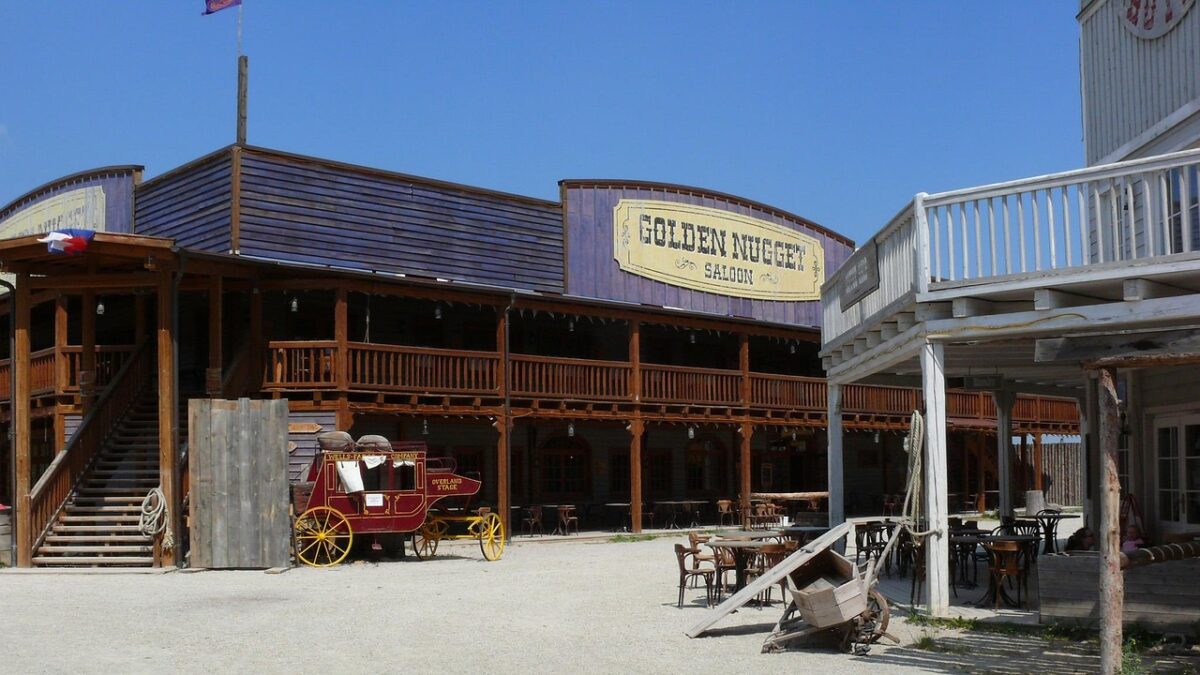
The silhouette of abandoned buildings against endless skies tells a story that never loses its grip on our imagination. Walking through a genuine ghost town feels like time travel, where dusty streets and weathered facades whisper secrets from another era.
The U.S. offers some incredible abandoned towns that you can actually visit and feel the past surround you. There’s just something about confronting the echoes of the past that makes the hairs on the back of our necks rise, yet these unsettling encounters thrill many visitors who seek out these eerie tourist attractions. Let’s explore seven remarkable ghost towns that remain accessible today.
Bodie, California: A Time Capsule in the Sierra Nevada
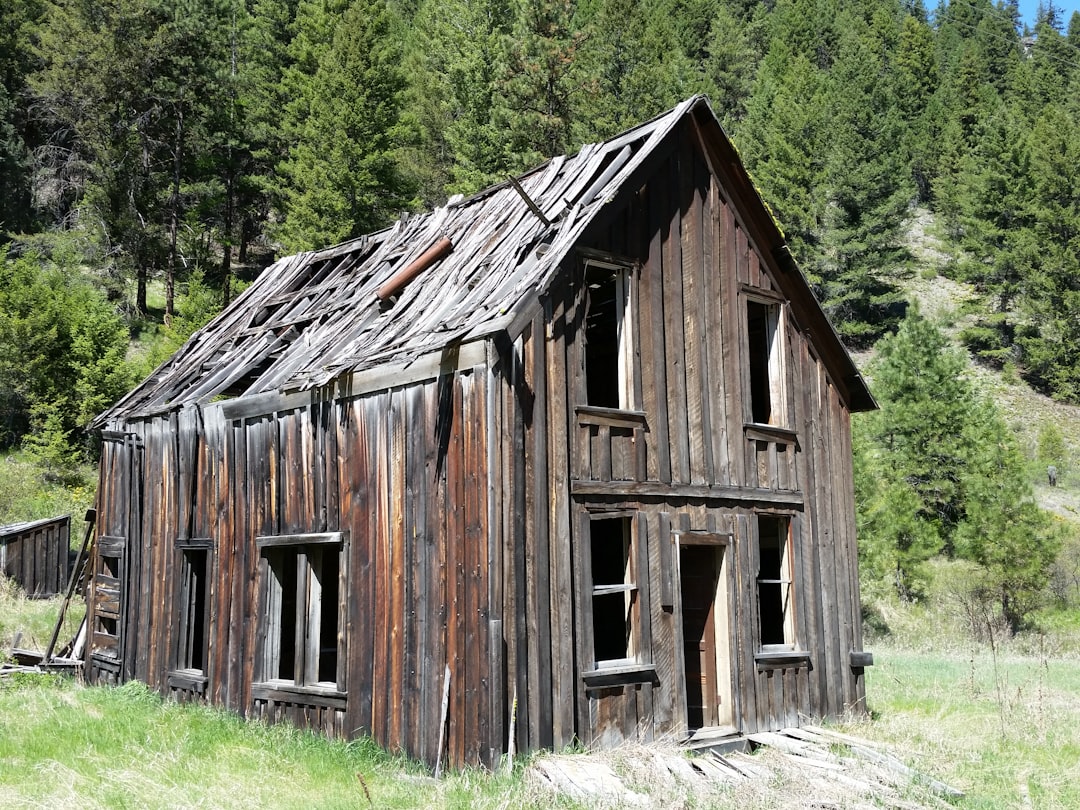
Bodie stands as one of the most well-preserved ghost towns, where the California Parks Service keeps it in a state of “arrested decay.” This means that even goods and furniture were left inside buildings and homes, as if their owners would return. At its peak, this Wild West boomtown had a population of 10,000 people.
You can peer into the windows of Bodie’s 200 frontier-era buildings and marvel at undisturbed scenes of long-gone lives, down to kitchen tables set for meals that were never served. Located about 77 kilometers northeast of Yosemite National Park, fifty-minute tours are provided daily by park rangers, and in summer, visitors can also book guided ghost tours. The legends say anyone who takes an artifact from the town will be cursed – though that might just be a clever preservation strategy.
St. Elmo, Colorado: The Best-Preserved Western Ghost Town
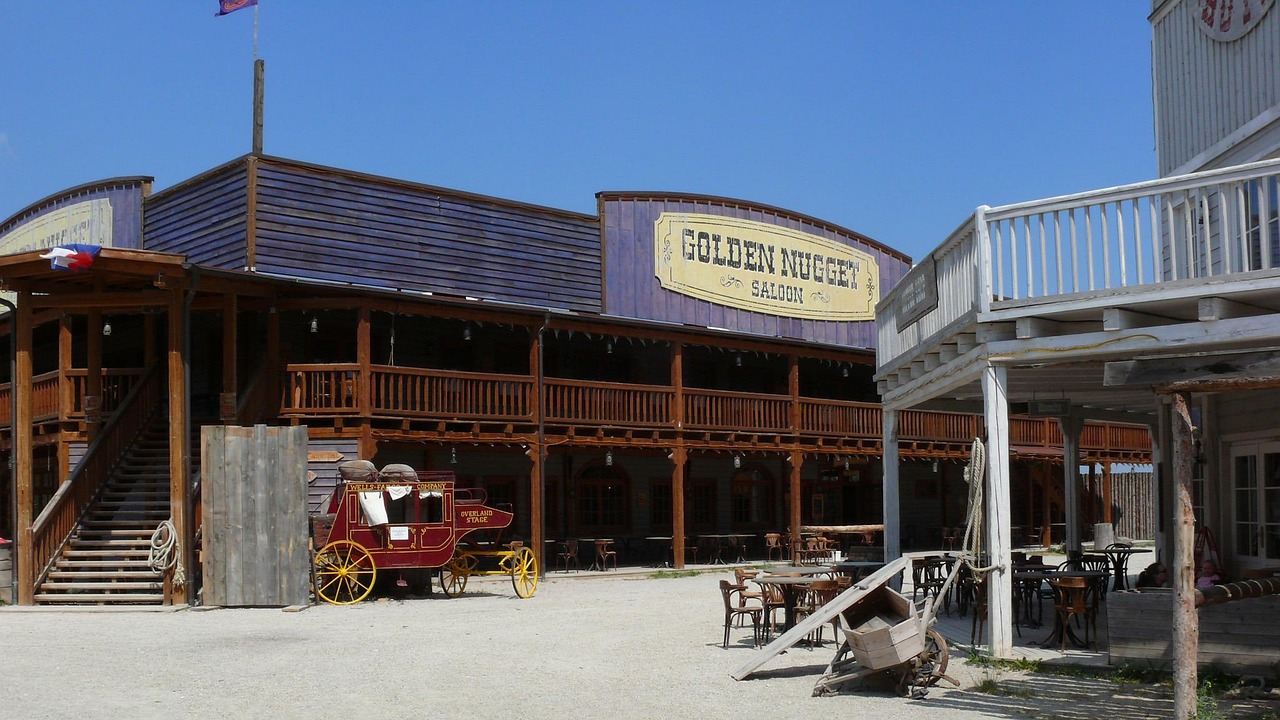
St. Elmo is considered the best-preserved ghost town in Colorado, and some say, the entire West United States. It was founded in 1880 after gold and silver mines cropped up nearby, and it even boasted a railway line, which was rare for a small mining settlement.
The town couldn’t last when a number of fires and slow refinement of the mined ores caused people to move elsewhere. In the 1940s, only two people were residents of St. Elmo, and legend says that one of those residents still haunts the town after her death. Today, the town does still have around forty of the original buildings, and is a tourist spot for history-lovers and hikers alike. The ghost stories add an extra layer of intrigue to this remarkably intact piece of the Old West.
Bannack, Montana: America’s Most Intact Ghost Town
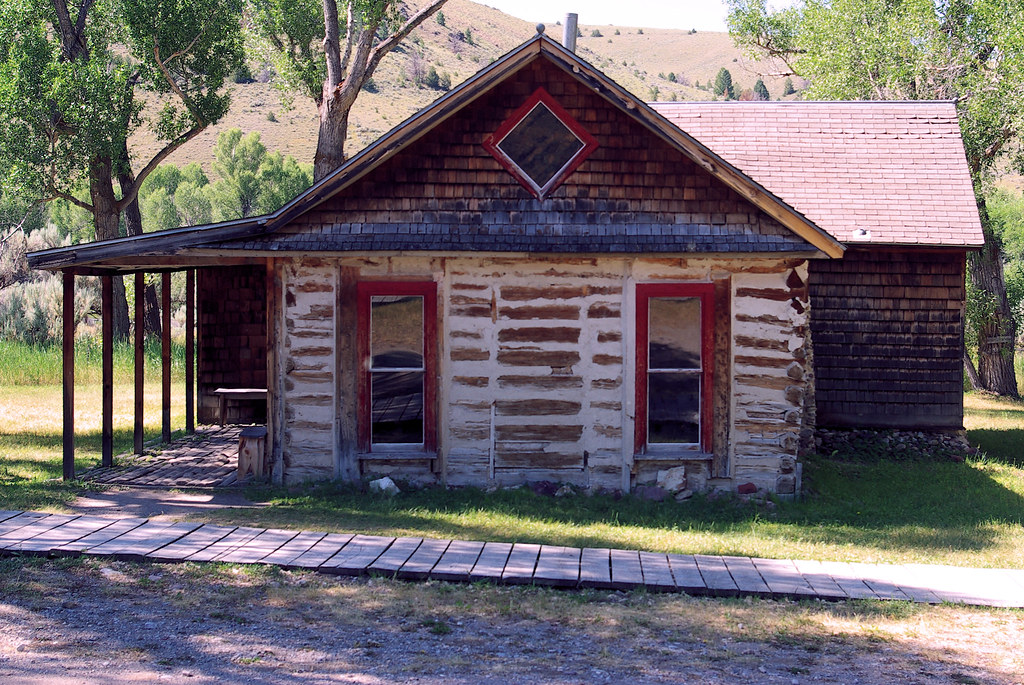
Come walk the deserted streets of Bannack and discover for yourself the realities of the “Old West.” Bannack is the best preserved of all Montana ghost towns. Bannack State Park is a National Historic Landmark and the site of Montana’s first major gold discovery on July 28, 1862, which set off a massive gold rush that swelled Bannack’s population to over 3,000 by 1863.
Over 50 buildings line Main Street; their historic log and frame structures recall Montana’s formative years. This walking tour through one of the best preserved ghost towns in the US features everything you’d expect from the Wild West: a saloon, log cabins, gallows, and the story of a convicted murderer who escaped from jail and became the town’s sheriff. The dark history of vigilante justice and lawless sheriffs makes Bannack particularly fascinating for those interested in the rougher side of frontier life.
Calico, California: A Silver Mining Marvel Turned Tourist Attraction
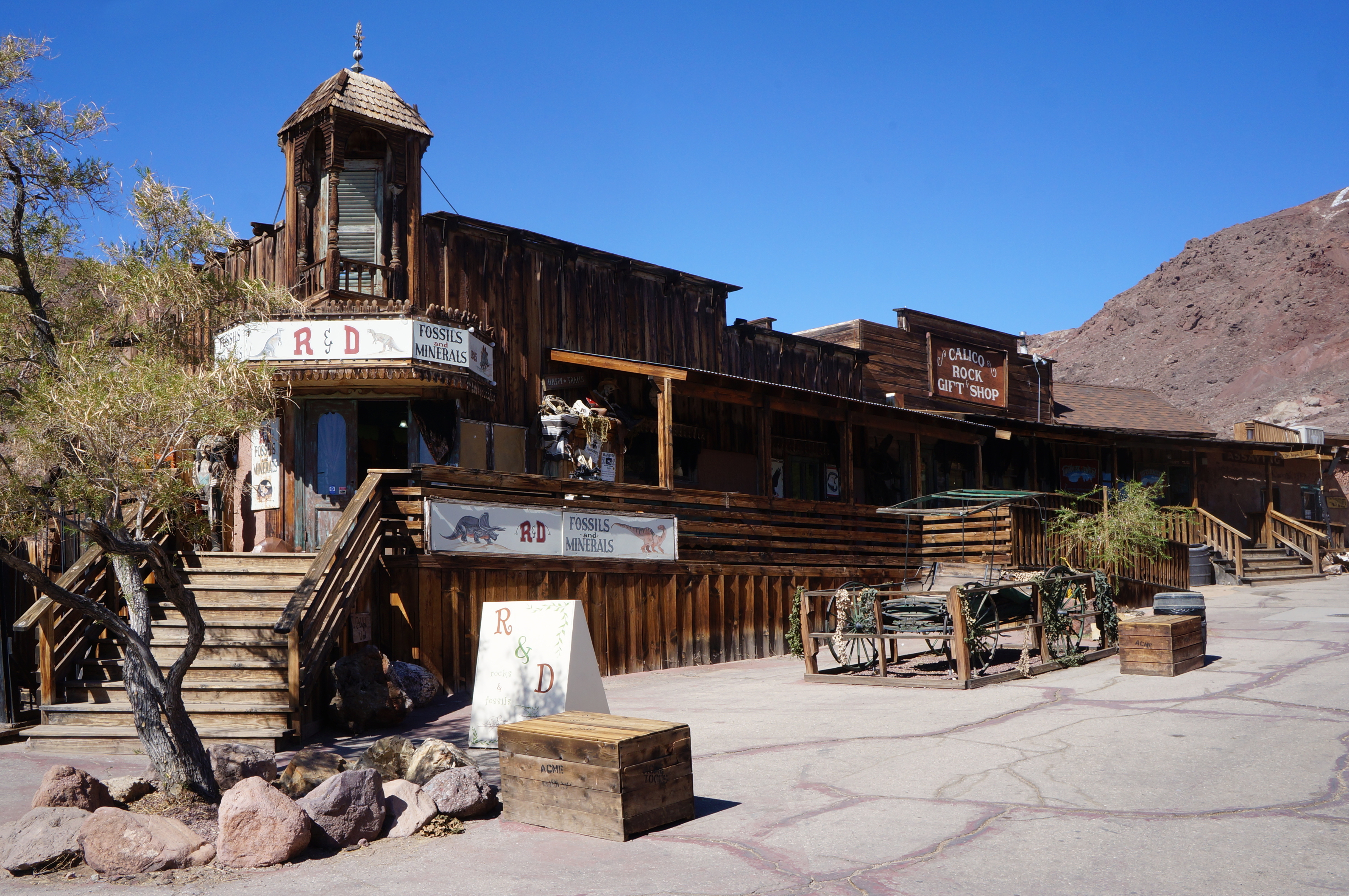
Calico had a brief but shining heyday as a silver mining town in the 1880s and 1890s, with over 500 mines and $20 million of silver ore produced in 12 years. When silver lost value in the 1890s, Calico lost its residents. In the 1950s, Walter Knott – of Knott’s Berry Farm fame – bought the town and restored many of the buildings to their 1880s glory, and it’s now a major tourist attraction.
At Calico Ghost Town – now a California historical landmark – you can explore Maggie Mine, the only formerly used mine in the area that’s safe for guests to see. You can also take a ride on Calico Odessa Railroad to see all of the sights, and if you’re really feeling daring, you can even participate in one of the spooky ghost tours! Though it’s more commercialized than other ghost towns, Calico still offers an authentic glimpse into the silver rush era.
Jerome, Arizona: The Ghost Town That Lives Again
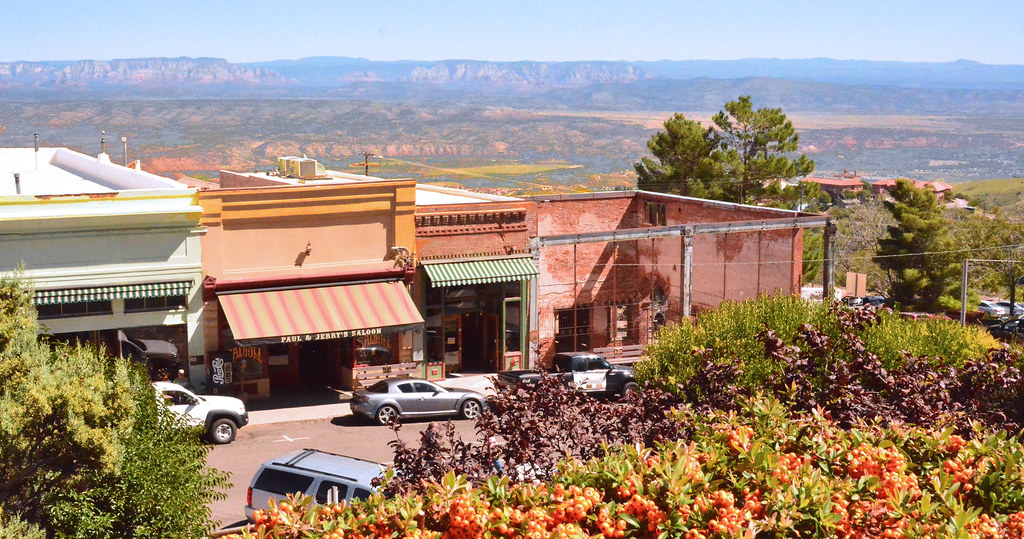
Founded in the late 19th century as a copper mining camp, Jerome boomed during the early 20th century before declining into a ghost town by the 1950s. Today, Jerome has been revitalized as an artist’s colony and tourist destination, with shops, galleries, and restaurants lining its historic streets. Visitors can explore the town’s abandoned mines and buildings, including the Jerome State Historic Park and the Douglas Mansion, which offers panoramic views of the surrounding landscape.
Get close to the city’s spirits on the one-hour Jerome Ghost Walk, visiting eerie spots like the Sliding Jail (a concrete jailhouse that slid more than 200 feet downhill) with EMF readers and spirit boxes in hand. The fact that a jail literally slid down a hill perfectly captures the wild, unpredictable nature of these mountain mining towns. Jerome proves that some ghost towns can rise from the ashes and find new life while preserving their haunting history.
Rhyolite, Nevada: Death Valley’s Golden Dream
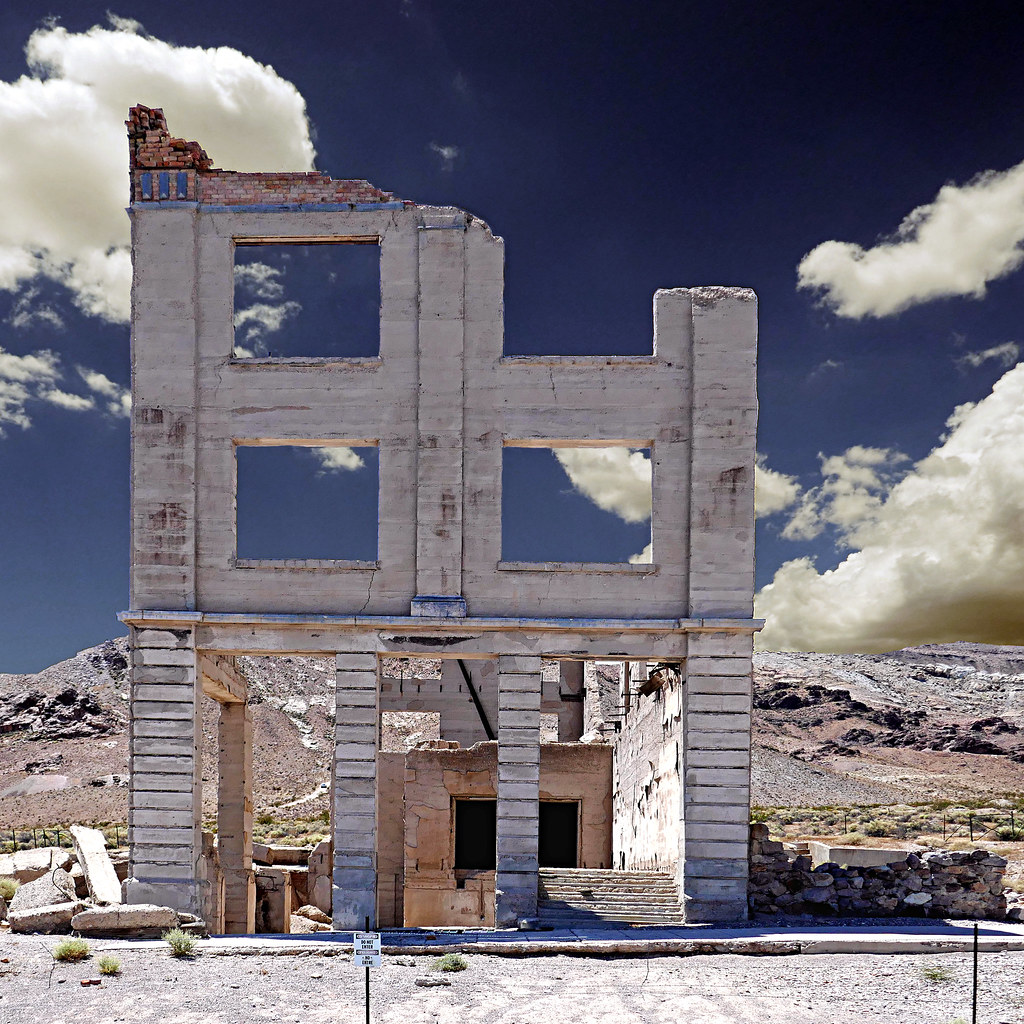
On the eastern edge of Death Valley sits Rhyolite, a former mining hub that at its peak in 1907 boasted a hospital, an opera house, and a stock exchange. The area seemed so promising that even Charles M. Schwab invested and bought one of the mines, but it didn’t take long for the thousands of people to scatter when financial crises, natural disasters, and the loss of funding caused nearly every resident to leave the Nevada spot by 1920.
Located near the eastern edge of Death Valley National Park, Rhyolite was once a thriving mining town fueled by the promise of gold and silver. In its heyday, Rhyolite boasted a population of over 5,000 and featured amenities such as electricity, running water, and even an opera house, but the town’s fortunes declined rapidly, and by the early 20th century, Rhyolite had become a ghost town. The contrast between its grand ambitions and current desolate state makes Rhyolite one of the most poignant ghost town experiences in America.
Thurmond, West Virginia: The Heart of Coal Country
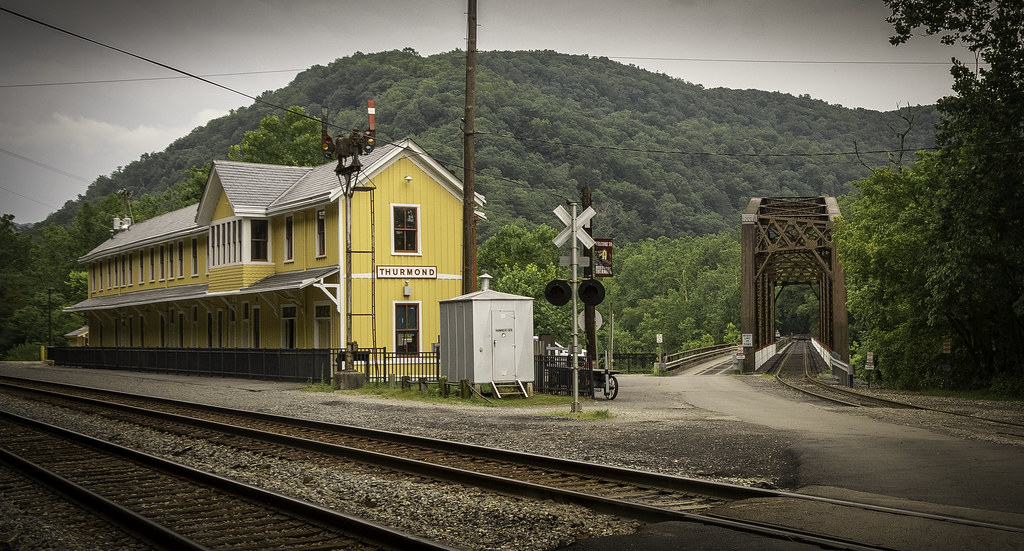
During its heyday in the 1920s, Thurmond reportedly had more coal running through it than Cincinnati, Ohio, and was a flourishing town with a number of businesses and facilities for the C&O Railway. Yet, after a series of setbacks, Thurmond soon went from boom to bust. Thurmond was accessible solely by rail until 1921, and the town occupies a narrow stretch of flat land along the Chesapeake and Ohio Railway track, with no road between the tracks and the town.
You can walk or drive so it is accessible for almost anyone, and the park rangers give narrated tours as well. You can even visit the ghost town of Thurmond by train, as Amtrak still makes a stop 3 times a week in Thurmond, on the same rails that thousands of people once rode into West Virginia on. Today, around 80 percent of Thurmond is owned by the National Park Service for the New River Gorge National Park and Preserve, and the entire town is a designated historic district on the National Register of Historic Places.
These seven ghost towns offer more than just historical curiosity – they provide windows into the dreams, struggles, and ultimate fate of America’s frontier communities. Walking through their empty streets, you can almost hear the echoes of bustling saloons, clattering trains, and the hopes of thousands who once called these places home. Each tells a unique story of boom and bust, yet all share the haunting beauty of abandoned dreams preserved in time.
What do you think about exploring these ghostly remnants of America’s past? Have you visited any ghost towns that left you with chills? Tell us in the comments.

- 7 Plants That Groundhogs Usually Leave Until Everything Else Is Gone - August 15, 2026
- Bird Science Says Chickadees Change Their Alarm Calls Depending on How Dangerous a Predator Is - August 15, 2026
- Animal Science Says Dolphins Use Signature Whistles That Function Remarkably Like Individual Names - August 15, 2026