
When you think about prehistoric life, your mind probably wanders to dusty museum exhibits or dramatic nature documentaries. Yet some creatures from those ancient eras never got the memo about extinction. They’re still here, swimming in our oceans, crawling along coastlines, and reminding us that survival isn’t always about adapting to change.
It’s hard to say for sure, but these living fossils have weathered everything our planet could throw at them. Mass extinctions, ice ages, continental drift. They watched the dinosaurs come and go. What makes them so special isn’t just their age, but the fact that they’ve barely changed while the world transformed around them. Let’s dive into these remarkable survivors and discover what secrets they hold.
Horseshoe Crab: The Armored Survivor From Before Dinosaurs
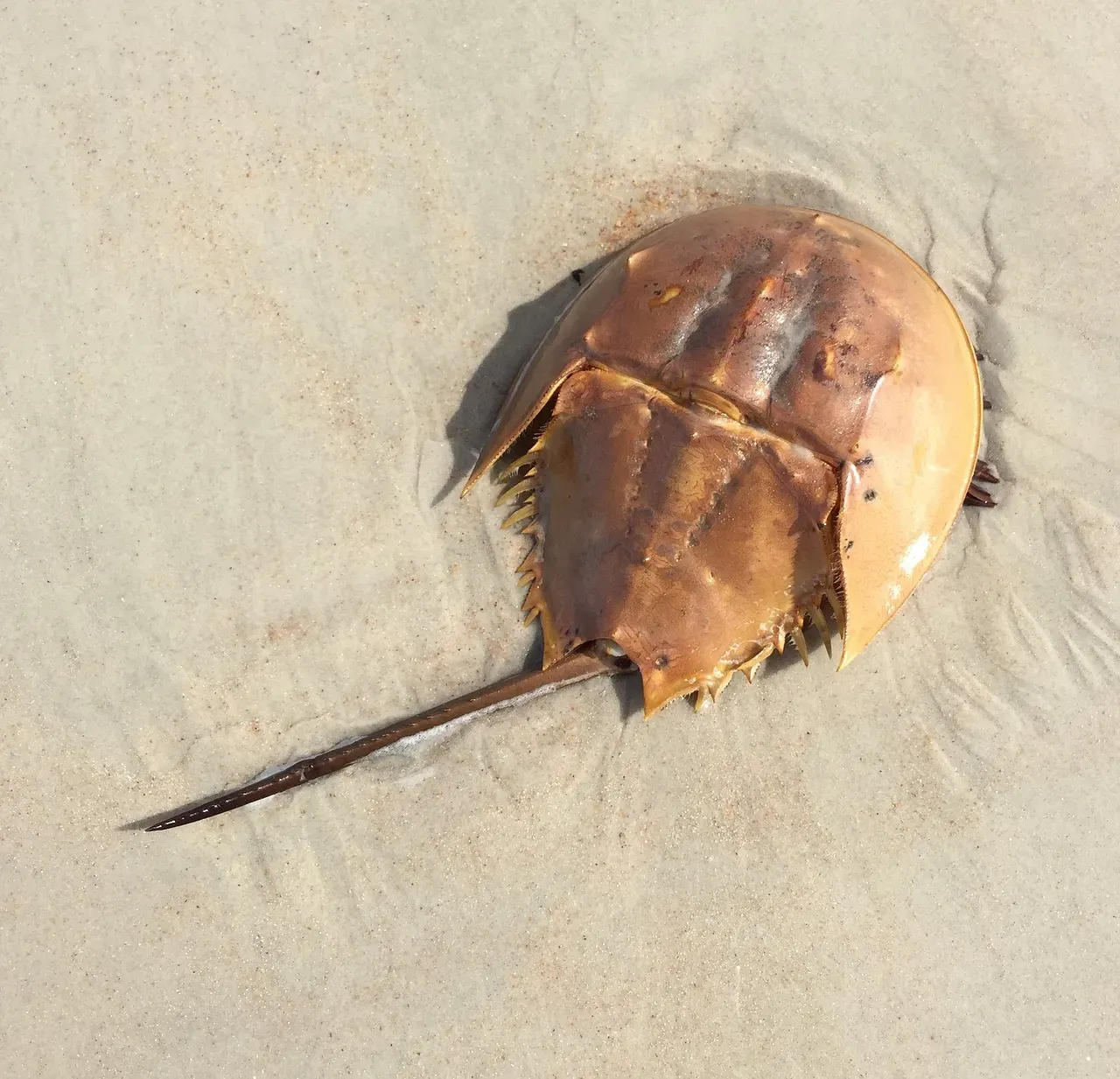
Horseshoe crabs have been crawling along ocean floors for roughly 450 million years, dominating the seas as far back as the Ordovician period. They’re not actually crabs at all but chelicerates, more closely related to spiders and scorpions. That helmet-shaped shell you see washing up on beaches is essentially unchanged from their ancient ancestors.
These creatures have ten eyes scattered across their bodies and play a critical role in coastal ecosystems. Their spawning season creates a spectacle where thousands gather on beaches to lay eggs, providing essential food for migrating birds. Their blue blood is vital for the biomedical industry, used to ensure the safety of vaccines and medical products.
Despite dodging multiple mass extinctions and ice ages, they flourished when many marine organisms were wiped out. Yet today they face modern threats. Climate change, habitat loss, and over-harvesting now threaten these once-amazing adapters with extinction. The irony is striking. A creature that survived the planet’s worst catastrophes now struggles against human activity.
Think about that for a moment. An animal with nearly half a billion years of survival experience is being pushed to the brink within just a few human generations. About 500,000 horseshoe crabs are harvested each year, with roughly 30 percent of their blood taken, and between 10 and 15 percent of these harvested crabs die.
Coelacanth: The Fish That Time Forgot
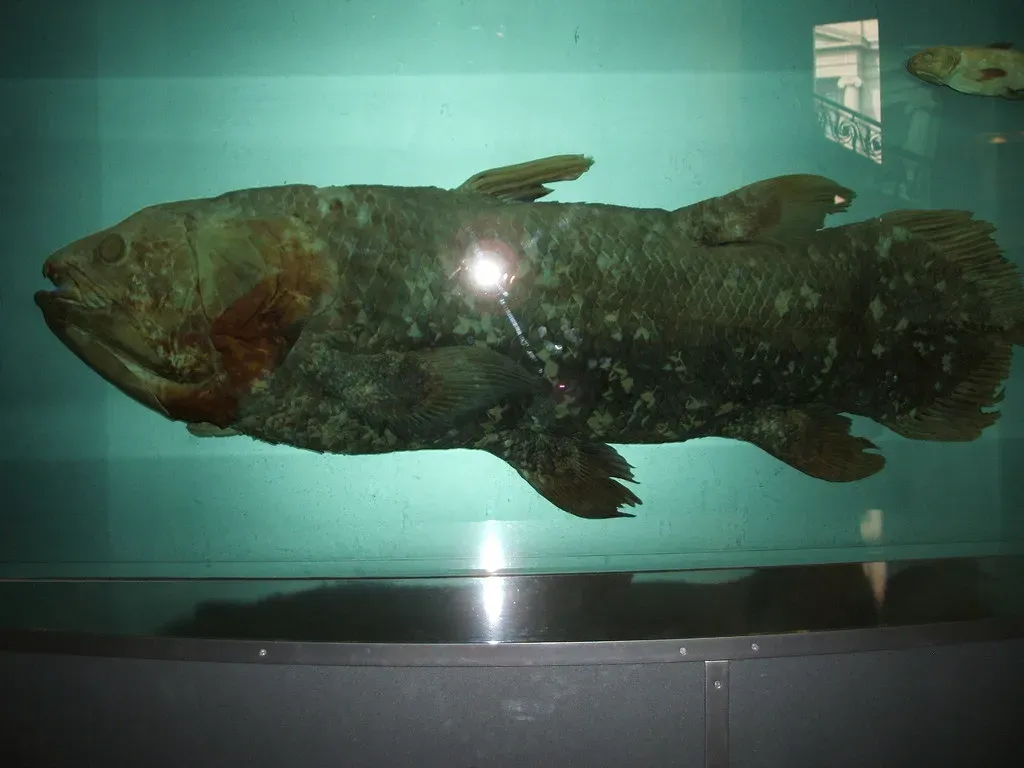
The coelacanth is known as a Lazarus species because it was thought to have gone extinct 65 million years ago – until it was discovered alive in 1938. Imagine the shock when fishermen off South Africa hauled up a living specimen of something scientists only knew from fossils. The coelacanth is predicted to belong to a lineage that has been around for 360 million years.
What sets them apart is their strange connection in the evolutionary process with terrestrial, four-legged amphibians, with their four fleshy fins extending from their body and propelling them in a way that resembles the alternate movement of fore and hind legs. They essentially walk underwater. They’re one of the earliest examples of a jawed fish, with tiny brains that only take up 1.5 percent of their cranial cavity, with fat taking up the remainder of the space.
These deep-sea dwellers live in underwater caves by day and venture out at night to hunt. Growing up to six feet or longer, the coelacanth can live for longer than 60 years. Their discovery fundamentally changed our understanding of fish evolution and the transition from water to land.
Honestly, there’s something poetic about a creature everyone assumed was dead suddenly reappearing from the deep. Today there are two living coelacanth species, known as Latimeria, which have basically remained unchanged over the past 100 million years. They’re critically endangered now, protected but vulnerable. After surviving so long in the depths, they face uncertain futures in our changing oceans.
Nautilus: The Perfect Spiral Through Time
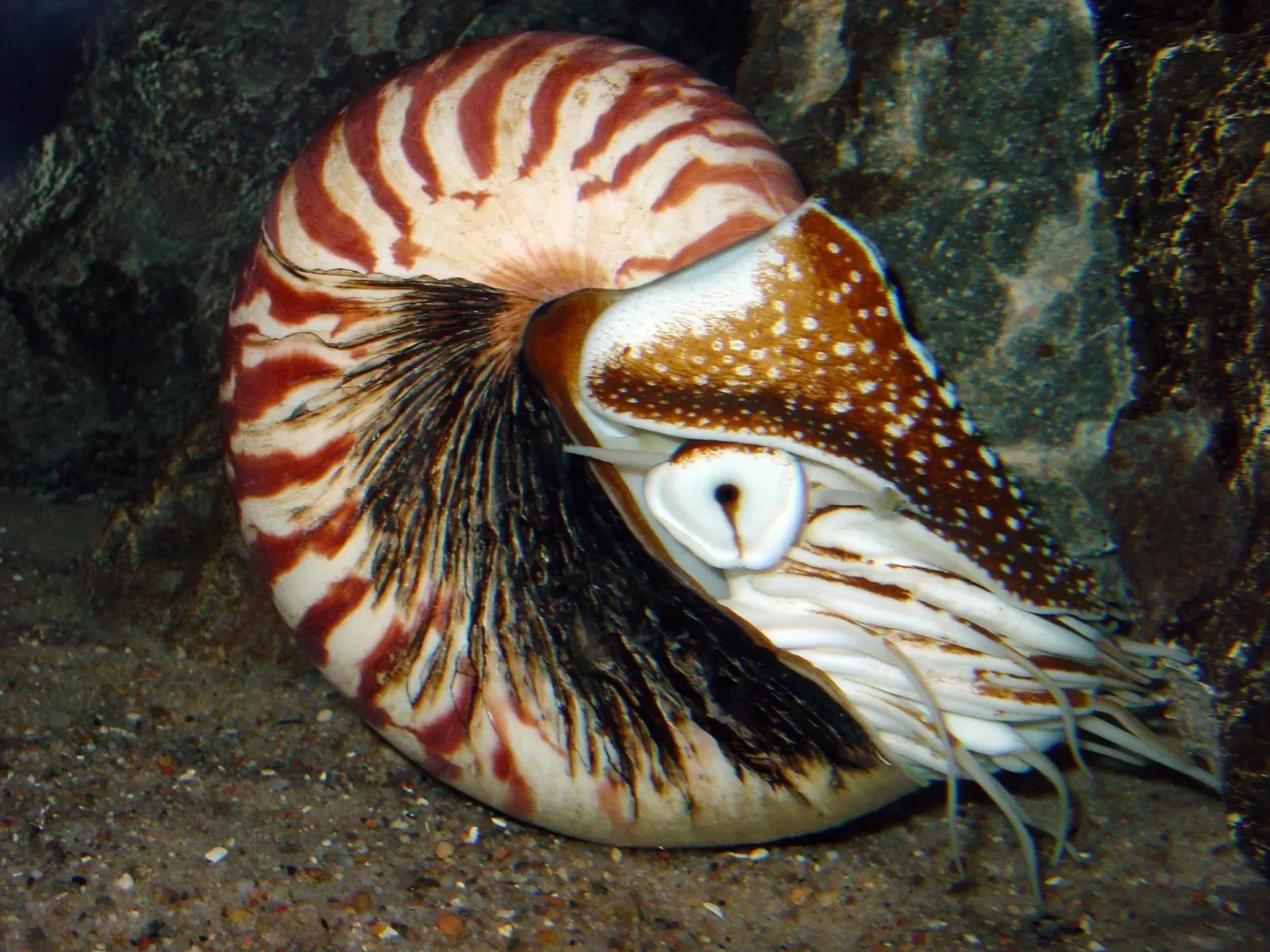
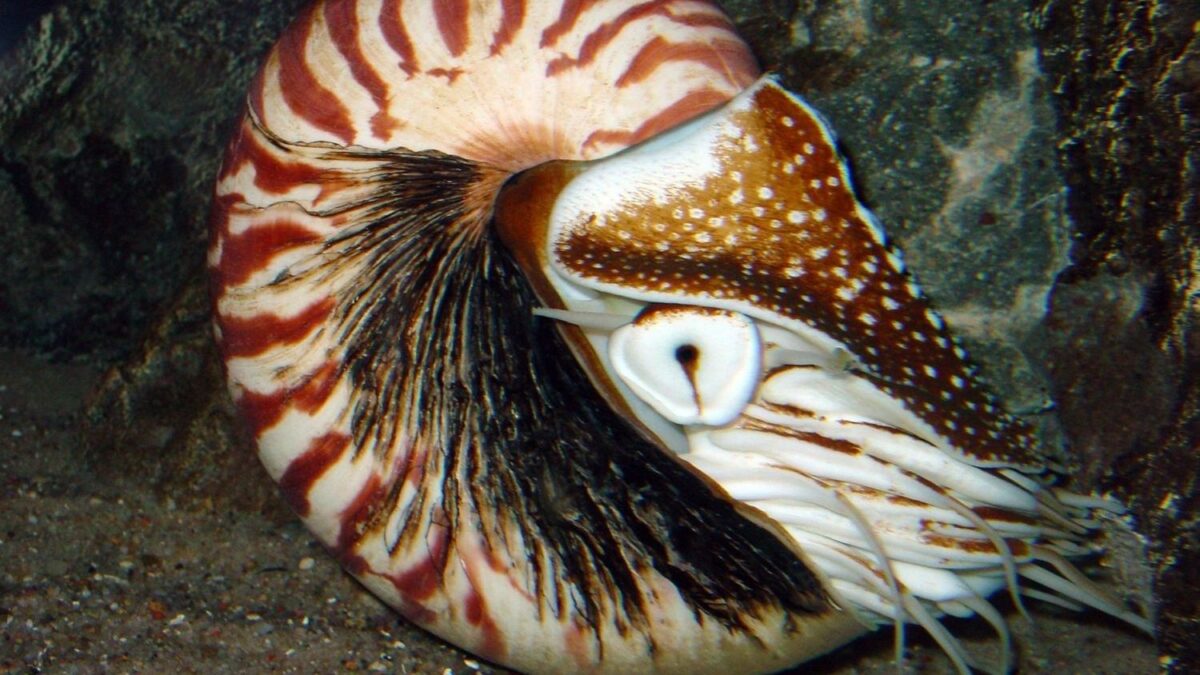
The nautilus is a mollusk that has survived on Earth for about 500 million years, appearing on the fossil record half a billion years ago during the Upper Cambrian. These spiral-shelled creatures have hardly changed since they first appeared over 500 million years ago during the early Paleozoic era. Their chambered shells are mathematical marvels, perfect spirals that have inspired artists and architects for centuries.
Originally, there were 10,000 different species dominating the ancient seas 500 million years ago – today, only a few survive in the western Pacific Ocean and coast of the Indian Ocean. Unlike its highly intelligent cousins like squid and octopuses, the nautilus relies on a simple but effective design: a coiled shell for buoyancy and a crown of up to 90 small tentacles to capture prey.
Nautiluses can live with almost zero oxygen, can go weeks without food, and really have this tough shell that’s really hard to break them or kill them. Their resilience is extraordinary. They drift through the deep ocean slopes of the Indo-Pacific, rising to shallower waters at night to feed on fish and crustaceans using chemical cues to detect prey.
Let’s be real, their survival strategy is brilliantly simple. Members of the Nautilidae family are known to have existed from the Late Triassic, appearing to have remained relatively unchanged for more than 200 million years, and Darwin himself described these creatures as living fossils. As of 2018, the Nautilus has been listed as threatened under the U.S. Endangered Species Act.
Tuatara: New Zealand’s Living Dragon
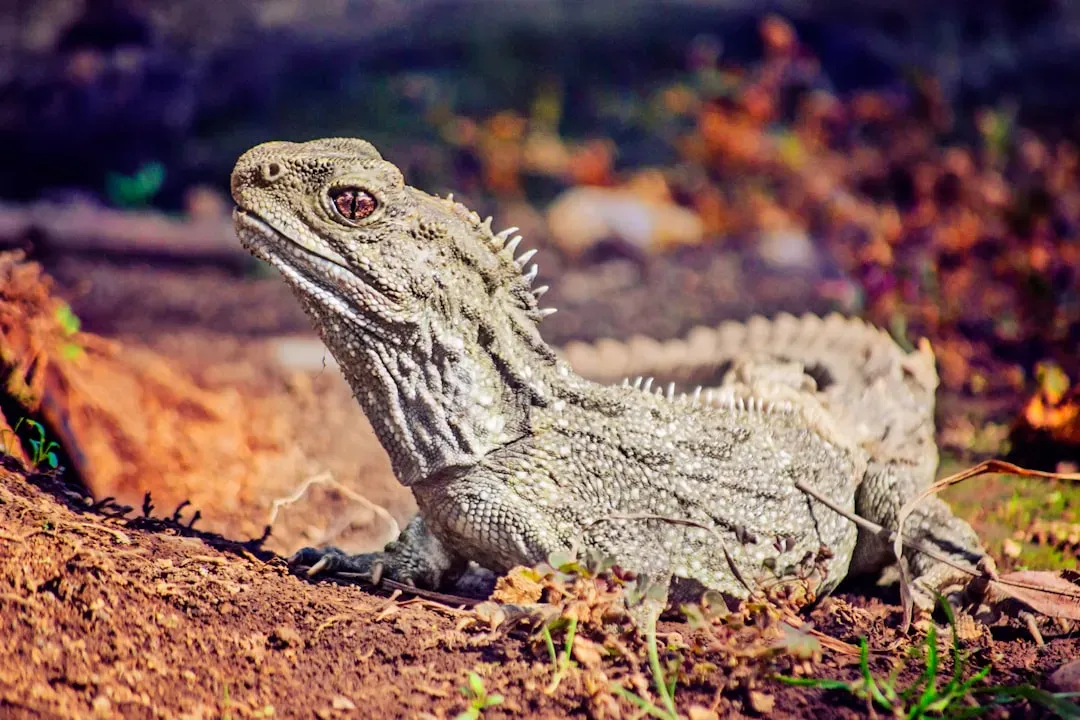
Endemic to a scattering of New Zealand’s offshore islands, the Tuatara used to freely roam the supercontinent Gondwana and is an unusual looking creature with a third eye in the middle of its head and two rows of top teeth. The Tuatara is not a lizard, but the last surviving species of an archaic order of reptilians called Rhynchocephalia, belonging to the group Sphenodontia, with a lineage stretching back at least 230 million years.
These peculiar reptiles look like lizards but represent something far more ancient. The discovery of an almost fully articulated skeleton of Navajosphenodon Sani, an extremely ancient Sphenodon ancestor, suggests that physical features on the modern day Tuatara are largely unchanged from 190 million years ago. They’re evolutionary time capsules, living relics from the age of dinosaurs.
Tuataras are reptiles from New Zealand that came into being around 250 million years ago, and they are long-lived, averaging around 60 years old when they die. Scientists are fascinated by them because they provide clues to how snakes and lizards evolved, and they’re the last of their kind on the planet.
Here’s the thing. They survived when all their relatives went extinct. They’re the sole survivors of an entire order of reptiles that once thrived worldwide. Now confined to small islands off New Zealand, they represent both incredible resilience and extreme vulnerability. One wrong move, one introduced predator, and we lose a lineage that predates most life forms we know.
Goblin Shark: The Deep-Sea Nightmare
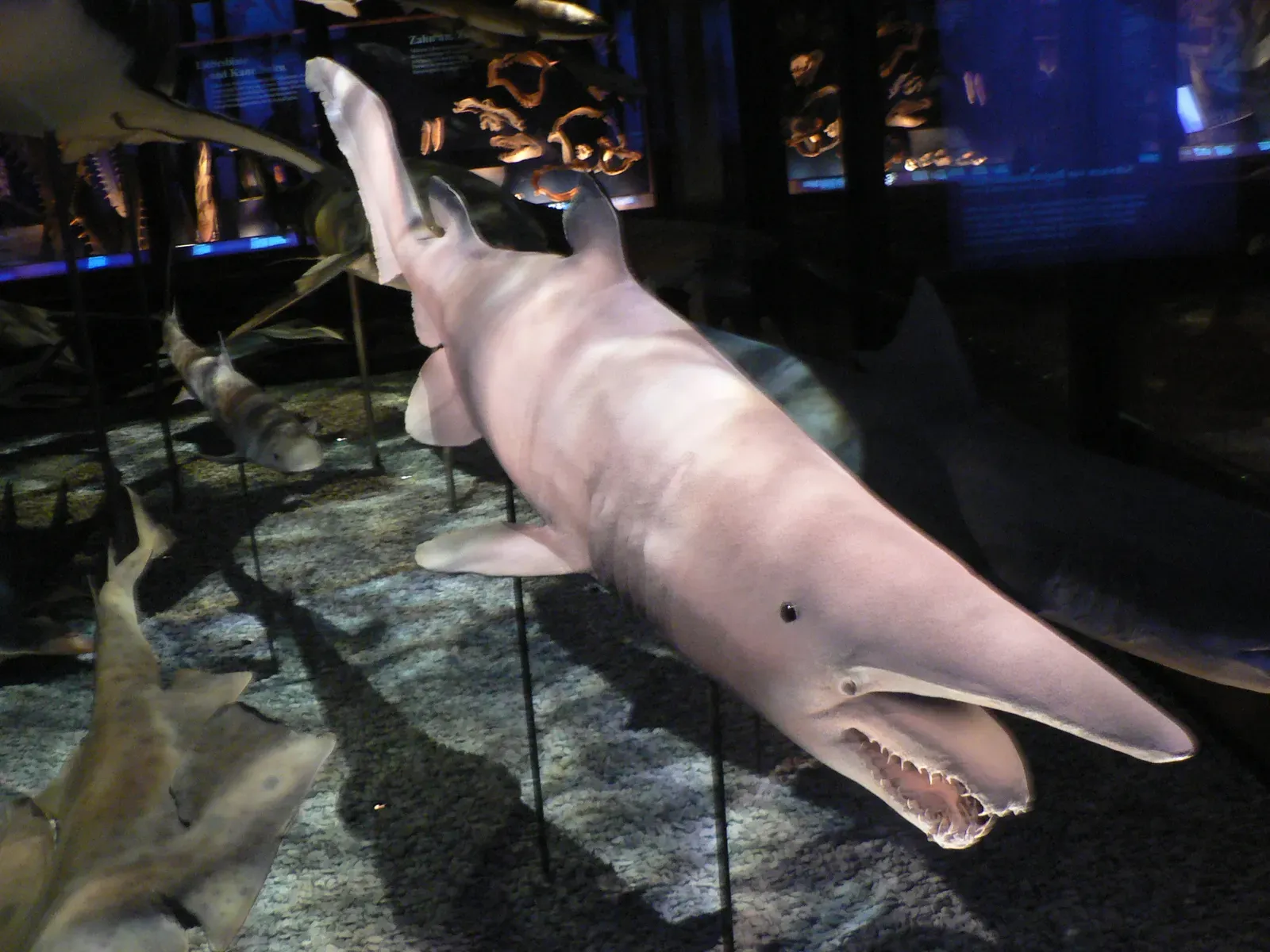
The goblin shark is a bizarre animal with a long, flat snout and toothy jaws that protrude in front of the face to catch unsuspecting prey, and it’s a relatively rare deep-water shark living in all major oceans that was described as grotesque when first encountered in 1910. The goblin shark is the only living representative of its family, Mitsukurinidae, and is the most evolutionarily distinct shark we know of; its lineage stretches back some 125 million years.
Their appearance is unsettling, to put it mildly. That protruding snout and jaw mechanism that shoots forward to snatch prey is the stuff of nightmares. Goblin sharks have been swimming Earth’s oceans for 125 million years. They dwell at the bottom of the ocean, rarely straying from the depths, which is probably why humans have so infrequently laid eyes on these beasts.
Goblin sharks are rarely seen by humans. A live specimen caught in Japan in 2007 died within days, but it gave scientists valuable insights into this elusive creature. They represent one of the most ancient and unchanged shark lineages still swimming in our oceans.
I know it sounds crazy, but there’s something fascinating about knowing such alien-looking creatures still exist in the deep. The marine depths seem to be a good place for living fossils, with cartilaginous fish such as sharks and rays generally being 2-4 times more evolutionarily distinct than land animals – while every species is unique, these species are particularly unlike their closest relatives.
Sturgeon: Ancient Giants of Rivers and Seas
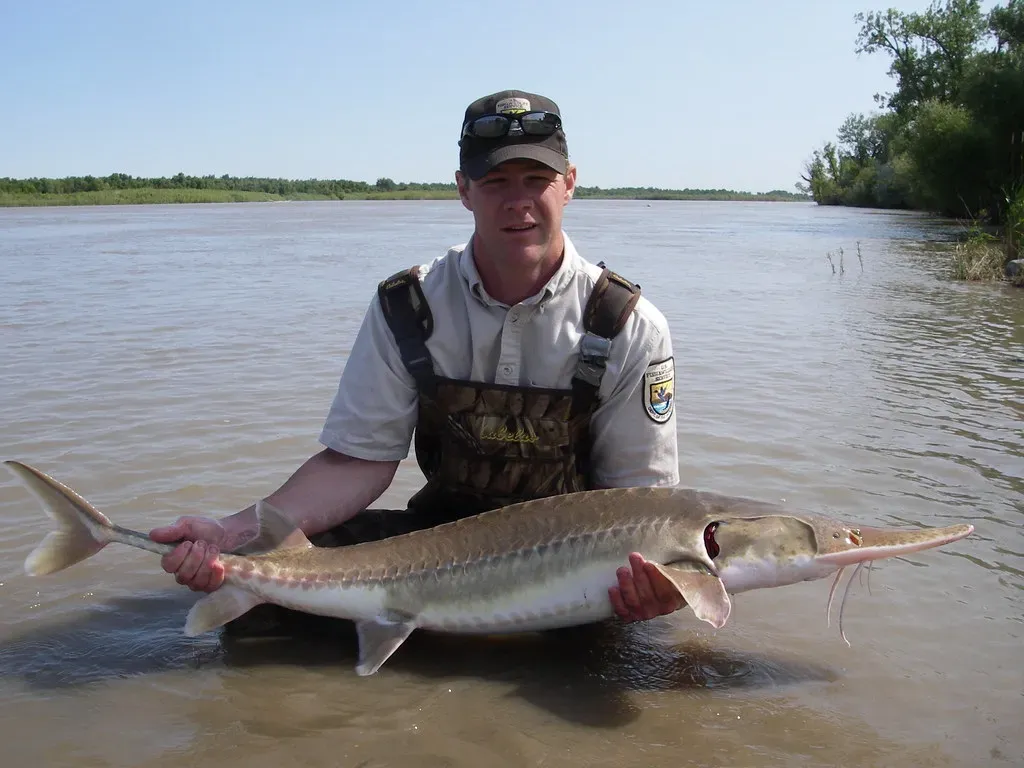
There are many different species of sturgeon and most have been around for 100 million years, found in both fresh and saltwater environments. There are over 25 different types throughout temperate regions of the Northern Hemisphere, and the largest sturgeons are well over 1,000 pounds. These prehistoric fish are living tanks, armored survivors from the age of dinosaurs.
Some of the best caviar in the world is harvested from sturgeon which has put some species at risk of extinction. Despite being so ancient, almost every species of sturgeon is now critically endangered, harvested for their roe which are prized for making caviar, and sturgeon grow and mature slowly, living up to 100 years, so over-harvesting, pollution and habitat destruction all combine to threaten their continued existence.
The situation is frustrating. The good news is that sturgeon are able to produce millions of eggs, but the bad news is that we keep eating those eggs. A creature that survived countless environmental catastrophes over 100 million years is now critically endangered because humans like expensive appetizers.
They’re remarkable fish, slow-growing and long-lived, producing millions of eggs in their lifetimes. Yet that reproductive strategy, which served them well for eons, can’t keep pace with industrial harvesting. It’s hard to say for sure, but unless conservation efforts intensify, we might lose these ancient giants within our lifetimes.
Jellyfish: The Brainless Immortals
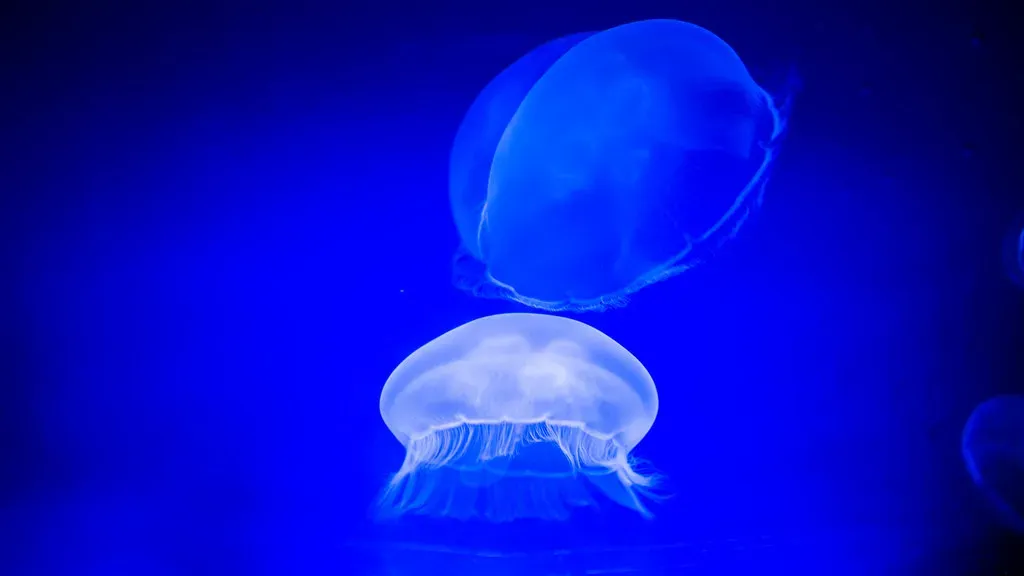
Jellyfish are the oldest multi-organ animal in the world and have existed in some form for at least 500 million years, with the oldest known definitive jellyfish fossil dating back to 500 million years. While they may lack blood, a heart, and a brain, and are 95% water, these critters are still technically critters, not plants – they are literally just a bunch of neurons in a slippery cover.
Their simplicity is their strength. Without complex organs to maintain or evolve, jellyfish have drifted through time largely unchanged. Additionally, while some of the creatures on this list are at risk of going extinct after surviving for so long, jellyfish are not one of them. They’re thriving, actually. Some species are even considered invasive in certain waters.
New studies from around 2011 have revealed that jellyfish are more complex than previously thought, with one marine biologist disputing the conventional wisdom that jellyfish lack a central nervous system, saying that the nervous system of jellyfish might not be as obvious as it is in animals with a brain connected to a spinal cord, but it is distinct in its own way.
They pulsate through our oceans in mesmerizing swarms, unchanged for half a billion years. While other creatures struggle with changing climates and ecosystems, jellyfish adapt and even thrive in polluted, warmer waters. Their gelatinous bodies and simple life strategy might just outlast everything else, including us.
Conclusion: Survivors in an Uncertain World
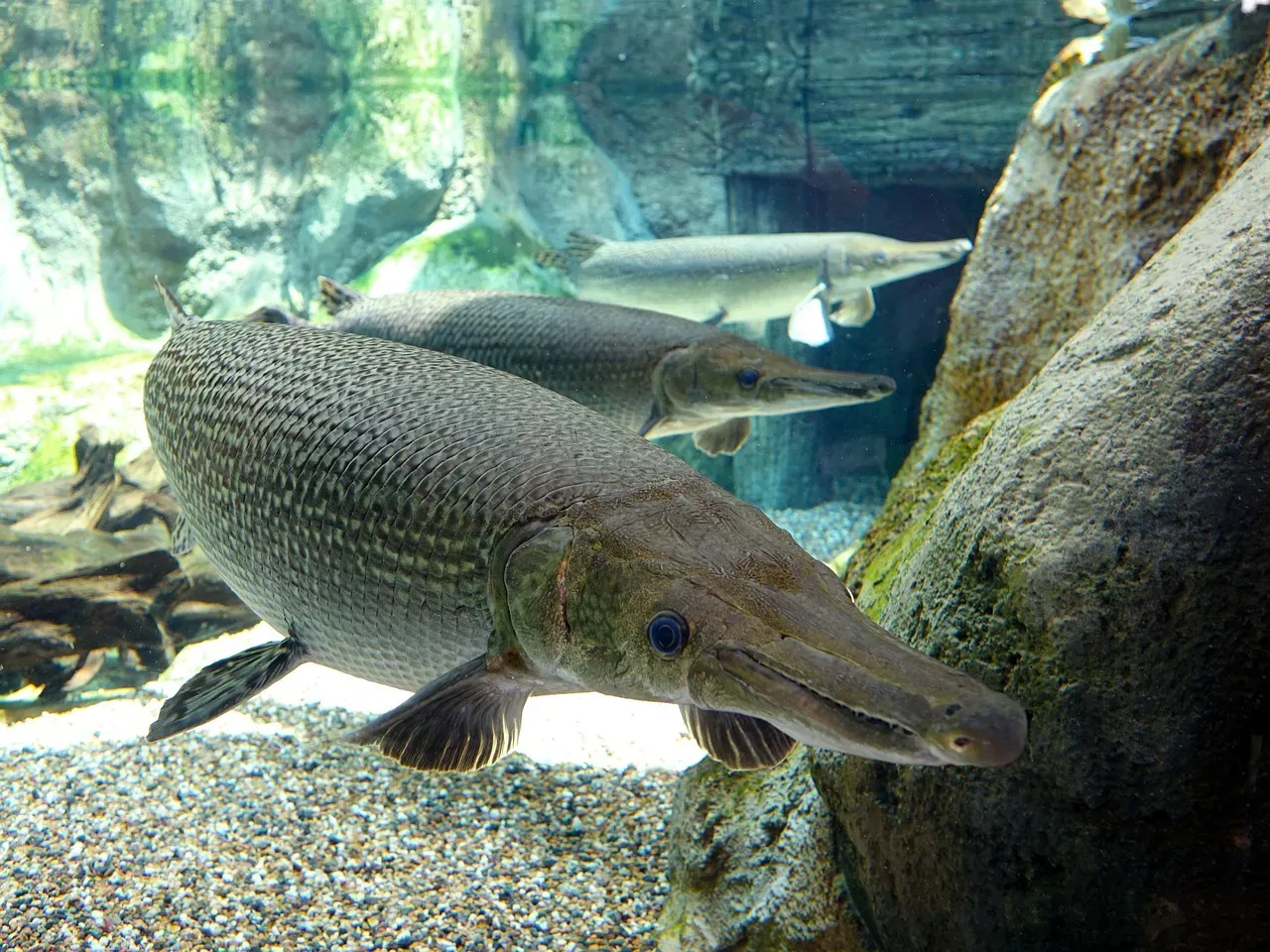
These seven ancient species offer us something profound – a living connection to Earth’s deep past. They’ve survived catastrophic extinctions, dramatic climate shifts, and geological upheavals that reshaped entire continents. The animals on this list have seen and lived through mass extinctions, the dinosaurs, and Pangea while remaining relatively the same.
Yet here’s the unsettling truth. Creatures that survived for hundreds of millions of years now face uncertain futures because of human activity within just a few centuries. Even these living fossils are not immune to man-made challenges, such as pollution, overfishing, and habitat destruction, which pose a threat to populations of animal species that have lived for millions of years, and climate change and warming ocean temperatures further impact their environments.
They’ve shown us what true resilience looks like. Their existence proves that sometimes the best evolutionary strategy isn’t constant change but finding a niche and perfecting it. Still, their struggles remind us that no amount of ancient wisdom or evolutionary success can protect against rapid, human-caused environmental changes.
What do you think about these ancient survivors? Does knowing they’ve outlasted nearly everything else on Earth change how you view our responsibility to protect them?
