


Dolphins are often celebrated for their remarkable intelligence and complex social behaviors. One of the most intriguing aspects of these marine mammals is their sophisticated communication skills. Dolphins use a series of clicks, whistles, and body movements to convey messages to each other. The known component of their communication, echolocation, is an extraordinary faculty. By emitting a series of clicks, dolphins can determine the size, shape, and speed of objects in the water. This ability not only helps them navigate and hunt but also plays a significant role in social interactions within their pods. Whistles, on the other hand, are unique to individuals, much like human names, enabling specific identifications.
Bees The Dance of Communication

Bees exhibit one of the most fascinating communication methods in the animal kingdom — the waggle dance. Worker bees perform this dance to inform their hive mates about the location of food sources. The dance consists of a sequence of movements that communicate distance and direction. The duration of the waggle phase indicates the distance, while the angle in relation to the sun communicates the direction. This precise method of communication allows bees to efficiently gather resources, which is crucial for the survival and success of the hive.
Elephants Vibrational Messaging Experts

Elephants have long been acknowledged for their emotional intelligence and familial bonds, but they also possess a unique way of communicating. Through low-frequency sounds known as infrasound, elephants can communicate over long distances — sometimes up to several miles. These vocalizations are often accompanied by ground vibrations that are detected through the elephants’ sensitive feet. This dual-mode communication enables them to warn of predators, coordinate group movements, and maintain social connections across vast distances.
Prairie Dogs Complex Vocal Arrays
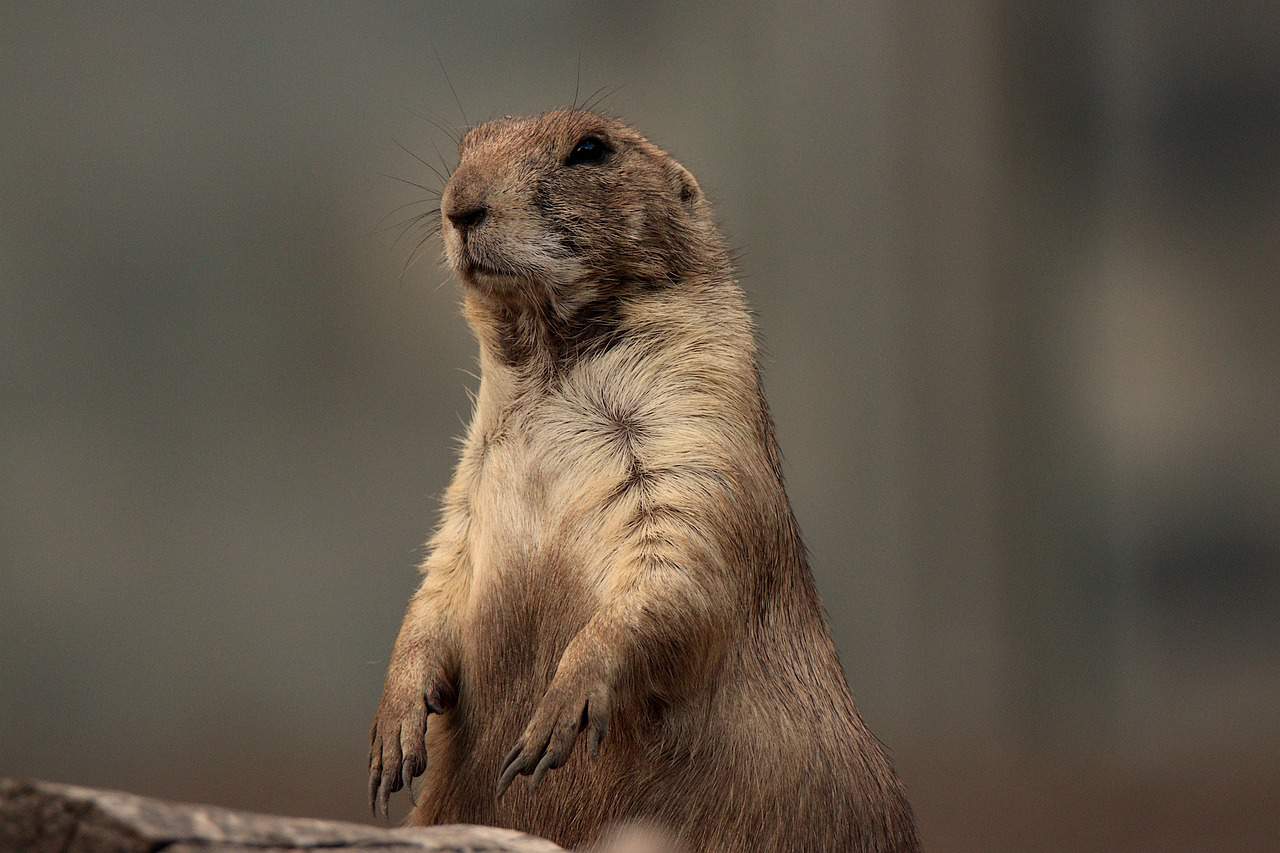
Prairie dogs, despite their small size, have a surprisingly complex system of communication. These social rodents use a variety of sounds to convey specific messages, from denoting different types of predators to describing their size and how fast they are approaching. Research has shown that prairie dog calls are so detailed that they can even communicate the color of an approaching human’s clothing. This extensive vocal array aids their survival in open terrains, allowing them to alert each other swiftly and accurately to dangers.
Whales Songs of the Deep
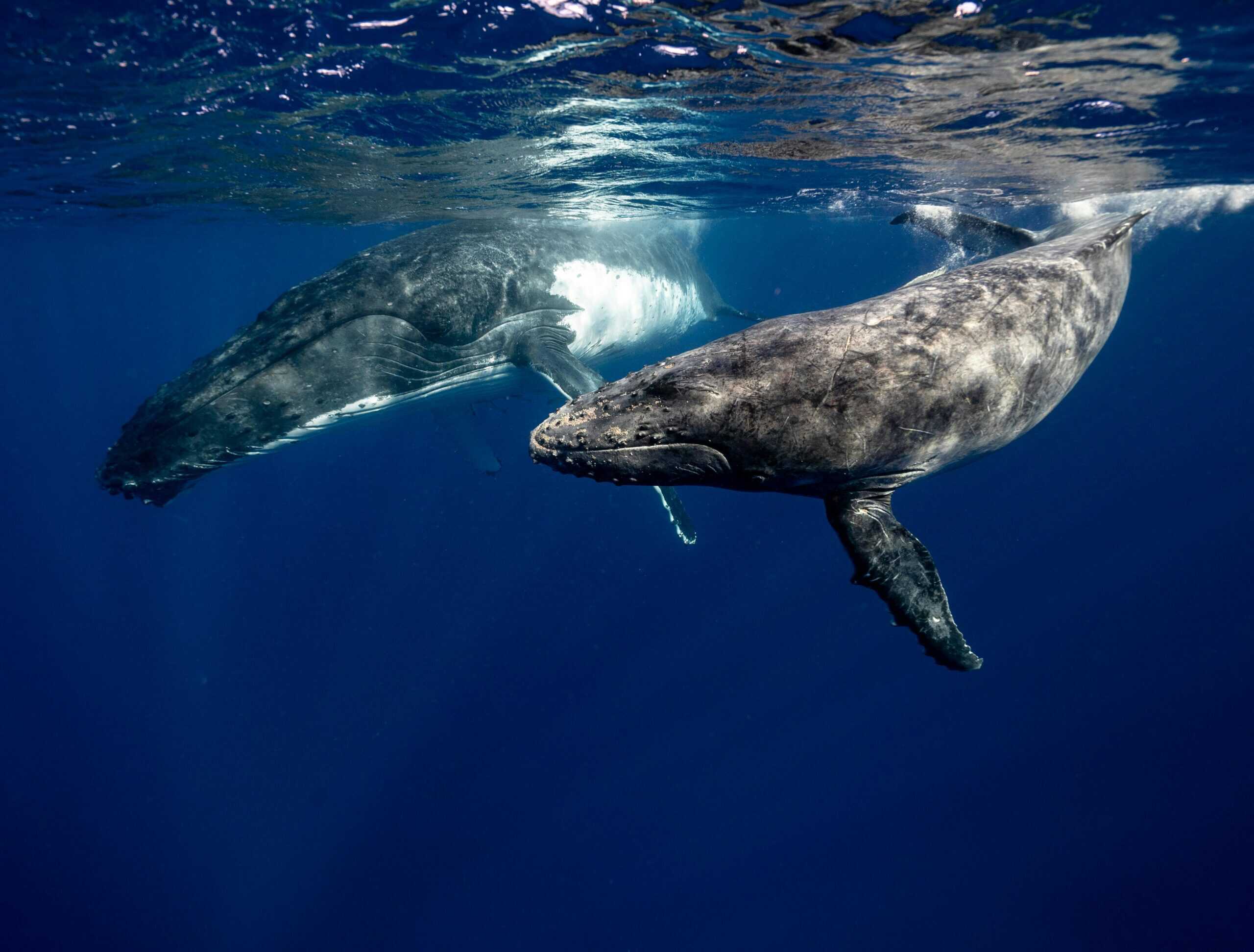
Whales, particularly humpback whales, are renowned for their haunting and melodic songs. These vocalizations are complex sequences of moans, howls, cries, and other noises that can continue for hours. Male humpback whales primarily use these songs during mating seasons, which is thought to play a crucial role in attracting females or establishing dominance among males. The fact that these songs are often shared and can evolve adds an extra layer to their mysterious aquatic communication.
Cephalopods Visual Communicators of the Sea
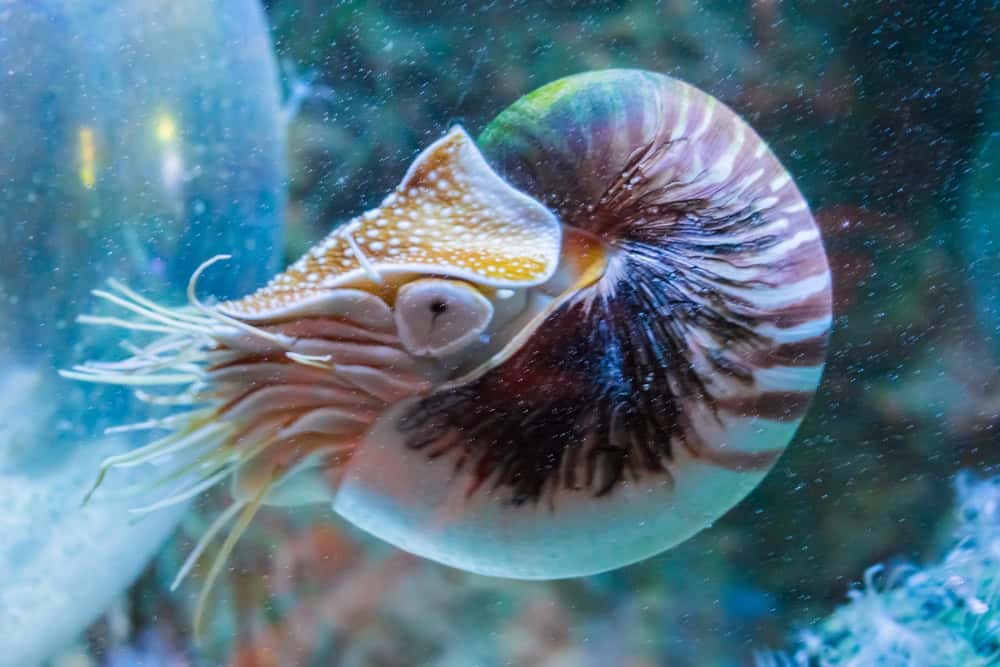
Cephalopods, including octopuses, cuttlefish, and squid, communicate primarily through color changes and body language. These creatures have specialized skin cells called chromatophores that allow them to change colors and patterns in the blink of an eye. This ability is used for everything from camouflage to complex social signaling, helping them communicate intentions, emotions, or warnings. The visual communication of cephalopods is not only a predatory adaptation but also a vital element of their social structure and mating rituals.
Cockatoos Impressive Vocal Mimicry
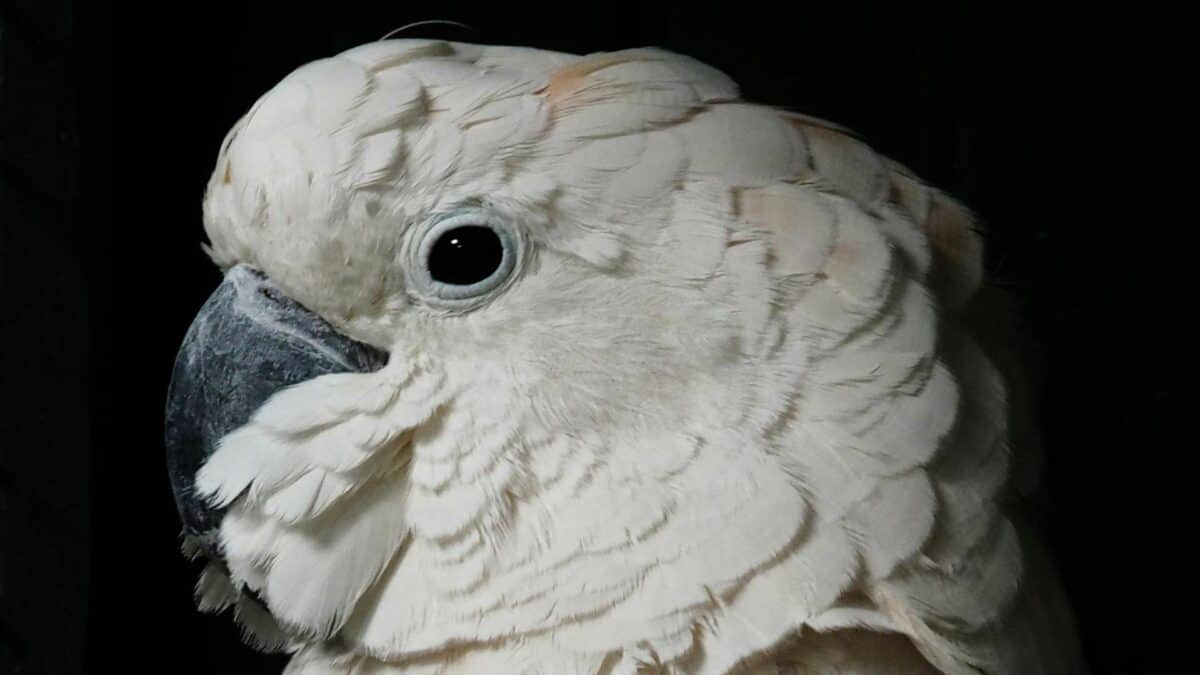
Cockatoos, members of the parrot family, are notable for their ability to mimic a wide range of sounds, including human speech. However, their communication skills go beyond mere mimicry. In the wild, cockatoos use an array of vocalizations to maintain social bonds, warn of predators, and assert dominance. What’s particularly fascinating is their capacity to adapt vocal signals when introduced to new environments, showcasing their cognitive flexibility and complex social structures. This adaptive communication is essential for their survival both in the wild and in captivity, where they often interact with human caretakers.

As a little kid, I fell in love with nature, wildlife, and animals. Living in the USA, South Africa, Italy, China and Germany gave me the opportunity to discover the world's Wildlife. My favorite animals are Mountain Gorillas, Siberian Tigers, and Great White Sharks.
I'm a certified PADI Open Water Diver, went to Everest Base Camp and Trekked Gorillas in Uganda. I hold a Master of Science in Economics and Finance.
Please send any feedback to feedback@animalsaroundtheglobe.com
- 13 Cat Breeds That Get Along with Dogs - July 20, 2026
- The 12 Largest Dog Breeds That Still Love to Cuddle - July 20, 2026
- 12 Pet Habits That Secretly Mean They Love You - July 20, 2026