

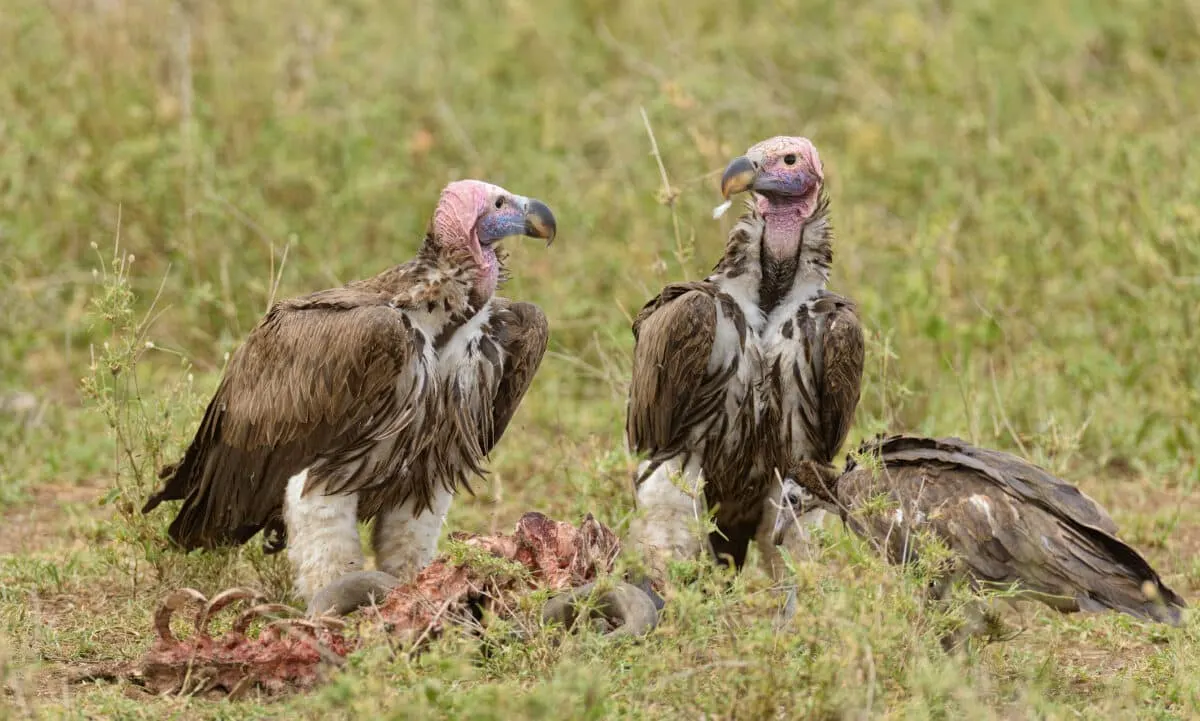
When most people think about beneficial wildlife, they rarely picture crows perched on telephone wires or vultures circling overhead. These birds often suffer from negative stereotypes—crows as crop destroyers and harbingers of bad luck, vultures as gruesome scavengers associated with death. However, these misunderstood avian species are actually performing critical ecological services in your neighborhood every day. As nature’s cleanup crew, they form an essential component of healthy ecosystems, from urban centers to rural landscapes. Their remarkable adaptations and behaviors contribute to environmental health in ways that would require millions of dollars and thousands of human work hours to replace. This article explores the invaluable ecological roles that crows and vultures play, highlighting why these birds deserve our appreciation rather than our disdain.
Nature’s Sanitation Department: The Power of Scavenging
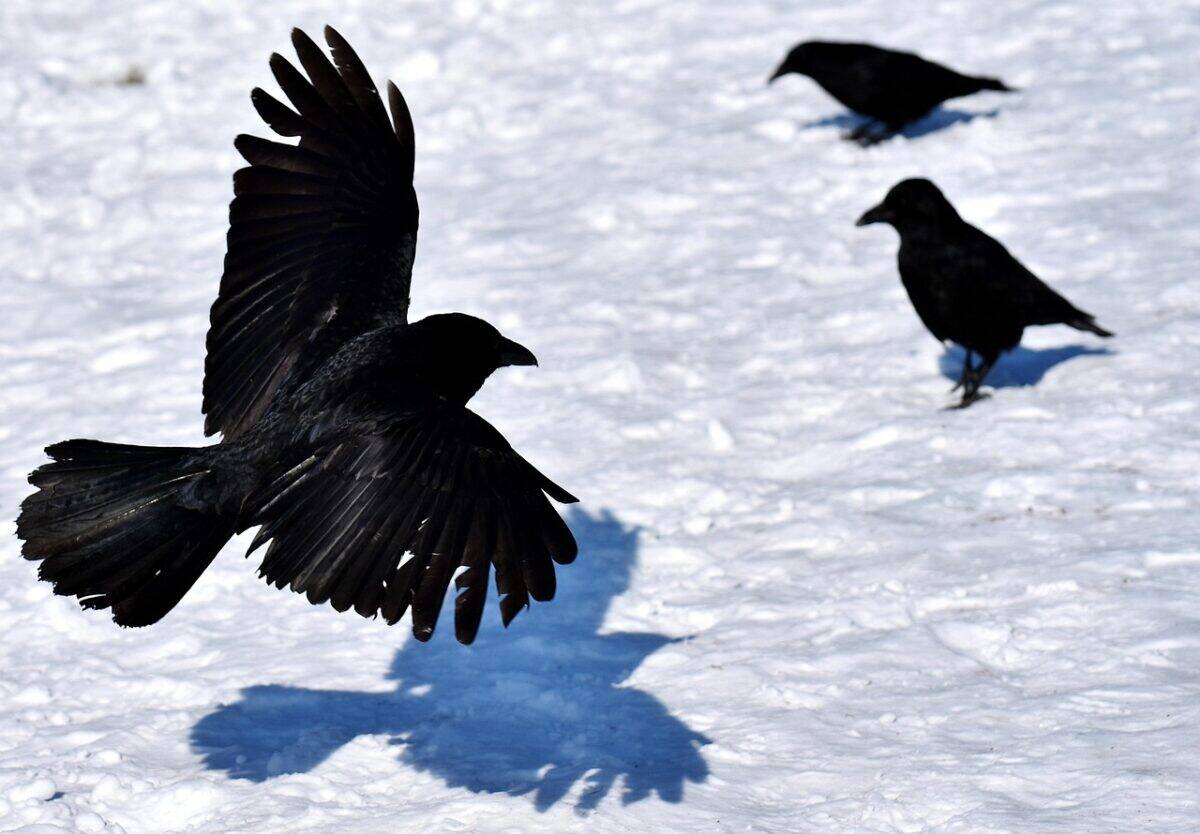
Both crows and vultures excel as scavengers, though they approach this role differently. Vultures are obligate scavengers, with most species depending almost entirely on carrion (dead animals) for their diet. Their highly specialized digestive systems contain powerful acids that neutralize dangerous bacteria like anthrax, botulism, and cholera that would sicken or kill other animals. Crows, meanwhile, are opportunistic omnivores that include carrion in their varied diet.
Together, these birds remove tons of decaying organic matter annually from our environments. A study in India found that vultures can clean a 50-pound carcass to bare bones in under four hours—a remarkable efficiency that prevents the spread of disease. In urban environments, crows perform similar services on a smaller scale, removing roadkill and other organic waste that would otherwise rot and potentially harbor pathogens. This natural waste management service operates 24/7 at no cost to human communities while reducing the need for municipal cleanup resources.
Disease Prevention Through Carcass Removal

Perhaps the most significant ecological service provided by scavenging birds is disease prevention. When animals die from natural causes, accidents, or disease, their decomposing bodies can become breeding grounds for harmful bacteria and attract disease-carrying insects. By quickly locating and consuming carcasses, vultures and crows interrupt this disease cycle. The decline of vulture populations in South Asia in the 1990s and early 2000s (due to the anti-inflammatory drug diclofenac) provided a tragic natural experiment demonstrating their importance.
As vulture numbers plummeted by more than 99% in some regions, unconsumed carcasses accumulated, leading to explosions in feral dog populations and consequently, rabies cases. Researchers estimated that the vulture decline resulted in 40 million additional feral dogs in India alone, contributing to thousands of additional human rabies deaths. This catastrophic chain of events underscores how these scavengers serve as a crucial barrier preventing disease transmission between wildlife and human populations.
Pest Control Specialists

Crows perform exceptional pest control services that benefit agriculture and urban environments alike. A single family of crows can consume thousands of insects, grubs, and small rodents during a breeding season. Their taste for agricultural pests like cutworms, wireworms, grasshoppers, and beetles makes them valuable allies for farmers—despite their occasional taste for crops. Studies have shown that crows can reduce insect damage in agricultural fields by up to 30%, representing significant economic value.
In urban areas, crows help control populations of rats, mice, and problematic insects. Vultures indirectly contribute to pest control by reducing the available resources for rats and other scavengers that might otherwise thrive on unattended carcasses. This natural form of pest management reduces the need for chemical pesticides, which can have detrimental effects on water quality and non-target species, making crows and vultures important contributors to sustainable ecosystem management.
Seed Dispersal and Forest Regeneration

Crows, particularly members of the Corvus genus like American crows and ravens, play a significant role in forest regeneration through seed dispersal. Their habit of caching (hiding) food for later consumption results in thousands of buried seeds, many of which are forgotten and eventually germinate. This behavior is especially important for large-seeded plants like oaks, which rely on animals for dispersal.
One study in California found that a single Steller’s jay (a corvid relative of crows) could disperse over 5,000 oak seeds in a season, potentially establishing hundreds of new trees. Crows are particularly effective dispersers because they often transport seeds over considerable distances—sometimes several kilometers from the parent plant—which helps plant species colonize new areas. This long-distance dispersal becomes increasingly valuable in fragmented landscapes and in response to climate change, as it allows plant communities to shift their ranges more quickly than they could through natural dropping or wind dispersal alone.
Ecosystem Engineers: Altering Landscapes

Both crows and vultures function as ecosystem engineers—species that significantly modify their environment, creating habitat for other organisms. Vultures, through their feeding habits, alter the distribution of nutrients across landscapes. When vultures feed on carcasses, they disperse nutrients through their droppings, effectively redistributing resources across wide areas. This nutrient cycling helps maintain soil fertility and supports plant growth in diverse ecosystems.
Crows, meanwhile, modify environments through nest building, food caching, and their social activities. Their abandoned nests provide shelter for other wildlife, while their digging activities when caching food or searching for insects aerates soil and creates microhabitats. In some ecosystems, the cumulative effect of these behaviors over time can substantially alter vegetation patterns and resource availability. These engineering effects ripple through food webs, influencing everything from soil microorganisms to larger vertebrates, demonstrating how these birds help shape and maintain the structure of entire ecosystems.
Bioindicators: Early Warning Systems for Environmental Change
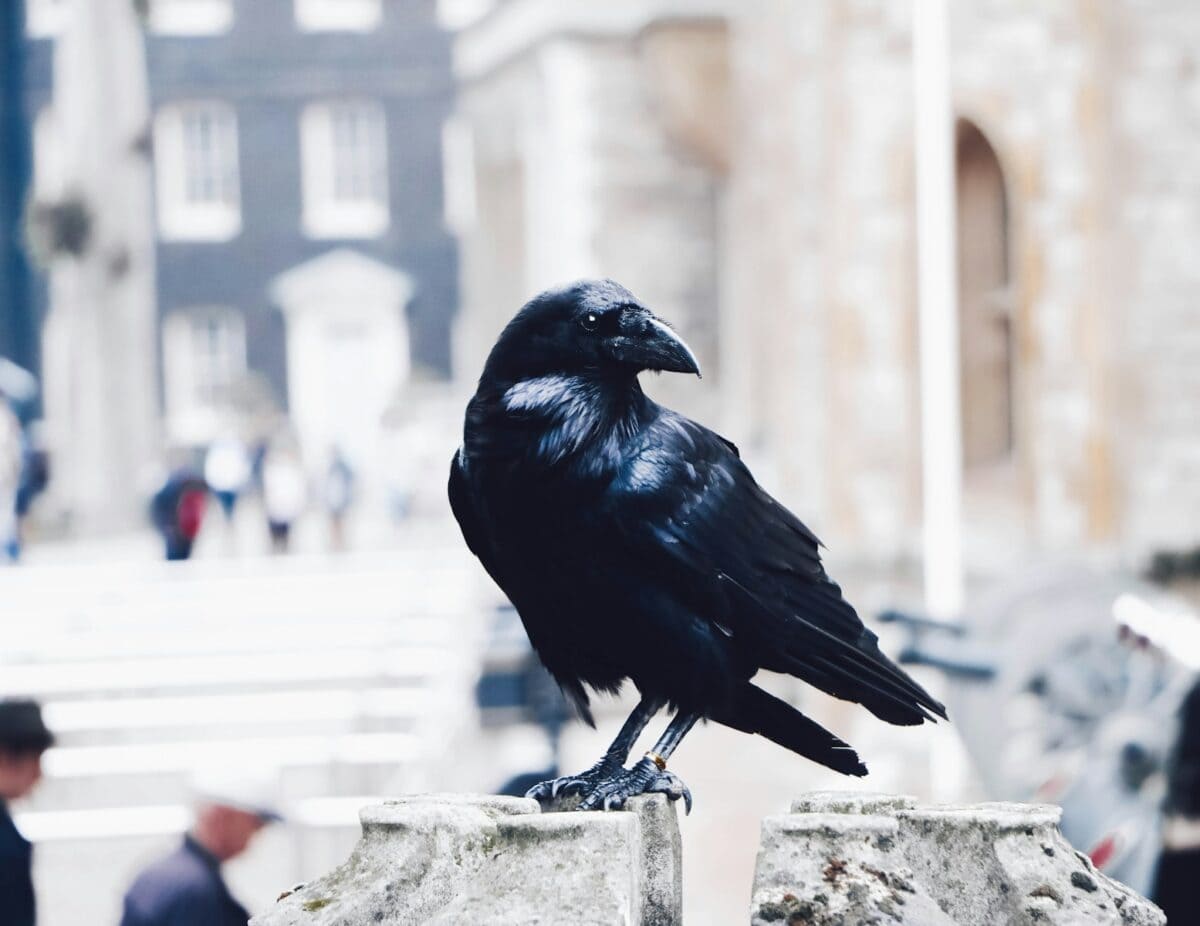
Both crows and vultures serve as important bioindicators—species whose health, abundance, or behavior provides insights into broader environmental conditions. As top scavengers that accumulate environmental contaminants from their food, vultures are particularly sensitive to toxins in the environment. The catastrophic decline of Gyps vultures in South Asia following exposure to diclofenac revealed how these birds can signal the presence of harmful substances in ecosystems before effects become apparent in other species.
Similarly, changes in crow populations or behavior can indicate shifts in urban ecology, habitat quality, or food availability. Researchers increasingly monitor these species as part of environmental assessment programs, using their populations as early warning systems for potential ecological problems. Their wide ranges and position in food webs make them especially valuable for detecting landscape-level changes that might otherwise go unnoticed until more dramatic ecological shifts occur. This bioindicator role adds yet another dimension to their ecosystem services, helping scientists and environmental managers detect problems before they become catastrophic.
Intelligence and Adaptation: Urban Ecosystem Specialists

The remarkable intelligence of corvids (the family that includes crows and ravens) allows them to thrive in human-modified landscapes, providing ecological services even in highly urbanized environments where other wildlife struggles to survive. Crows possess problem-solving abilities comparable to those of great apes, use tools, recognize human faces, and pass knowledge culturally through generations. These cognitive abilities enable them to adapt rapidly to changing environments and exploit new resources.
Vultures, while less celebrated for intelligence, display specialized adaptations like soaring flight that allows them to cover vast areas with minimal energy expenditure, and incredible visual acuity that helps them locate carcasses from great heights. In urban ecosystems, these adaptations allow these birds to provide natural services where they’re often most needed—in the human-dominated landscapes where traditional ecological processes have been most disrupted. Their success in these environments ensures that even our most developed areas maintain connections to natural cycles of waste processing and nutrient recycling.
Cultural Significance and Ecological Knowledge

Throughout human history, crows and vultures have featured prominently in cultural narratives, often serving as symbols, messengers, or tricksters. Many Indigenous cultures recognize these birds as keepers of ecological knowledge or spiritual intermediaries. The Haida people of the Pacific Northwest feature ravens prominently in their creation stories as intelligent beings who helped create the world. In Hindu traditions, vultures serve as vehicles for deities and play important roles in sky burial practices that return human remains to nature.
These cultural associations reflect generations of human observations about the ecological importance of these species. Today, these cultural perspectives are increasingly integrated with scientific understanding, creating richer, more holistic approaches to conservation. Urban bird-watching programs focused on crows and citizen science initiatives monitoring vulture populations help connect people to local ecology while generating valuable data. These cultural connections provide additional motivation for protecting these species beyond their purely ecological functions.
Conservation Challenges and Population Threats

Despite their ecological importance, both crows and vultures face significant conservation challenges. Vultures rank among the most endangered groups of birds globally, with 16 of the 23 vulture species currently threatened with extinction. Asian vulture populations collapsed by more than 99% due to diclofenac poisoning, while African vultures face threats from poisoning (both deliberate and incidental), habitat loss, and poaching. Even in North America, California condors and turkey vultures contend with lead poisoning from ammunition in the carcasses they consume.
Crows generally maintain more stable populations, but face localized threats from persecution, habitat alteration, and diseases like West Nile virus, which caused significant crow mortality in North America. Climate change poses additional challenges for both groups, potentially altering food availability and breeding conditions. Conservation efforts include captive breeding programs for critically endangered vultures, legislation banning harmful veterinary drugs, education initiatives to reduce deliberate poisoning, and habitat protection. These conservation actions are essential not just for the birds themselves, but for maintaining the ecosystem services they provide.
Economic Value of Nature’s Cleanup Crew
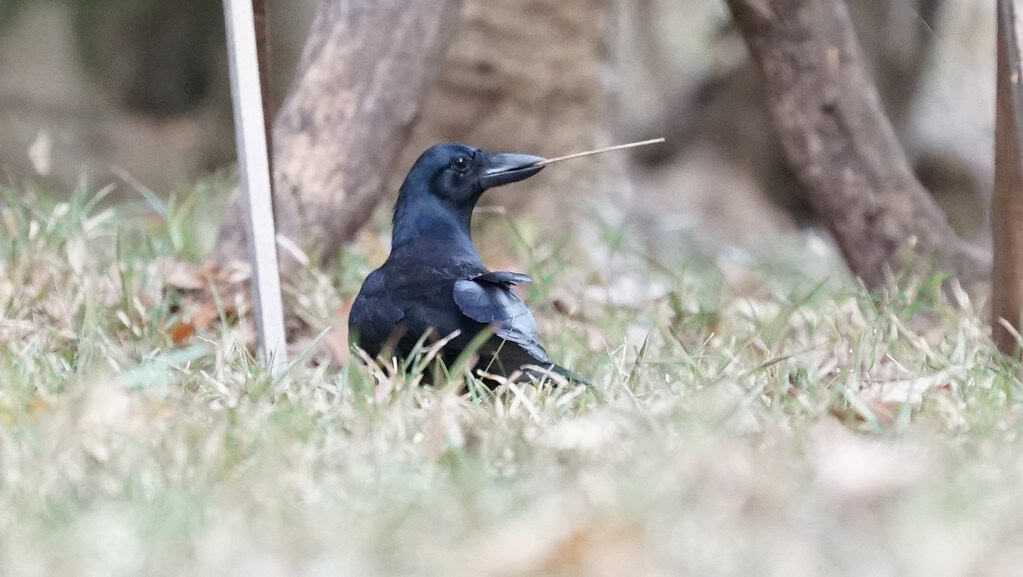
The ecological services provided by crows and vultures translate into substantial economic benefits that are often overlooked in traditional economic analyses. Researchers have attempted to quantify these values through various methodologies. A groundbreaking study in Spain estimated that vultures save the country approximately €1.5 million annually through carcass disposal—services that would otherwise require costly collection and incineration of livestock remains. In the United States, similar calculations suggest vultures provide waste disposal services worth tens of millions of dollars annually.
The pest control services of crows likewise represent significant economic value to agricultural systems. One study estimated that insect control by birds, including crows, saves North American farmers billions of dollars annually in reduced crop damage and decreased pesticide use. Disease prevention services may represent the largest economic benefit, though they’re hardest to quantify. The increased human rabies deaths following Asian vulture declines represent both a tragic human cost and billions in additional healthcare expenses. These economic valuations underscore why protecting these species represents not just an ecological imperative but a sound economic investment.
Living With Our Avian Neighbors: Coexistence Strategies

As human development continues to expand into natural areas, finding ways to coexist with crows and vultures becomes increasingly important for maintaining their ecological services. For vultures, this means designing power infrastructure to prevent electrocutions, supporting supplementary feeding stations in areas where natural food sources have declined, and implementing policies that reduce poisoning risks. For crows in urban environments, coexistence strategies include designing waste management systems that prevent overreliance on human food, maintaining urban green spaces with mature trees for nesting, and developing humane management approaches for situations where conflicts arise.
Public education plays a crucial role in fostering coexistence by correcting misconceptions about these species. Communities that have implemented crow-friendly policies often report reduced conflicts and greater appreciation for these intelligent birds. Conservation organizations increasingly work with farmers, ranchers, and urban planners to develop landscape management approaches that accommodate the ecological needs of scavenging birds while addressing human concerns, creating win-win scenarios that maintain essential ecosystem services.
Conclusion: Recognizing the Value of Nature’s Cleanup Crew
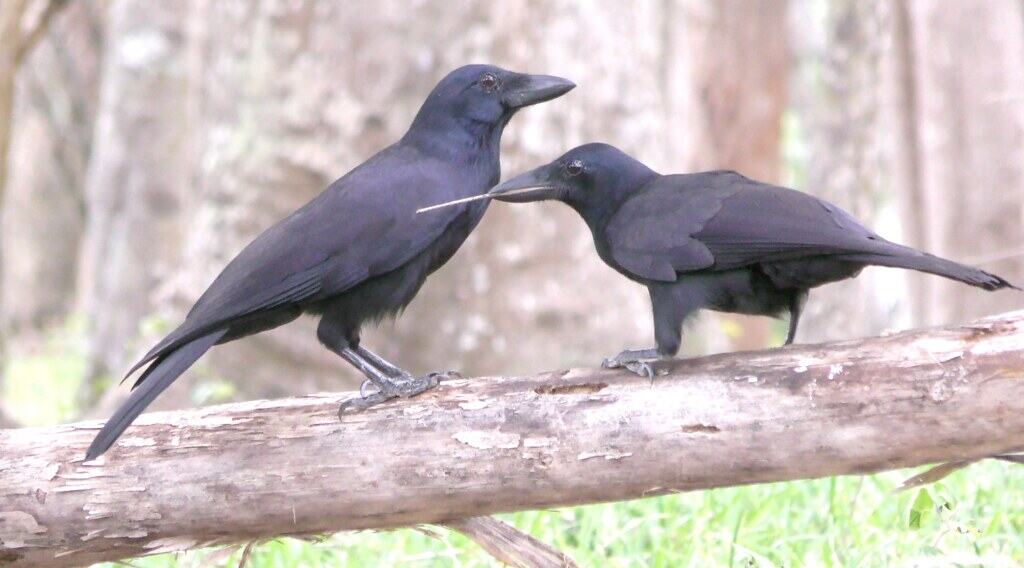
Crows and vultures may not win popularity contests among wildlife, but their ecological contributions make them irreplaceable components of healthy ecosystems. From disease prevention and waste removal to pest control and seed dispersal, these birds perform services that would cost billions to replace with human technology—if they could be replaced at all. The tragic consequences that followed vulture declines in Asia demonstrate how quickly ecosystem stability can unravel when these keystone scavengers disappear.
As we face growing environmental challenges from climate change to habitat fragmentation, protecting these ecological service providers becomes increasingly critical. By recognizing the true value of crows and vultures, we can move beyond outdated stereotypes and appreciate these remarkable birds for what they truly are: essential partners in maintaining the ecological health of our shared planet. The next time you spot a crow investigating your neighborhood or glimpse vultures soaring on thermal currents, take a moment to appreciate nature’s cleanup crew hard at work, maintaining the invisible but vital processes that support all life.

From exploring the marine wonders in the Azores and witnessing the vast savannas of Kenya, to delving deep into the rich biodiversity of South Africa and traversing iconic landscapes in Australia and the US like Yellowstone, Chris's experiences are vast.
With a penchant for diving alongside sharks, the ocean holds a special place in his heart.
Through his academic insights, he champions wildlife conservation, striving with 'Animals Around The Globe' to cultivate a profound connection between humans and animals, enhancing our mutual appreciation.
Connect with him at Feedback@animalsaroundtheglobe.com.
- Why Spiders Don’t Get Stuck in Their Own Webs - July 20, 2026
- What Scientists Found in a 10,000-Year-Old Beehive - July 20, 2026
- This Spider Builds Fake Decoys of Itself - July 20, 2026