
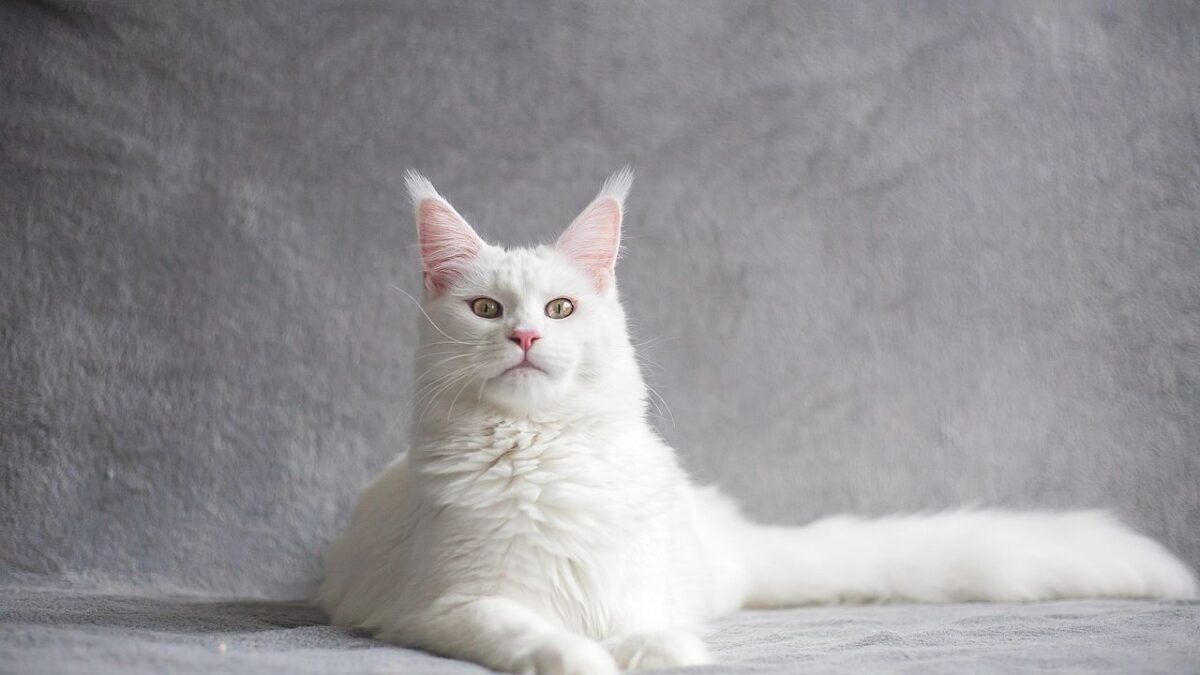
There’s a peculiar irony in the world of pet ownership. The people who know the most about animal health are often the least likely to bring certain popular breeds home. Veterinarians spend their careers treating everything from minor ear infections to life-threatening genetic diseases, and over time that clinical experience shapes some very deliberate choices about which cats they’d keep under their own roof.
Most cat lovers choose a breed based on looks, temperament, or cultural appeal. Vets, on the other hand, tend to think about what happens at two in the morning when a health crisis surfaces. The breeds on this list aren’t “bad” cats. They can be loving, fascinating companions. Still, the health baggage they carry is real, well-documented, and worth knowing about before you fall in love with that flat face or those adorably short legs.
#1. The Persian: Beautiful on the Outside, Complicated Everywhere Else
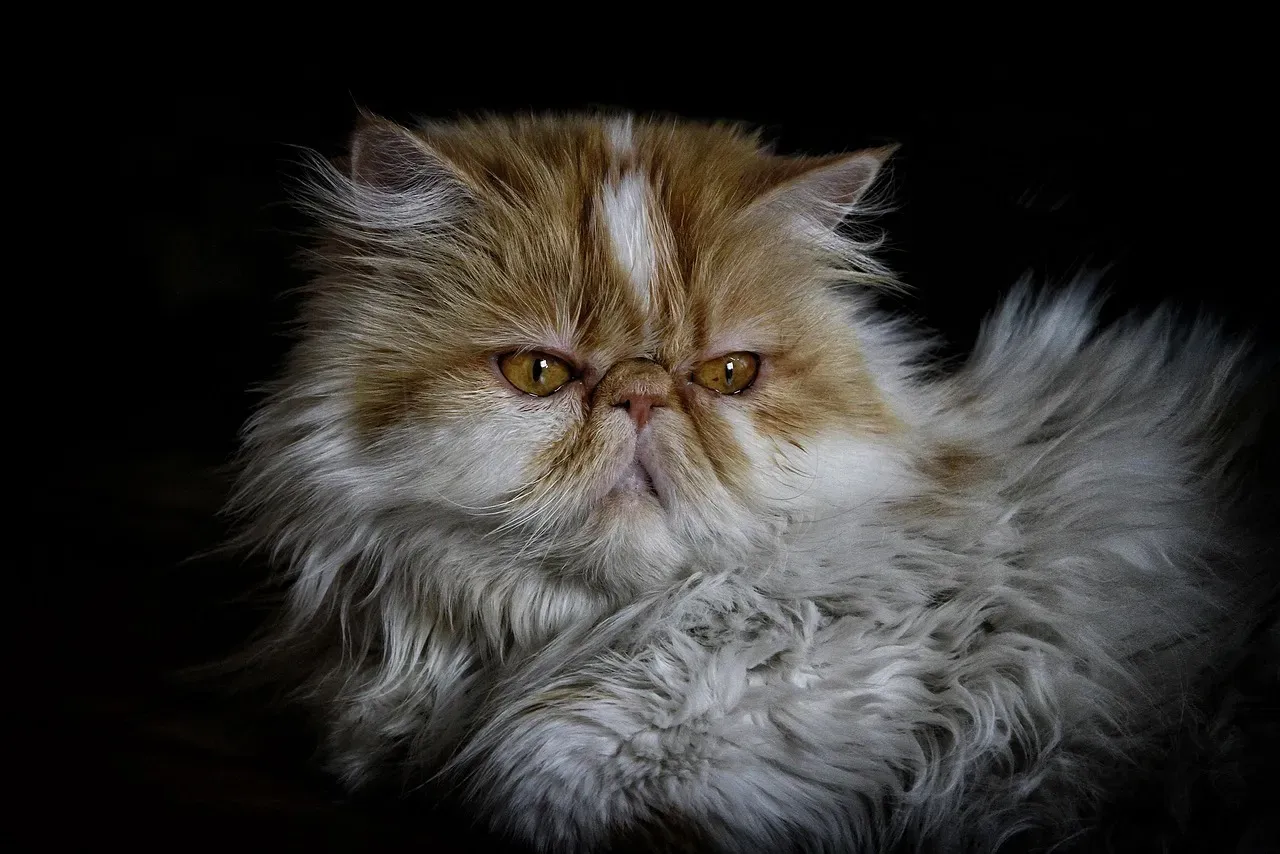
The Persian is arguably the most recognizable cat in the world, with its lush coat and unmistakably flat face. One of the most popular purebred cats globally, Persians are prized for their long, beautiful coats and distinct, round faces, and they’re associated with luxury and royalty. That appeal is undeniable. The health reality, though, is a different story entirely.
Research conducted by the Royal Veterinary College, in collaboration with the University of Edinburgh, demonstrated that nearly two thirds of Persian cats suffer from at least one health condition. Despite their popularity, Persians are reportedly predisposed to 29 diseases to date, many of which are associated with their conformation or genotype. That number alone gives most vets serious pause.
Brachycephalic Airway Syndrome means Persian cats can experience breathing difficulties due to narrowed airways, while misaligned or crowded teeth are common due to their shortened jaw structure, increasing the risk of dental disease. Persians are also prone to polycystic kidney disease, an inherited condition present from birth that causes multiple cysts to form on the kidneys, and over time these cysts grow, leading to renal failure typically at around seven years old.
They’re more expensive to care for than many other cat breeds, but the main reason most vets avoid them is that they’re going to need more care every day to prevent all of these issues. Haircoat problems, periodontal disease, overgrown nails, and ocular discharge were the most common specific disorders diagnosed in clinical studies, painting a picture of an animal that requires constant, vigilant maintenance just to stay comfortable.
#2. The Scottish Fold: Those Ears Come at a Price
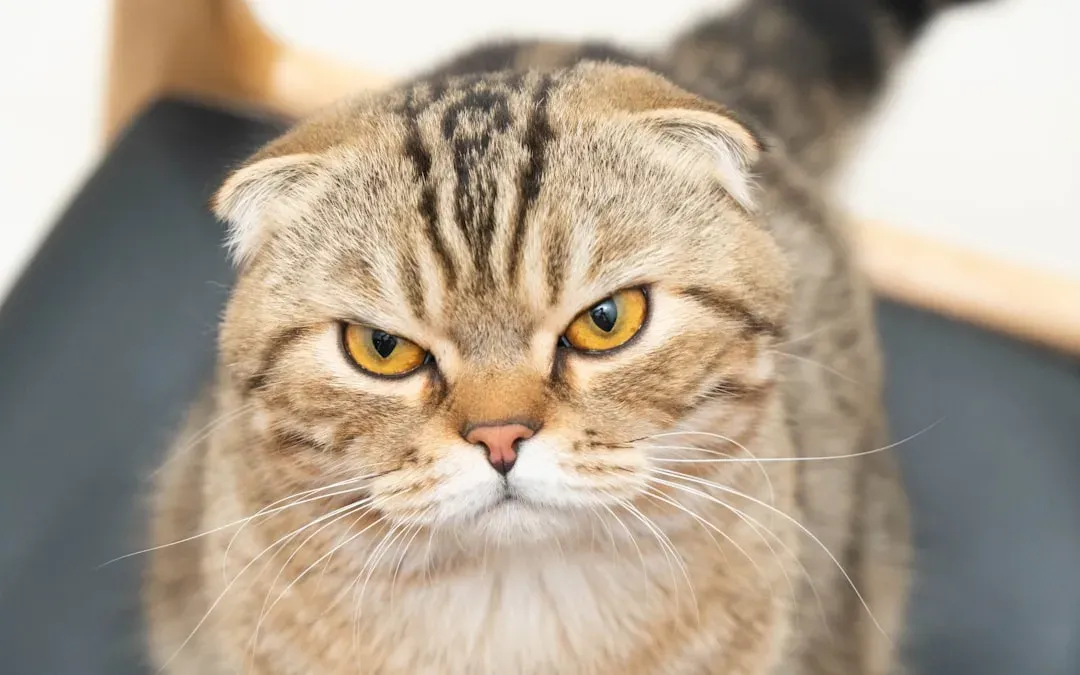
The Scottish Fold’s rounded face and folded ears have made it one of social media’s favorite cats. Celebrities have owned them, influencers have posed with them, and their perpetually “worried” expression has become iconic. The first Scottish Fold was found in 1961 by shepherd William Ross and was a barn cat named Susie who lived in Scotland, and Folds have since developed into a round and beautiful family lap cat with wonderful temperaments. The temperament side of that equation is genuinely lovely. The genetics are not.
Scottish Folds have a form of degenerative joint disease caused by the same thing that causes the ear to fold, and this can show up particularly in their tail, ankles, and feet, and can increase over time. Even Scottish Folds that don’t have severe osteochondrodysplasia are prone to joint problems, and as they age, many develop arthritis which can significantly impact mobility and quality of life, though because cats are naturally good at hiding pain, signs of arthritis are often subtle.
Due to the abnormality being much more than just visual, the Scottish Fold is banned by the British Governing Council of the Cat Fancy and the Fédération Internationale Féline. RSPCA Australia believes it is unethical to breed from animals with a genetic mutation that is known to cause painful deformities and disease. These are not fringe opinions. They reflect the informed consensus of welfare organizations that have studied the breed closely.
Scottish Folds should be taken to the veterinarian immediately to check for arthritis if any stiffness is noticed or if they appear to be in pain when their tail is manipulated, and Folds should also be checked for hypertrophic cardiomyopathy and polycystic kidney disease. The monitoring required for this breed is extensive, which is precisely why many vets treat them professionally but wouldn’t choose to own one.
#3. The Munchkin: Short Legs, Long List of Concerns
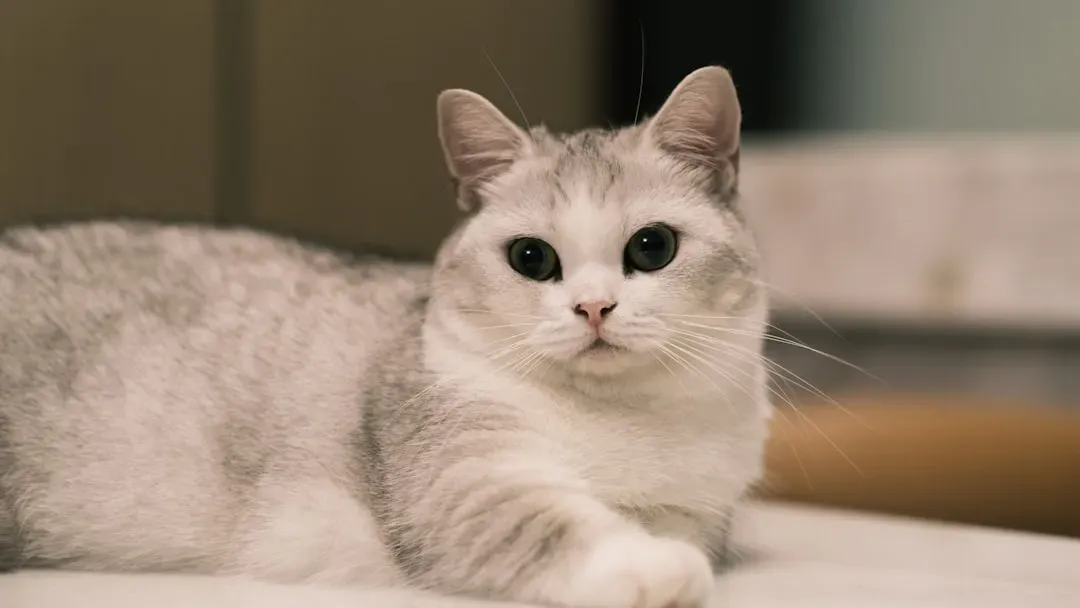
Munchkin cats are undeniably cute. Their stubby little legs have made them enormously popular, particularly in Asia and among younger cat lovers discovering them online. Both long and short-coated Munchkins are prone to certain ailments, and the genes that create the short-legged feature are quite complicated and are sometimes linked to spine and chest problems, with their unusual skeletal structure meaning routine activities like jumping and climbing can put abnormal stress on their joints over time.
Radiography and magnetic resonance imaging revealed that all the limbs of Munchkin cats presented some deformities in addition to being shorter compared to normal cats, with particular torsion in the front legs, and while some deformations may not clinically affect the cats immediately, others could predispose them to joint disease. The long-term orthopedic implications of this are still being studied, which itself is a concern.
Because the Munchkin and derivative breeds are characterized by body deformity, many major cat fancy associations such as the Fédération Internationale Féline, the Governing Council of the Cat Fancy in the UK, and the Cat Fancier Association don’t recognize them. Non-recognition by major registries is a meaningful signal from the broader veterinary and breeding community. The deformity has an increased risk of Spinal Lordosis, Pectus Excavatum, Flat Chested Syndrome, Hip Dysplasia, Elbow Dysplasia, and severe joint malformation.
Contrary to other physical mutations, the health effects of this mutation haven’t been extensively studied, and most research on Munchkins has focused mainly on the identification of the gene as it could have implications for understanding some forms of dwarfism in humans. Owning a breed whose full health profile is still being mapped is a gamble that most informed vets choose not to take.
#4. The Exotic Shorthair: The Persian in Disguise
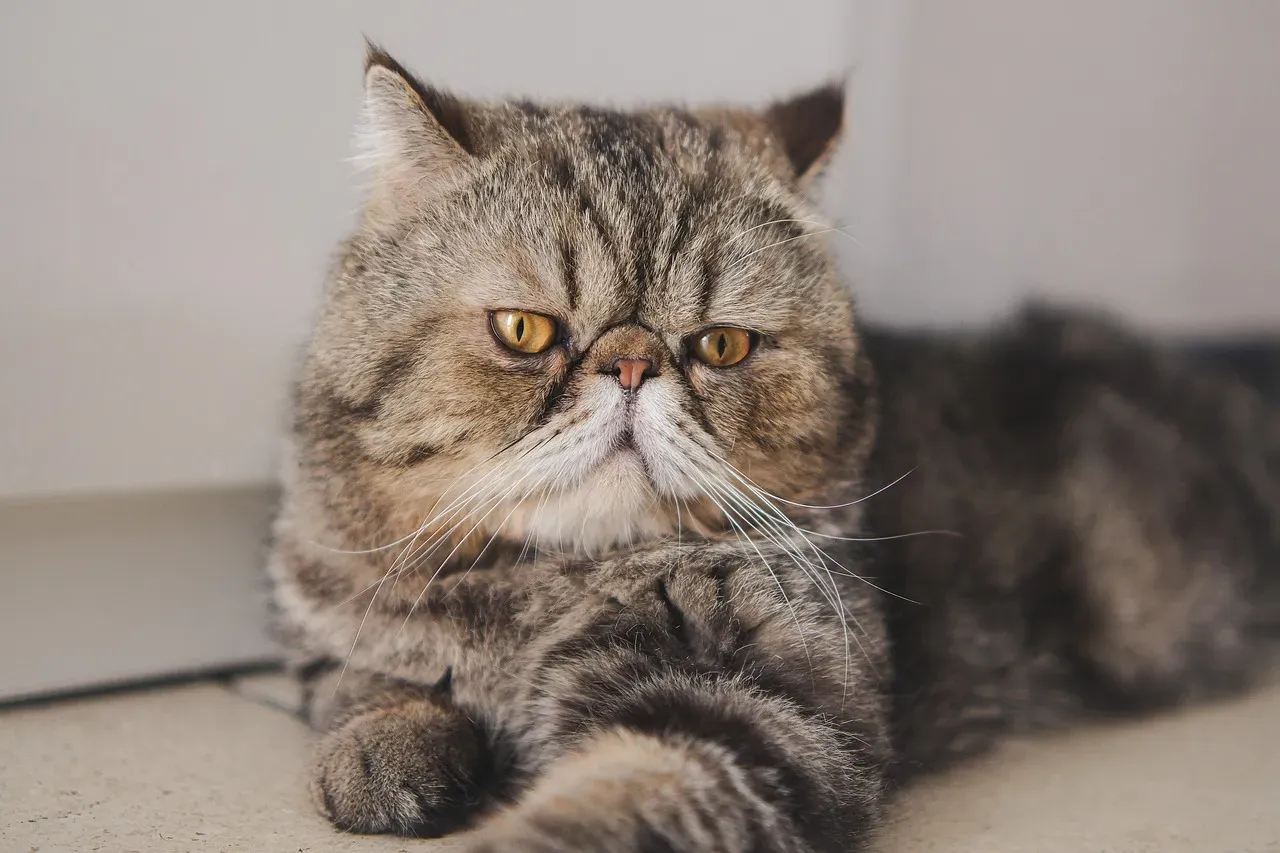
Many prospective cat owners discover the Exotic Shorthair as a kind of low-maintenance alternative to the Persian. The coat is shorter and easier to brush, the face has the same appealing roundness, and the personality is gentle. Similar in build to Persians, Exotic Shorthair cats are also prone to brachycephalic airway syndrome and are also susceptible to polycystic kidney disease. The “easier option” framing turns out to be largely a marketing narrative.
The Exotic Shorthair is a prime example of a breed that looks deceptively manageable but carries the same flat-faced respiratory complications, eye discharge issues, and kidney disease risks as its Persian cousin. Brachycephalic flat-faced breeds like Persians and Exotic Shorthairs have higher respiratory, dental, and tear-duct problems, and purebred flat faces shorten lifespan and raise veterinary needs.
Brachycephalic obstructive airway syndrome affects short-nosed breeds such as Persian cats, causing breathing difficulties, and affected pets may have small nostrils, narrow airways, an elongated soft palate, and excess tissue crowding the throat, with severely affected pets sometimes needing surgery to avoid serious respiratory distress. That’s a significant intervention for what most owners assumed would be a relaxed house cat.
Polycystic kidney disease is an inherited condition affecting cats including Persian and Exotic Shorthair breeds, and with PKD, fluid-filled cysts develop in the kidneys, often leading to kidney dysfunction or failure during early adulthood. Signs of kidney disease include increased drinking and urinating, weight loss, and nausea, and treatment typically involves a prescription diet, medications, and supplemental fluids. The Exotic Shorthair essentially inherits the full Persian health profile with slightly less obvious warning signs upfront.
#5. The Sphynx: High Maintenance Beneath the Hairless Charm
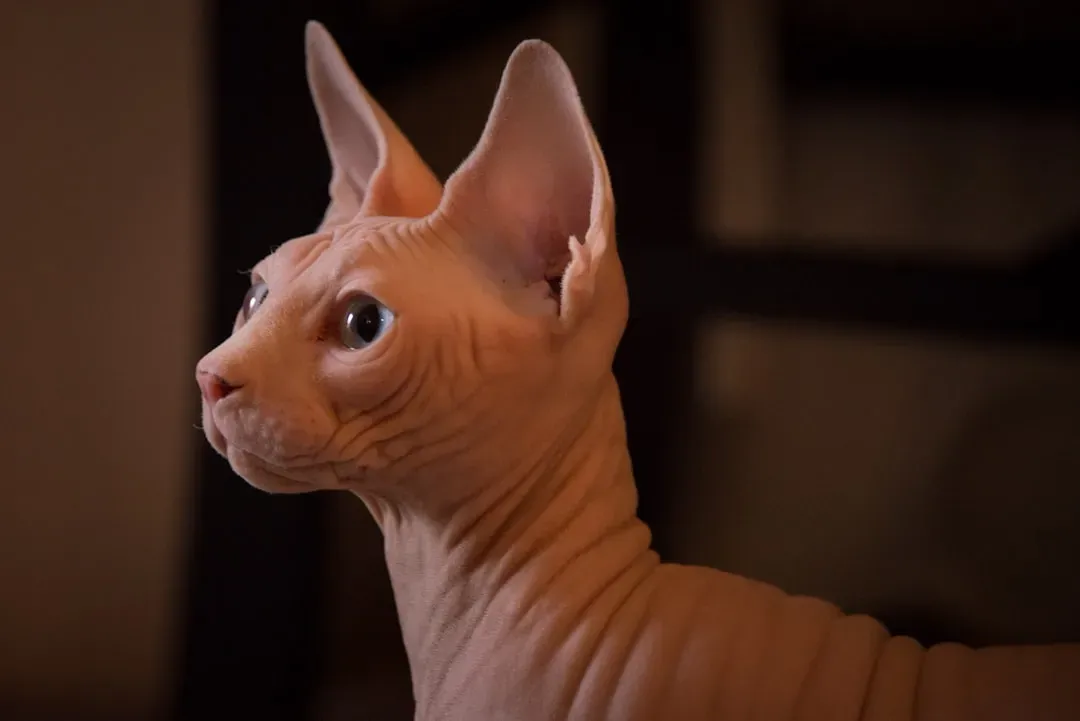
The Sphynx cat is one of the more polarizing breeds out there. People either find them captivating and alien-beautiful or they recoil entirely. Either way, the hairless coat tends to dominate the conversation, and what gets overlooked is a surprisingly demanding health and care profile. Sphynxes are prone to hypertrophic cardiomyopathy, a thickening of the heart muscle, and a neurological disease called hereditary myopathy, which affects the muscles including the ability to swallow. Those are serious conditions by any measure.
This is a breed that genuinely needs weekly bathing, cardiac monitoring, and temperature management year-round, which adds up to a level of daily involvement that surprises many first-time owners. While their hairless bodies are favorable for hypoallergenic owners, they regularly need to be washed to remove oil build-up from off their skin. Without hair to absorb natural oils, the skin accumulates residue rapidly and regular baths aren’t optional.
Breeds such as Maine Coons, Ragdolls, Sphynxes, Siamese, and others are more at risk for heart conditions such as hypertrophic cardiomyopathy, dilated cardiomyopathy, and congenital heart conditions. Cats with HCM are at high risk for congestive heart failure and saddle thrombosis from the formation of blood clots. For a vet who has watched this condition progress in patients, the prospect of managing it at home carries a very specific kind of emotional weight.
Like other flat-faced cat breeds, Persian cats and breeds with similar conformations are also sensitive to warm temperatures and have an increased risk of overheating. Sphynx cats carry similar temperature sensitivity for opposite reasons. With no insulating fur, they get cold easily and require heated environments, heated beds, or sweaters in cooler climates. It’s a breed that demands attentiveness around the clock.
#6. The Ragdoll: The Hidden Heart Risk in That Gentle Giant
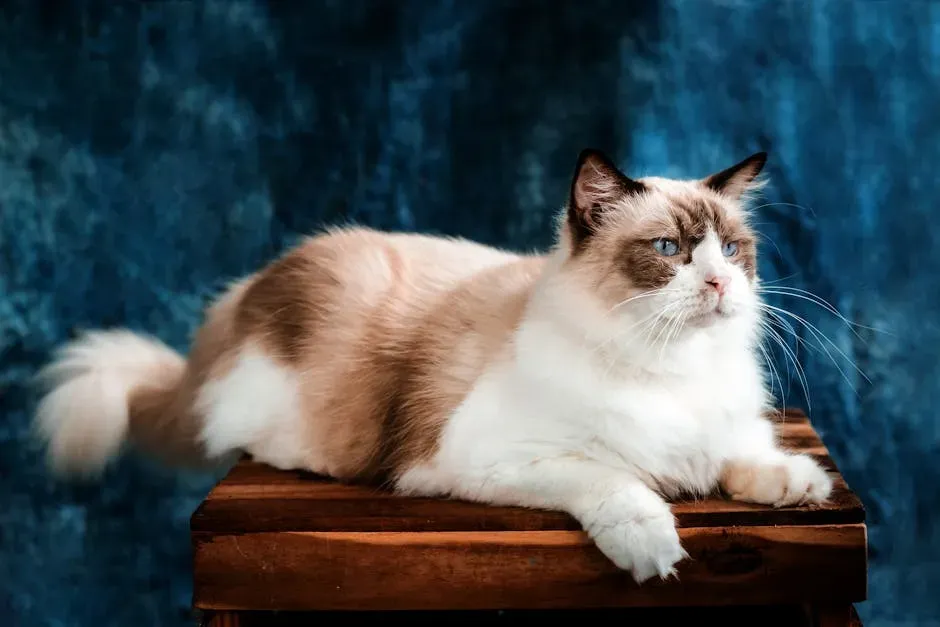
Ragdolls are widely adored for going limp when picked up, for their docile temperament, and for their striking blue eyes. They’re frequently marketed as ideal family cats, and in terms of personality, the reputation is largely deserved. In Ragdoll cats, a breed-specific mutation has been found to be associated with increased risk for HCM, and Ragdoll cats with two copies of the disease-associated mutation are at high risk of developing severe signs of HCM, usually between one and two years of age, and have a greater likelihood of early cardiac death.
Some breeds such as Ragdolls and Maine Coons can develop HCM at a young age, the disease has a wide range of progression and severity, left ventricular hypertrophy which can restrict blood flow is a common feature, and the disease may persist into old age and eventually lead to heart failure and increased diastolic pressure. Developing a serious cardiac condition before the age of two is not what most families anticipate when they adopt what looks like a fluffy, placid companion.
The Ragdoll cat’s problems don’t end with cardiac disease. Like Persians, they can run into PKD, an incurable condition caused by a defective gene, and Ragdolls are also at risk for obesity, developing blood clots, and cryptococcosis, a fungal disease that affects cats. The layered nature of these risks is part of what makes this breed a difficult choice for someone who already spends their days managing animal illness professionally.
Regular vet checkups are crucial for a Ragdoll’s health, as they might be prone to certain genetic issues including hypertrophic cardiomyopathy, environmental and food allergies, and bladder stones. While their long coats are high maintenance and require regular grooming, Ragdolls have a track record of staying generally healthy over their lifespan if not adopted from a reputable breeder, as some can suffer from heart issues. Breeder selection matters enormously with this breed, and even then, genetic risk cannot be entirely eliminated.
#7. The Maine Coon: The Gentle Giant With a Genetic Time Bomb
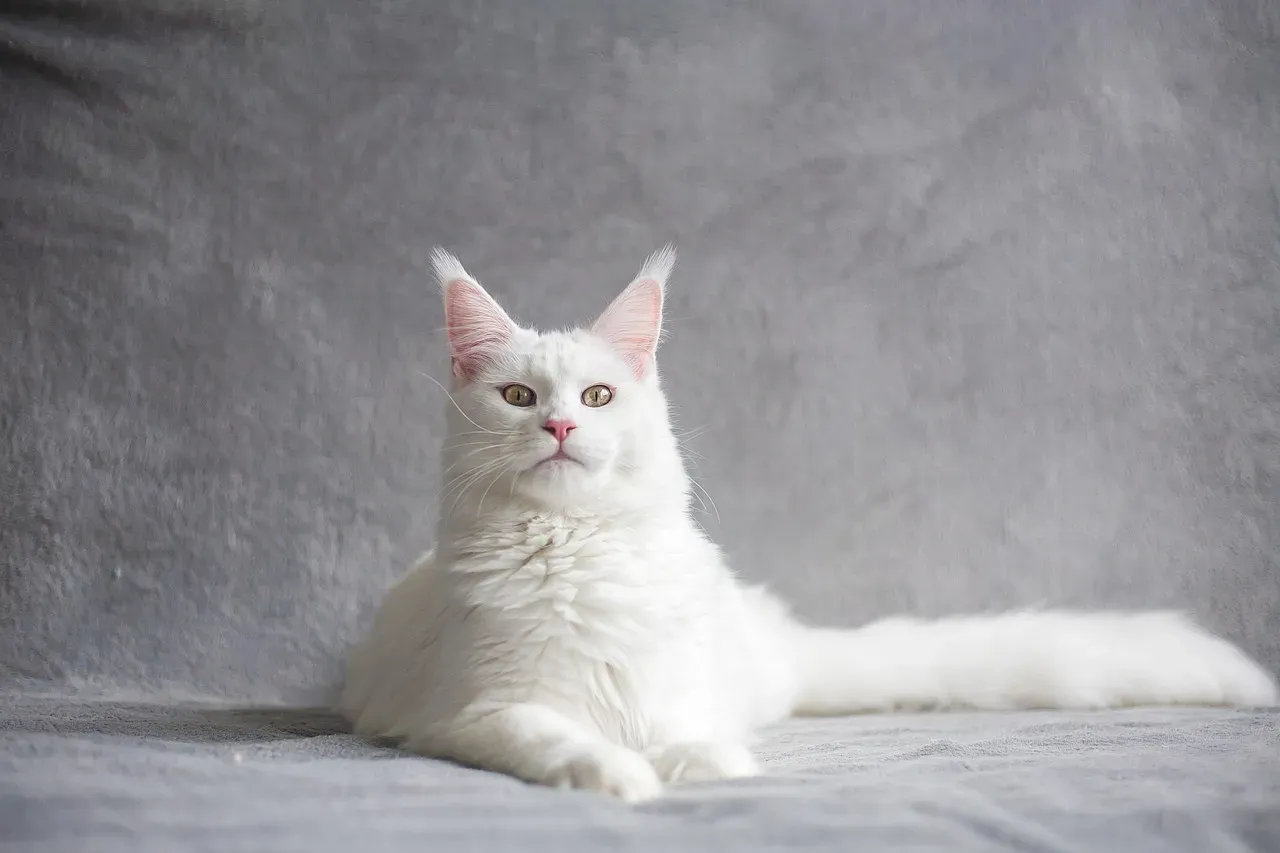
Maine Coons are among the most beloved cat breeds in the world, and for good reason. They’re sociable, intelligent, and carry a dignified, almost dog-like warmth that makes them wonderful companions. Friendly, long-haired Maine Coons are generally hardy and resilient felines, but just like other purebred cats including Ragdolls, Siamese, and Persians, these cats are genetically predisposed to particular diseases. The cardiac risk is where veterinary concern concentrates most sharply.
In Maine Coons, a breed-specific mutation has been found to be associated with increased risk for HCM, and cats affected by hypertrophic cardiomyopathy are at risk of sudden cardiac death, with Maine Coon cats carrying two copies of the disease-associated mutation potentially developing moderate to severe cardiac disease leading to sudden death by age four years or less. Sudden cardiac death in a young cat is devastating, and for a vet who has seen it happen in a patient room, the emotional reality is hard to overstate.
A genetic mutation called MYBPC3 has been identified in Maine Coon cats in association with HCM, and HCM is a disease of incomplete penetrance, meaning some Maine Coons with the genetic mutation may not show the disease until they get older. In Maine Coons, the age of presentation is variable, with many cats developing this disease after three years of age, though some will not develop it until much older at six to eight years of age. The unpredictability of onset makes long-term cardiac monitoring a non-negotiable commitment.
Maine Coons share a comparable cardiac risk profile, with hypertrophic cardiomyopathy considered one of the most significant concerns for the breed, and cardiac screening and ongoing monitoring are something responsible Maine Coon owners plan for from the start. With proper care, Maine Coons can comfortably live to be twelve to fifteen years of age, but even though you can postpone hereditary diseases and keep them under control, most of them can’t be prevented. That last point is one veterinarians carry with them into every decision they make about which pets they bring home.
What This Means If You Already Love One of These Breeds
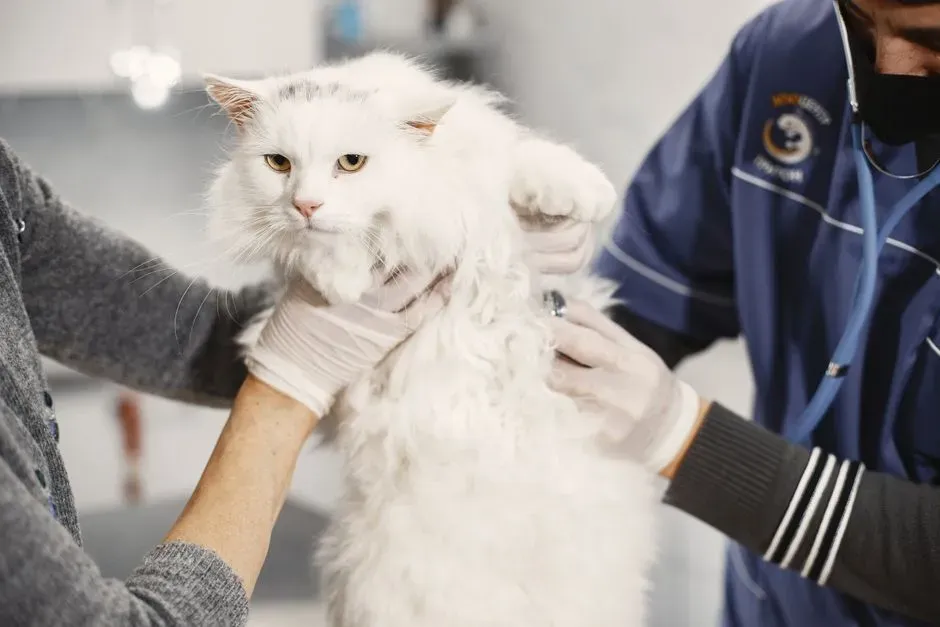
Any pet can get sick, but some cat breeds are more likely than others to suffer from certain diseases or conditions because of their genetic makeup. The fact that a veterinarian might personally avoid these breeds says nothing about whether they can be wonderful, deeply loved companions. Many of them are. What it does say is that the care commitment is real, the health costs are higher than average, and the emotional weight of managing chronic illness in a pet is something that deserves honest thought before adopting.
Mixed-breed cats tend to have the most genetic diversity and the fewest health problems, but when it comes to purebred cats, some breeds are healthier than others. The healthiest cat breeds tend to be long-lived and have few known genetically linked health issues, and healthy cat breeds usually do not have any physical extremes such as baldness, dwarfism, or brachycephalic facial features. That pattern holds consistently across feline medicine.
If one of these seven breeds already lives on your couch, the most practical thing you can do is stay current on wellness exams, ask your vet directly about breed-specific screening, and budget honestly for care. Knowledge doesn’t change the genetics. It does change how quickly problems get caught and how well they get managed. That’s the same logic that guides veterinarians when they choose their own pets, and it’s advice worth taking seriously regardless of which side of the exam table you’re on.

- 10 Most Famous Ghost Towns in The USA - July 28, 2026
- Why Gardening Is an Ideal Hobby for Zodiac Earth Signs - July 28, 2026
- The 12 Deadliest Animals in Minnesota - July 28, 2026