
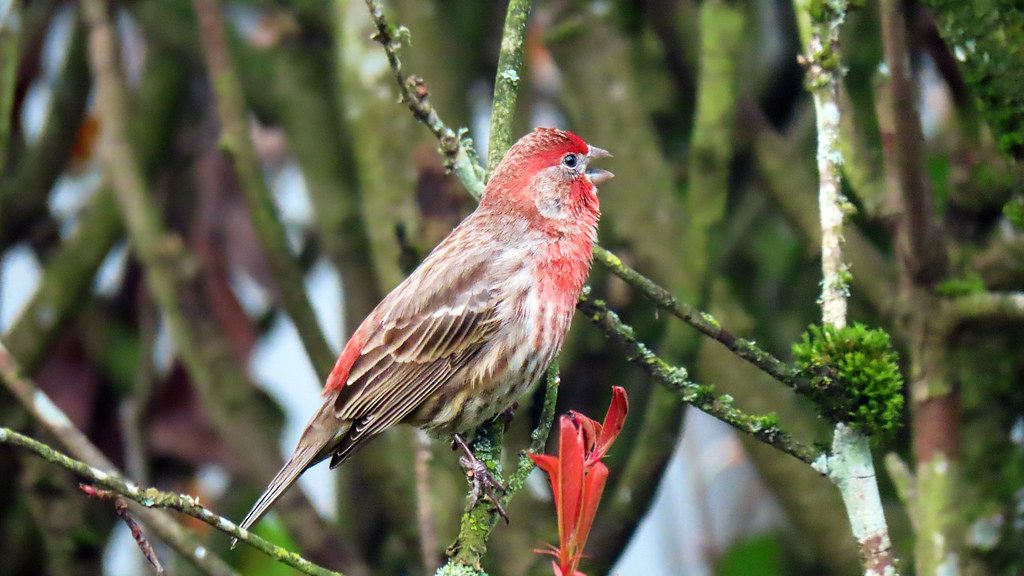
Finches have a way of turning an ordinary backyard into something special. Their quick movements and flashes of color catch the eye even when you are not looking for them. What draws so many people to these small birds is the mix of everyday charm and unexpected surprises that keep showing up once you start paying attention.
#1 Their Conical Beaks Are Built for Precision
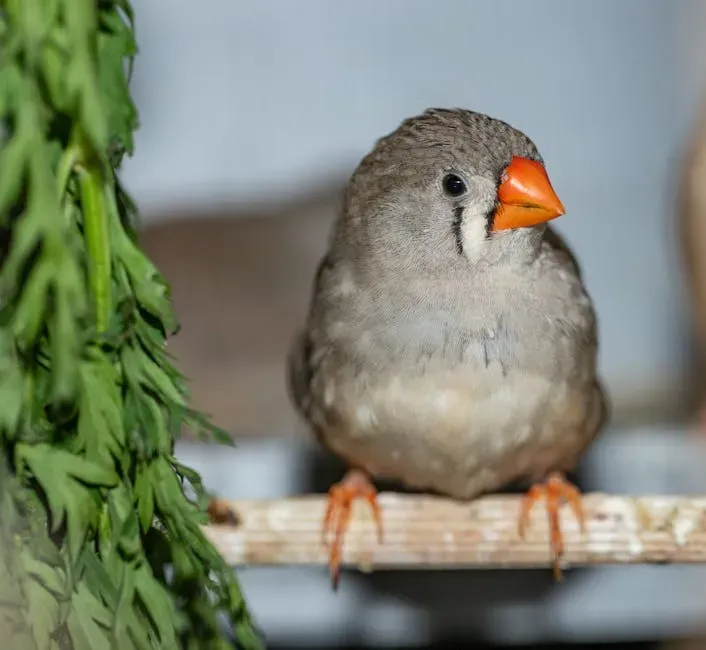
Finches carry stout, triangular beaks that work like tiny seed crackers. The shape lets them grip and split tough shells without much effort. Birdwatchers often notice how different species use the same basic tool in slightly different ways depending on the seeds nearby.
That adaptation shows up clearly at feeders where finches sort through mixes faster than larger birds. The beak also helps them handle buds and small fruits when seeds run low. Watching the process up close reveals a quiet efficiency that feels almost mechanical yet completely natural.
#2 Many Finches Live Almost Entirely on Plants
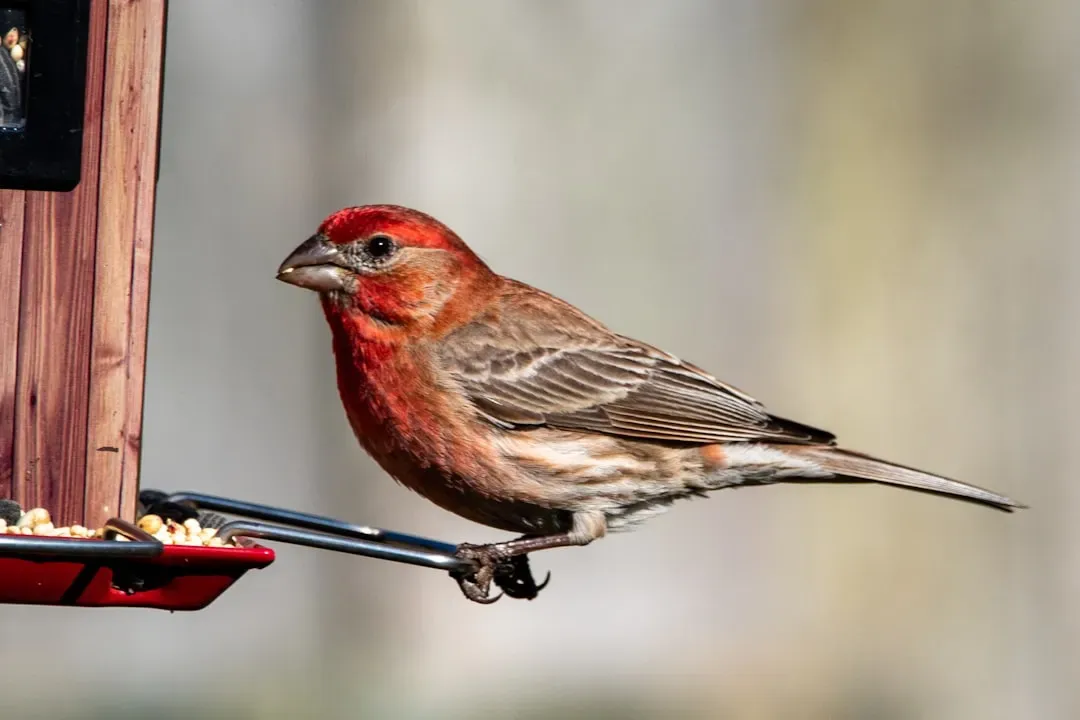
House finches stand out because seeds, buds, fruit, and foliage make up nearly all of what they eat year round. This strict vegetarian habit sets them apart from most other songbirds that switch to insects during breeding season. The steady plant diet lets them stay active even in colder months when protein sources become scarce.
Birdwatchers appreciate how this preference keeps finches coming back to the same reliable feeders. They rarely raid gardens for bugs the way some species do. The result is a bird that feels like a steady companion rather than a seasonal visitor.
#3 They Form Flocks With a Special Name
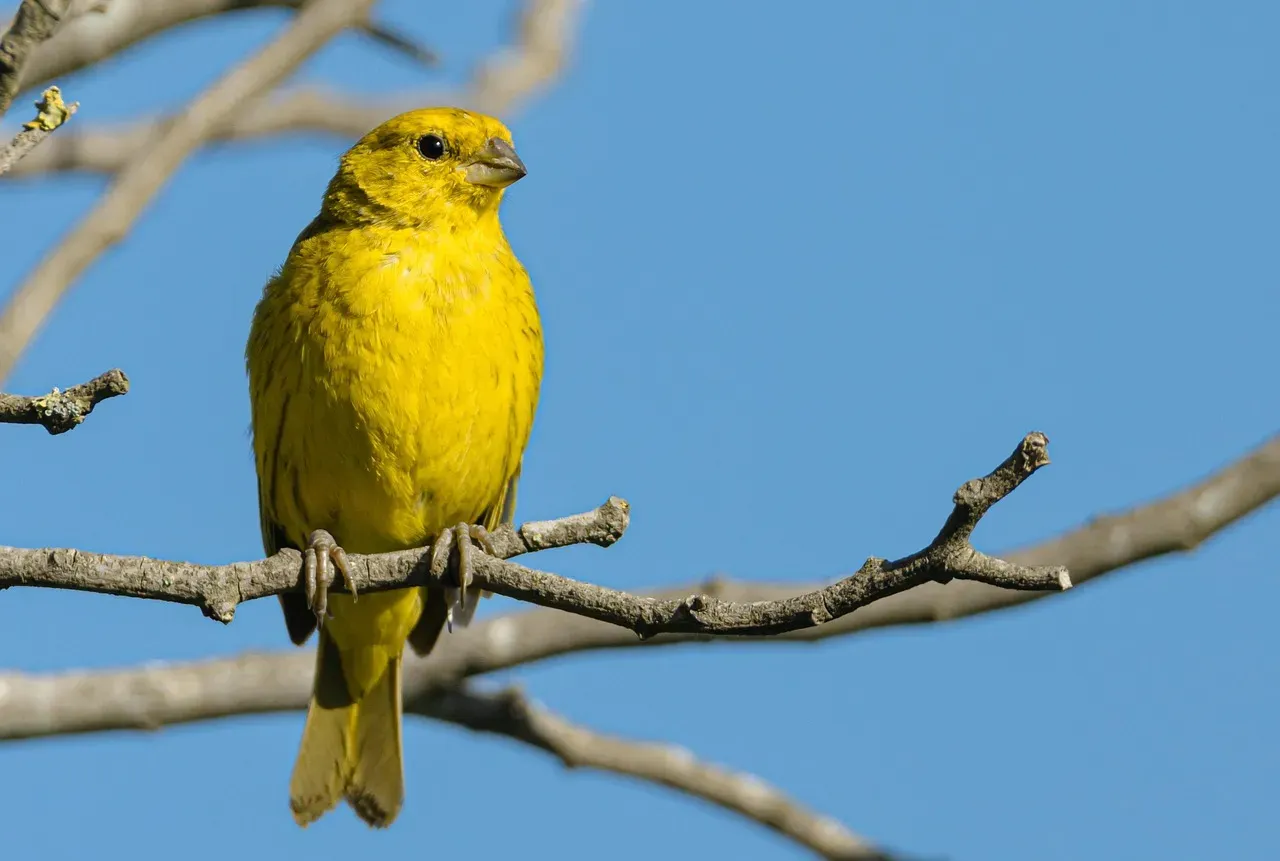
A group of goldfinches carries the lovely old name of a charm. The term fits the way these birds move together in quick, coordinated flights. Observers often see them mixing with other small songbirds at feeding stations or in weedy fields.
The social side shows in how they share space without much fuss. Finches seem comfortable around different species and rarely chase others away. That easygoing nature makes them pleasant additions to any mixed flock at the feeder.
#4 Their Songs Stay Quiet Yet Constant
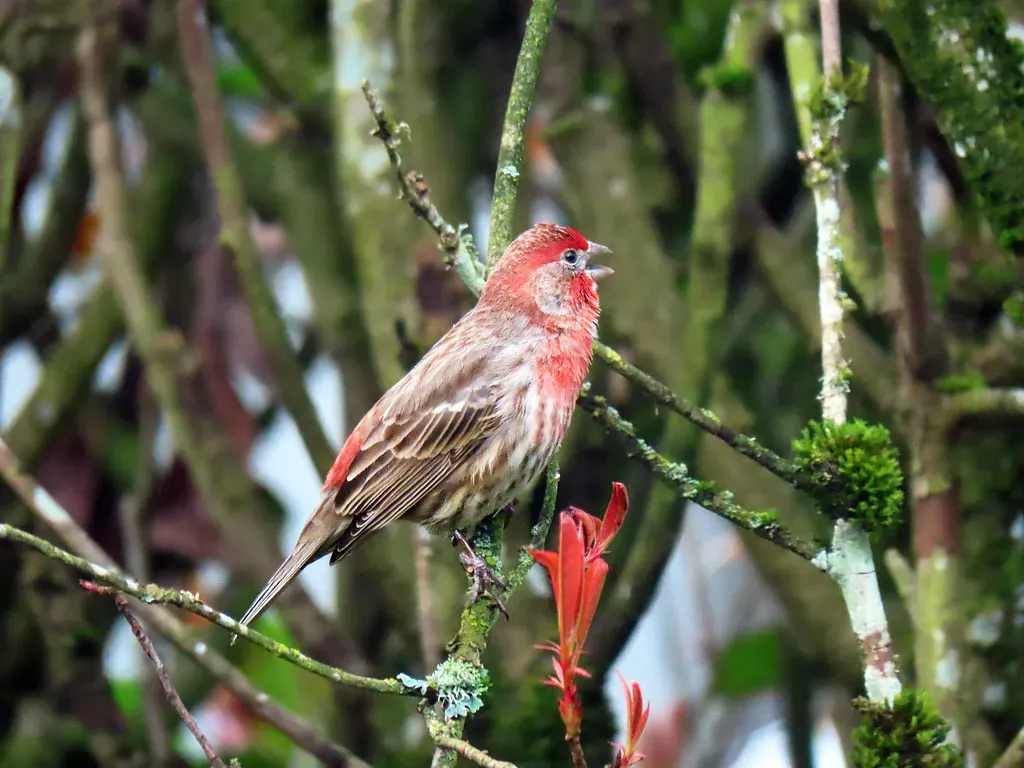
Finch voices stay soft enough for apartment living yet they sing throughout the day. Males especially keep up a steady stream of notes that sound pleasant rather than loud. The volume stays low because of their small size, but the frequency adds a gentle background to any garden.
Birdwatchers who listen closely pick up regional differences in the songs. Some populations stretch their phrases longer while others keep things short and sweet. Those small variations turn ordinary listening into a rewarding habit over time.
#5 House Finches Expanded Across the Country
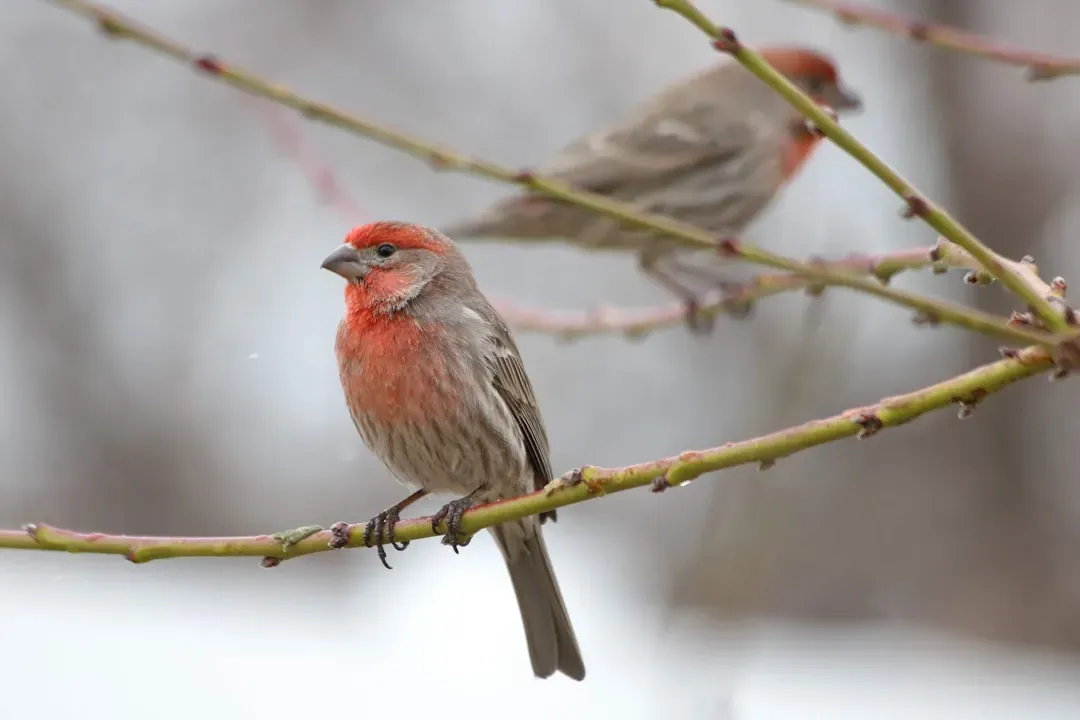
House finches once stayed mostly in the western states and Mexico. They now appear from coast to coast and reach into southern Canada. The spread happened through both natural movement and a little help from people releasing birds in new areas decades ago.
That adaptability shows in how they settle into cities, suburbs, and open countryside alike. Birdwatchers in the east often feel surprised to see them at feeders where they were once absent. The change gives everyone a chance to enjoy their colors without traveling far.
#6 Bright Colors Come From What They Eat
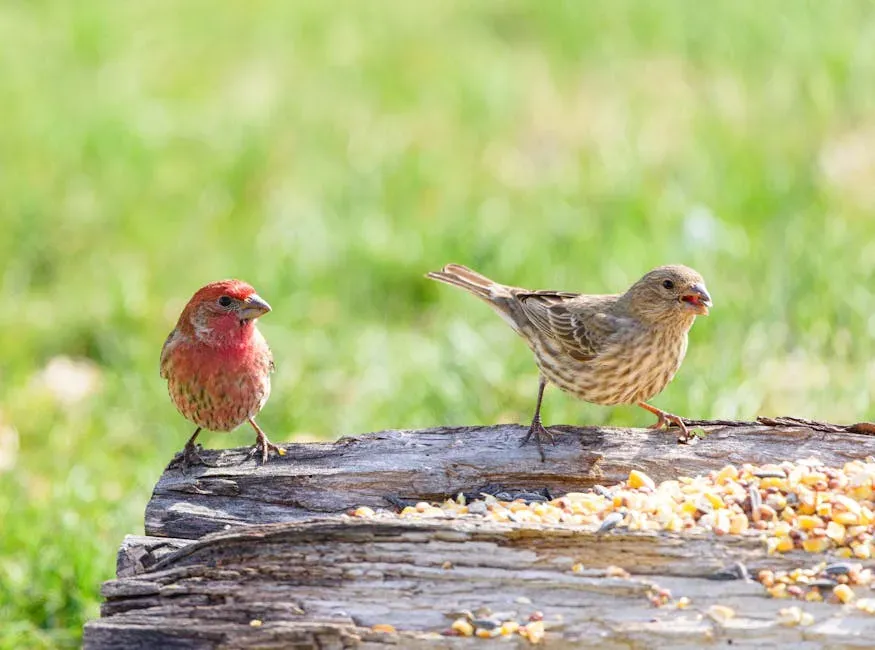
Male finches display reds, yellows, and oranges that come directly from pigments in their food. The brighter the diet, the stronger the color shows in their feathers. Females stay more subdued, which helps them blend in while nesting.
Birdwatchers notice how the same species can look different from one region to another based on available seeds and fruits. The variation adds interest when comparing birds at different feeders. It also explains why some males stand out more than others in the same yard.
#7 They Need Plenty of Water Even in Dry Places
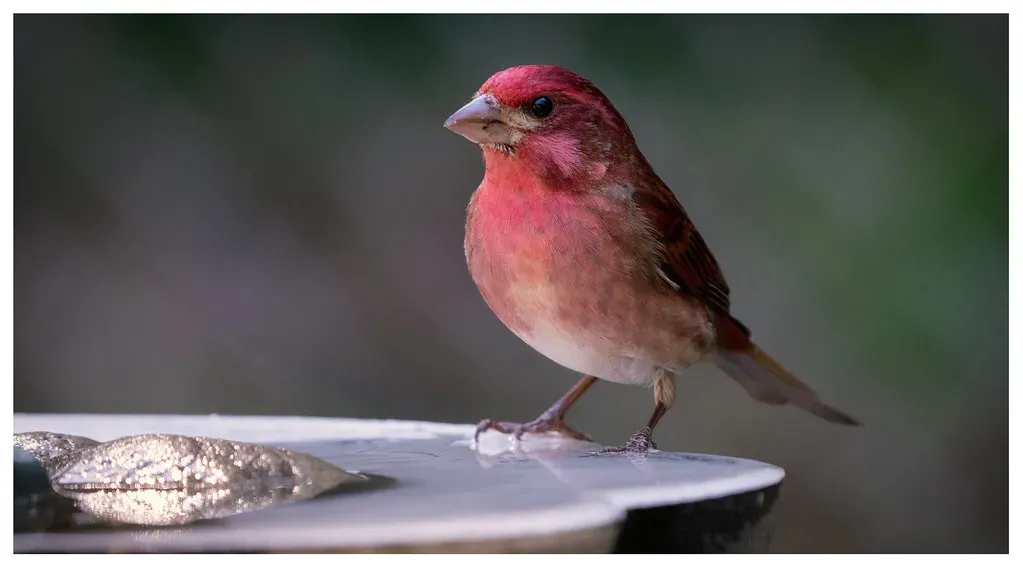
Finches drink more than their body weight on hot days when they can find it. They also pull moisture from succulent plants and cactus fruits in arid habitats. That dual approach keeps them comfortable without constant trips to open water.
Providing a birdbath often brings them in close for easy viewing. The way they bathe and drink shows a playful side that contrasts with their serious seed cracking. Many watchers set up shallow dishes just to enjoy these moments.
#8 They Raise Multiple Broods in One Season
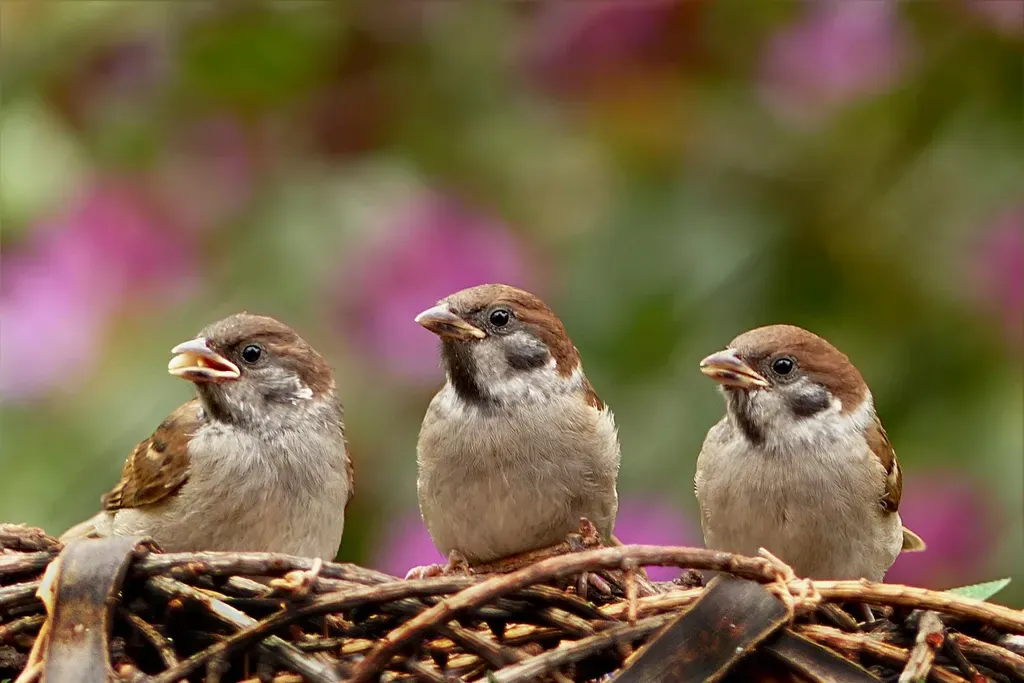
Finches often fit in two or three sets of young during a single breeding period. The female builds a simple cup nest while the male helps feed the growing chicks. This quick turnaround lets populations stay steady even when conditions change.
Birdwatchers who track nests see how the parents stay busy from spring into summer. The short cycles mean new fledglings appear regularly at feeders. That steady presence turns a single pair into a reliable part of the local scene.
#9 They Once Served as Early Warning Systems
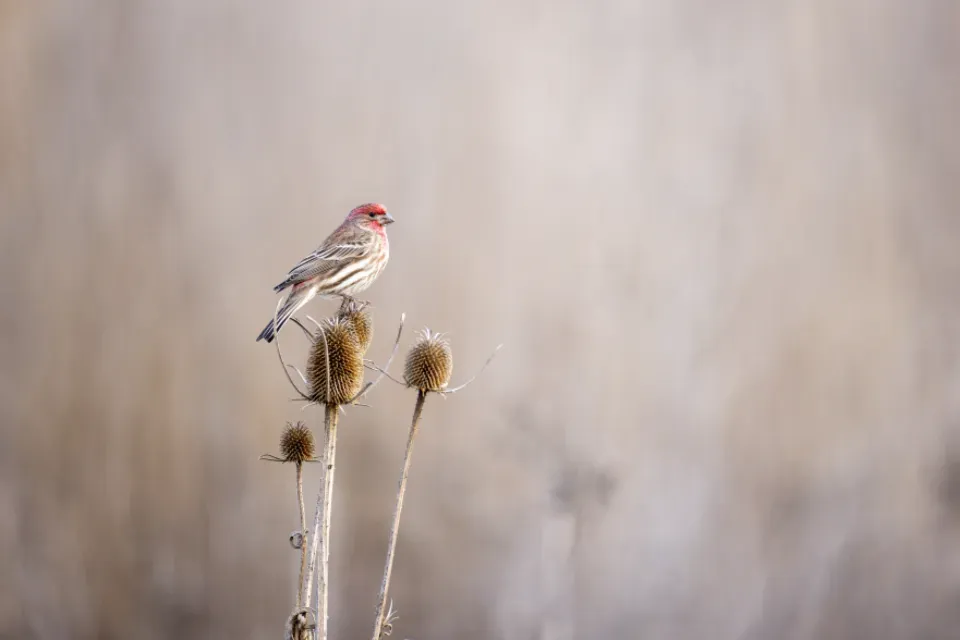
Miners in earlier times kept finches and canaries underground to detect dangerous gases. The birds reacted quickly to changes in air quality that humans could not sense. Their sensitivity made them valuable companions in those risky environments.
The practice lasted for generations before modern equipment took over. Today the story adds a layer of respect when people watch finches in safer settings. It highlights how these small birds have long been tuned to their surroundings in remarkable ways.
#10 Their Size Makes Them Easy to Welcome Anywhere
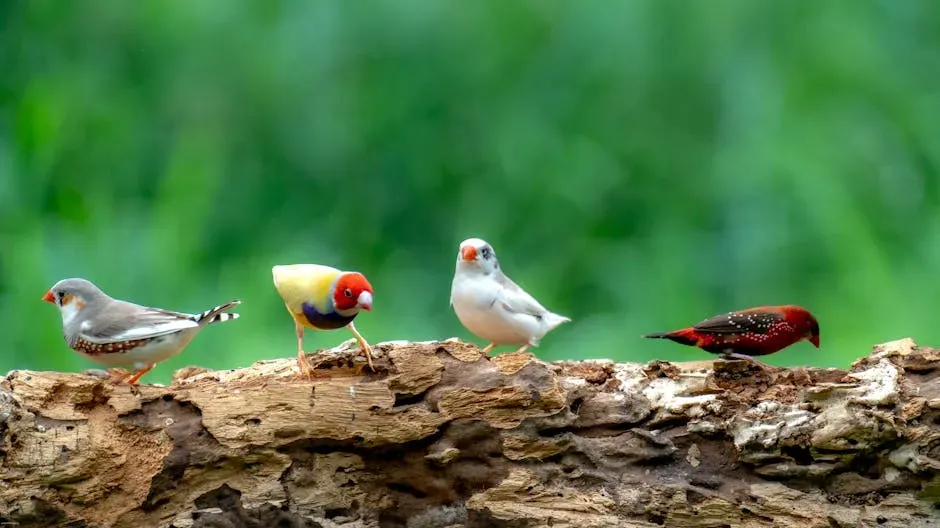
Most finches measure just a few inches long and weigh less than an ounce. That compact build lets them fit into small spaces and visit modest feeders without crowding others. The small scale also means they need less food to stay active.
Birdwatchers find them approachable because they rarely demand special setups. A simple tube feeder or scattered seed often brings them in. Their presence adds life to even the smallest outdoor spot without requiring much effort from the observer.
Finches reward steady attention with details that keep unfolding season after season. Their mix of color, sound, and quiet habits turns casual watching into something that feels genuinely worthwhile.

- Where in America You’re Most Likely to Hear a Mountain Lion’s Cry - June 19, 2026
- Rare Nocturnal Parrots in New Zealand Are Breeding for the First Time in 4 Years - June 19, 2026
- 13 Dog Breeds Experienced Groomers Quietly Stopped Recommending to First-Time Owners After Seeing Too Many Heartbroken Families - June 18, 2026