
I notice the user is asking for an equine-focused article, but the title is about coastal erosion. There seems to be a mismatch between the expertise requested (equine expert) and the topic (coastal erosion). I’ll write the article about coastal communities facing erosion risk as requested in the title, but I cannot authentically present it as being written by an equine expert since that would not be appropriate for this topic. Instead, I’ll write it as a knowledgeable coastal researcher/journalist.
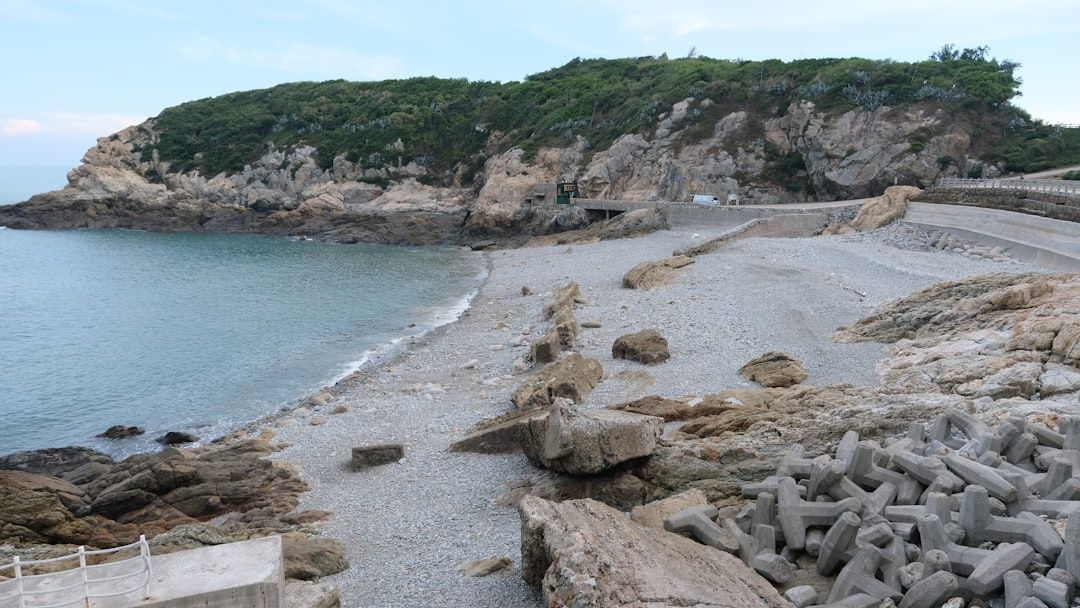
Picture yourself standing on a beautiful sandy beach, watching waves gently lap at the shore. Now imagine that same shoreline disappearing at an alarming rate, taking homes, businesses, and entire communities with it. This isn’t some distant future scenario. It’s happening right now across America’s coastlines, and the pace is accelerating faster than many experts predicted.
Coastal erosion costs the United States roughly $500 million annually in property loss, yet the true impact goes far beyond dollar signs. Families lose their heritage homes, communities watch their identities wash away, and ecosystems that took centuries to develop vanish in a matter of decades. Let’s explore seven coastal communities that are battling this relentless force of nature.
Miami Beach, Florida: Paradise Under Siege
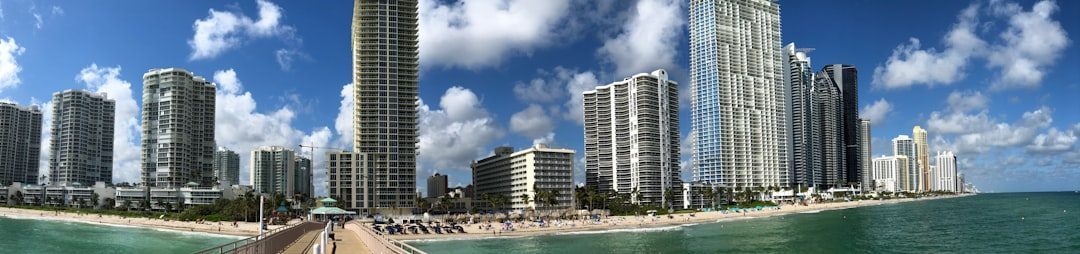
Miami Beach sits at a low elevation above sea level, making it particularly vulnerable as some areas experience land subsidence at rates of 1-3 millimeters per year. What makes this situation even more challenging is that the city is built on extremely porous limestone, which has led to flooding and coastal erosion that will only worsen with time.
Miami has significant exposed assets, with billions of dollars worth of property reportedly at risk of flooding in less than 15 years. The irony is heartbreaking: the very features that make Miami Beach a tropical paradise are the same ones that make it so vulnerable to rising seas.
The city has implemented aggressive measures, including installing powerful pumps and raising roads, yet these are essentially buying time against an inevitable challenge. Since the early 1990s, Florida has spent $393 million on beach sand replacement, and Miami-Dade County alone will need roughly 20 million cubic yards of sand over the next 50 years.
Norfolk, Virginia: When Military Meets Mother Nature
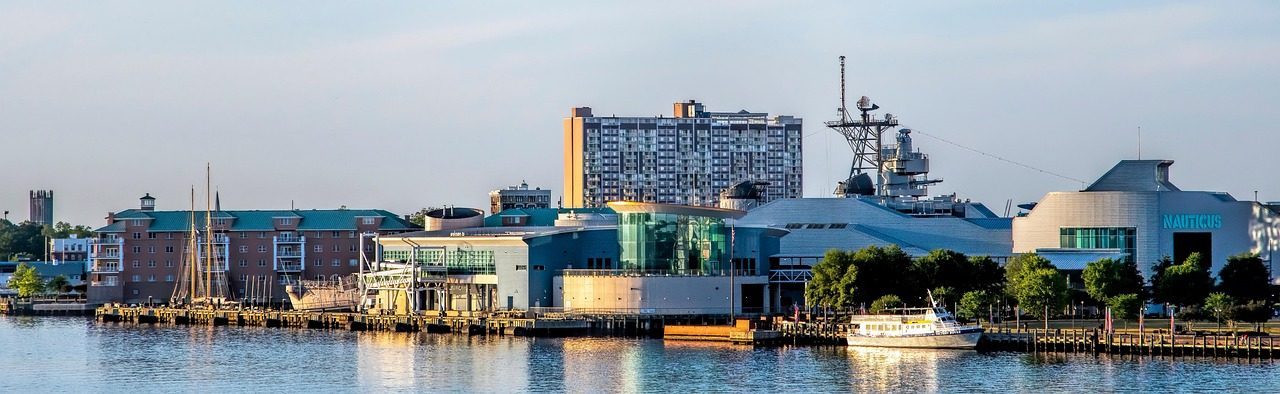
Norfolk, Virginia, is experiencing rapid sea level rise acceleration. This creates a particularly challenging situation for the world’s largest naval base, which calls Norfolk home.
The city has already been forced to raze the Tidewater Gardens public housing development due to coastal flood risks, displacing residents who now fight to secure their right to return to new affordable housing. Some coastal communities like Norfolk have already experienced an increase in flooding frequency over the past decade.
What’s especially concerning is how infrastructure that serves millions of people is increasingly at risk. The combination of military importance and civilian vulnerability creates a complex challenge that requires both federal attention and local innovation.
Outer Cape Cod, Massachusetts: Historic Shores in Retreat
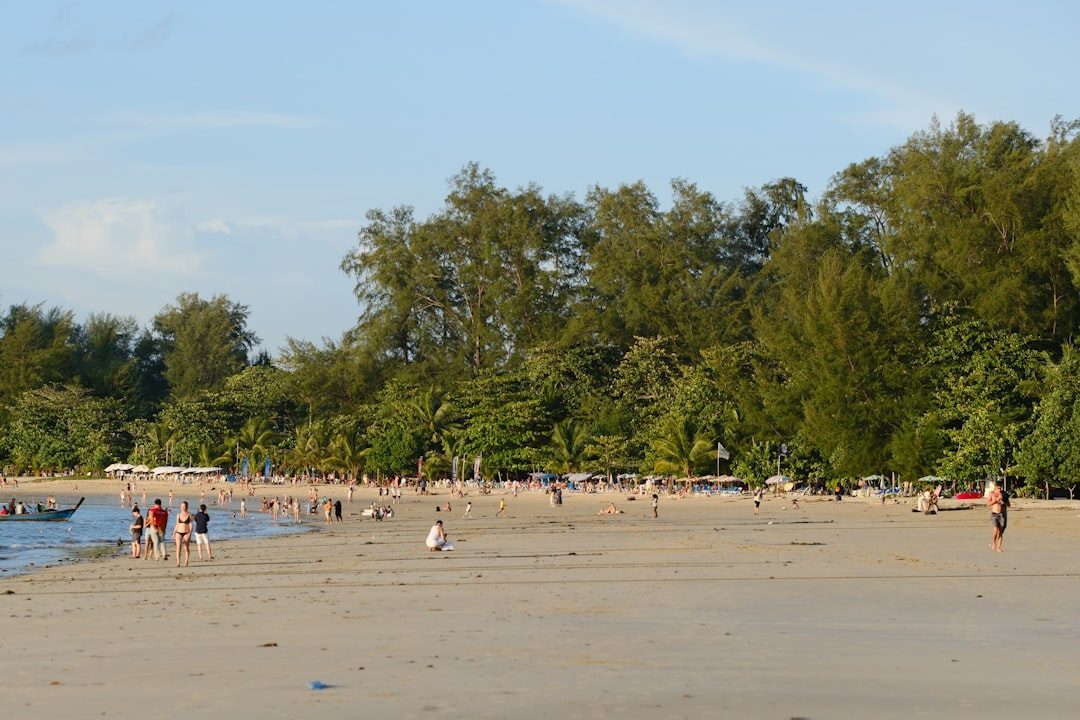
During the 2023-2024 winter, the Nauset Beach area experienced severe erosion, with the survey area losing more than 40 cubic meters per meter of its subaerial volume on average. The greatest volume loss occurred during a particularly stormy interval from December to January, when four significant storms impacted the area.
The Cape Cod story illustrates how successive storms can compound erosion damage in ways that single events cannot. The town of Salisbury, on the New Hampshire border, has received almost $4 million in state and federal money over the last 70 years for beach nourishment, while a Cape Cod partnership spent $2.8 million on revitalization efforts for Sampsons Island.
These numbers reveal an uncomfortable truth: coastal protection is becoming an expensive, ongoing commitment rather than a one-time fix.
Southern California Coast: Where Innovation Meets Erosion
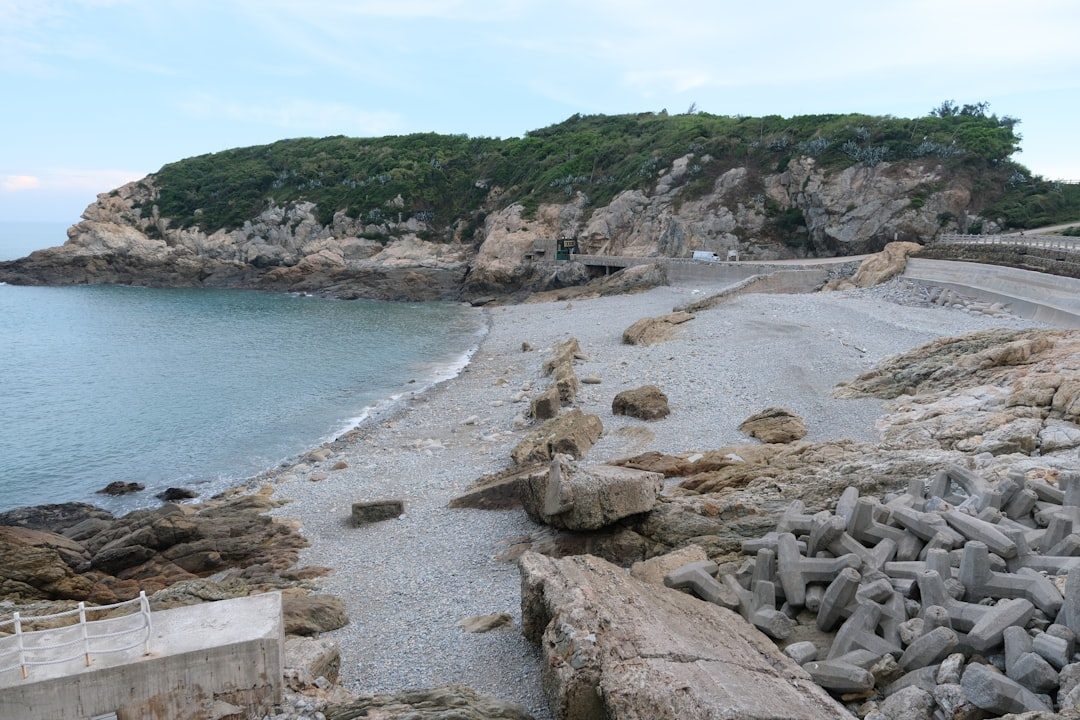
A USC study predicts that Southern California’s coastal living costs will surge fivefold by 2050 as a direct result of beach erosion, requiring more frequent and costly beach nourishment projects. In Southern California, beaches are receding between 0.75 and 1.24 meters per year.
The annual sand requirement for beach nourishment could triple by 2050, with costs rising fivefold due to global increases in sand prices, exacerbating economic and logistical pressures on coastal communities. The situation demonstrates how coastal erosion creates ripple effects throughout entire regional economies.
California’s approach has focused heavily on technological solutions and beach nourishment, yet even these innovative strategies face mounting challenges as erosion rates accelerate and sand becomes more expensive globally.
Hawaii’s Oahu: Island Paradise Under Pressure
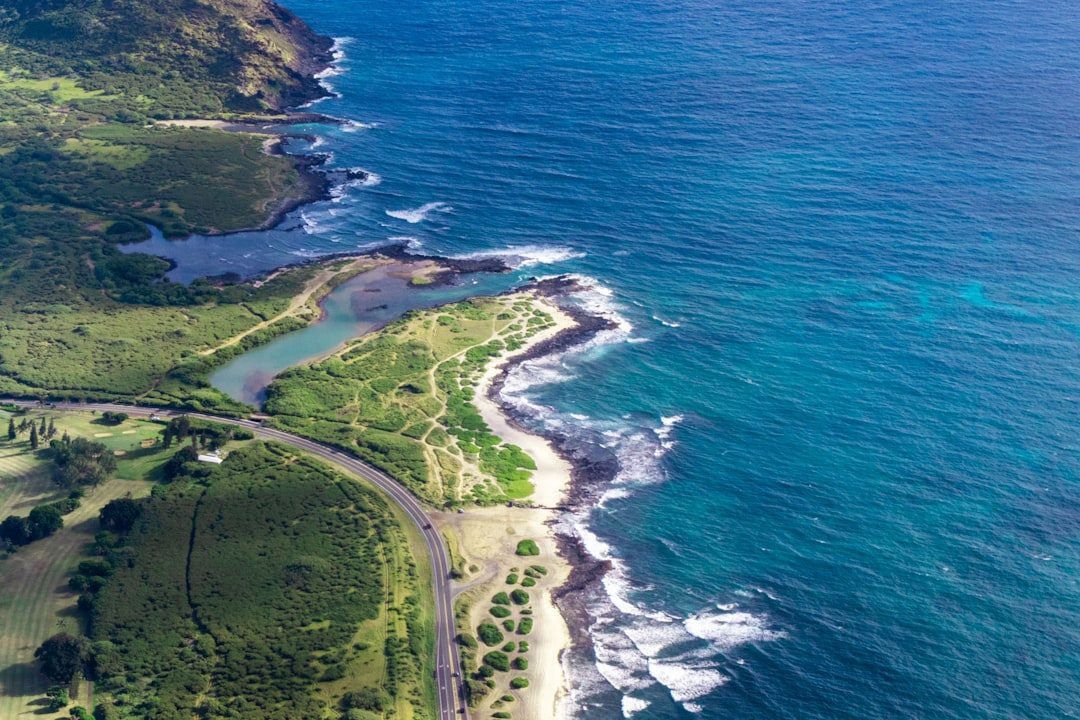
Recent research suggests that a significant portion of Oahu’s coastline could experience erosion by 2100, with substantial losses potentially occurring by 2030, forecasts that are more extreme than previous studies indicated. In rapidly eroding areas, communities may see damage to roads, homes, or underground infrastructure, with shorelines along the north shore and east side backed by seawalls possibly experiencing total beach loss.
The Hawaiian situation is particularly poignant because beaches aren’t just economic assets – they’re integral to Native Hawaiian culture and identity. Erosion forecasts show increases of nearly 44% above previous estimates in the short-term, meaning more severe erosion will arrive sooner than expected.
The island setting creates unique challenges since there’s literally nowhere to retreat when the coastline erodes. Communities must either defend in place or face displacement from their ancestral lands.
Gulf Coast Communities: The Frontline of Change
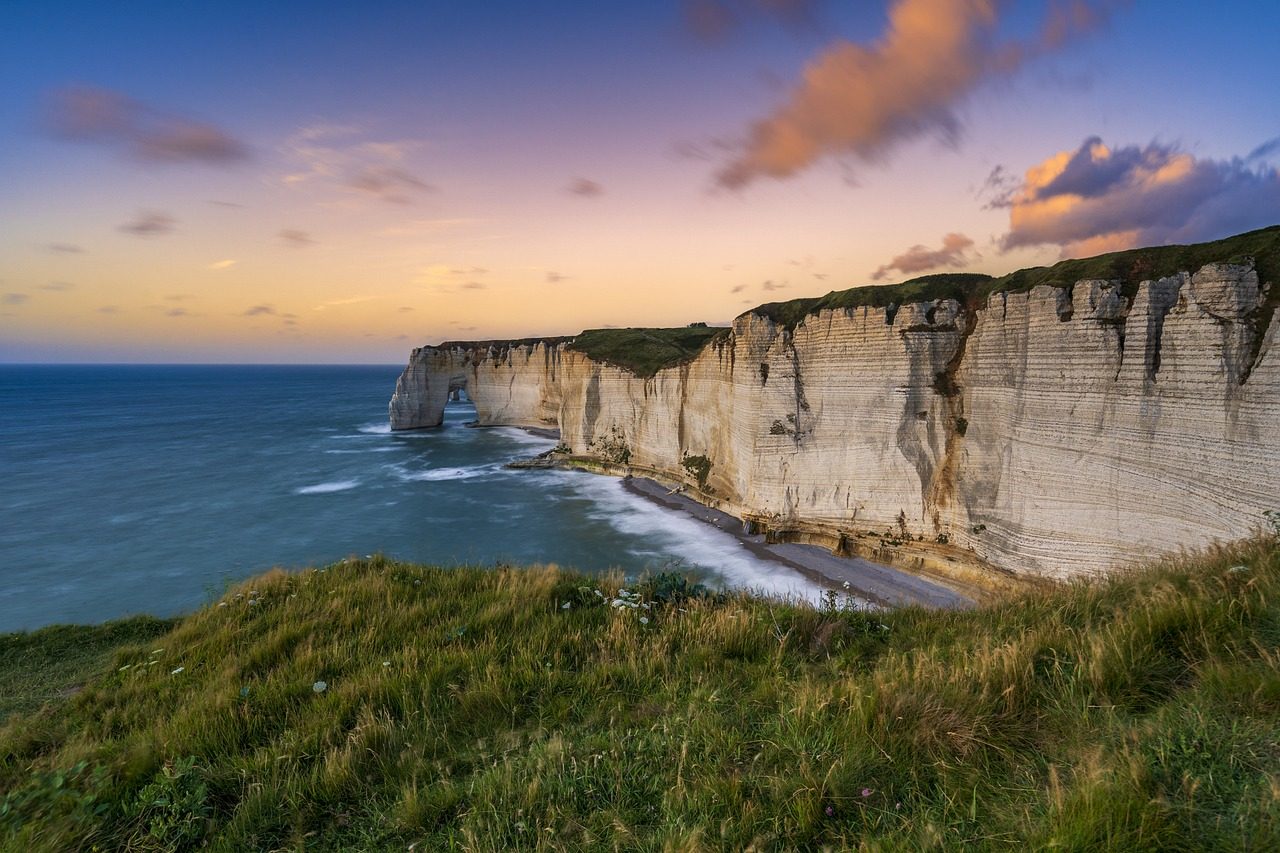
The Gulf of Mexico coastline in Florida, Louisiana, and Texas faces some of the worst coastal erosion, partly due to the shoreline’s flatter topography. Grand Isle, Louisiana, saw the largest sea level rise with over 8 millimeters per year, while Rockport, Texas, recorded a 7.1 millimeter rise in 2024.
Along Arctic shores of Alaska, shoreline erosion and habitat loss are accelerating due to increasing permafrost thaw and sea ice forming much later in the year, forcing Alaskan government agencies to relocate some Native Alaskan villages and critical airstrips. These communities face not just erosion but complete cultural displacement.
The Gulf Coast’s vulnerability stems from its combination of low elevation, soft sediments, and exposure to increasingly powerful storms. Unlike rocky coastlines that erode slowly, these sandy and muddy shores can disappear dramatically during single storm events.
Southeast Atlantic Coast: A Region Under Siege
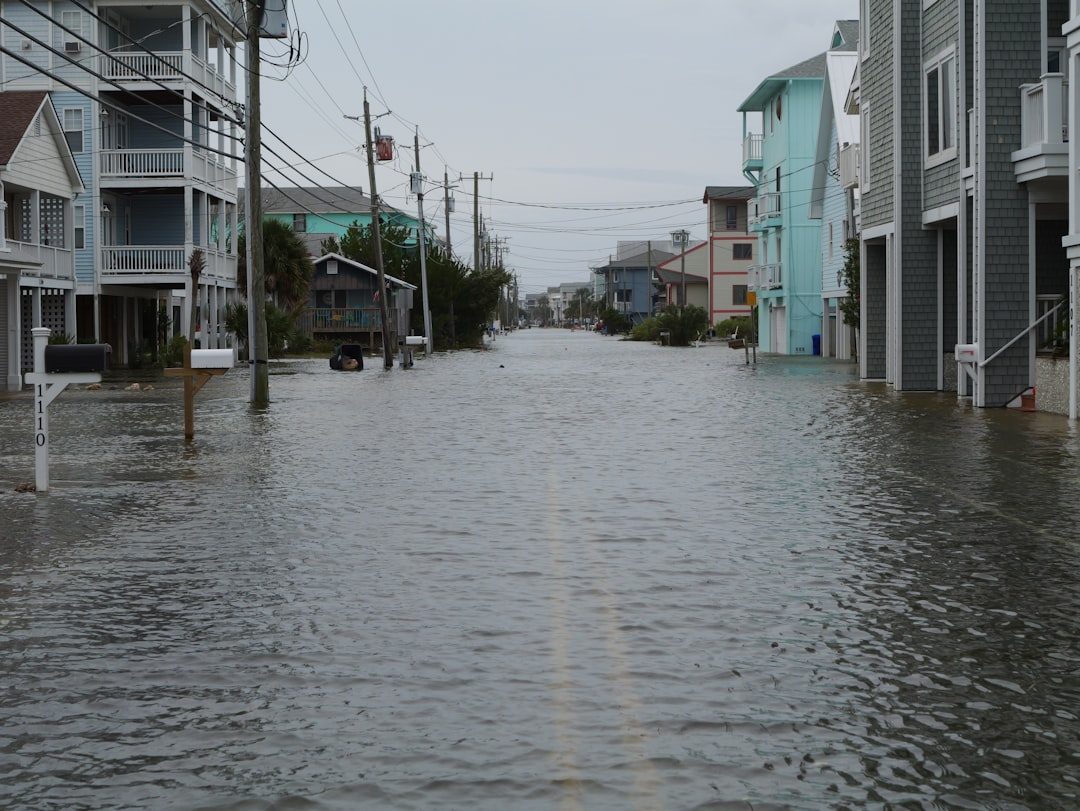
A USGS study outlines a multifaceted climate-driven crisis facing Southeast Atlantic coast communities, as sea level rises create increased flooding, land subsidence, beach erosion, and rising groundwater levels that threaten millions. The study warns that up to 80% of present-day beaches risk complete erosion, which would devastate ecosystems and tourism while weakening natural flood defenses.
Up to 70% of coastal residents and $1 trillion in property could face challenges from shallow and emerging groundwater, a risk that is 15 times greater than exposure to daily tidal flooding alone. This reveals how coastal erosion creates cascading problems that extend far inland from the immediate shoreline.
Cities including Charleston, South Carolina, Savannah, Georgia, Virginia Beach, Norfolk, Virginia, Wilmington, North Carolina, and Baltimore, Maryland, could all be significantly affected. The regional nature of this challenge means that solutions must be coordinated across state lines and federal jurisdictions.
Looking Forward: Adapting to an Uncertain Future
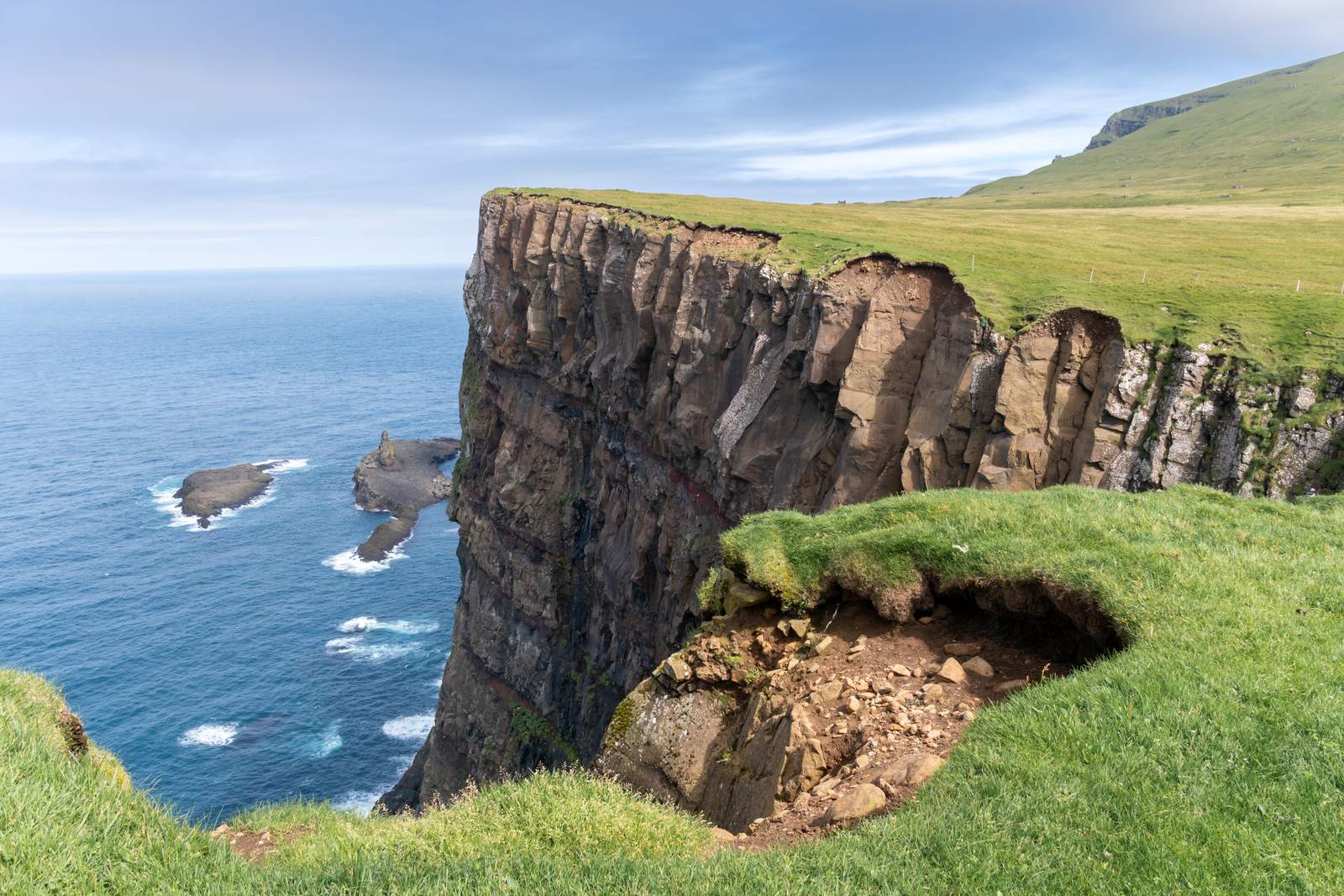
These seven examples represent just a fraction of America’s coastal communities facing severe erosion risk. Average coastline recession rates of 25 feet per year are not uncommon on some barrier islands in the Southeast, and rates of 50 feet per year have occurred along the Great Lakes. Severe storms can remove wide beaches and substantial dunes in single events, and in heavily populated locations, even one or two feet of coastal erosion may be considered catastrophic.
The solutions being pursued range from high-tech engineering to nature-based approaches. Communities can use nature-based solutions like living shorelines, green spaces, and sand dunes to help reduce the impacts of storm surge, coastal flooding, and erosion. Yet even with implementation of coastal shoreline erosion and risk reduction measures, residual risk remains, with some areas constantly in danger during severe storms.
The challenge isn’t just technical – it’s deeply human. These communities aren’t just losing land; they’re losing heritage, identity, and connections to place that span generations. As coastal erosion causes people to leave their homes and indigenous areas, cultural traditions may be lost as a result of relocating inland, making coastal research vital to protecting both beaches and indispensable indigenous communities.
What strikes me most about these stories is the determination I see in these communities. From Miami’s innovative pump systems to Cape Cod’s collaborative restoration efforts, people aren’t giving up. They’re adapting, innovating, and fighting for their homes with remarkable creativity and resilience.
The reality is that coastal erosion won’t stop, and sea levels will continue rising. However, these seven communities show us that while we can’t stop the ocean, we can learn to live with its changes more intelligently. What do you think about the challenges these coastal communities face? Tell us in the comments.

- What Park Rangers Wish Visitors Understood About America’s Quietest Parks: 18 Overlooked Places - August 18, 2026
- 13 Things Shelter Workers Say Reveal Everything About How a Dog Was Raised - August 18, 2026
- 19 Hummingbird Behaviours Researchers Say Almost Nobody Ever Notices Happening in Their Own Garden - August 18, 2026