
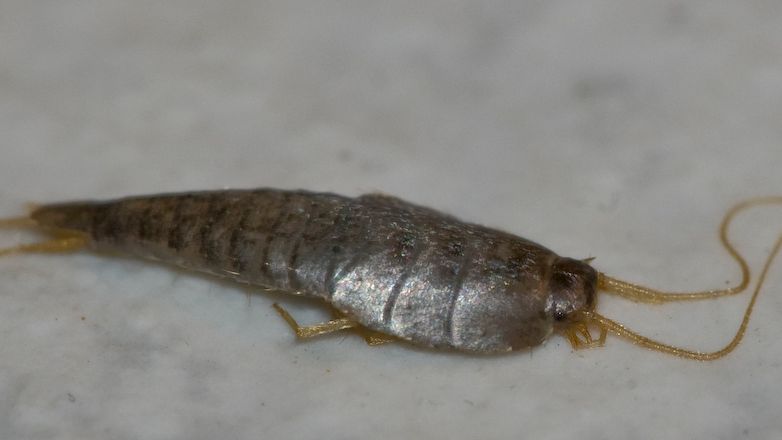
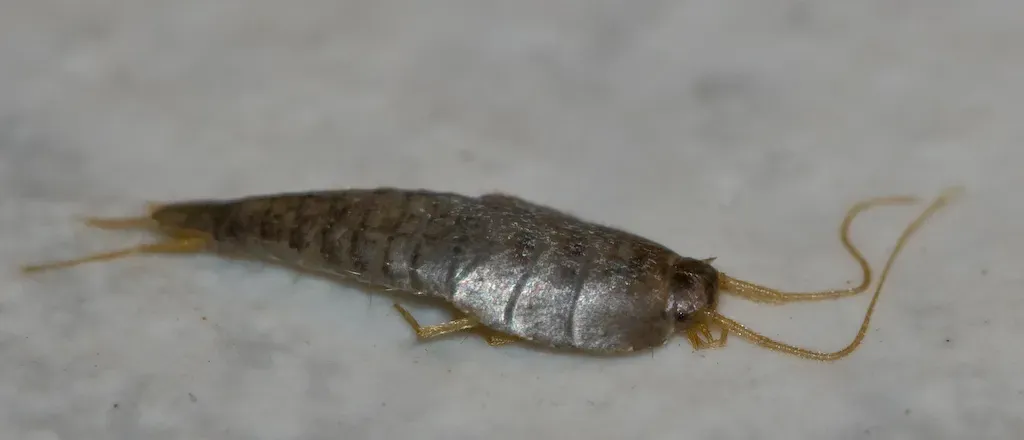
Ever flicked on the bathroom light at night and caught a glimpse of a tiny, silvery creature darting away? That unwelcome guest is likely a silverfish, an ancient insect that thrives in our modern homes. While they don’t bite or spread disease, their presence can be unsettling and damaging to belongings. Surprisingly, our daily routines might be rolling out the red carpet for these pests. Let’s uncover seven common household habits that could be inviting silverfish into your sanctuary.
1. Ignoring Leaky Pipes and Faucets
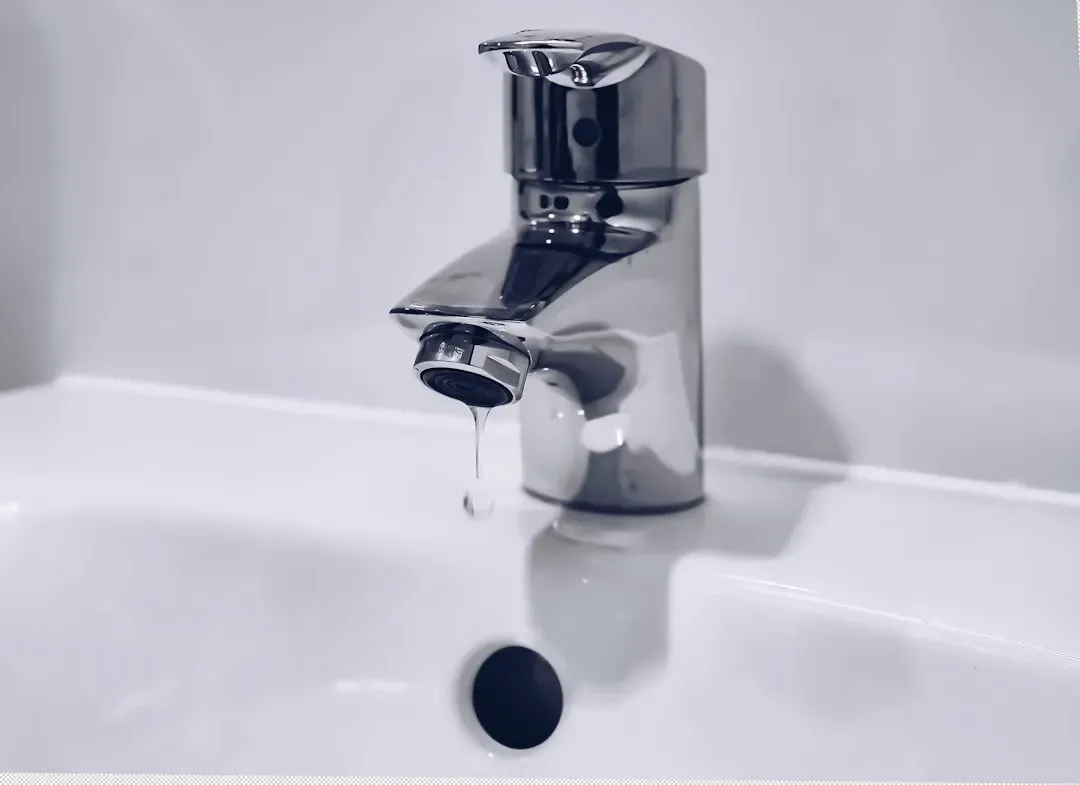
Drip, drip, drip – the sound of a leaky faucet might seem like a minor annoyance, but to silverfish, it’s an open invitation. These insects are drawn to moisture-rich environments, and even the smallest leak can create the damp conditions they crave. Bathrooms, kitchens, and basements with unchecked plumbing issues become prime real estate for silverfish colonies.
Addressing leaks promptly not only conserves water but also disrupts the humid havens silverfish seek. Regularly inspecting under sinks, around tubs, and behind appliances can help identify and fix potential problem areas before they become infestations.
2. Overlooking Humidity Control

High humidity levels transform homes into silverfish paradises. These pests flourish in environments where the air is thick with moisture, often above 75% humidity. Without proper ventilation, areas like bathrooms, laundry rooms, and basements can become excessively humid, especially after activities like showering or drying clothes indoors.
Utilizing exhaust fans, dehumidifiers, and ensuring adequate airflow can significantly reduce indoor humidity. By keeping moisture levels in check, you make your home less appealing to silverfish and other moisture-loving pests.
3. Storing Paper and Cardboard Improperly
Stacks of old newspapers, cardboard boxes, and piles of magazines might seem harmless, but to silverfish, they’re a feast waiting to happen. These insects feed on cellulose found in paper products, making cluttered storage areas a buffet for them. Attics, basements, and garages filled with paper goods provide both food and shelter.
To deter silverfish, store important documents in sealed plastic containers and regularly declutter storage spaces. Recycling unnecessary paper items and keeping storage areas dry can help eliminate potential food sources and hiding spots.
4. Neglecting to Seal Cracks and Crevices

Silverfish are adept at squeezing through tiny openings to access the comforts of your home. Gaps around windows, doors, baseboards, and utility lines serve as entry points for these pests. Once inside, they can find ample hiding spots and breeding grounds.
Conducting a thorough inspection of your home’s exterior and interior for cracks and sealing them with caulk or weather stripping can prevent silverfish from gaining entry. Paying attention to areas where different materials meet, such as where pipes enter walls, is crucial in creating a pest-proof barrier.
5. Leaving Food Unsealed

While silverfish primarily feed on paper products, they won’t pass up an easy meal in your pantry. Unsealed packages of flour, cereal, and other dry goods can attract these pests. They can chew through paper and cardboard packaging, contaminating food supplies.
Storing pantry items in airtight containers not only preserves freshness but also denies silverfish access to potential food sources. Regularly cleaning pantry shelves and promptly addressing spills can further discourage infestations.
6. Allowing Clutter to Accumulate

Cluttered spaces provide the perfect hiding spots for silverfish. Piles of clothes, stacks of books, and miscellaneous items left undisturbed create dark, secluded areas where these nocturnal insects can thrive unnoticed.
Maintaining an organized and tidy home reduces the number of hiding places available to silverfish. Regular cleaning, especially in seldom-used areas like closets and storage rooms, can help keep these pests at bay.
7. Skipping Regular Cleaning Routines
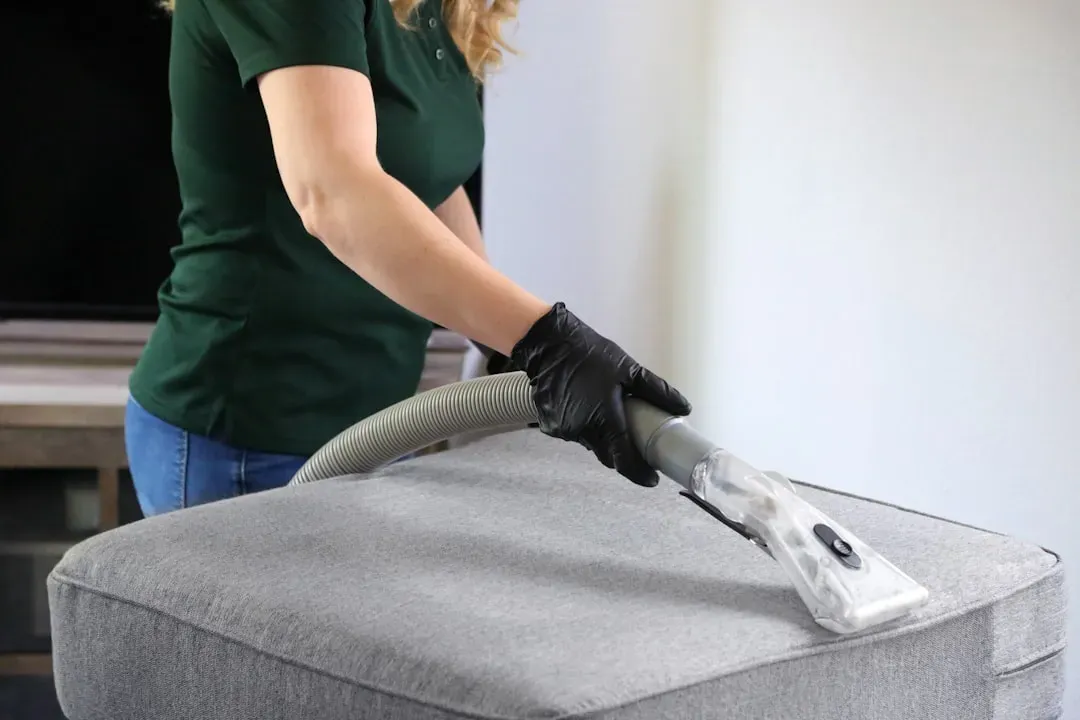
Dust and debris accumulation can attract silverfish, as they feed on organic matter found in dust, including dead skin cells and hair. Infrequent cleaning allows these food sources to build up, providing sustenance for silverfish populations.
Implementing a consistent cleaning schedule that includes vacuuming carpets, dusting surfaces, and sweeping floors can remove potential food sources. Paying special attention to corners, baseboards, and under furniture can eliminate the nooks and crannies where silverfish might hide.
Conclusion
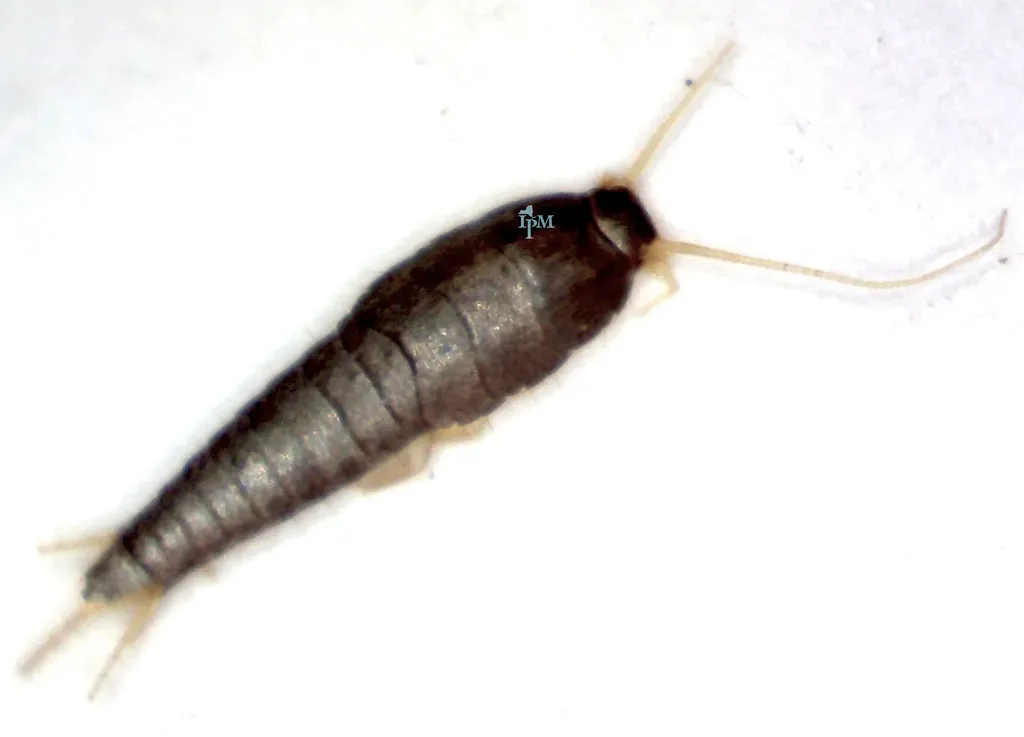
It’s startling to realize how everyday habits can inadvertently invite silverfish into our homes. By addressing moisture issues, managing clutter, sealing entry points, and maintaining cleanliness, we can create an environment that’s less hospitable to these pests. Taking proactive steps not only protects our belongings but also ensures our living spaces remain comfortable and pest-free. So, which of these habits will you change today to keep silverfish at bay?

- Is Your Senior Cat Choosing One Room Over Everywhere Else? 16 Signs Worth Watching - August 12, 2026
- 17 Things Lifelong Cat Owners Say They Wish Somebody Had Explained Far Earlier Than This - August 12, 2026
- 19 Things Veterinary Nurses Quietly Wish Every Owner Understood About Cats Over the Age Twelve - August 12, 2026