

Most pet owners chalk up their senior dog’s or cat’s autumn behavior to “just getting old.” Slower walks, extra naps, a little more grumbling when it’s time to get up – it feels like the natural rhythm of aging settling in. But veterinarians say something more unsettling is actually happening underneath: fall is the season when the most treatable conditions get misdiagnosed as simple aging.
Shorter days, dropping temperatures, and shifting barometric pressure don’t just make your pet slower – they can mask arthritis, cognitive decline, thyroid issues, and even heart disease behind what looks like normal seasonal sluggishness. The problem is that once owners accept “she’s just old now,” they stop asking questions. Here are the 19 autumn changes veterinarians say get misread most often – and what’s actually going on underneath each one.
#1 – The 4 PM Nap That’s Actually a Red Flag
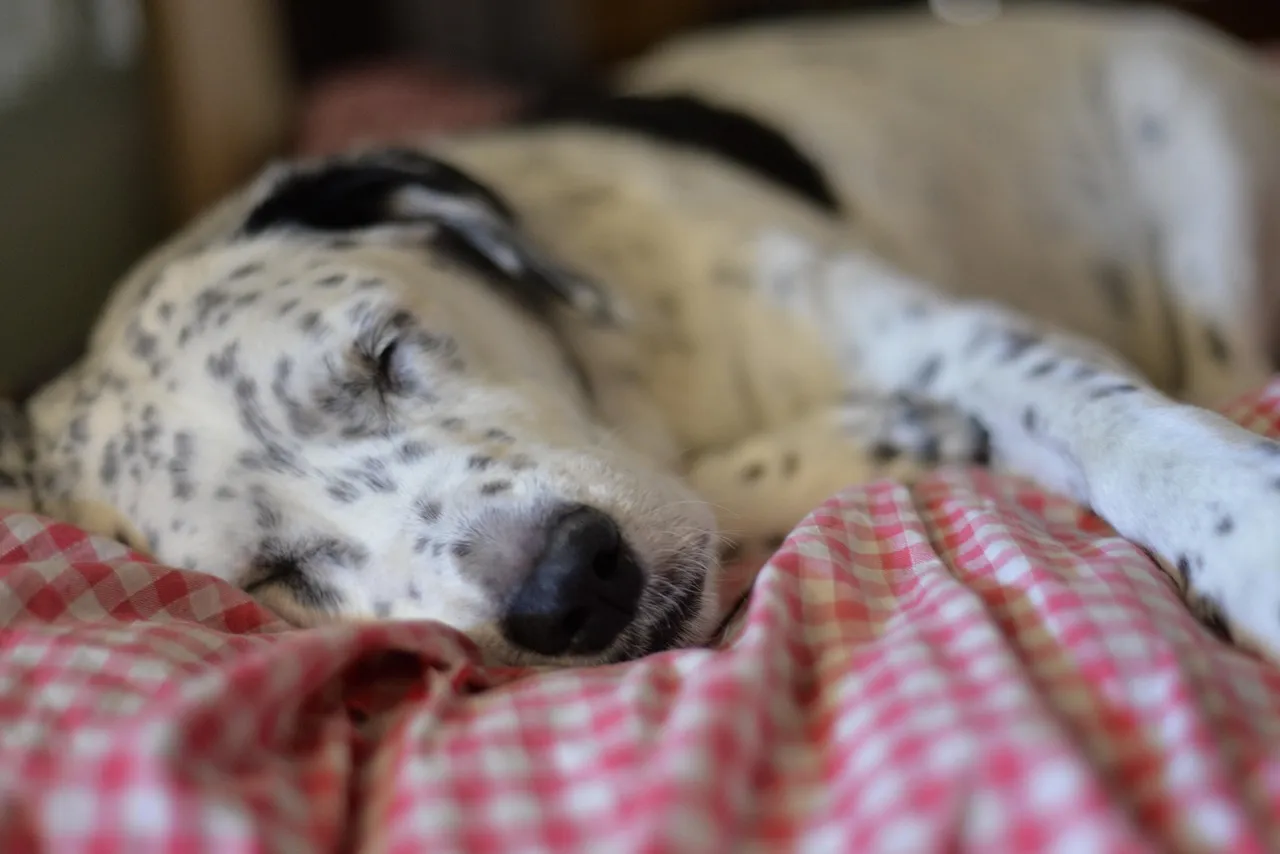
Your senior dog crashing on the couch by mid-afternoon feels harmless, almost cute. Most owners assume shorter days simply mean more sleep, end of story.
But veterinarians point out that a sudden increase in daytime sleeping – especially paired with reluctance to get up – is one of the most common early signs of arthritis pain, not just aging. The drop in autumn temperature can inflame joints enough that lying still becomes the path of least resistance. It’s not laziness; it’s avoidance behavior. Cats do this too, tucking into warm spots for hours longer than they did in summer, which owners read as coziness rather than discomfort. A simple test: does your pet startle awake stiffly, or wake up gradually and stretch normally? The former suggests pain management is overdue.
#2 – Skipping Meals Isn’t Always “Pickiness”
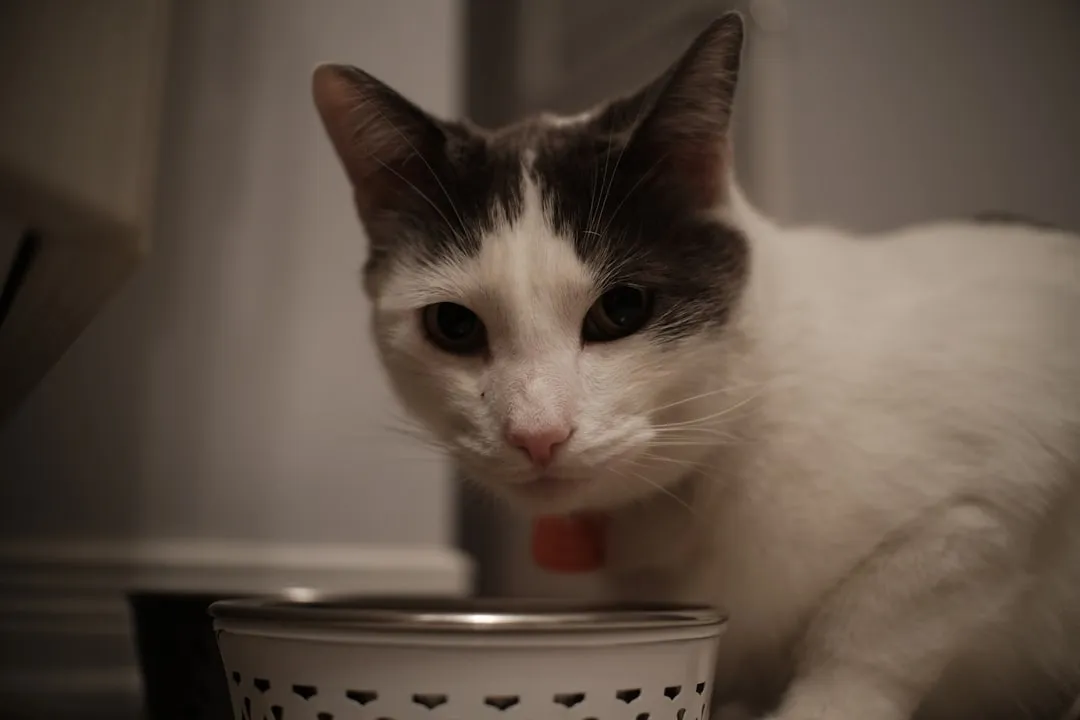
A senior pet turning up their nose at dinner in October gets blamed on cooler weather curbing their appetite. It’s a convenient explanation, and it’s often wrong.
Reduced appetite in fall is frequently linked to dental disease that’s been quietly worsening all year, finally becoming painful enough to affect eating once softer summer foods or treats are swapped for harder autumn diets. Cold weather can also slow gut motility in older pets, making them feel fuller for longer, which owners misread as loss of interest in food. Watch for these overlooked clues:
- Chewing on one side only
- Dropping kibble mid-bite
- Preferring wet food suddenly
None of these are “just seasonal.” They’re signals worth paying attention to before the weight starts dropping.
#3 – Morning Stiffness Isn’t a Personality Change
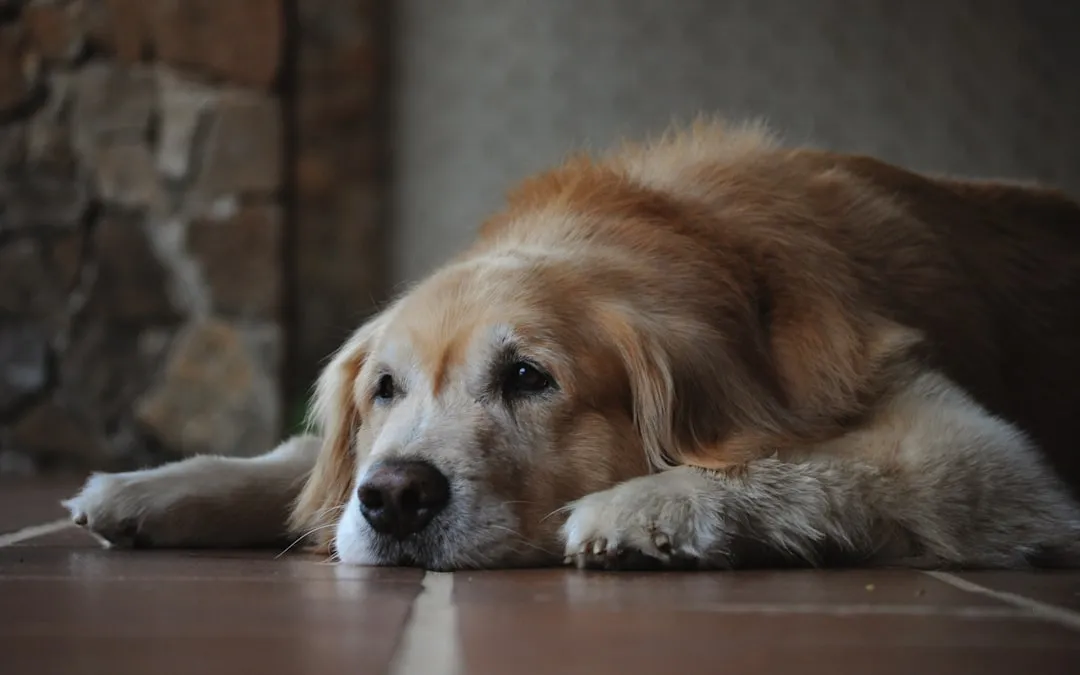
Owners often say their dog “just isn’t a morning pet anymore,” describing slow, hesitant movement after waking as a quirky new personality trait.
In reality, veterinarians consistently identify morning stiffness that improves within 20-30 minutes as a hallmark sign of osteoarthritis, not temperament shift. Cooler autumn floors and dropping barometric pressure overnight make joint fluid thicker and less lubricating, which is why the stiffness is worse specifically in fall compared to summer months. Cats show this differently – hesitating before jumping onto furniture they used to leap onto instantly. This gets brushed off as “cats being cats,” but it’s frequently the first visible sign of joint discomfort in a species that hides pain exceptionally well.
#4 – Sudden Clinginess Is Often a Vision Problem
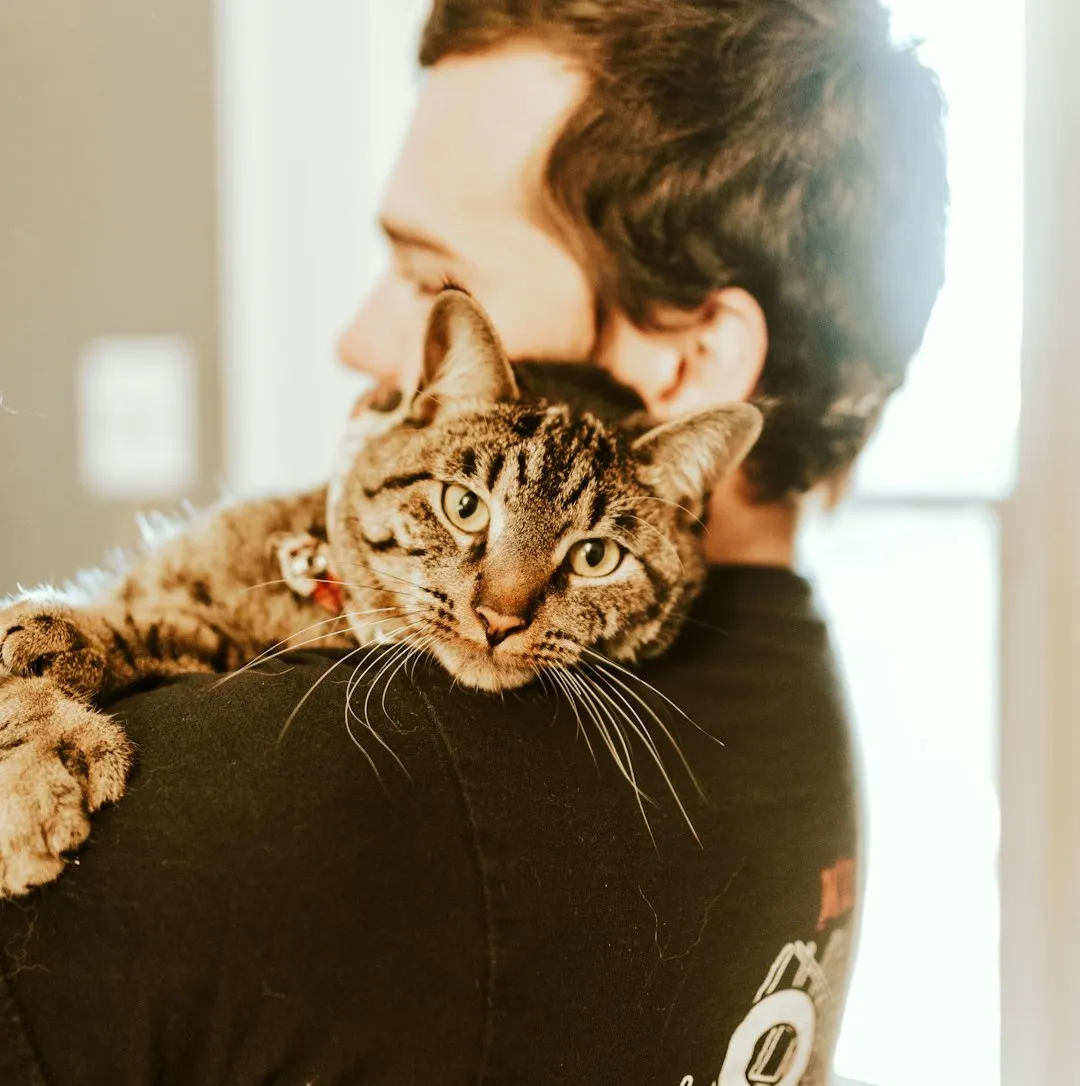
A senior pet suddenly following you room to room, whining if left alone even briefly, gets labeled as “getting more affectionate in old age.”
Sweet story, but often inaccurate. Shortening daylight hours can expose vision decline that was previously compensated for by bright summer light, and pets become more anxious navigating dim autumn evenings. The clinginess isn’t emotional bonding – it’s a coping mechanism for reduced confidence in low light. This is especially common in breeds prone to progressive retinal atrophy or age-related cataracts. Owners rarely connect increased neediness with vision until the pet also starts bumping into furniture that’s been rearranged, or hesitating at the top of stairs during evening walks.
Worth Knowing
- Bumping into furniture, especially in low light or at dusk
- Hesitating at stair edges or unfamiliar thresholds
- Reluctance to go outside once the sun starts setting
- Eyes appearing cloudy, bluish-gray, or less reflective
#5 – Weight Gain That Isn’t Really About Less Exercise
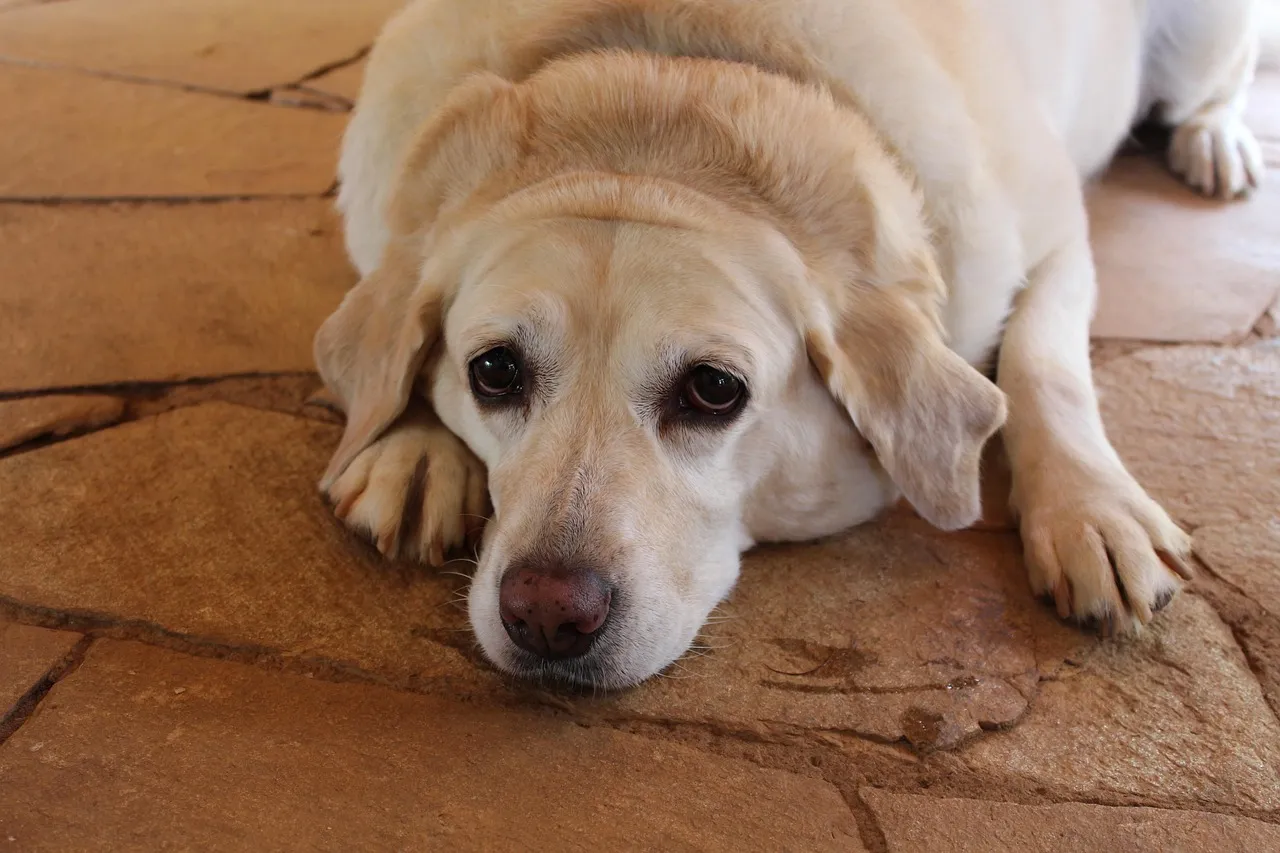
“He’s just not as active in the cold” is the go-to explanation when a senior pet packs on pounds every fall. It sounds logical enough that nobody questions it further.
But unexplained weight gain in senior pets, especially when appetite hasn’t increased, is a classic early symptom of hypothyroidism – a condition that becomes more noticeable in fall because reduced activity exposes the metabolic slowdown that summer exercise was masking. It’s not that cold weather causes the condition; it simply unmasks it. Owners often don’t flag this until spring, assuming it’s a temporary seasonal pattern that will reverse with warmer weather and more walks. It frequently doesn’t reverse on its own.
#6 – Excessive Shedding Confused With Normal Coat Blow
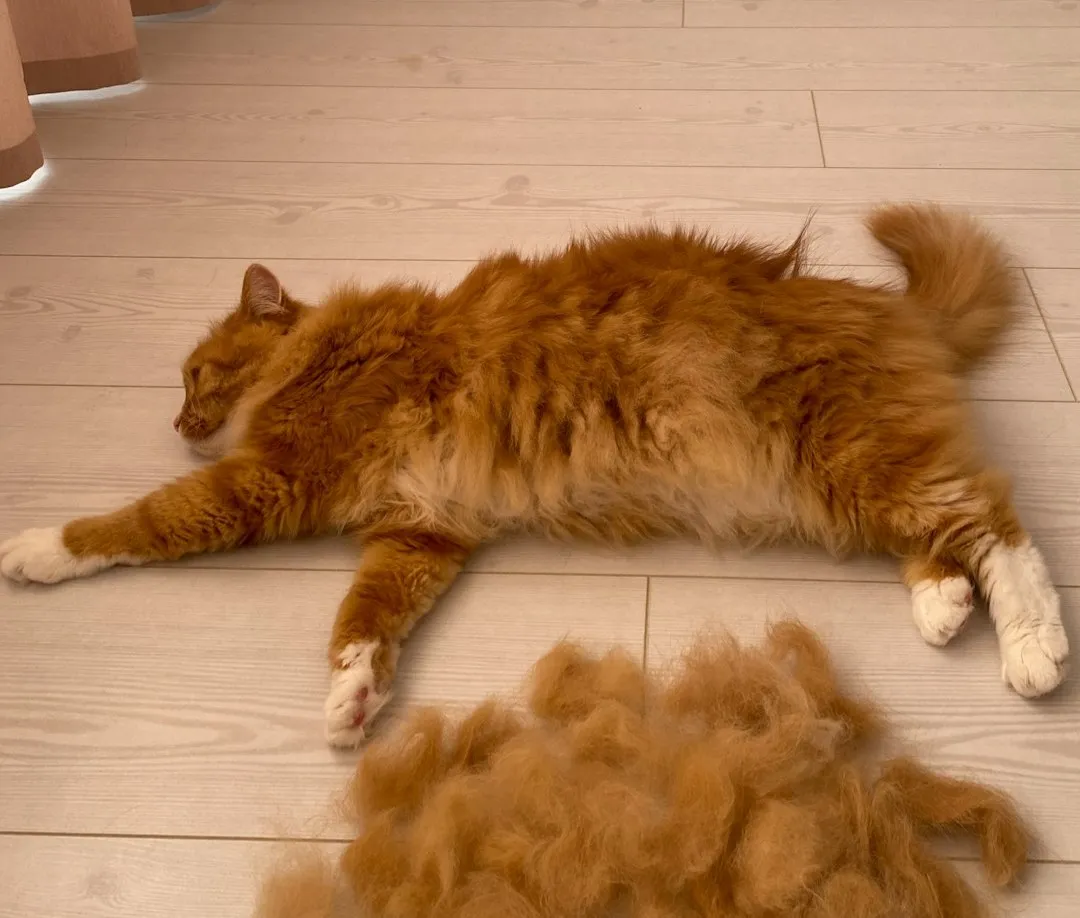
Every pet sheds more in fall preparing for a winter coat, so heavier shedding gets an automatic pass as completely normal.
The distinction experts emphasize: normal seasonal shedding is even across the body, while patchy or excessive shedding concentrated in specific areas often signals thyroid dysfunction or nutritional deficiency, not a typical coat blow. A coat that becomes noticeably dull, brittle, or thin rather than simply fuller is the detail most owners miss entirely. Run your hands along your pet’s back and hindquarters weekly through autumn. Uneven texture, bald patches, or hair that comes out in clumps rather than a steady shed is worth a vet visit – not a fall wardrobe change.
#7 – Drinking More Water Isn’t Just “Dry Heating Air”
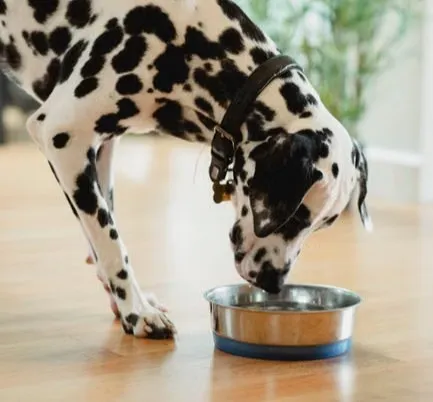
Once the furnace kicks on, owners assume increased water intake is simply a response to dry indoor air. It’s a tidy explanation that often lets a bigger problem slide.
Increased thirst and urination in senior pets is one of the most reliable early indicators of kidney disease or diabetes, and fall is when it gets noticed most because owners are already primed to blame heating systems. The truth is dry air might increase thirst slightly, but not dramatically – a pet draining their water bowl twice as fast deserves bloodwork, not just a humidifier. Cats are particularly good at hiding this until kidney function has already declined substantially, making early detection during this exact season genuinely valuable.
#8 – Nighttime Pacing Blamed on “Missing Summer Routine”
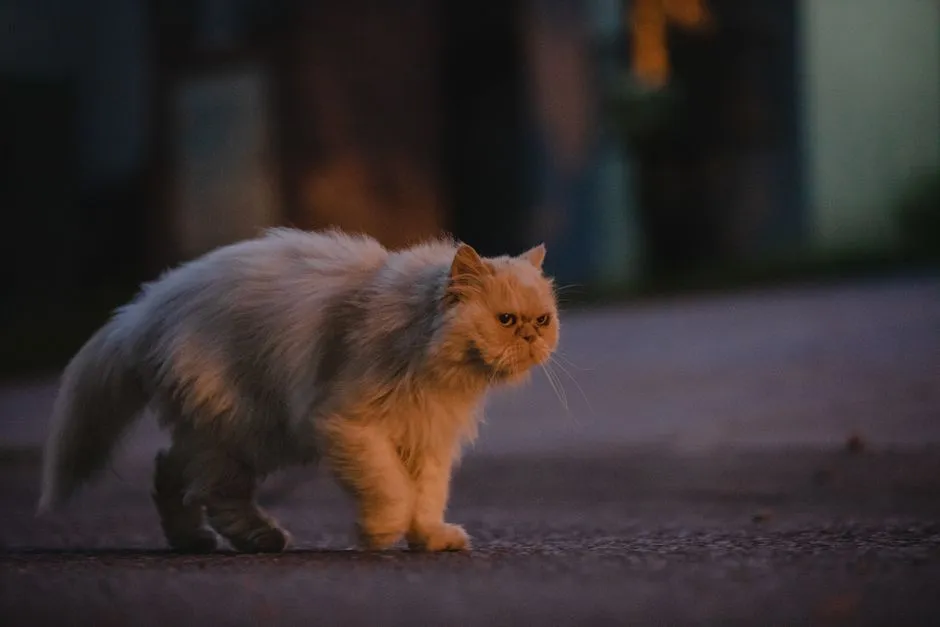
When a senior dog starts pacing, panting, or whining at night in autumn, owners often assume it’s a disrupted routine from shorter walks or less outdoor time.
Veterinarians widely recognize nighttime restlessness and disorientation as a core symptom of Canine Cognitive Dysfunction, often worsened specifically by the earlier onset of darkness in fall – a phenomenon sometimes compared to “sundowning” in human dementia patients. The behavior isn’t nostalgia for summer; it’s confusion triggered by changing light cues. This symptom cluster is frequently dismissed for months because it fits so neatly into “seasonal adjustment” narratives. By the time owners seek help, the disorientation has often progressed considerably further than it needed to.
#9 – Refusing Outdoor Walks Isn’t Stubbornness
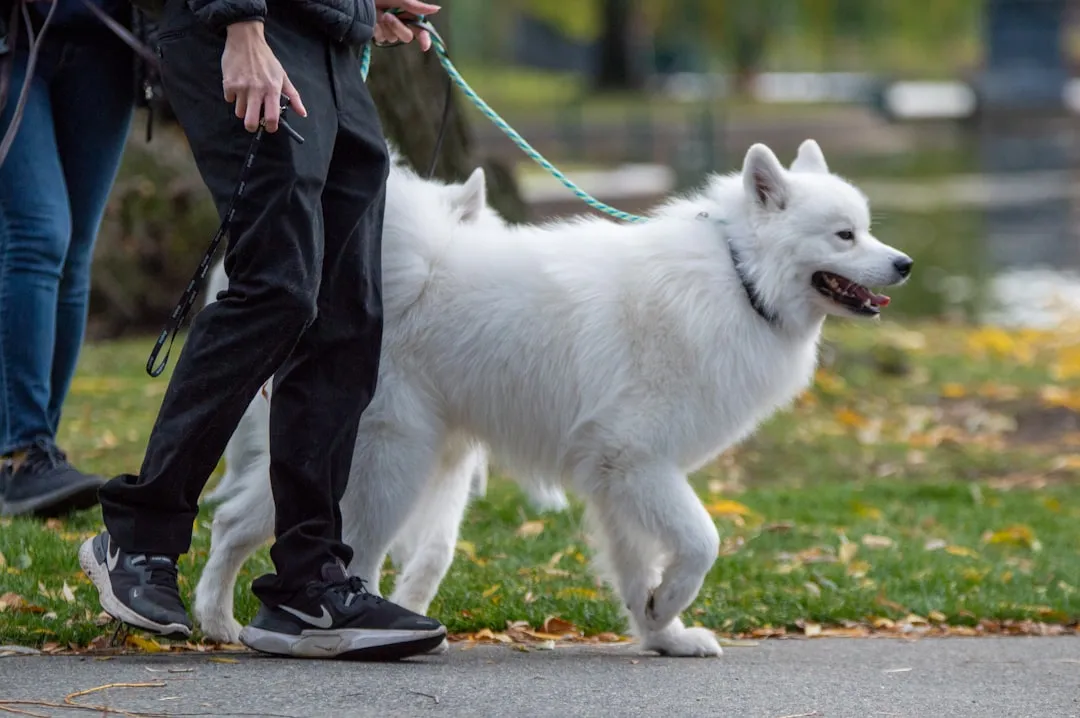
A senior dog suddenly balking at the door for a walk gets called “stubborn” or “moody” more often than it gets investigated.
Here’s the friction point worth raising: many owners assume this reluctance is behavioral, but it’s overwhelmingly physical – cold pavement transferring temperature directly into arthritic paws and joints causes immediate discomfort that a warm summer sidewalk never did. The pet isn’t being difficult; it’s making a rational choice to avoid pain. Some experts argue this is the single most under-addressed autumn welfare issue in senior pet care, because owners interpret avoidance as attitude rather than a legitimate physical signal worth accommodating with shorter, warmer, or booted walks.
#10 – A New Cough Written Off as “Fall Allergies”
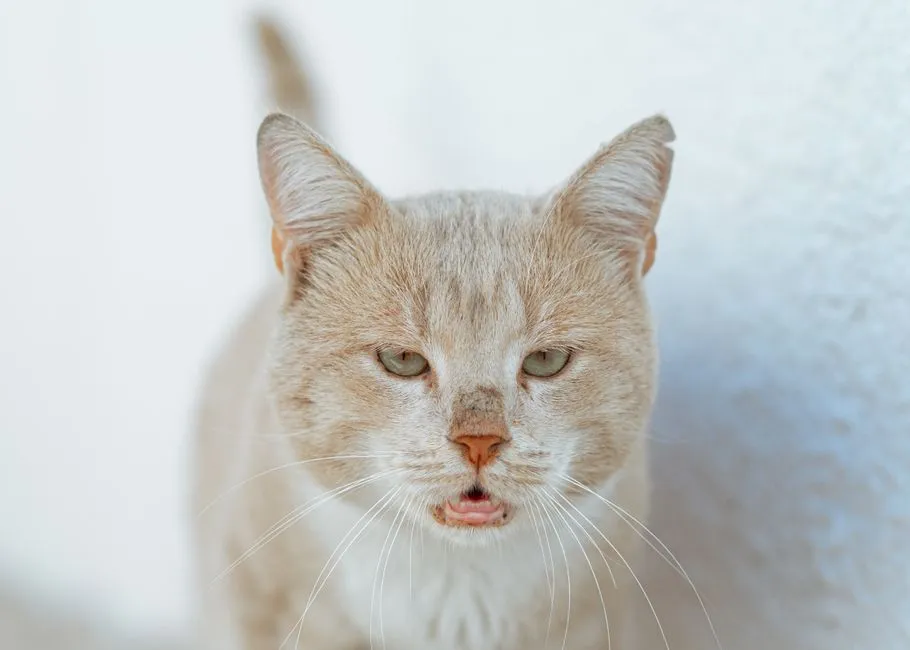
Autumn brings mold spores, decaying leaves, and dust, so a new cough in a senior pet almost automatically gets filed under seasonal allergies.
But a persistent cough in older dogs, especially one that worsens at night or after exertion, is a well-documented early sign of congestive heart failure, not allergic irritation. The overlap in symptoms is exactly why this gets missed – both can cause coughing, but only one is potentially life-threatening if untreated through winter. The differentiator vets point to: allergy coughs tend to come with sneezing and watery eyes, while cardiac coughs often appear alongside reduced stamina and a subtly faster resting breathing rate. Few owners think to count breaths per minute.
Quick Compare
- Allergy cough: Comes with sneezing and watery eyes; often worse right after outdoor exposure
- Cardiac cough: Worse at night or after mild exertion; paired with reduced stamina
- Allergy cough: Resting breathing rate stays normal
- Cardiac cough: Resting breathing rate creeps noticeably faster over time
#11 – Evening Confusion After Daylight Saving Time
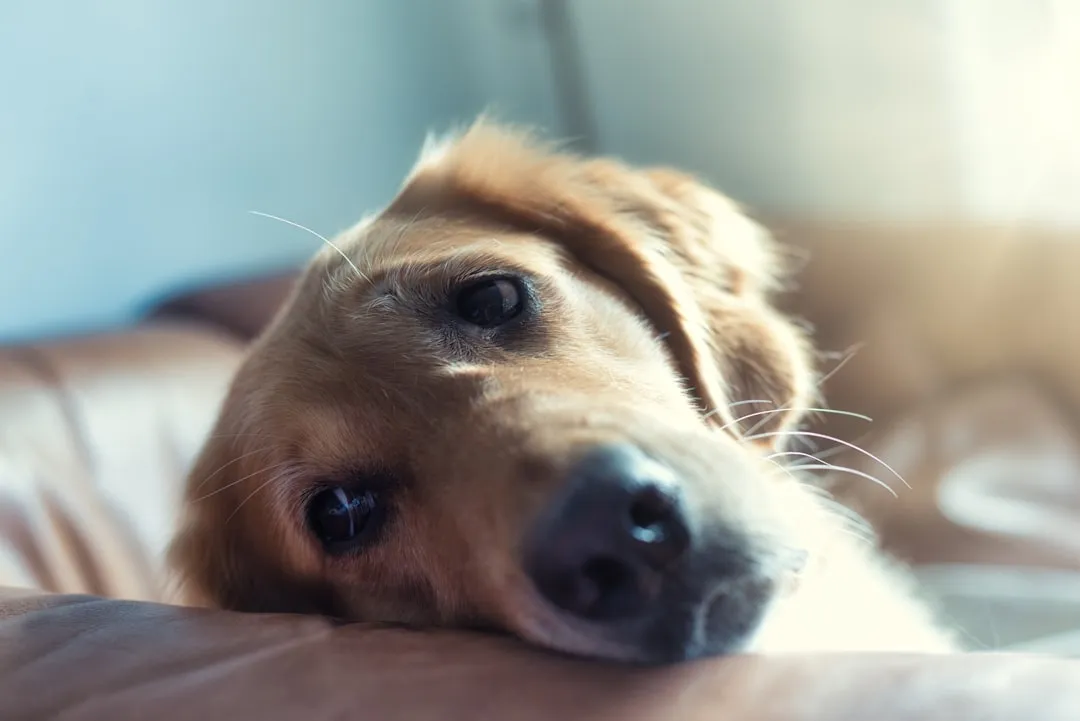
The clock change in fall doesn’t just throw off human sleep schedules – it visibly disorients senior pets, and owners usually blame “adjusting to the new routine.”
Cognitive decline in senior pets is often first noticed specifically around daylight saving transitions, because the sudden one-hour shift in feeding, walking, and darkness timing exposes how rigidly the pet had been relying on light-based cues to stay oriented. A cognitively healthy pet adjusts within days; a declining one stays disoriented for weeks. If your senior pet seems lost in familiar rooms, stares at walls, or gets “stuck” in corners more after the time change, that’s not routine confusion. It’s worth documenting and discussing at their next visit.
#12 – Not Responding to Their Name Isn’t Selective Hearing
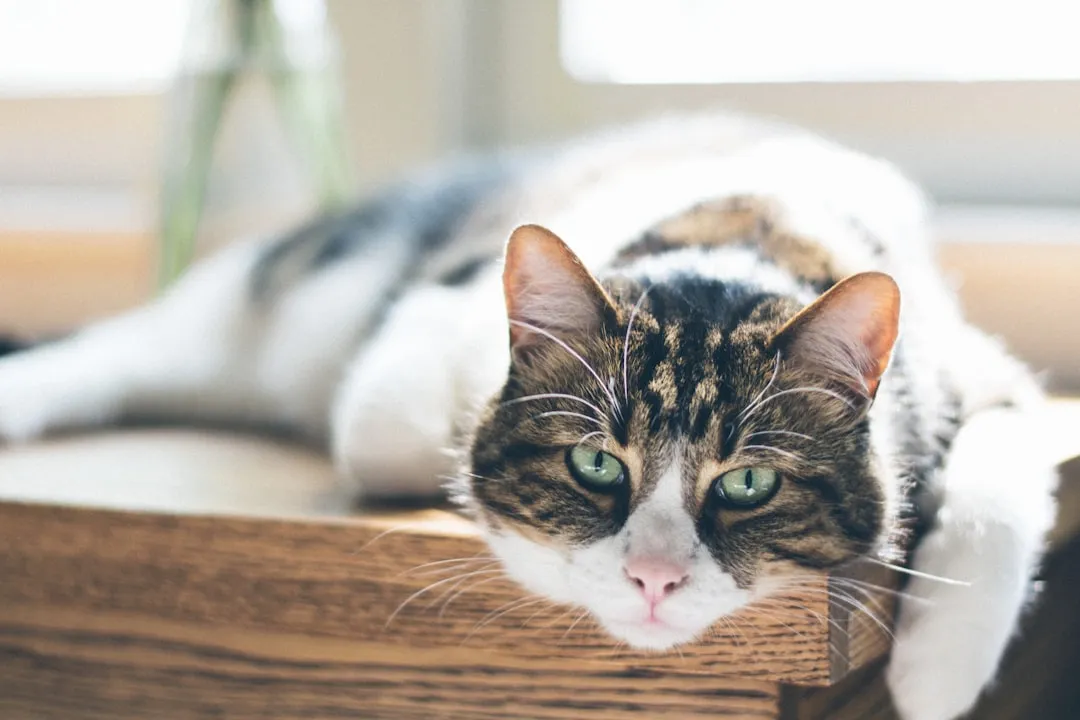
“He only listens when he wants to” is the classic joke owners make about senior pets ignoring commands more in fall. It’s usually said with affection, not concern.
In truth, age-related hearing loss progresses gradually enough that owners rarely notice until a pet fails to respond even to loud noises, and fall is when it becomes obvious because pets can no longer hear you calling from another room during shorter days spent more indoors. It’s not selective – it’s genuinely reduced auditory input. Testing this is simple: clap sharply outside their line of sight. A pet that doesn’t flinch or turn isn’t being stubborn. Adjusting to hand signals early makes the eventual full hearing loss far less disorienting for the pet.
#13 – Limping That “Comes and Goes” Isn’t Random
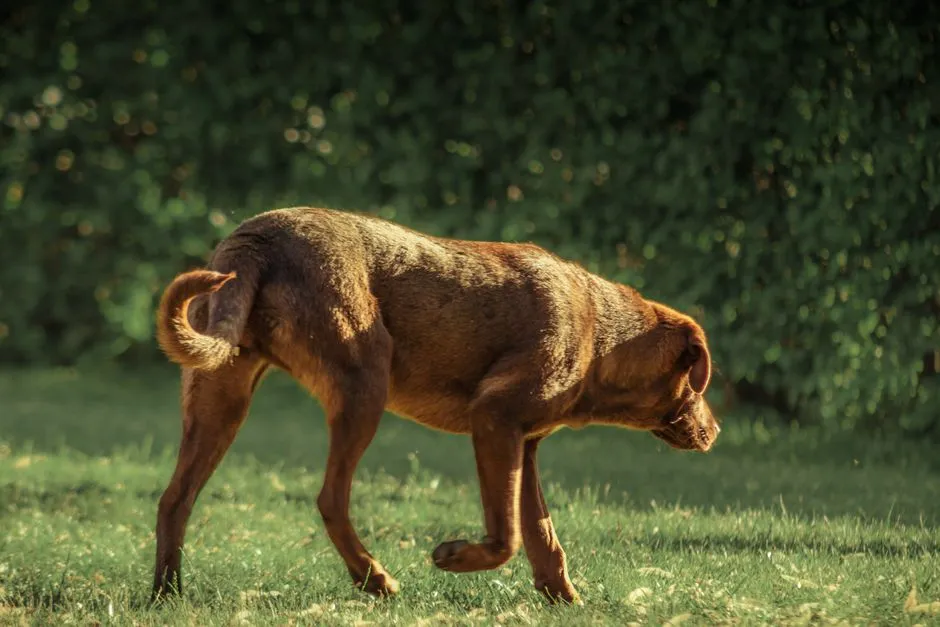
Intermittent limping in senior pets often gets dismissed because it’s inconsistent – fine one day, off the next – which owners interpret as minor and self-resolving.
Veterinarians note that fluctuating lameness tied to weather changes is a textbook presentation of osteoarthritis reacting to barometric pressure shifts, which happen far more frequently during fall than summer’s stable high-pressure systems. The “randomness” owners perceive is actually a predictable pattern tied directly to incoming weather. This is a controversial point among some pet owners who insist their vet is “overdiagnosing” arthritis in pets that seem otherwise fine. But experts increasingly argue that dismissing intermittent limping delays pain management that could meaningfully improve quality of life for years.
Fast Facts
- Osteoarthritis is considered one of the most common chronic conditions in senior dogs and cats
- Falling barometric pressure ahead of storms is a frequently reported trigger for flare-ups
- Maintaining a lean body weight is one of the most effective non-drug ways to reduce joint stress
- Starting pain management earlier is consistently linked to better long-term mobility outcomes
#14 – Heavy Panting Indoors Isn’t Just “Getting Warm by the Fire”
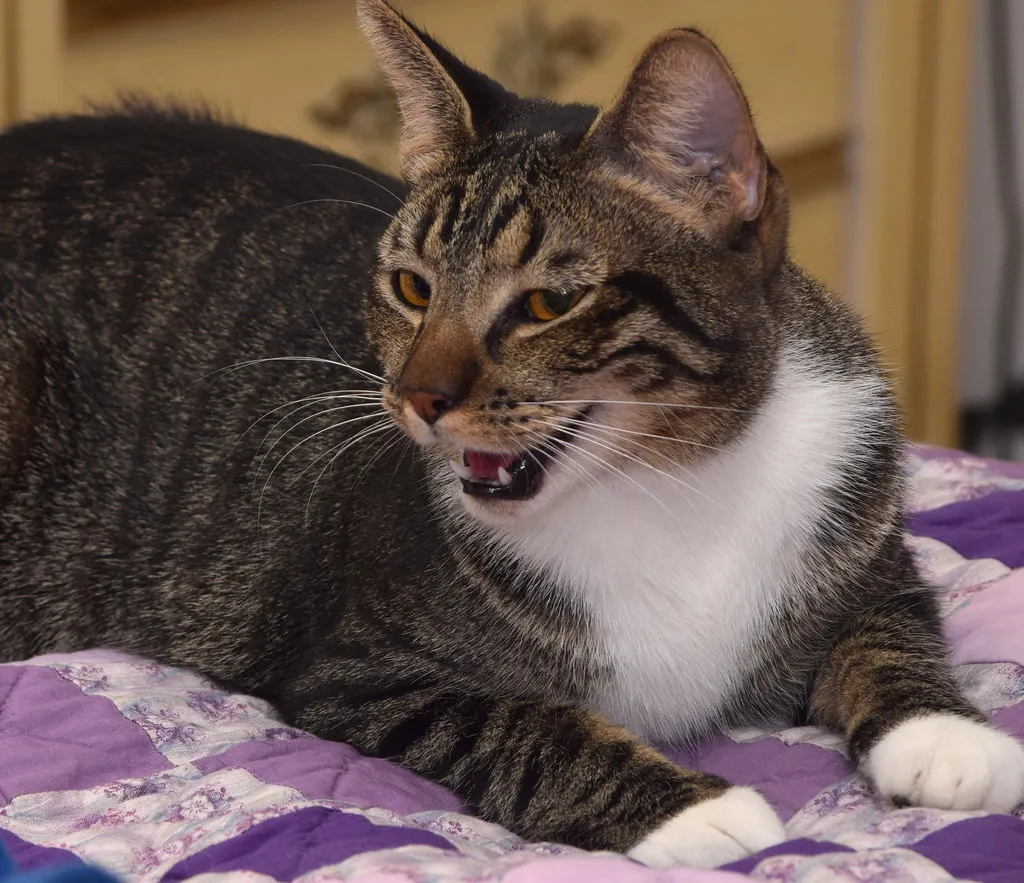
As homes warm up with heating systems in fall, a senior pet panting near a heat source seems perfectly explainable. Nobody questions it twice.
But excessive panting unrelated to heat or exercise is frequently associated with pain, anxiety, or early respiratory and cardiac issues in senior pets – and indoor heating simply provides cover for a symptom that would otherwise raise questions. The key distinction is panting that persists well after moving away from the heat source. Owners rarely track this because it feels too mundane to mention at a vet visit. But persistent, unexplained panting logged over even a single week can be genuinely useful diagnostic information your veterinarian won’t have without you volunteering it.
#15 – Thinner Back Legs Aren’t Just “Natural Aging”

A senior dog’s hindquarters looking visibly less muscular by late autumn gets attributed to general aging – muscles just “shrink” as pets get older, or so the assumption goes.
Rapid or asymmetric muscle loss in the hind legs is more often linked to reduced use from joint pain, or to underlying neurological and metabolic conditions, rather than a uniform aging process. Muscle atrophy that happens quickly, especially over weeks rather than years, deserves more scrutiny than owners typically give it. Run a hand along both hind legs and compare thickness. Asymmetry – one leg noticeably thinner than the other – is a stronger signal than general thinning and often points to a specific joint or nerve issue rather than simple time passing.
#16 – New Vocalization Habits Aren’t “Just Getting Grumpy”
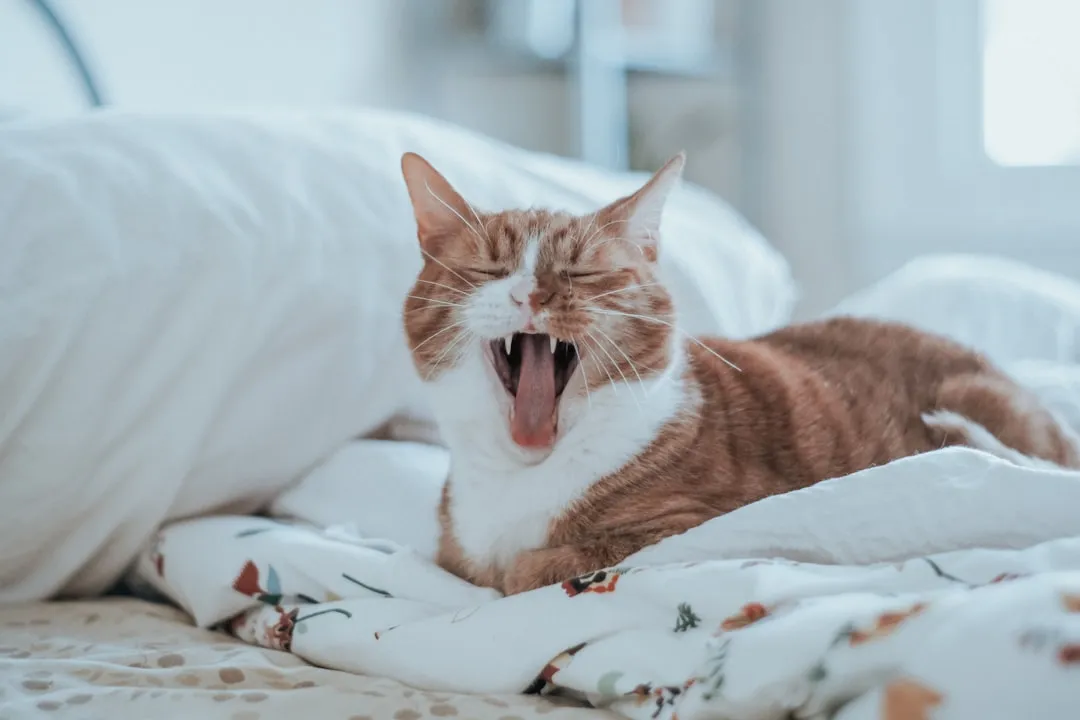
A once-quiet senior cat suddenly yowling at odd hours, or a dog barking at nothing, gets chalked up to a crankier personality that comes with old age.
This is where experts push back hardest: increased vocalization, especially at night, is strongly associated with cognitive dysfunction, pain, or sensory decline – not a personality shift. Cats in particular increase nighttime yowling when vision or hearing loss makes them feel disoriented in a dark, quiet house.
Old age is not a disease, but it does come with a higher risk of diseases that we can often manage well if we catch them early.
American Veterinary Medical Association
It’s a genuinely divisive topic among pet owners, many of whom insist their pet is simply “more vocal with age” as a harmless quirk. But veterinary behaviorists increasingly treat new vocalization patterns as a diagnostic clue worth investigating rather than a personality footnote.
#17 – Dry, Flaky Skin Isn’t Only About Indoor Heating
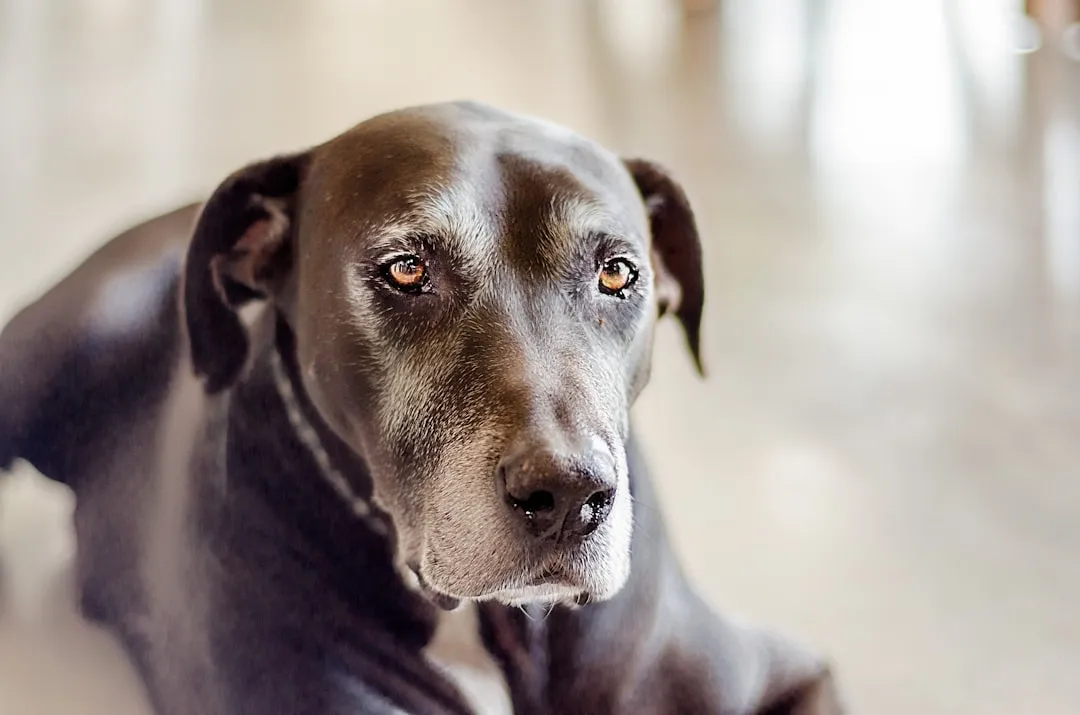
Once heating systems run constantly, dry skin and increased scratching in senior pets get blamed entirely on low indoor humidity – an easy, mostly harmless explanation.
While heating does reduce humidity, veterinarians point out that senior pets with thyroid imbalances or allergies often show skin symptoms that worsen disproportionately compared to what dry air alone would cause. The giveaway is severity: mild flakiness is likely environmental, but redness, hair loss, or open sores are not. A humidifier fixes environmental dryness within days. If skin issues persist despite added humidity, that’s the moment owners should stop assuming “it’s just the heat” and start asking their vet about underlying causes instead.
#18 – Struggling to Warm Up Isn’t Just Being “An Old Pet”
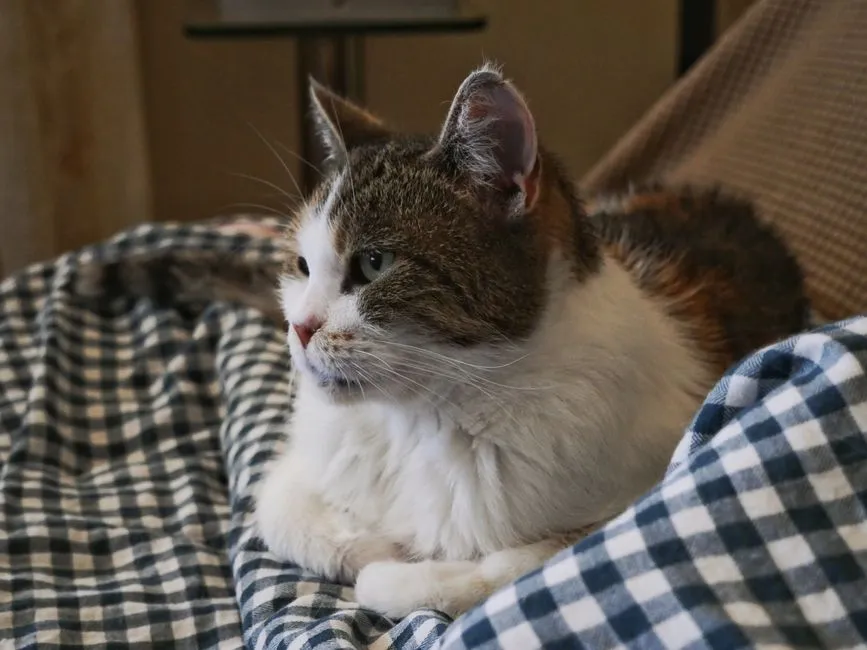
Senior pets shivering or seeking heat sources more aggressively than younger pets in the same house get written off as simply having “thinner old-age fur” or less body fat.
Poor cold tolerance in senior pets can actually indicate circulatory issues or hypothyroidism, conditions that specifically impair the body’s ability to regulate temperature – this is a different mechanism entirely from simply having less insulating fat or fur. The pet isn’t just “more sensitive to cold” in a generic aging sense; something specific may be malfunctioning. The practical test: does a sweater or heated bed fully resolve the shivering, or does the pet still seem cold despite adequate warmth? Persistent cold intolerance despite proper insulation is the detail that separates normal aging from a treatable condition.
#19 – Sudden Irritability Isn’t a Character Flaw
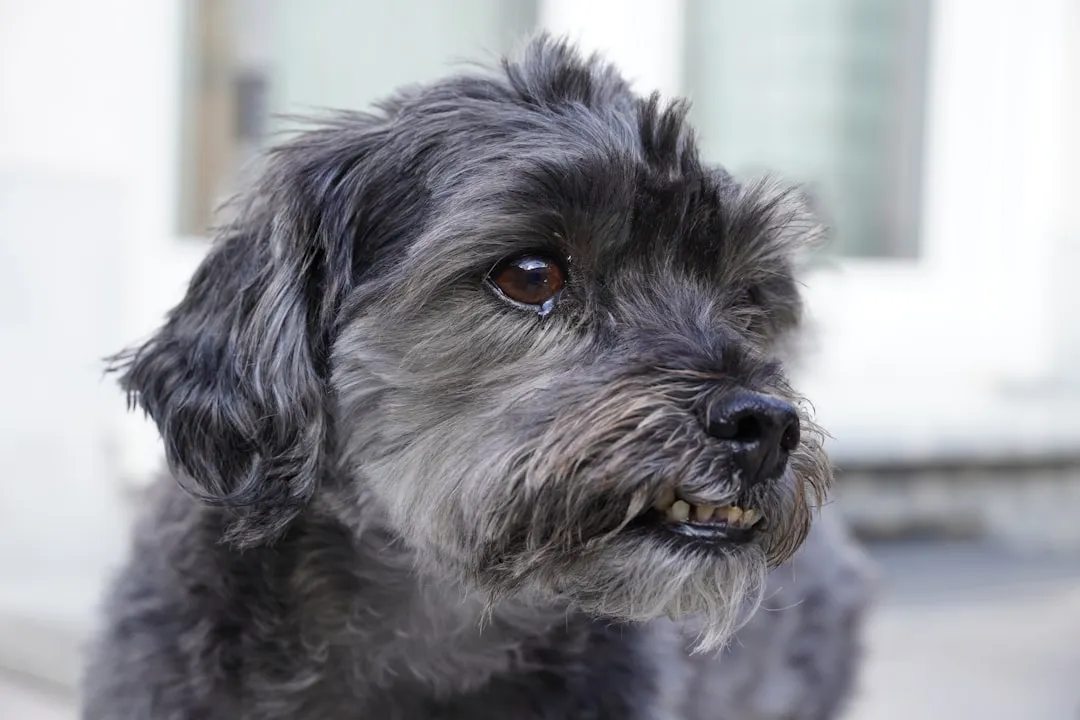
The most misread autumn change of all: a senior pet snapping, growling, or avoiding physical affection they used to welcome gets labeled as simply “grumpier in old age.”
This is the opinion that generates the most pushback, and it’s worth stating plainly: irritability in senior pets is overwhelmingly a pain response, not a personality trait, and treating it as an unavoidable side effect of aging denies pets pain management they’re entitled to. Fall’s cold-triggered joint flare-ups make this the peak season for behavior owners misread as attitude. Veterinary behaviorists are increasingly blunt about this: a formerly affectionate senior pet that starts avoiding touch isn’t becoming a different animal. It’s telling you, in the only language it has, that something hurts. Ignoring that signal because “they’re just old now” is arguably the single most common mistake senior pet owners make every single fall.
The Bottom Line
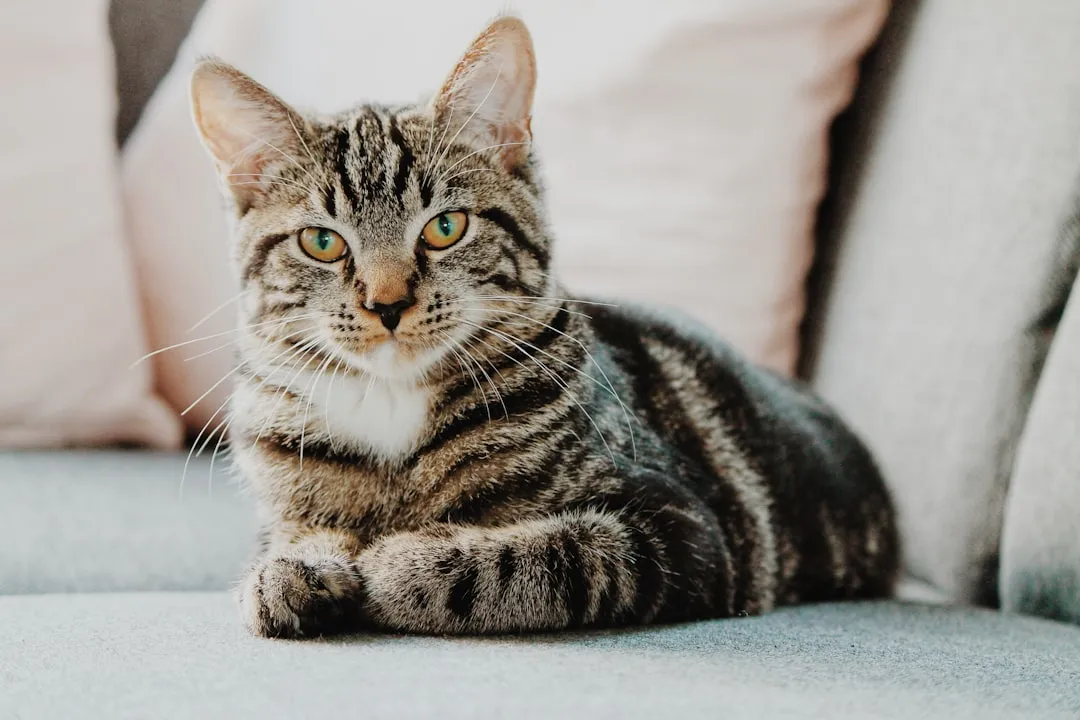
Here’s the uncomfortable truth: most of what owners call “normal aging” in autumn is actually a treatable symptom wearing a seasonal disguise. Arthritis, thyroid disease, cognitive decline, heart issues, and vision loss all get quietly rebranded as “just getting older” simply because fall provides convenient cover – cold weather, shorter days, heating systems, and clock changes. That convenience comes at a real cost to your pet’s quality of life, and honestly, it’s the one mistake we think is worth getting a little judgmental about.
At a Glance: Fall Wellness Checklist
- Book a senior bloodwork panel covering thyroid, kidney, and glucose levels
- Track water intake for one week and note any sudden increase
- Check hind leg muscle symmetry and joint stiffness after rest
- Log any new coughing, panting, or breathing changes
- Note nighttime pacing, disorientation, or new vocalization patterns
Our take? Every senior pet deserves a fall wellness check, not just an annual spring exam, specifically because this is the season when symptoms are easiest to dismiss and hardest to catch otherwise. “Old” is not a diagnosis – it’s an excuse we reach for because it’s easier than a vet bill. Which of these 19 changes have you personally written off as “just aging” in your own pet? Drop it in the comments – we’re willing to bet it’s more than one.

- Is Your Older Pet Simply Slowing Down? 19 Autumn Changes Owners Consistently Misread - August 12, 2026
- 17 Things Hummingbirds Do in the Week Before They Disappear That Most People Sleep Through - August 12, 2026
- 18 Hummingbird Behaviors Experienced Gardeners Say Almost Nobody Notices Happening in Their Own Garden - August 11, 2026