
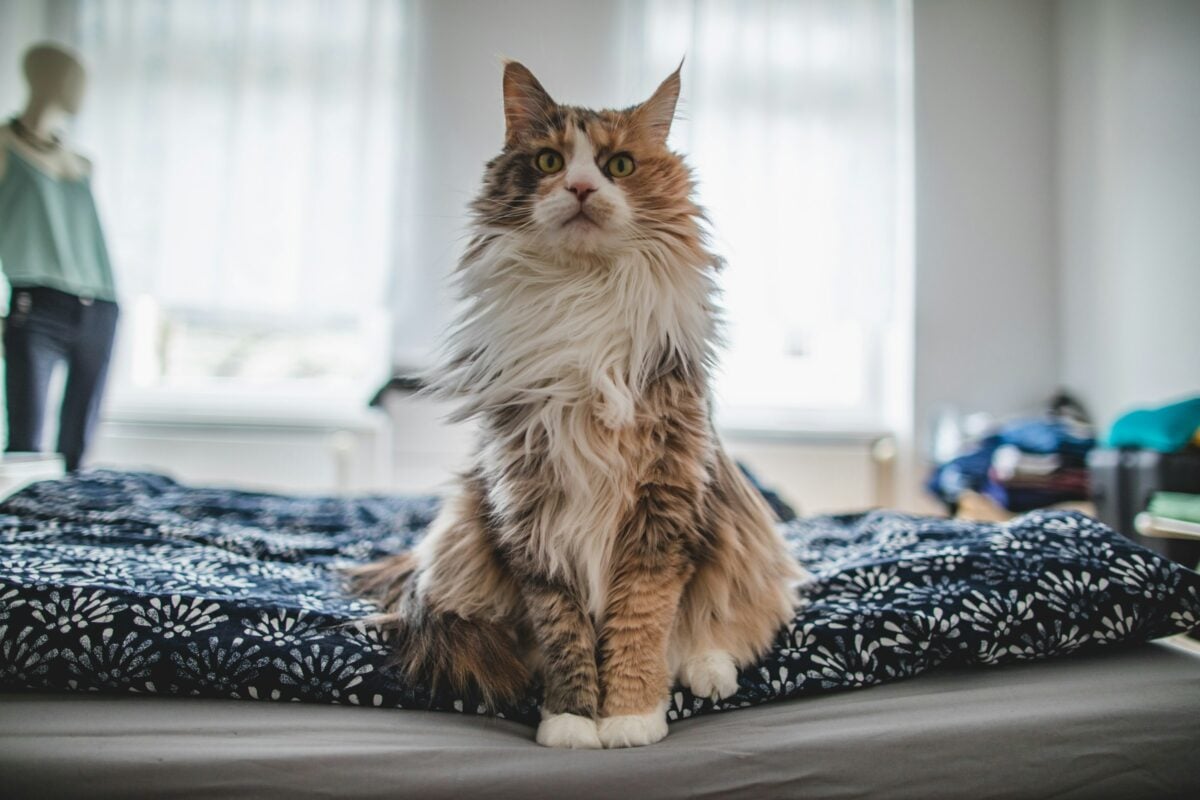
Most people think loving cats is easy. You feed them, you scoop the box, you let them ignore you in peace, and that’s basically the whole relationship. Ask someone who’s lived with cats for ten, twenty, even thirty years, though, and you’ll hear a very different story – one full of expensive vet bills, years of guilt, and slow-motion realizations that came far too late.
The wildest part? The biggest regrets almost never involve scratches or shredded couches. They’re about how differently cats experience stress, pain, and even love compared to us – and how long it took lifelong owners to notice any of it. Here are the 17 things longtime cat people wish somebody had sat them down and explained decades earlier.
#17 – Your Cat Isn’t “Low-Maintenance” – It’s Just Quietly Suffering
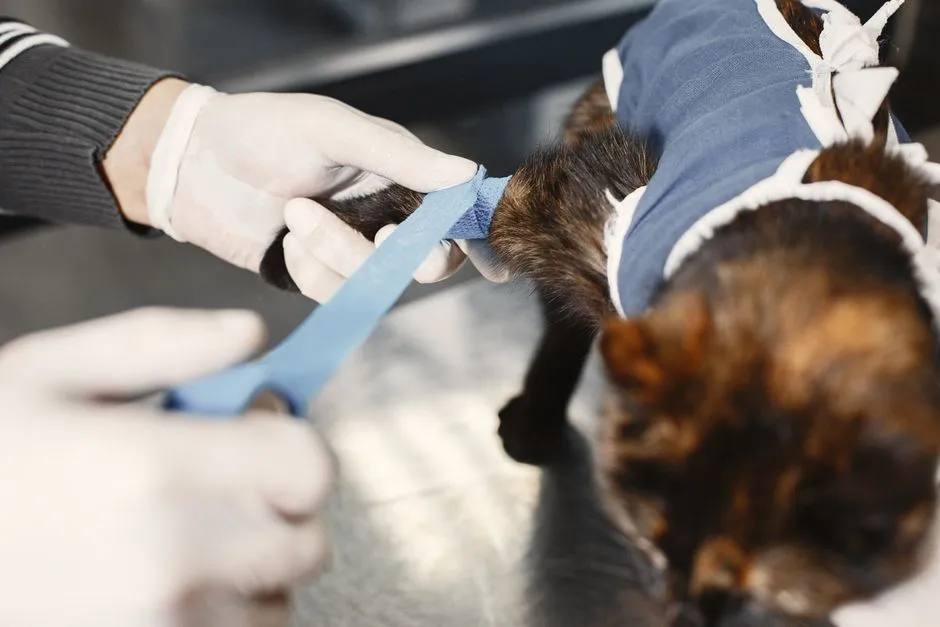
Most people get a cat thinking they’re the “easy” pet. They’re not. They’re just better at hiding problems until those problems become emergencies.
Cats are prey and predator in the wild, so showing weakness is dangerous. That survival wiring never actually turns off, even on your couch. A cat can have raging dental disease and still eat dinner. It can be constipated, arthritic, or nauseous every single day and still leap onto the counter like nothing’s wrong.
Lifelong owners often admit they mistook “not complaining” for “totally fine” – until a vet pulled up X-rays showing issues that had clearly been brewing for years. The real maintenance isn’t the litter box. It’s the quiet detective work.
- Watching appetite, water intake, and litter box output like a hawk.
- Tracking subtle behavior changes, not just dramatic ones.
Once you see how often cats mask pain, you never look at “she seems fine” the same way again.
#16 – Litter Box Problems Are Almost Never About “Spite”
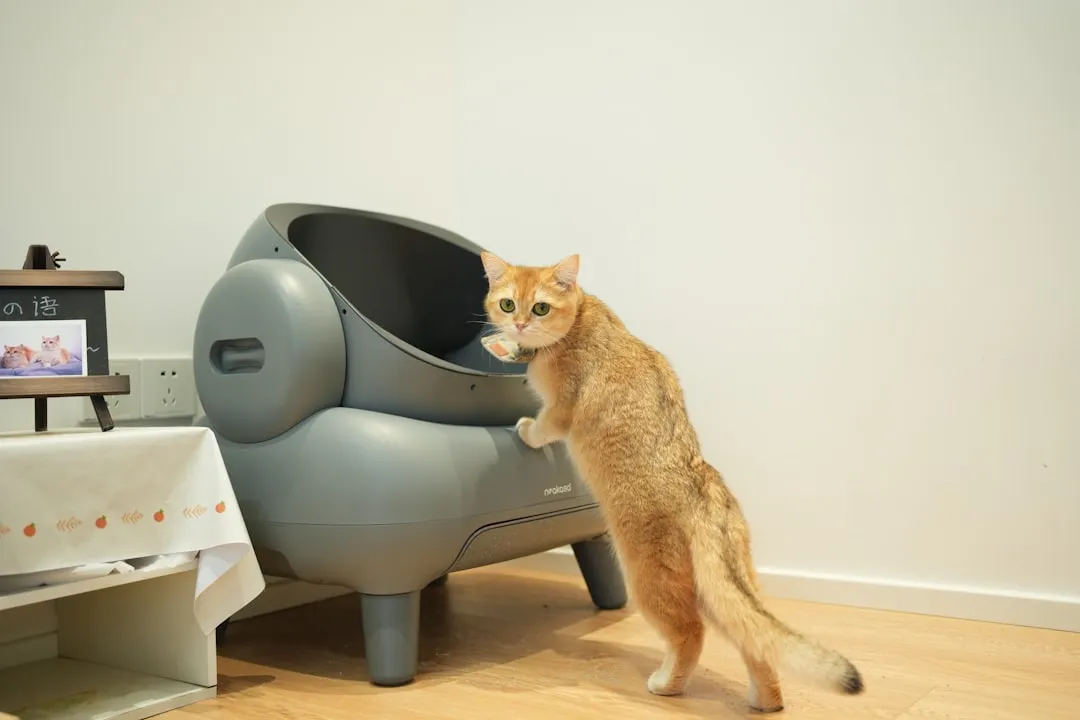
If there’s one myth that refuses to die, it’s that cats pee outside the box to get back at you. Long-time owners finally admit: every single time they assumed spite, it turned out to be medical, emotional, or environmental.
Urinary tract infections, crystals, bladder inflammation, arthritis, constipation – all of these make the box a place of pain. Would you keep using a bathroom that hurt every time you sat down? Then there’s stress: a new baby, a move, another pet, even a new scented litter can push a sensitive cat over the edge.
Seasoned cat people often regret how many scoldings they handed out before realizing they were yelling at an animal that was hurting or terrified. The fixes are almost always boringly practical.
- Vet check first, always, before assuming behavior.
- More boxes, in quiet spots, with easy access and familiar litter.
Once you understand that “inappropriate elimination” is a message and not a grudge, you solve the problem faster – and your cat trusts you more for it.
Fast Facts
- The general rule of thumb is one litter box per cat, plus one extra.
- Most cats prefer unscented, fine-grain clumping litter over scented or crystal varieties.
- Boxes should be scooped at least once a day, with a full change on a regular schedule.
- Litter box problems remain one of the most common reasons cats are surrendered to shelters.
#15 – Free-Feeding Dry Food Is a Silent Health Time Bomb

A shocking number of lifelong owners say the same thing: “I wish someone told me cats aren’t built for a bowl of crunchy carbs sitting out 24/7.”
Cats are obligate carnivores. In the wild their diet is high protein, high moisture, and almost zero carbohydrate. Dry kibble flips that equation completely, and combined with free-feeding, you’ve got an obesity, diabetes, and urinary-crystal cocktail served on a cute little mat.
Plenty of people never connect a midlife diabetes diagnosis to “but that’s what the bag said to do.” Long-timers quietly change their tune once they’ve lived through it.
- Scheduled meals instead of a bottomless bowl.
- At least some wet food, for hydration and satiety.
- Portion control based on ideal weight, not current chonk.
They’ll tell you: the day they stopped treating the food bowl like a cereal dispenser is the day their cat’s whole health trajectory changed.
#14 – Cats Crave Routine More Than Affection
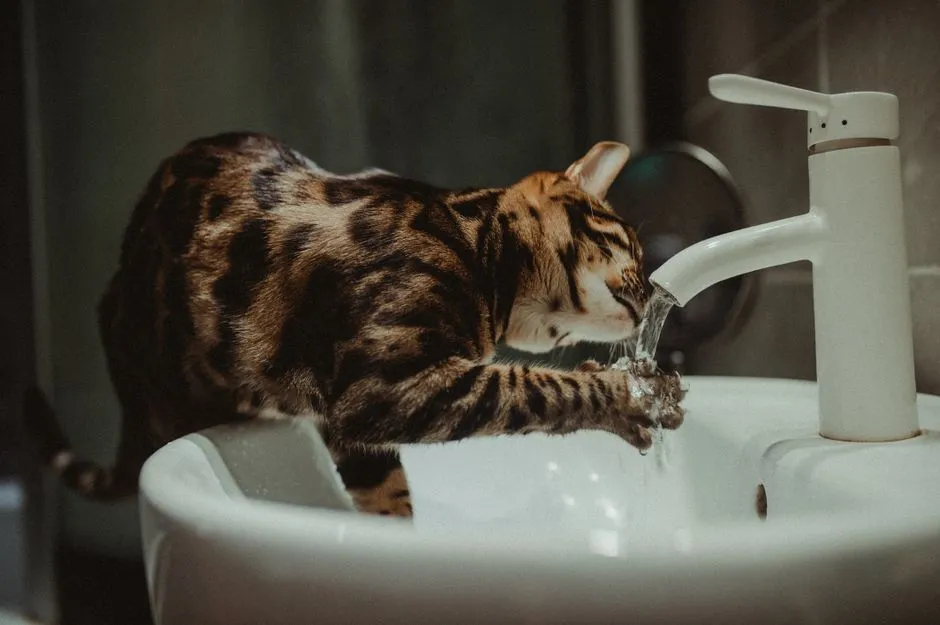
Most people think love equals cuddles. With cats, love equals predictability. Their nervous systems want to know exactly when they’ll eat, when the house gets loud, when doors open and close.
Lifelong owners often realize – painfully late – that a lot of “bad behavior” was really a cat drowning in chaos: random feeding times, kids barging into hiding spots, furniture constantly rearranged, guests grabbing at them uninvited. Once the routine tightened up, the “unfriendly” cat got shockingly chill.
- Same feeding windows every single day.
- Protected quiet zones nobody is allowed to invade.
- Predictable play, not five chaotic minutes with a laser pointer once a week.
Ironically, the moment you stop chasing affection and start stabilizing their world is usually the moment they finally climb into your lap on their own terms.
#13 – Play Isn’t Optional; It’s How You Prevent “Bad” Behavior
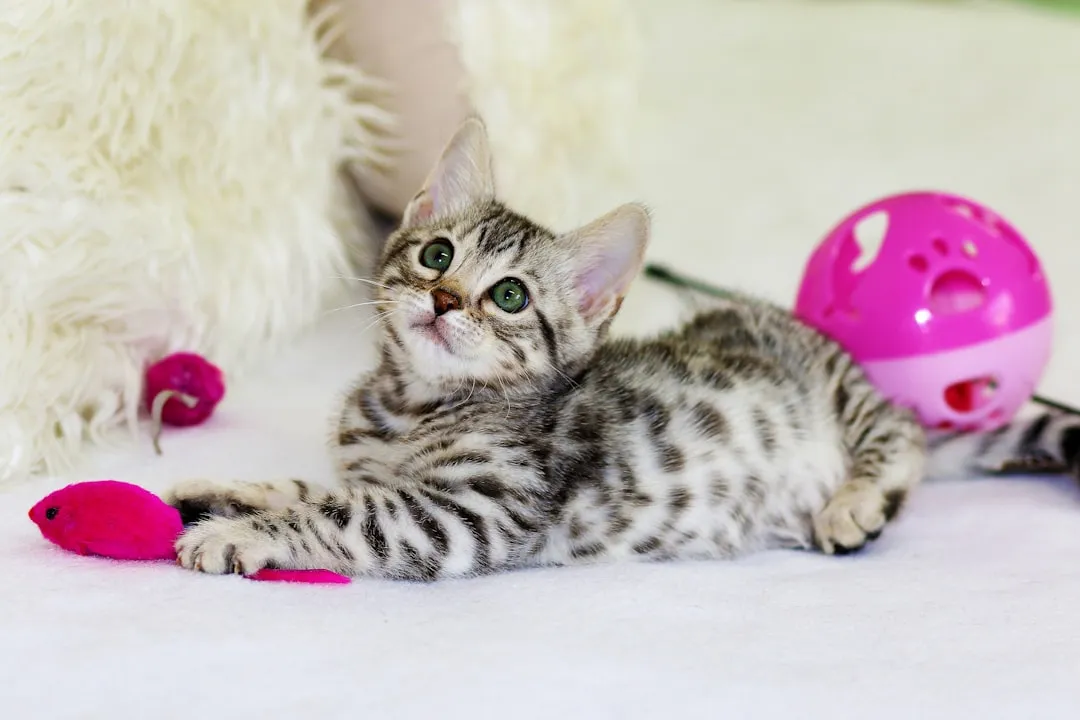
People massively underestimate how much structured play a cat actually needs. Cats are wired for hunt-catch-kill, and if you don’t give them a safe outlet for that sequence, they will absolutely invent one.
That usually looks like ankle attacks, ambushing the other cat, chewed cords, or a cat that only comes alive at 3 a.m. because that’s the one time the house feels interesting. Many long-time owners confess they used to wave a toy for thirty seconds and call it “playtime,” never realizing a bored cat is basically a frustrated little predator trapped in a box.
- 10-15 minutes of interactive wand-toy play, twice a day.
- End each session with a small snack to complete the “hunt.”
Owners who finally commit to real playtime are often stunned when the “jerk” cat mellows out, sleeps through the night, and stops using their hand as a chew toy.
#12 – “Slow Blinks” and Tiny Signals Are Your Cat’s Actual Love Letters

New cat owners wait for big, dog-like displays of affection. Lifelong cat people eventually realize the good stuff happens on a much quieter frequency.
The slow blink from across the room is a massive trust signal – eyes closed in your presence means they believe you’re safe. A cat sitting with their back to you but within paw’s reach isn’t ignoring you; that’s “you’re part of my territory, and I feel secure.” The tail that curls around your leg on the way past isn’t an accident, it’s a deliberate social touch.
A cat has absolute emotional honesty: human beings, for one reason or another, may hide their feelings, but a cat does not.
Ernest Hemingway
Many owners admit they missed years of “I love you” messages because they were only watching for purrs and cuddles.
- Ears forward and relaxed when you speak.
- Choosing to sleep exactly where your scent is strongest.
- Grooming themselves next to you, a clear comfort signal.
Once these tiny signals click, you realize your “indifferent” cat has been shouting love in their own language for years.
#11 – Your Furniture Isn’t the Problem; Your Scratching Strategy Is
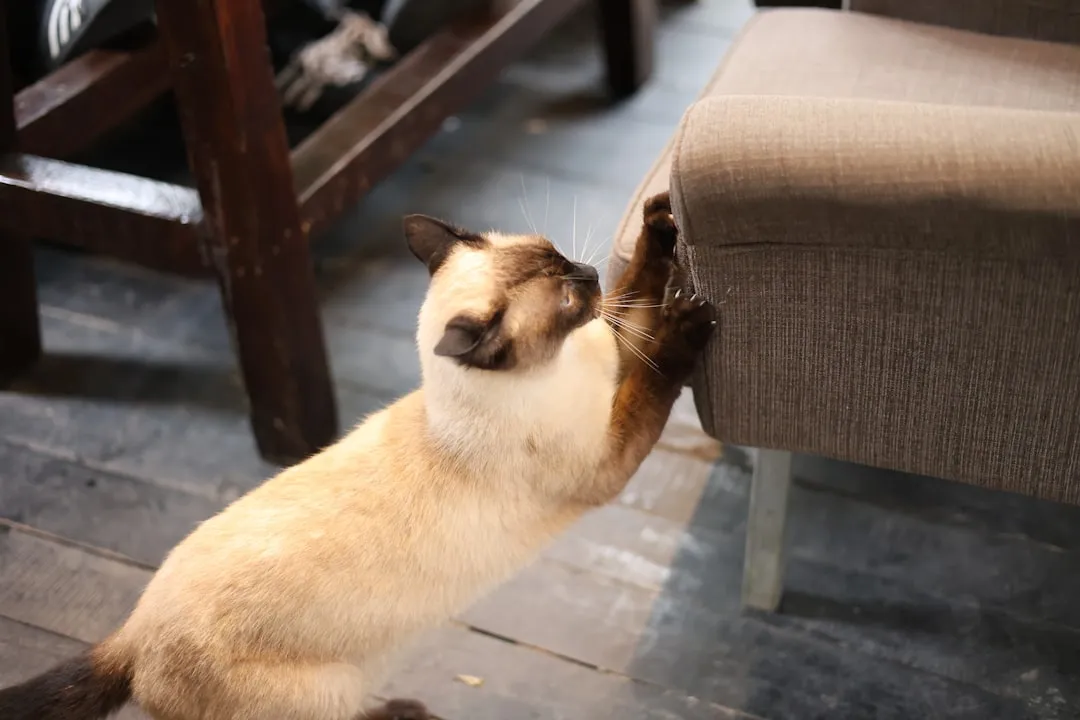
Everyone complains about a scratched couch. Few admit they set their cat up to fail. Scratching is a biological need, not misbehavior – it stretches muscles, sheds claw sheaths, and marks territory visually and by scent.
Declawing is, thankfully, dying out, but plenty of people still try the half-measure: one flimsy post shoved in a corner, followed by a lot of yelling when the cat chooses the sofa instead. Lifelong owners almost universally say the same thing: “I wish I’d known to put the good scratching post exactly where my cat already wanted to scratch, not where it looked neat.”
- Tall, stable posts – at least as tall as your cat fully stretched – in a material they actually prefer, often sisal or cardboard.
- Placed right where they already scratch, near sleeping spots, not hidden behind a plant.
- Rewarded every single time they use it, with treats, praise, or play.
Respect scratching as a need instead of a nuisance, and your house – and your relationship – both survive.
#10 – Cats Are Masters at Hiding Dental Pain
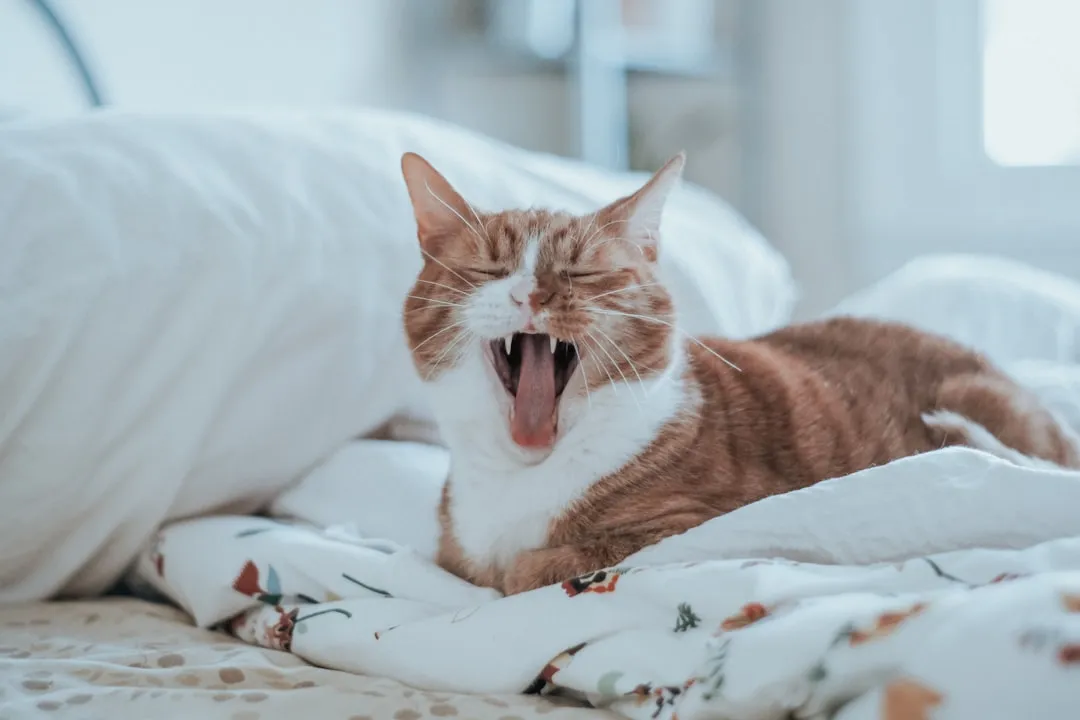
If there’s one regret that comes up again and again, it’s this: “I wish I’d taken her teeth seriously years earlier.” Cats rarely stop eating just because their mouth hurts – they’ll simply chew slower, drop kibble, or swallow it nearly whole.
Owners write off bad breath as “normal cat smell,” never realizing infected gums and resorptive lesions – teeth that are literally dissolving – are causing constant, grinding pain. Many long-time guardians describe the gut punch of finally doing a dental cleaning and extractions, then watching their “old, quiet” cat turn playful again, proof they’d been living with chronic pain the whole time.
- Pawing at the mouth or chewing on one side only.
- A sudden preference for softer food they didn’t used to want.
- Red, swollen gum lines or visible tartar buildup.
Yearly dental checks feel expensive, until you understand the price your cat pays every day you delay them.
#9 – Indoor-Only Is Safer, But “Enriched” Indoor Life Isn’t Optional
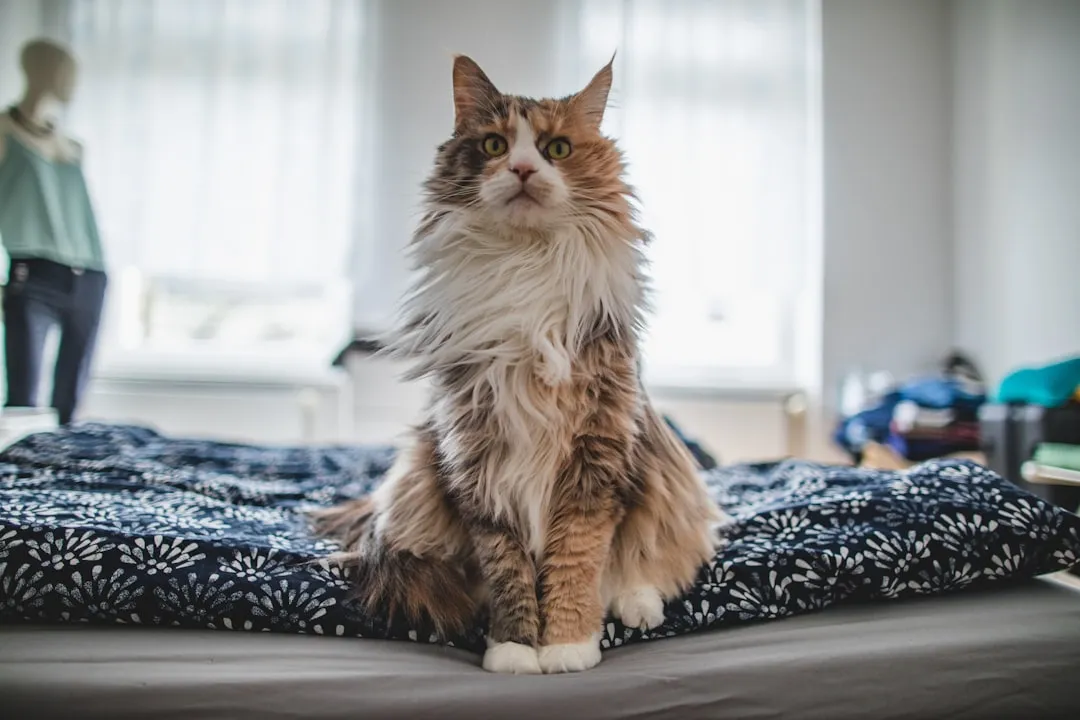
Most experienced owners now agree that outdoor freedom is a bad trade against modern dangers – cars, predators, parasites, and cruel people all stack the odds badly. But they’ll also tell you “four walls and a sofa” isn’t an acceptable life either.
A bored indoor cat can slide into obesity, depression, and stress behaviors just as easily as an outdoor cat can get hit by a car. The trick many wish they’d learned sooner: you don’t have to choose between safety and stimulation. Window perches, bird feeders for “Cat TV,” puzzle feeders, leash training, or a screened-in catio can meet those needs without a single ER visit.
- Vertical spaces – shelves, trees – to climb and survey their kingdom.
- Rotating toys so the environment never goes stale.
- Safe, supervised outdoor time when it’s possible.
Once owners see the shift in mood this creates, “just indoor” starts to feel like a half-life by comparison.
Quick Compare
- Indoor-only cats: lower exposure to cars, predators, and disease; generally longer, safer lives.
- Outdoor-access cats: more natural stimulation, but higher risk of injury, parasites, and a shortened lifespan.
- Enriched indoor cats: climbing space, window views, and daily play close most of the stimulation gap without the danger.
#8 – Cats Aren’t “Mean,” They’re Overstimulated or Scared

Plenty of owners have “that one cat” they describe as mean. Over time, many quietly admit the cat was actually reacting logically to humans who never learned its boundaries.
Cats usually give several “please stop” signals before they scratch or bite: tail twitching, skin rippling along the back, ears sliding back, pupils dilating. When people ignore all of that and keep squeezing the cat “because she’s so cute,” teeth and claws become the last resort. Long-time owners confess they used to take that personally, until they learned to treat feline consent the same way they would a person’s.
- Stop petting before the tail even starts whipping.
- Skip rough hand-play; use toys instead.
- Let cats initiate touch – don’t scoop them up like plush toys.
Once you treat those early warnings as serious communication, “random aggression” suddenly becomes very predictable.
#7 – Vet Visits Need to Be Cat-Friendly, Not Just “Necessary”
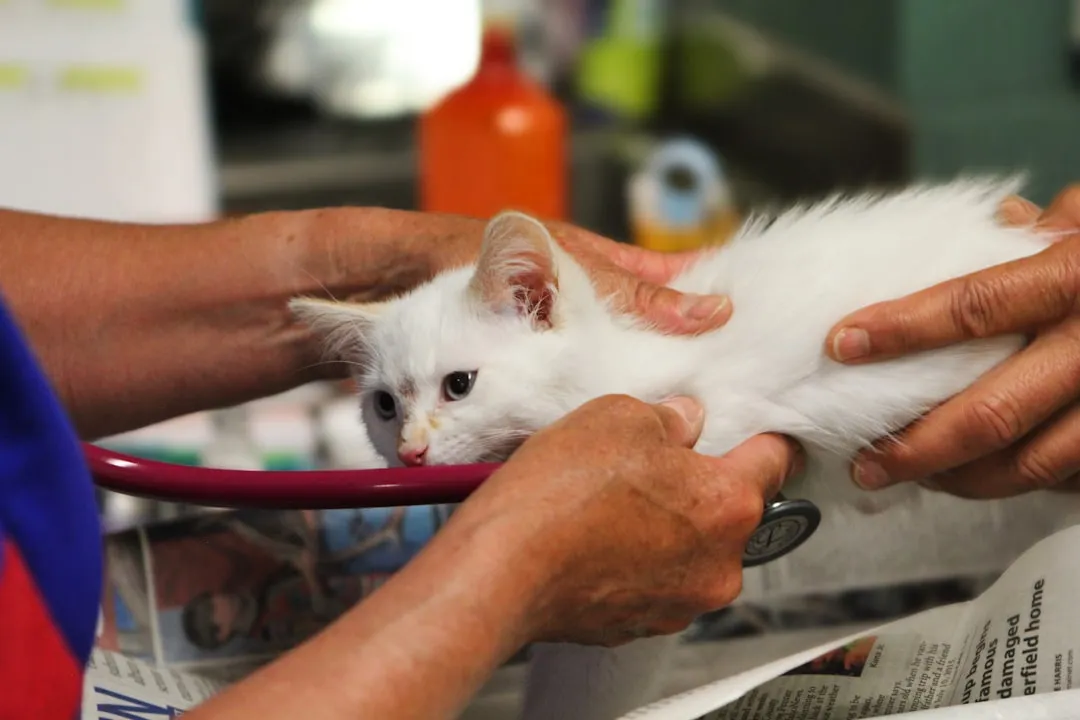
Dragging a screaming cat to the vet once a year is a classic scene – and a major reason people avoid regular care altogether. Lifelong owners eventually learn that the way you do vet care matters almost as much as whether you do it at all.
Shoving a terrified cat into a dusty carrier moments before an appointment teaches them that carrier equals panic. A waiting room full of barking dogs only cements it. Seasoned cat people swear by prep work instead: leaving the carrier out full-time as a cozy nap spot, tossing treats inside it, even taking short “practice” car rides with no vet at the end.
- Cat-only or cat-friendly practices, with separate waiting areas and feline handling training.
- Pre-visit anxiety medication when needed – it’s legitimate medicine, not overkill.
- Asking to wait in the car until the exam room is actually ready.
Once vet visits stop being traumatic, people are far less likely to “wait and see” on issues that needed an exam weeks earlier.
#6 – Two Cats Can Be Easier Than One… or a Disaster If You Rush It
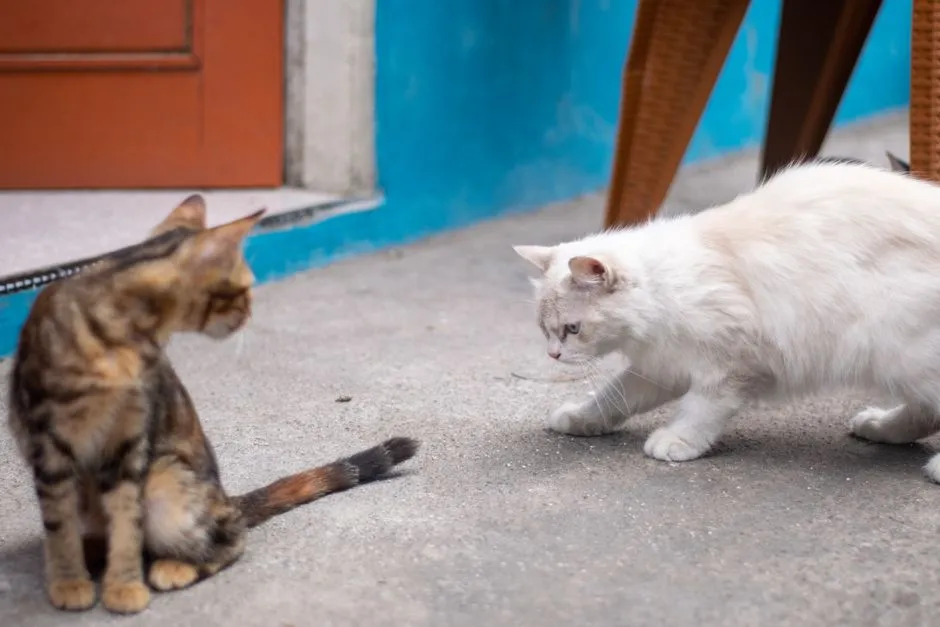
Here’s a take that annoys people: “just get another cat” is terrible blanket advice. Many lifelong owners will tell you that once they introduced a compatible second cat properly, both animals became happier and calmer. But they’ll also tell you horror stories about tossing a new cat in and hoping everyone would “work it out.”
Cats aren’t pack animals by default – they’re social in a very specific, territorial way. Forced proximity can mean chronic stress and hostility you never fully recover from. The pros do it slowly, on purpose.
- Scent swapping first, via blankets and rooms, never faces.
- Visual introductions at a distance, with barriers and treats.
- Short, supervised interactions, increased gradually over days or weeks.
When it works, it’s genuine magic. When it doesn’t, it’s almost always because humans tried to speed-run a process that should be glacial.
#5 – Grief Hits Cats Harder (and Quieter) Than You’d Think
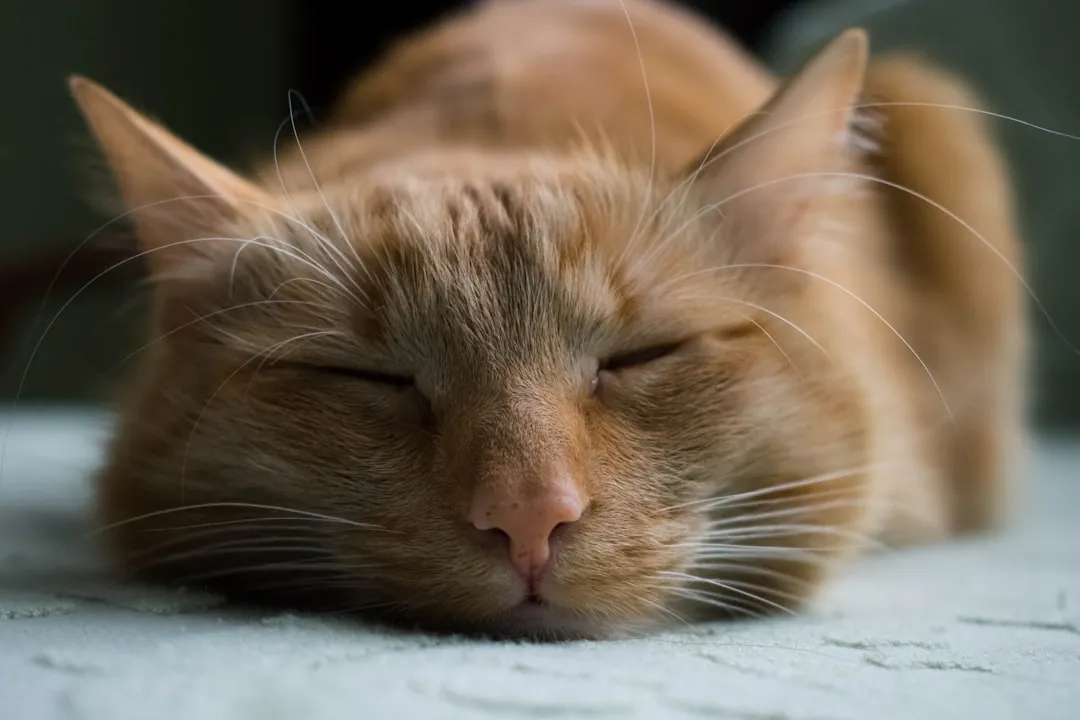
Most people are shocked when they finally notice it: cats deeply mourn lost companions, feline or human. Lifelong owners have specific stories – the cat who wandered the house crying after another pet died, the one who stopped eating when their favorite person moved out, the “suddenly clingy” cat after a death in the family.
Because cats don’t wail or sob, we miss the quieter signs: withdrawal, changed sleep, less grooming, obsessive searching from room to room. By the time we notice, the cat may already be dealing with both emotional and physical fallout.
- Keep routines ultra-stable after a loss; predictable feeding and play can be a lifeline.
- Offer extra calm presence without forcing interaction.
- Loop in a vet if grief bleeds into not eating or losing weight.
Dismissing a cat’s grief as “he’s just acting weird” is one of those regrets you only see clearly in hindsight.
#4 – Senior Cats Don’t Just “Get Old”; They Get Treatable Conditions
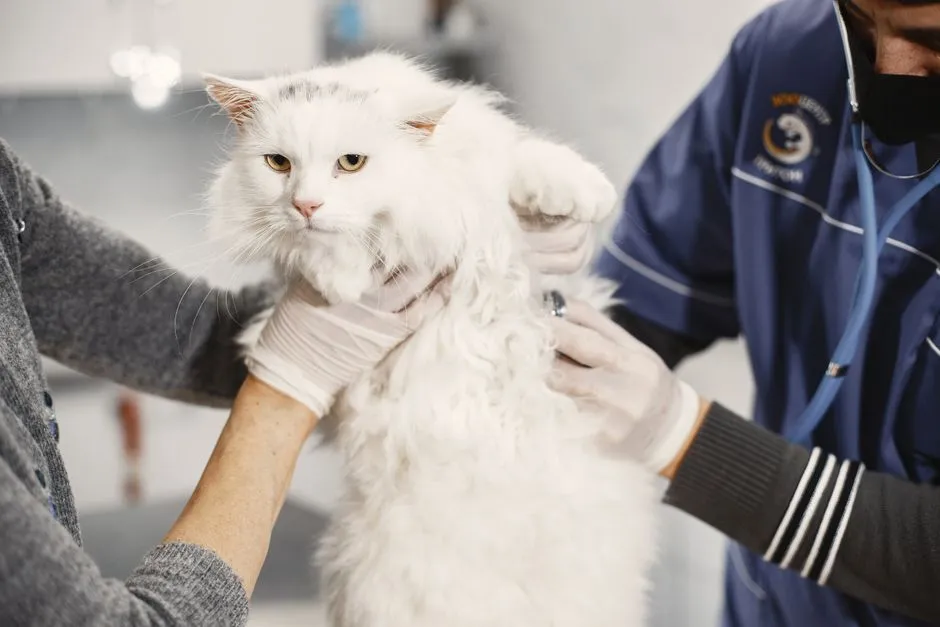
The number of people who say “I thought she was just slowing down” is genuinely heartbreaking. Old age is not a diagnosis – it’s a risk category. Yes, older cats sleep more. But dramatic changes like drinking tons of water, yowling at night, weight loss, confusion, or missing the litter box are often signs of treatable disease.
Hyperthyroidism, kidney disease, arthritis, cognitive dysfunction – long-term guardians frequently confess they dismissed early signs as “she’s ancient” until a crisis forced emergency care. Later they learn earlier intervention could have bought years of comfortable life.
- Bloodwork and urine tests yearly from middle age onward, not just “when sick.”
- Joint support – ramps, low-sided litter boxes, warm beds – before they’re obviously limping.
- Adjusted diets and feeding setups built for aging bodies.
Once you stop writing everything off as “just old,” you realize how much good life is still on the table.
At a Glance
- Cats are typically considered “senior” starting around age eleven.
- Hyperthyroidism, kidney disease, and arthritis are among the most common conditions in older cats.
- Arthritis often hides in plain sight; missed jumps or hesitation on stairs are usually the first visible clues.
- Annual bloodwork and urine tests can flag problems long before obvious symptoms appear.
#3 – Cats Remember Who Respected Them… and Who Didn’t
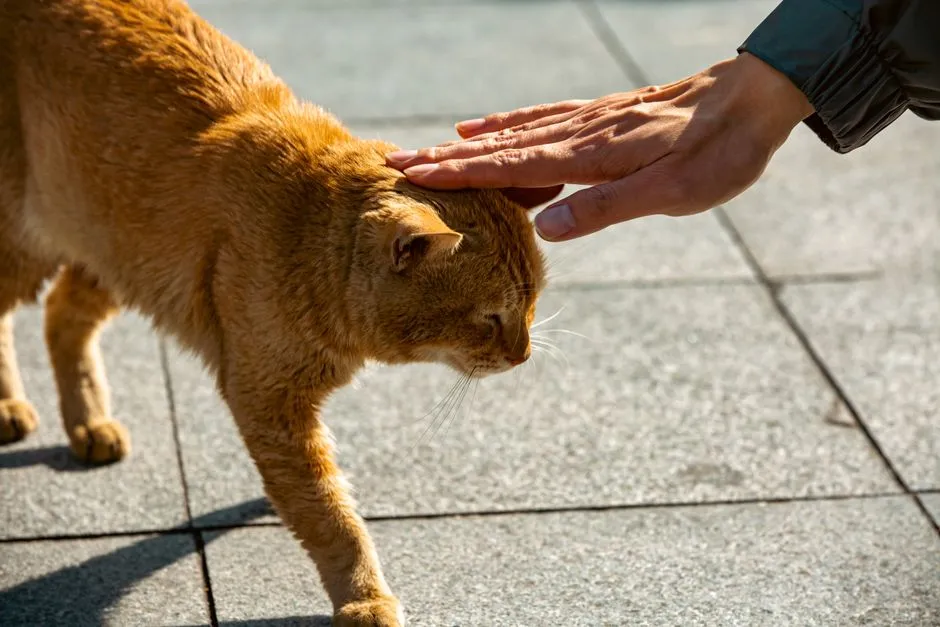
Ask long-time cat owners and you’ll hear a recurring theme: their deepest bonds came when they started acting like a respectful roommate, not an owner. Cats may forgive, but they rarely forget patterns.
The person who always corners them for cuddles becomes the person they avoid. The kid who sits on the floor and lets the cat come to them becomes the “chosen” human. Every interaction is a tiny vote toward trust or suspicion, and it adds up over years.
- Letting them sniff your hand and make the first move.
- Never forcing eye contact or trapping them in your arms.
- Giving them high, safe vantage points where no one can reach.
Ten years later, you’re either the safe base they run to – or the person they still side-eye from across the room.
#2 – The First Two Weeks Shape the Next Ten Years
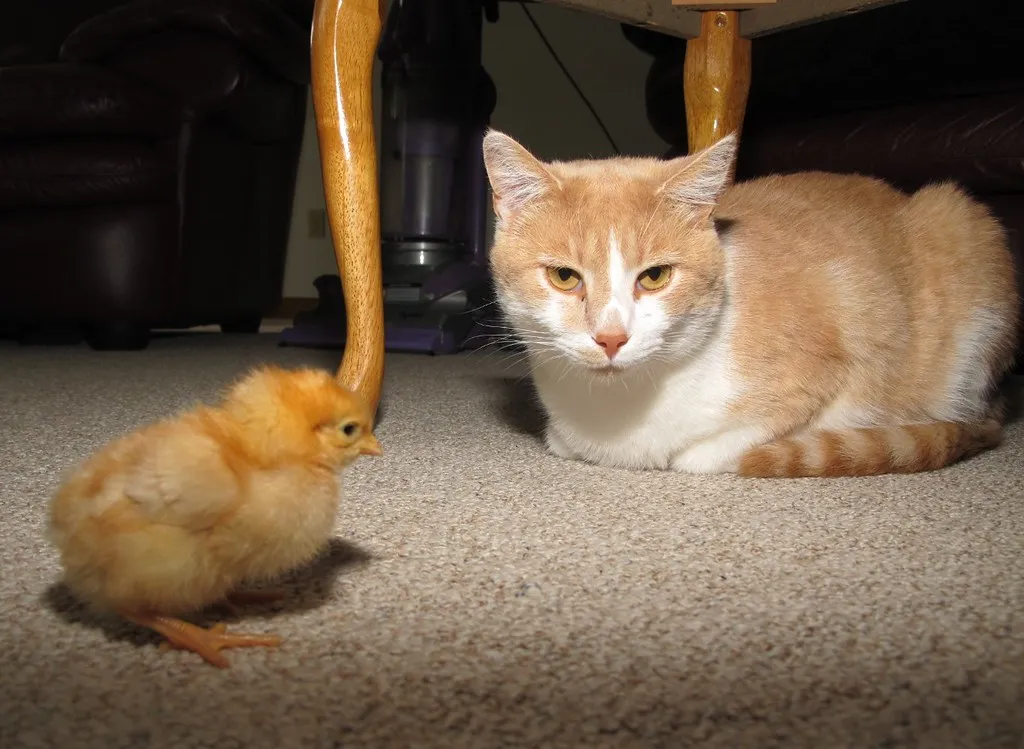
Most people blow the most critical window of their cat’s life: the adjustment period right when they first come home. Lifelong owners often cringe at how they handled it the first time – new cat dumped straight into the living room, strangers crowding around, kids trying to pick them up for instant “bonding.”
For a prey species dropped into strange territory, that’s a horror movie. The cats who hide for months and never fully relax are often the ones overwhelmed on day one. Experienced people now do the opposite: one quiet safe room, a predictable routine, and controlled exposure.
- A single room with hiding spots, food, water, litter, and vertical space.
- A “hands-off” period where you just exist nearby, letting the cat watch you.
- Gradual expansion of territory only as the cat chooses to explore.
The irony is simple: the slower you go at the beginning, the faster real trust forms later.
Worth Knowing
- A single safe room with food, water, litter, and hiding spots beats open-house access on day one.
- Letting the cat approach you first, rather than reaching in to pet or pick them up, builds trust faster.
- Slow, low-pressure introductions in week one often shape a cat’s confidence for years afterward.
#1 – You Will Almost Always Realize You Got Less Time Than You Thought

Ask any lifelong cat owner the one truth they wish they’d heard at the start, and it’s this: the years go by insanely fast, and there is never “plenty of time” later. You adopt a bouncy one-year-old, blink, and suddenly the vet is talking about senior panels and kidney values.
The toys you meant to rotate, the play sessions you planned, the training you thought you’d get around to – those windows close quietly, without announcing themselves. What shocks people most isn’t the vet bills or the scratched sofa; it’s the day they realize they spent more energy annoyed by litter tracking than actually enjoying the strange, specific little creature who trusted them completely.
- Take more photos and videos – you will want the sound of that weird meow one day.
- Build small daily rituals, morning scritches, nightly wand play, and protect them fiercely.
- Fix problems early so their good years are actually good, not just “not in crisis.”
Nobody at the beginning tells you how hard it hits when a fifteen-pound animal leaves a house-sized hole.
The Bottom Line
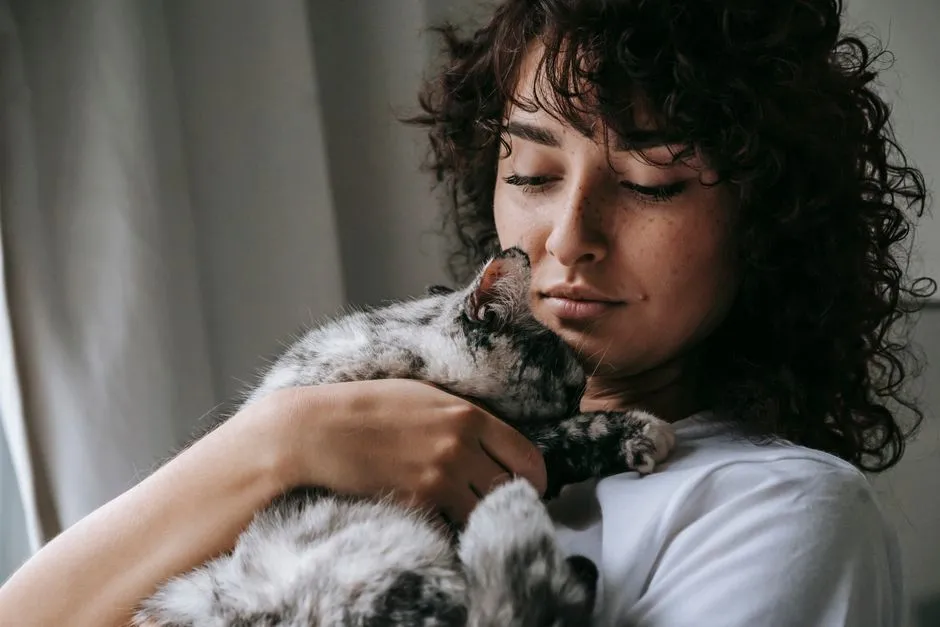
Here’s the uncomfortable truth lifelong cat owners eventually learn: most of our early “problems” with cats were really just our own ignorance colliding with a species that communicates quietly and suffers in silence. We were sold the idea of a low-maintenance roommate, then acted shocked when an under-stimulated, under-observed animal started “acting out.”
Once you understand how much cats value routine, subtle communication, safe territory, and proactive health care, the whole relationship flips. The aloof roommate becomes a deeply bonded, if still dignified, partner – and honestly, that’s the better deal anyway.
Some readers will insist, “My cat’s fine, I’ve always free-fed kibble and let him roam outside.” Maybe. But talk to people facing the last months of a cat’s life, and you’ll hear the same wish, over and over: that they’d understood all of this earlier, back when small changes could still buy comfortable years. Which of these have you already learned the hard way – and what would you add from your own cat’s story?

- 17 Things Lifelong Cat Owners Say They Wish Somebody Had Explained Far Earlier Than This - August 12, 2026
- 18 Dog Breeds Vets See Constantly and 18 They Now Go Entire Years Without Meeting Once - August 12, 2026
- 16 Things Experienced Gardeners Say They Wish They Had Understood Decades Before They Did - August 12, 2026