
The dream of owning a small piece of agricultural paradise has captured the hearts of countless urban dwellers seeking a simpler, more self-sufficient lifestyle. Picture fresh eggs from your own chickens, tomatoes still warm from the vine, and perhaps a few goats wandering through well-maintained pastures. Yet beneath this idyllic vision lies a challenging reality that catches many newcomers completely off guard.
The bucolic dream of hobby farming, with its promise of fresh produce, content animals, and a deeper connection to the land, often collides with challenging realities that catch newcomers off guard. Many aspiring hobby farmers encounter preventable setbacks that dampen their enthusiasm and strain resources. These costly mistakes can turn an exciting agricultural adventure into a financial nightmare, leaving dreams buried under mounting expenses and overwhelmed schedules.
The good news? Most of these pitfalls are entirely avoidable with proper planning and realistic expectations. Let’s dive into the seven most expensive mistakes that rookie hobby farmers make, so you can skip the painful learning curve and start your farming journey on solid ground.
Inadequate Financial Planning and Unrealistic Budgeting
The most prevalent hobby farming mistakes include inadequate financial planning with unrealistic budgeting for both initial setup and ongoing operational costs, leaving many new farmers financially blindsided. Enthusiasts are susceptible to underestimating the establishment costs of hobby farms while overspending on frivolous equipment or livestock. Think purchasing that adorable pair of alpacas before you’ve even built proper fencing or shelter.
Variable costs – expenses like feed, fuel, fertilizer, and labor – can skyrocket throughout the season. Without factoring in variable costs accurately, your farm budget can quickly fall apart, pushing you into reactive (and often poor) financial decision-making. Every farm business should maintain an emergency fund equivalent to 3-6 months of operating costs. Creating a detailed budget isn’t just paperwork, it’s your financial lifeline when unexpected veterinary bills or equipment repairs hit your bank account.
Starting Too Big and Overcommitting Resources

Planting too large a garden is a mistake that can place too heavy a workload on a gardener and lead to frustration and burnout. This principle extends far beyond vegetable patches to every aspect of hobby farming. One thing I hear a lot from beginning farmers is that their farms will have a little of everything – bees, dairy, meat, veggies and fruit. If you do not have experience with each endeavor individually and know exactly how to manage each for consistent results and sales, starting a farm with so many facets will just overwhelm you.
It’s tempting to go big from the beginning – but resist the urge! Begin with a manageable number of animals and gain experience before expanding your herd or flock. Successfully managing three chickens teaches you infinitely more than poorly caring for thirty. Start small and specialized. Get really good at one endeavor. That doesn’t mean you should refrain from getting bees or animals if you want them, I just suggest treating these others as hobbies that you hope to build into a business one day while you focus on one main enterprise.
Poor Equipment Selection and Overspending on Machinery
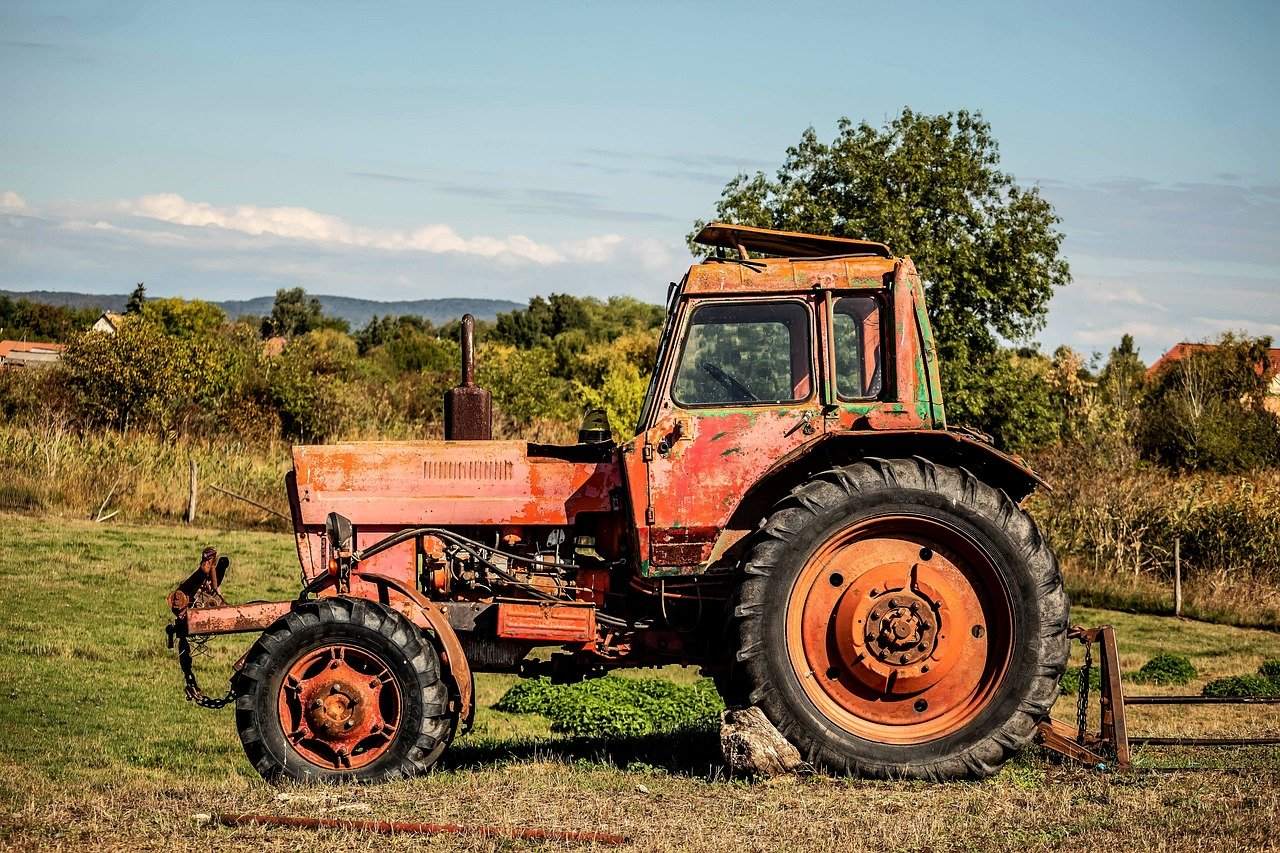
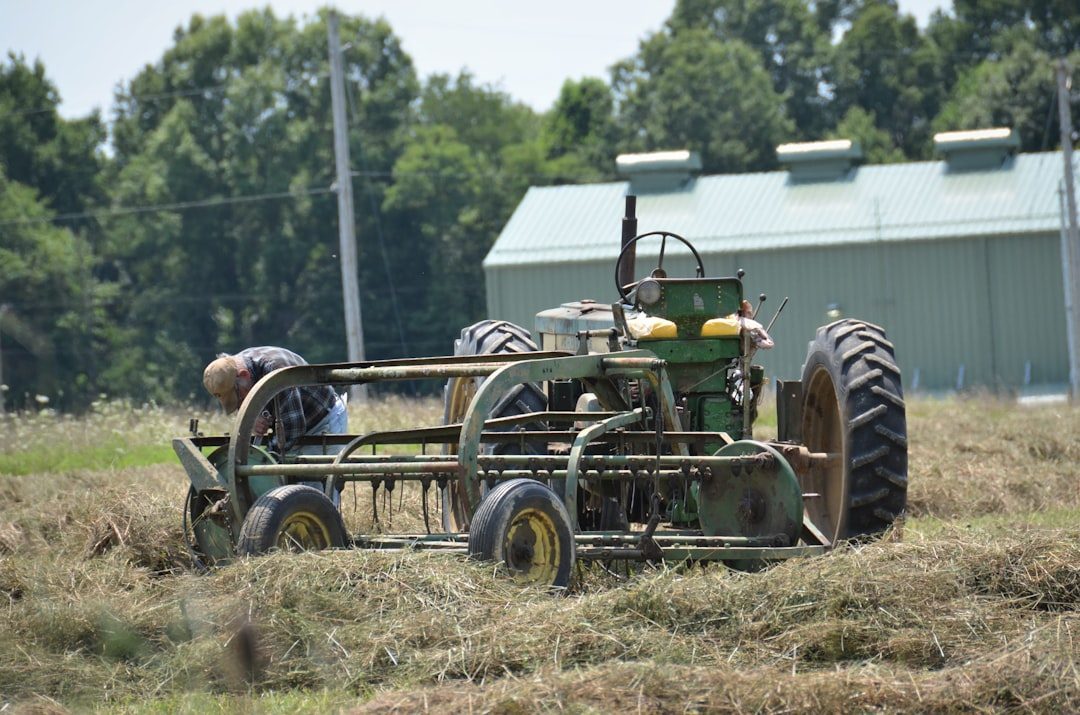
Too often, farmers get carried away and purchase far more equipment than they initially need. Another common mistake is to acquire machines that are either too big or small for the tasks at hand. Equipment selection represents another area where costly mistakes frequently occur, with beginners often purchasing oversized machinery with excessive capabilities rather than appropriately scaled equipment that matches actual requirements. Considering equipment sharing arrangements, contractor services for occasional needs, or quality second-hand purchases can substantially reduce capital expenditure whilst maintaining operational capability.
That shiny new tractor might look impressive, but a tractor with implements will be added to your wish list of farming equipment – no matter how small your hobby farm. A new tractor with a few implements can easily exceed $50,000. Instead of draining your savings on heavy machinery you’ll use twice a year, consider renting equipment for occasional tasks or partnering with neighbors to share costs. A well-stocked tool shed with general-purpose farming tools is essential for hobby farmers. Focus on quality hand tools first, then gradually build up to larger equipment as your operation grows.
Choosing Wrong Livestock for Your Situation
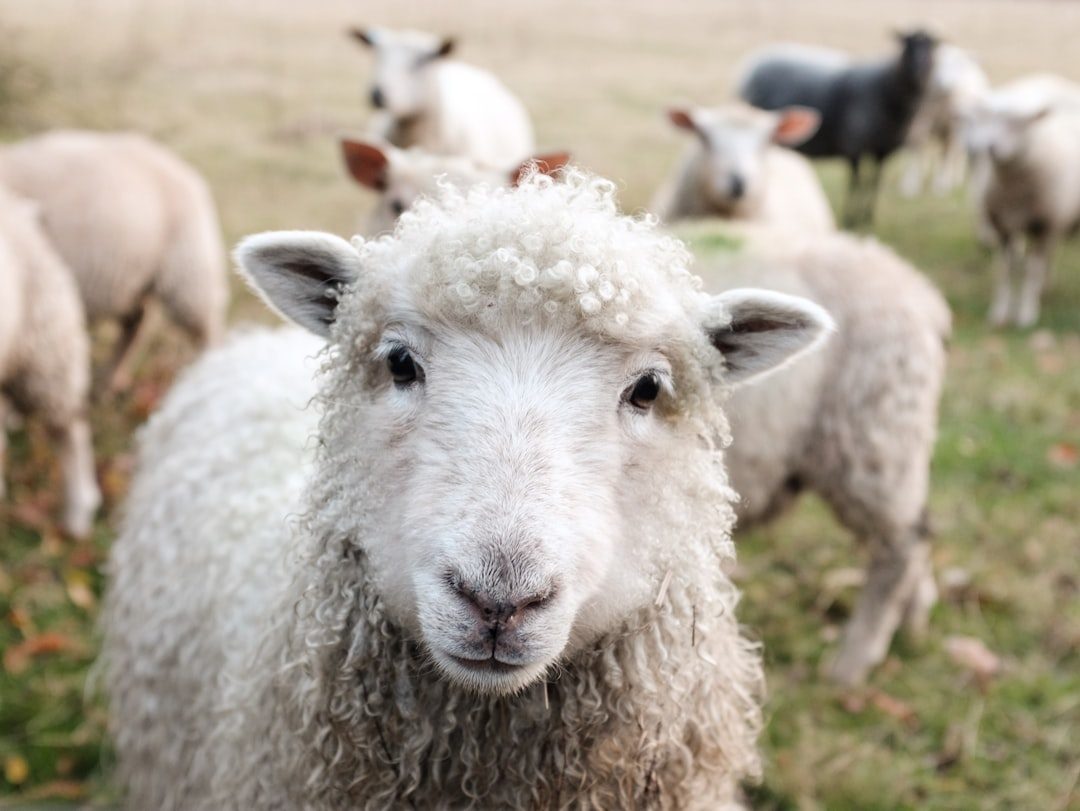
Selecting incorrect livestock for your specific circumstances constitutes a recurring hobby farm mistake, with novices often choosing animals based on romantic notions rather than practical considerations. It is advisable to begin with more forgiving species like chickens before progressing to more complex livestock. This allows your skills to develop organically whilst minimising risk.
Picking animals that adapt effortlessly to people is crucial for your farm’s success. You don’t want just any creature; the goal is those with a friendly disposition who enjoy human interaction. The dream might include goats greeting guests or chickens playfully evading their coop, but reality often differs from fantasy. Research space requirements, feed costs, veterinary needs, and local zoning laws before falling in love with that Highland cow at the county fair. How much time can you realistically dedicate to caring for your animals? Are you looking for a low-maintenance companion, or are you excited about the challenge of raising more complex livestock?
Overstocking Land and Ignoring Carrying Capacity
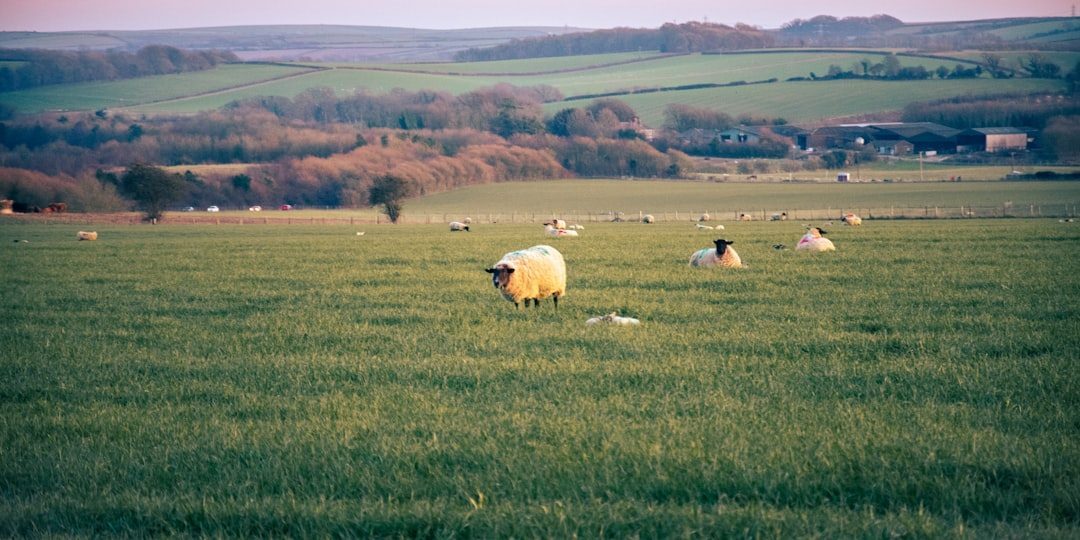
Overstocking pastures represents a particularly destructive error that degrades land quality whilst compromising animal health. Exceeding carrying capacity leads to overgrazing, soil compaction, increased parasite burdens, and nutritional deficiencies. Ensuring conservative initial stocking rates with gradual increases based on observed pasture recovery provides a more sustainable approach than attempting maximum production immediately.
Many new farmers think more animals automatically equals more profit, but overloaded pastures become expensive wastelands requiring costly hay purchases and veterinary interventions. If you presume that your livestock will consume 2% of their body weight in feed each day, and adjust for losses, just three horses will require approximately 1.8 tons of hay each month. Your land needs time to recover between grazing periods. Think of pasture rotation like a checking account, you can’t keep withdrawing without making deposits through proper rest and management.
Inadequate Infrastructure Planning and Rushed Construction
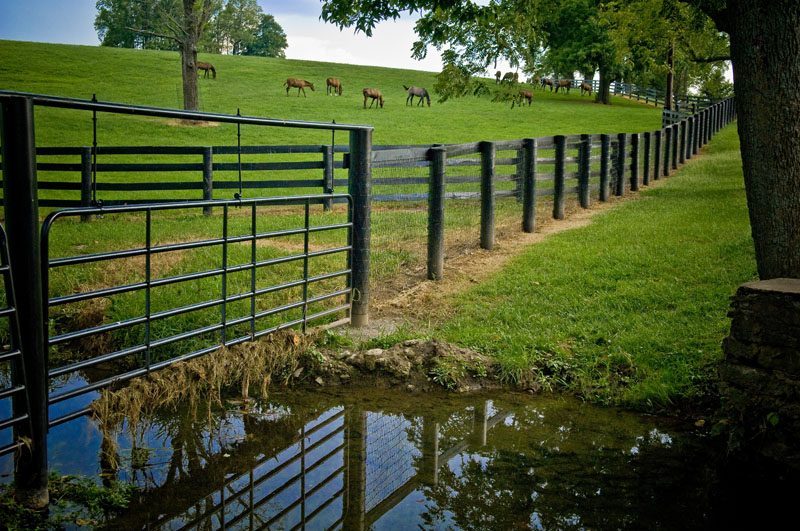
inappropriate land selection without proper soil testing or water availability assessment, excessive initial livestock numbers that exceed property carrying capacity, insufficient infrastructure planning leading to inefficient workflows and inadequate animal protection creates expensive problems down the road. Many beginners focus on acquiring animals before building proper housing, fencing, and water systems.
When it comes to livestock, fencing will always be on top of your equipment list. To keep your livestock safe, always use the proper fencing type to contain the specific animal you are raising. For instance, to properly contain the cattle, fencing needs to be at least 47-52 inches tall. Cutting corners on infrastructure means rebuilding everything within a year or two. Predator deterrent systems designed for specific species, including electric fencing, secure night housing, motion-activated lighting, or livestock guardian animals, represent essential investments rather than optional extras. Plan your layout carefully, considering workflow efficiency, animal safety, and future expansion needs.
Failing to Research Local Regulations and Market Conditions
Check local zoning regulations and restrictions related to hobby farming in your area. Different regions have varying rules regarding land use, livestock, and agricultural practices. Understanding these regulations early on can prevent legal issues and ensure a smooth and compliant farming experience. Discovering you can’t sell eggs from your backyard or that your neighbor can shut down your goat operation through noise complaints represents an expensive wake-up call.
Research extends beyond regulations to understanding your local market conditions. Go to your local farmer’s market to learn how locals buy and sell too. What crops grow well in your climate? Which livestock breeds thrive in your region? Those seeking income from their hobby farm often make the critical error of insufficient enterprise diversification, with dependence on single products creating vulnerability to market fluctuations, pest outbreaks, or seasonal challenges. Therefore, the integration of complementary enterprises that utilise the same infrastructure while producing income across different seasons can significantly improve your farm’s financial resilience.
Conclusion
doesn’t have to drain your bank account or crush your agricultural dreams. Preventative research represents your most powerful tool against hobby farm mistakes. It is important to invest substantial time visiting established properties, attending agricultural workshops, consulting with extension officers, and reading respected resources before committing to significant expenditure or specific farming directions. The “start small, grow gradually” approach has consistently proven to be the most successful for hobby farm development.
The path to successful hobby farming lies in patience, planning, and realistic expectations. Begin with thorough research, create detailed budgets with emergency funds, start small with manageable projects, and build relationships with experienced local farmers. Remember that every successful farm operation was once a beginner’s dream backed by careful preparation and gradual growth.
What’s your biggest concern about starting your hobby farm? Tell us in the comments.
