
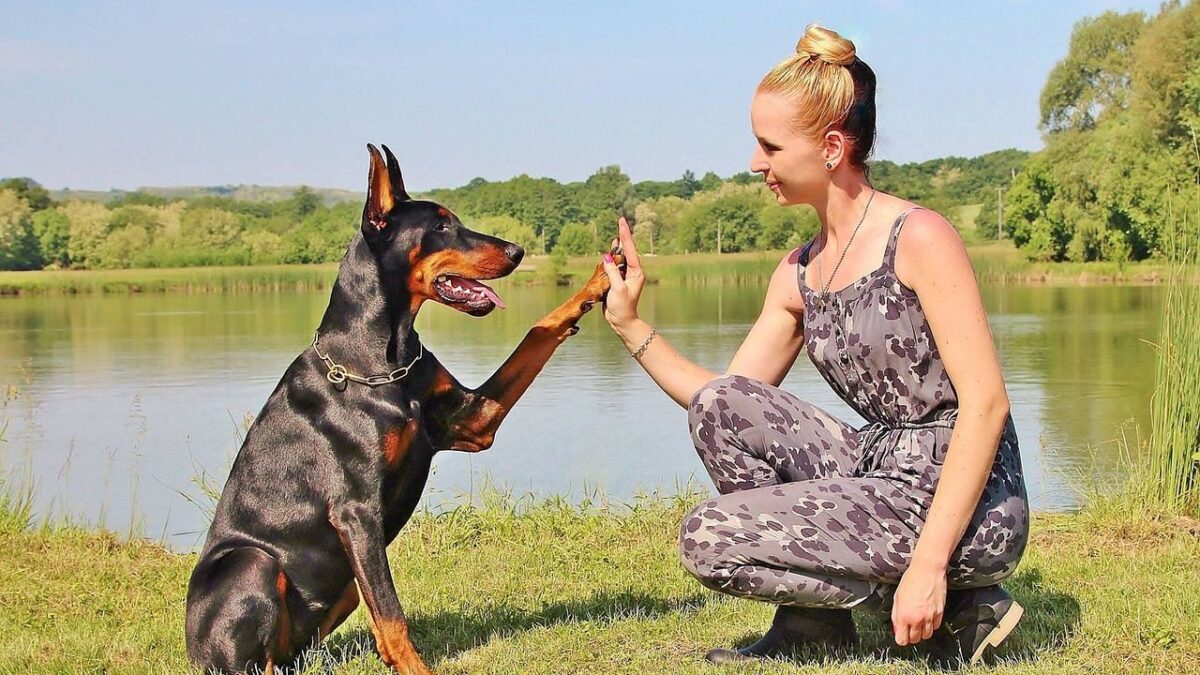
We’ve all heard it a thousand times: dogs are man’s best friend. Sweet, yes. Cliché, absolutely. However, what if we told you that the loyalty of certain dog breeds goes far beyond heartwarming stories and viral videos? Science has actually caught up with what dog lovers have known in their gut for centuries. There are real, measurable, biological reasons why some breeds bond so deeply with their people that it starts to look less like animal behavior and more like something almost human.
From hormone surges in both dogs and owners during eye contact, to brain scans lighting up at the smell of a familiar person, the research is genuinely surprising. Some of these breeds carry loyalty in their very DNA. Others have been shaped by thousands of years of selective work alongside humans, forging a connection that’s almost impossible to break.
So which breeds truly stand out when science does the talking? Let’s dive in.
The German Shepherd: Wired for Devotion
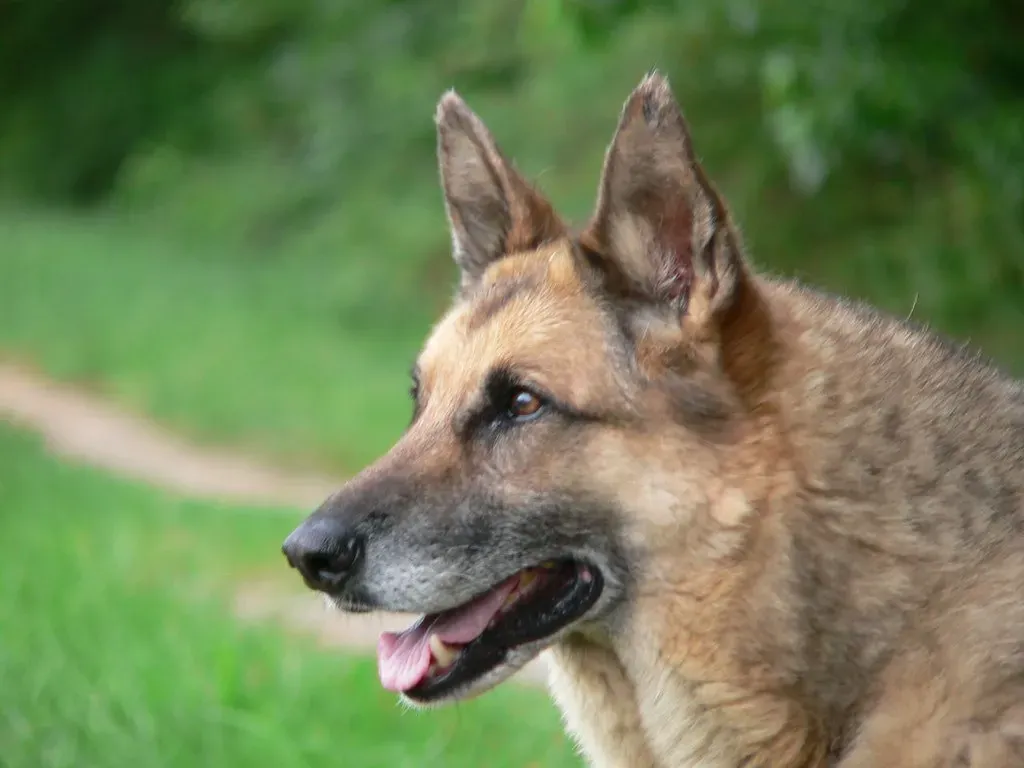
Honestly, if loyalty were a job title, the German Shepherd would be overqualified. German Shepherds have a long history as herding and guard dogs, which gives them a strong sense of loyalty and protectiveness. They’re attentive and responsive, especially to those they consider family. That’s not just a personality quirk. It’s a deeply ingrained behavioral trait refined over generations.
Like the Rottweiler and Boxer, the German Shepherd hails from Germany and makes an excellent service animal. From the police to the military, German Shepherds serve as search and rescue dogs, guard dogs and much more. They’re curious, intelligent, energetic and make great pets with the proper training and an active lifestyle.
Considered by the AKC as “dog kind’s finest all-purpose worker,” the German Shepherd is favoured by both police officers and military units. Their loyalty did not originate in the police force, as the name suggests. German Shepherds were originally bred as sheepherders, and German cavalry officer Captain Max von Stephanitz dedicated 35 years to refining the breed. Think about that. Thirty-five years of one man’s life poured into building the perfect loyal companion. The results speak for themselves.
German Shepherds may, in some cases, be one-person dogs, but they can form attachments to multiple people with careful socialization early in life. It’s a breed that essentially chooses its people and then commits fully, which is pretty rare even among dogs.
The Akita: A Living Symbol of Loyalty
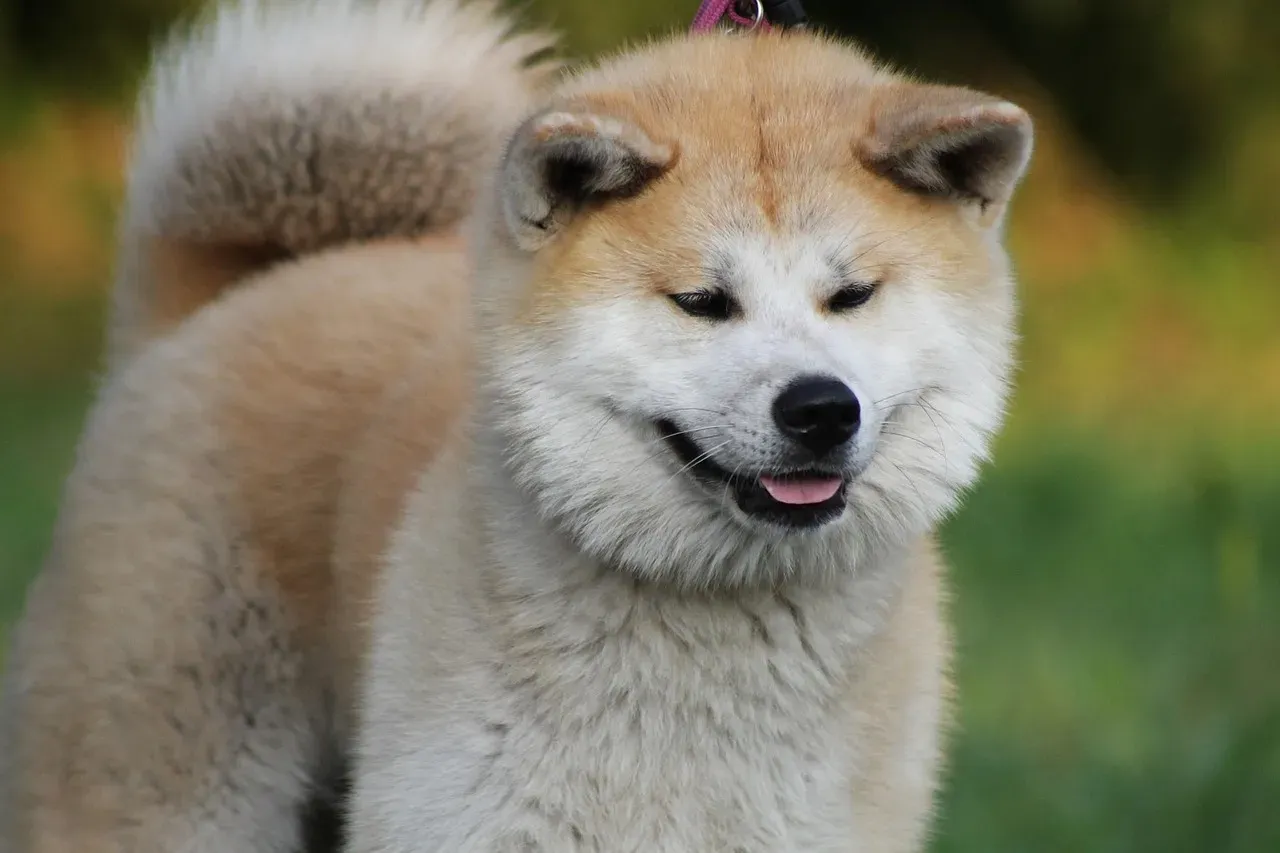
Here’s the thing about Akitas. They don’t just love their owners. They pledge allegiance to them. The most loyal dog ever to live is possibly Hachiko, an Akita who went to the Shibuya train station in Tokyo each day to meet his owner, Hidesaburo Ueno, when he returned from work. After Ueno’s death in 1925, loyal Hachiko continued to wait every day at the train station for his owner to return, until his own death nearly 10 years later. Today, dog lovers enjoy seeing the bronze statue of Hachiko at the train station.
Known for their “dignity, courage, and loyalty” according to the AKC, Akitas are famous as “family protectors” in their original birthplace of Japan. They are affectionate and loving towards their family members, but they can be a little wary of strangers. I think that’s actually what makes them so fascinating. Their loyalty isn’t scattered. It’s precise, intentional, and almost sacred.
Since Akitas can be independent with a “mind of their own,” they thrive with early socialization and consistent, positive training. This deep loyalty can make them “one-person” dogs, but socialization can help them get more comfortable around other people and pets. In Japan, the Akita is not just a pet. It’s a national symbol. That kind of cultural reverence doesn’t come from nowhere.
The Labrador Retriever: Science’s Favorite Loyal Dog
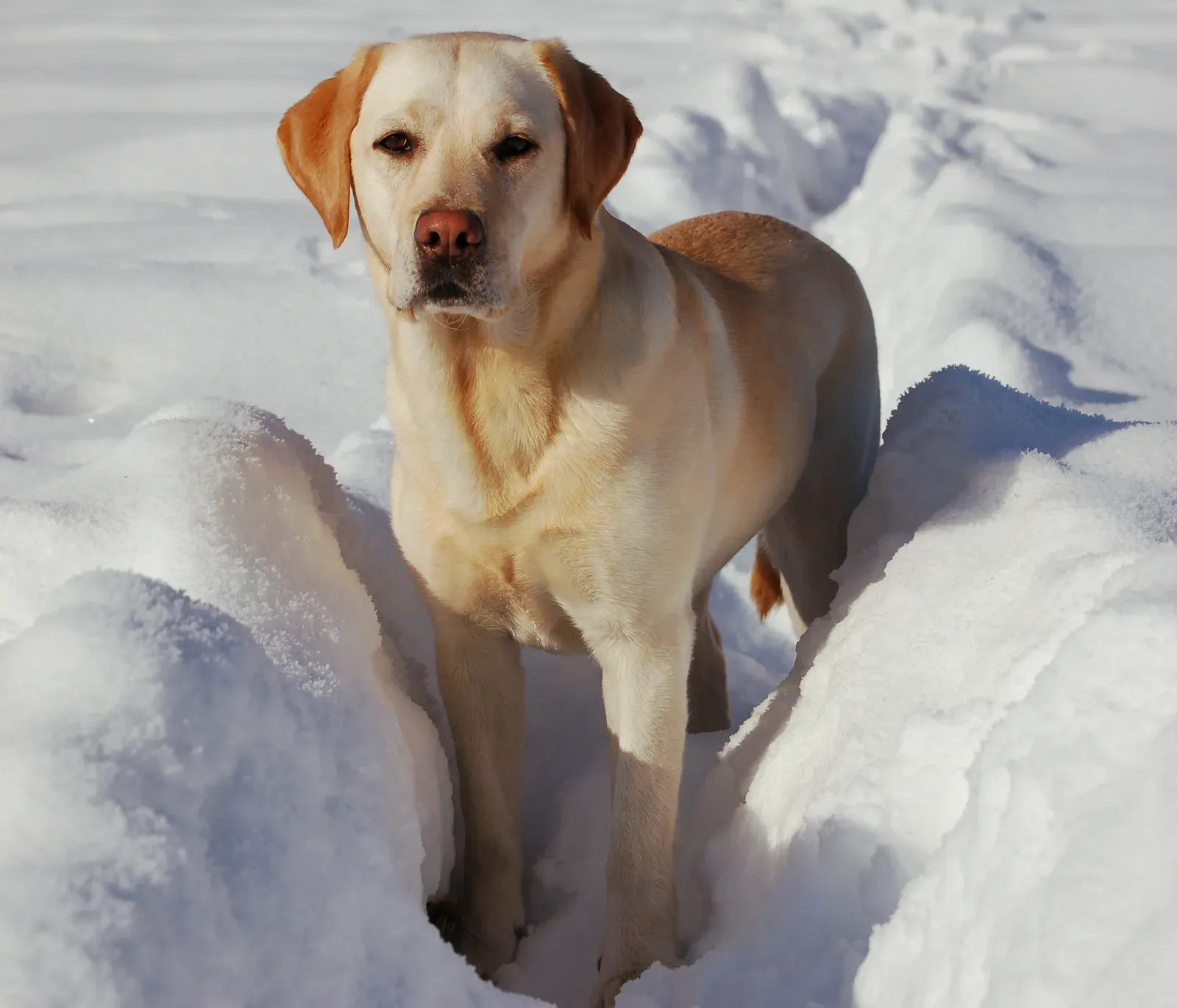
If any breed has scientific backing stacked up like a thick research file, it’s the Labrador Retriever. If there’s a single breed that is the living, breathing embodiment of love and loyalty, it is the Labrador Retriever. No wonder they have been the most popular dog breed in America for 31 straight years. Ask any breeder, and they will tell you that Labradors are loyal to their bones.
Their loyalty is expressed through a relentless desire to please, making them the most successful service dogs in history for the visually impaired and those with mobility challenges. Unlike more stoic breeds, the Labrador’s devotion is loud, wiggly, and filled with “retriever energy” that turns a simple walk into a joyous expedition.
Data from PetMD suggests that Labradors possess a unique social intelligence that allows them to mirror their owner’s emotions, providing comfort during times of stress. This “emotional mirroring” is a key reason why they remain the top choice for therapy work in schools and hospitals across the country. Emotional mirroring. Scientists actually gave a name to what Lab owners already knew. That’s when you realize the science is catching up to something remarkable.
Labrador Retrievers are loyal and affectionate family dogs who have friendly and easygoing natures. They have a strong desire to please and a deep devotion to humans that makes them good therapy and service dogs. Few breeds can claim that combination of gentleness and driven devotion so consistently across generations.
The Golden Retriever: Biologically Programmed to Love You
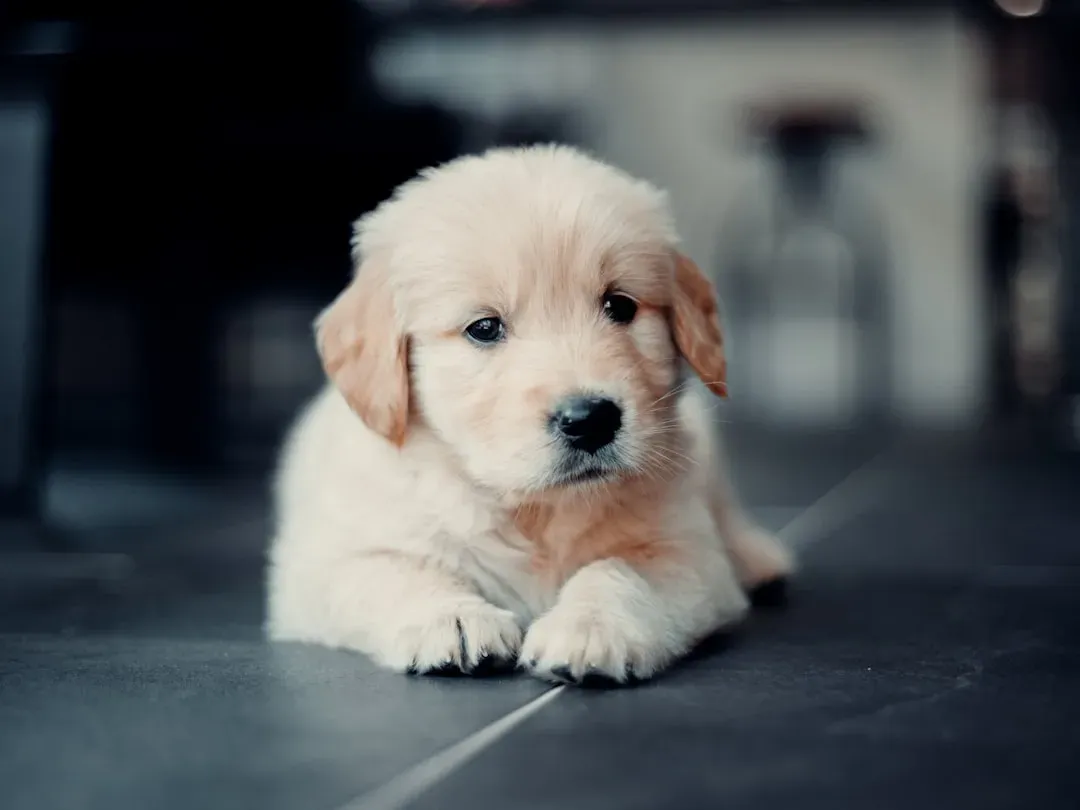
I know it sounds almost too perfect, but Golden Retrievers may actually be scientifically designed to be your best friend. Golden Retrievers are the gold standard for gentle loyalty, often ranking as the most “trustworthy” breed in consumer surveys focused on families with young children. Recent genetic research published in Canine Genetics and Epidemiology indicates that Goldens have a specific hereditary predisposition toward “prosocial behavior,” which is a fancy way of saying they are biologically programmed to be your best friend.
A genome-wide analysis linked specific genetic regions to behavioral traits such as trainability, activity level and fearfulness in golden retrievers. These same regions have also been associated with emotional and cognitive traits in humans in past research. That’s extraordinary. The same genetic markers tied to emotional intelligence in humans appear in this breed. Let that sink in for a moment.
Golden Retrievers are inherently eager to please their owners, which is a testament to their loyalty. They constantly seek approval and are motivated by making their owners happy. This eagerness to please not only strengthens the bond between the Golden Retriever and their owner but also drives their loyalty and unwavering devotion. The Golden Retriever combines intelligence with emotional empathy, making it exceptionally sensitive to human signals. According to Psychology Today and the Kennel Club UK, this breed develops very stable bonds and reacts with affection to the sadness or stress of its owners.
The Rottweiler: The Misunderstood Gentle Loyalist
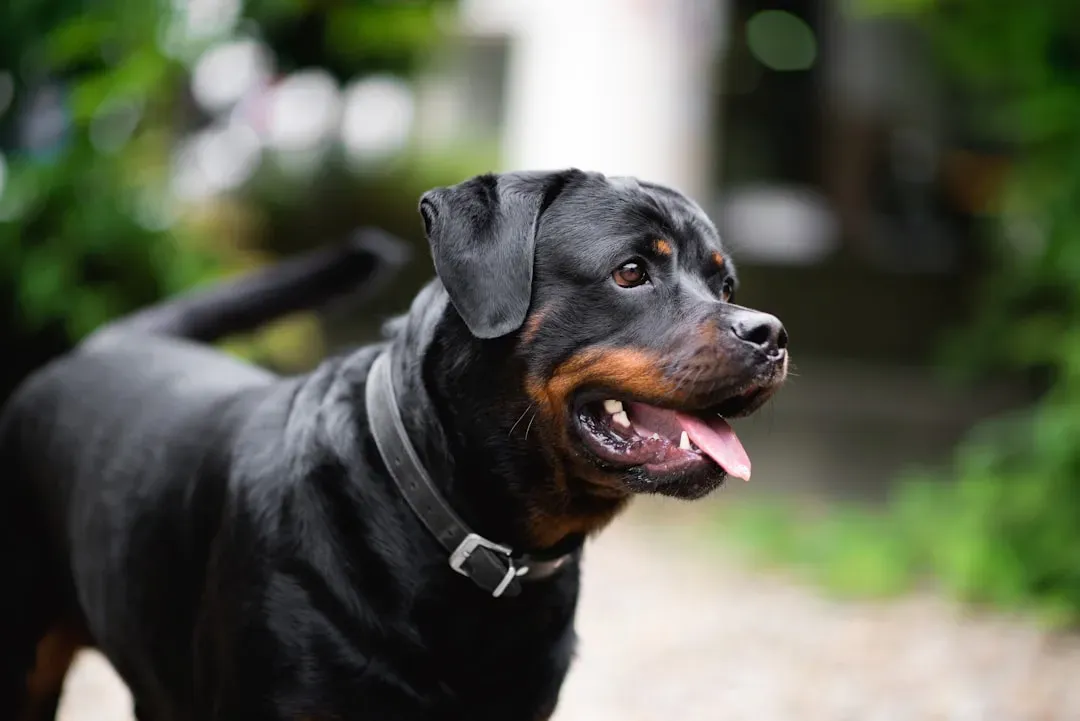
Let’s be real. Rottweilers get a bad reputation they simply don’t deserve. A breed that is sometimes misunderstood, a Rottweiler that is properly trained and looked after will shake off its guard dog reputation by jumping on every opportunity to snuggle on the lap of loved ones. Under all that muscle is a real softie just begging for some love and affection.
Rottweilers were drovers in ancient times, which meant they protected cattle and other livestock. Like Boxers, “Rotties” are short-haired dogs with a stocky build, and if you’ve ever spent time with one, you know that they’re generally big softies. The American Rottweiler Club says Rottweilers need a firm hand in training but can make terrific loyal family pets in the right hands.
Dogs that form the strongest bonds with their owners are usually of the Rottweiler breed. Although they have an unfairly poor reputation, being huge dogs and all, you’d be hard-pressed to find a breed as loyal and dedicated as this one. Experts from ElleVet Sciences pointed out that Rottweilers are protective, gentle, brave, confident, and loving. Think of them like that quiet, intimidating friend who would absolutely move mountains for the people they care about. Their loyalty runs bone-deep.
The Collie: Loyalty Through Cooperation and Communication
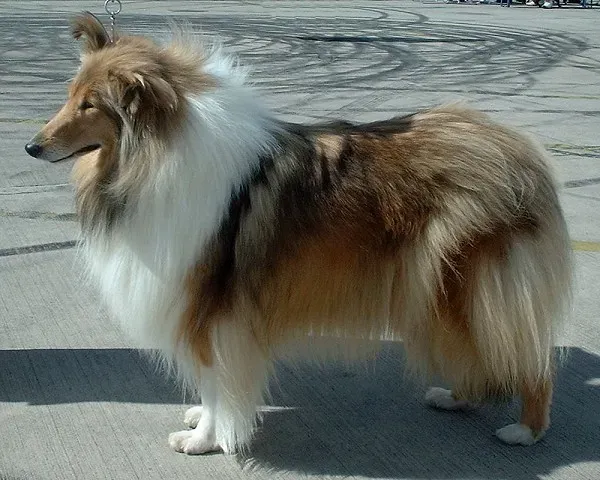
There is a reason Lassie became a cultural icon for over half a century. Collies, especially Rough Collies, are famous for their loyalty, as illustrated by the fictional dog Lassie. This breed tends to be loyal to the entire family rather than just one person, and they form strong bonds with their people. Their herding instincts make them naturally protective.
Bred for herding, the Border Collie establishes relationships based on cooperation and constant communication. Their attachment is expressed through continuous attention and the need to maintain eye contact with their caregiver. Studies from ScienceDirect and the AKC confirm its strong orientation towards working together with humans. Eye contact as a form of attachment, backed by actual studies. That’s not just cute. That’s neuroscience.
Immortalized by Lassie, the Rough Collie remains the epitome of the “hero dog” in the American consciousness. These dogs possess an uncanny ability to sense when something is wrong, a trait that has been documented in numerous real-life rescue stories involving their owners. They are exceptionally sensitive to the emotional atmosphere of a household, often acting as a “peacekeeper” during family disputes or moments of tension. A peacekeeper. A hero dog. An emotional empath. Honestly, I think Collies are underrated.
The Doberman Pinscher: Loyal by Design, Proven by Science
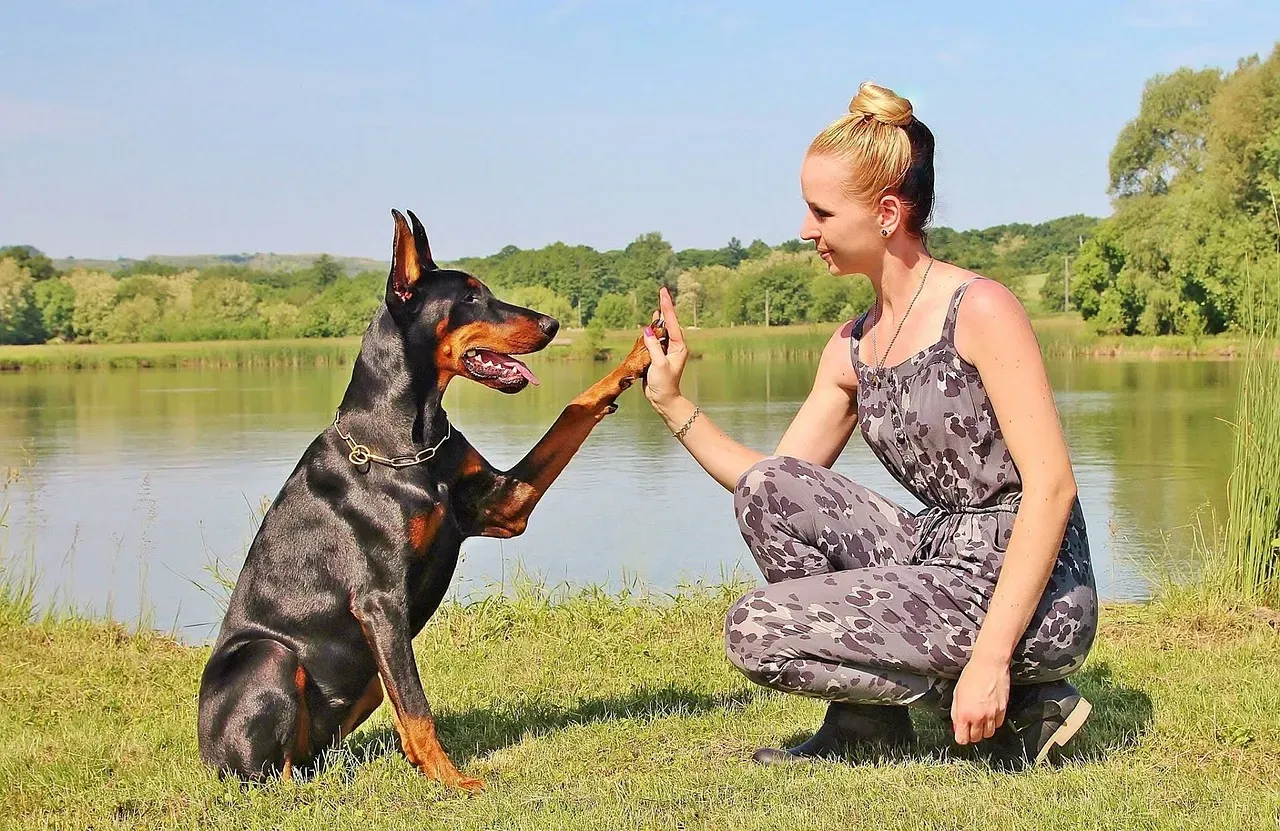
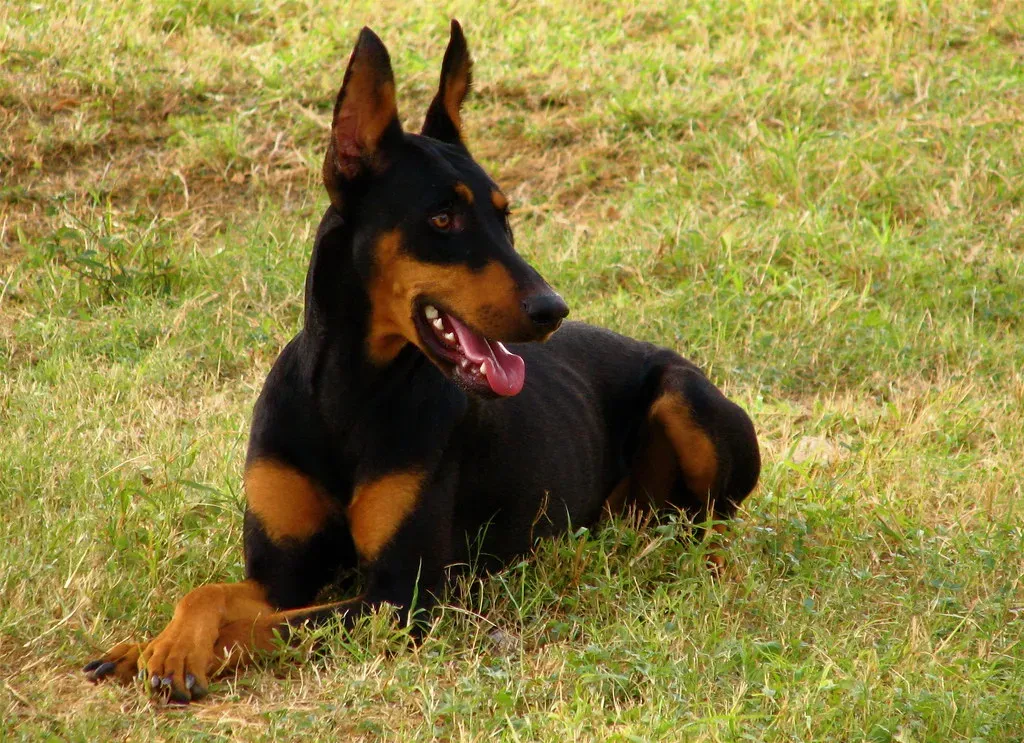
The Doberman was literally engineered for loyalty. The Doberman Pinscher was created by German tax collector Louis Dobermann. He wanted an intimidating dog that was fiercely protective and loyal, leading to the Dobie’s extensive use as a guard dog. That origin story alone is remarkable. A man essentially built his ideal loyal protector from scratch.
A study in the Journal of Applied Animal Behavior Science showed that Dobies are less aggressive to their owners than “mellow” breeds like the Cocker Spaniel but rank higher in stranger-directed aggression. In other words, the science confirms what Doberman owners have always known. These dogs reserve their warmth almost entirely for the people they love. Dobies are not as large as many other breeds, but they do use every kilo to protect their owner. Since their development by a tax collector in Germany, Dobies have been one of the most loyal breeds.
Long used for police work, military work, and other types of service work, the German Shepherd has a reputation for courage, intelligence, obedience, and loyalty. Part of these dogs’ success in their roles is their fierce loyalty to their handlers and partners. The Doberman operates on a similar wavelength. Once this dog decides you’re its person, you become its entire world. It’s hard to say for sure which breed is the most intensely loyal, but the Doberman certainly makes the strongest scientific case for loyalty as a design feature rather than just a personality trait.
Conclusion: Loyalty Is in Their DNA
What makes all of this so compelling is not just the stories. It’s the science beneath them. One key factor in canine loyalty is the role of hormones, specifically oxytocin, commonly called the “love hormone.” Studies have shown that oxytocin levels increase in both species when dogs and humans interact, strengthening their bond. In addition to oxytocin, other hormones like endorphins, dopamine, and serotonin rise during positive interactions between dogs and humans. You’re not imagining the connection you feel with your dog. Biology is literally confirming it in real time.
A study at Emory University found that dogs do feel affection for specific people. During the study, dogs were given brain scans as they smelled pieces of fabric, some containing their owner’s scent. Not only could the dogs identify the scent of their owners from others, they had a positive association with it, possibly signifying a genetic disposition to feel affection for their owners.
Seven breeds, decades of research, and one unavoidable conclusion. These animals don’t just tolerate us. They choose us, over and over again, every single day. Studies examining the dog-human relationship have found that over such a long time of living so closely with people, dogs have developed the ability to empathize with human beings, read our body language and facial expressions, and develop their own ways of communicating with us. The question isn’t whether their loyalty is real. The question is whether we truly deserve it. What do you think? Tell us your experience with a loyal dog in the comments.

- 14 Signs a Dog Near the Rainbow Bridge Is at Peace With Its Person - July 21, 2026
- 15 Ways a Shelter Animal Tells You It Was Always Meant to Be Yours - July 21, 2026
- 14 Ways a Dog Shows You Are the Center of Its Whole World - July 21, 2026