
Worried about unexpected vet bills?
Pet insurance can cover thousands in unexpected vet costs. Get a free quote from Lemonade in under 2 minutes.
Get My Free Quote →Sponsored · Opens Lemonade.com
For centuries, the Pueblo people have maintained one of the most remarkable continuous cultures in North America. Honestly, I find their resilience absolutely fascinating. Pueblo Native Americans represent one of the most enduring cultures in the United States, with roots tracing back over a thousand years. Today, these vibrant communities continue practicing traditions that connect them deeply to their ancestors and the land itself.
What makes these traditions so captivating isn’t just their age, but their living, breathing presence in modern life. Pueblo nations have maintained much of their traditional cultures, which center around agricultural practices, a tight-knit community revolving around family clans, and respect for tradition. Pueblo people have been remarkably adept at preserving their culture and core religious beliefs, including developing syncretic Pueblo Christianity. Each ceremony, craft technique, and cultural practice carries forward the wisdom of thousands of years while adapting to contemporary challenges.
Sacred Kiva Ceremonies That Connect Earth and Sky
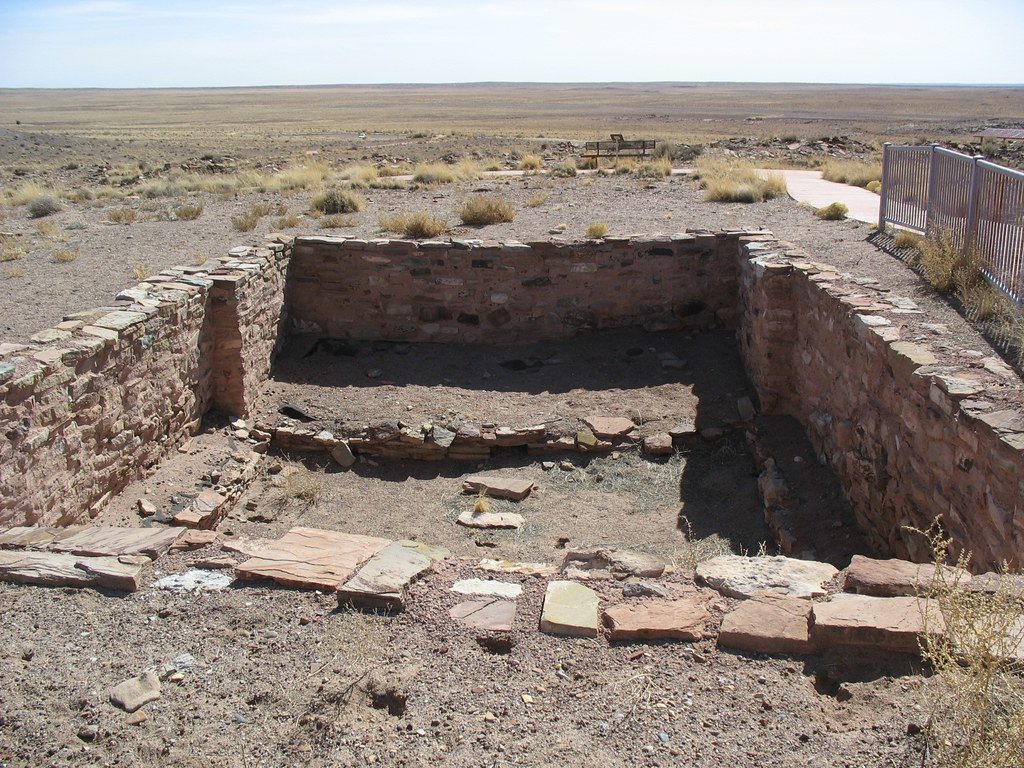
Picture walking into a circular, underground chamber where generations have gathered for sacred rituals. Religious councils, which used kivas – subterranean chambers of worship – for spiritual ceremonies and religious rituals, governed the Pueblo villages. These sacred spaces represent some of the most profound spiritual traditions you’ll encounter anywhere in the world.
Private sacred ceremonies are conducted inside the kivas and only tribal members may participate according to specific rules pertaining to each Pueblo’s religion. The power of these ceremonies lies in their ability to maintain balance between the physical and spiritual worlds. Through prayer, song, and ritual, participants ensure the continuation of life cycles and honor their relationship with the Creator.
Kachina Spirits Dancing Between Two Worlds
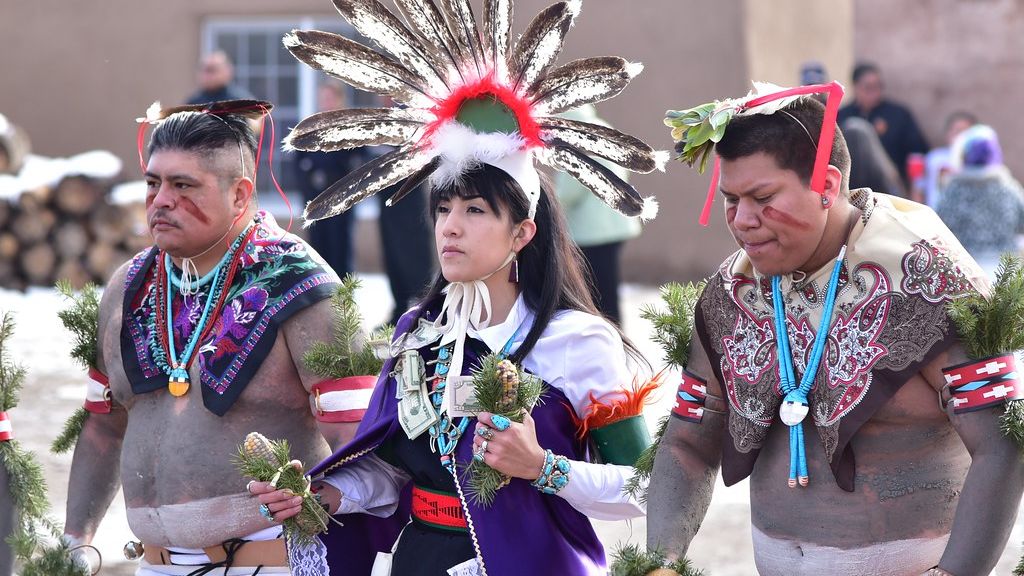
Pueblo peoples have long believed in Katsina spirits. Katsinas are supernatural beings who are representatives of Pueblo ancestors. They live for half the year in the underworld with the gods and spend the rest of the year with their descendants on earth. This spiritual system forms the backbone of many Pueblo religious practices.
Kachina, or Katsina, are masked supernatural beings that connect the world of humans and gods. They are said to live in the lakes, mountains, and other natural features surrounding Pueblo villages in order to watch over the people. When dancers wear the sacred masks during ceremonies, they don’t simply represent these spirits. They become living vessels through which the kachinas can interact with their human descendants, bringing blessings of rain, fertility, and harmony to the community.
Ancient Pottery Methods That Refuse to Change
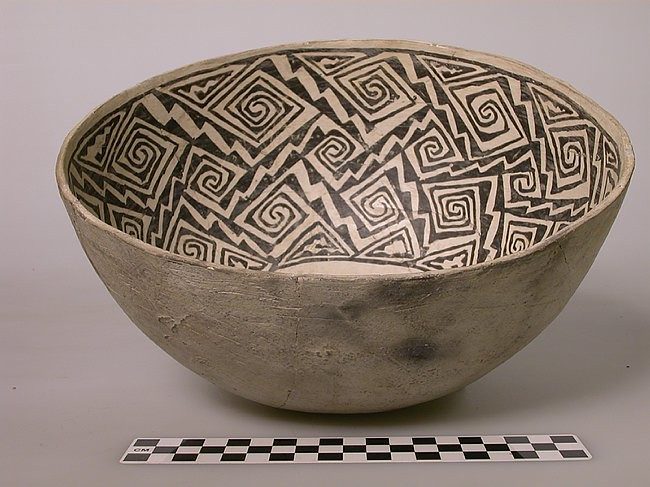
Imagine creating art with the same techniques your ancestors used over a thousand years ago. Iconic to the Native American arts, Pueblo pottery is “still produced today in a manner almost identical to the method developed during the Classic Pueblo period about AD 1100–1300.” This isn’t just about preserving tradition for tradition’s sake. These methods produce pottery of extraordinary beauty and spiritual significance.
The pottery is most often hand formed by the coil method from locally dug clay, painted with local clay and mineral paint and fired without a kiln using cow or sheep manure. Informed by their understanding of and deep respect for the natural environment, the potter creates each piece with great reverence for the clay, water, and other materials to be used. Prayer, song, serene thought, and the physical preparations are essential to the process of creating pottery – from the gathering of the raw clay to the final firing. Each vessel carries the maker’s spirit and connects the present to countless generations of skilled artisans.
Matrilineal Clan Systems That Honor the Mother Line
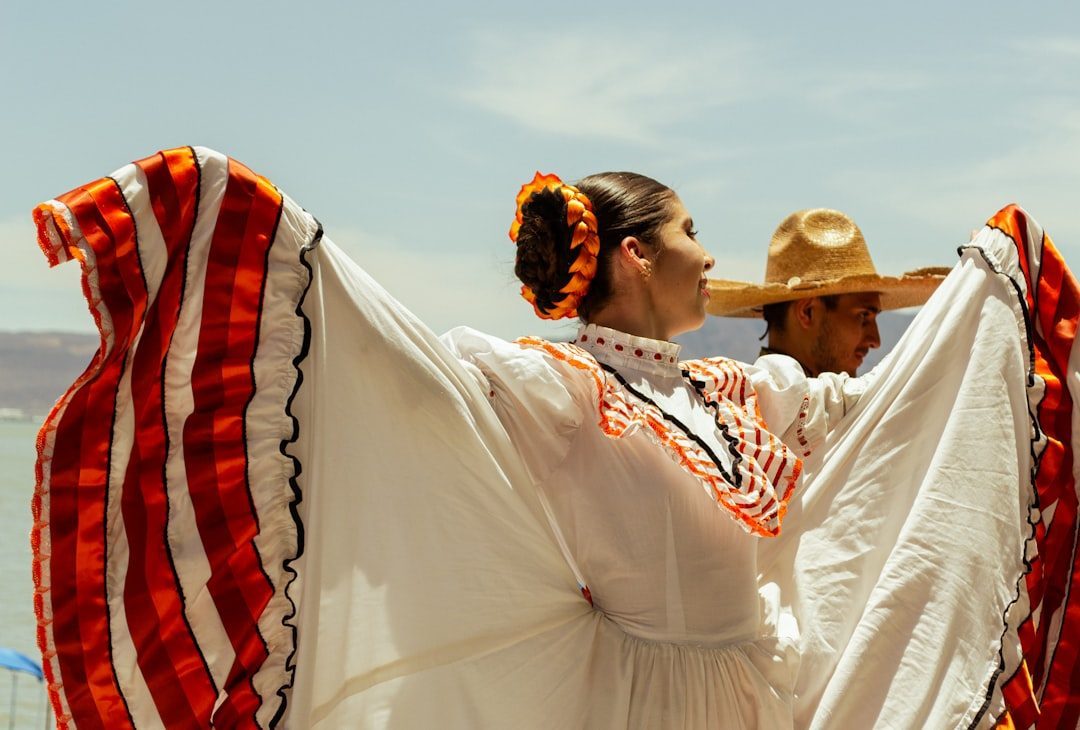
In most of the world, family names and inheritance pass through fathers. Yet among many Pueblo groups, something beautifully different happens. The Hopi, Zuni, Keres and Jemez each have matrilineal kinship systems: children are considered born into their mother’s clan and must marry a spouse outside it, an exogamous practice. This system creates incredibly strong family bonds and ensures cultural knowledge passes through female lineages.
We each are born into our mother’s clan. Clans are passed from grandmother to mother, to daughter, to granddaughter. They provide us a way to trace our family connections, inheritance rights, and identity gifted to us by our ancestors. In our way of life, women hold the characteristics of the Earth from which we rely. Women nurture life, and are creators of bodies and homes. Calling the Earth our mother, we show great respect not only for the Earth but also for the women who represent her. This system isn’t just about family structure. It’s a profound acknowledgment of women’s power as life-givers and culture-keepers.
Seasonal Ceremonies That Follow Ancient Rhythms
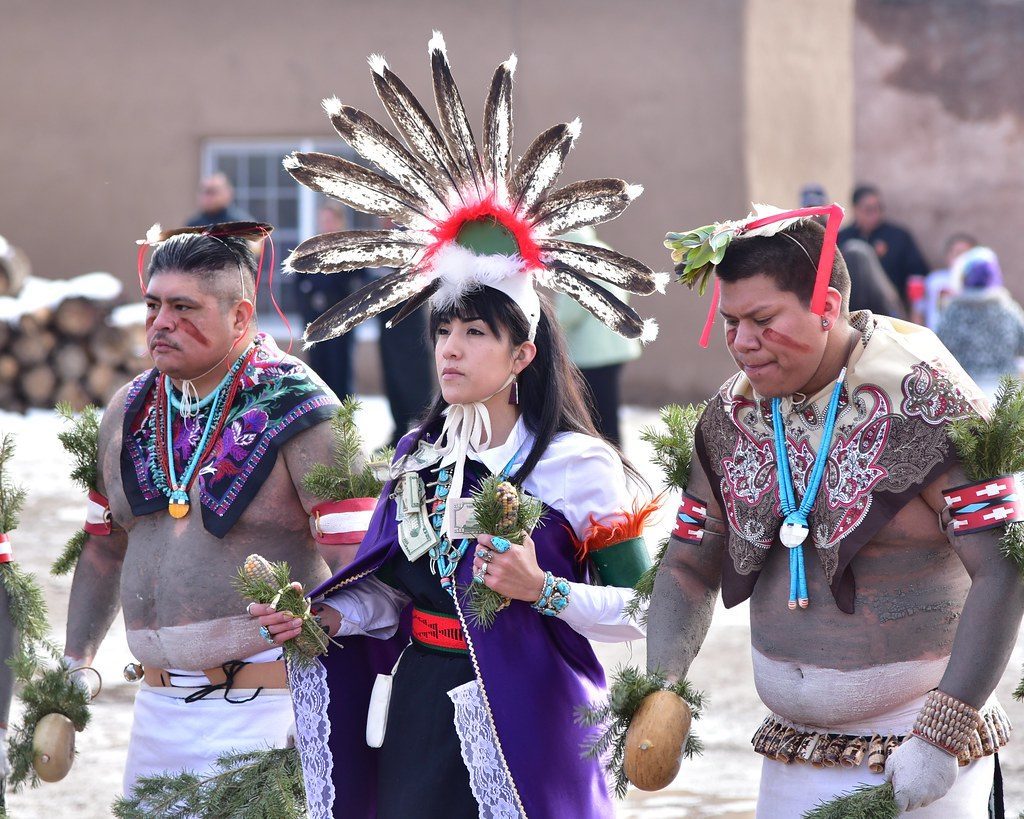
Since time immemorial, Pueblo communities have celebrated seasonal cycles through prayer, song, and dance. These dances connect us to our ancestors, community, and traditions while honoring gifts from our Creator. They ensure that life continues and that connections to the past and future are reinforced. These aren’t performances for entertainment. They’re sacred obligations that maintain the world’s balance.
Each season brings specific ceremonies that acknowledge the natural world’s changing needs. The Winter Solstice Ceremony is marked by rituals that honor the cycles of nature and the changes that come with the seasons. Participants gather in a sacred space, often adorned with symbols of light and warmth, to engage in prayers, songs, and dances that celebrate the sun’s return. Through these ceremonial cycles, communities remain connected to the rhythms that have sustained life for millennia.
Oral Traditions That Keep Ancient Wisdom Alive
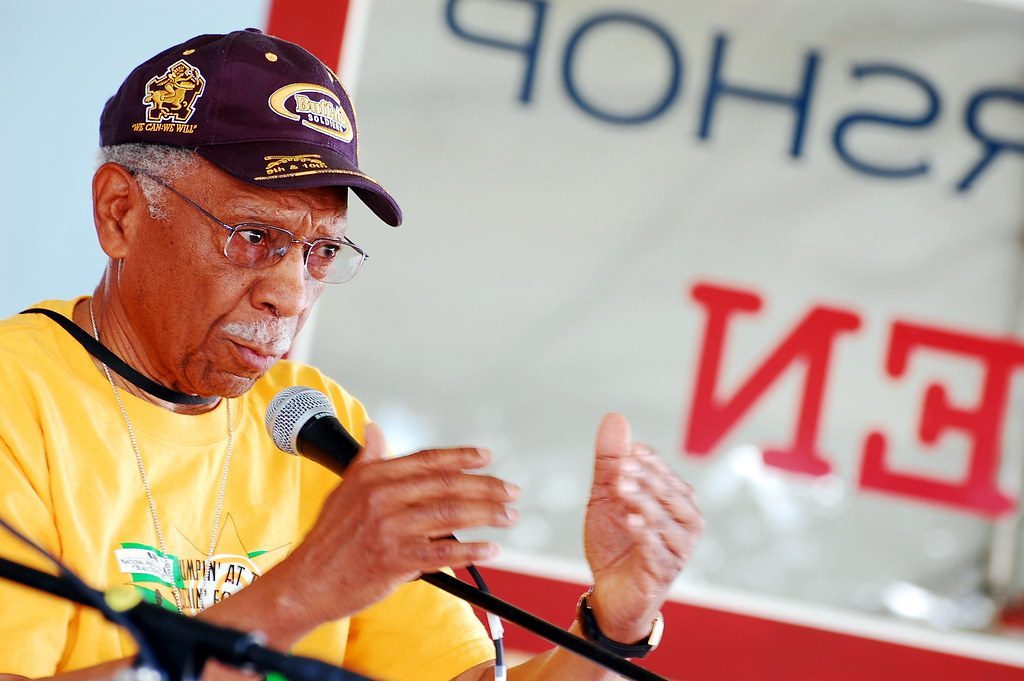
Before books, before writing, there were storytellers. A vast collection of religious stories explore the relationships among people and nature, including plants and animals. Spider Grandmother and kachina spirits figure prominently in some myths. These stories aren’t just entertainment passed down through generations. They’re sophisticated educational systems that teach ethics, history, and spiritual truth.
Moreover, Pueblo ceremonies play a crucial role in the transmission of knowledge and cultural practices from one generation to the next. Elders often lead these ceremonies, imparting wisdom, teachings, and traditions to younger generations. This oral transmission of culture helps to instill a sense of identity and belonging among Pueblo people, reinforcing their connection to their ancestors and the land. Through carefully memorized stories, songs, and prayers, each generation receives the accumulated wisdom of all who came before. The responsibility to preserve and pass forward this knowledge rests on everyone’s shoulders.
Agricultural Practices Rooted in Sacred Relationship
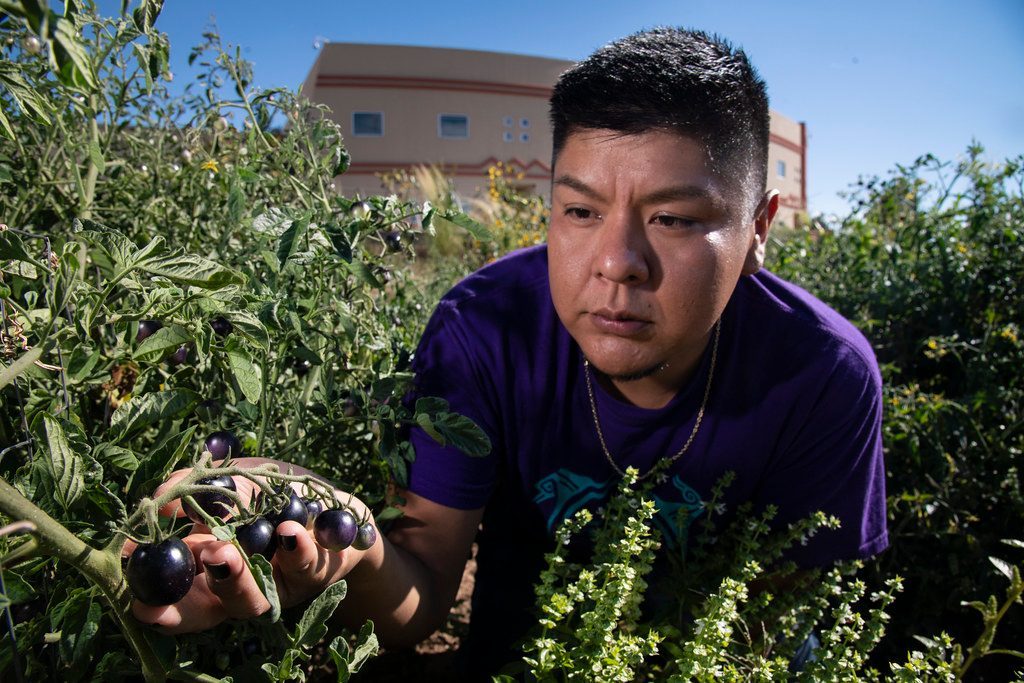
Farming might seem like a purely practical activity, though for Pueblo communities it represents something far more profound. The Pueblo American Indians expanded into an agricultural society – growing maize, pumpkins, seeds, tobacco, corn, beans, and squash while designing complex water irrigation systems. These aren’t just crops. They’re sacred partners in a relationship that has sustained life for thousands of years.
Corn is not just a staple food but a symbol of life, reflecting the deep respect for women’s work in nurturing both the land and families. Women play a crucial role in agricultural work in many Pueblo communities, underscoring their key role in sustaining traditional practices while promoting community well-being. Every planting season, every harvest, every meal connects the community to their ancestors and their responsibility as caretakers of the earth. The ceremonies surrounding agriculture ensure that farming remains a spiritual practice rather than mere subsistence.
Conclusion
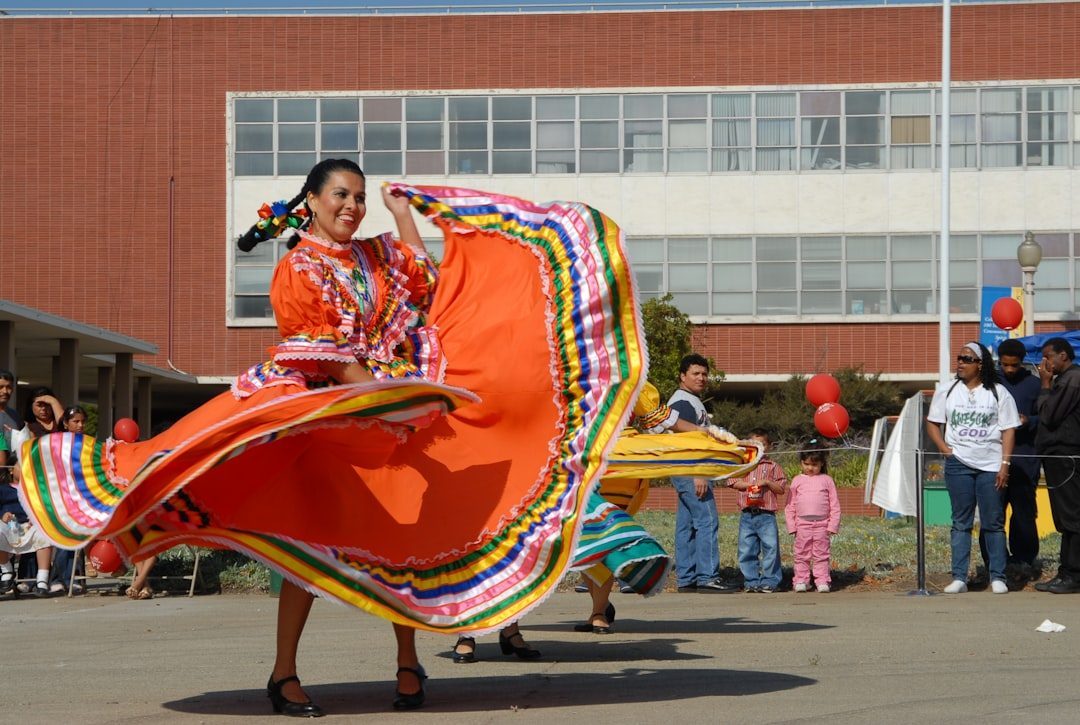
These seven traditions reveal something extraordinary about human resilience and cultural continuity. Despite centuries of pressure to abandon their ways, Pueblo communities have maintained practices that connect them to thousands of years of ancestral wisdom. Their commitment to these traditions offers valuable lessons about living in harmony with nature, honoring family relationships, and maintaining spiritual balance in an increasingly complex world.
What strikes me most about these enduring traditions is how they demonstrate that true strength comes not from resisting change, but from knowing which elements of your identity are too precious to lose. What do you think about the way these communities have balanced preservation with adaptation? Share your thoughts in the comments.
Worried about unexpected vet bills?
Pet insurance can cover thousands in unexpected vet costs. Get a free quote from Lemonade in under 2 minutes.
Get My Free Quote →Sponsored · Opens Lemonade.com

- The US States With the Most Elk - June 6, 2026
- 7 Things in Your Bedroom That Bed Bugs Love - June 6, 2026
- 7 Incredible Ways Animals Adapt to Extreme Desert Environments - June 6, 2026