
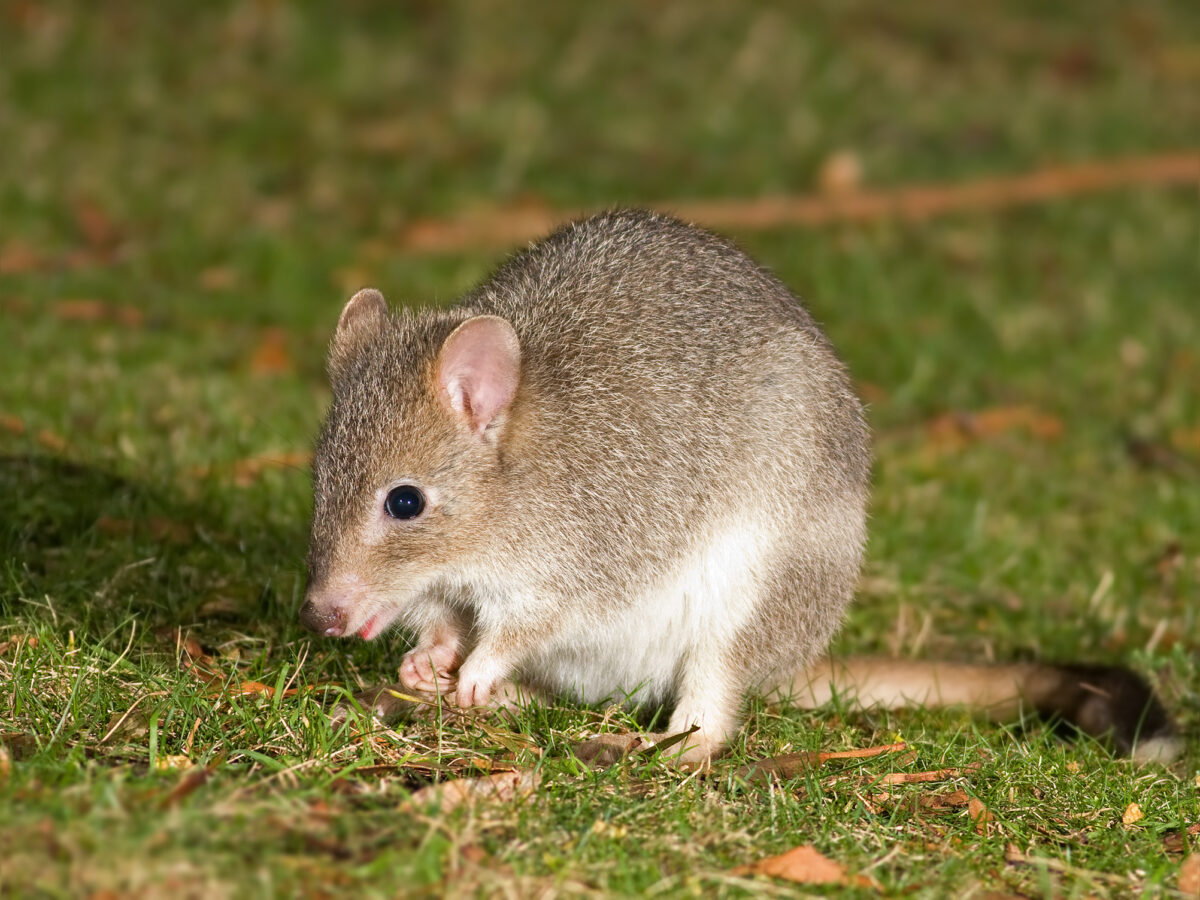
Picture a creature no bigger than a rabbit, hopping through the night under the Australian moonlight. It’s hardly what you’d expect when thinking about an animal with jaw power that could rival much larger predators. Yet the bettong, a small marsupial that most people have never even heard of, possesses abilities that seem almost impossible for its size. These rabbit-sized diggers have been quietly shaping their ecosystems for thousands of years, cracking open food sources that would shatter the jaws of animals three times their size.
What makes these tiny powerhouses so special? How does evolution craft such remarkable abilities in such an unassuming package? Let’s explore the hidden world of the bettong, where size means nothing and clever adaptations mean everything.
They Generate Bone-Crushing Bite Force From A Pocket-Sized Body
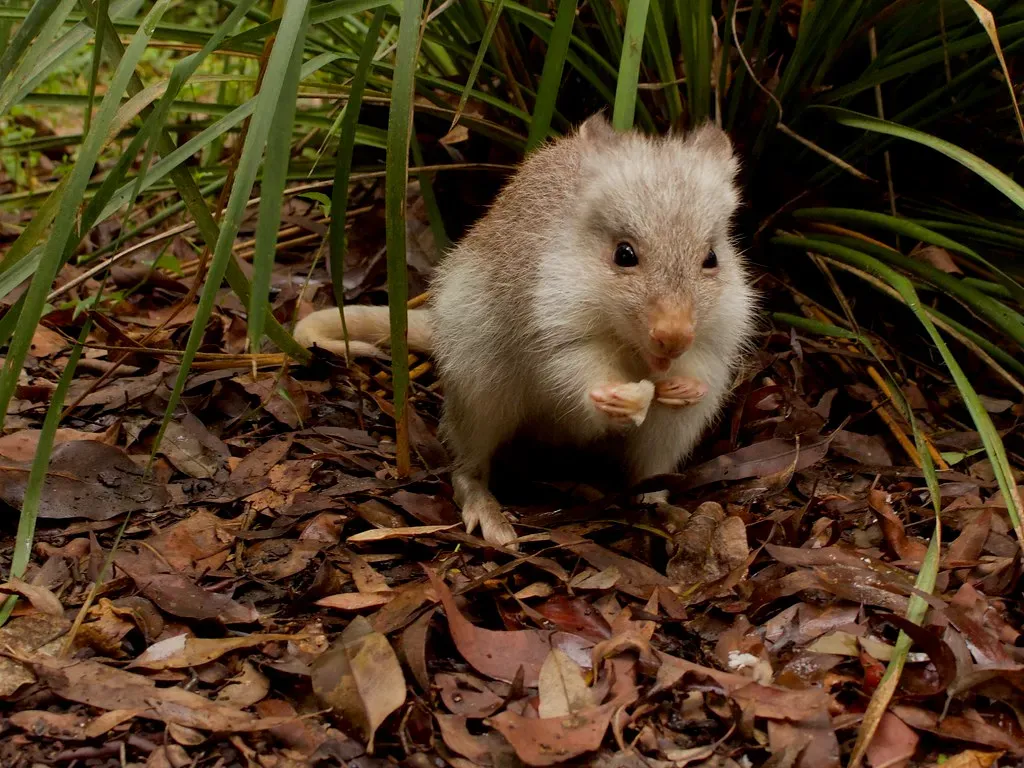
These rock-hard seeds require over 220 pounds of force to break – an astonishing achievement for an animal that weighs less than 6 pounds! Think about that for a moment. You’re looking at a creature roughly the size of a small housecat generating the kind of pressure that would make your hand recoil in pain. A bettong is roughly the size of a rabbit – 11.5 to 15 inches long – with a tail around the same length. The smallest species, the northern bettong, weighs around 2.5 pounds. The largest, the rufous bettong, weighs just over 6 pounds.
Recently, scientists discovered that two bettong species (the burrowing bettong and the brush-tailed bettong) can crack open the extremely hard seeds of Santalum plants, such as quandongs. It’s hard to say for sure, but evolution seems to have taken two completely different routes to solve the same problem. Some animals get bigger to tackle tough food sources. The bettong stayed small and got smarter instead.
Two Species Evolved Completely Different Skull Designs For The Same Task
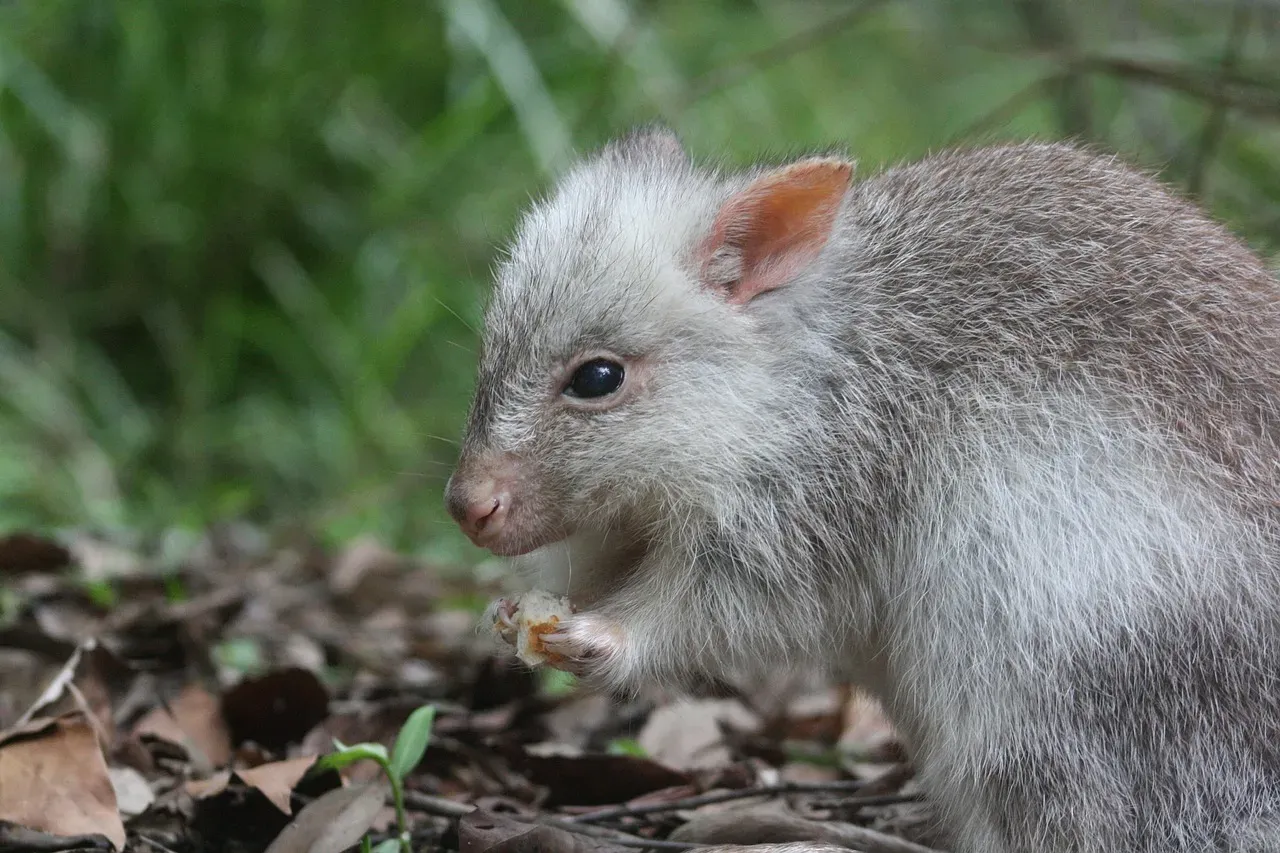
Here’s where things get truly fascinating. What’s intriguing is that these two bettong species evolved completely different skull features to crack open the hard seeds. The burrowing bettong achieves maximum power by having a shorter snout. This adaptation acts like a short, strong lever, giving the animal a significant mechanical advantage and an incredibly powerful bite. It’s the biological equivalent of using a shorter wrench for more torque.
The brush-tailed bettong, in contrast, took an entirely different route. It retains its longer face (which is usually less powerful) because its long snout houses a large sensory system required to smell truffles underground. Instead of shortening its face, this species reinforced the part of its skull where the biting happens. Nature found not one but two solutions to the same engineering problem, which honestly makes you wonder what else these little creatures are capable of.
Their Diet Consists Mostly Of Underground Fungi That Trees Depend On
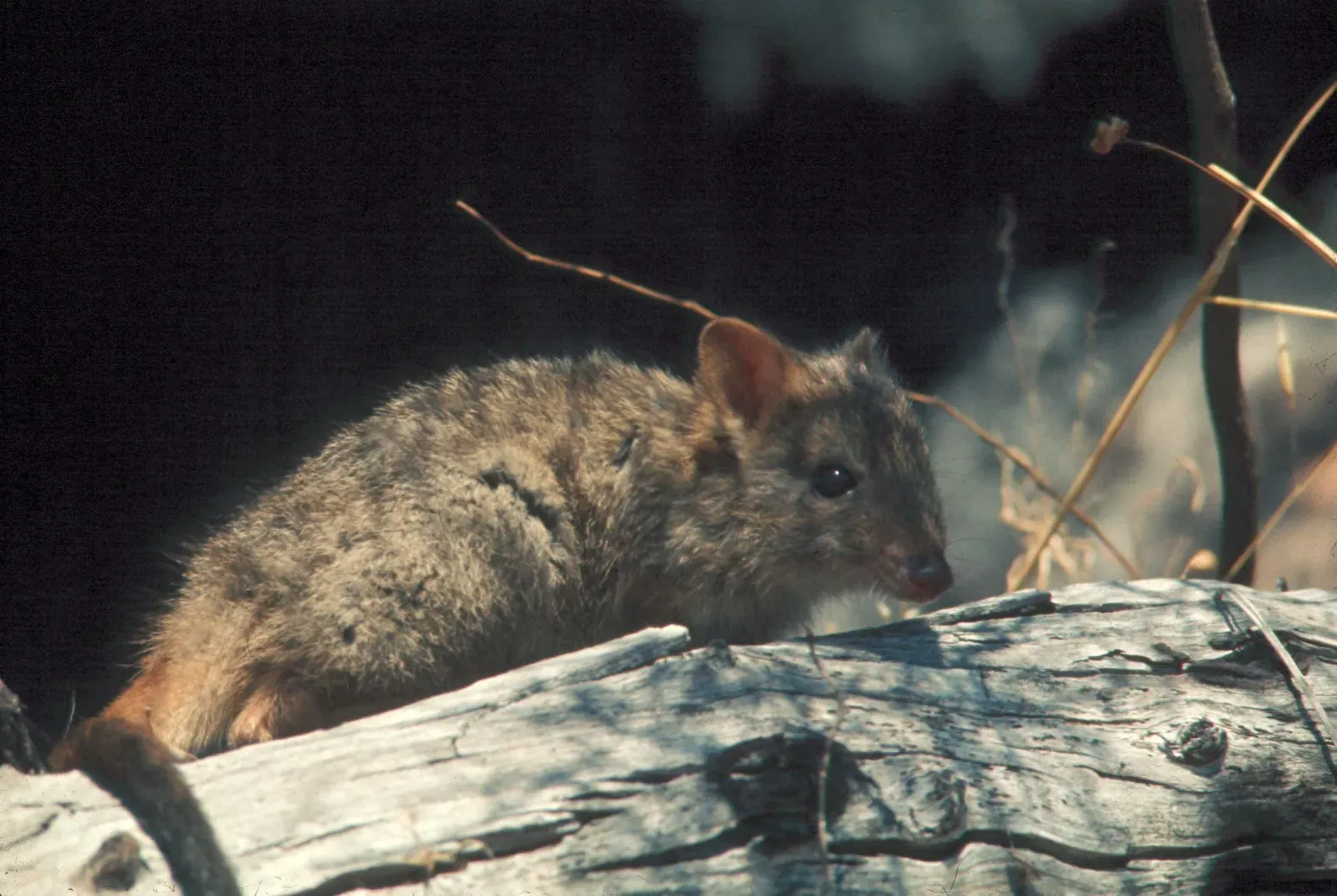
Bettongs are the fungi connoisseurs of the macropod family, with fungi making up 40 to 90 percent of their diet. They’re not just eating random mushrooms either. B.tropica has a diet made of up more than fifty-percent below-ground fungi (truffles) which are mostly ectomycorrhizal fungi. Ectomycorrhizal fungi associate in symbiosis with native trees such as Eucalyptus and sheoaks Allocasuarin spp. This creates an intricate three-way relationship between the bettongs, the fungi, and the trees themselves.
The trees rely on the truffles to fix and make nutrients available from the very poor soils that they’re growing in. Without the fungi, the trees struggle. Without the bettongs to spread fungal spores through their droppings, the fungi can’t reproduce effectively. But analyses of the scat from northern bettongs (Bettongia tropica) reveal that the marsupials eat truffles from a wider diversity of fungi species than other critters, including some that no other animals appear to favor. Some truffle species literally depend on bettongs alone for survival.
They’re Ecosystem Engineers That Move Tonnes Of Soil Every Year
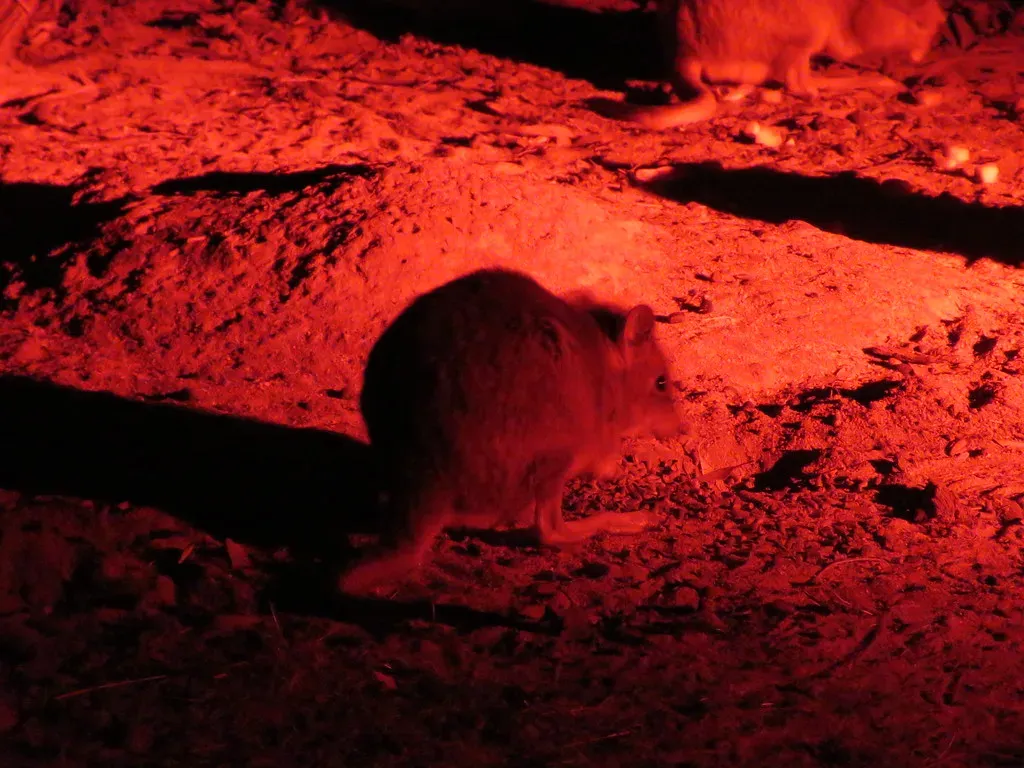
Let’s be real, when you think of animals that reshape their environment, you probably imagine elephants or beavers. Individual brush-tailed bettongs dig 38 to 115 investigatory holes each night, which equates to each individual moving about 6 tons of soil each year. That’s right, roughly six tonnes from a creature you could hold in both hands. Their constant digging doesn’t just help them find food.
Their digging and foraging behavior turning over soils and leaf litter, which improves soil health, water filtration, seed germination and, ultimately, helps ecosystems thrive. Their digging also helps break down leaf litter, reducing the amount of flammable material in the area and lowering the risk of wildfires. In a country prone to devastating bushfires, this contribution shouldn’t be underestimated. These tiny marsupials are literally making their forests safer and healthier with every dig.
They Use Their Tails Like A Fifth Limb To Carry Nesting Materials
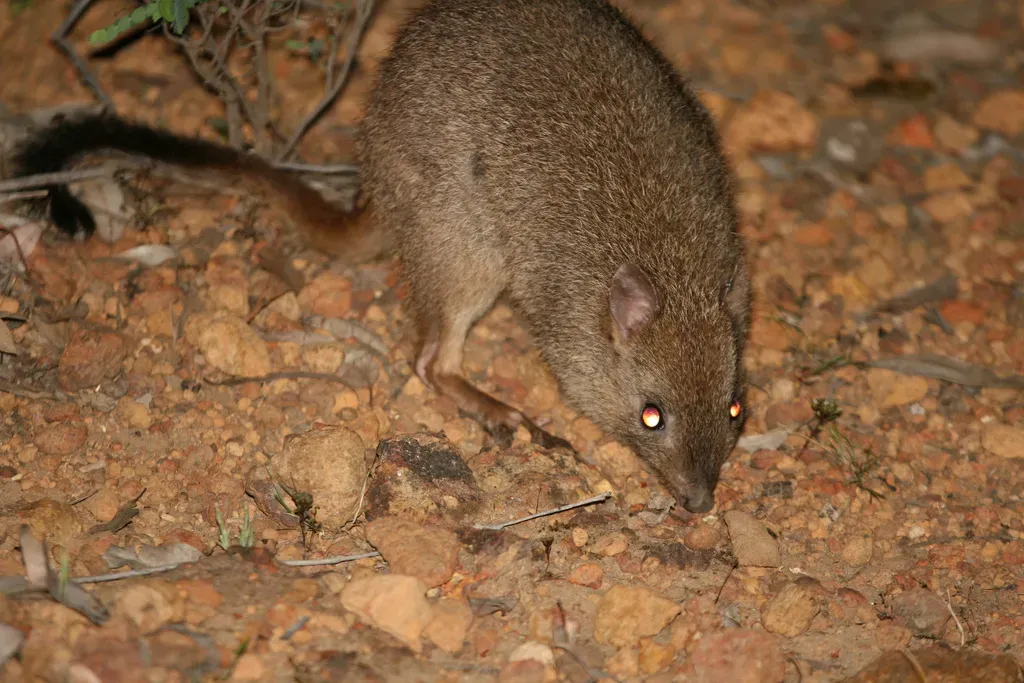
Most animals with tails use them for balance, communication, or maybe swatting flies. Bettongs do something altogether more practical. The last two inches of a bettong’s tail is prehensile, but they don’t use it to hang upside down. Instead, they use it to select and transport nesting materials. Imagine carrying your groceries home with your tail while hopping on two legs. That’s essentially what they’re doing.
Bettongs are active at night and sleep during the day. They build simple nests in shallow, hidden spots on the ground and line them with leaves. They use their prehensile tails to grasp and carry leaves and other materials back to their nests for bedding. It might seem like a small adaptation, but it frees up their front paws for digging while still allowing them to be efficient home builders. Evolution tends to be economical like that.
Most Species Are Critically Endangered Or Already Extinct
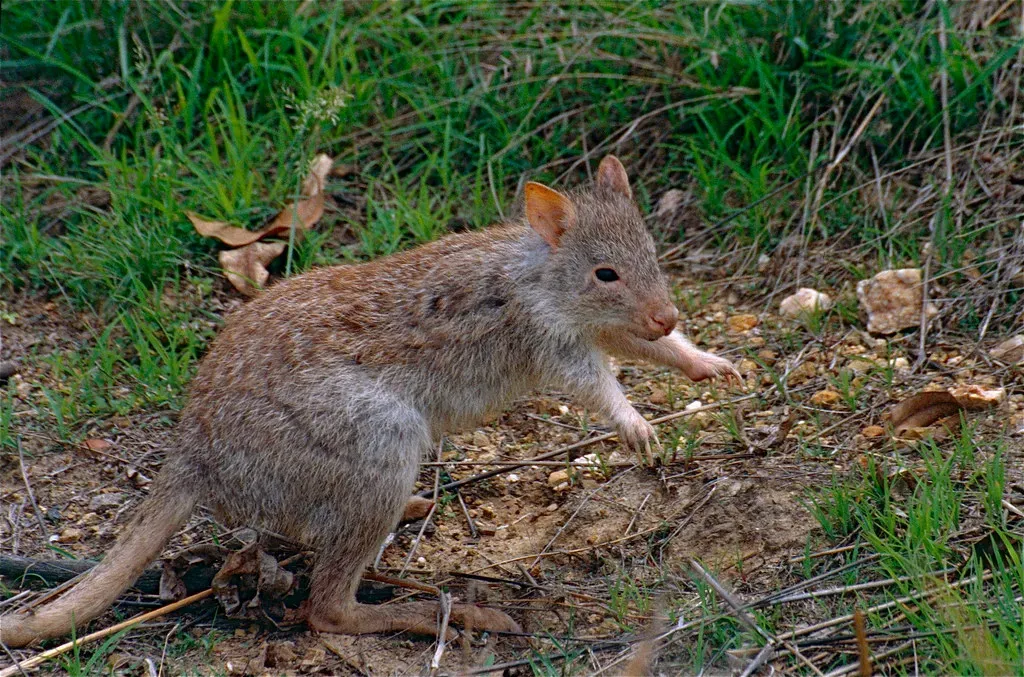
There are five bettong species in Australia: the burrowing (or boodie), northern, eastern (or Tasmanian), brush-tailed (or woylie), and rufous bettongs. Unfortunately, almost all of them have seen a dramatic decrease in their numbers. This decline is caused by non-native predators such as cats and foxes, habitat destruction, and competition from feral animals like rabbits and pigs. The statistics are honestly heartbreaking when you look at them.
The northern bettong is listed as a threatened species. It is estimated that there are only 1000 left in the wild with only two known populations in the Mareeba region of the Atherton Tablelands. Brush-tailed bettongs are critically endangered. We’re talking about animals that once roamed across roughly sixty percent of Australia now confined to tiny pockets of protected land. Their decline represents not just a loss of biodiversity, but a loss of vital ecosystem functions that took millennia to develop.
They Can Travel Over A Kilometre Each Night Just To Find Food
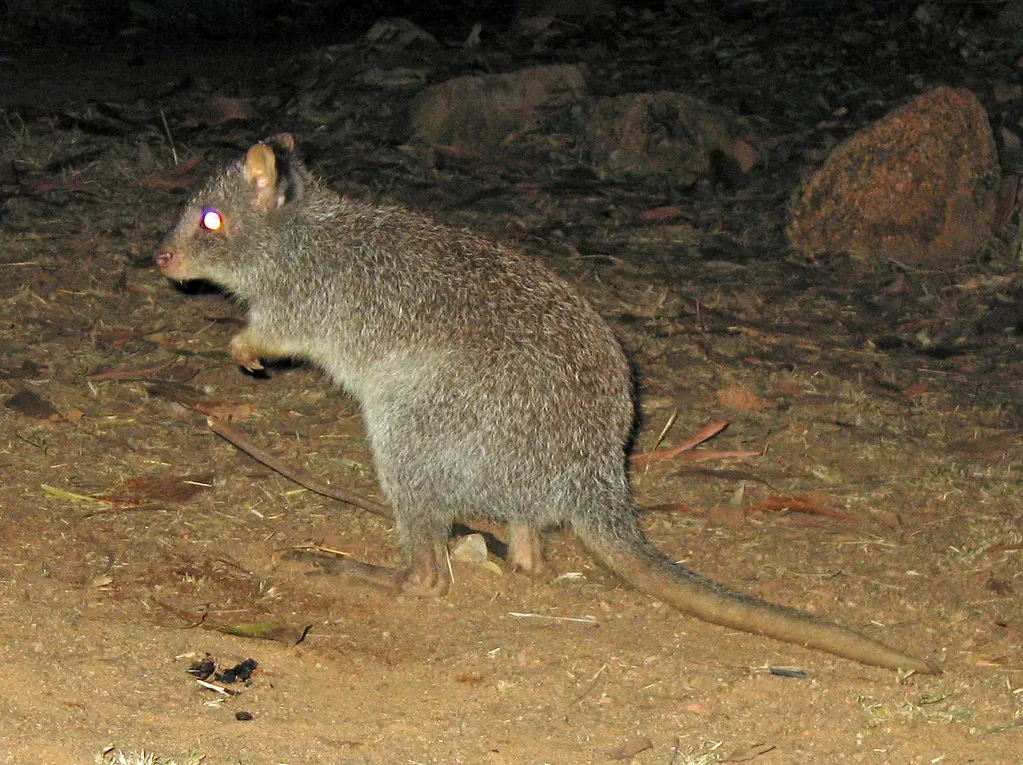
It is unique in that it will travel up to 1.5 km (0.93 mi) from its nest to a feeding area, a considerable distance for such a small creature. For context, that’s like a human walking roughly fifteen to twenty kilometres every single night just to get dinner. Their hopping ability allows them to quickly dash between main foraging habitats and their various nesting spots. They’re covering serious ground on those long hind legs.
This nightly journey isn’t just impressive from a physical standpoint. Rufous Bettongs, for example, can travel 1.5 km from their nest to feed – a large distance for a small mammal – spreading spores and seeds via their scats, snouts and paws as they move about the landscape. Every hop becomes an opportunity to spread fungi, seeds, and nutrients across the forest floor. They’re essentially mobile seed and spore distribution centers, working the night shift while the rest of the forest sleeps.
Conclusion
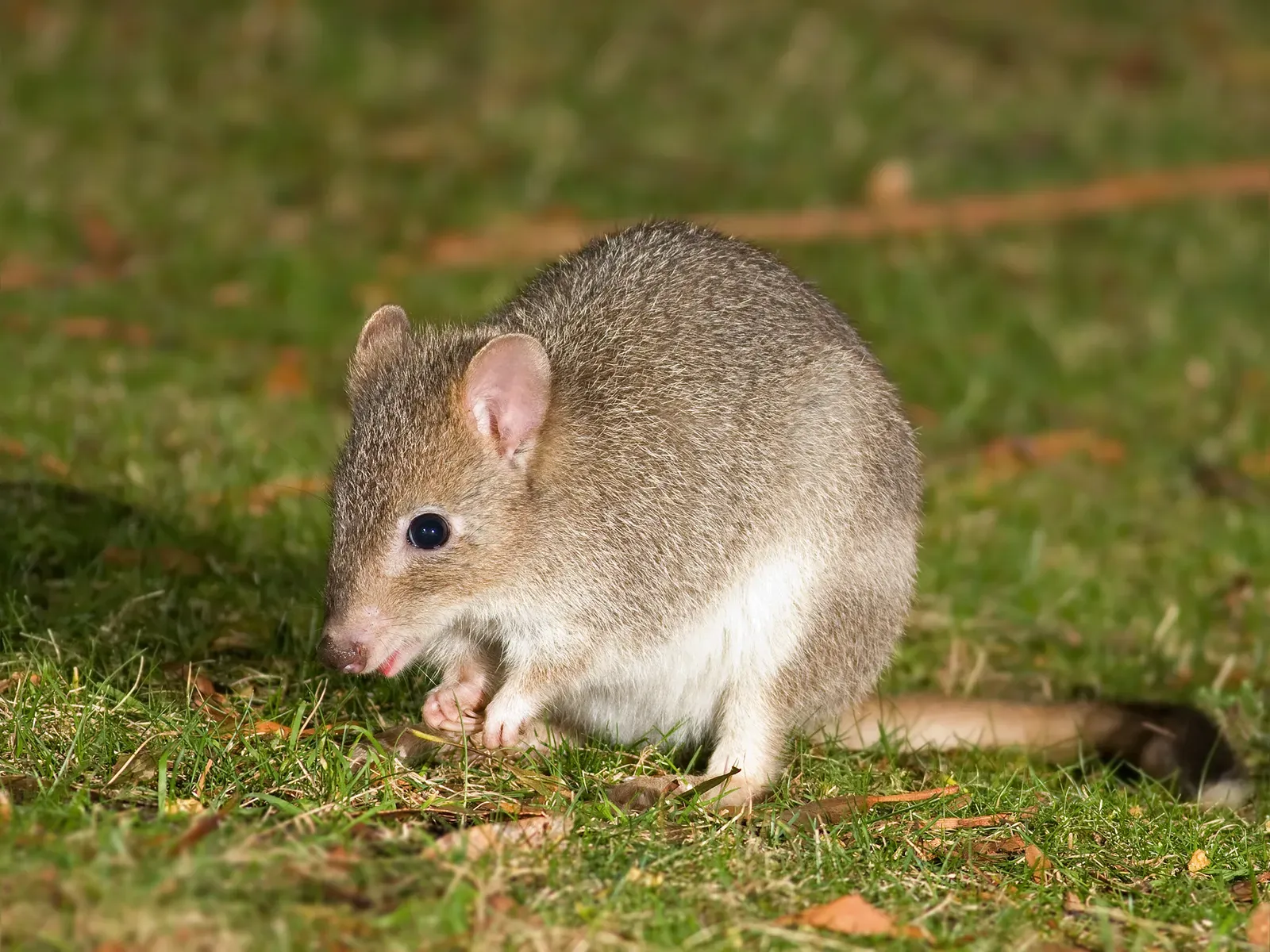
The bettong proves that nature’s most impressive adaptations don’t always come in the largest packages. These pocket-sized marsupials possess jaw strength that defies their size, employ evolutionary solutions that differ dramatically between species, and perform ecological services that forests literally cannot function without. Their ability to crack seeds that would break bigger animals’ jaws is just one piece of a much larger puzzle.
Yet despite their remarkable abilities, most bettong species teeter on the edge of extinction. Their story reminds us that the creatures we’ve never heard of might be the ones holding entire ecosystems together. The loss of these tiny diggers would ripple through Australian forests in ways we’re only beginning to understand. What do you think it would take to bring them back from the brink?

- Animal Psychology Says If You See a Large Gathering of Crows in Your Yard at Dawn It Is a Sign of Complex Social Behaviour – and the Cognitive Power Required for It Belongs to an Elite Group of Species - July 14, 2026
- 10 Fascinating Facts About American Crows That Changed How Scientists See Birds - July 14, 2026
- Zoology Says the Reason Elephants Return to the Bones of Their Dead Is Rooted in Mourning – It Is a Sign of Deep Social Memory and an Emotional Life Highly Unusual for Mammals - July 14, 2026