
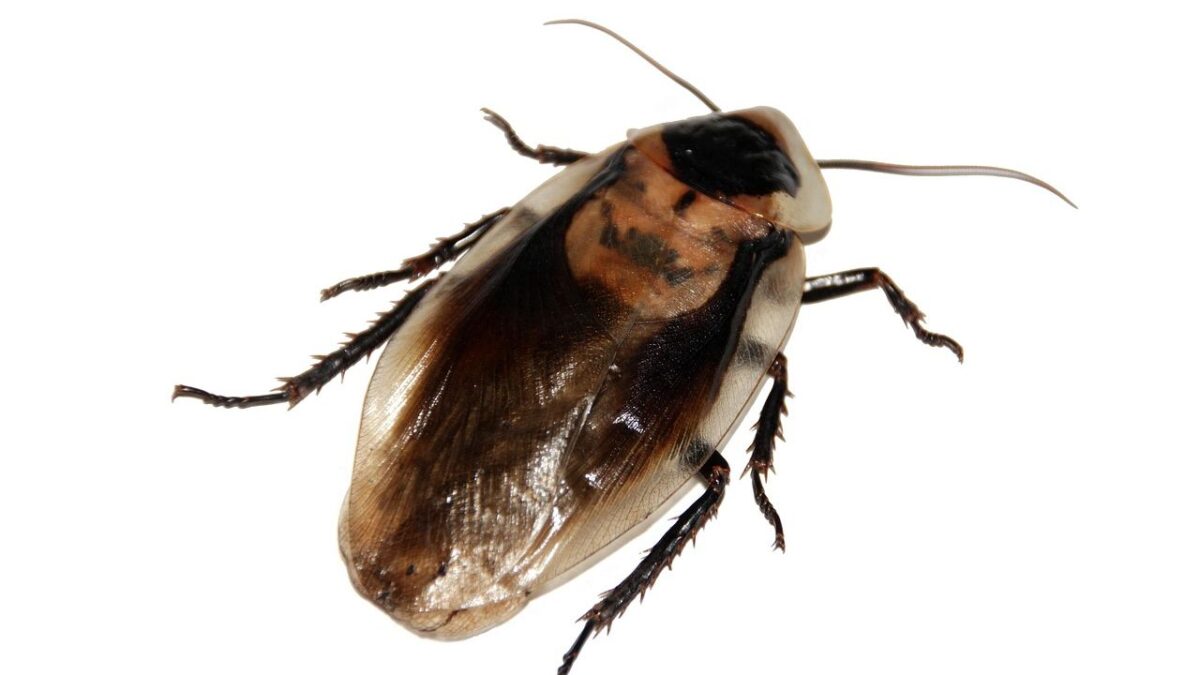
Most people think a clean home is a safe home. Scrubbed counters, mopped floors, no dishes in the sink. Job done, right? Not quite. Cockroaches are shockingly clever, and they do not care how tidy your kitchen looks. They are not looking for a mess. They are looking for a dark corner, a drip of moisture, and a sliver of space barely wide enough for a credit card.
If you actually see a cockroach during the day, it could mean the infestation is severe enough that overcrowding has forced them out of hiding. That is a thought worth sitting with for a moment. The ones you see are almost never the only ones there. There is a whole hidden world operating inside your walls, under your appliances, and behind your furniture. Let’s dive into exactly where they are lurking.
1. Behind and Beneath Kitchen Appliances
Here’s the thing about your refrigerator, oven, and dishwasher: from a cockroach’s perspective, they are basically luxury resorts. Appliances like ovens, fridges, and dishwashers generate warmth and often have food debris nearby, and cockroaches hide behind these appliances, taking full advantage of the warmth and the crumbs that collect underneath.
Some species, like the brown-banded cockroach and German cockroach, can be hiding where your appliances and electronic equipment are, such as refrigerator motors, ovens, dishwashers, toasters, and microwaves. It sounds almost unbelievable, but these insects are essentially engineered for tight, warm spaces.
Small appliances on kitchen counters are also things that attract cockroaches, with some favorite hangouts being under or behind coffee makers, microwaves, toasters, and blenders. Honestly, next time you move your toaster to clean under it, brace yourself a little.
2. Kitchen Cabinets and Pantries
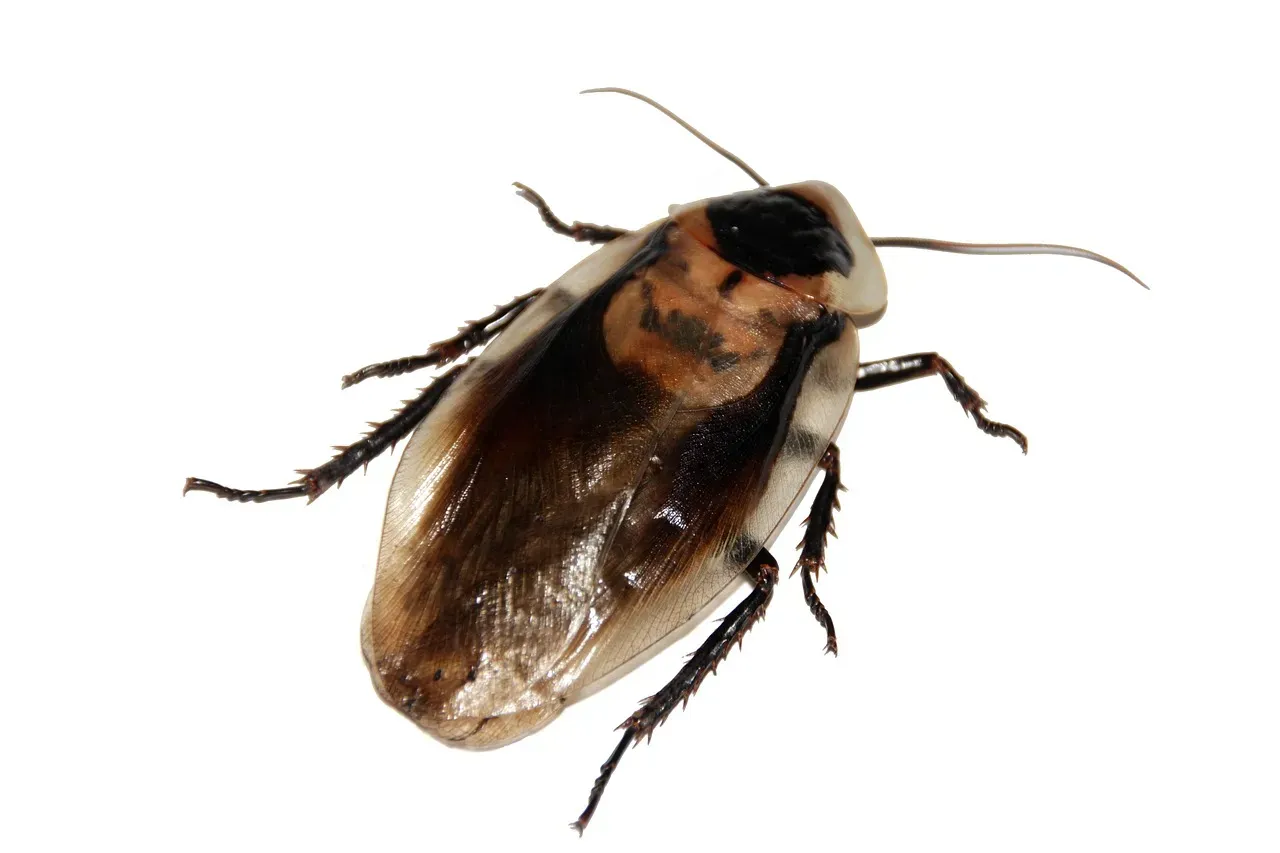
Kitchen cabinets and pantries are one of the most common places cockroaches hide. You may find them in food containers like cereal boxes, or hanging upside down in the upper inside corners of cabinets. Hanging upside down. Like tiny, nightmarish bats. I know it sounds crazy, but that is exactly what they do.
If you store food in cabinets, there is a high chance that some food particles will spill over and serve as cockroach attractants. Food stored in open containers makes it even easier for cockroaches to infest your cabinets. Think about that half-open bag of rice or the torn pasta box sitting on the shelf. That is a standing invitation.
Cockroaches particularly like upper inside corners of cupboards and cabinets, where they hang upside down. Regular wiping of cabinet interiors and storing all dry goods in sealed containers is one of the most effective things you can do to push back.
3. Bathroom Drains, Pipes, and Tiles
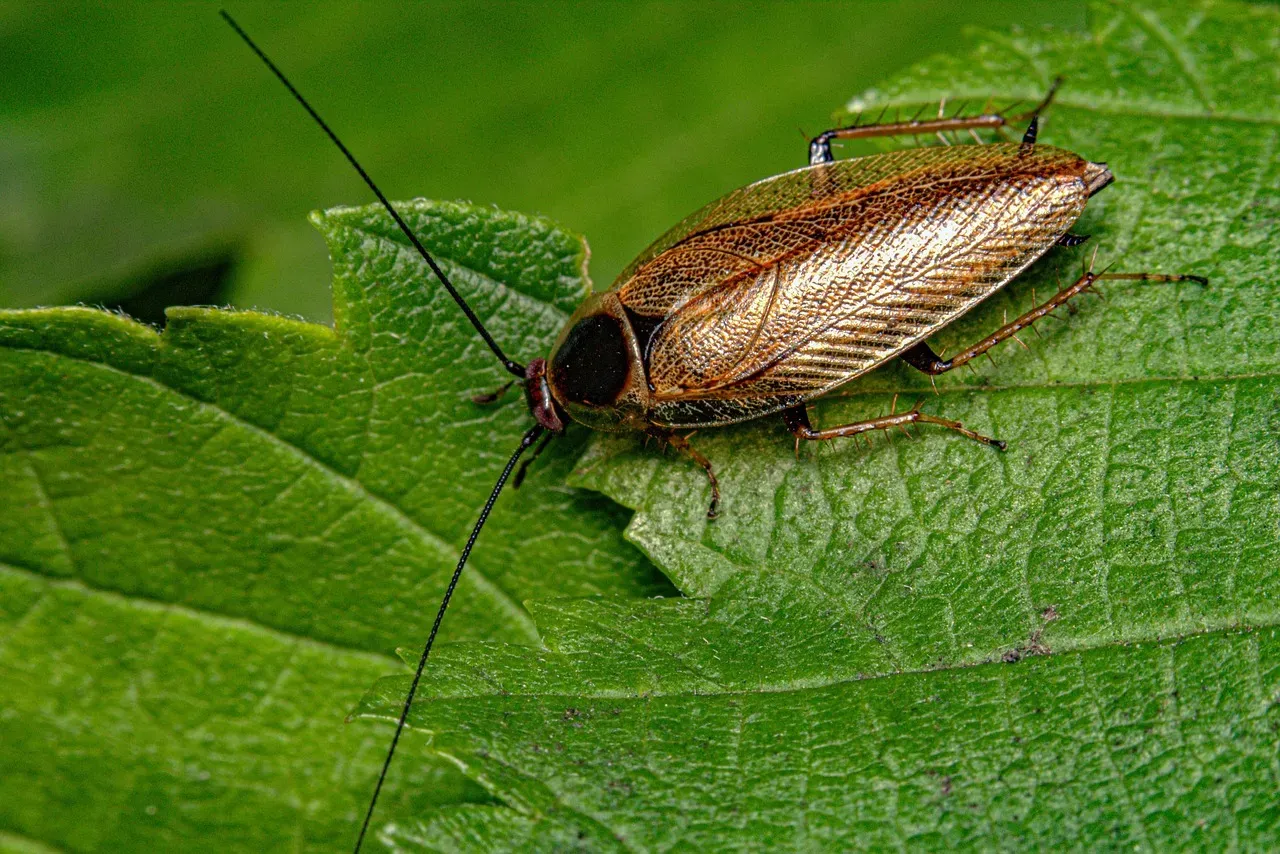
Most people do not associate the bathroom with a pest problem, but cockroaches absolutely do. Cockroaches love the word “moist,” and prefer warm and moist environments, making them frequently found hiding in bathrooms. It is their version of a spa weekend, except they never leave.
Cockroaches love hiding under sinks, which are great sources of water. They also like drains, pipes, and the gaps in walls around pipes. You will find them around tubs and toilets, not just for the water that drips and condenses around them, but also for the soap residue, toilet paper lint, dead skin, and hair that accumulate nearby. Yes. They eat that stuff.
Some species such as the German cockroach hide inside cracked bathroom tiles, whereas others find a haven in bathroom cabinets where they may go unnoticed and undisturbed. Cracked caulking around your tub or tiles is not just an aesthetic issue. It is a doorway.
4. Inside Walls, Baseboards, and Crevices
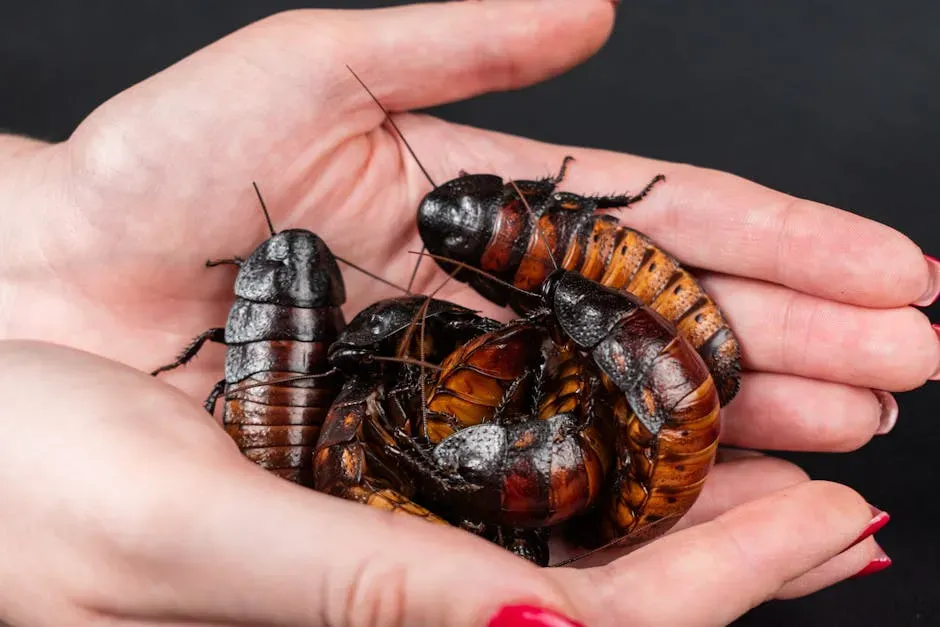
Think of your home’s walls as a highway system that only cockroaches can see. Cockroaches hide in wall cavities, especially in buildings with structural damage or unsealed gaps, and once they are inside walls, they can move between rooms and spread quickly. One crack in a baseboard can connect your kitchen to your bedroom in a way you would never want.
Cockroaches are thigmotropic, which means they like the sensation of something touching their bodies. Cracks in trim and molding offer a tight space where roaches can get that sensation. There is actually a scientific reason they love cramped gaps. It is not random. It is wired into their biology, like a deep instinct for tight contact.
Houses and apartments have all sorts of cracks and crevices that make excellent cockroach hiding places, including baseboards and trim, the backs of picture frames, and corners where recycling has piled up. Sealing those gaps with caulk is genuinely one of the best defenses you have.
5. Pipes, Drains, and Plumbing Areas
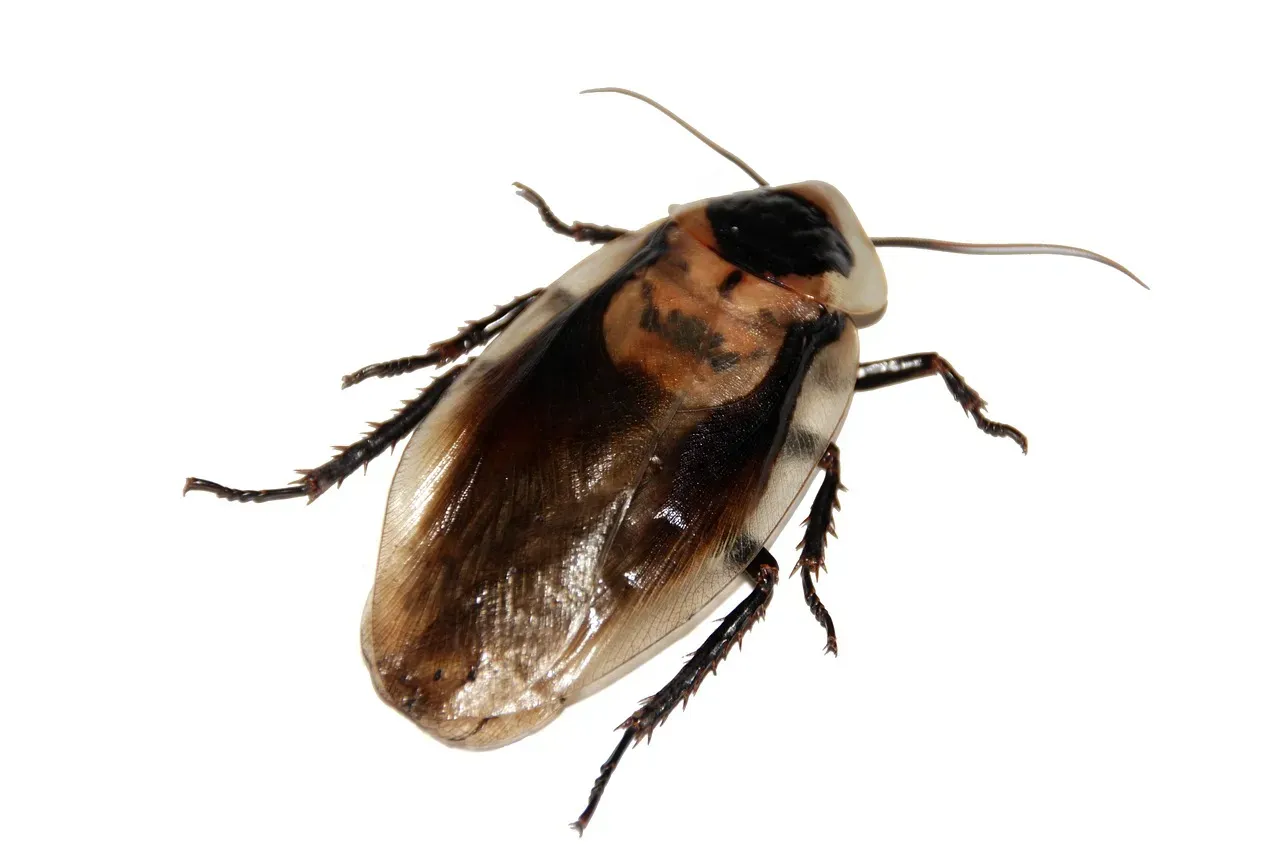
Your home’s plumbing is basically a cockroach transit network. Cockroaches tend to use pipes to travel to different parts of a home. They thrive in moist and dark spaces, and that is exactly what pipes offer. Think of it like an underground rail system that runs 24 hours a day, except the passengers are creatures you never wanted inside your home.
Your home’s plumbing and HVAC piping are generally dark and discreet, often housed in the basement or under sinks. They may also drip or leak, providing moisture to roaches searching for a new home. On top of that, mold growth is common in these areas, and cockroaches have been known to eat mold. Between the darkness, moisture, and food source offered by piping, it is one of the most common places cockroaches hide in your home.
Floor drains serve as both a hideout and an entry point. Cockroaches are omnivorous and opportunistic eaters and can eat any edibles in the drain. The American cockroach, the species that thrives most in drains, spreads harmful pathogens. Regularly cleaning and covering your floor drains is a simple step that pays off in a big way.
6. Sofas, Furniture, and Living Room Hiding Spots
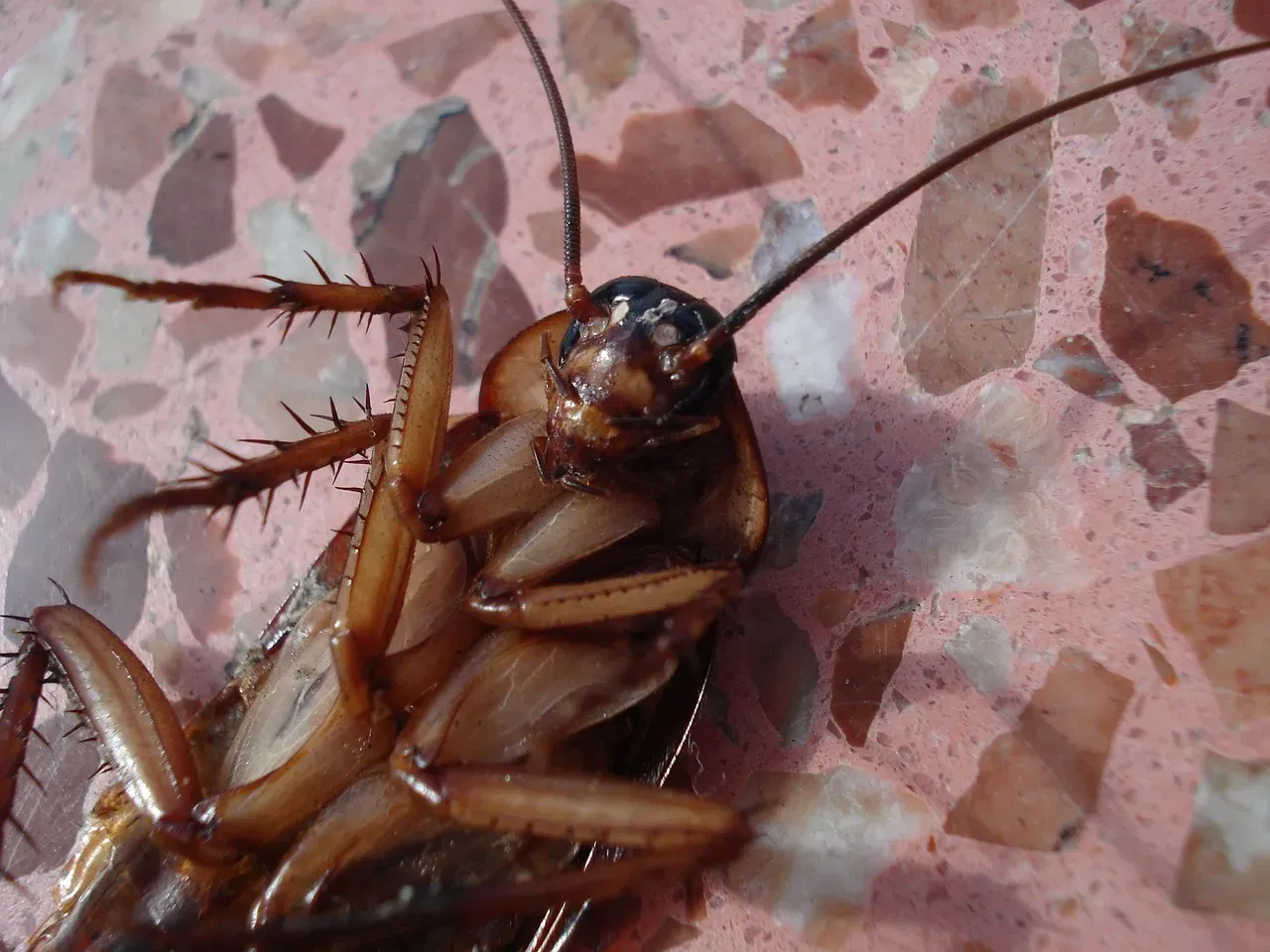
Your couch. Your beloved, comfortable, snack-friendly couch. It turns out you are not the only one who finds it appealing. Roaches will sometimes camp out in your couch, especially if you tend to snack while streaming movies. What is worse is that cockroaches can lay eggs in and on your furniture. That is a genuinely uncomfortable thought.
Some species like to hide inside photo frames, clocks, and furniture. The brown-banded cockroach, in particular, often hides its egg cases in or under furniture. Food crumbs left behind from TV dinners or late-night snacks will more than satisfy the appetites of these pests hiding in your living room.
Cockroaches hide in upholstered furniture, particularly in the cushions or wooden joints, nesting in these areas to stay out of sight and stay warm. Vacuuming your sofas and chairs regularly, including underneath and behind them, is not just about cleanliness. It is pest prevention in disguise.
7. Electronics, Computers, and Warm Devices
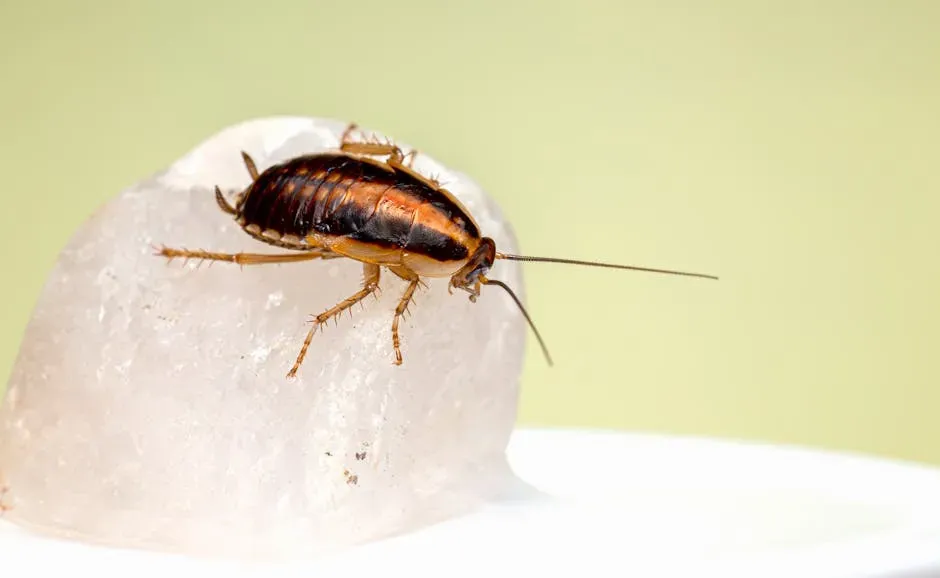
This one surprises almost everyone. Your laptop. Your TV. Your gaming console. Cockroaches can nest inside electronics such as microwaves, computers, and televisions. The heat from these devices is highly appealing, and they are usually left undisturbed. Cockroaches that live inside electronics can even damage the wiring or leave droppings that may cause malfunctions.
Crumbs and other food particles can fall in between and under keyboard keys, and some species of roaches are small enough to wriggle through gaps in the keyboard, meaning they can set up camp in your computer. It is the kind of thing you do not think about until it is already too late.
Finding roaches in electronics is not uncommon, including computers, TVs, and game consoles. They like the warmth and darkness they find within electronic devices. Keeping your workspace clean, using compressed air to blast out crumbs from keyboards, and never eating over your laptop are habits that matter far more than you might think. A small piece of pretzel under a key is all it takes to extend an open invitation.
What You Can Do Right Now
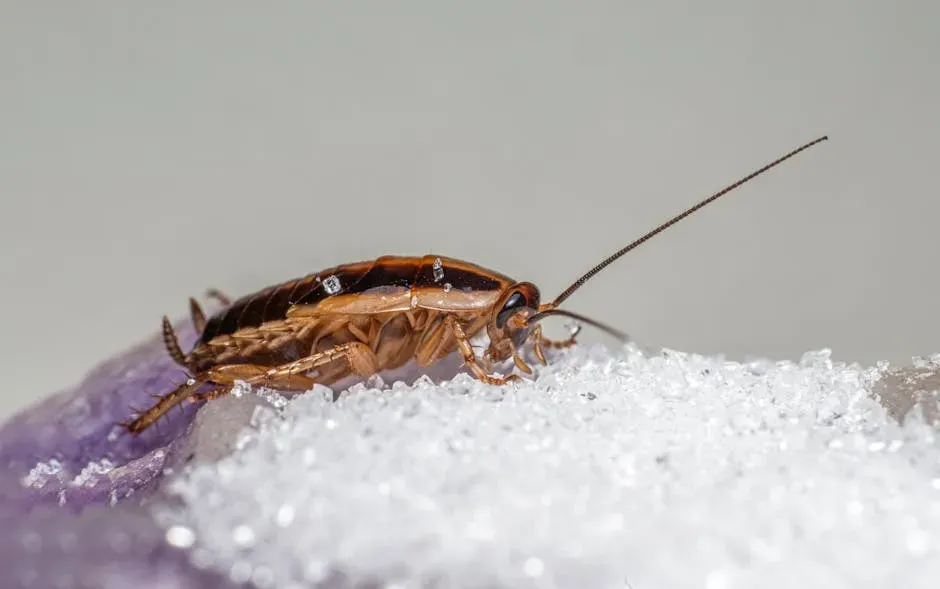
Knowing where cockroaches hide is genuinely half the battle. They spread dozens of kinds of bacteria, including E. coli and Salmonella, and can also cause allergic reactions and trigger asthma attacks, especially in children. This is not about squeamishness. It is about real health risks that live quietly inside your home.
To spot signs of cockroach activity, keep an eye out for small, dark droppings that resemble ground coffee or pepper. You might also find egg cases in dark, hidden crevices. Another indicator is a strong, musty odor that can permeate areas where cockroaches are active. Trust your nose and your eyes.
Simple habits make a dramatic difference. Keep kitchens clean by wiping down countertops and sweeping floors to remove crumbs and residue from spills. Store food in sealed containers, and keep ripe fruit in the refrigerator. Routinely check under sinks for areas of moisture and repair any leaky pipes. Think of it as closing doors that you did not even know were open.
Cockroaches have survived on this planet for hundreds of millions of years. They are stubborn, adaptable, and shockingly good at finding the one damp crack you forgot to caulk. The good news? You know their favorite hiding spots now. Knowledge is your best weapon. So the real question is: which of these seven spots in your own home are you going to check first? Tell us in the comments!

- 7 Signs Your Dog Thinks You're Family - July 21, 2026
- 10 Fascinating Facts About the Gila Monster – America’s Only Venomous Lizard - July 21, 2026
- 10 Fascinating Facts About Birds of Prey You Never Knew Existed - July 21, 2026