
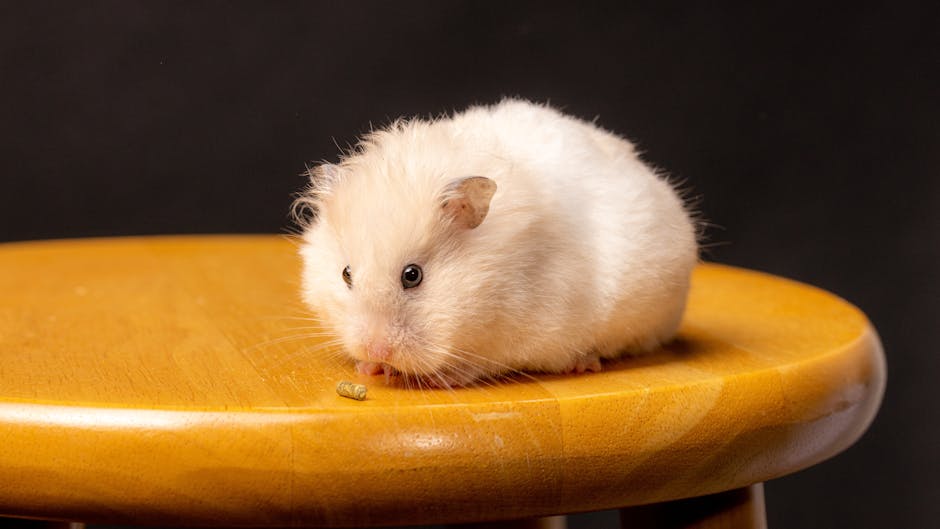
Most people assume that as long as a hamster is eating and not biting anyone, everything’s fine. The truth is a little more layered than that. These tiny animals have a surprisingly rich emotional life, and once you start learning to read them, you realize they’re telling you quite a lot at any given moment.
The tricky part is that hamsters don’t broadcast their feelings the way a dog or a cat might. While hamsters might not wag their tails or purr, they have their own clear ways of showing contentment. Knowing what those ways actually look like makes the difference between guessing and genuinely understanding your pet. These seven signs are worth paying close attention to.
#1: They’re Bursting With Energy at Night
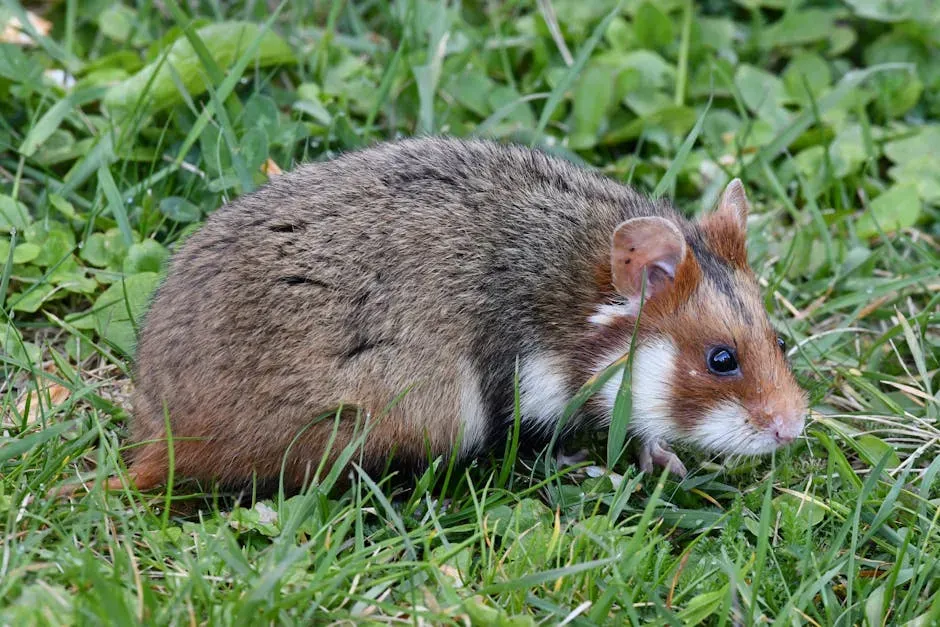
Hamsters are naturally nocturnal, which means they do most of their living after dark. Hamsters are nocturnal, so their “day” starts when yours winds down. A happy hamster will be active in the evening and nighttime hours, running on their wheel, digging, climbing, and exploring their enclosure. If yours is doing all of this with enthusiasm, that’s a genuinely good sign.
If you find your hamster full of energy and moving around a lot, it’s a sign they’re comfortable and content in their environment. An unhappy hamster will be slow moving or not move a lot at all. Hamsters especially like being awake at night, so if you find your hamster running around and exercising a lot at night rather than during the day, this is also a good sign.
If your hamster seems unusually lethargic or stays in their hideout for long periods, it could signal boredom, stress, or illness, and it’s worth keeping an eye on. Nighttime liveliness is the baseline. Consistent lethargy is when you should start asking questions.
#2: They Groom Themselves Regularly
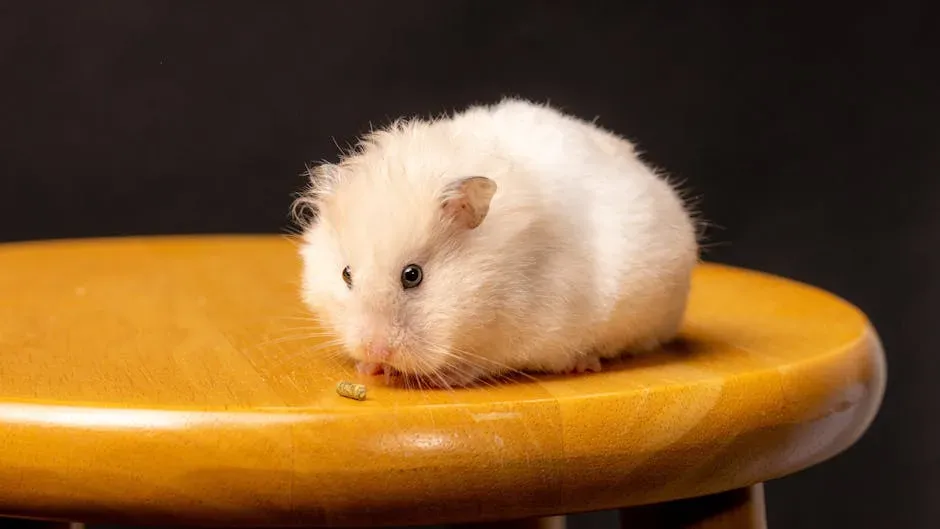
Self-grooming might seem like a mundane detail, but for hamsters it’s one of the clearest indicators of wellbeing you’ll find. Hamsters are naturally clean creatures. Frequent grooming, such as licking paws, cleaning their face, and smoothing out fur, is a great sign your hamster is feeling well and relaxed.
A clean hamster is a happy hamster. These little critters are meticulous groomers, spending a significant amount of time cleaning themselves. If your hamster is actively grooming and maintaining their appearance, it’s a good sign that they are content and at ease.
The logic here is straightforward. An animal under stress or feeling unwell tends to neglect routine self-care first. When your hamster pauses mid-exploration to calmly wash its face, it’s communicating a level of ease that’s easy to overlook but deeply reassuring once you notice it.
#3: They Stuff Their Cheek Pouches With Enthusiasm
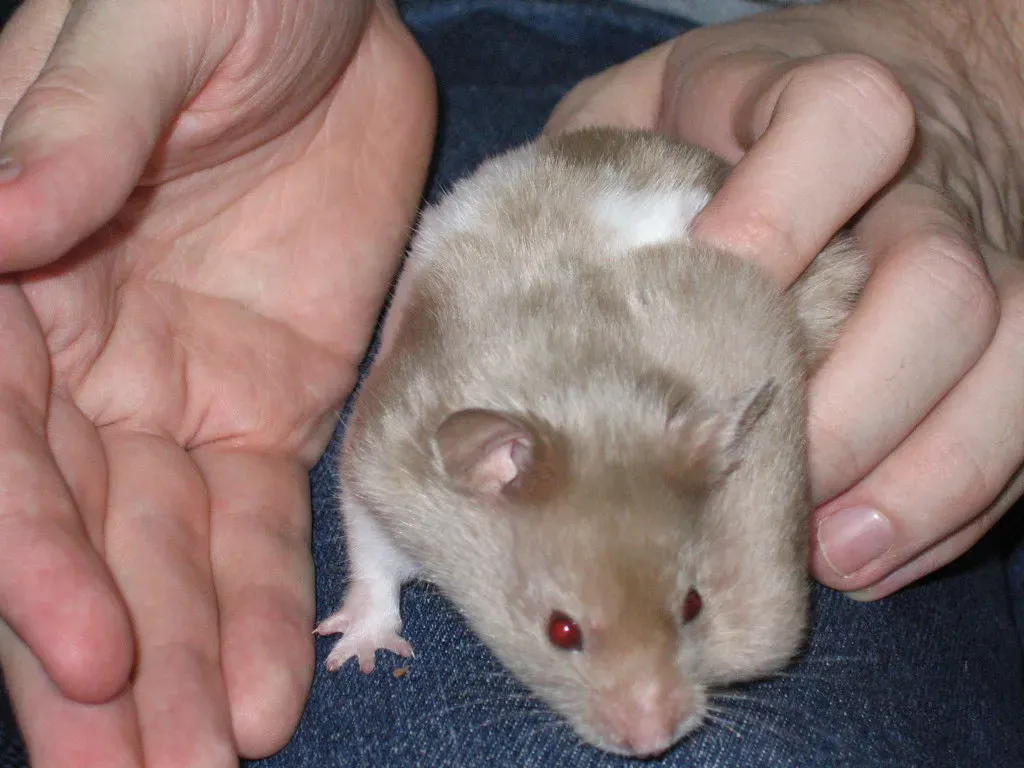
One of the most charming and distinctly hamster-like behaviors is hoarding food, and it turns out it’s also a reliable sign of contentment. When it comes to food, hamsters like to forage and hoard, and they are extremely well equipped to carry their provisions from one place to another thanks to their ingenious cheek pouches. A hamster that actively forages and stores food is one that feels settled enough in its environment to plan ahead.
Storing food in cheek pouches and hiding it in their cage also means that they are content. This behavior also means that your hamster is happy. Think of it as a tiny act of trust. They’re investing in their little food cache because they feel secure enough to do so, which says a lot about how they perceive their space.
#4: They Yawn, Stretch, and Just Lounge Around
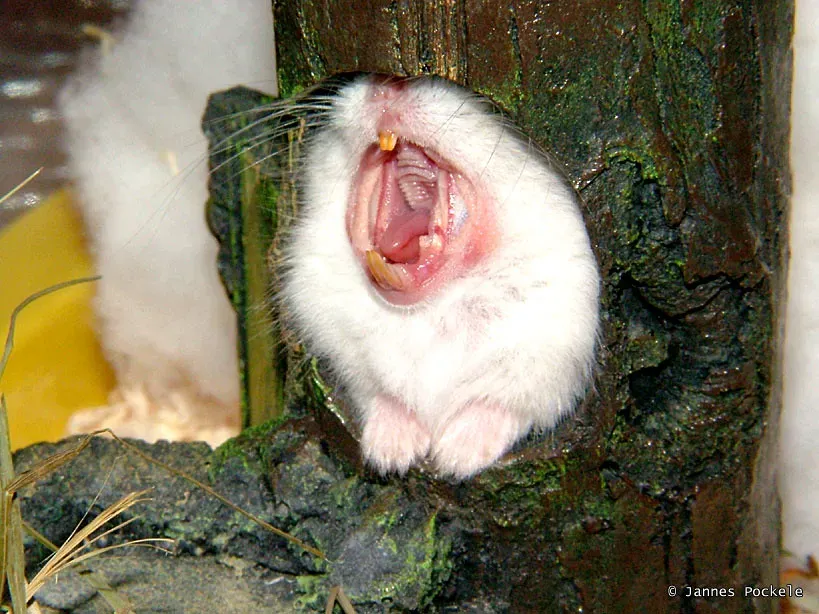
It sounds almost too simple, but watch for the yawn. Yawning doesn’t just convey the desire to sleep. In fact, your hamster will yawn or even stretch when they’re feeling comfortable and relaxed. If you see your hamster stretching out in a wide-mouthed yawn, they are saying they’re perfectly happy and content in their environment.
A happy, healthy hamster will show you how they’re feeling by their body language. A yawning hamster is pleasantly sleepy and comfortable. Relaxed grooming, stretching, burrowing in the bedding, collecting food, and lively acrobatics in the cage are all signs that life is good for your hamster pal.
There’s something oddly satisfying about watching a hamster stretch its little body out and yawn with complete abandon. It means they’re not scanning for threats. They’re simply at home, which is exactly where you want them to be.
#5: They Build and Tend to a Cozy Nest
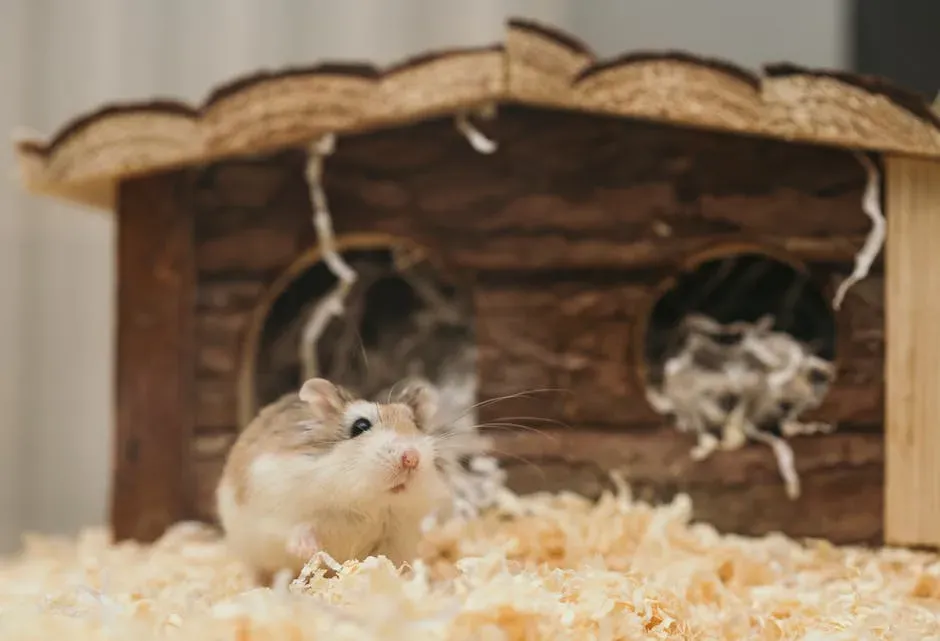
Nest-building is instinctive for hamsters, but the level of care they put into it reflects how comfortable and secure they actually feel. Hamsters are meticulous nest builders. They construct cosy nests by arranging bedding materials in their enclosure. If you notice that your hamster is meticulously tucking themselves into their nest, fluffing up their bedding, and spending time there, it’s a positive sign.
A study published in Royal Society Open Science found that hamsters with extra toys and cosier bedding in their cages are more likely to make optimistic decisions than those with fewer luxuries. That research is telling. The quality and comfort of a hamster’s immediate environment shapes not just how they feel but even how they think. A hamster that invests effort in building a proper nest is working with a material it finds satisfying and a space it genuinely considers home.
#6: They Approach You With Curiosity Instead of Fear

Trust doesn’t come quickly with hamsters, but once it’s established, the signs are unmistakable. While hamsters are generally solitary animals, they can still exhibit social behaviours with their human caregivers. Happy hamsters often show interest in interacting with you, whether it’s by approaching the cage bars when you’re nearby or accepting gentle handling without signs of stress or aggression. These interactions demonstrate their trust and happiness in your presence.
When your hamster shows no signs of restlessness when you try to pet it, it means they like you and are very comfortable with you. Some may even fall asleep in your arms when petting them. That willingness to relax in a human hand is actually quite significant for a prey animal whose entire evolutionary history tells it to stay alert. A hamster that chooses to settle down around you has decided, on its own terms, that you’re safe.
#7: They Leap, Bounce, and Occasionally Jump for Joy

Yes, hamsters actually jump. Not just to get from one surface to another, but sometimes simply because they’re in a good mood. Hamsters might not be readily associated with acrobatics, but they can quite literally jump for joy, or leap during their active hours while scurrying around their habitat. These hops, bounces, or bounds stem from their playful natures, but also from natural instincts to hop over rough terrain. So, if you see your hamster bouncing around their enclosure, they’re either expelling playful energy, or exercising their natural instincts.
Leaping into the air signals high spirits and reveals he or she is in a very good mood indeed! Play behavior is a clear indicator of a happy hamster. When your furry friend engages in activities like running on their wheel, exploring their environment, or even performing acrobatics, it’s a sign that they’re content and enjoying themselves. If your hamster is doing little zoomies and launching itself off the walls of its enclosure, you’re probably doing something right.
What It All Adds Up To
Reading a hamster requires patience and honest observation. These animals can’t tell you something is wrong until it’s often quite serious, which makes understanding the positive signals just as important as spotting the negative ones. A happy, healthy hamster will show you how they’re feeling by their body language. The key is actually looking.
A happy hamster doesn’t just happen. It’s the result of thoughtful, consistent care. The seven signs above don’t exist in isolation. They’re the cumulative result of a well-sized enclosure, appropriate enrichment, consistent handling, and a diet that suits their needs. Get those fundamentals right, and the signs of happiness tend to follow naturally.
In the end, the most reliable thing you can do is spend time observing your hamster without immediately reaching in to interact. Watch how they move. Notice what engages them. A happy hamster is a busy, curious, self-sufficient little creature, and that busyness is precisely the point. The absence of visible distress is a starting point, but the real reward is recognizing the joy when it’s right there in front of you.

- Has Your Rescue Dog Finally Chosen You? 14 Signs It Sees You as Home. - July 22, 2026
- 8 of the World’s Rarest Raptors and Where You Might See Them - July 22, 2026
- The Rarest Bird in North America – Can It Still Be Saved? - July 22, 2026