


The blind salamander, a creature that has evolved to survive in perpetual darkness, is a marvel of adaptability and evolution. These enigmatic amphibians reside in the hidden aquatic caves and underground water systems of Europe and North America, where they continue to intrigue scientists and animal lovers alike. Often referred to by its scientific name, the olm or Proteus anguinus, this salamander provides a unique perspective on life in darkness.
Origin and Habitat Home in the Depths

Residing primarily in the karst caves of the Dinaric Alps, stretching from Italy to Slovenia, the blind salamander’s habitat comprises aquatic cave systems. In North America, a related species, the Texas blind salamander, inhabits the Edwards Plateau’s subterranean waters. These environments, characterized by complete darkness and stable temperatures, offer ideal conditions for the salamanders’ survival.
Evolution in Darkness Adaptations for Survival

The blind salamander has evolved remarkable adaptations to thrive in its dark habitat. Over time, these creatures lost functional eyesight, a characteristic once necessary but now redundant in the pitch-black environments of caves. In place of sight, they developed heightened non-visual senses, such as an acute ability to detect vibrations and chemical changes in the water, which guide their behavior and aid in navigation.
Appearance A Ghostly Ambiance

Possessing an almost ethereal appearance, blind salamanders are pale and ghostly due to the lack of light-based pigmentation. Their bodies are slender and elongated, with small appendages and delicate skin that permits breathing through cutaneous respiration. The olm’s lack of pigmentation blends seamlessly with their limestone cave surroundings.
Unique Sensory Biology Beyond Sight
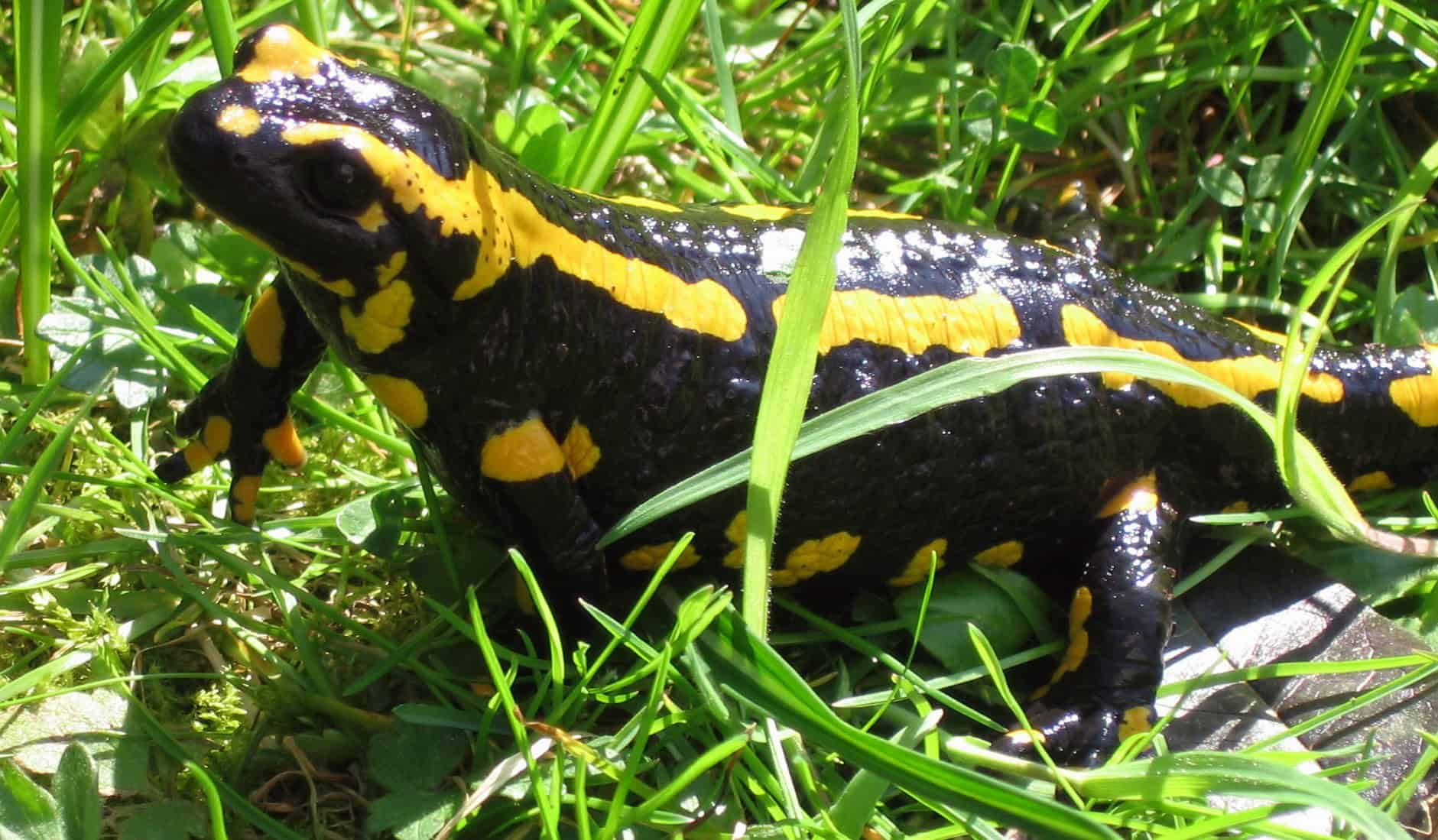
Despite their blindness, these salamanders have adapted sensory organs to suit their dark environment. Their enhanced sensory systems, including taste buds spread across their bodies and sensitive mechanoreceptors, allow them to hunt and perceive their surroundings with incredible precision that compensates for their lack of vision.
Lifespan and Longevity Evolution’s Timeless Guardians
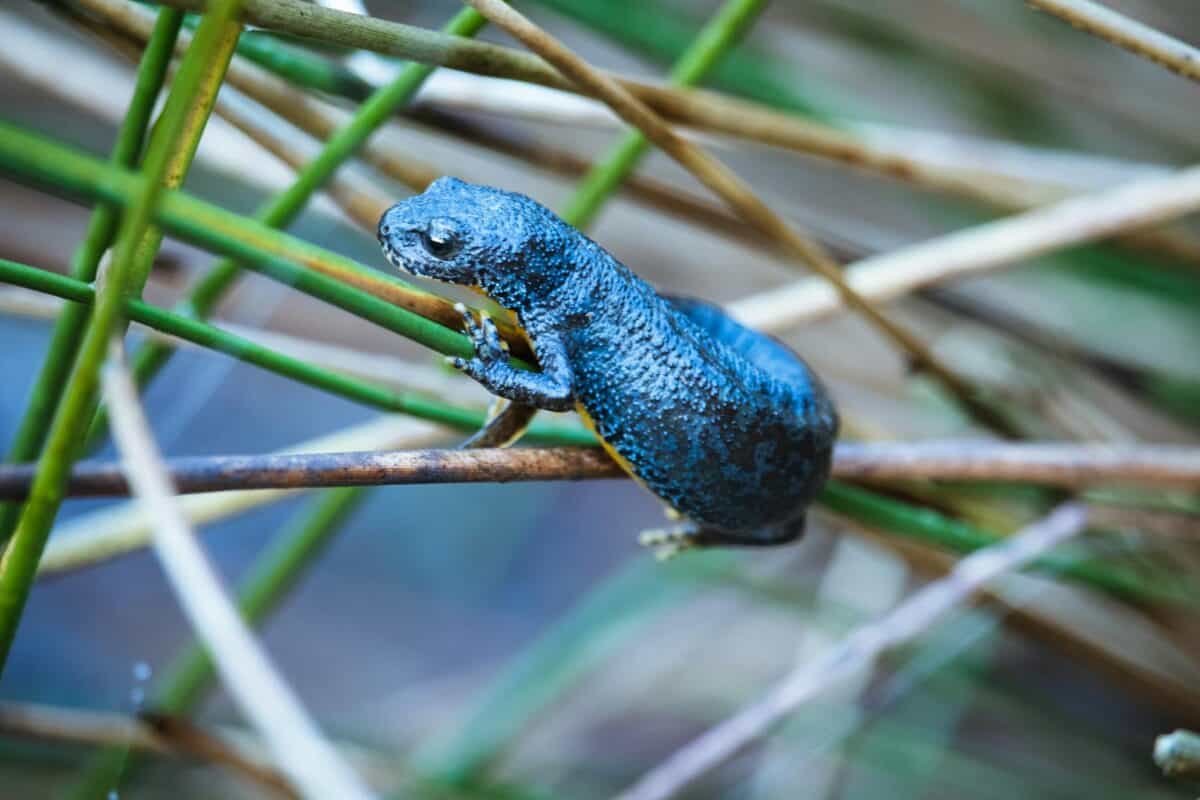
Among the mysteries of the blind salamander is its remarkable lifespan. They can live over 100 years, a phenomenon linked to their slow metabolism and low-stress environment. Scientists believe this longevity is also due to low predation pressures and their stable ecosystem, allowing them to thrive over many decades.
Dietary Habits Feeding in the Abyss
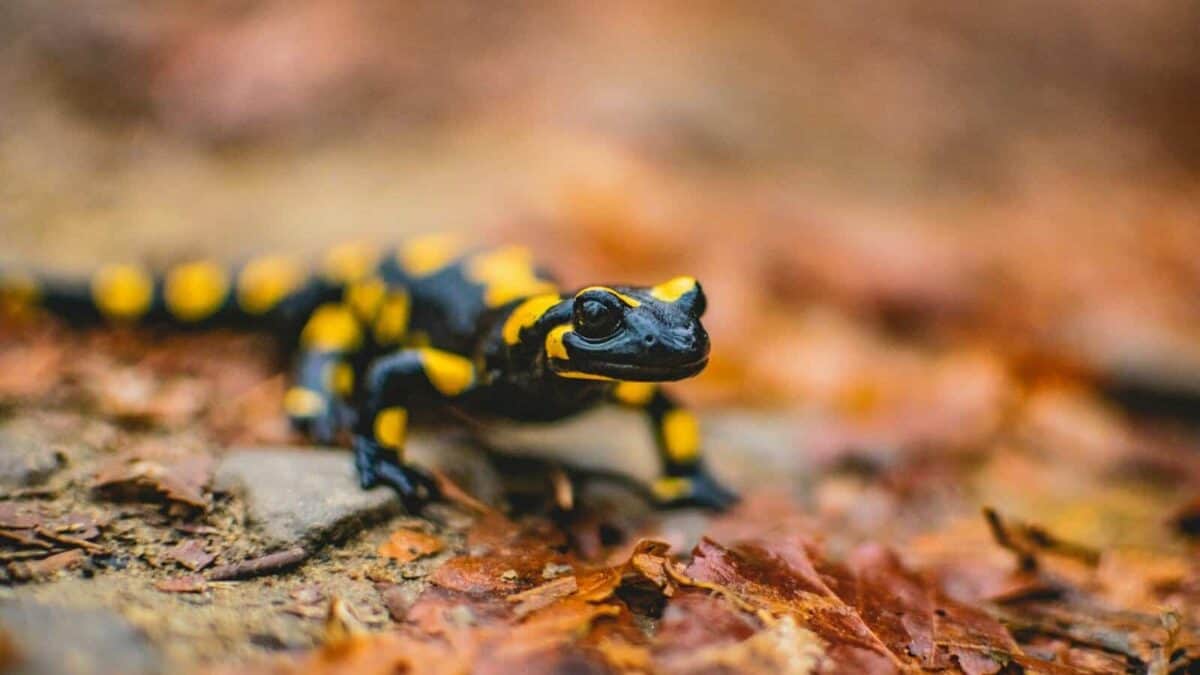
Blind salamanders are predatory, feeding on small invertebrates like worms, snails, and tiny crustaceans that inhabit cave waters. Their diet is opportunistic, relying heavily on the limited food resources available in their sparse environments. They have developed efficient energy storage techniques to survive periods of scarcity.
Reproductive Strategies Continuing the Legacy

Reproduction in the blind salamander is a rare and fascinating process. They lay eggs in secluded parts of their underwater habitats, with development occurring over lengthy periods. Through a slow and steady reproductive strategy, they ensure the survival of their offspring in the demanding subterranean conditions.
Ecological Role Guardians of the Underworld
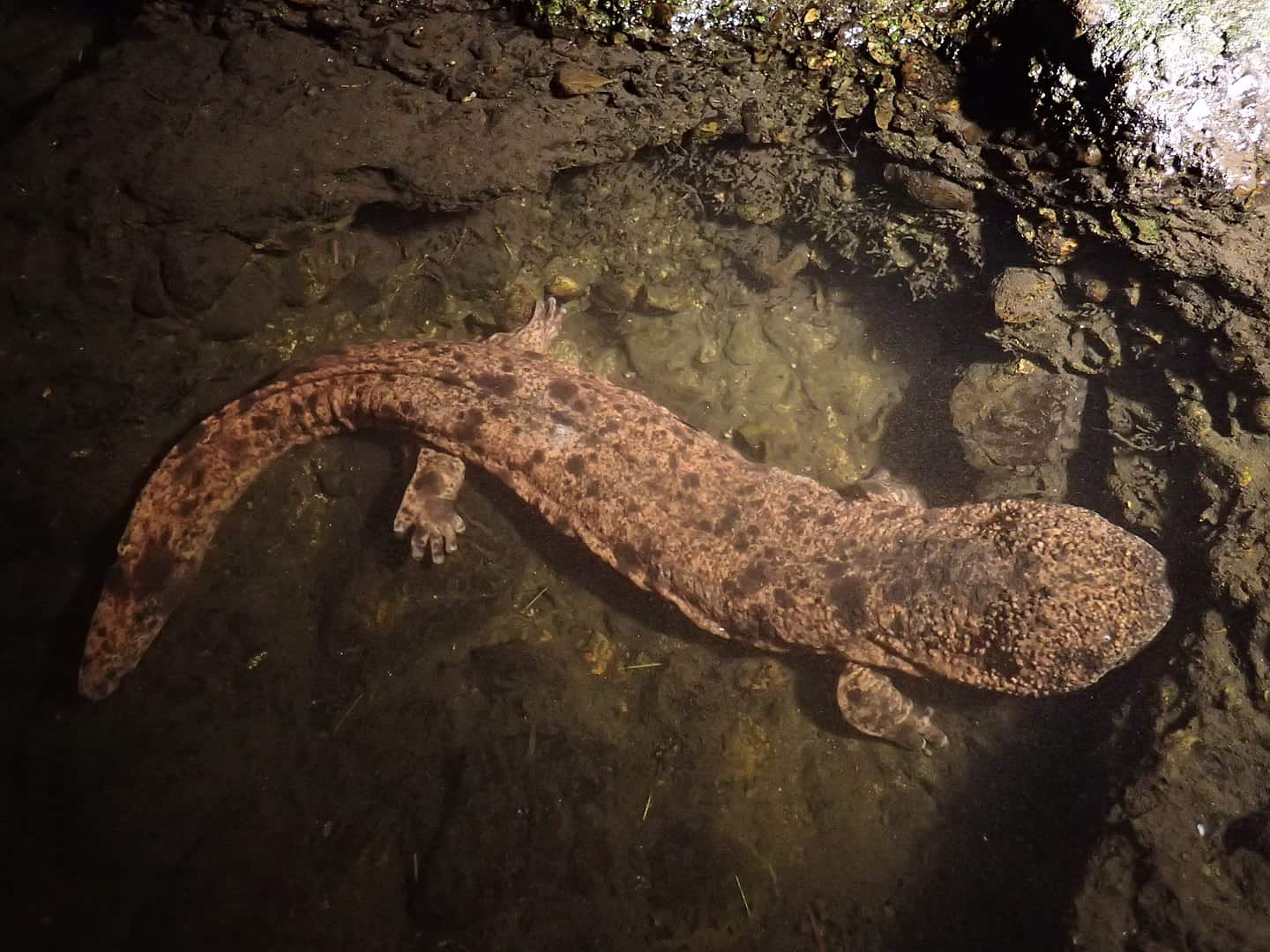
Playing a critical role in their ecosystem, blind salamanders help regulate the population of cave-dwelling invertebrates. This regulation creates a delicate balance in the subterranean food web, highlighting the salamanders’ importance as keystone species. Their existence indicates a healthy, biodiverse cave ecosystem.
Conservation Efforts Protecting a Hidden Legacy
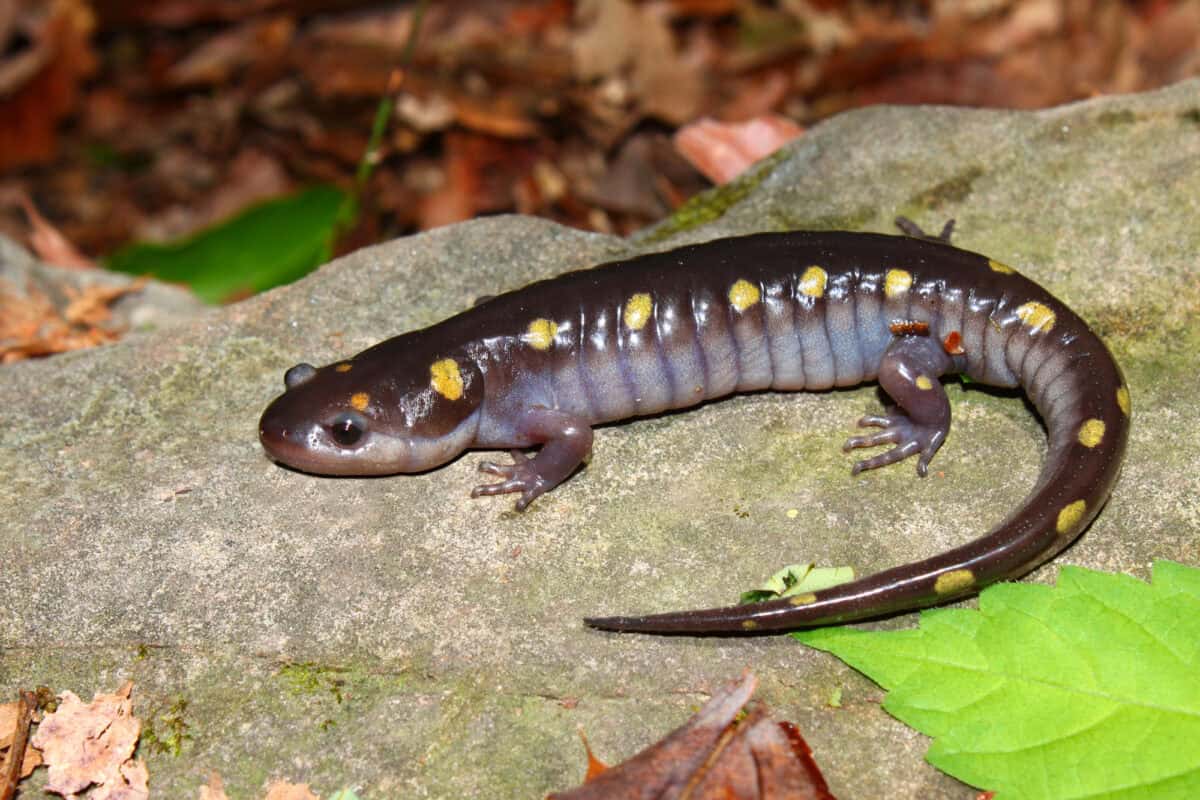
Due to habitat destruction and pollution, blind salamanders face numerous threats. Conservation efforts focus on preserving their habitat and maintaining clean water systems critical for their survival. Public awareness and protective legislation are key components in safeguarding these unique creatures and their fragile ecosystems.
The Lore and Legacy of the Blind Salamander
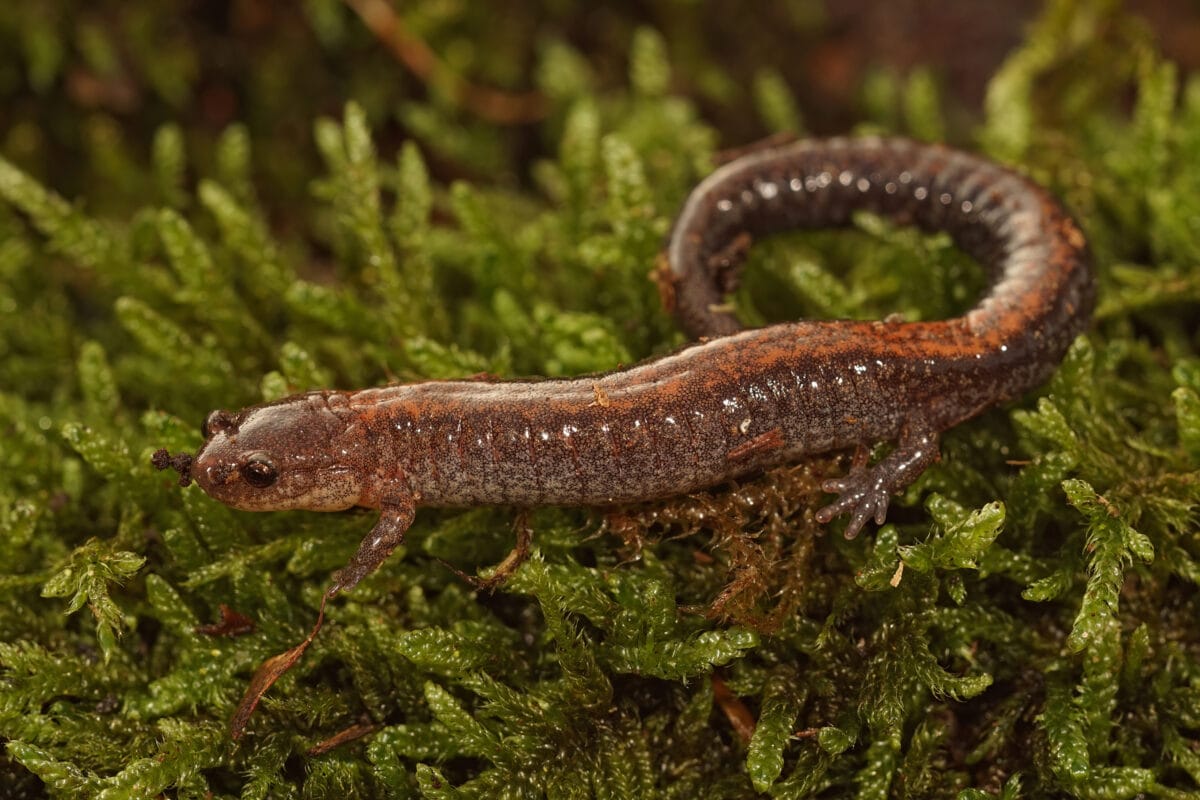
Throughout history, the blind salamander has been a source of intrigue among locals and scientists. Often considered mythical due to its reclusive nature, this salamander inspires both awe and curiosity, stimulating folklore and scientific research into the mysteries of life in perpetual darkness.
Continued Research Unlocking Secrets of the Underground

Scientific curiosity drives ongoing research into the blind salamander’s biology and ecological significance. Studies aim to unravel the genetic, developmental, and behavioral adaptations that allow these creatures to thrive in darkness, offering insights into evolution and survival in extreme conditions.
Conclusion: A Journey into Darkness
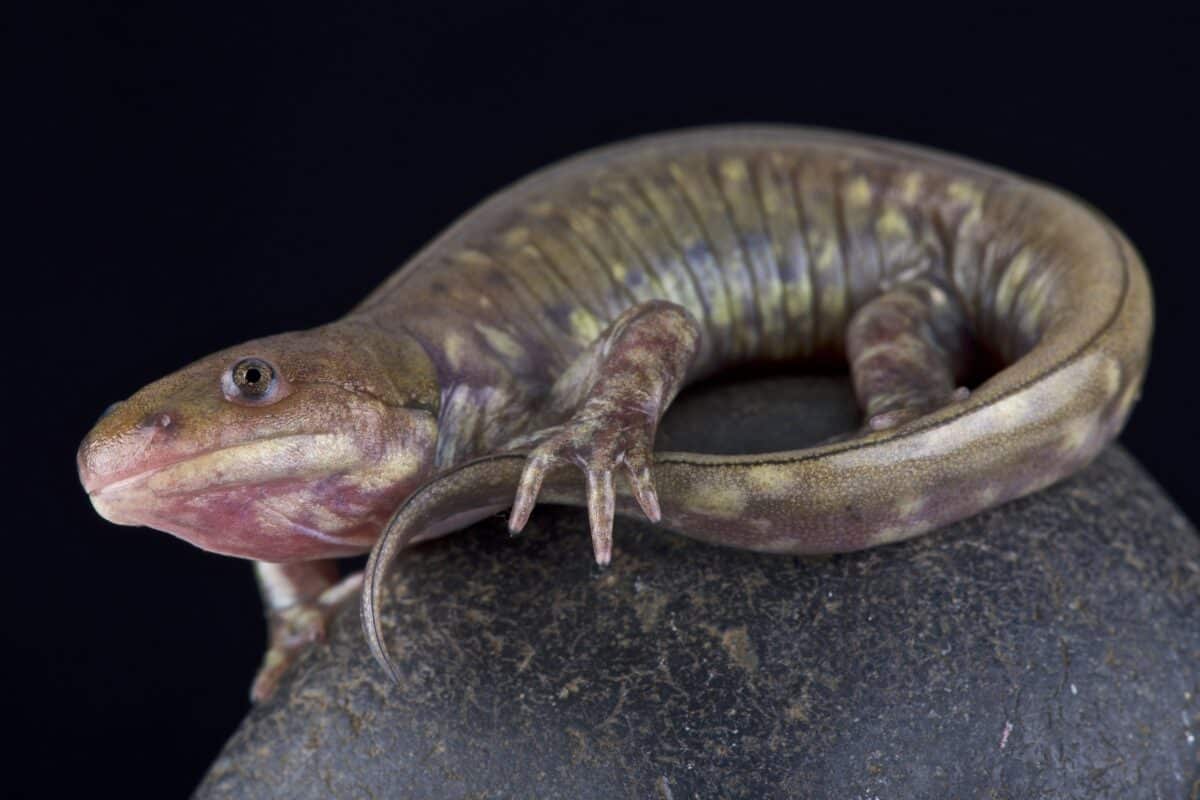
The blind salamander stands as a testament to nature’s ability to adapt and thrive in the most improbable circumstances. Their survival in total darkness opens a window into a concealed world that continues to captivate and enlighten. As humanity strives to understand and protect these remarkable beings, the blind salamander remains a symbol of resilience and the enduring spirit of life in the depths of the earth.

As a little kid, I fell in love with nature, wildlife, and animals. Living in the USA, South Africa, Italy, China and Germany gave me the opportunity to discover the world's Wildlife. My favorite animals are Mountain Gorillas, Siberian Tigers, and Great White Sharks.
I'm a certified PADI Open Water Diver, went to Everest Base Camp and Trekked Gorillas in Uganda. I hold a Master of Science in Economics and Finance.
Please send any feedback to feedback@animalsaroundtheglobe.com
- 14 Snakes Found in the U.S. That Are not as Scary as They Look - June 24, 2026
- 14 Marine Mammals That Are Smarter Than You Think - June 23, 2026
- 15 Strange Animal Behaviors Scientists Cannot Fully Explain - June 23, 2026