
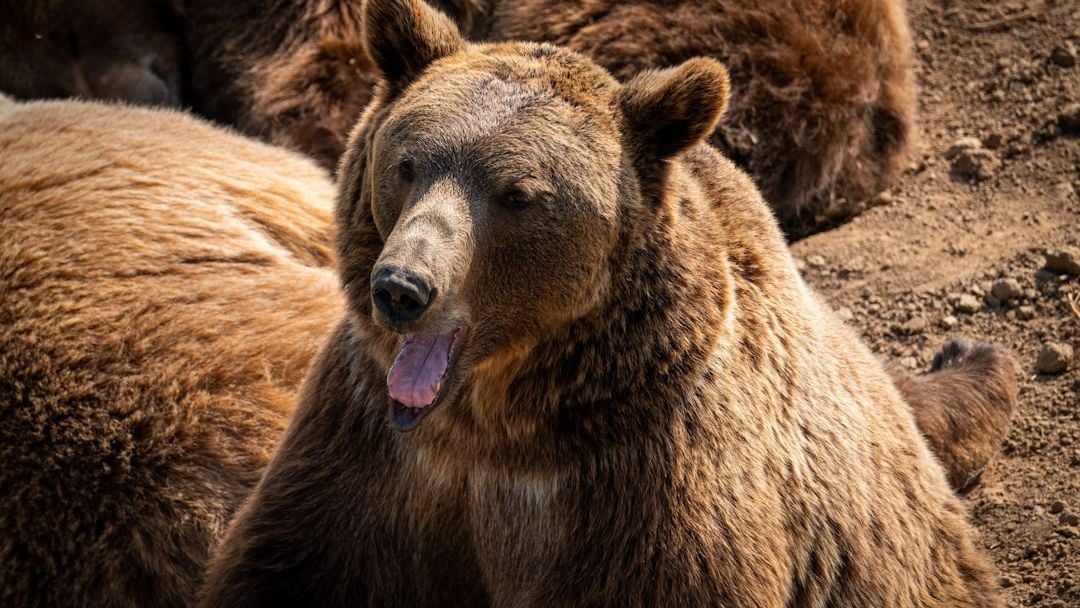
Bears have long occupied a special place in the human imagination. They appear in folklore, children’s stories, and wilderness warnings alike. We picture them as untouchable, unbeatable, the kings and queens of forests and mountains. Yet the reality is considerably more layered, and in some ways more troubling, than that reputation suggests.
The truth is that bears face a complex web of threats, from teeth and claws to invisible forces reshaping their world. Some enemies strike from the shadows. Others operate on a scale far too large for any bear to fight back against. Understanding what actually threatens these animals reveals something worth knowing about nature itself.
#1: Humans – The Undisputed Number One Threat
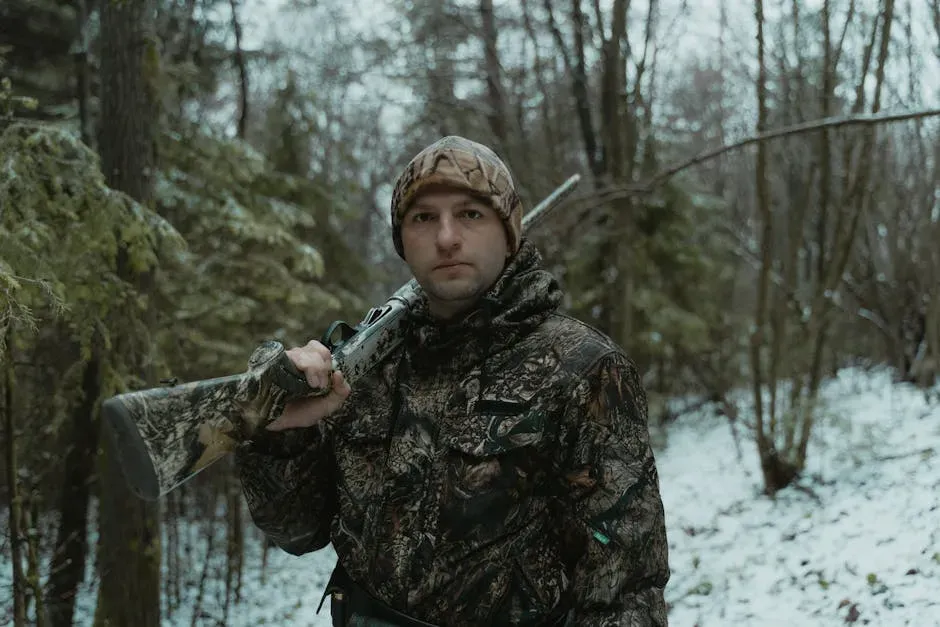
Of all the dangers bears face, none comes close to the impact of people. Humans represent the most successful and widespread predators of bears, utilizing advanced technology, weapons, and coordinated hunting strategies that no natural predator can match. This isn’t a minor detail. It defines the entire picture of bear survival across almost every species and continent.
The data backs this up clearly. Research from the Scandinavian Brown Bear Research Project found that humans were the number one cause of death for radio-collared bears, with roughly four out of five deaths caused by some form of human activity, including legal hunting, poaching, and road accidents. In northwestern Montana, a state-run study from 2004 to 2014 estimated that nearly three quarters of independent grizzly bear mortalities had human causes.
Modern human hunting of bears occurs through regulated seasons in many regions, while illegal poaching continues to threaten bear populations worldwide. The motivations vary widely. In many parts of the world, bears are hunted for specific organs such as their gallbladder, used in traditional medicines, their beautiful fur, while other bears are hunted for game. Beyond deliberate killing, bears have been known to wander into farms, cattle and sheep ranches, and other populated areas, and these incidents often end with the bear being shot and killed.
The psychological impact of human hunting pressure affects bear behavior significantly. In heavily hunted areas, bears become increasingly nocturnal, avoid open habitats, and demonstrate heightened wariness around human activity. This behavioral modification can reduce reproductive success and alter natural feeding patterns. In other words, even bears that survive human contact are changed by it.
#2: Other Bears – The Threat From Within
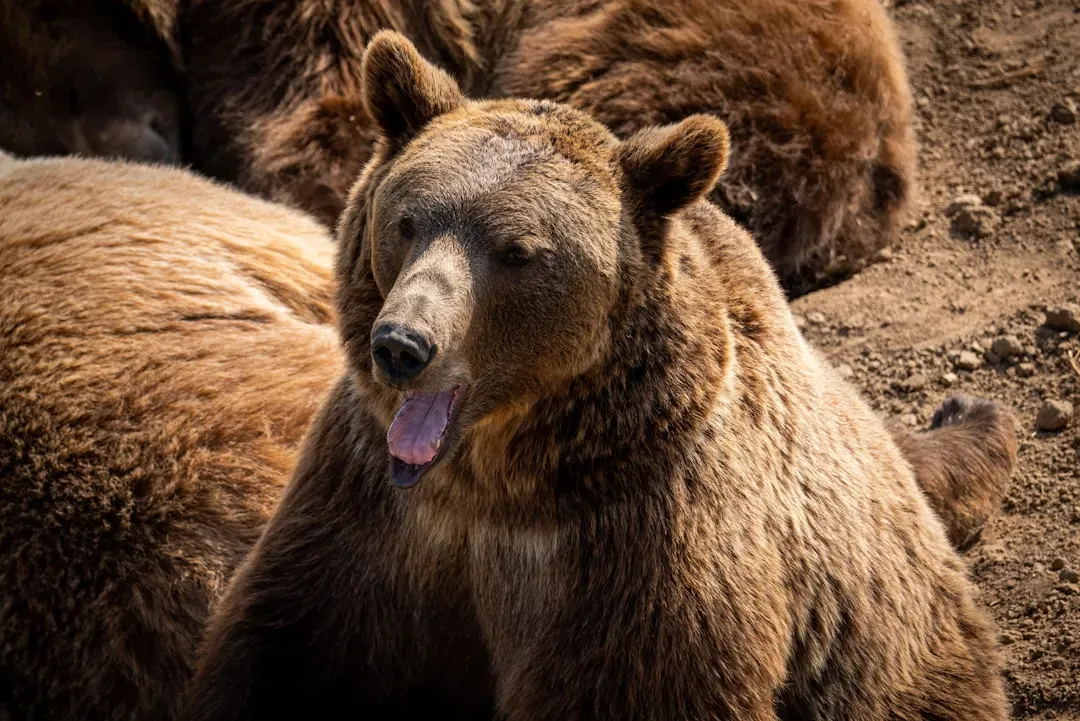
One of the more unsettling facts about bear life is that bears themselves pose a serious danger to younger members of their own species. As a brutal part of bear biology, male bears may kill cubs to bring the mother back into reproductive readiness. This behavior has been observed mostly in brown bears and polar bears, especially during the height of mating season. It isn’t random aggression; it’s coldly strategic.
When a male bear kills cubs that are not his offspring, the mother can re-enter estrus sooner, giving him a chance to pass on his genes. The consequences for cub survival are stark. Studies show that mortality in bears is greatest during the first year of life, with roughly forty to fifty percent of cubs dying before they can leave their mother’s side. About eighty percent of that cub mortality occurs when the mother is in estrus and is likely due to infanticide by male bears.
The biggest threats to an adult bear would usually be via territorial disputes with other bears, often for fishing rights. These confrontations can turn deadly. Bears are known to kill other bears, at least young subadult bears, although this is relatively uncommon. There have been only a few documented cases of adult bears killing other adult bears, all of which were adult females with yearlings. Still, intraspecific conflict represents one of the few natural forces capable of killing a bear that has already made it to adulthood.
#3: Wolves, Tigers, and Large Predators – Real But Limited Threats
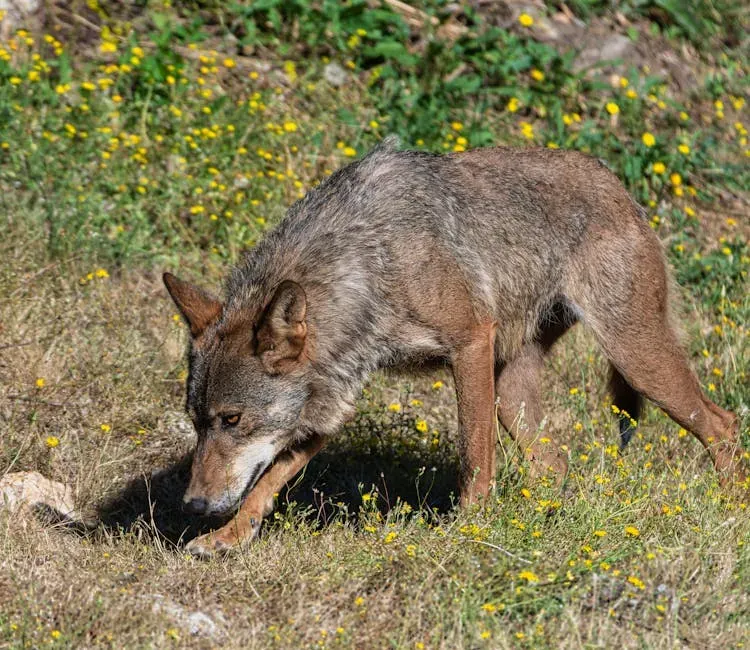
In the wild, a handful of large predators are genuinely capable of killing bears under the right circumstances, though these interactions are rarer than popular imagination might suggest. The primary wild predator of bears across the Northern Hemisphere is undoubtedly the grey wolf. As effective pack hunters with strength and stamina, wolves can take down vulnerable black bear cubs when the opportunity arises, typically in spring. Research in places like Minnesota has verified that wolves account for up to nearly half of black bear cub deaths in monitored habitat zones.
It is a known fact that wolves hunt in packs, which is the only thing that may threaten an adult bear in the wild. Wolf packs hang around their prey, seeking the right opportunity to attack. A single wolf wouldn’t threaten an adult bear, so it typically retreats at the sight of one. Adult grizzlies in particular are largely immune to wolf attack. Adult brown bears can attain enormous size, making attacks very rare due to the extreme risk of injury to the wolves. Overall, wolves mainly seek isolated black bear cubs during early summer and pose little threat to mature bears.
Tigers represent a different kind of threat, particularly in the Russian Far East and parts of Southeast Asia. Amur tigers and Indochinese tigers prey on brown bears and Asian black bears with some frequency. As solitary hunters, tigers can leverage advantages in agility and biting power to overcome even larger ursine competitors for territory disputes or food. Most conflicts arise during the spring breeding season when bears emerge hungry from hibernation. Bears and tigers rarely occupy the same habitat; however, when there is a battle encounter between these two, tigers can be more dangerous to bears. It’s a genuine rivalry between two of the animal kingdom’s heavyweights.
#4: Disease and Parasites – The Invisible Killers

Most discussions of bear threats focus on claws and guns. Far fewer people consider what happens at the microscopic level. Not all predators are visible stalking through the forest. Microscopic invaders can creep in unnoticed and be just as deadly as claws or teeth. Parasites, viruses, and bacteria are always present, ready to drain life away. For bears, this category of threat is more significant than it first appears.
Ticks, mites, and intestinal worms have the potential to cause serious health issues in cubs and older bears. Sarcoptic mange, in particular, is a brutal threat caused by mites that burrow into the skin. Diseases like these are spread by contact with infected animals and can make bears easier prey, as infections may weaken them or prevent them from foraging and defending themselves. A bear weakened by mange or infection is a very different animal from a healthy one.
Scientific studies of bear mortality have identified disease as a recurring cause of death in wild populations. Almost thirty percent of studied bears died during or after intraspecific fights, including sexually selected infanticide. In addition, primary infectious diseases such as infectious canine hepatitis, distemper, and colibacillosis caused the death of a notable share of bears in documented samples. Cattle, goats, sheep, dogs, cats, and rats could also favor the presence of diseases that would affect the survival of wild bears entering into contact with these animals. The expansion of human settlement means bears are encountering domestic animals, and their diseases, more than ever before.
#5: Climate Change and Habitat Loss – The Slow Emergency
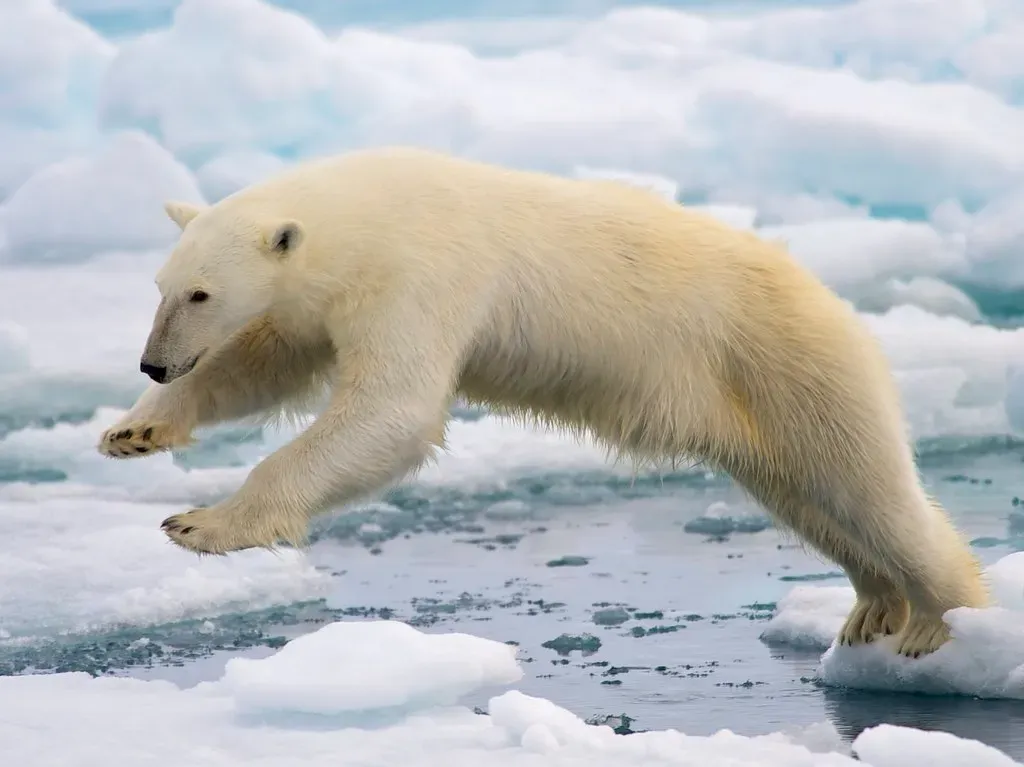
If one threat stands out as both underestimated and accelerating, it is the combined force of climate change and shrinking habitat. The biggest threats to most bear species are human activities such as habitat loss, conflict, and, for some species, hunting. For polar bears, climate change and the resulting loss of sea ice are the greatest threats. The scale of this threat is genuinely different from anything else on this list. It operates across entire landscapes, not single encounters.
Polar bears rely on sea ice to hunt, breed, roam, and sometimes to den. The Arctic is warming and ice is melting due to human-caused climate change. Already, in parts of the Arctic, longer ice-free seasons and longer fasting periods have led to a decline in some polar bear populations. As sea ice diminishes, polar bears have increasingly resorted to land-based food sources, which are not sufficient for their dietary needs, leading to weight loss and starvation. The arithmetic here is unforgiving.
One of the most insidious threats to bear survival is habitat loss and fragmentation. As human populations expand and land is converted for agriculture, development, and resource extraction, bear habitat shrinks and becomes increasingly fragmented. This affects not just polar bears but species across the board. The behavioral and physiological responses of bears to changes in climate can significantly affect their coexistence with humans, as bears make spatial adjustments in habitat use, search for alternative food sources, and reduce the length of their hibernation period. When bears adjust, they tend to move closer to people – which, as the data shows, rarely ends well for the bear.
Habitat fragmentation isolates bear populations, restricting access to food and mates and increasing the risk of human-bear conflict. Bears traversing fragmented landscapes are also more likely to be hit by vehicles. Road collisions, once a footnote in bear mortality studies, have grown into a measurable cause of death in several regions. The land simply keeps shrinking.
Conclusion: The Mirror Bears Hold Up to Us
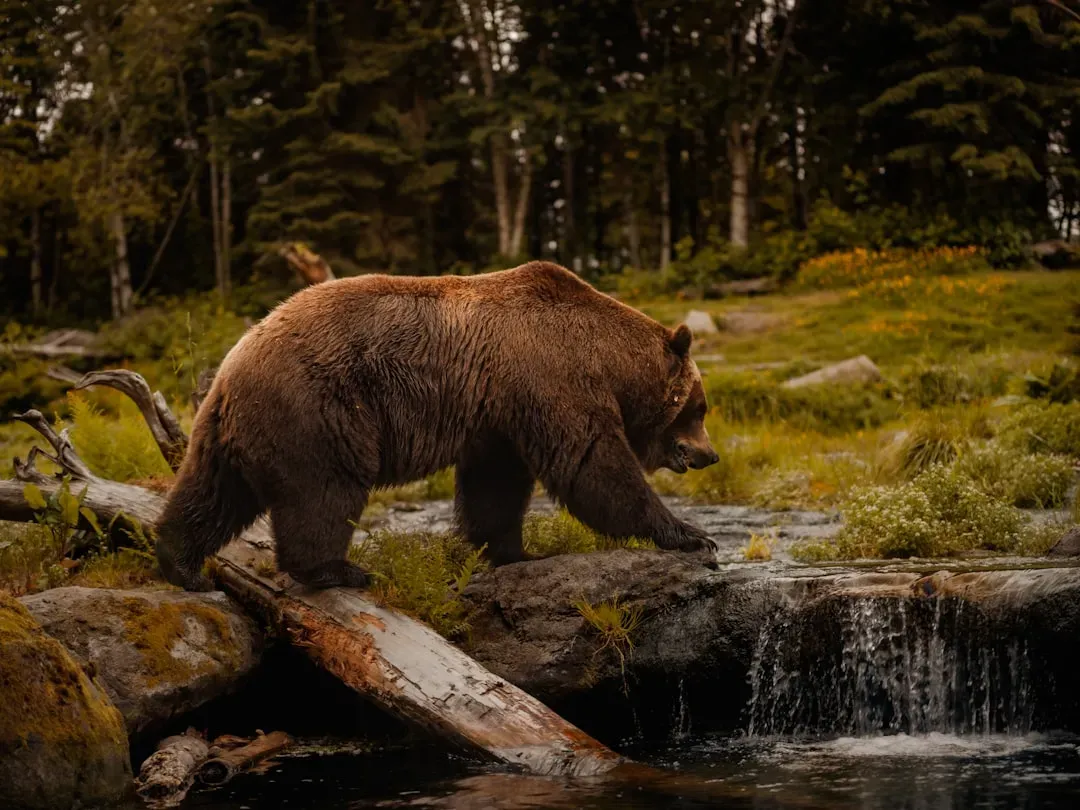
If there is one honest conclusion to draw from all of this, it is that bears are far more vulnerable than their reputation suggests. Wolves can threaten their cubs. Tigers can challenge them in contested territory. Disease can hollow them out quietly. Other male bears can destroy their own offspring. Each of these threats is real, documented, and worth understanding.
Yet the most consistent, most lethal, and most far-reaching threat to bears across every continent and every species is the same: people. Whether through a rifle, a road, a shrinking forest, or a warming ocean, human activity shapes bear survival more decisively than any natural predator ever could. Just about twelve percent of adult bears are estimated to die from natural causes, which means the overwhelming majority of bear deaths have a human signature on them somewhere.
That’s not just a conservation statistic. It is, in a very direct sense, a statement about responsibility. Bears didn’t create the threats they now face. Their worst enemy didn’t emerge from the forest or descend from the sky. It walked in on two legs, and it has the capacity to choose differently. Whether it will remains, honestly, the more important question.
