

Picture yourself on a quiet trail through dense forest, the air crisp with pine scent. Suddenly, a rustle in the underbrush catches your eye. Black bears roam vast swaths of America, thriving in wild places where humans tread lightly. These adaptable creatures favor wooded hills, berry patches, and streams teeming with fish.
With populations rebounding across the continent, sightings happen more often in certain states. Hikers, campers, and anglers share the landscape with these mostly shy animals. Knowing where they live sharpens awareness and respect for their space.[1][2]
Alaska
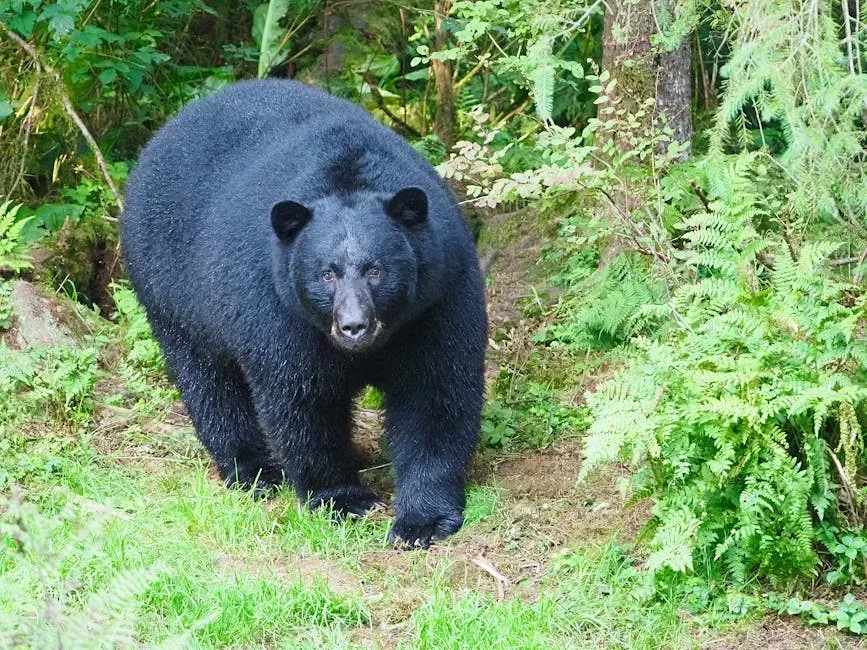
Alaska hosts over 100,000 black bears, the largest population anywhere.[1] They wander forests, tundra, and coastal zones, drawn to salmon runs in summer. Encounters often occur near rivers or remote trails, though the state’s size keeps most meetings distant glimpses.
Bears here thrive in untouched wilderness, foraging berries and clams. Spring and fall bring more activity as they bulk up or seek dens. Always carry bear spray and make noise to avoid surprises in this bear-rich frontier.[2]
California
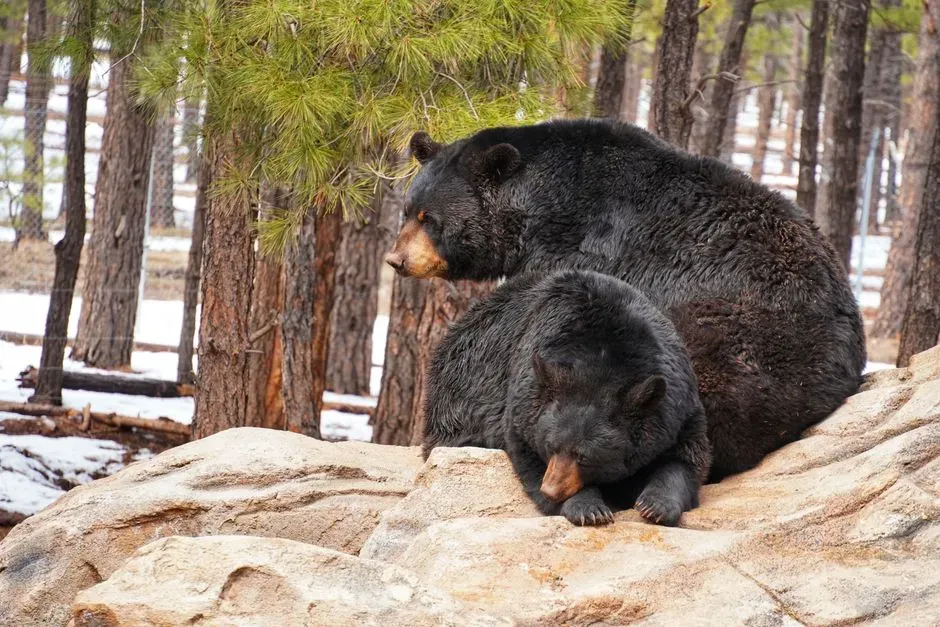
California’s 35,000 black bears claim the top spot among contiguous states.[1] Yosemite National Park and the Tahoe Basin draw hikers into their territory, especially late summer when acorns and berries ripen. Sightings spike near campsites or water sources in these rugged mountains.
The North Coast and Cascades hold the densest groups. Bears expand into new areas like the central coast. Secure food in bear-proof containers to keep interactions peaceful amid golden oaks and granite peaks.[3]
Maine
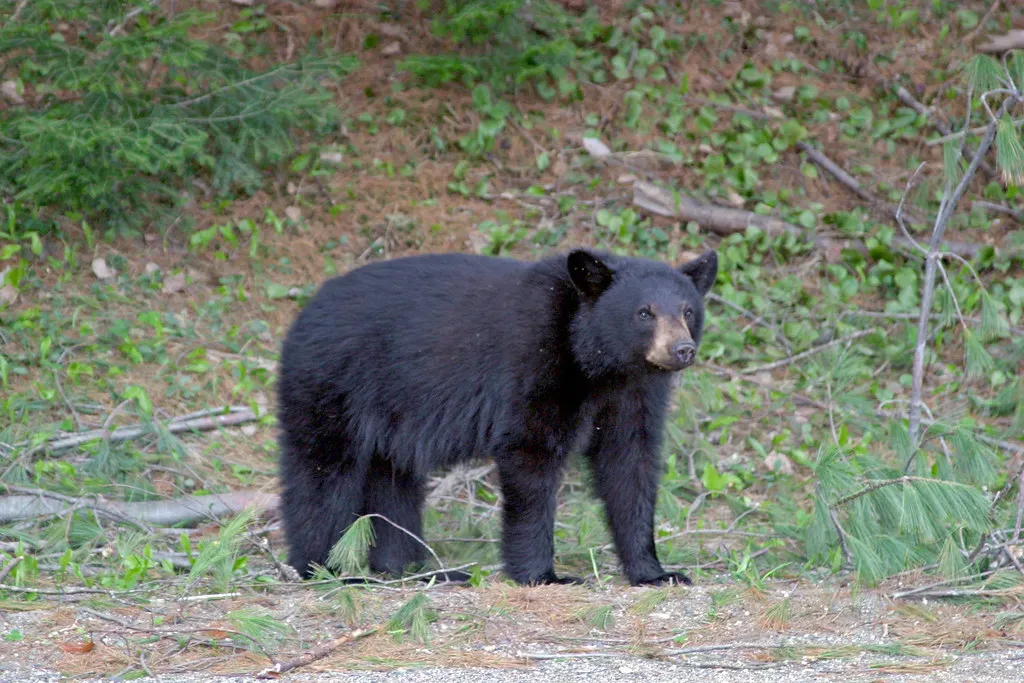
Maine shelters 35,000 black bears across its deep woods.[1] Heavily forested regions like Baxter State Park offer prime chances for trail spotters. Bears forage blueberries and bees in summer, venturing near roadsides too.
Conservation keeps numbers stable, with hunting managed carefully. Dawn and dusk walks reveal paw prints or scat more than faces. Respect signs and store snacks properly in this New England bear haven.[2]
Idaho
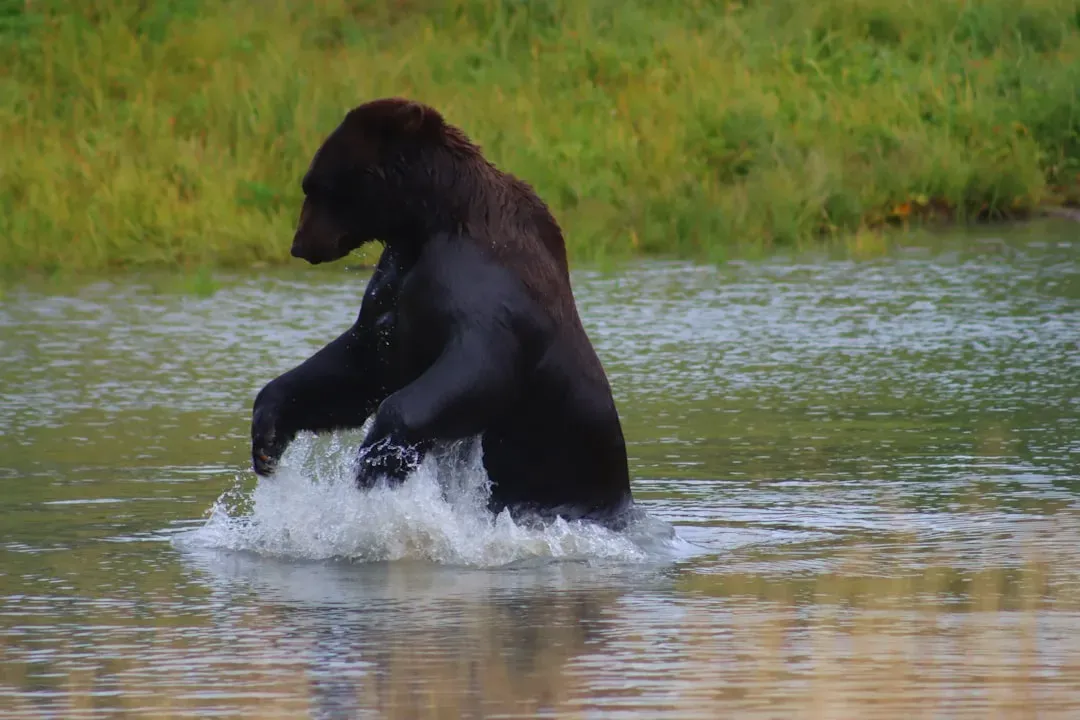
Idaho counts 30,000 black bears in its mountain ranges and foothills.[1] The Sawtooth and Bitterroot areas buzz with activity, where clawed trees and turned logs signal nearby presence. Spring berries and fall nuts pull them into open meadows.
Healthy populations grow in mixed forests near Boise. Spot them from afar on remote hikes. Travel in groups and talk loudly to share the wild safely with these elusive locals.[3]
Oregon
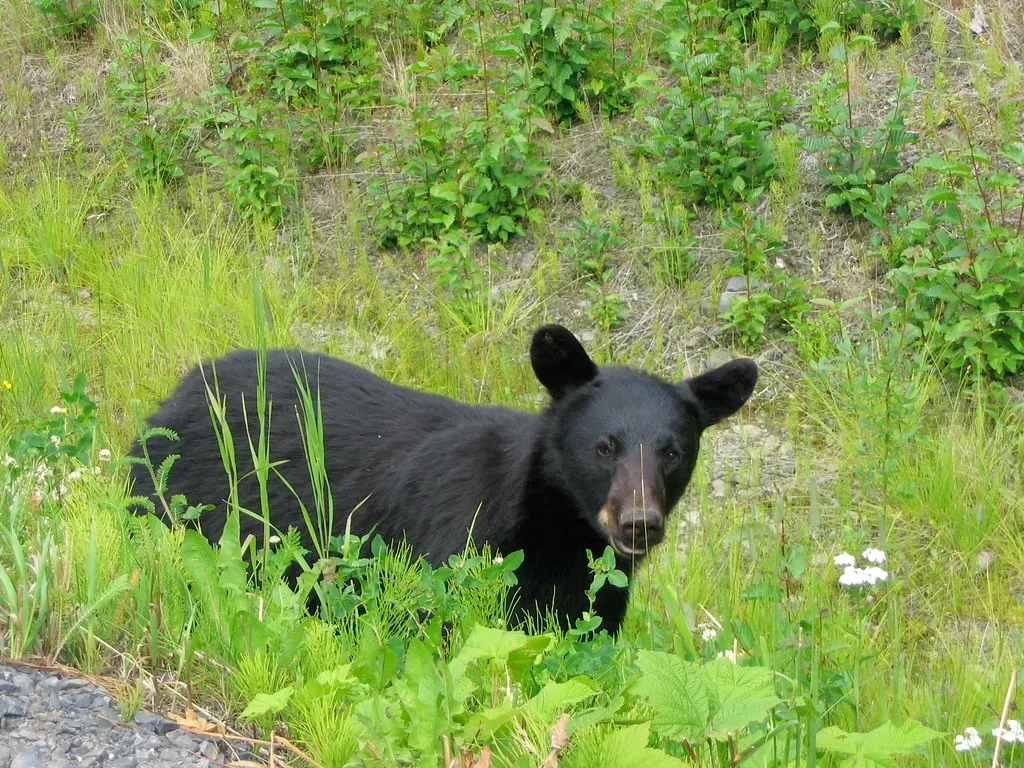
Oregon’s 27,500 black bears fill the Cascades and coastal ranges.[1] Dense, unpopulated forests west of the mountains hide them until berry season. Late summer brings bolder foragers near homes or trails.
Blue and Wallowa mountains shelter thriving groups. Bear-proof your camp to avoid close calls. Quiet mornings in these evergreens might reward patient observers.[3]
Washington
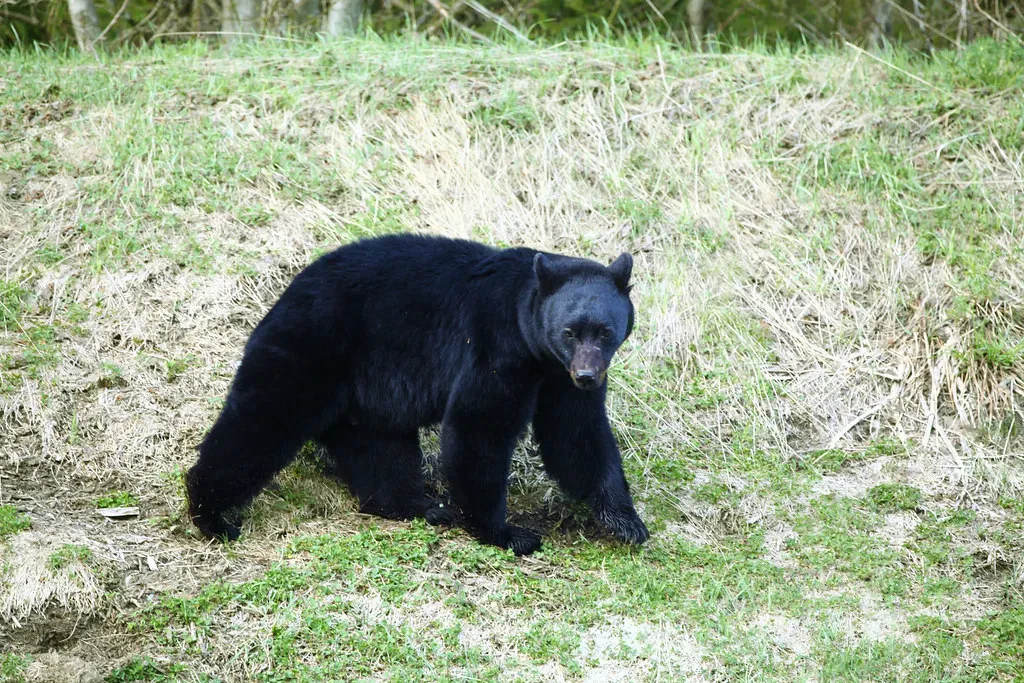
Washington matches Oregon with 27,500 black bears statewide.[1] Coastal rainforests and Cascade woodlands draw them everywhere but arid plains. Olympic National Park trails cross their paths amid mossy giants.
They seek berries, roots, and streams year-round. Fall hyperphagia amps up roadside views. Use bells and bins to let them roam undisturbed.[3]
Wisconsin
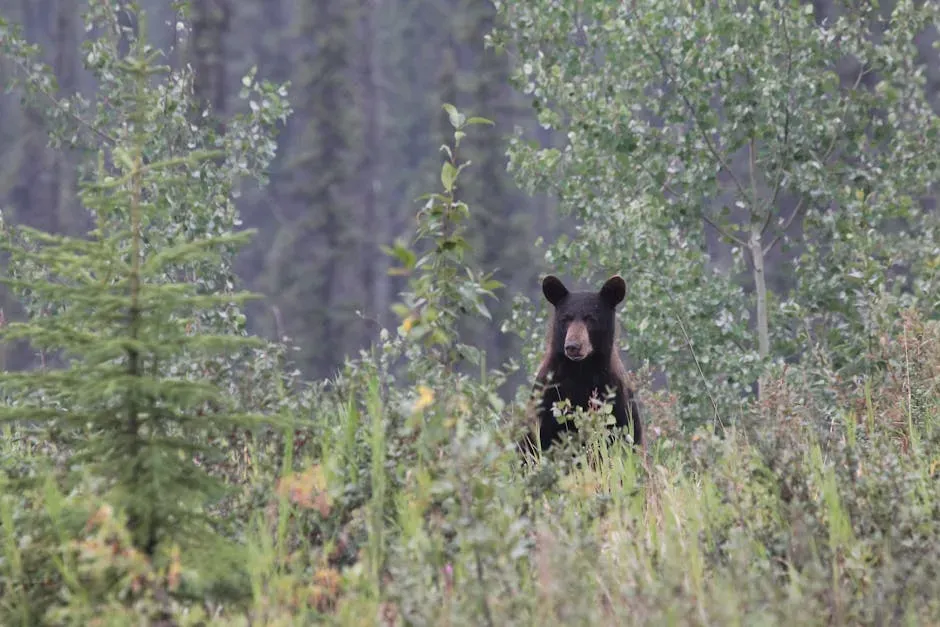
Wisconsin harbors 24,000 black bears, mostly up north.[1] Chequamegon-Nicolet National Forest teems with sightings amid hardwoods. Southern edges see more as woods reclaim land.
Bears prowl for acorns and fish, active at twilight. Vast public lands invite careful explorers. Hang food high and stay alert in this recovering bear country.[3]
Black bears remind us of wild edges still pulsing nearby. Spotting one demands preparation, patience, and space. Next time you lace up boots for the backcountry, carry that respect – it turns potential encounters into cherished memories.

- 16 Things Experienced Gardeners Say They Wish They Had Understood Decades Before They Did - August 12, 2026
- 12 Common Myths About Cats Debunked by Animal Experts - August 11, 2026
- The 15 Most Beautiful Cities in Europe - August 11, 2026