
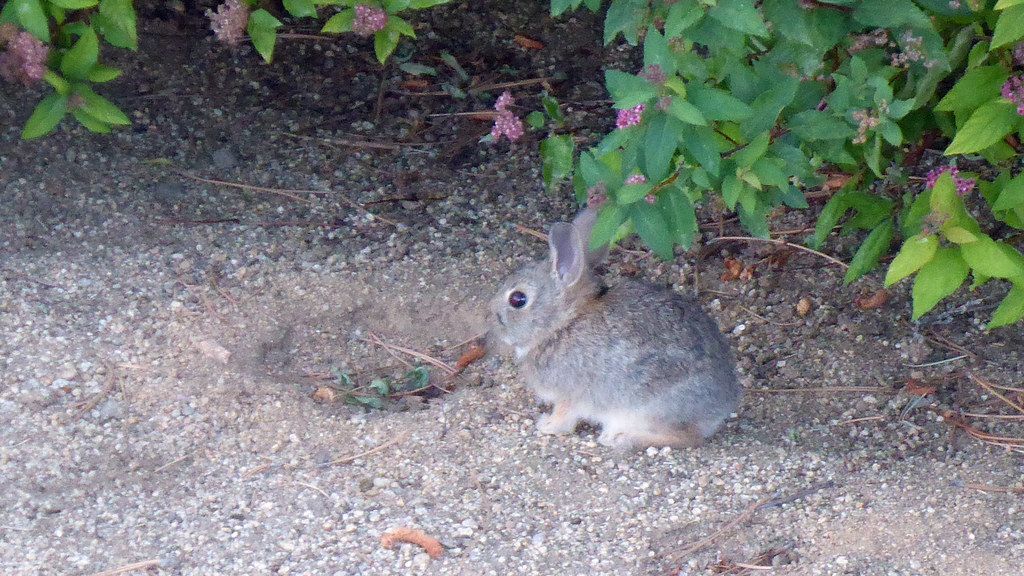
Every gardener knows that sinking feeling: you step outside with your coffee, look over your beds, and realize some adorable little vandal chewed everything down to stubs overnight. Rabbits look innocent, but in a single evening they can undo weeks of careful planting and coddling. The good news is that you do not have to fence your entire yard or give up on flowers and herbs to keep the peace.
There are certain plants that rabbits usually turn their twitchy noses up at, thanks to strong scents, bitter sap, tough leaves, or mild toxicity that makes them more trouble than they are worth. Are they 100 percent rabbit-proof? No plant really is. But these eight are the ones I see consistently left alone in real American yards, including my own, while tastier options get shredded. If you are tired of being in a one-sided war with bunnies, these are the plants that quietly tip the odds back in your favor.
1. Lavender: Fragrant for You, Overwhelming for Rabbits
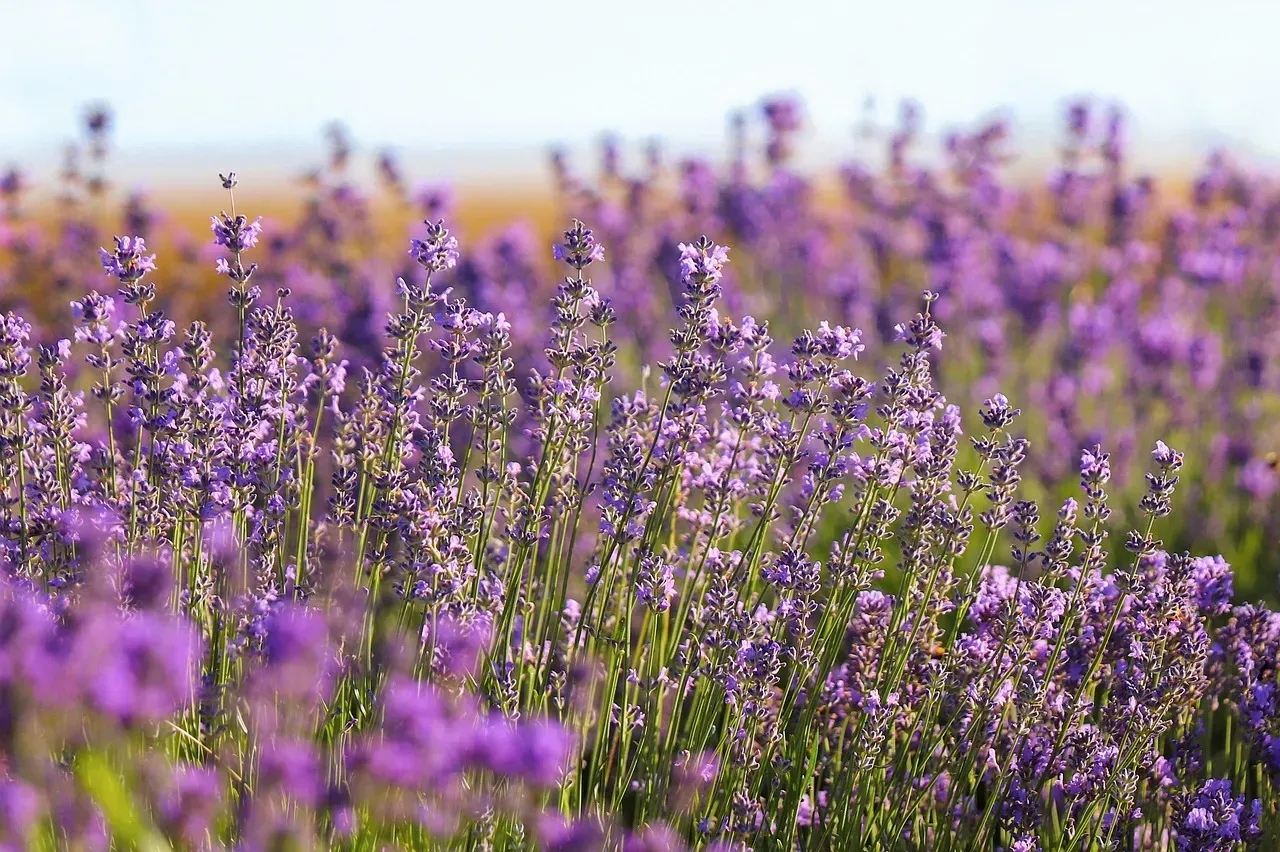
Lavender is one of those rare plants that checks almost every box for gardeners: it smells amazing, looks beautiful, tolerates heat and drought once established, and usually escapes rabbit damage. The same essential oils that make lavender soothing to us are overpowering to many animals, especially rabbits with their ultra-sensitive noses. Its woody stems and slightly tough, resinous leaves are also not exactly gourmet fare compared to tender lettuce or beans.
In American gardens, English lavender and related varieties do best in full sun and well-drained soil, which conveniently are the spots where rabbits feel most exposed and cautious anyway. I have seen beds where everything else was nibbled down except a small hedge of lavender, standing like a scented fortress along the border. Planting a loose ring or drift of lavender around more vulnerable plants can act like a soft, living barrier: not a perfect wall, but enough of a sensory “no thanks” that rabbits move along to easier browsing.
2. Russian Sage: Wispy Foliage, Strong Scent
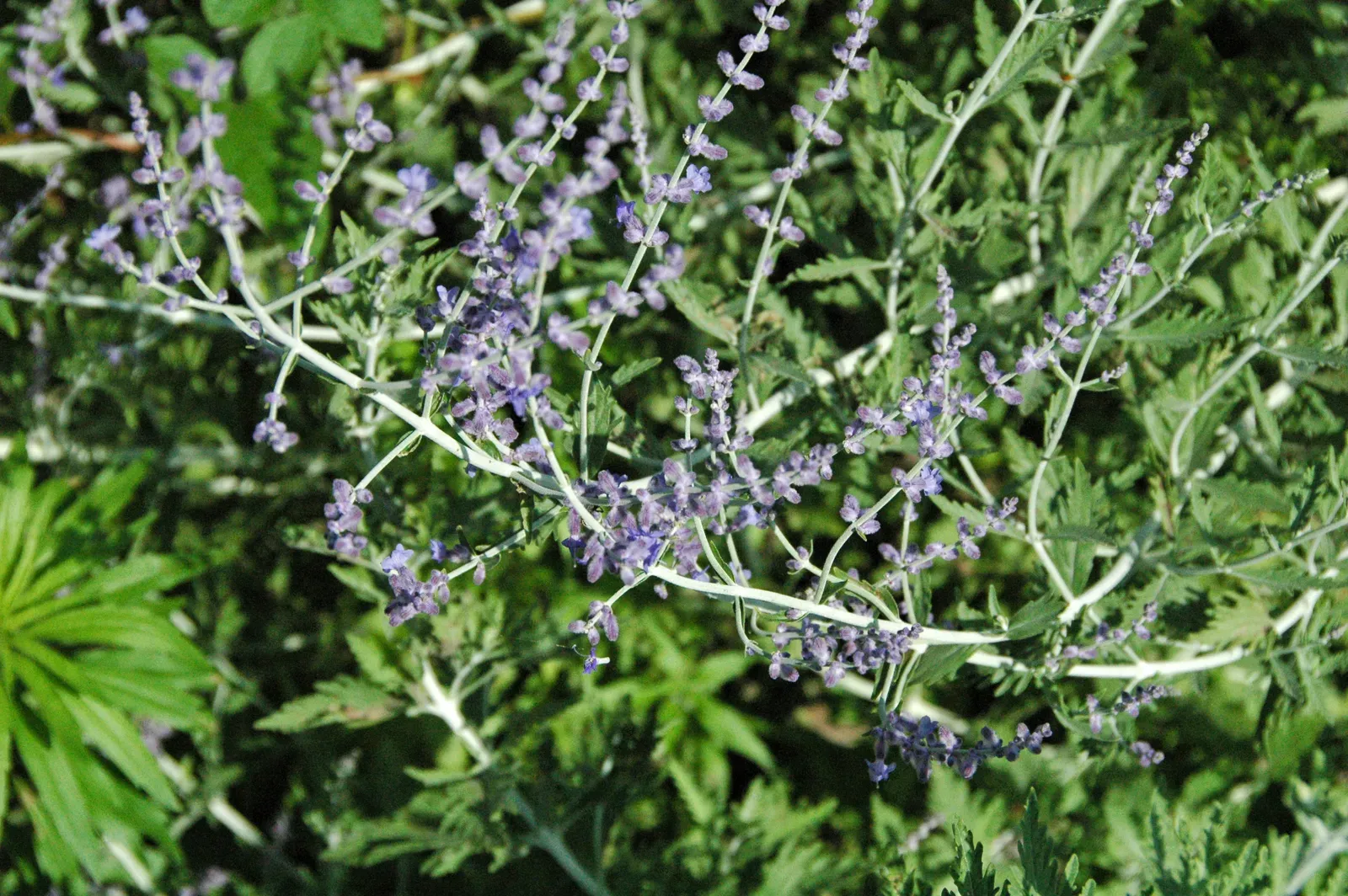
Russian sage is one of those airy, shimmering plants that looks delicate but is actually a tank when it comes to pests. Its grey-green, finely cut leaves are infused with aromatic compounds that give off a strong, pungent scent when brushed or bruised. Rabbits tend to avoid strongly scented foliage, especially when it has a slightly bitter, medicinal flavor the way Russian sage does. To them, these soft-looking leaves are like inhaling a mouthful of incense.
In practice, Russian sage is a smart choice for hot, dry parts of the American landscape where many rabbit favorites, like pansies or young veggies, would struggle anyway. Once established, it thrives on neglect and still throws up long wands of violet-blue flowers that pollinators adore. I have watched neighborhoods where rabbits casually graze on clover in lawns and then hop right past stands of Russian sage without so much as a nibble. If you want a plant that brings height, movement, and color without becoming a rabbit salad bar, this one earns its keep.
3. Yarrow: Bitter Leaves Wrapped in Fernlike Beauty
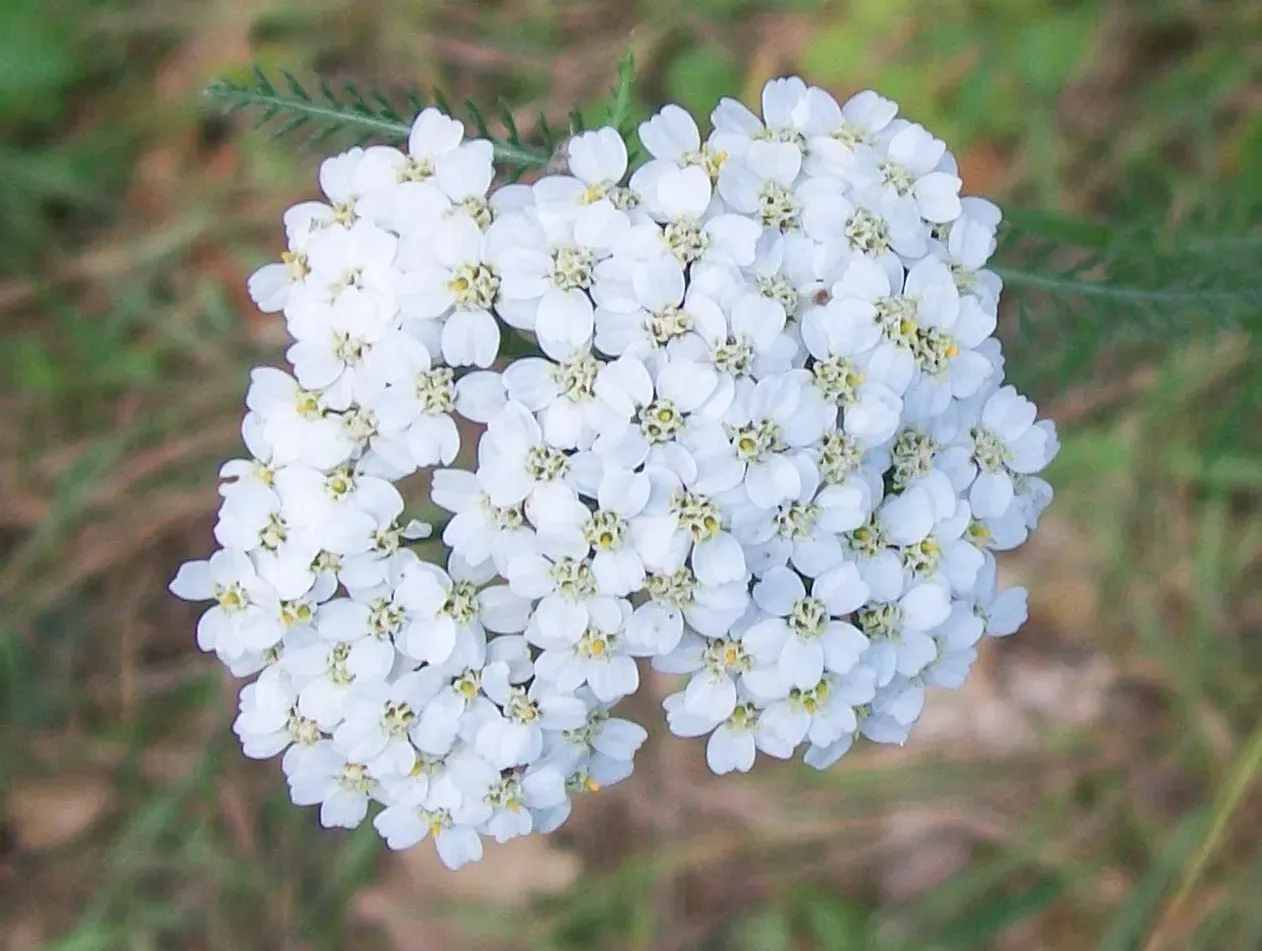
At first glance, yarrow’s soft, feathery foliage looks like it would be irresistible to a hungry rabbit. But appearances are deceiving here. Yarrow contains natural bitter compounds that give both its leaves and stems an unappealing taste, and many rabbits quickly learn that one bite is more than enough. In a garden setting, that means yarrow is often left standing untouched while more tender perennials and annuals show ragged edges and missing buds.
Another advantage is that yarrow is adapted to tough conditions that many American gardens experience: poor soil, heat, and occasional neglect. It forms dense clumps and flat-topped flower clusters that come in whites, yellows, pinks, and reds. I like to tuck yarrow into mixed borders around plants that rabbits like more, because its bitter foliage can subtly break up a rabbit’s snacking path. It is a bit like putting a row of unappetizing crackers between stacks of cookies; eventually, the snacker decides it is not worth the effort.
4. Daffodils: Classic Spring Color with Built-In Defense
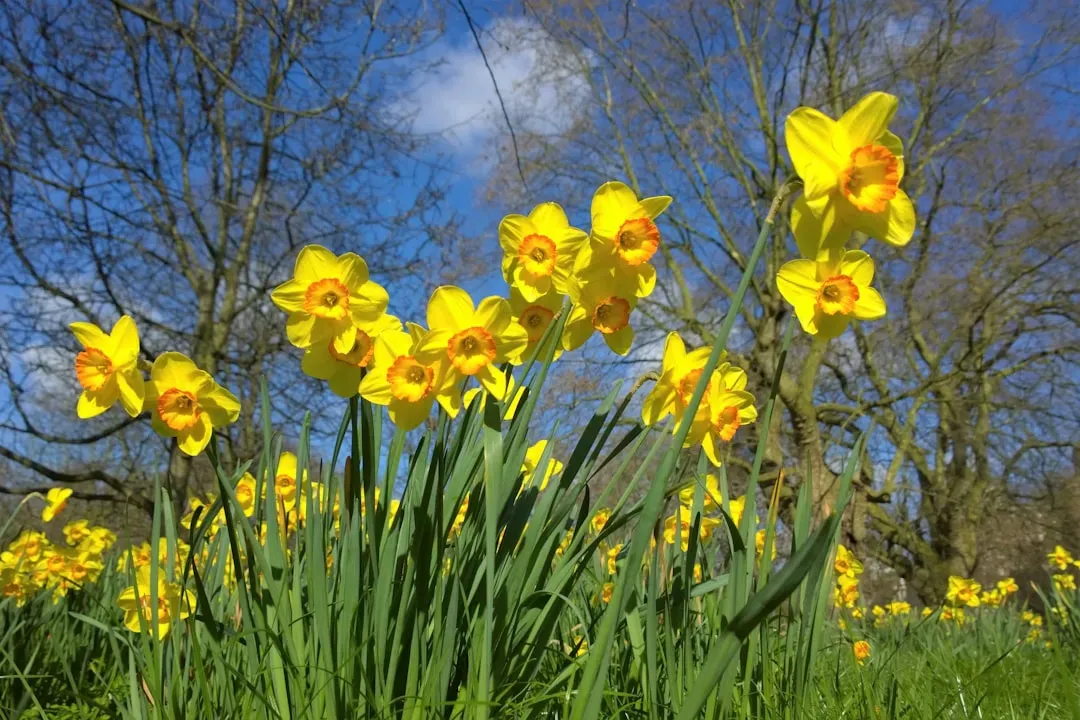
Daffodils are not just cheerful symbols of spring; they come with their own natural security system. The bulbs, leaves, and flowers contain toxic alkaloids that are mildly poisonous if eaten, which is why rabbits, deer, and many other mammals tend to avoid them. Most animals learn quickly that daffodils are not edible, and they keep that lesson from year to year. So while your tulips might get decapitated overnight, your daffodils are usually left to bloom in peace.
From a design perspective, daffodils are one of the easiest rabbit-resistant strategies you can deploy in American gardens. You plant the bulbs once in fall, and they return for years with very little fuss. I like using strips or clusters of daffodils at the front of beds, or around the base of shrubs that rabbits are fond of nibbling in spring. They act like a visual welcome mat for you and a chemical “keep out” sign for rabbits, all at the same time. It is one of those rare cases where nature hands gardeners a win without asking much in return.
5. Catmint (Nepeta): A Magnet for Bees, Not Bunnies
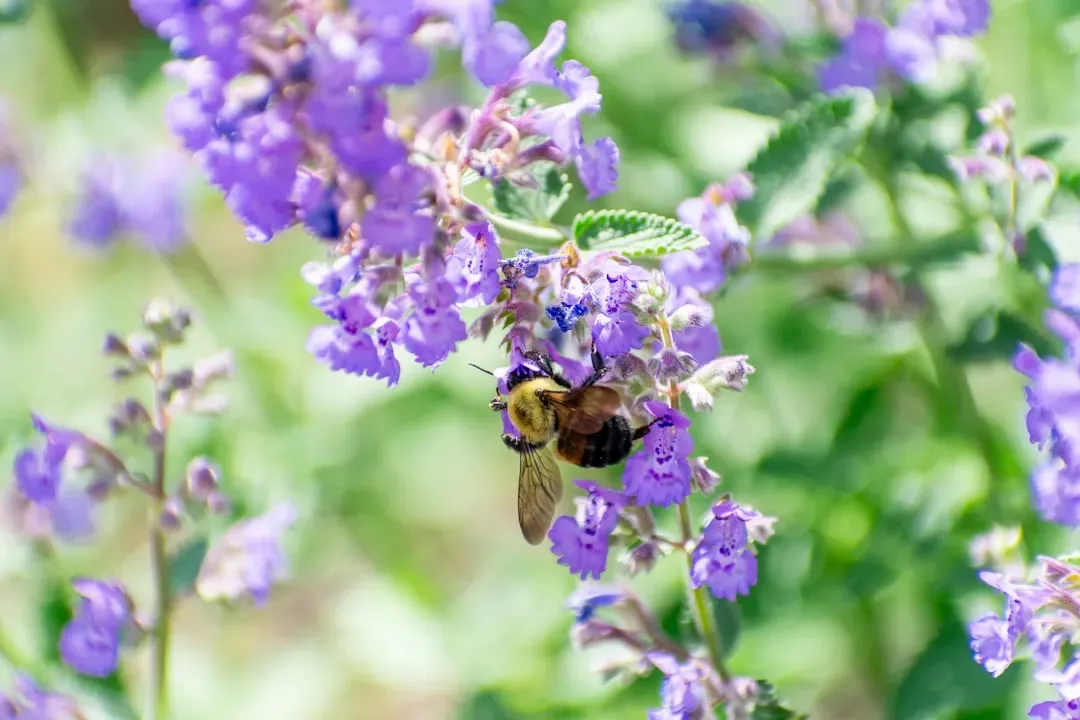
Catmint is famous for making cats a little wild, but it tends to have the opposite effect on rabbits: they just are not interested. The aromatic leaves are full of essential oils, with a powerful scent that is pleasant to people and pollinators but off-putting to many mammals. The foliage is also slightly fuzzy and not especially tender, which lowers its appeal compared to softer, juicier plants. If you have ever brushed your hand through a catmint patch and caught a strong herbal wave, imagine that multiplied for a rabbit’s sensitive nose.
In American gardens, catmint is a star around borders, paths, and the base of roses, which rabbits will sometimes chew when young. I have seen gardeners plant it intentionally as a floral moat, a ring of hazy blue-purple that seems to discourage rabbits from venturing further inward. On warm evenings the plants hum with bees, but the ground beneath stays surprisingly free of rabbit damage. If you want something low, pretty, and rabbit-resistant that you barely have to fuss over, catmint is one of the most rewarding choices.
6. Boxwood: Evergreen Structure Rabbits Rarely Touch
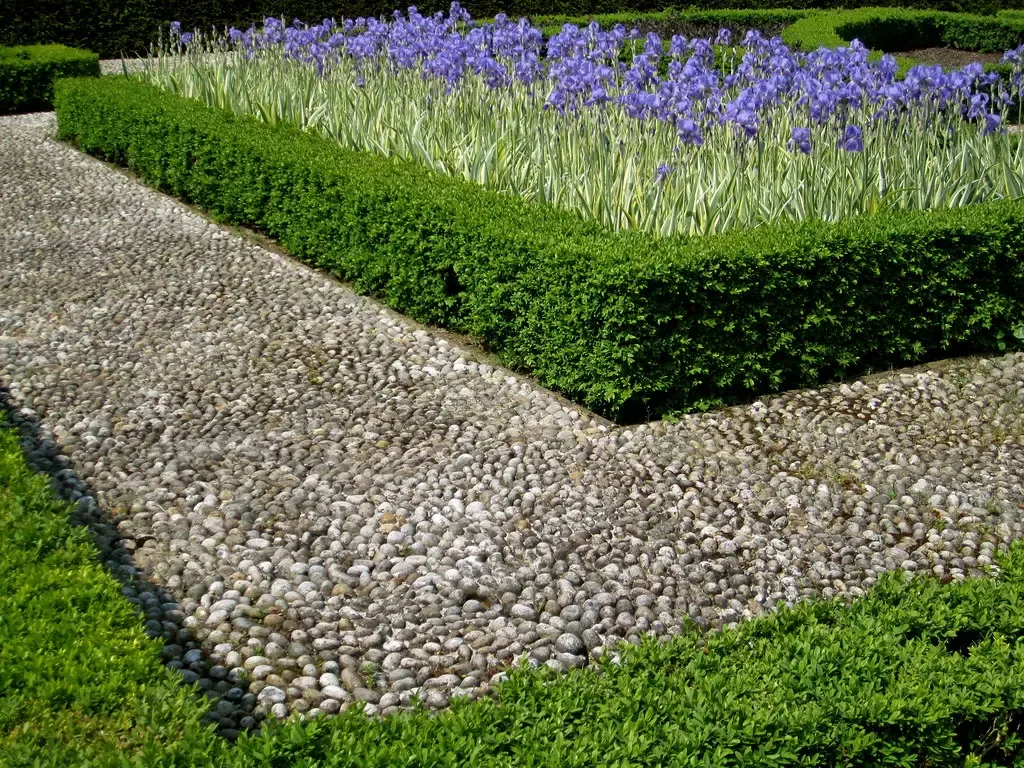
Boxwood is about as far from tender salad greens as you can get. Its small, leathery leaves and dense branching make it physically tough to chew, and the plant carries a strong, resinous, somewhat pungent scent that many animals dislike. Rabbits generally prefer soft, easily bitten foliage that delivers quick calories for the effort, and boxwood offers the exact opposite. While no plant is totally off the table for a starving animal, boxwood usually ranks low on the menu in normal backyard conditions.
Across many parts of the United States, boxwood is used to outline beds, frame entryways, or create small hedges that give a garden structure year-round. One thing I appreciate is that even when rabbits are active, those neat green shapes stay intact, making everything feel less ravaged. If you combine boxwood with more fragrant perennials like lavender or catmint, you start to build layers of plants that rabbits find unappealing both in taste and texture. It is not quite a fortress wall, but it does change your garden from an open buffet into something closer to a guarded courtyard.
7. Coneflowers (Echinacea): Tough Prairie Natives with Some Limits
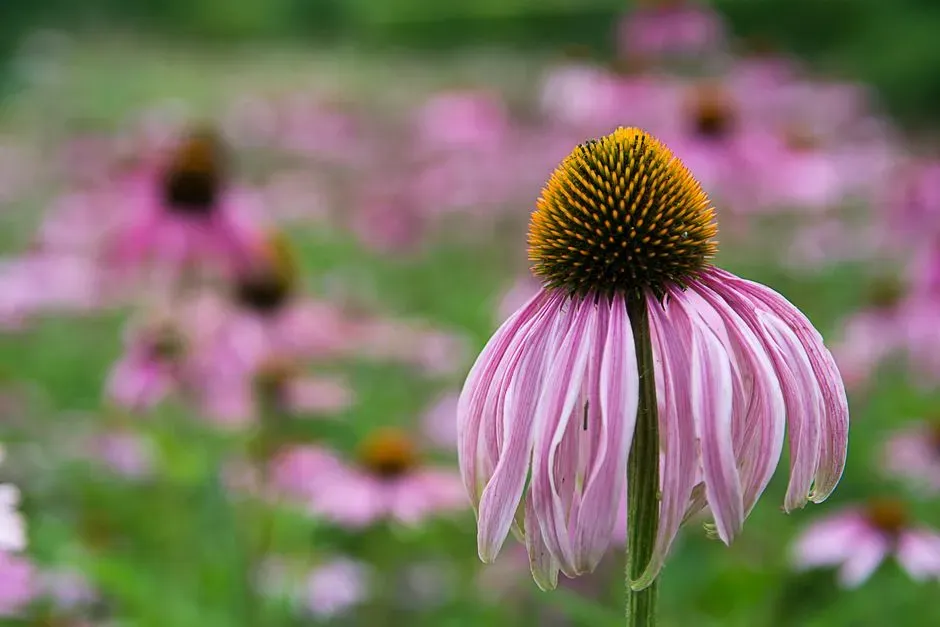
Coneflowers sit in a tricky but useful category: they are not completely ignored by rabbits, especially when very young, but mature plants are usually far less attractive than many other options. The leaves and stems are somewhat coarse and rough to the touch, and as the plants develop, they become sturdier and less tender. In many American gardens, rabbits may sample a seedling or two early in the season, then move on once the plants toughen up and other easier food sources appear.
Because coneflowers are native to large parts of North America, they are well adapted to the cycles of heat, drought, and rain that define plenty of American yards. They also provide nectar for pollinators and seeds for birds, adding layers of wildlife value that go beyond simply being less edible to rabbits. In my own experience, when coneflowers are mixed into a border with more strongly scented plants, rabbit damage usually drops even further. The key is to think of them not as invincible, but as resilient teammates in a planting scheme that tilts the odds away from bunny destruction.
8. Hellebores: Shade-Loving Flowers Rabbits Tend to Avoid
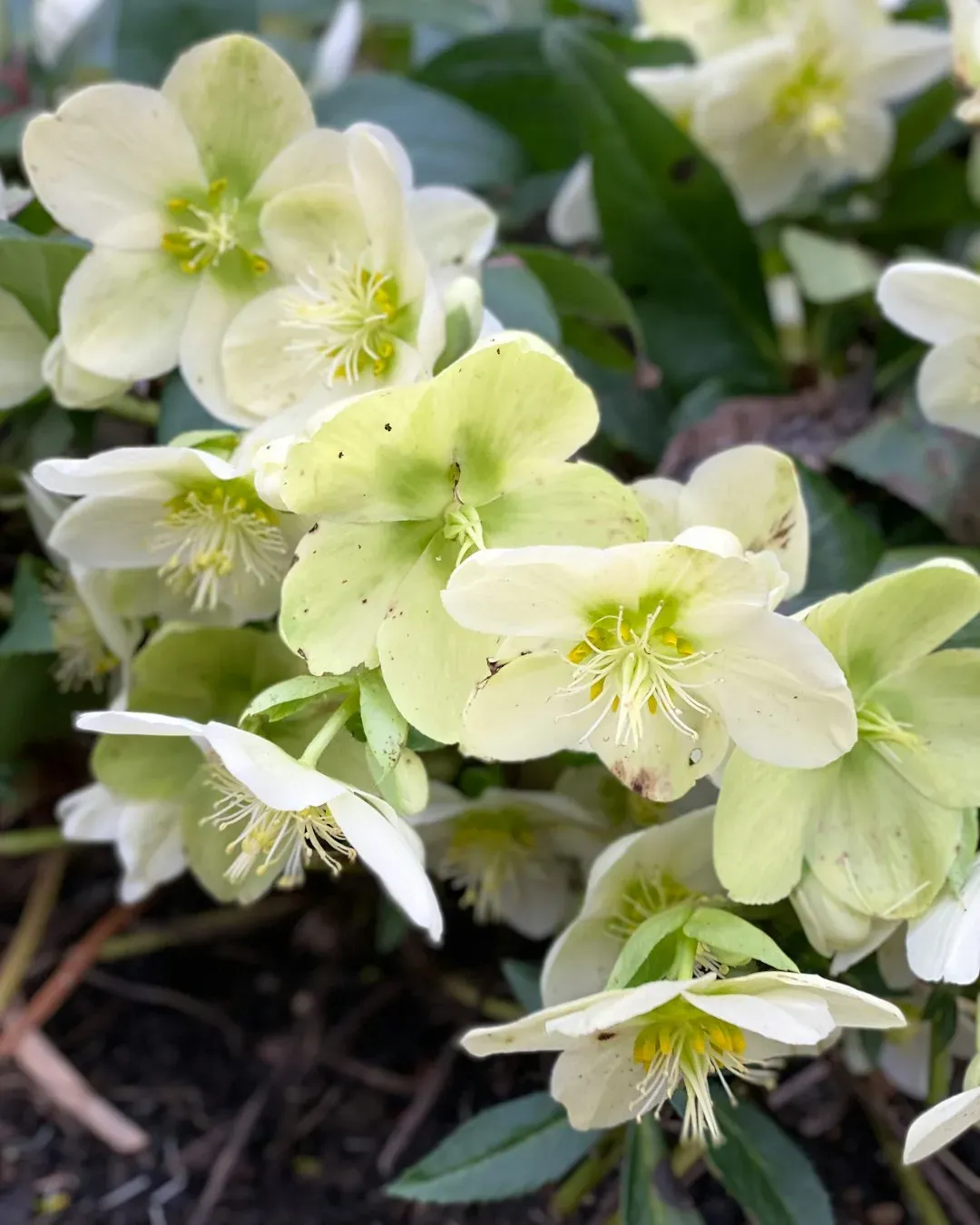
Hellebores, often called Lenten or Christmas roses, bring color to shady gardens when not much else is flowering, especially in late winter and very early spring. What makes them particularly helpful in rabbit-heavy areas is that their leaves and stems contain compounds that are toxic if eaten in quantity. That natural toxicity, combined with stiff, leathery foliage, usually keeps rabbits from doing more than an experimental nibble, if that. Over time, most rabbits simply ignore hellebore patches entirely.
In many American regions, hellebores are the quiet heroes under trees, along fence lines, and in other partially shaded spots where rabbits love to hide. I have seen shady beds where hostas were mowed down to the crown while nearby hellebores stayed serenely untouched, their nodding flowers barely disturbed. They are not a cure-all, and you still need to pay attention to soil and moisture, but as part of a rabbit-resistant shade palette, hellebores pull serious weight. Think of them as the tough, slightly mysterious neighbors that look delicate at first glance but never seem to get pushed around.
Conclusion: Build a Garden Rabbits Can Visit, Not Ruin
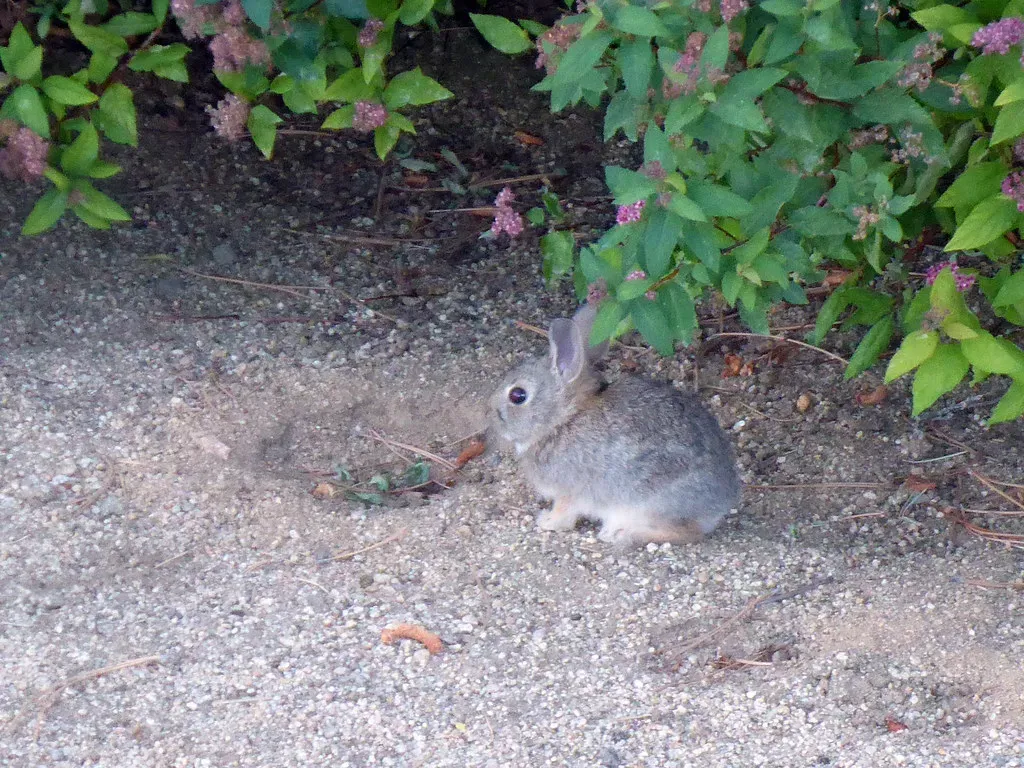
Rabbits are not villains; they are just hungry little animals following their instincts through a landscape we conveniently packed with tender, imported snacks. The mistake many of us make is planting a garden that is basically a gourmet salad bar and then feeling surprised when the neighborhood wildlife lines up to eat. Shifting even part of your beds toward plants like lavender, Russian sage, yarrow, daffodils, catmint, boxwood, coneflowers, and hellebores changes that balance in a very real, practical way. You are not trying to wage war on rabbits so much as quietly rewriting the menu.
My opinion, after years of watching what actually gets eaten and what stays standing, is that planting strategy matters more than any spray, gadget, or folk remedy you can buy. When most of your garden is made up of plants that rabbits find tough, bitter, or strongly scented, occasional nibbling becomes a minor annoyance instead of a yearly disaster. You may still see a few bite marks, and that is fine; a living garden will always have some give and take. The win is stepping outside in the morning and seeing flowers and foliage still there, not stripped bare overnight. Looking at your own yard, which of these rabbit-resistant plants do you want to test first and see the difference for yourself?

- 12 Common Myths About Cats Debunked by Animal Experts - August 11, 2026
- The 15 Most Beautiful Cities in Europe - August 11, 2026
- 10 Fascinating Facts About The Secretary Bird You Never Knew - August 11, 2026