

While humans often pride themselves on being the most emotionally complex beings on the planet, research has increasingly shown that animals experience a rich tapestry of emotions. For years, the emotional lives of animals were underestimated or even dismissed. However, recent studies reveal a world bursting with feelings, rivaling our own. From elephants mourning their dead to chimpanzees showing empathy, animals are proving to us that feelings are not exclusive to humans. Here, we delve into seven surprising secrets about the ways animals experience emotions.
1. The Grief of Elephants
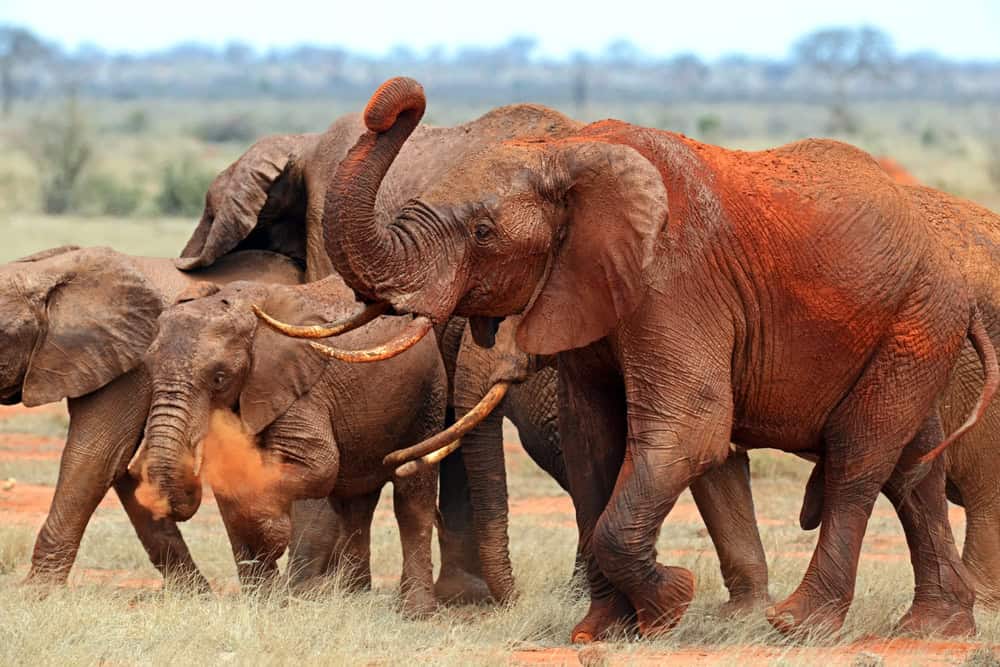
Elephants have long fascinated researchers with their behaviors, which often seem reminiscent of human experiences of grief. When an elephant dies, other elephants in the herd have been observed to engage in behaviors that appear to be mourning rituals. They might gently touch the bones with their trunks or stand vigil over the body for hours. Some elephants have been seen visiting gravesites years later, seemingly recognizing the remains of their deceased companions. This shows a depth of emotional processing that suggests elephants experience grief in a way that is surprisingly similar to humans.
2. Empathetic Apes
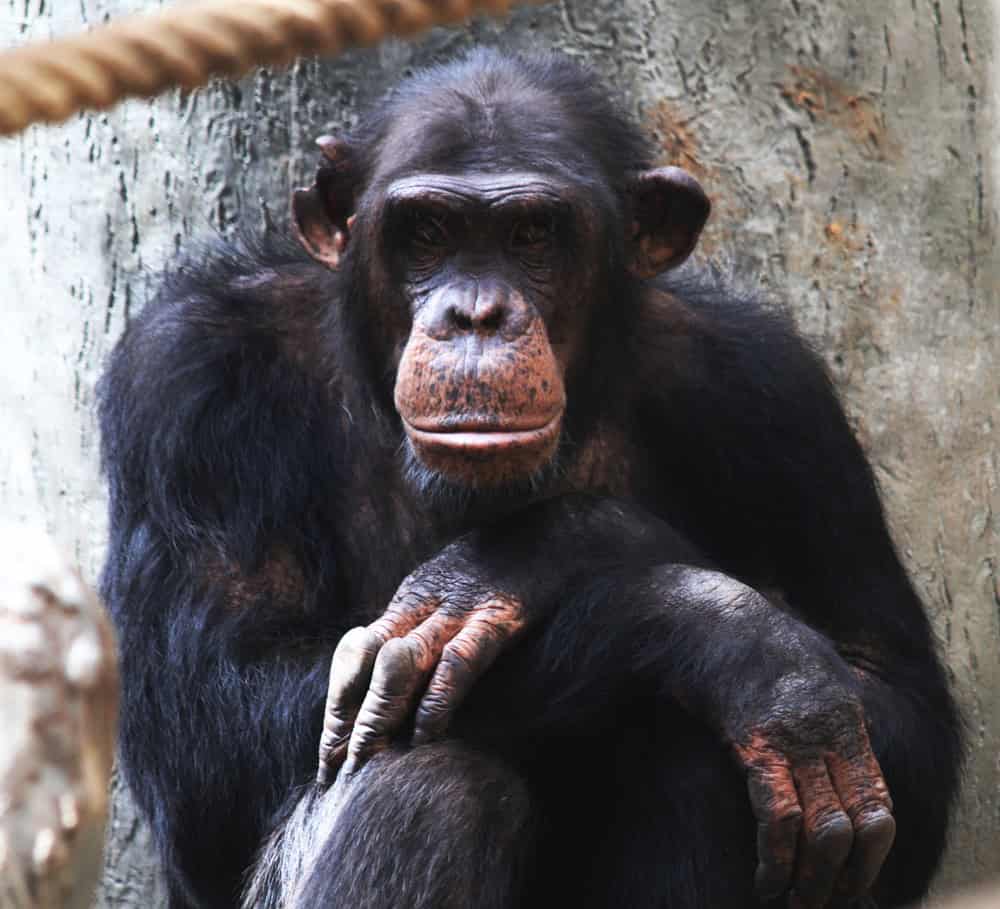
The emotional intelligence of apes, particularly chimpanzees, is remarkable. These creatures demonstrate an ability to understand and respond to the emotions of others within their group. A classic example is their behavior during confrontations or after fights. Often, chimpanzees will console each other with hugs or pats, showing a tangible expression of empathy. This empathetic behavior indicates that they possess an awareness of the emotional states of others and a desire to offer comfort.
3. The Deep Connection of Dogs

Dogs have co-evolved with humans over thousands of years, and in that time, they have developed an extraordinary ability to tune into human emotions. They can read human facial expressions and body language with astonishing accuracy. This ability goes beyond merely mimicking human gestures. Dogs are known to experience emotions such as jealousy and love, forming bonds with humans that reflect emotional complexity. When a dog looks at a human, their body releases oxytocin, the same hormone released when a human looks at a loved one.
4. The Playful Joy of Dolphins

Dolphins, with their playful interaction and high intelligence, have captivated researchers for decades. They exhibit behaviors that suggest they experience joy in ways similar to humans. Dolphins have been observed to leap from the water, not just as a hunting technique or means of communication, but seemingly for the pure pleasure of it. Their complex social structures and vocalizations further indicate a rich emotional life filled with joy and social bonding.
5. Compassionate Acts of Rats

Rats, often subject to negative stereotypes, have been shown to exhibit surprising levels of empathy. In scientific experiments, rats will work tirelessly to free a trapped companion, even foregoing their own opportunities for rewards. These acts of apparent altruism suggest that even animals as small as rats can experience compassionate emotions, challenging our preconceived notions about their mental capabilities.
6. Birds and Their Mournful Songs
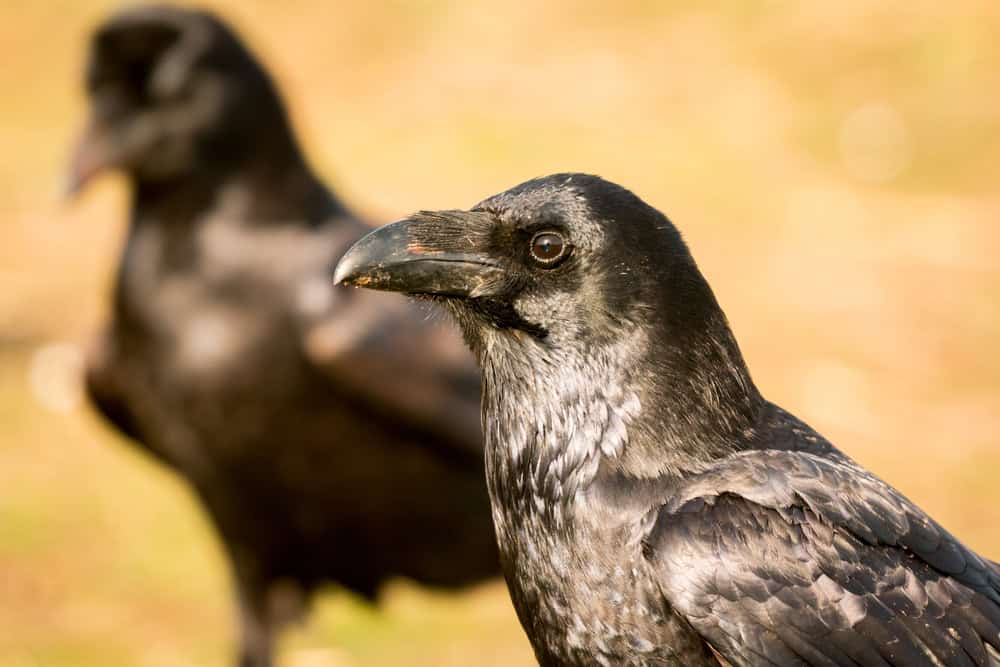
Birds, particularly species like crows and magpies, have been witnessed engaging in what appears to be rituals mourning their dead. While the exact nature of their understanding of death is not clear, their behaviors suggest an emotional response. Some birds will gather around a deceased member, calling loudly or quietly, reminiscent of a human vigil. This implies a form of communal grief and recognition of loss that is deeply touching.
7. The Sorrow of Whales

Whales are highly intelligent and social creatures, and their emotional expressions can be profound. There have been heart-rending reports of whales carrying the bodies of their deceased calves for extended periods, as if reluctant to let them go. Such actions suggest a recognition of death and a grieving process that parallels human sorrow. The complex, melodious songs of whales are further seen as potential expressions of emotions, representing an intricate blend of communication and emotional expression.
Understanding Animals Through Their Emotions

As we continue to explore and understand the emotional life of animals, it compels us to reassess how we view and treat them. The more we learn, the clearer it becomes that animals experience emotions in ways that are intricate and profound. Recognizing that animals share a capacity for emotions can foster a deeper respect and empathy towards all living creatures, reminding us of the interconnectedness of life on Earth.

- The Most Powerful Earthquake Ever Felt in the U.S. - July 19, 2026
- How Rhinoceros Males Compete for Mating Rights in the Wild - July 18, 2026
- 13 Spider Species Thriving in Changing Environments - July 18, 2026