
They Show Up Right Outside Your Window
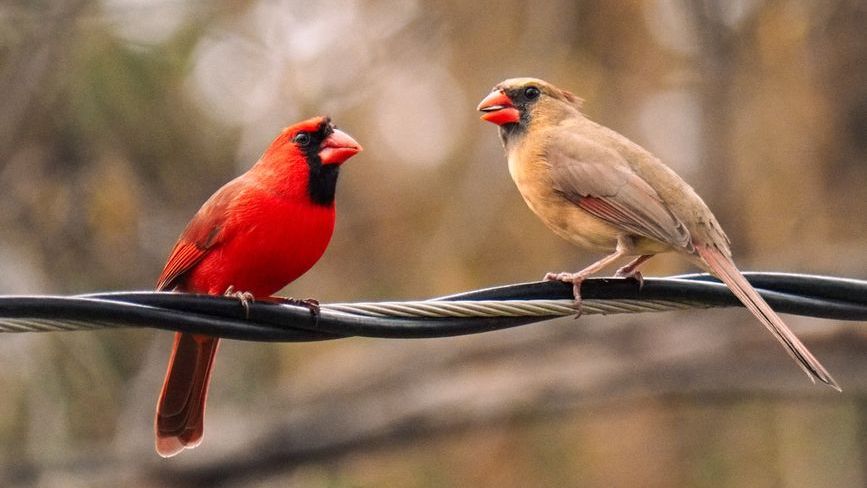
Appalachian stories often mention a cardinal landing close to the house, sometimes tapping or just sitting still on a branch in plain view. This close approach stands out because the birds usually keep a bit of distance in the wild. Folks say it draws attention to the moment and hints at a positive shift ahead.
The bright color against the glass or siding makes the sighting hard to miss, even on a busy day. Over time, these visits get tied to small turns of fortune, like a helpful neighbor stopping by or a bit of unexpected good news. The pattern repeats in many retellings across the region.
They Sing Their Clear, Whistling Song
A cardinal’s whistle carries far through the trees, and in folklore it gains extra weight when it happens near home. The steady, repeating notes stand out from other birds, almost like a deliberate call. Listeners in the mountains sometimes link the sound to an upcoming lift in spirits or a small blessing.
The song tends to come in the early morning or late afternoon, times when people are more likely to notice. Families pass along the idea that hearing it clearly means the bird is marking a moment worth remembering. It adds a layer of cheer to ordinary days.
They Appear in Pairs or Small Groups
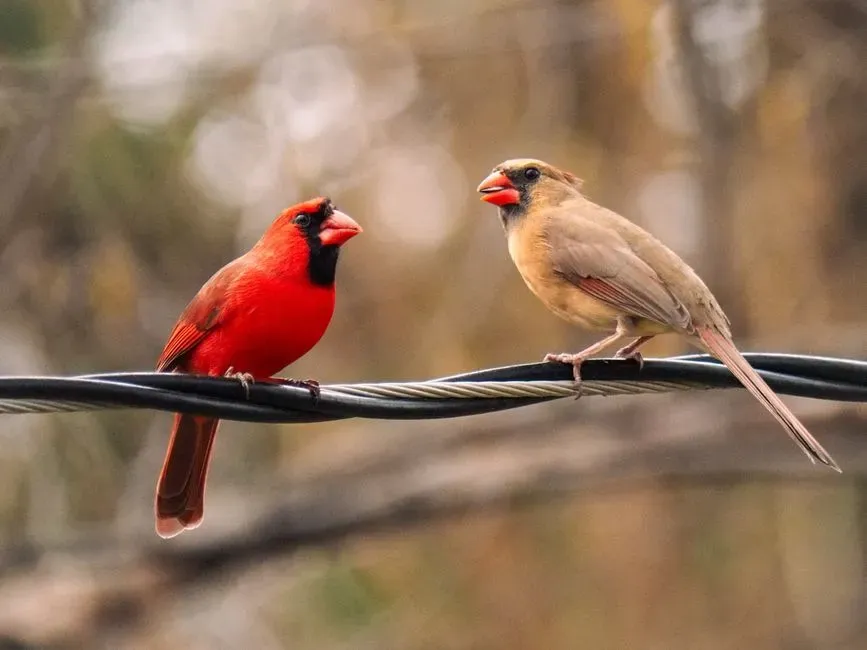
Cardinals often stay with a mate, and Appalachian lore picks up on that loyalty as a sign of steady good fortune. Seeing two together near the property gets read as a promise of companionship or support in the days ahead. The pairing feels deliberate in the stories.
Even a quick glimpse of more than one bird can stand out against the usual lone sightings. People connect it to harmony in the home or a helpful connection forming soon. The detail shows up in quiet conversations about daily life in the hills.
They Visit During the Colder Months
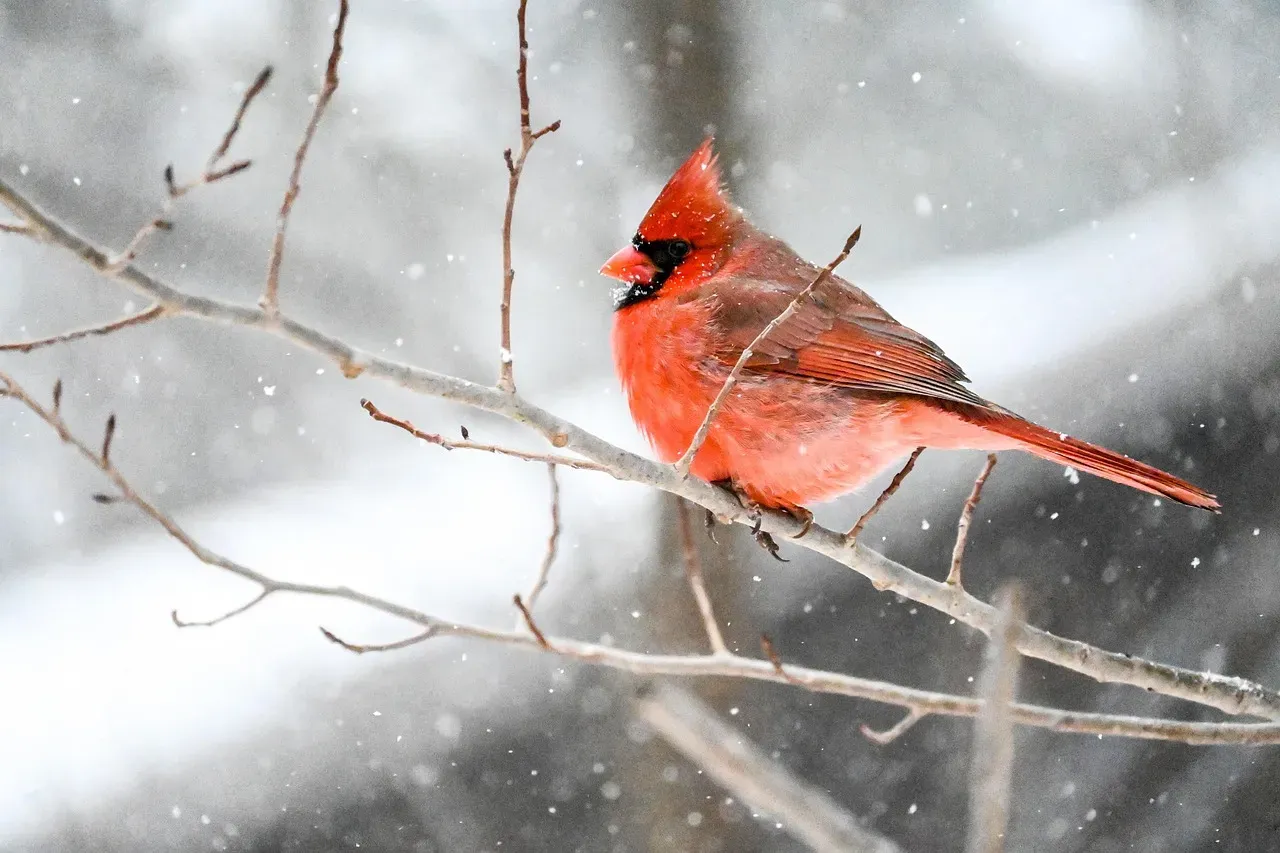
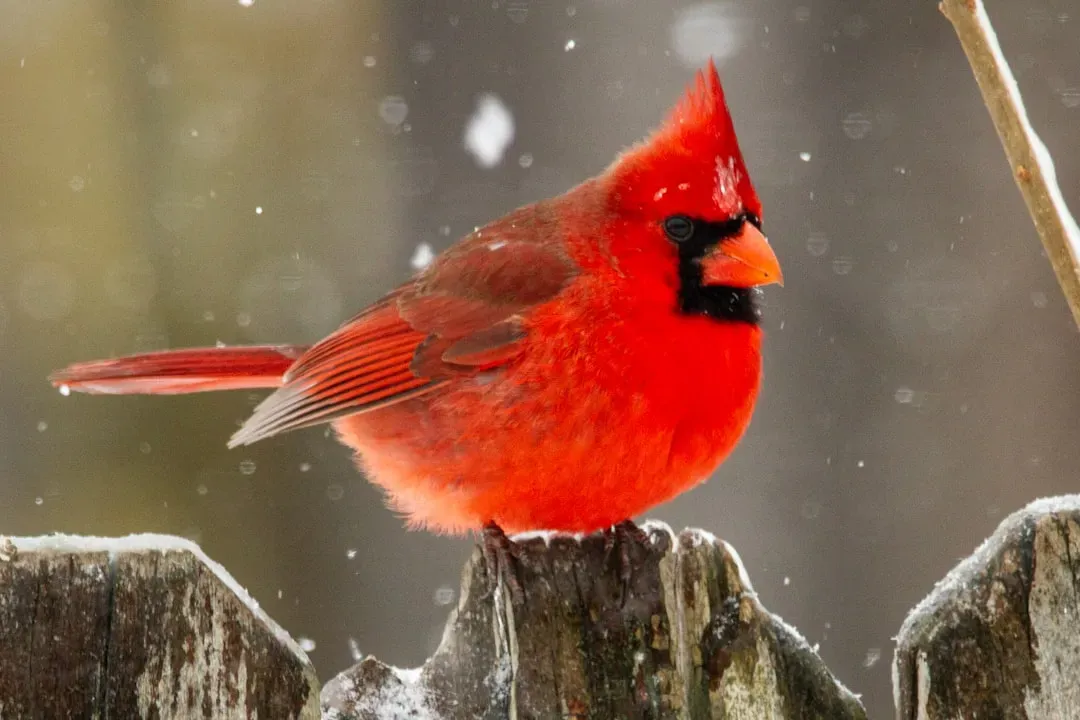
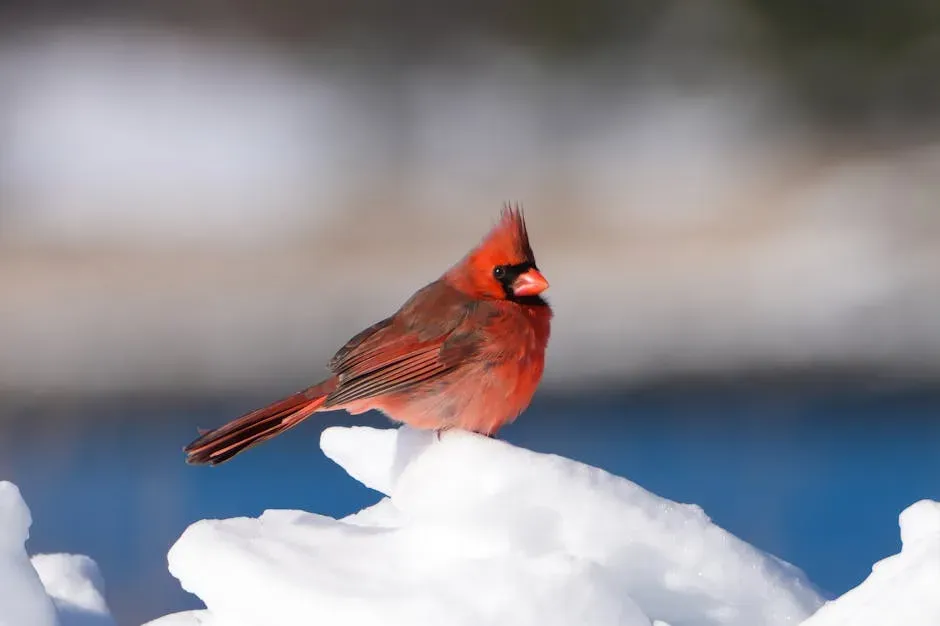
These birds stay put through winter when many others head south, and that persistence turns into part of the luck lore. A cardinal showing up against the snow or bare branches catches the eye more than in summer. The timing gets linked to endurance and a coming reward for patience.
The contrast of red against white or gray makes the moment memorable. Stories suggest the winter visit brings a sense of warmth or relief when things feel hard. It fits the practical rhythm of mountain life.
They Perch on Fences or Low Branches Near the House
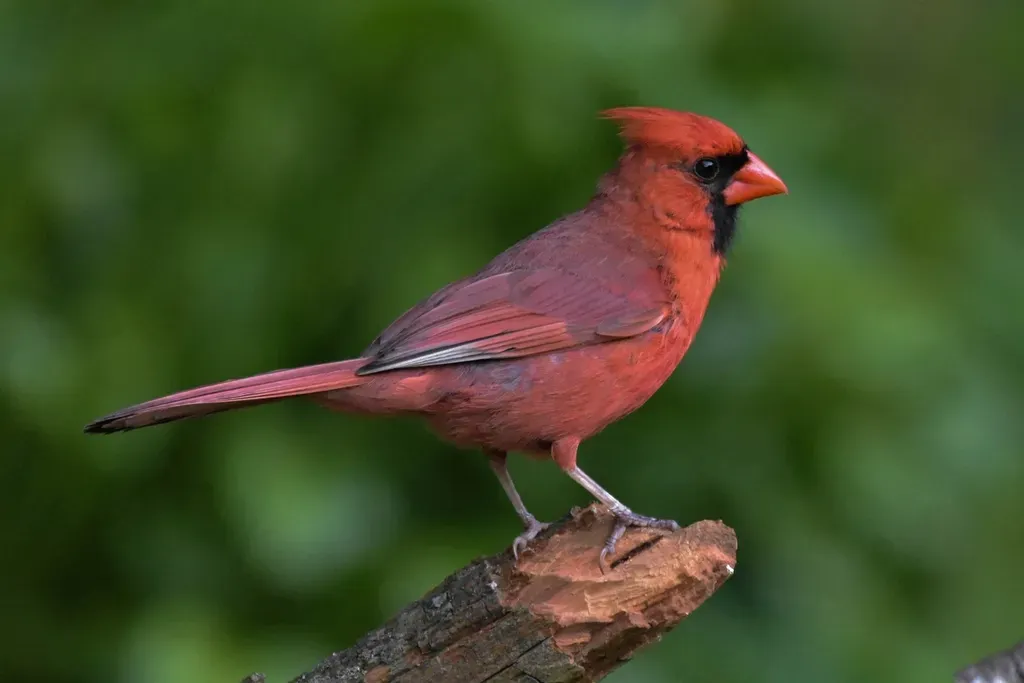
Low perches put the bird at eye level with people moving around outside, and folklore treats this as an invitation to notice. The choice of spot close to daily paths makes the sighting feel personal. It gets read as a nudge toward something positive on the horizon.
The behavior repeats in accounts from different counties, always with the same sense of closeness. It turns an ordinary fence or shrub into a small marker of good timing. The detail keeps the stories grounded in real places.
They Stay Visible for Several Minutes
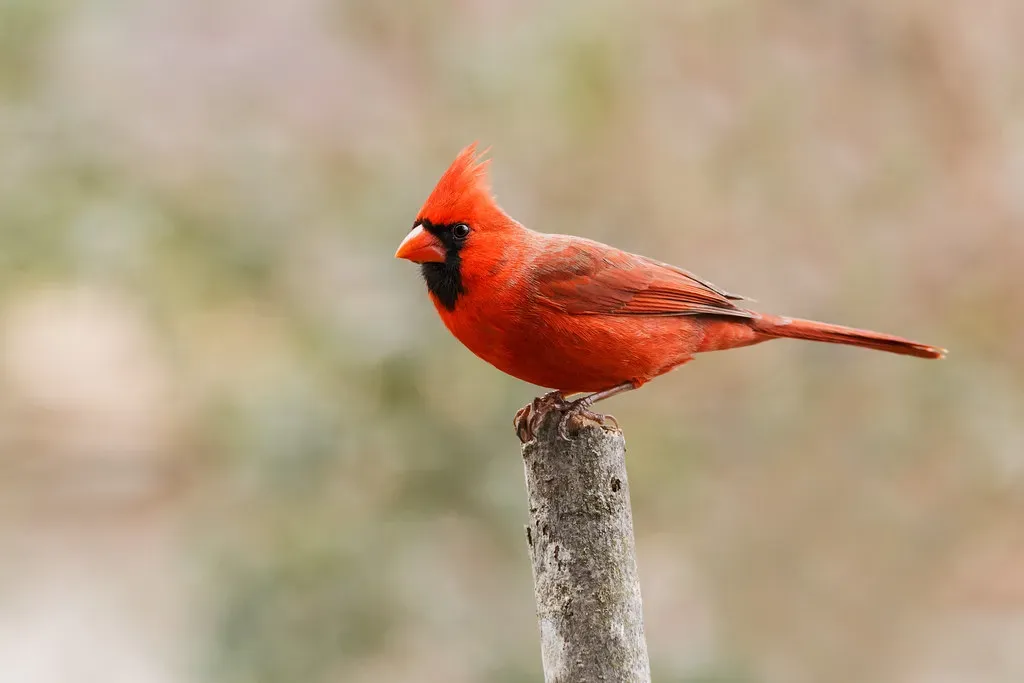
Instead of flashing by, a cardinal that lingers gives time for the sighting to sink in. Appalachian tellers note this pause as meaningful, almost as if the bird wants to be seen. The longer stay turns a quick glance into something more.
People remember these moments because they interrupt the usual rush of chores or walks. The extended presence gets tied to a gentle reminder that better things can arrive without warning. It adds weight to the everyday scene.
They Return to the Same Spot Over Several Days
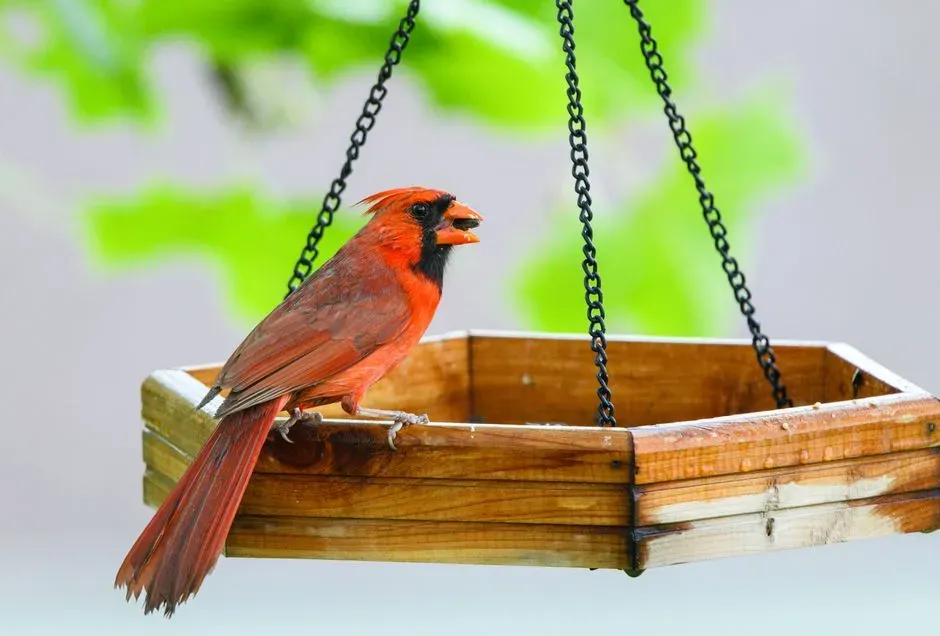
Repeated visits to one tree or feeder stand out in the stories as a stronger signal. The pattern suggests the bird has chosen the place, and that choice carries the idea of ongoing favor. Families watch for this return as a quiet confirmation.
The habit fits the bird’s real territorial nature, yet the lore gives it extra meaning. Each new appearance builds on the last, turning a simple routine into a thread of good luck. It leaves room for personal reflection on what might follow.
The beliefs around cardinals in Appalachia stay rooted in observation and family memory rather than any single rule book. They offer a gentle way to notice the small wonders in the landscape. In the end, the real value lies in how these stories encourage people to pause and appreciate the birds that share their world.