
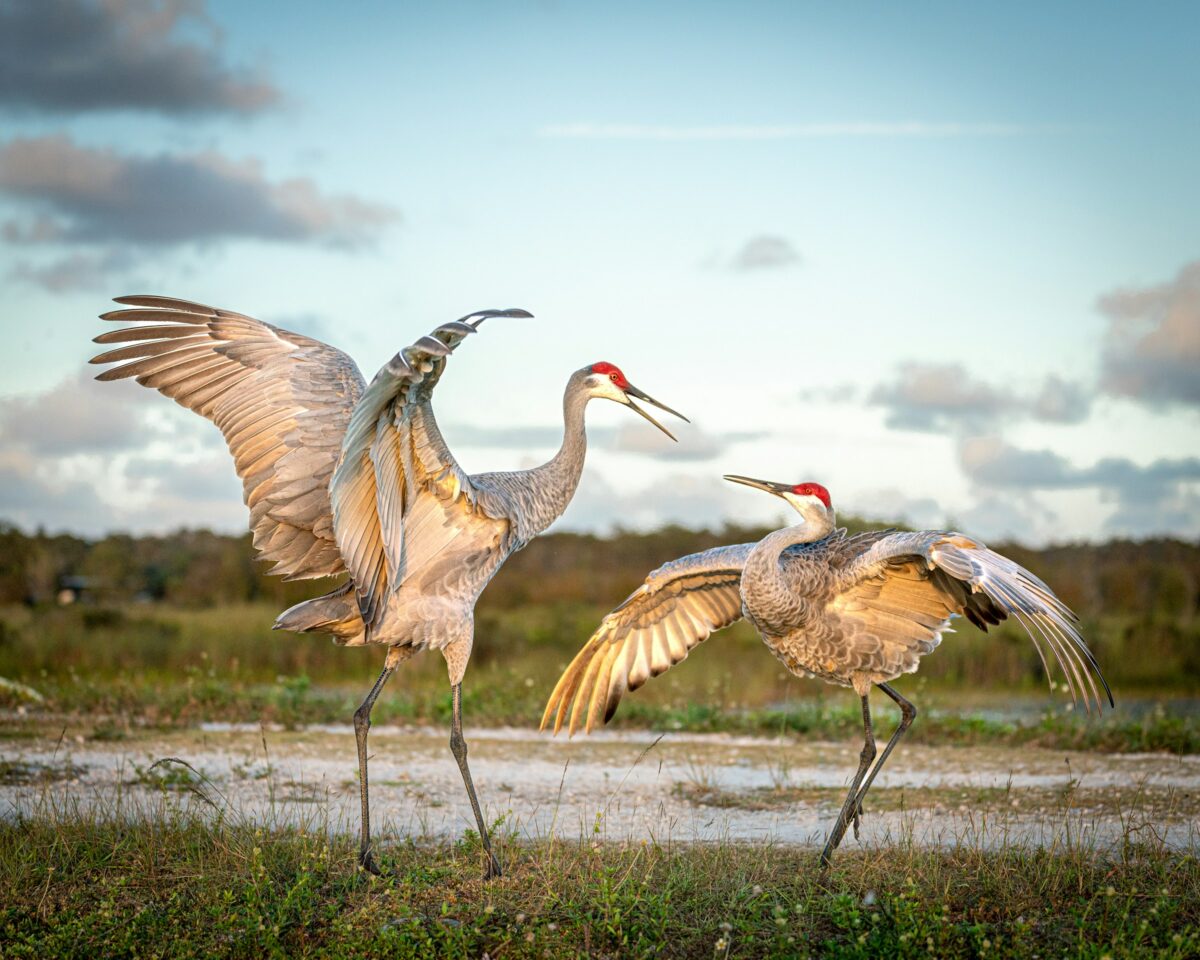
If you only picture Sandhill Cranes trumpeting over marshes in spring, you’re missing the best half of their story. Once the breeding rush is over, these birds slip into a very different rhythm, one that is quieter, more social, and in some ways even more dramatic.
, Sandhill Cranes turn into long‑distance travelers, expert foragers, and careful strategists just trying to make it through another year. Their lives become a mix of nightly reunions at roost sites, daytime feeding marathons, and migration journeys that would humble most human athletes. Let’s walk through seven of the most fascinating things they do when they are not busy nesting and raising colts.
#1 Forming Massive Social Flocks
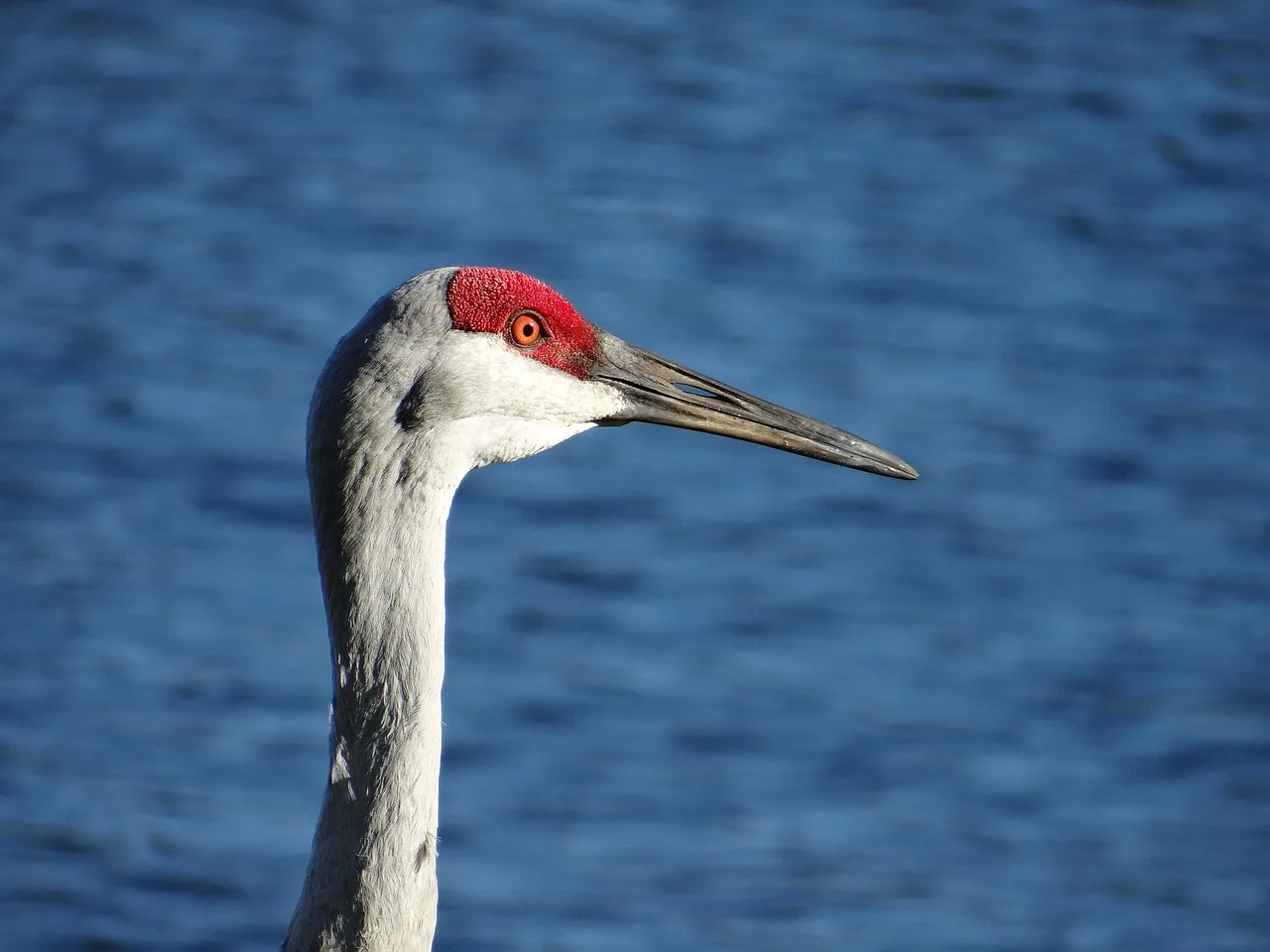
Once the breeding season winds down, Sandhill Cranes that spent months defending territories suddenly become surprisingly social. Pairs and small family groups gather into flocks that can number in the hundreds to the tens of thousands in key staging areas, especially across the central United States. Seeing that many tall gray birds moving together over a field feels almost unreal, like watching a slow-motion river of feathers.
These big flocks are not just a random crowd; they function more like a seasonal community. Cranes use them to find safe roosting spots, learn the best feeding sites, and probably exchange a lot of subtle social information with calls and body language. Older birds, with years of migration under their wings, are thought to play an outsized role in quietly leading the group. It is a reminder that for cranes, safety, knowledge, and opportunity often come in large numbers.
#2 Roosting Together in Shallow Water
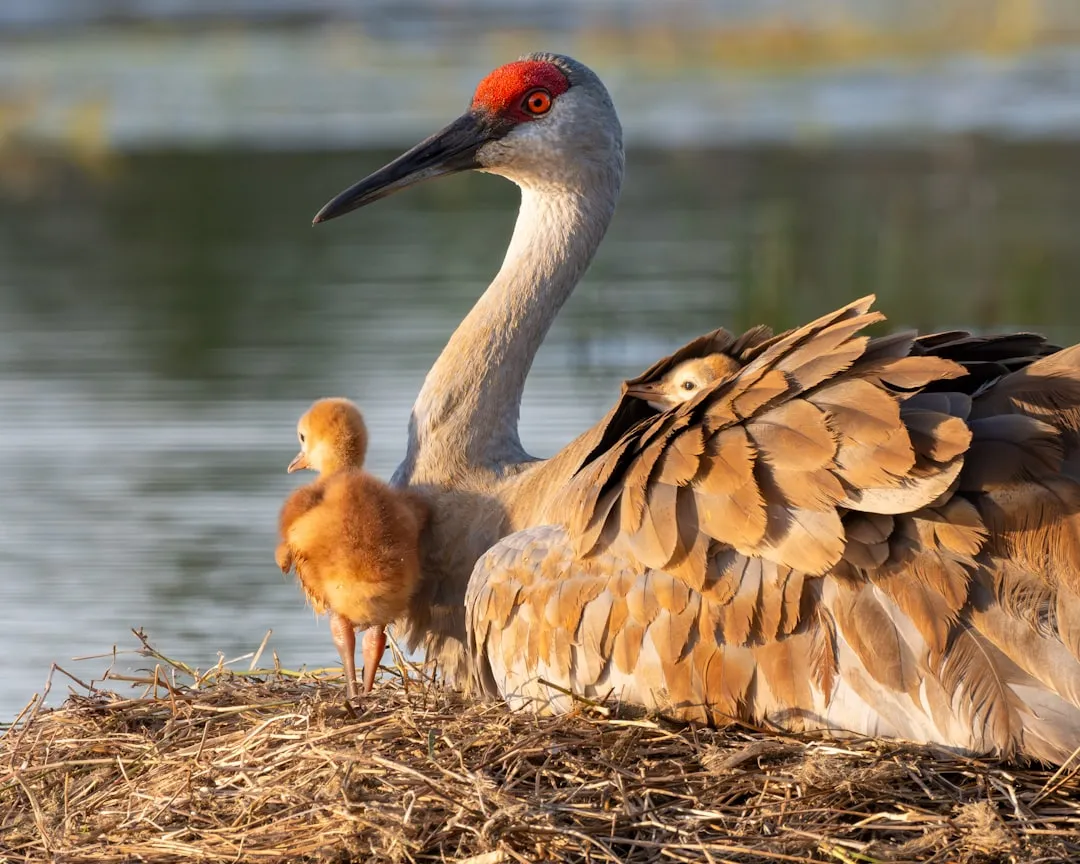
Outside the breeding season, nights are all about safety, and Sandhill Cranes are picky about where they sleep. They typically roost in shallow water on sandbars, flooded fields, or wide river channels, where the gentle splash of an approaching predator acts like an early alarm system. At dusk, you can watch wave after wave of cranes glide in, dropping into the water with outstretched legs and soft wingbeats.
These communal roosts can be surprisingly noisy and active, especially just after arrival and again at first light. Birds call to find their mates and family members, reshuffle positions, or complain about a neighbor that is standing a bit too close. Then the group settles into a loose pattern, tall silhouettes dotting the water as they rest on one leg or tuck their heads into their back feathers. It is practical, but it is also strangely beautiful, a nightly ritual that keeps the flock safer than any individual could be alone.
#3 Fueling Up in Agricultural Fields
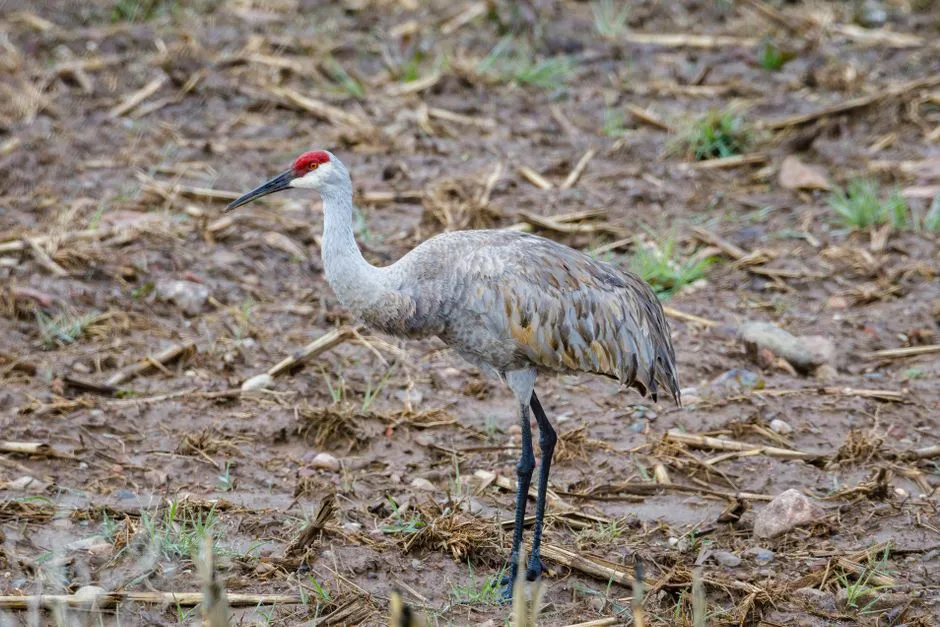
Outside the breeding season, cranes shift from a more varied, wetland‑heavy diet to something that looks a lot like a farmer’s headache and a bird’s buffet. They fan out into harvested cornfields, grain stubble, and other agricultural landscapes to pick up leftover seeds, waste grain, and sometimes even freshly planted crops. From a distance, a field can look empty, and then you realize it is dotted with gray shapes methodically walking and probing the ground.
This heavy reliance on farmlands is a modern twist in the life of Sandhill Cranes. The calories they gain from agricultural leftovers help them put on the fat they need for long migratory flights and cold winter nights. But it also ties their fate tightly to how we manage and harvest crops, how we leave or remove stubble, and even how we handle pesticides. It is a quiet partnership between cranes and human agriculture, sometimes beneficial, sometimes tense, but impossible to ignore.
#4 Performing Social Dances Beyond Courtship
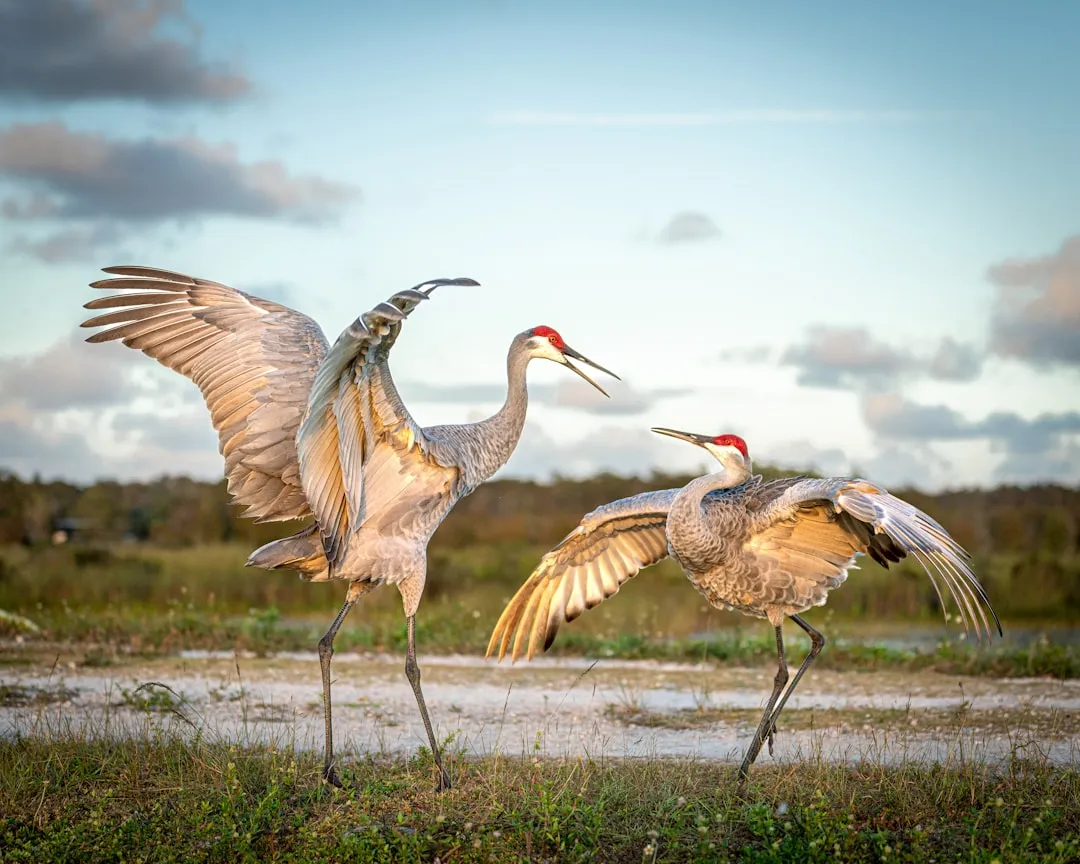
People often think crane dancing only happens in spring as part of courtship, but that is only part of the story. Outside the breeding season, cranes still leap, bow, toss bits of vegetation, and run circles around each other in what looks like pure avian theater. You can see a pair that has been bonded for years suddenly start dancing in the middle of a feeding ground, for no obvious reason other than some shared burst of energy.
These off‑season dances likely help reinforce pair bonds and maintain social harmony within the flock. Young birds may practice movements they will eventually use more seriously during breeding, much like teenagers awkwardly rehearsing at a school dance long before any big event. It is tempting to think of dancing as a luxury, but for cranes it seems woven into the fabric of their social lives, a way of staying in sync even when nesting is months away.
#5 Undertaking Long‑Distance Migrations
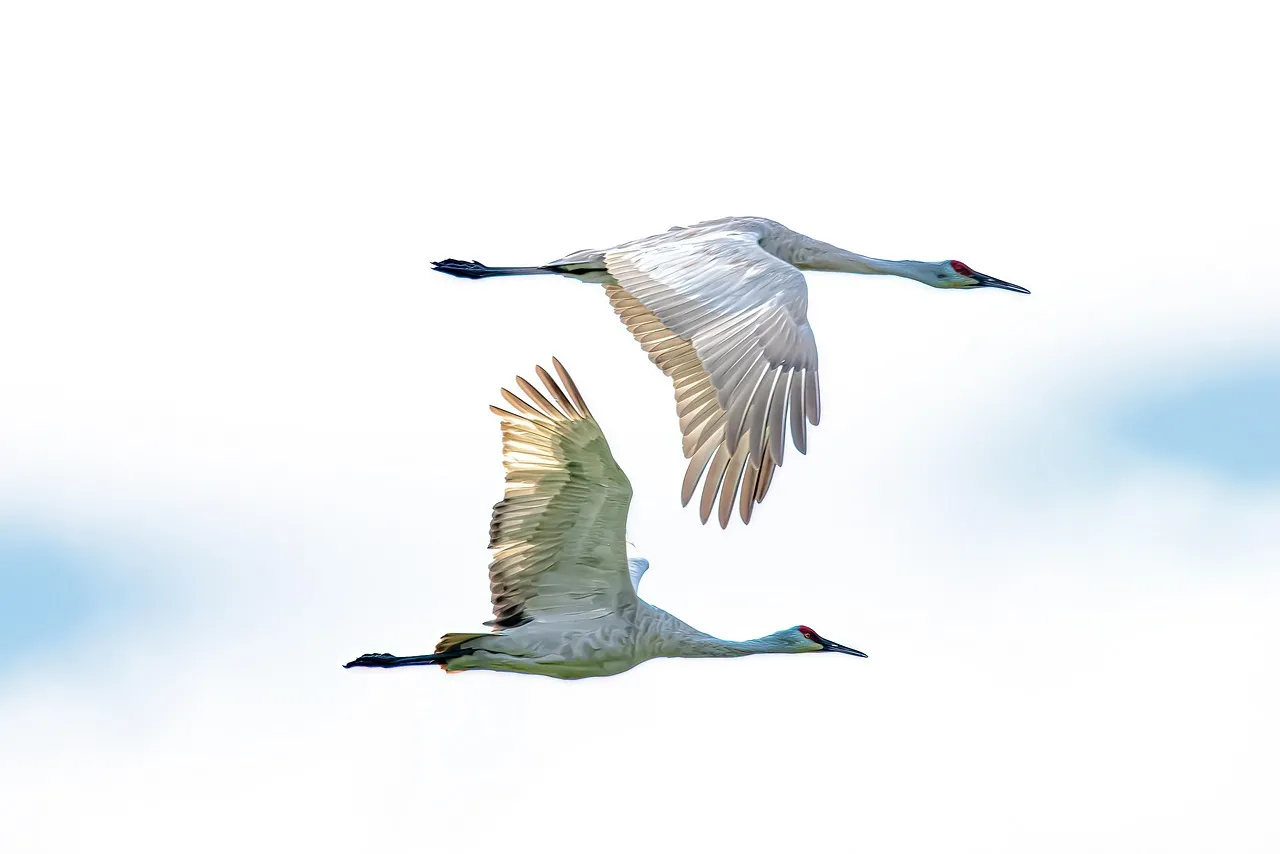
For many populations of Sandhill Cranes, the non‑breeding season is defined by movement. They travel along traditional flyways that can stretch from northern breeding grounds in Canada and the northern United States down to wintering sites in places like Texas, New Mexico, and northern Mexico. These journeys can cover thousands of miles each year, powered largely by stored fat and careful timing with weather patterns.
What makes crane migration especially striking is how visible and vocal it is. They fly in loose V formations or long winding lines, riding thermals where possible, their calls drifting down like a rolling echo. Families stay together on migration, and young birds often follow the exact pathways their parents learned, creating a cultural map passed across generations. In an age when we rely on digital navigation for everything, there is something humbling about birds navigating continent‑wide routes using memory, landscape cues, and instinct.
#6 Teaching Young Cranes the Ropes
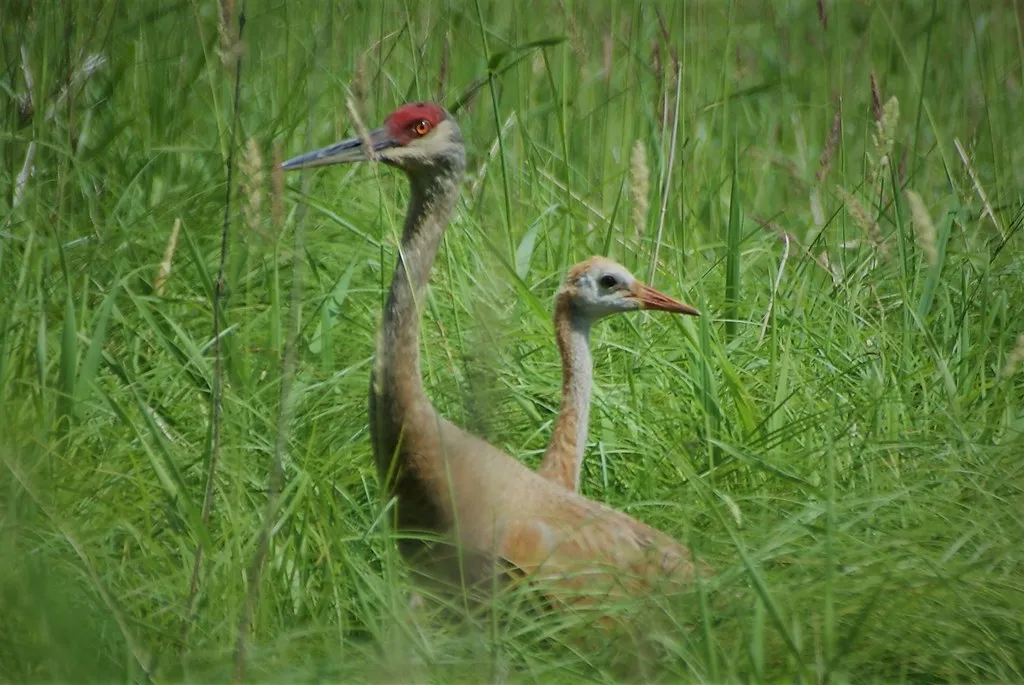
Outside the breeding season, parenting does not stop; it simply changes shape. Parents still travel with their nearly grown colts, guiding them to the best foraging spots, safest roosts, and traditional migration routes. You can sometimes tell the young birds by their slightly brownish heads and less polished movements, sticking close to the adults in a loose family cluster.
This extended family life is not sentimental fluff; it is a survival strategy. Young cranes have to learn where to go, what to eat, how to recognize danger, and when to move on, and much of that information cannot be genetically pre‑loaded. Instead, it is taught through months of shared travel and daily routines. In that sense, every non‑breeding season becomes a moving classroom, with the landscape itself as the lesson plan.
#7 Adjusting Daily Routines With Weather and Food
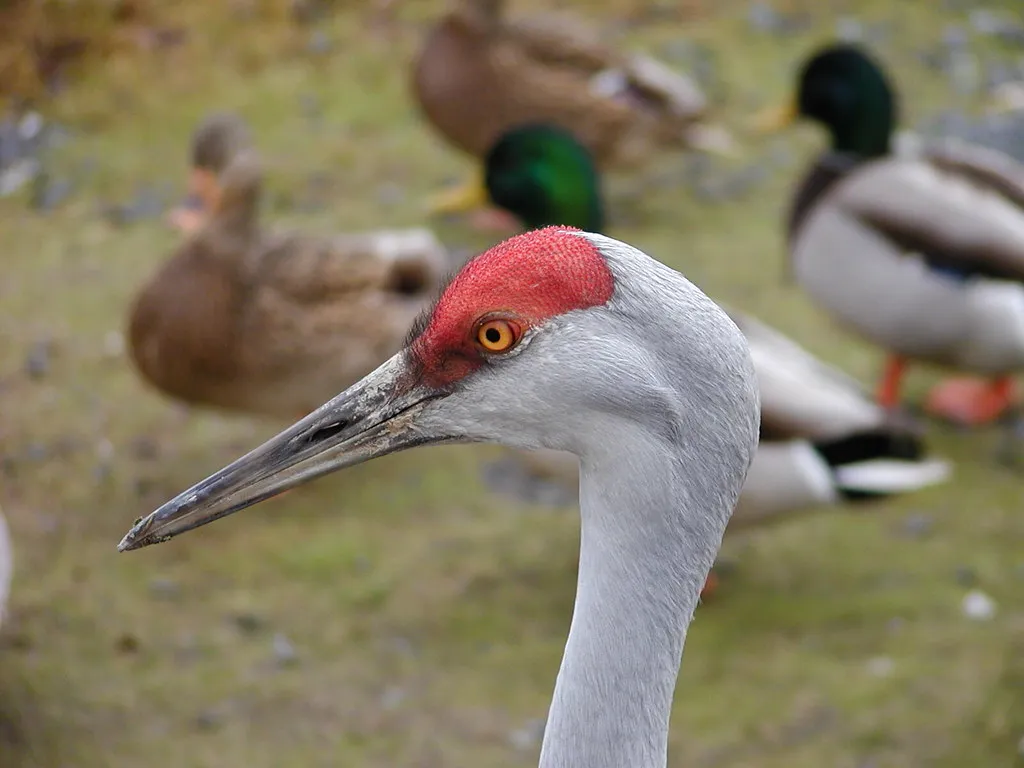
Outside the breeding season, Sandhill Cranes live in a constant negotiation with weather, daylight, and food availability. In colder snaps, they may spend longer hours feeding, shifting to sunlit fields that warm up faster, or concentrating near areas that stay ice‑free. On windy or stormy days, flight plans change, and flocks may pause migration to wait for friendlier skies.
These daily and weekly adjustments show how flexible cranes can be, up to a point. They can alter the timing of their departures, change which fields they use, and even adjust how far they fly on a given day. But they cannot rewrite the basic script: they still need safe roosting water, reliable food, and relatively undisturbed stopover sites. When those pieces start to vanish or shift too quickly, the birds pay the price long before we notice anything is wrong.
Conclusion: Why Their Off‑Season Life Matters More Than We Think
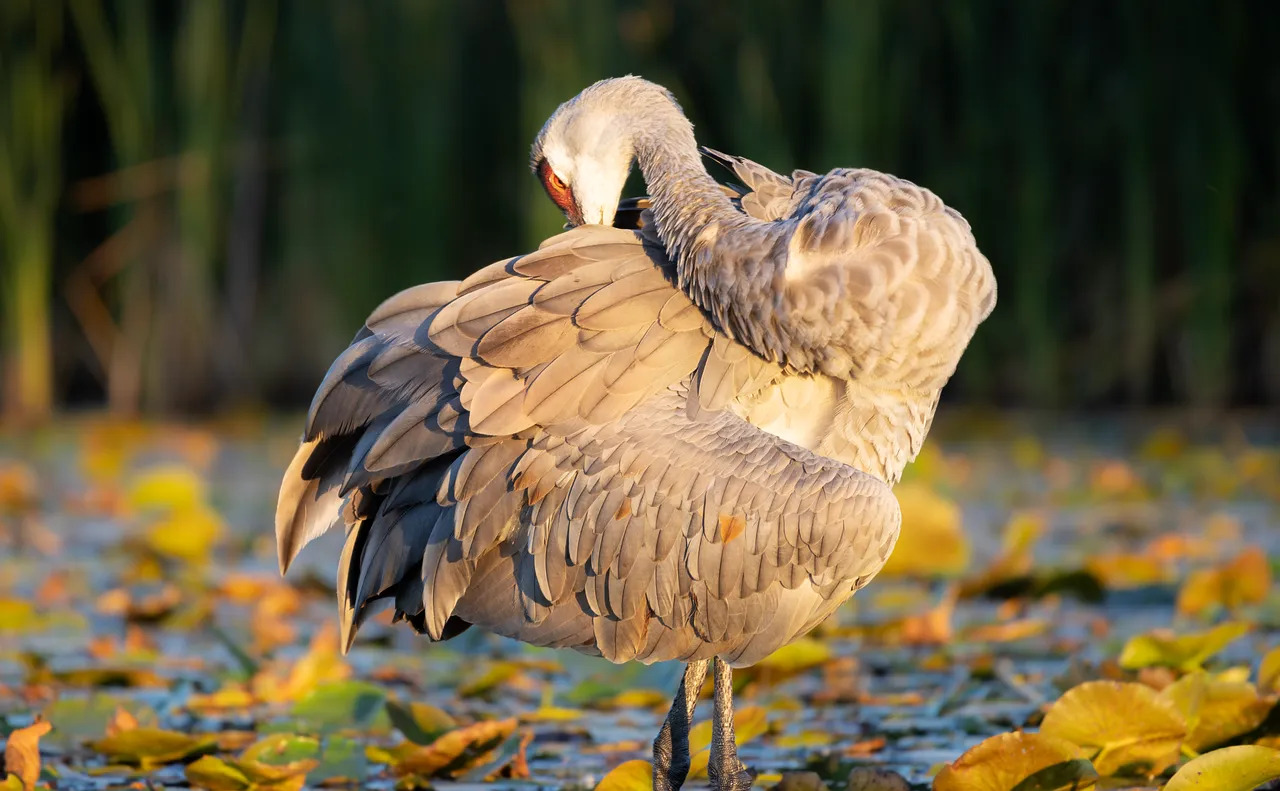
It is easy to romanticize the breeding season, to focus only on nests and downy chicks and forget everything that has to go right the rest of the year. Yet outside the breeding season is when Sandhill Cranes do most of the hard, unglamorous work of survival: finding enough food, staying safe in big groups, teaching their young, and pulling off the kind of long‑distance travel that would exhaust most of us. In my view, if we ignore that half of their life, we are missing the real test of how well these birds are doing.
Protecting cranes is not just about guarding a few nesting marshes; it is about safeguarding migration routes, roosting rivers, and even how we manage farmlands in the off‑season. Their lives outside the breeding months expose all the invisible threads that connect wild birds to human decisions, from water management to harvest timing. Maybe the better question is not how cranes survive these months, but how willing we are to make sure they can keep doing it. When you hear that distant rolling call on a gray autumn morning, does it feel different now?

- The Pet Your Zodiac Sign Would Rescue Without Hesitation - August 16, 2026
- 7 US States Where Mountain Lions Are Closer Than You Think - August 16, 2026
- 10 US States With the Highest Black Bear Populations - August 16, 2026