
#1 Loud noises and constant background sound
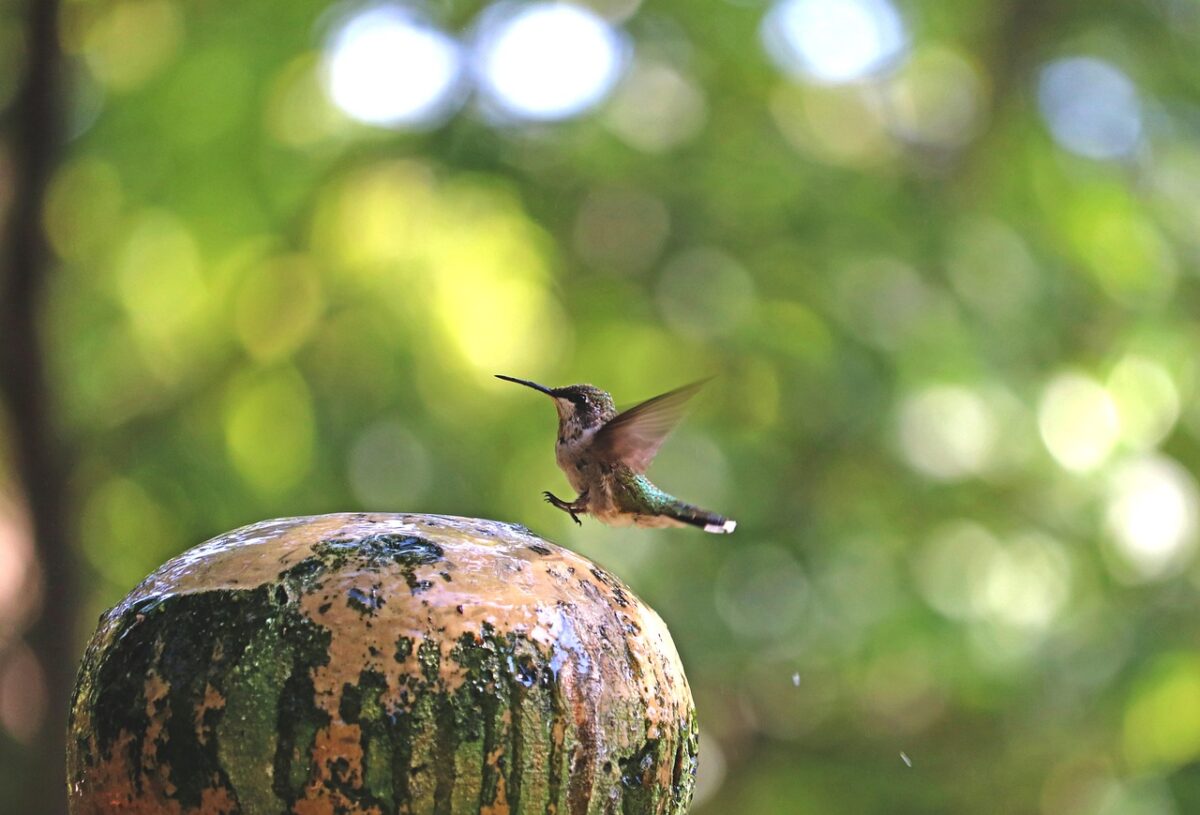
Hummingbirds rely heavily on their senses to detect danger, and sound is a big part of that early warning system. Loud noises and music can easily scare hummingbirds away, and hummingbirds are very sensitive to sounds, meaning they can be scared away by loud noises or music. A lawn mower firing up, a stereo blasting from a patio, or even a construction crew a few yards over can be enough to send them somewhere quieter.
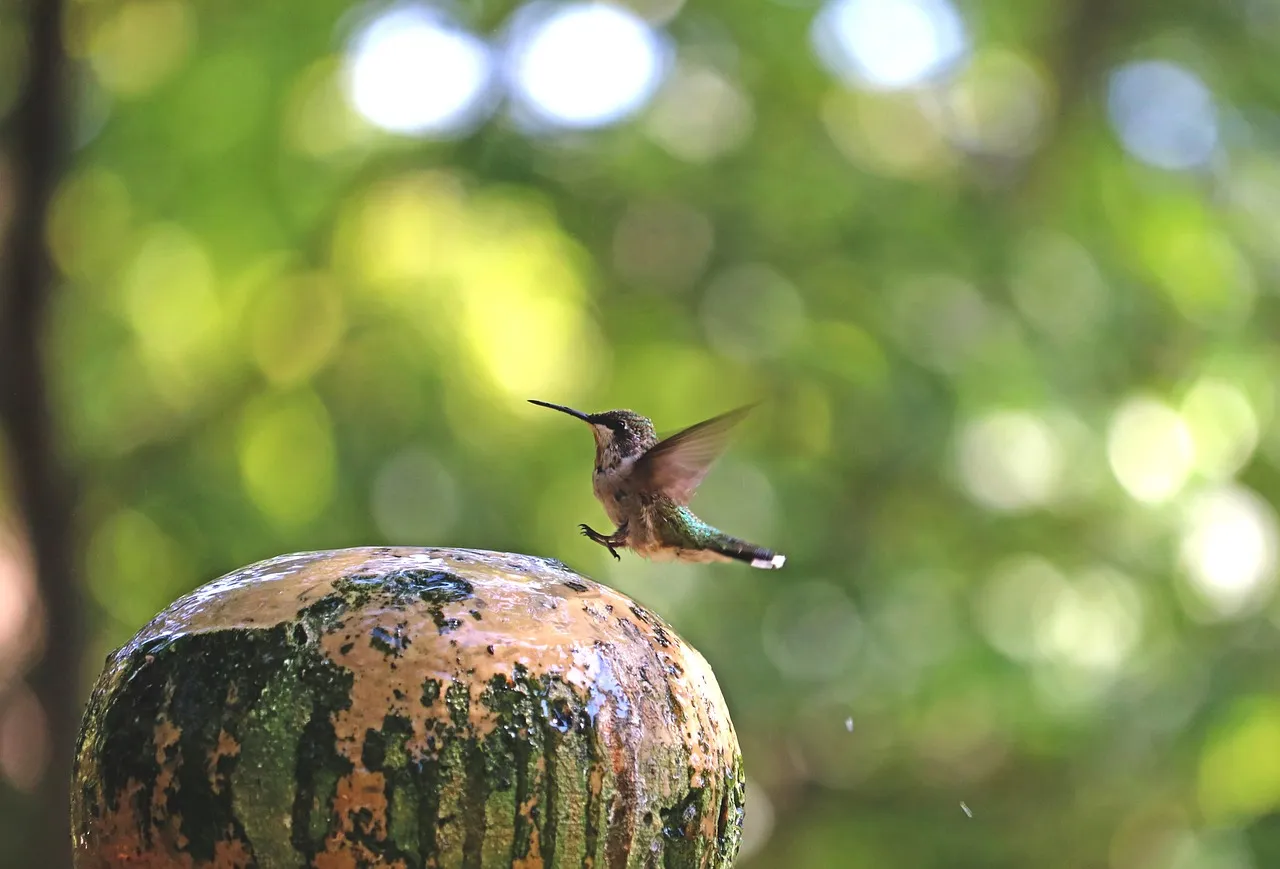
The fix isn’t complete silence, since these birds actually respond well to gentle natural sound. Lawn mowers, power tools, construction, or even a speaker blasting music can send hummingbirds fleeing before they ever reach the feeder, because they favor calm, predictable environments where they can feed without constantly bracing for danger. A trickling fountain or birdbath tends to work in your favor rather than against it, since running water from a fountain or a birdbath is a natural sound hummingbirds like, and as an added plus, hummingbirds are attracted to water and enjoy bathing and drinking from it.
#2 The shadow or scent of a predator
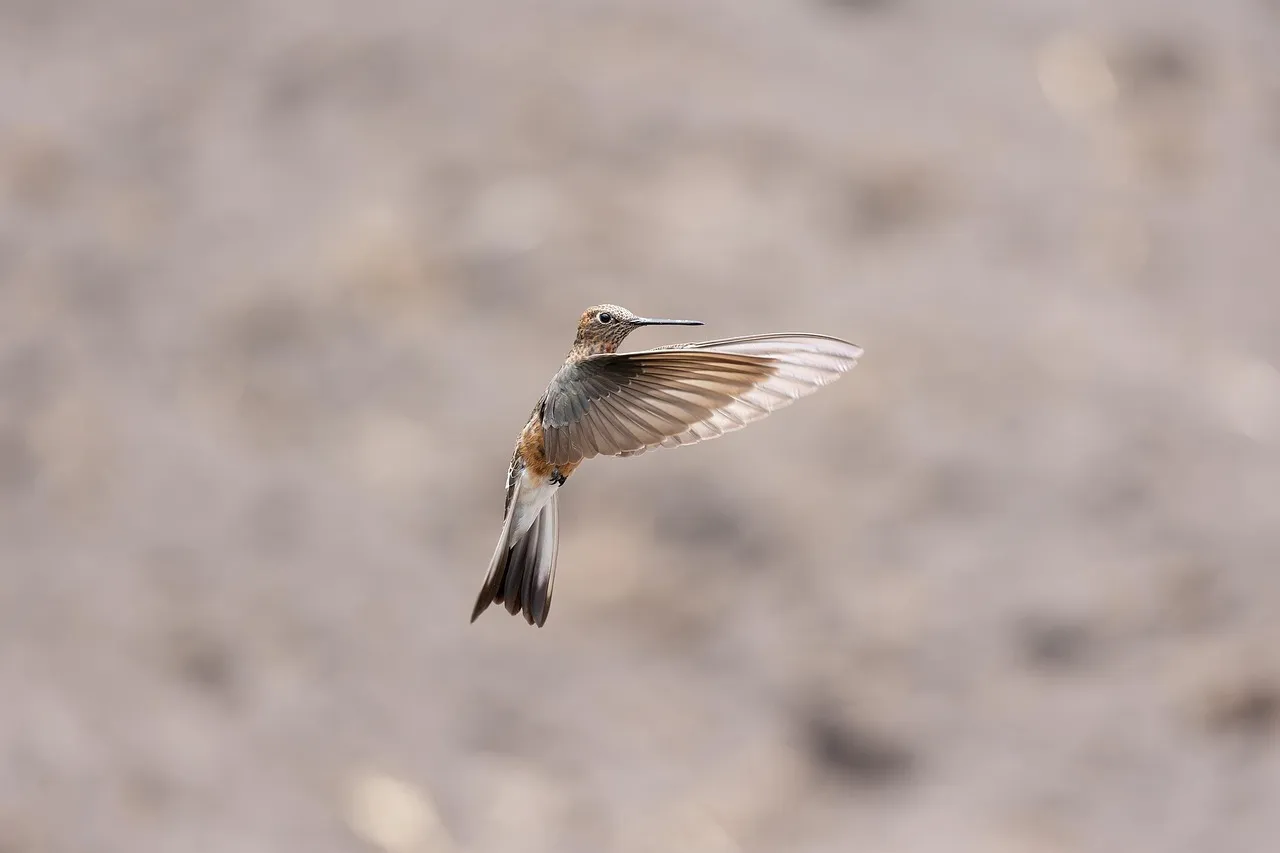
You don’t need an actual attack to spook a hummingbird out of your yard for good. Even the mere shadow of a predator can send a hummingbird darting away for good, and it doesn’t take a real attack to do it. Cats sunning themselves near a feeder, hawks perched on a nearby fence, or even larger songbirds acting aggressively can all register as legitimate threats.
What’s more surprising is how long that memory lasts. Domestic cats, hawks, and even larger, bolder birds pose real danger to something so small and fragile, and hummingbirds have sharp eyesight and long memories, actively avoiding areas where they’ve spotted a predator before, so keeping pets indoors during peak feeding hours and placing feeders away from dense, shadowy foliage where predators can hide gives these tiny visitors the confidence to stick around. A single bad encounter can mean weeks of an empty feeder, which is a steep price for one careless afternoon of letting the cat outside.
#3 Bright clothing and sudden movement near the feeder
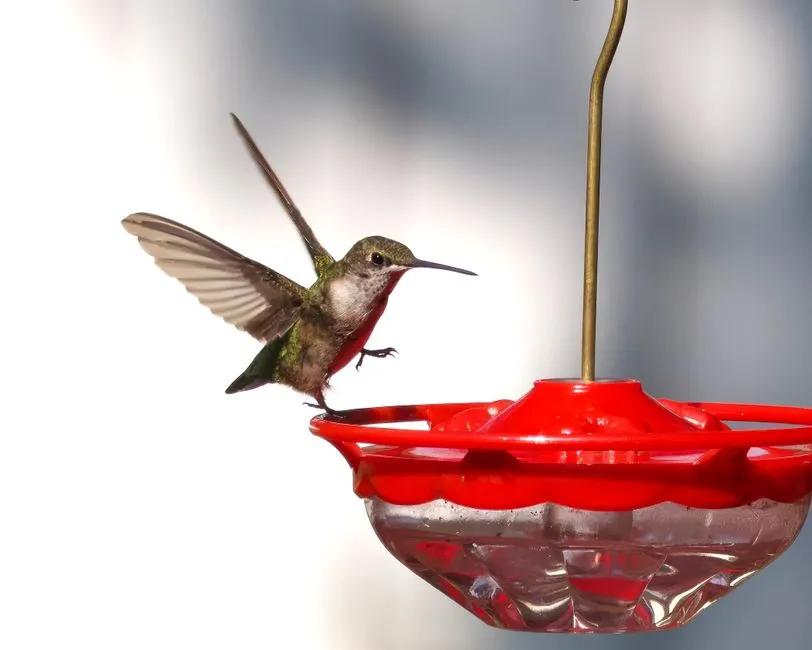
It sounds almost contradictory, since hummingbirds are famously drawn to red and other bold colors on flowers and feeders. Yet that same attraction can work against you when it’s attached to a moving person. While hummingbirds are attracted to red flowers, wearing bright clothing while filling or maintaining feeders can startle them.
The issue isn’t the color itself so much as the unpredictability of a large, brightly dressed shape moving quickly near their food source. Hummingbirds are sensitive to bright, flashy colors and reflective surfaces, such as metallic objects or shiny clothing, which can startle them. Add in quick or sudden movements in your garden, whether from people or objects, which can startle hummingbirds and cause them to flee, and you have a recipe for a bird that decides the risk isn’t worth the reward. Moving slowly and refilling feeders during quieter parts of the day tends to solve this without much effort.
#4 Pesticides and chemical treatments in the yard
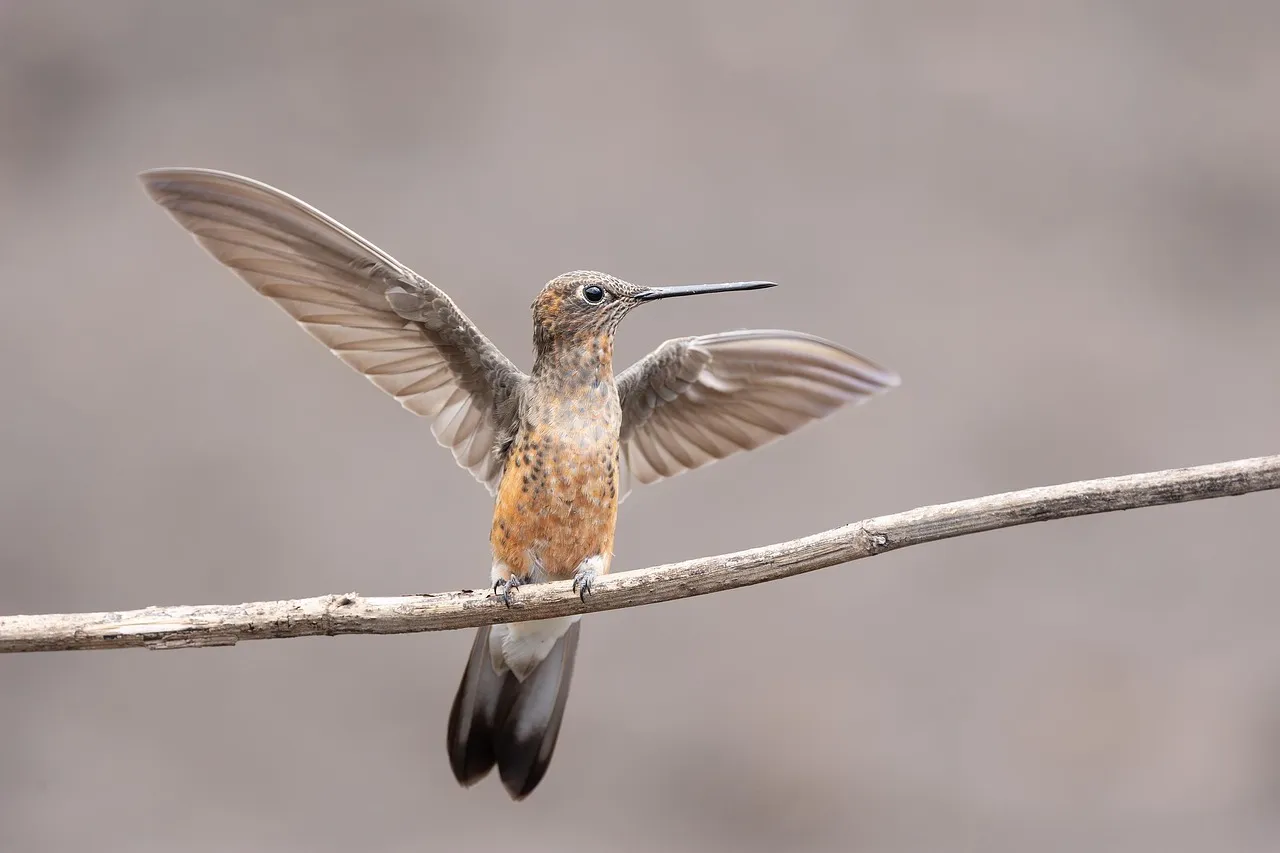
Hummingbirds don’t live on nectar alone. A meaningful chunk of their diet, especially for feeding chicks, comes from small insects, and that’s exactly what most pesticides are designed to eliminate. Chemical pesticides don’t just kill unwanted insects, they eliminate the tiny bugs that hummingbirds rely on for protein, and these chemicals can also contaminate nectar sources and make birds ill.
It’s not just the bugs that disappear, either. The use of pesticides can harm the insects hummingbirds rely on for food and can also poison the nectar they feed on. Systemic products are a particular concern, since systemics like neonicotinoids are absorbed into plant tissues, meaning the nectar becomes contaminated and poisons pollinators, so it’s best to avoid use of these chemicals anywhere near a feeding area.
#5 Feeders overrun by bees, wasps, and ants
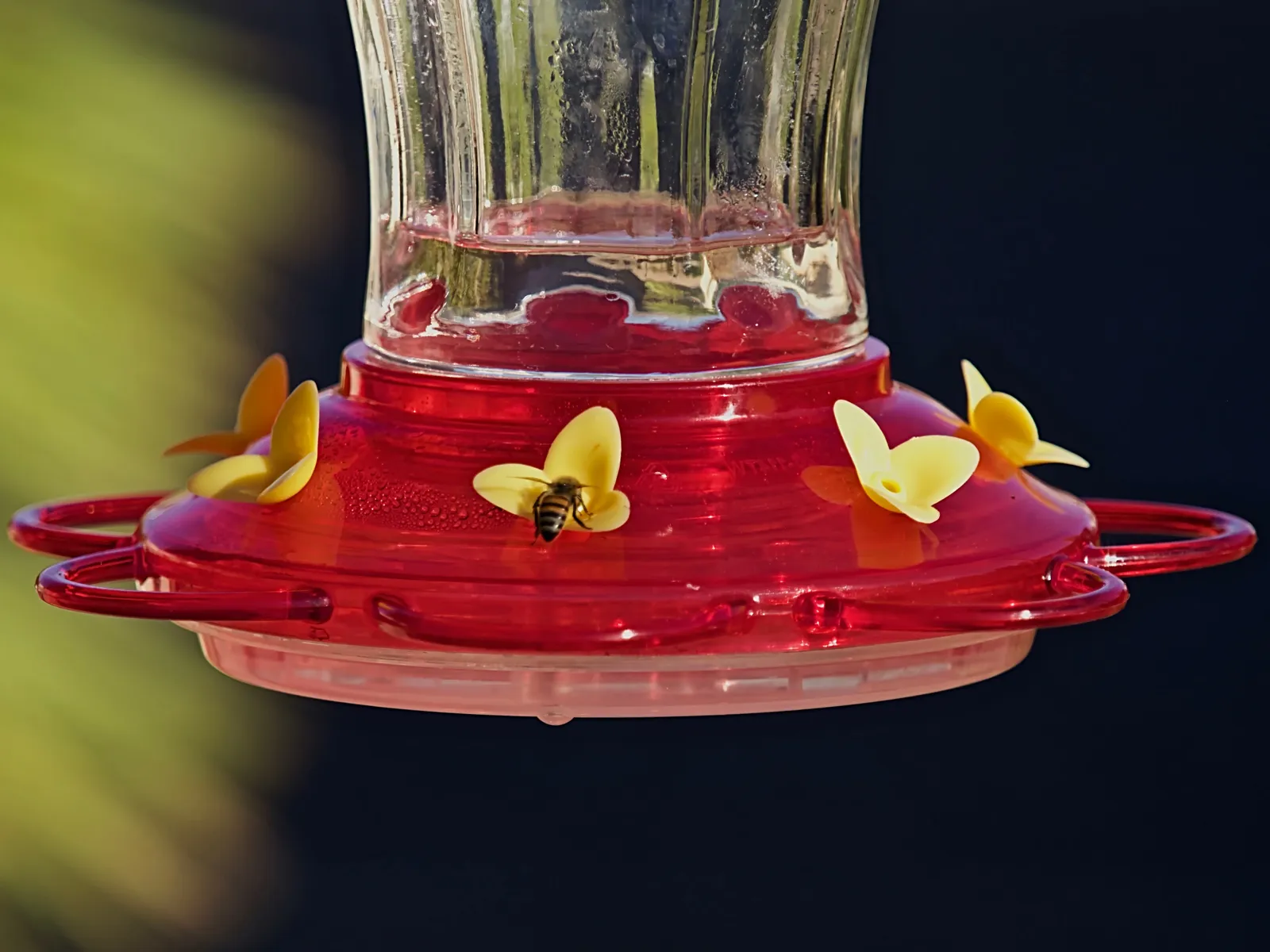
A feeder that’s meant to be an easy meal can turn into something closer to a hostile scrum. A feeder that should be a peaceful buffet can quickly turn into a swarming battlefield, and when that happens, hummingbirds don’t stick around to fight for their share, since bees, wasps, and ants are drawn to the same sugary nectar hummingbirds crave, and when they take over a feeder, the birds simply move on. It doesn’t take long for a single sticky drip to become a full insect convention.
Fortunately, this is one of the easier problems to head off. Feeders with built-in bee guards or ant moats help keep the bullies out. Feeder color plays a role too, since yellow-colored feeders can also attract bees and wasps, so opting for red designs can be a better choice. Regular cleaning around the ports also matters more than most people assume, since a few drops of dried nectar are often all it takes to start the whole cycle over again.
#6 Larger, pushier birds hogging the feeder
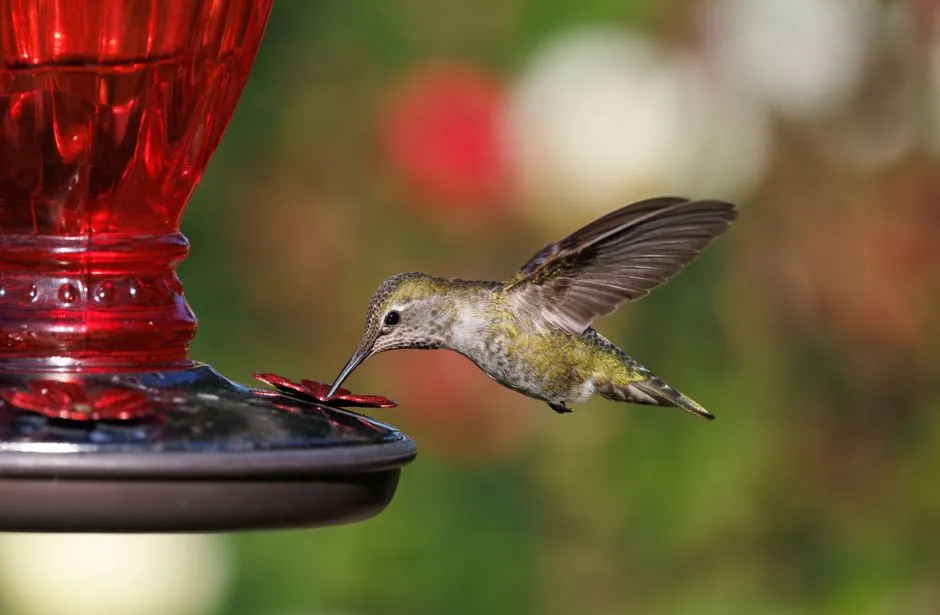
Hummingbirds are small, fast, and easily displaced by bigger competitors with the same sweet tooth. Woodpeckers, House Finches and other species tend to invade hummingbird feeders for a chance to drink the sweet nectar, and when these bigger birds eat the nectar, they usually scare away the hummingbirds, which defeats the whole purpose. Orioles in particular have a reputation for muscling in on hummingbird territory.
The good news is that this rarely requires drastic measures, just a bit of redirection. One of the best solutions is simply to get more feeders, including feeders especially for orioles, which are essentially the same as hummingbird feeders but can accommodate fruits and jelly as well as nectar. Giving the bigger birds their own dedicated buffet often keeps the peace without a single confrontation, and it means the hummingbirds get to feed without constantly glancing over their tiny shoulders.
#7 Dirty feeders and dyed or spoiled nectar
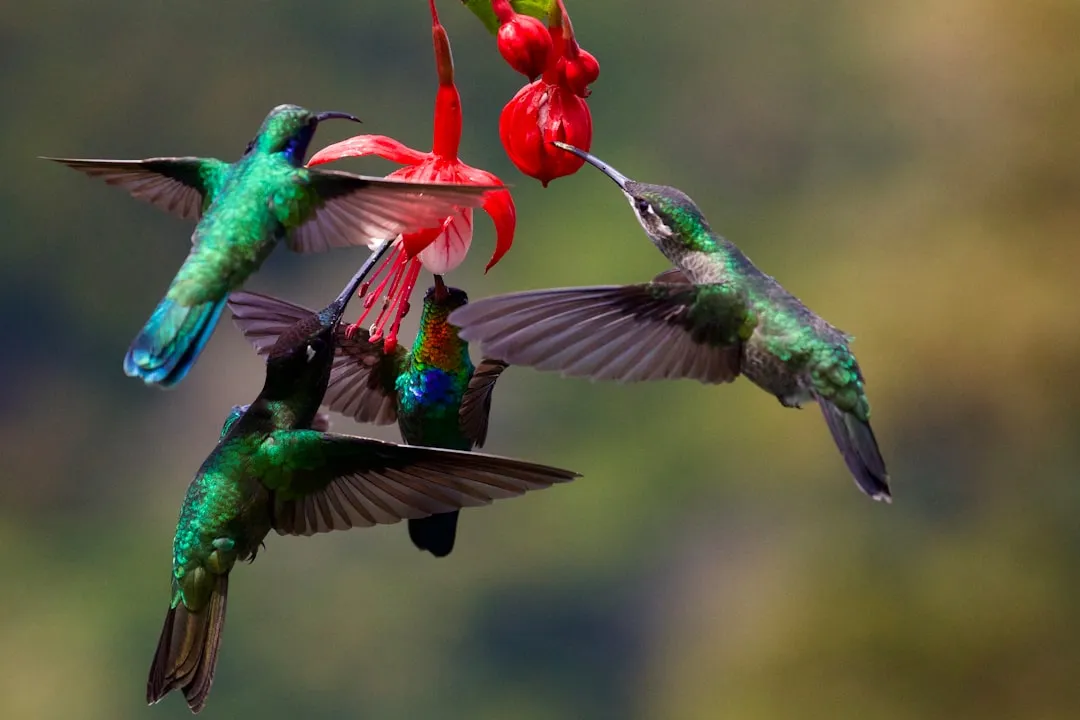
This one is subtle because it doesn’t look like a threat at all, at least not to us. Spoiled nectar and grimy feeding ports are enough to make a hummingbird abandon a spot entirely, and there’s also a lingering habit worth retiring for good. Current thinking is that red dye may not be good for hummingbirds, nor is it necessary to attract them, since the color on the feeder itself is enough to attract them.
The reasoning holds up when you look at the numbers involved. A hummer will consume about 10 grams or more of nectar solution per day, and if red dye is added, they will ingest many times the recommended dose for an adult human, which can cause major health issues or death. Sticking to a simple mix of plain white sugar and water, and swapping it out regularly before it clouds or ferments, keeps the feeder appealing without adding a risk nobody actually needs to take.
Final Thoughts

- 7 Things That Quietly Scare Hummingbirds Away - August 8, 2026
- 8 Plants That Bring Hummingbirds Back Every Summer - August 8, 2026
- 11 Amazing Facts About Squirrels That Will Change Your Mind About Them - August 8, 2026