
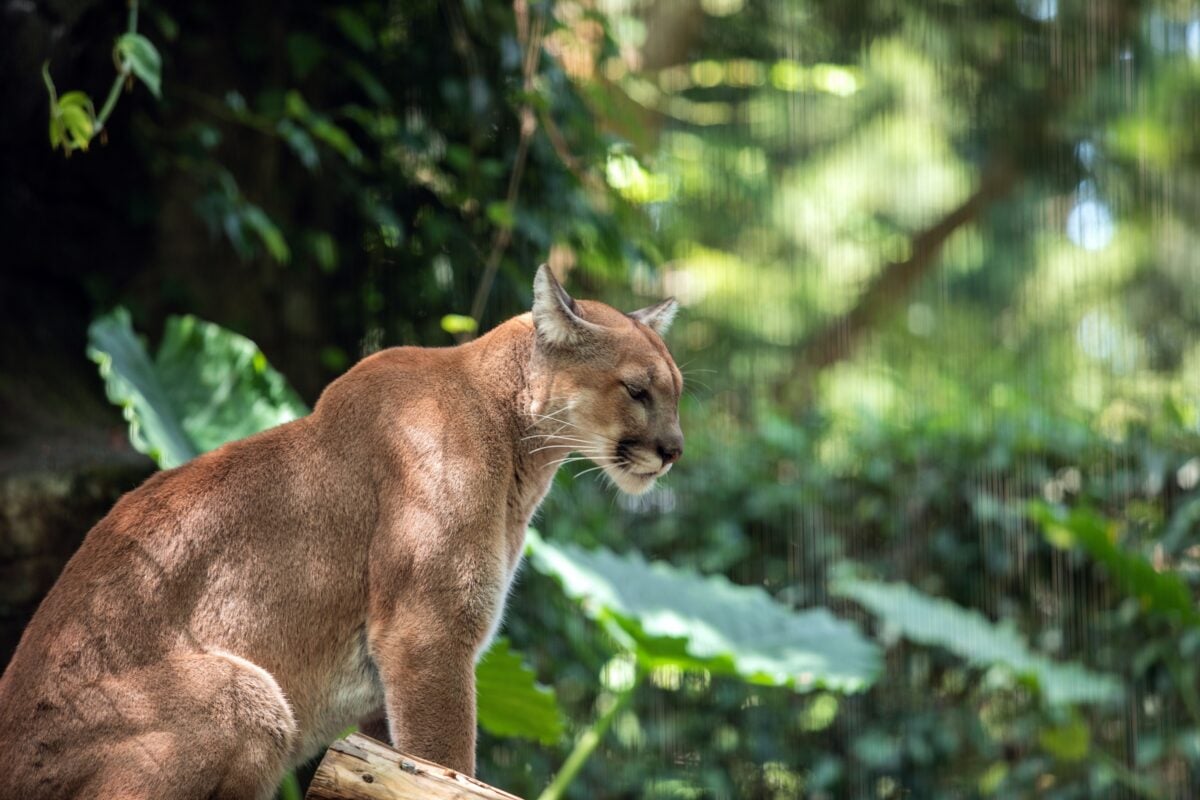
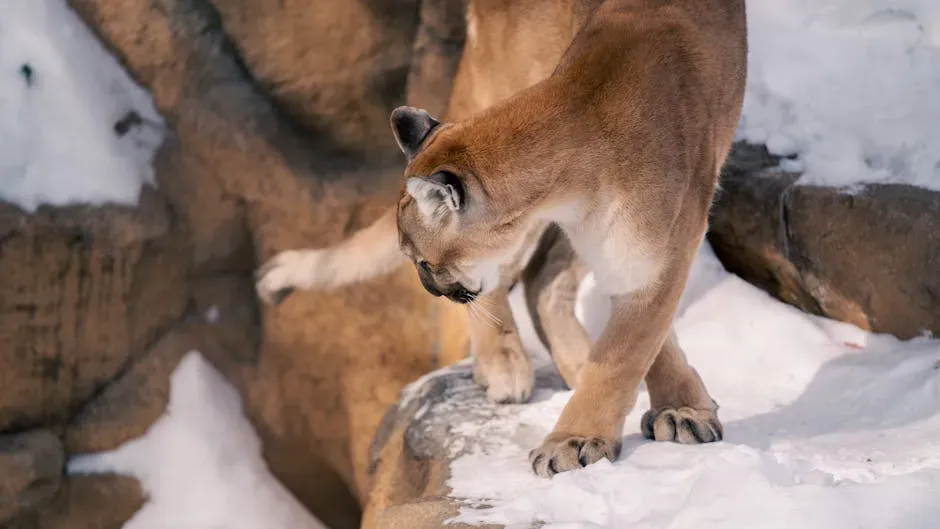
Mountain lions have a reputation for being ghosts. Hikers can spend decades in cat country without catching a single glimpse, and that’s mostly because the cats prefer it that way. Still, trail cameras, doorbell footage and tracking collars keep showing the same thing: these animals pass through places where people live far more often than anyone notices.
Cougars, pumas, panthers, catamounts. They’re all the same species, and it has one of the largest ranges of any land mammal in the Western Hemisphere. In the United States, some of the closest overlaps with human neighborhoods happen in places you might not expect. Here are seven states where the line between suburb and wild country is thinner than it looks, counted down from seven to one.
7. South Dakota: The Black Hills and a Very Long Walk
🔥 Would you like to save this?
We'll email this post to you, so you can come back to it later!
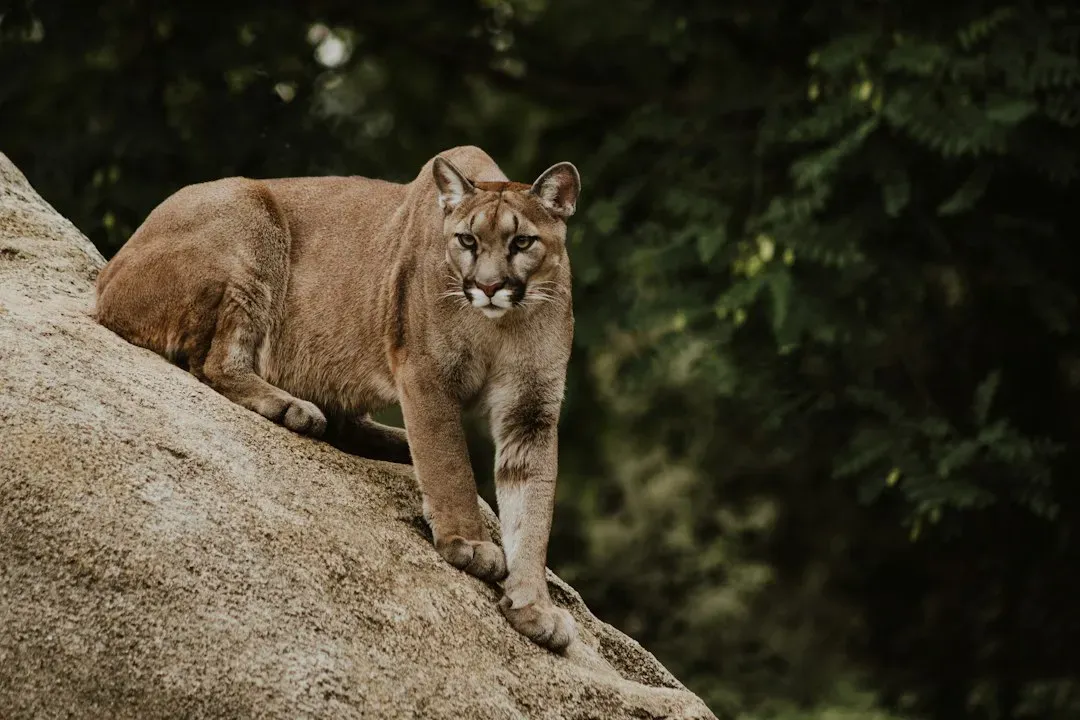
South Dakota’s Black Hills hold a breeding population of mountain lions, and the forested ridges sit right beside towns like Rapid City and Spearfish. Wildlife managers there have studied the population for years, partly because it’s the main source of cats heading east across the Plains.
That brings up one of the most famous cat journeys on record. In 2011, a young male that had been tracked to the Black Hills was killed by a vehicle on a parkway in Connecticut. Genetic testing tied him back to South Dakota, which means he’d covered well over a thousand miles on foot.
Young males do this. They leave their birth area to find territory, and they often travel at night through farmland, river corridors and the edges of towns. Most of that wandering goes unseen. The Connecticut cat is just the one that left proof.
6. Washington: Cougars in the Suburbs of the Cascades
🔥 Would you like to save this?
We'll email this post to you, so you can come back to it later!
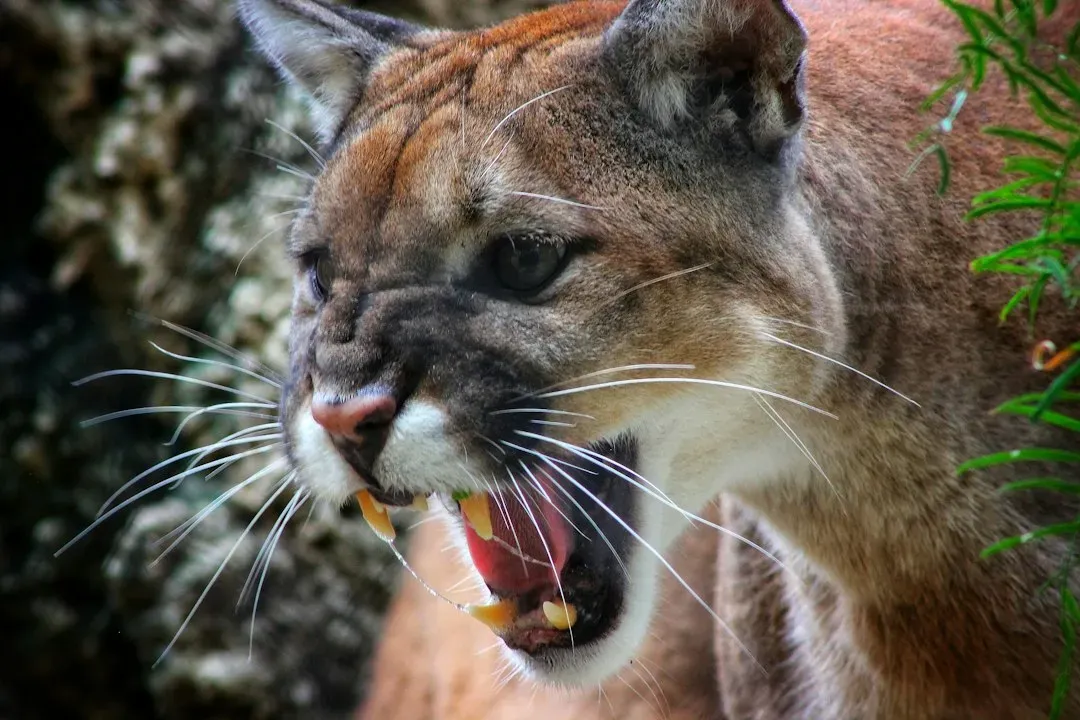
Washington has a healthy cougar population, mostly along the Cascades and in the northeast, but the foothills east of Seattle are where things get interesting. Towns tucked against forested slopes regularly see sightings, and wildlife officials in the state field reports of cats near homes, schools and trails.
Deer are the draw. Where suburbs back up to greenbelts, deer tend to gather, and a cougar will follow its food. A cat that’s hunting quietly at dawn or dusk can cross a neighborhood without anyone noticing.
State agencies stress that most encounters end uneventfully. Keeping pets inside overnight and securing small livestock are the usual recommendations. Cutting back dense brush near the house helps too, since it removes cover a stalking cat might use.
5. Utah: Wasatch Front Canyons at the Doorstep
🔥 Would you like to save this?
We'll email this post to you, so you can come back to it later!
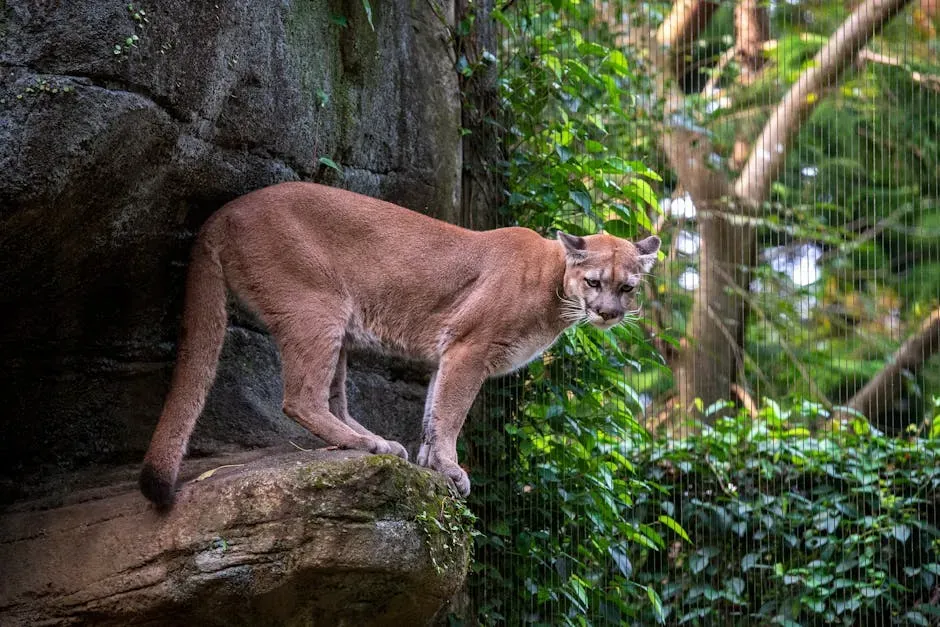
Salt Lake City sits in front of one of the steepest mountain walls in the country. The canyons above it are popular for hiking, biking and trail running, and they’re also cougar habitat. Trail cameras in those canyons have recorded cats moving along the same routes that people use in daylight.
Utah’s wildlife division has long managed cougars as a game species, with regulated hunting and permits. Biologists balance that against the reality that growth keeps pushing homes up the benches and into the foothills. More houses at the edge of the mountains means more overlap, even if the cat population itself stays steady.
The practical advice is simple. Hike in groups when you can, keep dogs leashed, and keep small children close on dusk trails. Cougars rarely approach people, but a running child or a loose dog can look like prey.
4. Florida: A Rare Panther in a Crowded State
🔥 Would you like to save this?
We'll email this post to you, so you can come back to it later!
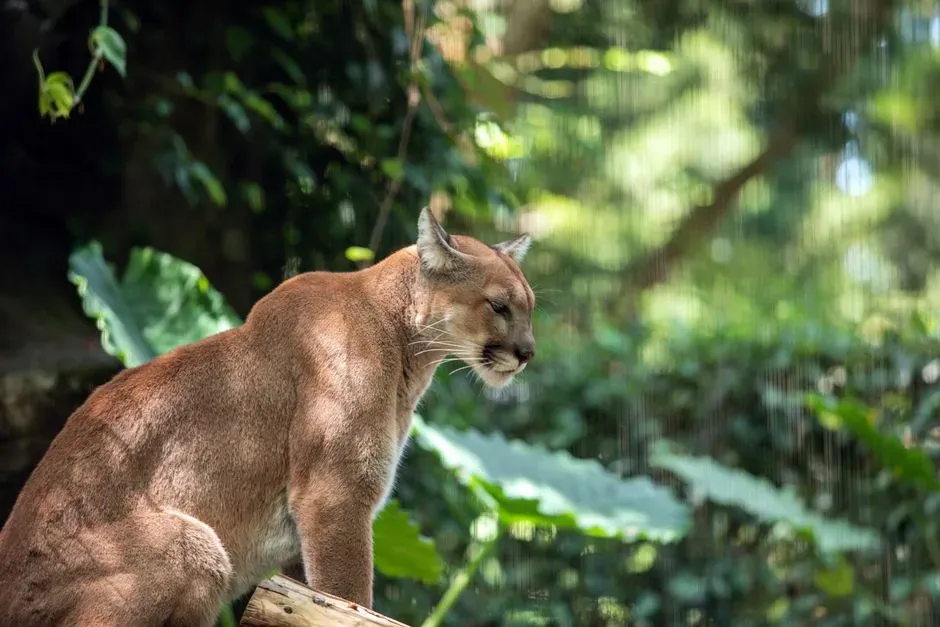
Florida’s version is the Florida panther, a subspecies of the mountain lion and the state animal. It’s one of the most endangered mammals in the country, with a population that numbers only in the low hundreds. Most live in the southwestern part of the state, around the Big Cypress and Everglades region and areas near Naples and Fort Myers.
The thing that makes Florida unusual is how fast the human population has grown in the same space. Panthers share a landscape of highways, golf communities and farms. Vehicle strikes are among the leading causes of death for these cats, which is why wildlife crossings and fencing along some roads matter so much.
The recovery story is real, though. In the 1990s, biologists brought in cats from Texas to counter inbreeding problems, and the population rebounded from a very small number. It remains fragile, but it shows what conservation can do when habitat and roads are managed together.

Dog Stairs for Bed 18" H, 4-Step Dog Steps for High Bed
Check Price on AmazonAs an Amazon Associate, we earn from qualifying purchases.
10/9/2026 2:42 pm GMTi

Portable Dog Water Bottle Foldable Dog Travel Water Bottle
Check Price on AmazonAs an Amazon Associate, we earn from qualifying purchases.
10/7/2026 1:29 pm GMTi

Smart Bird Feeder with Camera Solar Powered, 2K HD Live Video, 10,000+ Bird Species AI Identification
Check Price on AmazonAs an Amazon Associate, we earn from qualifying purchases.
10/7/2026 1:22 pm GMTi

Orthopedic Extra Large Dog Bed, Waterproof Washable XL Pet Bed 44"
Check Price on AmazonAs an Amazon Associate, we earn from qualifying purchases.
10/7/2026 1:32 pm GMTi

2 Pcs Halloween Pet Hat Bandana Set, Witch Pumpkin Costumes for Dogs
Check Price on AmazonAs an Amazon Associate, we earn from qualifying purchases.
10/9/2026 2:45 pm GMTi
3. Arizona: Desert Foothills and Tucson’s Edge
🔥 Would you like to save this?
We'll email this post to you, so you can come back to it later!
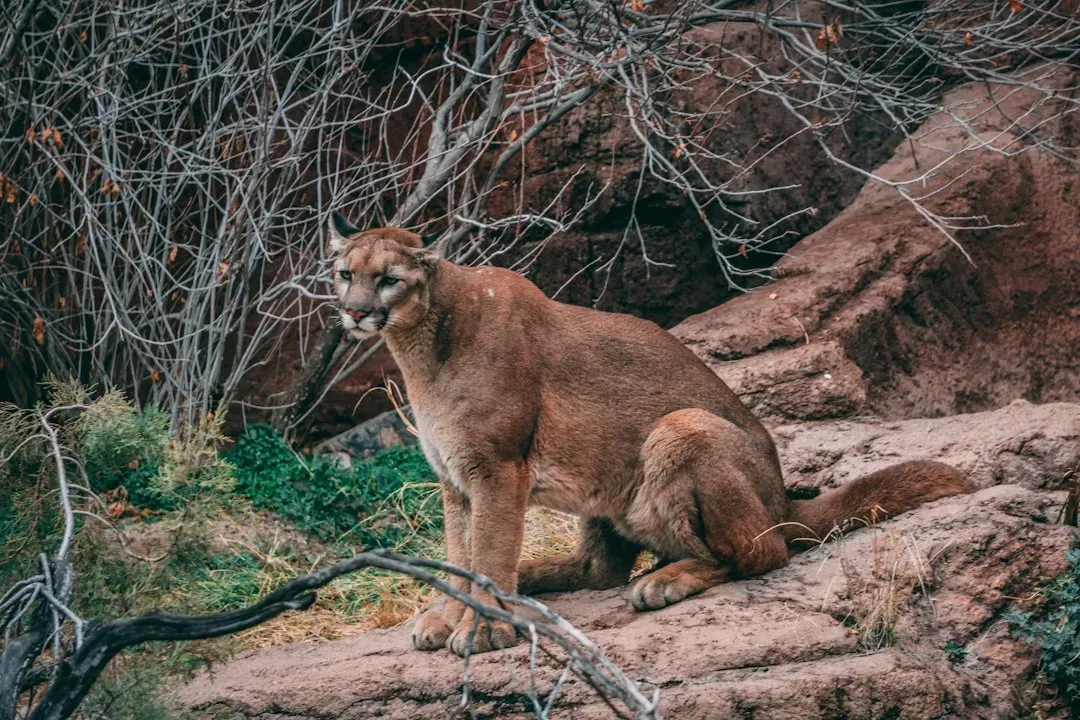
Many people picture mountain lions in snowy forests, yet they live comfortably in desert country too. Arizona has cats across its mountain ranges, including the ranges around Tucson, where neighborhoods push up against rocky slopes and canyons. Wildlife officials in the state get reports of cats in or near residential areas from time to time.
Desert cats rely on mule deer, javelina and other prey, and they tend to use washes and drainages as travel corridors. Those same washes often run behind backyards and golf courses. A narrow strip of dry riverbed can work like a highway for a cat that wants to stay out of sight.
Residents are usually told to keep pets indoors at night and to avoid leaving pet food outside. It’s also smart to remember that coyotes and javelina can attract the larger predator. Everything on the desert food chain is linked, and a backyard can accidentally become part of it.
2. Colorado: The Front Range Where Cats and Commuters Collide
🔥 Would you like to save this?
We'll email this post to you, so you can come back to it later!
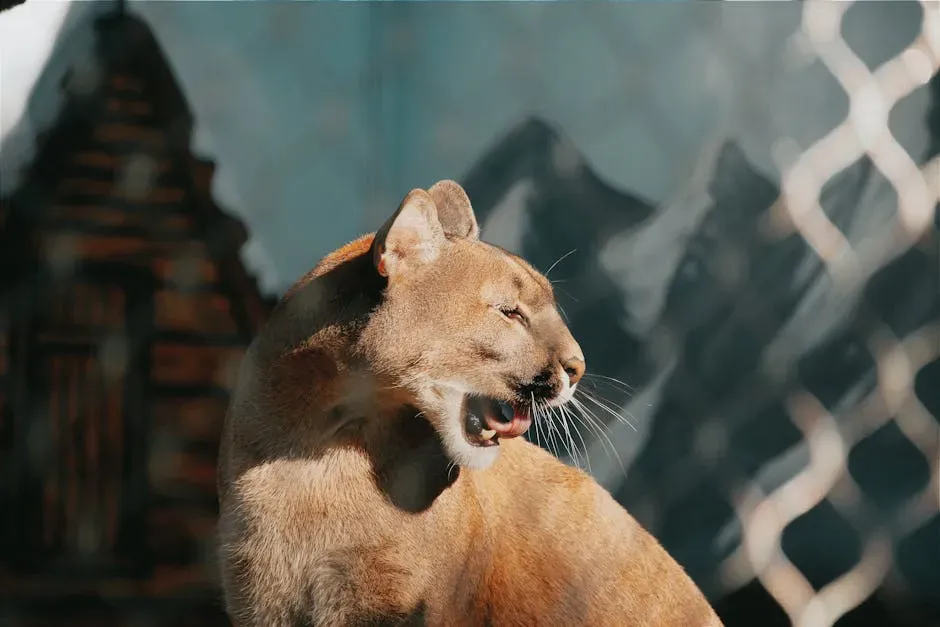
Colorado is one of the clearest examples of lions living alongside a fast growing population. Towns along the Front Range, including Boulder, Colorado Springs and many foothill communities, sit directly against cat habitat. Sightings in open space areas and neighborhoods near the mountains are a regular part of life there.
State wildlife officials have documented lion encounters ranging from cats seen on porches to rare, serious incidents. Colorado also has a long running public debate about how to manage the species. In 2024, voters rejected a ballot measure that would have banned hunting of mountain lions, so regulated hunting continues.
For residents, the habits matter more than the politics. Don’t hike alone at dawn or dusk if you can avoid it, and don’t run if you meet a cat. Face it, stand tall, speak firmly and back away slowly. Attacks are very rare, but that advice exists for a reason.

Professional 7 in 1 Dog Paw Cleaner for Dogs & Cats - Includes 1 Portable Paw Washer, 1 Bath Brush
Check Price on AmazonAs an Amazon Associate, we earn from qualifying purchases.
10/7/2026 1:26 pm GMTi

Air Purifiers for Home Pets Large Room Up to 3000 Ft²,HEPA Air Cleaner with Washable Double-Side Filter, PM2.5 Air Quality Monitor,15dB Sleep Mode for Bedroom Odor Dust Pollen,White
Check Price on AmazonAs an Amazon Associate, we earn from qualifying purchases.
10/8/2026 8:23 am GMTi

Halloween Dog Collar with Bow, Orange Cute Ghost Collar,
Check Price on AmazonAs an Amazon Associate, we earn from qualifying purchases.
10/9/2026 2:43 pm GMTi

Earth Rated XL Dog & Puppy Pee Pads, Discreet Top, Max Absorbency
Check Price on AmazonAs an Amazon Associate, we earn from qualifying purchases.
10/7/2026 1:28 pm GMTi

Hand Blown Glass Hummingbird Feeders for Outdoors Hanging, 24oz Wild Bird Nectar Feeder
Check Price on AmazonAs an Amazon Associate, we earn from qualifying purchases.
10/7/2026 1:23 pm GMTi
1. California: Lions in the Shadow of Los Angeles
🔥 Would you like to save this?
We'll email this post to you, so you can come back to it later!
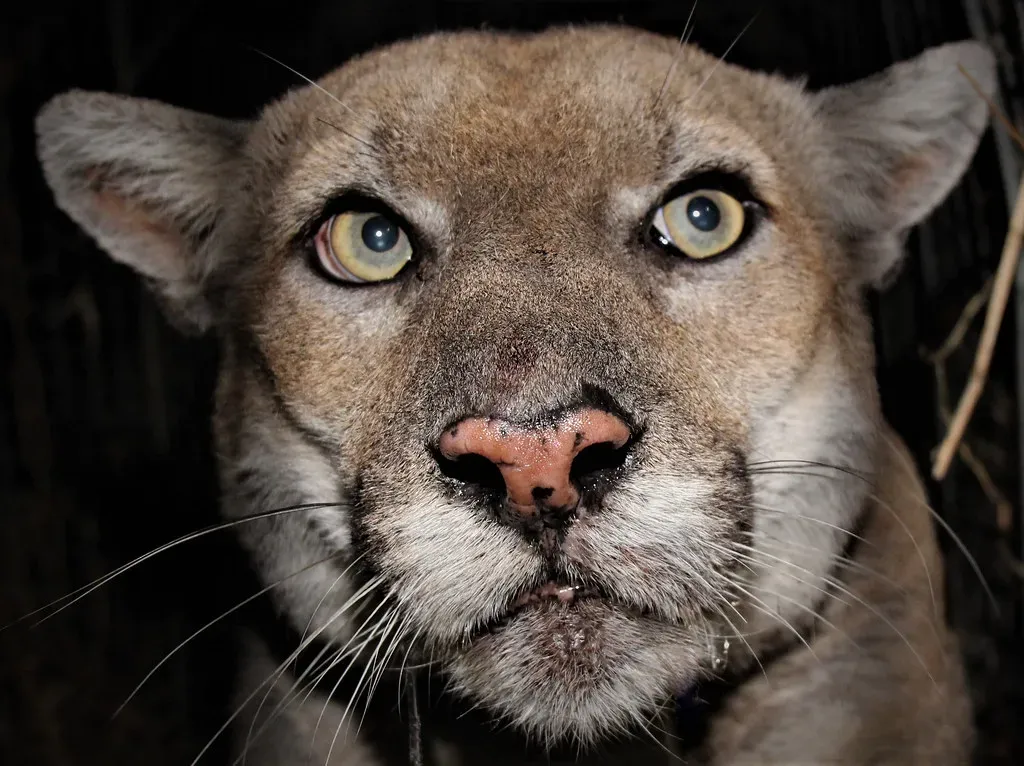
California tops this list because no other state offers such a stark picture of lions living inside a megacity’s orbit. Cats in the Santa Monica Mountains have been tracked by the National Park Service for years, and those studies revealed how boxed in they are by freeways. One male, known as P22, even settled in Griffith Park, near the Hollywood sign, after crossing major highways. He died in late 2022 after being struck by a car, and his story became a symbol of the cats’ isolation.
Isolation is the real concern. Researchers have documented inbreeding in the Santa Monica population because cats can’t easily leave or enter. That’s why the Wallis Annenberg Wildlife Crossing over U.S. 101 in Agoura Hills has drawn so much attention, since it’s designed to reconnect habitat on both sides of the road.
California has also protected the species since 1990, when voters approved a measure that bars sport hunting. The state still allows removal of individual cats that attack livestock under permit. The result is a population that lives very near people, with plenty of room for conflict and for coexistence.

Halloween Cat Costume Cloak Witch Hat Pet Accessories
Check Price on AmazonAs an Amazon Associate, we earn from qualifying purchases.
10/9/2026 2:44 pm GMTi

Glass Hummingbird Feeder for Outdoors Hanging
Check Price on AmazonAs an Amazon Associate, we earn from qualifying purchases.
10/7/2026 1:21 pm GMTi

Glass Hummingbird Feeder for Outdoors Hanging, 16 oz Leak-Proof Nectar Feeder with Bee Guards & Ant Moat
Check Price on AmazonAs an Amazon Associate, we earn from qualifying purchases.
10/7/2026 1:22 pm GMTi

PetSafe Oasys Pet Fountain, 1/2 Gallon (64 oz), Small Dogs & Cats
Check Price on AmazonAs an Amazon Associate, we earn from qualifying purchases.
10/8/2026 8:14 am GMTi
What This Really Tells Us
🔥 Would you like to save this?
We'll email this post to you, so you can come back to it later!
I think the biggest surprise isn’t how close lions get. It’s how well they manage to avoid us while doing it. A cat that can cross a city at night and leave only a paw print has solved a problem most animals can’t.
My view is that the blame for rising encounters is misplaced when it lands on the cats. We keep building toward their habitat, then act shocked when a deer eater shows up. Roads, fences and sprawl are the real shapers of this story.
The sensible response isn’t panic or hunting frenzy. It’s boring, practical stuff like bringing pets in at night, funding wildlife crossings and learning what to do on a trail. If lions are going to keep living next door, the least we can do is be good neighbors.

- 7 U.S. States Where Mountain Lions Roam Closer to Towns Than Most People Think - November 9, 2026
- 19 Things a Dog Does Between Midnight and Dawn - November 9, 2026
- 19 Campground Discounts for Over 62s That Never Appear on a Booking Page - November 9, 2026